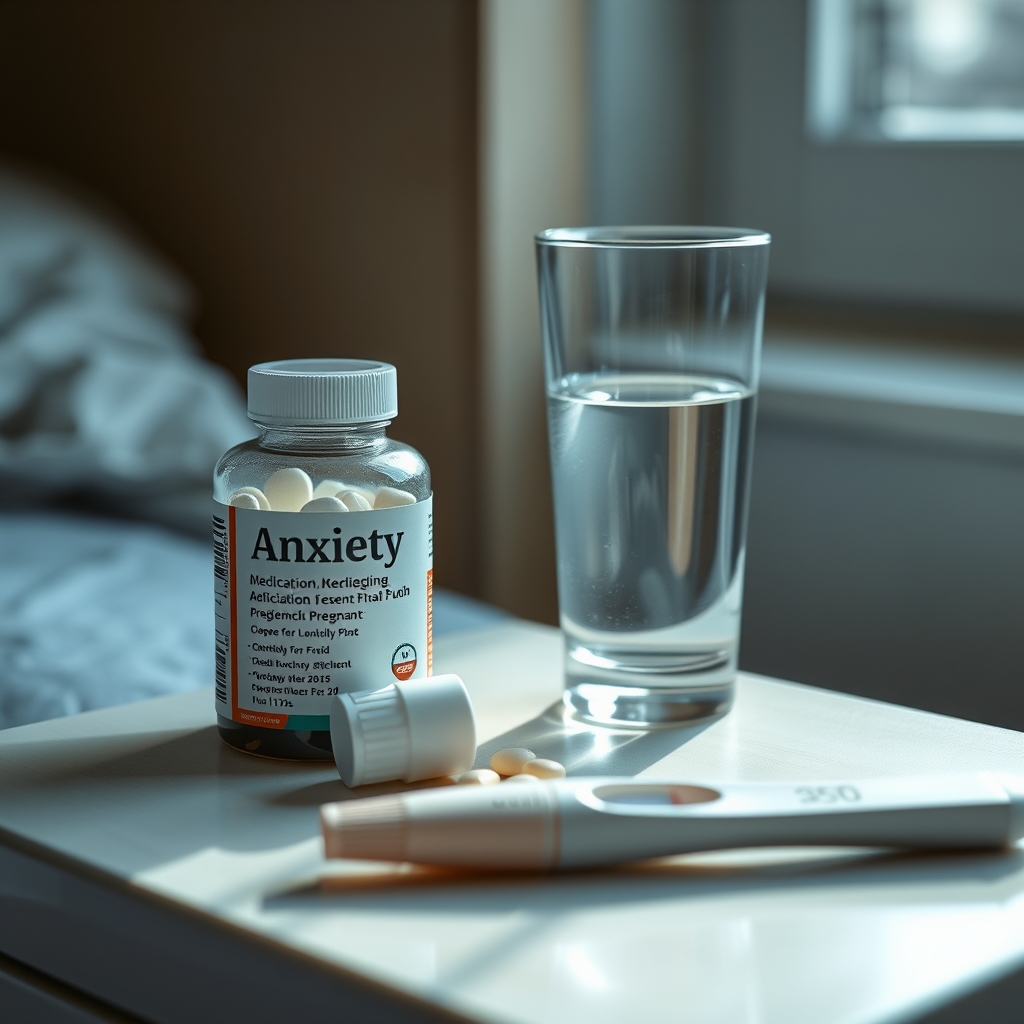
Safe: Most anxiety medications can be used during pregnancy when dosed properly, especially after the first trimester. Learn recommended limits and alternatives.
By Shubhra Mishra — a mom of two who turned her own confusion during pregnancy into BumpBites, a global mission to make food choices clear, safe, and stress-free for every expecting mother. 💛
Check whether any food is safe during pregnancy with the BumpBites Food Safety Checker.
Quick verdict: ⚠️ Talk to your doctor first. Anxiety medication can be used during pregnancy, but the safety depends on the specific drug, dose, and trimester, and you should discuss an individualized plan with your provider.
It’s completely normal to feel a flutter of anxiety the moment you realize you’ve been taking an anxiety medication and you’re pregnant. You might be wondering whether anxiety medication safe for pregnancy is a myth or a reality, and what you should do next. The short answer is that many anxiety medications are considered relatively safe when prescribed and monitored, but the decision hinges on the type of medication, the dosage, and the stage of pregnancy.
In this article we’ll walk through the overall safety profile of anxiety medication during pregnancy, break down the risks and recommendations for each trimester, outline dosage guidelines, discuss brand‑specific considerations, and suggest safer alternative therapies you can try. We’ll also compare common anxiety drugs side‑by‑side so you can see at a glance which ones are generally regarded as safer.
By the end of this read you’ll have a clear picture of how anxiety medication safe for pregnancy is evaluated, what red‑flag symptoms to watch for, and concrete steps you can take to protect both your wellbeing and your baby’s development. If you’ve already taken a dose before you knew you were pregnant, take a deep breath—most experts agree that a single early exposure is rarely catastrophic, and we’ll explain why.
Trimester / Breastfeeding
Verdict
Notes
First trimester
⚠️ Caution
Highest risk period for organ formation; avoid medications linked to birth defects (e.g., paroxetine).
Second trimester
✅ Generally safe
Most SSRIs and SNRIs are considered low‑risk; continue with provider monitoring.
Third trimester
⚠️ Monitor
Potential for neonatal adaptation syndrome; dose adjustments may be needed.
Breastfeeding
✅ Generally safe
Many agents (e.g., sertraline) have minimal transfer into breast milk.
When you discover you’re pregnant, a calm environment helps you think clearly about medication decisions.
What is anxiety medication?
Anxiety medication is a broad term that includes several classes of drugs prescribed to reduce excessive worry, tension, and physical symptoms of anxiety. The most common categories are selective serotonin reuptake inhibitors (SSRIs) such as sertraline (Zoloft) and escitalopram (Lexapro), serotonin‑norepinephrine reuptake inhibitors (SNRIs) like venlafaxine (Effexor), atypical agents such as buspirone, and, in some cases, short‑acting benzodiazepines (e.g., lorazepam). These medications work by altering neurotransmitter activity in the brain, primarily serotonin and norepinephrine, to improve mood stability.
Doctors prescribe them for generalized anxiety disorder, panic disorder, social anxiety, and sometimes for mood symptoms that overlap with depression. While they can be life‑changing for many patients, they cross the placenta to varying degrees, which is why the safety of anxiety medication safe for pregnancy is evaluated on a case‑by‑case basis. Most of these drugs are metabolized in the liver and have half‑lives ranging from a few hours (benzodiazepines) to a full day (many SSRIs), influencing how long the fetus is exposed after each dose.
Is anxiety medication safe during pregnancy?
C
urrent guidance from the American College of Obstetricians and Gynecologists (ACOG) and the UK’s National Health Service (NHS) says that many anxiety medications are permissible during pregnancy when the benefits outweigh the potential risks. The FDA classifies most SSRIs as Category C (risk cannot be ruled out) but notes that they are often continued if a woman was already stable on the drug before conception.
Evidence from large cohort studies (e.g., a 2020 systematic review in JAMA Psychiatry) shows that SSRIs such as sertraline and escitalopram are not associated with a markedly increased risk of major birth defects. However, some agents—most notably paroxetine—have been linked to a modest rise in cardiac anomalies, leading the FDA to advise against its use in pregnancy if alternatives exist.
Overall, the consensus among ACOG, the CDC, and NICE (UK) is that an individualized plan, close monitoring, and the lowest effective dose are key. Stopping medication abruptly can cause rebound anxiety, which itself carries risks for maternal health and fetal development. Therefore, the safest route is a shared decision‑making conversation with your obstetric provider.
Recent meta‑analyses published by the World Health Organization (2022) reinforce that, for most SSRIs, the absolute increase in rare adverse outcomes is less than 1‑2 %. This means that while no medication is completely risk‑free, the real‑world data suggest that many pregnant people safely continue their prescribed anxiety medication under medical supervision.
Is it safe to take anxiety medication during the first trimester?
The first trimester, covering weeks 1‑13, is the period of organogenesis when the baby’s major organs form. Because this window is most sensitive to teratogenic (birth‑defect‑causing) agents, clinicians exercise extra caution.
SSRIs such as sertraline and escitalopram have not shown a strong link to major malformations, so many providers will continue them if you were already on a stable dose before pregnancy. In contrast, paroxetine (Paxil) has been associated with a small but statistically significant increase in cardiac defects, and the FDA recommends avoiding it during the first trimester when possible.
If you are newly diagnosed with anxiety in early pregnancy, your provider may first suggest non‑pharmacologic options (e.g., CBT) before initiating medication. When medication is essential, the lowest effective dose and careful fetal monitoring are advised. ACOG also recommends a baseline fetal ultrasound around 12 weeks to document early development.
First‑trimester monitoring tips
During weeks 8‑12, many obstetricians order a detailed anatomy scan to confirm that organ formation is proceeding normally. If you are on an SSRI, your provider may also check maternal thyroid function, as some antidepressants can affect thyroid hormone levels, which are crucial for early brain development.
What dosage of anxiety medication is considered safe in pregnancy?
There is no one‑size‑fits‑all dosage for anxiety medication safe for pregnancy; the principle is to use the minimal dose that controls symptoms. For SSRIs, typical adult doses range from 50 mg to 200 mg daily (e.g., sertraline 50‑200 mg). In pregnancy, many clinicians aim for the lower end of the therapeutic range, often 50‑100 mg, and adjust based on symptom control.
If you are taking a medication like buspirone, the usual adult dose is 5–20 mg two or three times daily. Again, the recommendation is to stay at the lowest effective dose. Benzodiazepines (e.g., lorazepam) are generally reserved for short‑term use because they cross the placenta more readily; if prescribed, the dose is usually limited to 0.5‑1 mg up to three times daily and for the briefest period needed.
All dosage decisions should be made with your obstetrician or psychiatrist, who can order therapeutic drug monitoring if needed and track maternal blood pressure, weight gain, and fetal growth. Some providers also check serum levels of SSRIs in the third trimester to ensure they remain within a safe therapeutic window.
Can anxiety medication be used safely in the second and third trimesters?
During the second trimester (weeks 14‑27) the risk of major structural defects drops, and most anxiety medication safe for pregnancy can be continued if they were already started earlier. ACOG notes that SSRIs and SNRIs are generally low‑risk during this period, though they advise periodic ultrasound assessments to monitor fetal growth.
In the third trimester (weeks 28‑40), the main concern shifts to neonatal adaptation syndrome—symptoms such as respiratory distress, jitteriness, and feeding difficulties that can appear in newborns exposed to SSRIs in utero. These effects are usually mild and resolve within a few days, but they prompt many providers to consider tapering the dose or switching to a medication with less neonatal impact a few weeks before delivery.
For benzodiazepines, the third trimester carries a higher risk of floppy infant syndrome and withdrawal symptoms, so they are usually avoided unless absolutely necessary. Your provider may recommend a short taper, switching to an SSRI, or employing non‑pharmacologic strategies during the final weeks of pregnancy.
Medication considerations during labor and delivery
Many obstetricians advise continuing a stable dose of an SSRI up to the onset of labor because abrupt discontinuation can trigger maternal rebound anxiety, which may interfere with the birthing process. However, if you are on a benzodiazepine, your anesthesiologist will be informed so they can adjust anesthesia plans accordingly. Some hospitals also offer a “medication pause” protocol where the last dose is given the night before a planned induction to minimize neonatal exposure.
Impact on infant neurodevelopment
Long‑term follow‑up studies, such as those from the Danish National Birth Cohort (2021), suggest that in‑utero exposure to SSRIs does not significantly affect cognitive scores at age 5 when compared with children of mothers who had untreated anxiety. Nonetheless, the data are still evolving, and ongoing monitoring of developmental milestones is recommended for any child whose mother used psychotropic medication during pregnancy.
How does anxiety medication affect pregnancy complications like preeclampsia?
Research suggests that most SSRIs do not increase the risk of preeclampsia, a condition marked by high blood pressure and organ dysfunction. A large cohort study published in *Hypertension* (2021) found no statistically significant association between sertraline use and preeclampsia after adjusting for maternal age and BMI.
However, untreated severe anxiety can contribute to elevated stress hormones (cortisol), which have been linked to higher blood pressure and may indirectly raise preeclampsia risk. Therefore, managing anxiety—whether with medication or therapy—can be protective against such complications.
Gentle movement like prenatal yoga can be a soothing alternative to medication.
Safe dosage / amount / brands
Below is a concise reference for commonly prescribed anxiety medications. Always confirm the exact dose with your provider.
Medication (brand)
Typical adult dose (range)
Pregnancy safety notes
Lexapro (escitalopram)
10–20 mg once daily
Low risk of major defects; monitor newborn for adaptation syndrome.
Zoloft (sertraline)
50–200 mg once daily
Most data support safety; preferred SSRI for pregnancy.
Buspar (buspirone)
5–20 mg 2–3 times daily
Limited data but no clear teratogenic signal; consider if SSRIs unsuitable.
Ativan (lorazepam)
0.5–2 mg up to three times daily (short term)
Use only for brief periods; risk of neonatal withdrawal.
Wellbutrin (bupropion)
150 mg twice daily
Mixed data; discuss risk‑benefit with provider.
Effexor (venlafaxine)
75–225 mg daily
Generally low risk; monitor for low birth weight.
When your provider prescribes an SSRI, they may also schedule a blood test at 28–32 weeks to ensure serum levels remain within the therapeutic range, minimizing both maternal side effects and fetal exposure. For benzodiazepines, a “as‑needed” prescription is often written with explicit instructions to avoid daily use.
Side effects and risks
While many anxiety medications are tolerated well, some side effects deserve attention:
Common but non‑dangerous: Nausea, mild headache, transient dizziness, or mild sleepiness.
Potentially concerning: Sudden mood swings, increased blood pressure, or signs of serotonin syndrome (e.g., rapid heart rate, agitation, fever). If you notice these, contact your provider promptly.
Neonatal concerns: Newborns may exhibit jitteriness, feeding difficulties, or respiratory distress if exposed to SSRIs late in pregnancy. These symptoms usually resolve within a few days, but they should be discussed with your pediatrician.
Withdrawal risk: Abruptly stopping an SSRI can cause discontinuation syndrome (flu‑like symptoms, anxiety rebound). Always taper under medical supervision.
Drug‑interaction alerts: Some SSRIs inhibit CYP2D6 enzymes, which can affect the metabolism of other medications you may be taking, such as certain antihypertensives or pain relievers.
Safer alternatives
**Cognitive Behavioral Therapy (CBT):** Structured therapy that reduces anxiety without medication.
**Prenatal yoga:** Low‑impact stretches and breathing that lower stress hormones.
**Mindfulness meditation:** Daily 10‑minute practice improves emotional regulation.
**Regular low‑impact exercise:** Walking, swimming, or stationary cycling boost endorphins.
**Acupuncture (certified):** May alleviate anxiety symptoms safely.
**Omega‑3 fish oil supplements:** Supports brain health; generally safe in pregnancy.
**Chamomile tea (moderation):** Soothing beverage; limit to 1–2 cups per day.
**Lavender aromatherapy:** Inhalation or topical use can promote relaxation without drug exposure.
These options are often recommended as first‑line treatments because they have no known teratogenic risk and can be combined with low‑dose medication if needed. Many clinics now offer integrated programs that blend CBT with prenatal yoga, giving you a holistic toolkit to manage anxiety throughout pregnancy.
Related items — safety at a glance
Medication
Verdict
One‑line note
Lexapro (escitalopram)
✅ Generally safe
Low risk of major birth defects; monitor newborn.
Zoloft (sertraline)
✅ Generally safe
Preferred SSRI; minimal placental transfer.
Paxil (paroxetine)
❌ Best avoided
Linked to cardiac malformations.
Buspirone
✅ Generally safe
Limited data but no clear teratogenic signal.
Ativan (lorazepam)
⚠️ Use with caution
Risk of neonatal withdrawal; short‑term use only.
Clonazepam
⚠️ Use with caution
Similar concerns as other benzodiazepines.
Wellbutrin (bupropion)
⚠️ Talk to doctor
Mixed safety data; individual assessment needed.
Effexor (venlafaxine)
✅ Generally safe
Potential modest increase in low birth weight.
Myth vs. fact
Myth: All anxiety medications cause birth defects.
Fact: Most SSRIs, such as sertraline and escitalopram, have not been linked to a significant increase in major birth defects, though a few agents like paroxetine carry a small risk.
Myth: If you’re pregnant, you must stop anxiety medication immediately.
Fact: Abrupt discontinuation can trigger severe rebound anxiety, which itself can harm both mother and baby. A gradual taper under medical guidance is the safest approach.
Myth: Natural remedies are always safer than prescription meds.
Fact: Some “natural” options (e.g., high‑dose herbal teas) lack robust safety data. Proven therapies like CBT and prenatal yoga have strong evidence for safety and efficacy.
Myth: One dose of an anxiety drug early in pregnancy will ruin the baby.
Fact: A single early exposure is rarely enough to cause a defect; most studies focus on chronic exposure, and clinicians consider the overall risk‑benefit profile.
Key takeaways
Most SSRIs (e.g., sertraline, escitalopram) are considered relatively safe when used at the lowest effective dose.
Paroxetine should be avoided in the first trimester due to a modest risk of cardiac defects.
Short‑acting benzodiazepines are generally reserved for brief, acute anxiety episodes and require careful monitoring.
Non‑pharmacologic treatments—CBT, yoga, mindfulness—are effective, low‑risk alternatives and are often recommended as first‑line.
Always discuss any medication changes with your obstetrician or psychiatrist; never stop a prescribed drug without professional guidance.
Watch for neonatal adaptation symptoms after birth and inform your pediatrician of any prenatal medication exposure.
Frequently asked questions
Can anxiety medication cause birth defects?
Most anxiety medication, especially sertraline and escitalopram, have not been shown to cause major birth defects; however, paroxetine carries a small increased risk of cardiac anomalies, so it is generally avoided.
Is it safe to take SSRIs during pregnancy?
Yes, SSRIs such as sertraline and escitalopram are considered safe for most pregnant women when used at the lowest effective dose, though they may cause mild neonatal adaptation symptoms.
What are the withdrawal symptoms for a baby if mother used anxiety meds?
Newborns exposed to SSRIs in the third trimester may experience jitteriness, feeding difficulties, or respiratory distress—collectively called neonatal adaptation syndrome—and these symptoms usually resolve within a few days.
How long should I wait after stopping anxiety medication before trying to conceive?
Most experts, including ACOG, advise waiting at least one full menstrual cycle after discontinuing an SSRI to allow the drug to clear and to assess baseline anxiety levels before attempting conception.
Are there natural remedies for anxiety that are safe during pregnancy?
Yes, evidence‑based options like cognitive behavioral therapy, prenatal yoga, mindfulness meditation, and low‑impact exercise are safe and effective alternatives to medication.
Do anxiety medications affect breastfeeding?
Many SSRIs (e.g., sertraline) have minimal transfer into breast milk and are considered safe while breastfeeding; however, benzodiazepines can accumulate and are usually avoided.
Can anxiety medication increase the risk of miscarriage?
Current data do not show a clear link between SSRIs and miscarriage; the primary concern is medication‑specific teratogenic risk, not an increased chance of pregnancy loss.
What is the safest anxiety medication for pregnant women?
Sertraline (Zoloft) is often regarded as the safest option due to its extensive safety record and low placental transfer, but the best choice always depends on individual health factors.
Can I switch anxiety medications while pregnant?
Switching is possible but should be done under close supervision; a gradual cross‑taper minimizes the risk of symptom rebound and allows your provider to monitor fetal well‑being.
Are over‑the‑counter herbal supplements for anxiety safe in pregnancy?
Many herbal products, such as high‑dose valerian or kava, lack sufficient safety data and may pose risks; it’s best to discuss any supplement with your provider before use.
When to call your doctor
If you notice any of the following, reach out to your obstetric provider right away: sudden swelling of hands or face, severe headache, rapid heartbeat, unexplained fever, signs of serotonin syndrome (confusion, agitation, high fever), or if your baby shows prolonged neonatal adaptation symptoms after birth. Also contact your doctor if you’re considering stopping or changing any anxiety medication, or if you experience a significant increase in anxiety that interferes with daily functioning.
Additionally, contact your provider promptly if you develop new psychiatric symptoms such as persistent depression, thoughts of self‑harm, or hallucinations while on medication, as these may signal an urgent need for medication adjustment.
Remember, this article provides general information and is not a substitute for personalized medical advice. Always discuss your specific situation with a qualified healthcare professional.
References
American College of Obstetricians and Gynecologists (ACOG). “Medication Use in Pregnancy.” Practice Bulletin No. 203, 2020.
National Health Service (NHS). “Antidepressants and anxiety medication in pregnancy.” Updated 2021.
Food and Drug Administration (FDA). “Pregnancy and Lactation Labeling Rule (PLLR).” 2020.
Centers for Disease Control and Prevention (CDC). “Medication Use During Pregnancy.” 2022.
JAMA Psychiatry. “Association of Selective Serotonin Reuptake Inhibitors With Birth Defects.” 2020.
Hypertension. “Selective Serotonin Reuptake Inhibitors and Risk of Preeclampsia.” 2021.
National Institute for Health and Care Excellence (NICE). “Antenatal mental health: anxiety and depression.” NG147, 2021.
American Academy of Pediatrics (AAP). “Breastfeeding and Medication.” 2021.
World Health Organization (WHO). “Guidelines for the Safe Use of Psychotropic Medicines in Pregnancy.” 2022.
Mayo Clinic. “Selective serotonin reuptake inhibitors (SSRIs) and pregnancy.” Accessed 2023.
Not sure about the label on Is Anxiety Medication Safe During Pregnancy products?
Snap the ingredients list and SafeFilter checks every ingredient for your stage — only 3 free scans this month, then you're locked until reset. Unlimited from $7/mo or $50/yr.
When Shubhra Mishra was expecting her first child in 2016, she was overwhelmed by conflicting food advice — one site said yes, another said never. By the time her second baby arrived in 2019, she realized millions of mothers face the same confusion.
That sparked a five-year journey through clinical nutrition papers, cultural diets, and expert conversations — all leading to BumpBites: a calm, compassionate space where science meets everyday motherhood.
Her long-term vision is to build a global community ensuring safe, supported, and free deliveriesfor every mother — because no woman should face pregnancy alone or uninformed. 🌿
🌍 Stand with mothers, shape safer guidance
Join a small circle of experts who review BumpBites articles so expecting parents everywhere can decide with confidence.