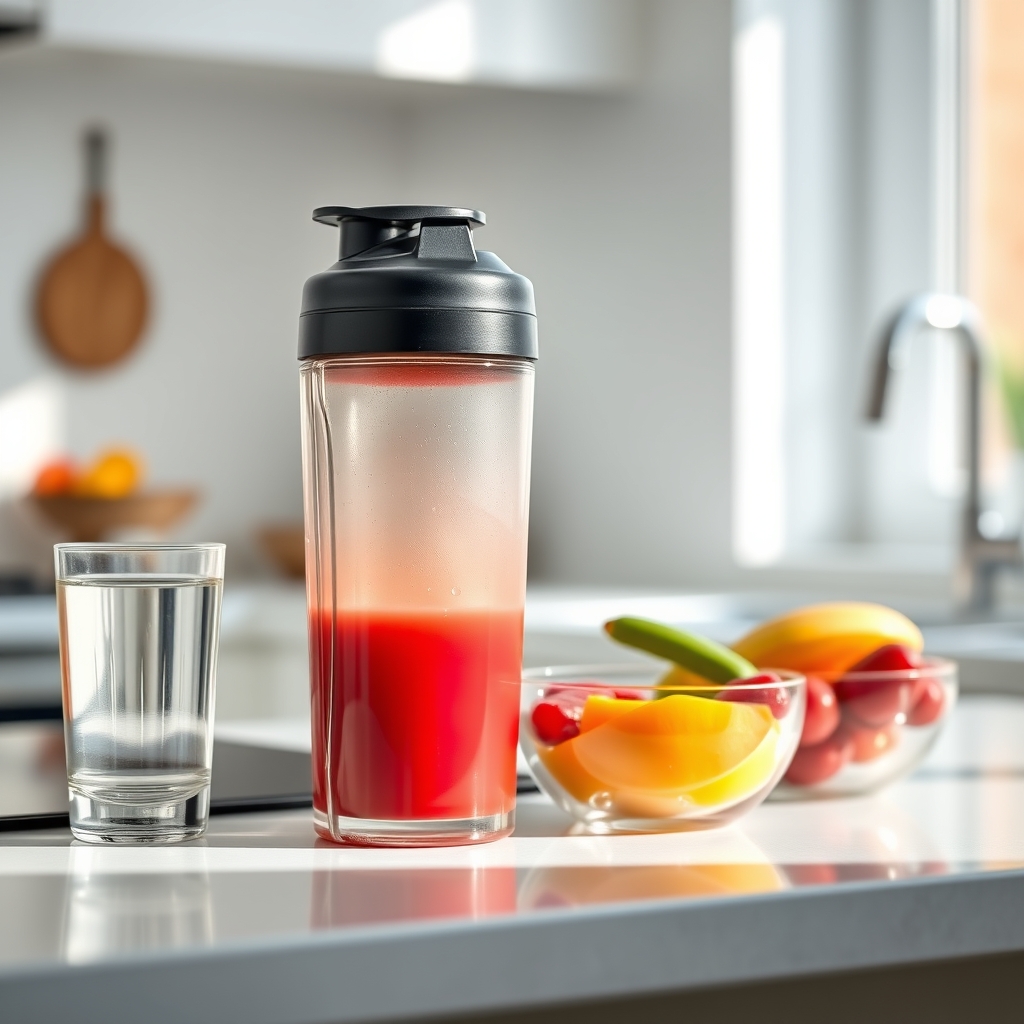
Protein shakes can be safe during pregnancy when consumed in limited amounts, around 15-20 grams per serving, especially in the second and third trimesters
By Shubhra Mishra — a mom of two who turned her own confusion during pregnancy into BumpBites, a global mission to make food choices clear, safe, and stress-free for every expecting mother. 💛
Check whether any food is safe during pregnancy with the BumpBites Food Safety Checker.
Quick verdict: ⚠️ Talk to your doctor first. Protein shakes can be part of a balanced pregnancy diet, but you should watch the amount, ingredients, and any underlying health conditions.
It’s 2 a.m., you’re scrolling through the pantry, and a half‑filled protein shaker catches your eye. “Are protein shakes safe for pregnancy?” you wonder, feeling a knot in your stomach. You’ve probably already had one or two, or you’re thinking about adding them to your routine to meet the extra protein needs of pregnancy.
Pregnancy already feels like a juggling act—nausea, cravings, a growing belly, and the constant question of “is this okay for my baby?” It’s natural to pause and double‑check every new food or supplement. The good news is that, for most people, protein shakes are not outright dangerous. The safety picture becomes clearer once you know which protein source you’re using, what extra ingredients are hidden in the mix, and how many servings fit into your daily protein budget.
In short, most protein shakes are not outright dangerous, but the safety depends on the type of protein, the ingredients, how many you consume, and which trimester you’re in. Below we break down the evidence, give clear dosage guidelines, point out red‑flag ingredients, and suggest whole‑food alternatives that can give you the same nutritional boost without the uncertainty.
Read on for a trimester‑by‑trimester look at whether protein shakes are safe, how many servings are reasonable, which brands meet pregnancy‑friendly standards, and what you can swap in if you’d rather avoid them altogether.
Trimester / Phase
Verdict
Notes
First trimester
⚠️ Caution
Limit to 1 serving/day; avoid added caffeine, artificial sweeteners, and high‑dose micronutrients.
Second trimester
✅ Generally safe
2 servings/day acceptable if protein total stays within 71‑100 g/day; choose low‑sugar, low‑additive formulas.
Third trimester
✅ Generally safe
Same limits as second trimester; watch for excess calories if weight gain is already on target.
Breastfeeding
⚠️ Talk to provider
Protein needs rise; a shake can help, but ensure no excessive added sugars or herbal extracts.
What are protein shakes?
Protein shakes are liquid beverages made by blending a powdered protein source—commonly whey, casein, soy, pea, or rice—with water or milk. They often contain added vitamins, minerals, sweeteners, flavorings, and sometimes probiotics or digestive enzymes. The primary purpose is to boost protein intake quickly, which can be helpful for athletes, people with higher protein needs, or those who find it hard to meet daily targets through whole foods alone.
During pregnancy, protein is essential for the growth of the placenta, uterus, breasts, and the developing baby’s tissues, including muscle, brain, and blood cells. The recommended daily protein intake for a pregnant adult is about 71 g, roughly 25 % more than the non‑pregnant recommendation. Protein shakes can conveniently provide 15‑30 g of protein per serving, making them an attractive supplement for busy expectant mothers.
However, not all shakes are created equal. Some contain high levels of added sugars, artificial sweeteners, caffeine, or herbal extracts that may cross the placenta or affect blood sugar. Others are fortified with excess amounts of fat‑soluble vitamins (A, D, E, K) that could become toxic at high doses. Understanding the ingredient list and the overall nutritional profile is key to determining if a particular shake fits safely into a pregnancy diet.
Most commercial powders come in two main serving sizes: a “full scoop” (≈30 g of powder) that typically yields 20‑30 g of protein, and a “half scoop” for a lighter option. Calories range from 120 to 200 per serving, depending on added carbs and fats. When you pair the powder with milk or a fortified plant‑based beverage, you also add calcium, vitamin D, and additional protein, turning a simple shake into a more complete snack.
Is protein shake safe during pregnancy?
Overall, most reputable protein shakes are considered safe for most pregnant people when used in moderation and when the ingredient list is pregnancy‑friendly. The American College of Obstetricians and Gynecologists (ACOG) advises that protein needs increase during pregnancy, but the source of protein should be “high‑quality and free of harmful contaminants.” The United Kingdom’s NHS echoes this, noting that “protein supplements are not necessary for a balanced diet but can be used if dietary intake is insufficient.”
Safety hinges on three factors: the type of protein, added ingredients, and total daily protein intake. Whey protein, derived from milk, is a complete protein and generally well‑tolerated, but some products contain added caffeine or high‑intensity sweeteners that ACOG warns against in the first trimester. Plant‑based proteins (soy, pea, rice) are also safe, provided they are free from soy isoflavone‑heavy formulas that could affect hormone balance.
Clinical data specifically examining protein shakes in pregnancy are limited, but studies on isolated whey or soy protein supplementation show no increase in adverse outcomes when taken within recommended protein limits. The FDA classifies protein powders as “dietary supplements,” not as drugs, meaning they are not subject to the same rigorous safety testing. Therefore, it is prudent to treat them as supplemental foods and choose products that have undergone third‑party testing for contaminants like heavy metals and microbial load.
In summary, the current guidance from ACOG, NHS, and FDA suggests that protein shakes are not inherently unsafe, but you should: (1) limit intake to avoid exceeding total protein recommendations; (2) avoid shakes with added caffeine, high‑intensity sweeteners, or questionable herbal extracts; and (3) discuss any supplement use with your prenatal care provider, especially if you have gestational diabetes, kidney disease, or a history of preeclampsia.
Protein shakes and common pregnancy symptoms
Nausea, heartburn, and food aversions are hallmarks of early pregnancy. A well‑timed protein shake can be a gentle way to get nutrients when solid foods feel overwhelming. Mixing the powder with a small amount of almond milk and a handful of berries often reduces the likelihood of reflux compared with a plain whey shake mixed with water. If you notice that a shake makes you feel queasy, try a lower‑protein “half‑scoop” version or add a teaspoon of ginger powder—a natural nausea‑reliever that is considered safe in moderate amounts.
Protein shakes for active or athletic pregnant people
Some pregnant athletes wonder whether a shake can replace a post‑workout snack. The consensus from the American College of Sports Medicine (ACSM) is that active pregnant individuals may need a slightly higher protein intake—up to 100 g per day—especially if they are training at moderate intensity. In those cases, a second shake after a workout can help with muscle repair, but it should be paired with a carbohydrate source (like a banana) to replenish glycogen stores and keep blood sugar stable.
Are protein shakes safe during the first trimester of pregnancy?
The first trimester is the period of organogenesis, when the baby’s major organs form. Because the fetus is most vulnerable to teratogens (substances that can cause birth defects) during this window, ACOG recommends extra caution with any supplement that contains unfamiliar additives. If a protein shake includes caffeine, high‑dose vitamin A, or certain herbal extracts (e.g., ginseng, licorice), it is best avoided in the first 12 weeks.
Plain whey or plant‑based protein powders without added stimulants are generally acceptable in modest amounts—about one 20‑gram serving per day. This provides a protein boost without overloading the system with extra calories or sugars that could contribute to nausea, a common first‑trimester symptom.
For those who already consumed a shake before learning they were pregnant, the risk is low. The key is to stop any new or high‑dose products and focus on a balanced diet rich in whole‑food protein sources.
How many protein shakes can I drink per day while pregnant?
Most experts agree that a pregnant adult should aim for 71 g of protein per day, spread across meals and snacks. A typical protein shake provides 15‑30 g of protein. Therefore, 1–2 shakes per day are usually safe, provided the rest of your diet does not exceed the total protein target. Exceeding 100 g of protein daily can strain the kidneys and increase the risk of gestational hypertension, especially in women with pre‑existing kidney issues.
Here is a quick reference:
Daily protein goal
Protein from shakes
Maximum shakes
71 g (average)
30 g (one large shake)
1–2 (if other protein sources are modest)
85‑100 g (active or high‑needs)
30‑60 g (two shakes)
2 (monitor total intake)
Always pair shakes with a balanced meal that includes fiber, healthy fats, and micronutrients to avoid spikes in blood sugar.
What are the risks of protein shakes for pregnant women?
When chosen wisely, protein shakes pose minimal risk. However, potential concerns include:
Excess calories and weight gain: High‑sugar or high‑fat shakes can add unnecessary calories, potentially leading to excessive gestational weight gain.
Blood sugar spikes: Shakes with added sugars or maltodextrin can raise blood glucose, which is problematic for women with gestational diabetes or insulin resistance.
Heavy metal contamination: Some low‑quality powders have been found to contain lead, arsenic, or cadmium. Choose products with third‑party testing.
Allergens and intolerances: Dairy‑based whey can trigger lactose intolerance; soy protein may cause reactions in soy‑allergic individuals.
Unwanted additives: Caffeine, herbal stimulants, and high‑intensity sweeteners (e.g., sucralose, aspartame) are best avoided, especially in the first trimester.
Most of these risks are manageable by reading labels, selecting reputable brands, and limiting intake to the recommended amounts.
Which protein shake brands are considered safe for pregnancy?
While no brand can claim universal safety, several manufacturers have earned a reputation for clean ingredient lists and third‑party testing. The following brands typically meet ACOG and NHS criteria for pregnancy‑friendly supplements:
Orgain Organic Plant‑Based Protein Powder: Certified organic, no artificial sweeteners, low sugar.
Vital Proteins Whey Protein Isolate: Grass‑fed whey, no added caffeine, minimal additives.
Garden of Life Raw Organic Protein: Plant‑based, includes probiotics, free of soy and dairy allergens.
Transparent Labs Whey Protein Isolate: Third‑party tested for heavy metals, no artificial flavors.
Purely Inspired Organic Protein Powder: Vegan, low‑calorie, sweetened with stevia.
Always verify the label for added caffeine, herbal extracts, or high‑intensity sweeteners before purchasing. If you have a specific medical condition, discuss brand choice with your provider.
Can I replace protein shakes with whole food protein sources during pregnancy?
Absolutely. Whole foods provide protein along with fiber, micronutrients, and healthy fats that most shakes lack. Options such as Greek yogurt, cottage cheese, eggs, lean poultry, beans, lentils, and nuts can easily meet your protein needs without the uncertainty of added ingredients. For many pregnant people, a combination of whole foods and occasional shakes offers the best balance of convenience and nutrition.
Do protein shakes affect gestational diabetes or blood sugar levels?
Protein itself has a modest impact on blood glucose, but the carbohydrate content of a shake can be significant. Shakes high in added sugars or maltodextrin can cause rapid glucose spikes, which may exacerbate gestational diabetes. The CDC recommends that pregnant people with diabetes choose low‑glycemic, low‑sugar protein supplements and monitor blood glucose after consumption.
If you have gestational diabetes, aim for shakes that contain ≤5 g of sugar per serving and pair them with fiber‑rich foods (e.g., a handful of berries or a slice of whole‑grain toast) to blunt glucose excursions.
Are plant‑based protein shakes safer than whey protein shakes in pregnancy?
Both plant‑based and whey protein shakes can be safe, but plant‑based options often contain fewer allergens for those with dairy intolerance and typically have lower saturated fat content. However, some plant‑based formulas are heavily fortified with soy isoflavones, which can mimic estrogen and have uncertain effects on fetal development. If you prefer plant‑based, choose soy‑free options like pea or rice protein that are free of added herbal extracts.
What ingredients in protein shakes should pregnant women avoid?
When scanning a label, watch out for:
Caffeine or guarana (stimulants)
High‑intensity sweeteners such as sucralose, aspartame, or acesulfame potassium
Herbal extracts like ginseng, licorice root, or yohimbine
Excessive vitamin A (retinol) or D (over 2,000 IU) which can be teratogenic at high doses
Artificial colors and flavors
Added sugars exceeding 5 g per serving
Choosing products with minimal, recognizable ingredients reduces the chance of unintended exposure to potentially harmful substances.
Tip: Pair your shake with fiber‑rich fruit to help stabilize blood sugar.
Safety by trimester
First trimester
The first 12 weeks are the most sensitive period for fetal organ development. During this stage, limit protein shakes to one serving per day and avoid any with added caffeine, herbal stimulants, or high levels of vitamin A. Opt for plain whey or pea protein mixed with water or unsweetened almond milk. If you experience nausea, a shake can be a gentle way to get protein without solid foods, but keep the portion small (about 200 ml).
Second trimester
From weeks 13‑27, the baby’s growth accelerates, and protein needs rise. Two servings of a low‑sugar, low‑additive shake per day are generally acceptable, especially if you’re struggling to meet the 71 g protein target through meals alone. This is also a good time to add calcium‑rich milk or fortified soy milk to your shake, supporting both bone health and fetal skeletal development.
Third trimester
In the final three months, many expectant mothers focus on maintaining steady weight gain and preparing for labor. Protein shakes can still be useful, but be mindful of total caloric intake. If you’re close to your weight‑gain goal, limit shakes to one per day and prioritize whole‑food protein sources to avoid excess calories.
Breastfeeding
After delivery, protein needs increase to roughly 71‑100 g per day to support milk production. A protein shake can be a convenient way to meet this demand, but choose a brand without added sugars or stimulants, as excess caffeine can pass into breastmilk. Discuss any supplement use with your pediatrician or lactation consultant, especially if your baby shows signs of fussiness or sleep disturbances.
Protein shakes and prenatal vitamins
Many prenatal vitamins already contain a modest amount of protein‑related nutrients such as B‑vitamins, iron, and calcium. Adding a protein shake on top of a full‑spectrum prenatal can push certain micronutrients over the safe upper limit—particularly vitamin A and zinc. If you’re taking a high‑dose prenatal, select a shake that is “plain” (no added vitamins) to avoid accidental over‑supplementation.
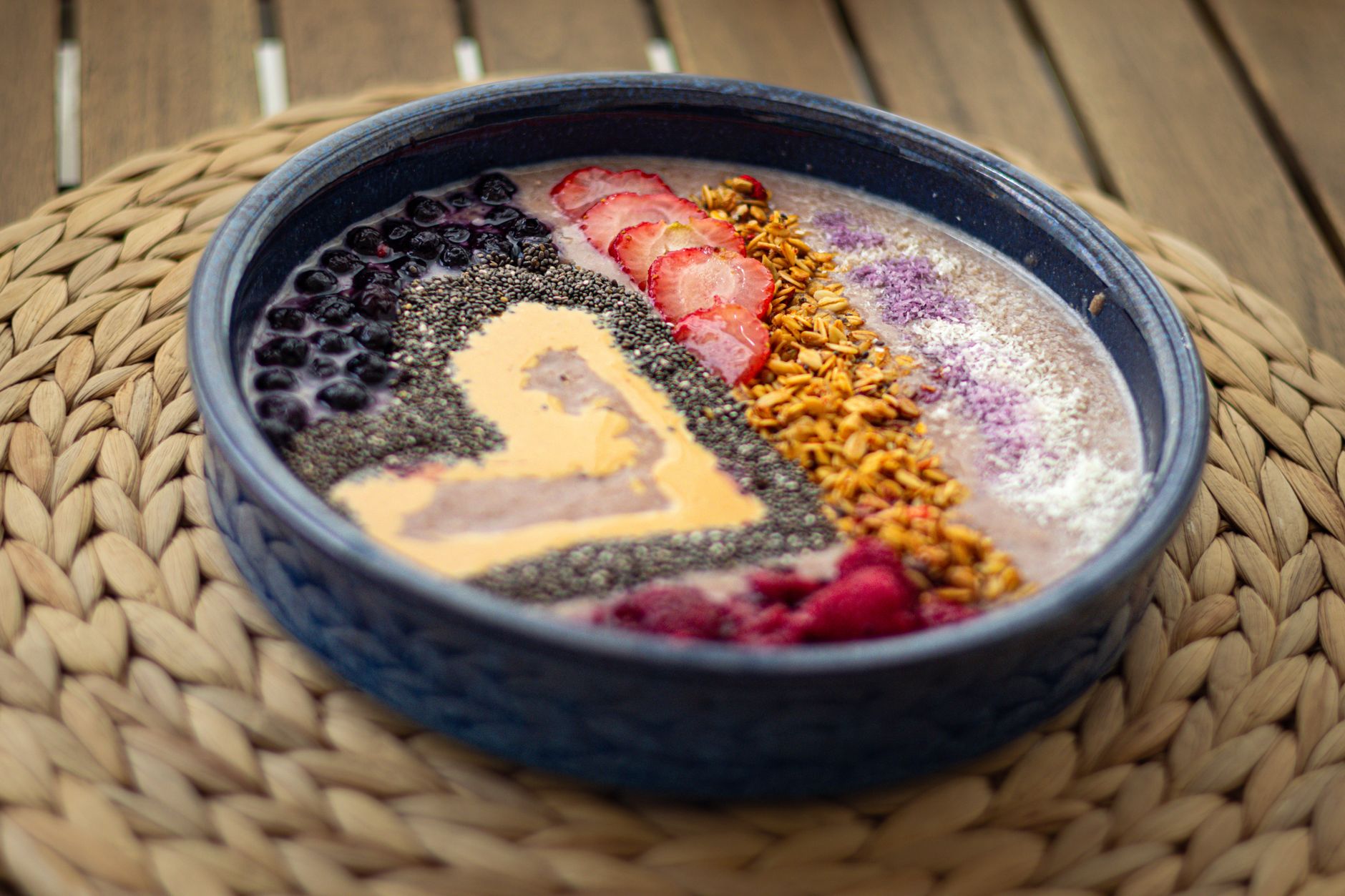
Protein smoothies can be a whole‑food alternative to pre‑made shakes.
Safe dosage / amount / brands
When integrating protein shakes into a pregnancy diet, consider both the protein content per serving and the total daily protein goal. Below is a concise guide:
Serving size
Protein (g)
Calories
Recommended daily max (g)
Brand examples
1 scoop (≈30 ml) mixed with water
20‑30
120‑150
1–2 scoops (≤60 g protein)
Orgain, Vital Proteins, Garden of Life
½ scoop (≈15 ml) mixed with milk
10‑15
80‑100
Up to 2½ scoops total
Purely Inspired, Transparent Labs
Key points:
Never exceed 100 g of total protein per day without medical supervision.
Prefer low‑sugar or unsweetened varieties to keep added sugars under 10 g per day.
Check for third‑party certifications such as NSF Certified for Sport or Informed‑Sport.
Read the label for “no added vitamins” if you are already taking a prenatal supplement with iron, calcium, or vitamin A.
Side effects and risks
Most pregnant users report no serious issues, but some may experience mild, temporary effects:
Digestive upset: High‑protein powders can cause bloating, gas, or constipation. Adding a splash of kefir or a pinch of psyllium can help.
Nausea or heartburn: Shakes taken on an empty stomach may trigger reflux, especially in the first trimester.
Allergic reactions: Dairy‑based whey can provoke lactose intolerance; soy protein may trigger soy allergy.
Blood sugar spikes: Shakes with added sugars can raise glucose levels; monitor your blood glucose if you have gestational diabetes.
Excessive weight gain: Adding calorie‑dense shakes without adjusting other foods can lead to unwanted weight gain.
If you notice severe abdominal pain, persistent vomiting, swelling of hands/feet, or signs of preeclampsia (high blood pressure, protein in urine), seek medical attention promptly.
Safer alternatives
Greek yogurt: Provides 10‑15 g of protein per cup plus calcium and probiotics.
Milk: A cup of cow’s milk offers about 8 g of protein and vitamin D.
Soy milk: Fortified soy milk delivers 7‑8 g of protein and is dairy‑free.
Almond milk: While lower in protein (≈1 g), it can be combined with nut butter for a balanced snack.
Egg whites: A quick, low‑fat source of 3‑4 g protein per egg white.
Cottage cheese: Half‑cup supplies 14 g of protein and calcium.
Lean chicken broth: Adds protein and electrolytes without excessive calories.
Nut butter: Two tablespoons of peanut butter give 7‑8 g protein plus healthy fats.
Lentil soup: A cup provides roughly 12 g of protein and plenty of fiber.
Homemade protein smoothies: Blend plain whey or pea protein powder with fresh fruit, spinach, and unsweetened milk for full control over ingredients.
Related items — safety at a glance
Item
Verdict
One‑line note
Whey protein powder
✅ Generally safe
Choose low‑sugar, no‑caffeine formulas.
Plant‑based protein powder
✅ Generally safe
Prefer soy‑free, low‑additive blends.
Casein protein powder
✅ Generally safe
Slow‑digesting; watch for dairy allergens.
Protein bars
⚠️ Caution
Often high in added sugars and fats.
Meal replacement shakes
⚠️ Talk to doctor
Can contain excess calories, vitamins.
Collagen supplements
✅ Generally safe
Low protein; ensure source is marine/ bovine.
BCAA supplements
⚠️ Avoid
High leucine may affect fetal growth.
Protein smoothies (homemade)
✅ Generally safe
Control ingredients; add fruit for fiber.
Myth vs. fact
Myth: “All protein shakes are safe because they’re just food.”
Fact: While protein shakes are a food product, many contain added caffeine, artificial sweeteners, or high doses of certain vitamins that can be risky, especially in the first trimester.
Myth: “More protein always means a healthier pregnancy.”
Fact: Excess protein (especially >100 g/day) can strain the kidneys and increase the risk of gestational hypertension; balance is key.
Myth: “Plant‑based shakes are automatically safer than whey.”
Fact: Both can be safe; the deciding factor is the ingredient list, not the protein source alone.
Key takeaways
Protein shakes can be part of a healthy pregnancy diet if you limit intake to 1‑2 servings per day and avoid added caffeine, high‑intensity sweeteners, and excessive sugars.
First‑trimester caution: choose plain, low‑additive formulas and keep servings modest.
Check labels for problematic ingredients and opt for brands with third‑party testing for contaminants.
Whole‑food alternatives like Greek yogurt, eggs, and nut butter provide protein without hidden additives.
If you have gestational diabetes, select low‑sugar shakes and monitor blood glucose after consumption.
Always discuss supplement use with your prenatal provider, especially if you have pre‑existing health conditions.
Frequently asked questions
Can I drink protein shakes while pregnant?
Yes, you can, but limit to 1‑2 servings per day, choose low‑sugar, no‑caffeine formulas, and ensure the total protein stays within the recommended 71‑100 g daily range.
How much protein do I need during pregnancy?
Pregnant adults need about 71 g of protein per day, roughly 25 % more than the non‑pregnant recommendation, to support fetal growth, placenta development, and maternal tissue expansion.
Are whey protein shakes safe for pregnant women?
Whey protein shakes are generally safe when they contain no added caffeine, high‑intensity sweeteners, or excessive vitamin A, and when you stay within the recommended protein limits.
What are the side effects of protein shakes in pregnancy?
Most side effects are mild, such as digestive upset, nausea, or temporary blood‑sugar spikes; severe reactions are rare but should be reported to your provider.
Which protein shake ingredients should be avoided during pregnancy?
Avoid caffeine, herbal stimulants (e.g., ginseng), high‑intensity sweeteners (sucralose, aspartame), excessive vitamin A or D, and added sugars over 5 g per serving.
Do protein shakes cause morning sickness?
Protein shakes themselves are not a direct cause of morning sickness, but a shake taken on an empty stomach or one high in sugar may trigger nausea in some pregnant people.
Can protein shakes help with pregnancy weight gain?
Yes, they can contribute to healthy weight gain when used as part of a balanced diet, but be mindful of total calories to avoid excessive gain.
Are homemade protein smoothies safer than store‑bought shakes?
Homemade smoothies give you full control over ingredients, so they are often safer; just use a reputable protein powder, limit added sugars, and avoid high‑caffeine or herbal additives.
Can I use protein shakes while breastfeeding if I have gestational diabetes?
Yes, but choose a low‑sugar, low‑caffeine formula and monitor your blood glucose after each serving; discuss any supplement changes with your lactation consultant or provider.
When to call your doctor
If you experience any of the following, contact your prenatal care provider promptly:
Severe abdominal pain or cramping after a shake
Persistent vomiting or inability to keep fluids down
Sudden swelling of hands, feet, or face
Signs of high blood pressure (≥140/90 mmHg) or protein in urine
Unexplained rapid weight gain or loss
Blood glucose readings consistently above target (if you have gestational diabetes)
These symptoms could signal complications that need medical evaluation. Remember, this article provides general information and is not a substitute for personalized medical advice.
References
American College of Obstetricians and Gynecologists (ACOG). “Nutrition During Pregnancy.” Practice Bulletin No. 202, 2021.
National Health Service (NHS). “Protein and Pregnancy.” Updated 2022.
U.S. Food and Drug Administration (FDA). “Dietary Supplement Health and Education Act (DSHEA).” 2020.
Centers for Disease Control and Prevention (CDC). “Gestational Diabetes.” 2023.
World Health Organization (WHO). “Nutrition for Women During Pregnancy.” 2021.
Mayo Clinic. “Protein: How Much Do You Need?” 2022.
International Food Information Council (IFIC). “Third‑Party Testing for Supplements.” 2021.
Not sure about the label on Is Are Protein Shakes Safe During Pregnancy products?
Snap the ingredients list and SafeFilter checks every ingredient for your stage — only 3 free scans this month, then you're locked until reset. Unlimited from $7/mo or $50/yr.
When Shubhra Mishra was expecting her first child in 2016, she was overwhelmed by conflicting food advice — one site said yes, another said never. By the time her second baby arrived in 2019, she realized millions of mothers face the same confusion.
That sparked a five-year journey through clinical nutrition papers, cultural diets, and expert conversations — all leading to BumpBites: a calm, compassionate space where science meets everyday motherhood.
Her long-term vision is to build a global community ensuring safe, supported, and free deliveriesfor every mother — because no woman should face pregnancy alone or uninformed. 🌿
🌍 Stand with mothers, shape safer guidance
Join a small circle of experts who review BumpBites articles so expecting parents everywhere can decide with confidence.