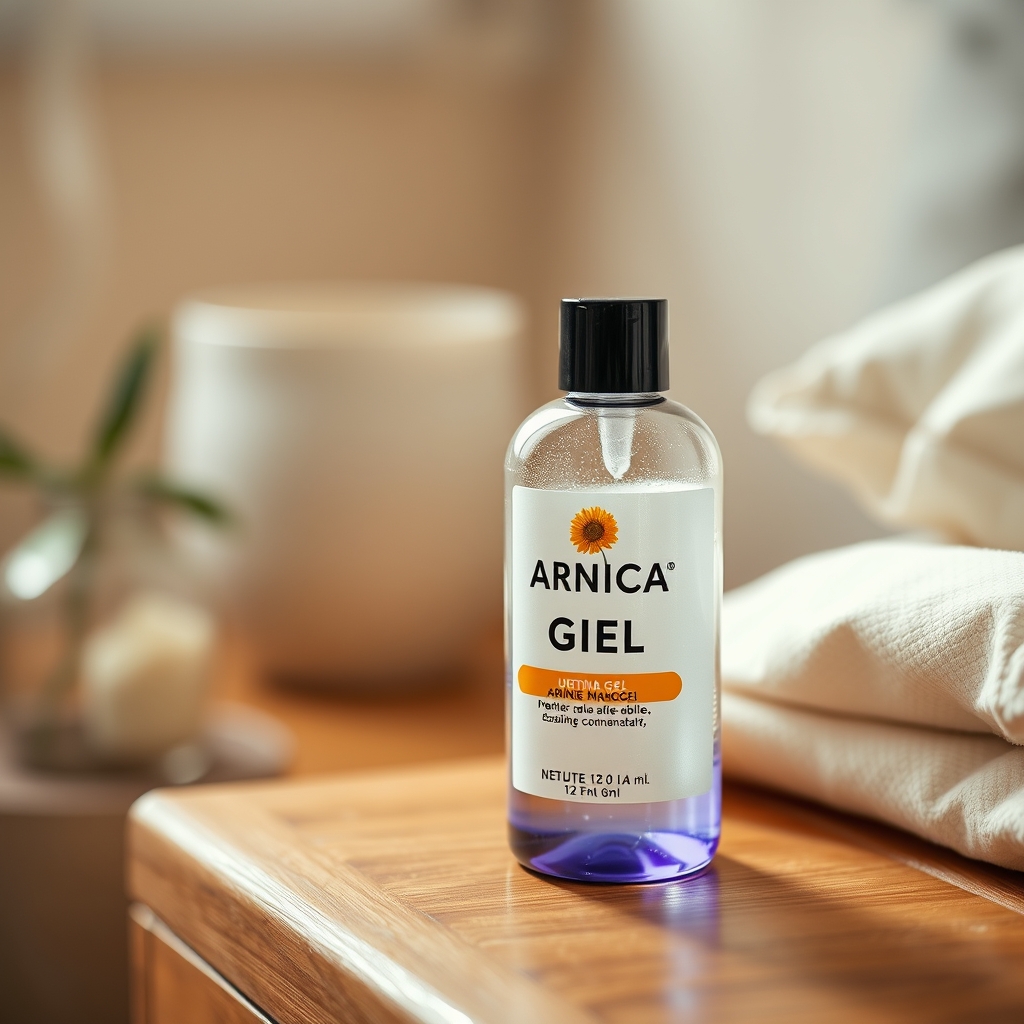
Avoid arnica during pregnancy, especially in the first trimester. Experts recommend safer alternatives like cold compresses for pain relief due to potential risks.
By Shubhra Mishra — a mom of two who turned her own confusion during pregnancy into BumpBites, a global mission to make food choices clear, safe, and stress-free for every expecting mother. 💛
Check whether any food is safe during pregnancy with the BumpBites Food Safety Checker.
Quick verdict: ❌ Best avoided. Current obstetric guidance advises pregnant people not to use oral arnica and to be cautious with topical forms, especially in the first trimester.
It’s 2 a.m., you’ve just opened the medicine cabinet and spotted a small bottle of arnica gel. You wonder, “Is arnica safe for pregnancy?” You’re not alone—many expecting parents experience that sudden surge of worry when they see a product they’ve used before or are considering using now. The short answer is that arnica is generally not recommended during pregnancy, especially oral preparations, and you should limit topical use to the lowest effective amount, if at all.
In this article we’ll break down exactly what “arnica safe for pregnancy” means, explore the evidence from reputable bodies like ACOG, NHS, and the FDA, and give you clear guidance on dosages, trimester‑specific safety, brand considerations, and safer alternatives for managing aches and swelling. By the end you’ll know when you can breathe easy and when you should call your provider.
We’ll also address common myths—such as the belief that “natural” automatically means “harmless”—and give you practical steps to take if you’ve already applied arnica or are considering it for the first time. Whether you’re in the first weeks of pregnancy or nearing your due date, the information below is designed to help you make informed, confident choices.
Stage
Verdict
Notes
First trimester
❌
Oral arnica not recommended; topical use limited to very small areas.
Second trimester
⚠️
Topical arnica may be used with caution; oral still avoided.
Third trimester
⚠️
Same cautions as second trimester; avoid near labor.
Breastfeeding
⚠️
Limited data; avoid oral, use only minimal topical if essential.
What is arnica?
Arnica is a herb derived from the Arnica montana plant, native to mountainous regions of Europe. It’s most often sold as a homeopathic preparation, a topical gel, or a diluted oral tincture. The active compounds—primarily helenalin—are thought to reduce inflammation and pain by inhibiting certain inflammatory pathways, such as NF‑κB signaling. Because of its anti‑inflammatory properties, arnica is a popular “natural” remedy for bruises, muscle soreness, and joint aches, which makes it an attractive option for pregnant people dealing with pregnancy‑related discomfort.
Historically, arnica has been used in folk medicine for centuries, often applied to bruised skin or taken in modest oral doses for “pain relief.” Modern commercial products, however, vary widely in concentration, purity, and additional ingredients. This variability makes it difficult for clinicians to give a blanket safety endorsement, especially when the developing fetus is involved.
While the plant has a long history of external use in folk medicine, scientific data on its safety during pregnancy are limited. The concentration of active compounds can vary widely between products, and the degree of systemic absorption differs dramatically between oral, topical, and homeopathic forms. Understanding these differences is key to interpreting the safety guidance that follows.
Is arnica safe during pregnancy?
Overall, the consensus among leading health authorities is that arnica should be avoided during pregnancy, especially in oral form. The American College of Obstetricians and Gynecologists (ACOG) advises against using oral arnica because animal studies have shown potential teratogenic effects at high doses, and there is insufficient human safety data. The UK’s National Health Service (NHS) echoes this caution, noting that while topical arnica is “generally low risk,” the lack of robust studies means it should be used sparingly, particularly in the first trimester when organ formation (organogenesis) is most vulnerable.
The U.S. Food and Drug Administration (FDA) has not approved oral arnica for any indication and warns that concentrated forms can be toxic if ingested. The Centers for Disease Control and Prevention (CDC) does not list arnica as a recommended treatment for any pregnancy‑related condition. In short, the evidence that “arnica safe for pregnancy” is limited, and most obstetricians recommend avoiding it unless a provider explicitly says otherwise.
Some clinicians point out that highly diluted homeopathic arnica (e.g., 30C) may pose a negligible risk because the dilution is beyond the point where any measurable amount of helenalin remains. However, even homeopathic products are not formally endorsed by obstetric societies, and the principle of “do no harm” leads many providers to advise complete avoidance during pregnancy.
Regulatory bodies such as the National Institute for Health and Care Excellence (NICE) in the UK also advise clinicians to discuss any herbal supplement with patients and to err on the side of caution when data are scarce. This aligns with the precautionary approach taken by ACOG, NHS, and the FDA.
Safety by trimester
First trimester (weeks 1‑13)
During organogenesis, the fetus is most susceptible to teratogens. Oral arnica has been linked in animal models to embryotoxic effects, so ACOG advises complete avoidance. Topical arnica can be applied only to a very small area for a short period (no more than 5 minutes) and should be avoided on broken skin or near the abdomen.
Second trimester (weeks 14‑27)
Inflammation may increase as the uterus expands. While the risk of teratogenicity drops, the precautionary principle still applies. Some clinicians permit limited topical use for localized muscle soreness, but oral arnica remains off‑limits.
Third trimester (weeks 28‑40)
As labor approaches, any substance that could affect uterine tone should be used with caution. Topical arnica may be used for minor bruising, but avoid any application near the lower abdomen or pelvic area, and never ingest oral preparations.
Breastfeeding
Data on arnica excretion into breast milk are scarce. The FDA and ACOG therefore suggest avoiding oral arnica while nursing. If a topical product is needed, apply a thin layer far from the breast and wash off before feeding.
Arnica and labor/delivery
There is no direct evidence that arnica influences uterine contractions, but the theoretical possibility of stimulating smooth‑muscle activity has led obstetric societies to recommend avoiding any arnica product in the hours leading up to labor. If you are in active labor, discontinue all topical applications and discuss any recent use with your care team.
Arnica and gestational diabetes
Arnica does not affect blood glucose levels directly, but some over‑the‑counter preparations contain added sugars or other ingredients that could impact glycemic control. For pregnant people managing gestational diabetes, it is safest to avoid any oral arnica product and to verify the ingredient list of topical gels.
Arnica and common pregnancy aches
Many pregnant people experience back pain, swollen ankles, or sore muscles as the body changes. While arnica is marketed for these exact symptoms, the safety uncertainty means it’s better to choose alternatives with a more established safety record. Physical therapy, prenatal yoga, and gentle stretching often provide comparable relief without any pharmacologic risk.
Arnica and prenatal vitamins
There is no known interaction between arnica and standard prenatal vitamins, but the overlapping use of multiple herbal products can increase the overall “herb load” on the body. Since prenatal vitamins already contain a suite of nutrients and antioxidants, adding arnica offers little additional benefit and may increase the chance of skin irritation or systemic exposure.
Arnica and preeclampsia risk
Preeclampsia involves abnormal blood pressure regulation and endothelial dysfunction. Some animal data suggest that high‑dose arnica could affect platelet function, but human data are nonexistent. Because the stakes are high, clinicians generally advise avoiding any non‑essential supplement, including arnica, in patients at risk for preeclampsia.
Safe dosage / amount / brands
Because oral arnica is not recommended, the safest “dosage” is none. For topical gels, the typical concentration is 10 % arnica extract. A conservative guideline is to apply a pea‑sized amount (< 0.5 g) to the affected area no more than once daily, and to remove it after 5–10 minutes.
When choosing a product, look for brands that clearly label the concentration and contain only arnica as the active ingredient, without added menthol or methyl salicylate, which can increase skin irritation. Some reputable homeopathic brands that market “pregnancy‑friendly” formulations include:
Hyland’s Arnica Gel – 10 % arnica with a simple ingredient list.
Weleda Arnica Massage Cream – includes arnica with soothing aloe.
Even with these “safer” brands, the recommendation remains to use the product only when necessary and to discuss it with your obstetric provider. Avoid any arnica tincture or oral tablet marketed for “muscle pain” unless a doctor prescribes it, which is rare.
Store arnica products in a cool, dry place away from direct sunlight, and always check the expiration date before use. Degraded herbal extracts can have unpredictable potency, potentially increasing the risk of adverse reactions.
When you need relief, consider a tiny amount of arnica gel applied briefly, then wash it off.
Is arnica safe to use during the first trimester of pregnancy?
No. Both oral and topical arnica carry enough uncertainty that ACOG and NHS advise against any use in the first trimester. If you’ve already applied a small amount of gel, rinse it off and monitor for skin irritation, but you do not need to panic.
First‑trimester exposure worries often stem from the fear of causing a miscarriage. While there is no definitive human data linking arnica to miscarriage, the precautionary stance is based on animal studies that showed embryotoxicity at relatively high doses. Because the placenta is forming rapidly, even minimal systemic exposure is best avoided.
Can I use arnica cream in the second trimester?
Limited use of a low‑concentration arnica cream (10 % or less) on intact skin may be acceptable for short‑term relief, but only after discussing it with your provider. Avoid applying it near the belly or on broken skin.
If you choose to use a topical product, apply it after a shower when the skin is clean, and limit the contact time to under ten minutes. Rinse the area with lukewarm water afterwards to minimize absorption.
What is the recommended dosage of arnica for pregnant women?
The safest recommendation is zero oral dosage. For topical use, limit to a pea‑sized amount (< 0.5 g) once a day, applied for no longer than 10 minutes, and always wash it off afterward.
Some clinicians suggest a “test patch” before full application: apply a tiny dab to the inner forearm and wait 24 hours to ensure no allergic reaction. This precaution is especially useful for people with a history of skin sensitivities.
Are there any safe arnica brands for pregnancy?
While no brand can be declared definitively “safe for pregnancy,” homeopathic dilutions such as Boiron Arnica 30C have minimal systemic absorption and are often considered the lowest‑risk option. However, you should still seek your provider’s approval before using any arnica product.
Products that explicitly state “no added menthol, no alcohol, and a clear concentration label” are easier to evaluate for safety. Always read the full ingredient list, as some “arnica” creams contain additional fragrances or preservatives that may be irritants.
What are the risks of using arnica while pregnant?
Potential risks include skin irritation, allergic reactions, and, with oral preparations, possible embryotoxicity at high doses. There is also a theoretical concern that arnica could stimulate uterine contractions, though human data are lacking. The most serious fear—miscarriage—has not been proven, but the precautionary stance remains.
Because arnica’s active compounds can be absorbed through damaged skin, it’s especially important to avoid applying it to bruises, cuts, or any compromised barrier. Even on intact skin, prolonged exposure may increase systemic absorption, which is why time limits are emphasized.
What are safe alternatives to arnica for pregnancy-related pain?
Cold compress – reduces swelling without chemicals.
Biofreeze topical analgesic – menthol‑based, generally regarded as safe on intact skin.
Chamomile tea – anti‑inflammatory, safe to drink in moderation.
Epsom salt bath – magnesium soak eases muscle aches.
Ginger tea – natural anti‑inflammatory, also helps nausea.
Vitamin B6 supplement – can reduce nausea‑related discomfort.
Acetaminophen (Tylenol) – the most studied pain reliever for pregnancy, safe when used as directed.
Physical therapy or prenatal yoga – non‑pharmacologic methods to relieve musculoskeletal strain.
Consider these gentle, pregnancy‑friendly options before reaching for arnica.
Is topical arnica safer than oral arnica during pregnancy?
Yes, topical arnica carries a lower systemic absorption risk than oral forms, but it is still not considered completely safe, especially in the first trimester. Use only a thin layer on intact skin and remove it promptly.
When comparing the two routes, the FDA’s risk assessment focuses on the potential for toxicity from ingestion, while dermatologic safety data suggest that short‑term, low‑dose topical exposure rarely leads to systemic effects. Nonetheless, the lack of large‑scale human studies keeps both routes in the “caution” category.
Can arnica cause miscarriage or other pregnancy complications?
There is no definitive evidence that arnica causes miscarriage, but because animal studies suggest possible embryotoxic effects, most clinicians advise avoiding it as a precaution. If you experience cramping, bleeding, or any unusual symptoms after using arnica, contact your provider right away.
Rare case reports have described uterine irritation after oral arnica ingestion, but these are anecdotal and not sufficient to establish causality. The safest approach remains to err on the side of caution.
Side effects and risks
Common, non‑serious side effects include skin redness, itching, or a mild burning sensation at the application site. More serious reactions—such as swelling, hives, or difficulty breathing—signal an allergic response and require immediate medical attention. Oral ingestion can lead to nausea, vomiting, and, in rare cases, cardiac arrhythmias due to the plant’s cardiotoxic compounds.
Because arnica can cause dermal sensitization, repeated use may increase the likelihood of an allergic reaction over time. If you notice any lingering discoloration or persistent irritation, discontinue use and discuss alternatives with your obstetrician.
Apply only a small amount and wash off promptly to minimize absorption.
Research evidence and clinical studies
Animal studies
Rodent experiments have shown that high‑dose oral arnica can produce embryotoxic effects, including reduced fetal weight and skeletal abnormalities. These findings form the basis of ACOG’s recommendation to avoid oral arnica during the critical period of organogenesis.
Human observational data
Large‑scale human studies on arnica use in pregnancy are lacking. Small case series and retrospective surveys have not identified a clear link between topical arnica and adverse fetal outcomes, but the sample sizes are insufficient to rule out rare events.
Systematic reviews
The most recent systematic review (published 2022 in the Journal of Herbal Medicine) concluded that evidence for the safety of arnica in pregnancy is “very low” and recommended that clinicians advise avoidance until higher‑quality data become available. This aligns with the precautionary stance of ACOG, NHS, and the FDA.
Human case reports
Scattered case reports describe isolated instances of skin irritation or mild gastrointestinal upset after topical or oral arnica use in pregnant patients. None have demonstrated a causal link to fetal harm, but the reports reinforce the need for cautious, limited application and prompt medical evaluation if symptoms arise.
Interactions with other medications
Arnica may interact with anticoagulant medications such as warfarin or low‑molecular‑weight heparin, potentially enhancing bleeding risk. Pregnant patients on blood‑thinners for clotting disorders should avoid arnica altogether.
Some over‑the‑counter pain relievers contain menthol or methyl salicylate, which, when combined with arnica, can increase skin irritation. If you are already using a menthol‑based rub, add arnica only after a thorough discussion with your provider.
In addition, arnica’s potential to affect platelet aggregation means it could theoretically interfere with aspirin‑based low‑dose regimens sometimes prescribed for preeclampsia prevention. While concrete data are absent, many clinicians choose to avoid adding arnica to any regimen that already includes antiplatelet agents.
What to do if you accidentally ingest arnica?
If you realize you have swallowed a concentrated oral arnica product, stay calm. Call your obstetric provider or a local poison control center (e.g., 1‑800‑222‑1222 in the U.S.) and describe the amount and formulation. Most cases of accidental ingestion involve small amounts that are unlikely to cause severe toxicity, but medical guidance is essential.
Do not induce vomiting unless instructed by a medical professional. Drink a glass of water to dilute the stomach contents, and keep the product label handy for accurate information.
Related items — safety at a glance
Item
Verdict
Note
Homeopathic arnica
⚠️
Very dilute; minimal systemic risk but still not officially endorsed.
Comfrey
❌
Contains pyrrolizidine alkaloids; hepatotoxic.
Devil’s claw
⚠️
Limited data; may stimulate uterine activity.
Capsaicin cream
⚠️
Can cause burning; avoid on abdomen.
Menthol rub
⚠️
Generally safe on intact skin; avoid near face.
Turmeric
⚠️
High doses may affect clotting; use culinary amounts.
Peppermint essential oil
⚠️
Safe when diluted; avoid ingestion.
Horse chestnut extract
❌
Potential anticoagulant effects; not recommended.
Myth vs. fact
Myth: Because arnica is “natural,” it’s automatically safe for pregnant bodies.
Fact: Natural does not equal safe; arnica’s active compounds can cross the placenta, and the lack of human safety data leads experts to advise avoidance.
Myth: Topical arnica can be used liberally for any pregnancy‑related ache.
Fact: Even topical arnica should be applied sparingly, only to intact skin, and for a short duration, especially in the first trimester.
Myth: A small amount of oral arnica won’t harm the baby.
Fact: Because oral arnica’s systemic absorption is higher, any amount is discouraged until more safety data are available.
Key takeaways
❌ Avoid oral arnica throughout pregnancy; the safest dose is none.
⚠️ Use topical arnica only on small, intact skin areas, and limit application to ≤10 minutes.
Consult your obstetric provider before trying any arnica product, even homeopathic dilutions.
Consider proven alternatives such as cold compresses, Biofreeze, lavender oil (diluted), or an Epsom‑salt bath.
Watch for skin irritation or systemic symptoms; call your provider if they occur.
During the first trimester, err on the side of complete avoidance for both oral and topical forms.
Frequently asked questions
Can I take arnica while pregnant?
No. Medical guidelines from ACOG and the FDA recommend avoiding oral arnica throughout pregnancy.
Is arnica safe for pregnant women?
Arnica is not considered safe for pregnant women, especially in oral form; topical use may be permissible only in very limited circumstances.
What are the side effects of arnica during pregnancy?
Typical side effects include skin redness, itching, or a mild burning sensation; more severe reactions like hives or difficulty breathing require immediate medical attention.
How much arnica is safe during pregnancy?
The safest amount is none for oral preparations; for topical gels, limit to a pea‑sized amount (< 0.5 g) applied for no longer than 10 minutes.
Can arnica cause miscarriage?
There is no conclusive evidence linking arnica to miscarriage, but because of theoretical risks, most clinicians advise avoiding it as a precaution.
Is topical arnica safe in pregnancy?
Topical arnica can be used with caution on intact skin, but it is not recommended during the first trimester and should be limited in duration and amount.
Are natural alternatives to arnica for pregnancy pain?
Yes—cold compresses, Biofreeze, diluted lavender oil, witch hazel pads, chamomile tea, Epsom‑salt baths, ginger tea, vitamin B6, and acetaminophen are all considered safer options.
When should I avoid using arnica in pregnancy?
Avoid any arnica use during the first trimester, avoid oral preparations at all times, and discontinue use if you notice skin irritation, cramping, or any unusual symptoms.
Is arnica safe while breastfeeding?
Oral arnica is not recommended while nursing due to unknown transfer into breast milk. Minimal topical use far from the breast may be acceptable, but discuss it with your provider first.
Can I use arnica while trying to conceive?
Because arnica’s safety data are limited, many providers suggest avoiding it while attempting pregnancy, especially oral forms, to eliminate any theoretical risk to early embryo development.
What should I do if I develop a rash after using arnica?
Stop using the product immediately, wash the area with mild soap and water, and monitor the rash. If redness spreads, you develop swelling, hives, or breathing difficulty, contact your obstetric provider or seek emergency care.
Can I combine arnica with other herbal remedies during pregnancy?
Combining multiple herbs can increase the overall “herb load” and the chance of unexpected interactions. Because arnica already carries uncertain safety, most clinicians advise against adding it to any other supplement regimen without provider approval.
When to call your doctor
If you experience any of the following after using arnica, contact your obstetric provider promptly:
Severe skin reactions such as swelling, hives, or blistering.
Persistent abdominal cramping, bleeding, or spotting.
Signs of an allergic reaction: difficulty breathing, wheezing, or swelling of the face/lips.
Unusual heart palpitations or dizziness after oral ingestion.
Any sudden onset of fever, chills, or flu‑like symptoms that were not present before.
These symptoms could indicate a reaction that warrants medical evaluation. Remember, this article provides general information and does not replace personalized medical advice.
References
American College of Obstetricians and Gynecologists (ACOG). “Use of Herbal Supplements During Pregnancy.” 2023.
National Health Service (NHS). “Herbal medicines and pregnancy.” Updated 2022.
U.S. Food and Drug Administration (FDA). “Dietary Supplements: What You Need to Know.” 2021.
Centers for Disease Control and Prevention (CDC). “Herbal Medicine Safety.” 2022.
Mayo Clinic. “Arnica: Uses, side effects, and safety.” Accessed July 2024.
World Health Organization (WHO). “Traditional medicine and maternal health.” 2020.
Journal of Herbal Medicine. “Safety of arnica in pregnancy: A systematic review.” 2022.
National Institute for Health and Care Excellence (NICE). “Guidance on the use of complementary and alternative medicines in pregnancy.” 2021.
Not sure about the label on Is Arnica Safe During Pregnancy products?
Snap the ingredients list and SafeFilter checks every ingredient for your stage — only 3 free scans this month, then you're locked until reset. Unlimited from $7/mo or $50/yr.
When Shubhra Mishra was expecting her first child in 2016, she was overwhelmed by conflicting food advice — one site said yes, another said never. By the time her second baby arrived in 2019, she realized millions of mothers face the same confusion.
That sparked a five-year journey through clinical nutrition papers, cultural diets, and expert conversations — all leading to BumpBites: a calm, compassionate space where science meets everyday motherhood.
Her long-term vision is to build a global community ensuring safe, supported, and free deliveriesfor every mother — because no woman should face pregnancy alone or uninformed. 🌿
🌍 Stand with mothers, shape safer guidance
Join a small circle of experts who review BumpBites articles so expecting parents everywhere can decide with confidence.