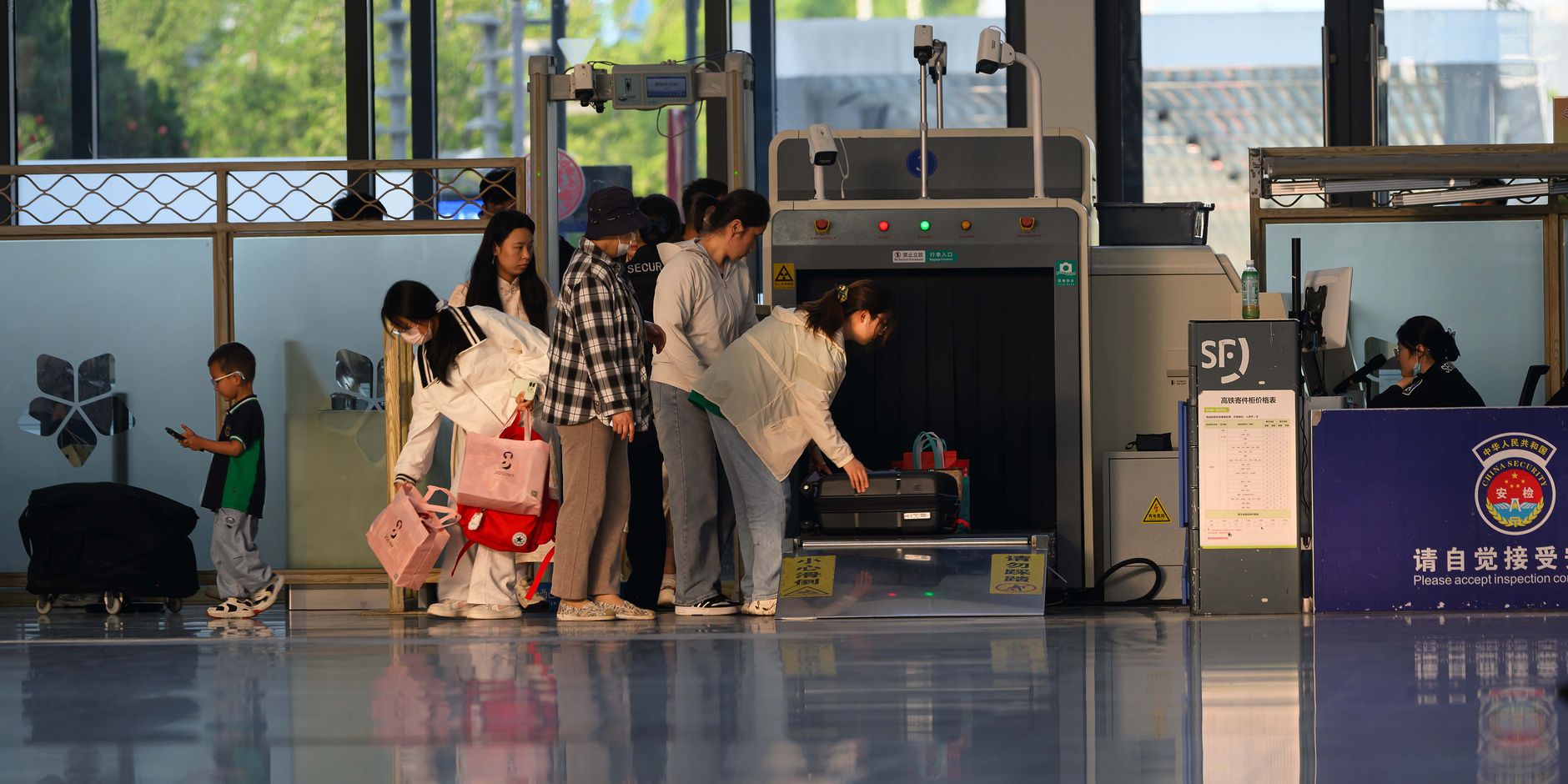
Safe – Airport scanners emit low‑level radiation, and studies show no increased risk in the first trimester, making them generally safe for pregnant travelers.
By Shubhra Mishra — a mom of two who turned her own confusion during pregnancy into BumpBites, a global mission to make food choices clear, safe, and stress-free for every expecting mother. 💛
Check whether any food is safe during pregnancy with the BumpBites Food Safety Checker.
Quick verdict: ⚠️ Airport scanners are generally considered safe for pregnancy when used sparingly, but it’s wise to limit exposure and opt for a pat‑down if you’re especially concerned, especially in the first trimester.
It’s 2 a.m., the airport’s fluorescent lights are humming, and you’re staring at the security line, wondering whether the scanner’s glow could harm your baby. You’re not alone—many expecting travelers feel a knot of anxiety the moment they see the metal‑detector arch or the full‑body scanner. The short answer to “are airport scanners safe for pregnancy?” is that most health authorities, including ACOG and the NHS, say occasional exposure is unlikely to cause harm, but they also advise using a pat‑down or other non‑radiation methods if you want extra peace of mind.
In this article we’ll break down exactly how airport scanners work, what the official guidelines say, how safety may differ by trimester, how many scans are considered “safe,” and which alternatives you can request at the checkpoint. We’ll also compare the most common scanner types and give you a quick‑reference table of related screening technologies. By the end, you’ll have a clear, evidence‑based answer to the question “are airport scanners safe for pregnancy,” plus practical steps to keep both you and your baby safe while traveling.
We’ll also address common concerns that pop up after a scan—like a fleeting warm sensation or a racing heart—so you can differentiate normal scanner sensations from warning signs that warrant a call to your provider. Whether you’re a first‑time flyer or a frequent business traveler, the guidance here will help you navigate security with confidence.
Stage of pregnancy
Verdict
Notes
First trimester (0‑13 weeks)
⚠️ Safe with limits
Prefer pat‑down; limit to 1‑2 scans total
Second trimester (14‑27 weeks)
✅ Generally safe
Standard scanner use acceptable
Third trimester (28‑40 weeks)
✅ Generally safe
Same as second trimester
Breastfeeding
✅ Safe
No additional risk from scanner exposure
Airport scanners come in two main flavors. The most common today are millimeter‑wave scanners, which emit low‑energy radiofrequency waves that bounce off your body to create a 3‑D image. These waves are non‑ionizing, meaning they don’t have enough energy to strip electrons from atoms and thus do not cause DNA damage. The older backscatter X‑ray scanners, still in use at a few airports, emit a very low dose of ionizing radiation—far less than a single dental X‑ray—and create a 2‑D shadow image. Both technologies are designed to keep the dose well below regulatory limits set by agencies such as the U.S. Food and Drug Administration (FDA), the International Commission on Non‑Ionizing Radiation Protection (ICNIRP), and the International Commission on Radiological Protection (ICRP).
Because the radiation levels are extremely low, the World Health Organization (WHO) classifies millimeter‑wave scanners as “non‑ionizing” and essentially harmless for the general public. The FDA’s “Radiation Safety Program” notes that a single millimeter‑wave scan delivers less than 0.0001 millisieverts (mSv), compared with the average background radiation of 3 mSv per year. For backscatter X‑ray scanners, the dose is roughly 0.1 µSv per scan—about one‑thousandth of the dose from a chest X‑ray. These numbers are well under the thresholds that would raise concerns for teratogenic (birth‑defect‑causing) effects.
Internationally, the European Union’s Radiation Protection Directive (2013/59/Euratom) sets a strict occupational limit of 20 mSv per year for pregnant workers, with a recommended “as low as reasonably achievable” (ALARA) approach for the public. The scanner doses are orders of magnitude lower than these limits, reinforcing the consensus that routine airport screening poses negligible risk. In practice, the combination of low dose, non‑ionizing technology, and rigorous calibration checks means the exposure is comparable to standing in a grocery store aisle for a few minutes.
Modern millimeter‑wave scanners are non‑ionizing and emit very low‑energy radio waves.
Are airport security scanners safe for pregnant women in the first trimester?
The first trimester is the period of organogenesis, when the baby’s major organs are forming and the fetus is most vulnerable to teratogens. However, the radiation from airport scanners is so low that ACOG states there is “no evidence of fetal harm from occasional exposure to the devices used in U.S. airports.” The American College of Radiology (ACR) similarly notes that the dose from a single millimeter‑wave scan is far below the 50 mSv threshold that could theoretically increase risk of birth defects. Nonetheless, many obstetricians recommend a pat‑down for first‑trimester travelers who feel uneasy, simply as a precautionary measure.
If you’re in your first 13 weeks and you’ve already passed through a scanner, try not to panic. The exposure is comparable to the background radiation you receive during a short car ride. If you prefer to avoid any scanner at all, ask the TSA officer for a manual pat‑down; it’s a routine alternative that does not involve radiation.
Research on stress during pregnancy shows that chronic anxiety can elevate cortisol levels, which some studies associate with a slightly higher risk of preterm labor. While the scanner itself does not cause stress, the uncertainty around its safety can. Simple coping strategies—deep breathing, a short walk before the line, or listening to calming music—can help keep stress hormones in check. If you find the scanner experience overwhelming, a pat‑down not only removes radiation exposure but also reduces the anxiety trigger.
Because the first trimester is a time many patients already schedule their first prenatal visit, it’s a good moment to discuss any upcoming travel plans with your provider, ensuring you have a personalized plan that balances safety and convenience.
How many airport scanner scans are safe during pregnancy?
There is no formal “maximum number” set by health agencies because the radiation dose per scan is minuscule. The FDA’s guidance on “Medical X‑ray Exposure” suggests that cumulative exposure below 5 mSv over a pregnancy is considered negligible. A single backscatter X‑ray scan delivers about 0.1 µSv, meaning you would need to go through roughly 50,000 scans to approach that limit—a scenario that is practically impossible.
Practically, most experts advise limiting exposure to no more than 1‑2 scans per trip, especially if you travel frequently. If you have a high‑frequency travel schedule (e.g., business travelers who fly weekly), consider keeping a log of your scans and discuss it with your obstetric provider. The NHS recommends that “occasional exposure to airport scanners is unlikely to be harmful,” but they also suggest opting for a pat‑down if you have any concerns.
When planning multi‑city itineraries, remember that each airport may have its own scanner type. If you’re flying internationally, you might encounter both millimeter‑wave and backscatter systems. A cumulative log—simply noting the date, airport, and scanner type—helps you and your provider assess any pattern that might warrant a precautionary approach.
For those who travel more than five times a month, a brief conversation with a prenatal care professional can provide reassurance and, if needed, a tailored monitoring plan.
What are the risks of airport body scanners for pregnant travelers?
For millimeter‑wave scanners, the risk is essentially none—these devices emit non‑ionizing radiation that does not interact with cellular DNA. For backscatter X‑ray scanners, the theoretical risk is an extremely low dose of ionizing radiation. The CDC’s “Radiation Emergency Preparedness” notes that the dose is far below the level associated with any measurable increase in cancer risk or fetal harm. The most common “risk” reported by pregnant travelers is anxiety, which can lead to increased stress hormones; stress itself is a more tangible concern than the scanner’s radiation.
There are no documented cases linking airport scanner exposure to birth defects, miscarriages, or developmental problems. The primary safety consideration is ensuring the scanner is functioning properly and that you are not repeatedly scanned in a short period, which could theoretically increase cumulative dose—though still well under safety thresholds. In addition, certain vulnerable populations, such as pregnant individuals with implanted electronic devices, should verify scanner compatibility with their healthcare team, as discussed later.
Because the exposure is so low, any potential risk is outweighed by the benefits of maintaining security protocols that keep all travelers safe.
Can I use a pat‑down instead of an airport scanner while pregnant?
Yes. The Transportation Security Administration (TSA) in the United States, as well as similar agencies in the UK and Canada, allow travelers to request a manual pat‑down instead of stepping through a full‑body scanner. A pat‑down involves a security officer feeling for prohibited items without any radiation exposure. It is completely safe for both you and your baby, and the TSA staff are trained to be respectful and thorough.
If you’re pregnant, you can request the pat‑down at any checkpoint. Some airports even have a “Pregnant Traveler” lane, although this varies by location. The only downside is a longer screening time, but the peace of mind is often worth it. When you ask for a pat‑down, it can help to wear loose‑fitting clothing and remove belts or jewelry that might otherwise trigger a metal alarm, streamlining the process.
Should you encounter resistance or unclear signage, remember that you have the right to an alternative screening method under the TSA’s “Passenger Rights” policy. A courteous request—“I’m pregnant and would prefer a pat‑down, please”—usually results in a smooth experience. If you travel internationally, check the local security agency’s website ahead of time; many have English‑language guides for pregnant travelers.
Most airports also provide a private area for pat‑downs, helping maintain dignity and comfort during the process.
Do different brands of airport scanners emit different radiation levels for pregnant passengers?
All scanner models sold for civilian airport use must meet strict international safety standards. Brands such as Rapiscan, L3 Security & Detection, and Smiths Detection produce millimeter‑wave scanners that are calibrated to emit radiofrequency energy well below the ICNIRP limits of 10 W/m² for the general public. Backscatter X‑ray scanners, produced by companies like Rapiscan Systems, also adhere to the U.S. FDA’s “radiation dose limits for occupational exposure,” which are far higher than the dose from a single scan.
In practice, the differences in emitted radiation between reputable brands are negligible—often less than 10 % of the already tiny dose. If you have a specific brand concern, you can ask the TSA officer for the scanner’s make and model; they are required to post signage with this information. Routine maintenance and calibration checks, performed at least annually, ensure that the output remains within the approved limits.
For peace of mind, some airports label their newer “low‑output” millimeter‑wave scanners, which operate at the lowest possible power setting while still delivering accurate images. If you see such labeling, you can feel confident that the scanner is at the minimal exposure end of the spectrum.
Regardless of brand, the overarching safety message remains consistent across manufacturers.
Is it safe to go through a full‑body scanner during pregnancy if I have a medical condition?
Most medical conditions do not affect the safety of scanner exposure because the radiation dose is minimal. However, if you have a condition that makes you particularly sensitive to electromagnetic fields—such as certain implanted medical devices (e.g., a pacemaker) or a history of radiation therapy—consult your obstetrician before traveling. The ACOG advises that “women with implanted electronic devices should discuss scanner exposure with their healthcare provider,” as millimeter‑wave scanners can theoretically interfere with some devices, though no adverse events have been reported.
For conditions like severe anemia, hypertension, or diabetes, the scanner’s radiation does not pose an additional risk. The more important concern is ensuring you’re comfortable and not experiencing heightened anxiety, which could exacerbate some conditions. If you have a neurological disorder such as epilepsy, it’s wise to discuss any potential electromagnetic interference with your neurologist, though the low‑energy waves used by millimeter‑wave scanners are far below levels known to trigger seizures.
When in doubt, a brief conversation with your care team can help you decide whether a pat‑down or a low‑output scan is the best option for your specific health profile.
What is the recommended limit of airport scanner exposure for pregnant women?
Because the dose per scan is extremely low, most health agencies do not set a strict numerical limit. A practical recommendation from the Mayo Clinic is to treat each scan as “one‑time exposure” and avoid unnecessary repeats. If you travel multiple times in a short period, aim to keep total scans under 5 per month, and discuss your travel schedule with your provider.
In summary, the safe exposure limit is effectively “as low as reasonably achievable”—a principle used for all radiation exposure. This translates to opting for a pat‑down when you can, limiting scans to essential travel, and not seeking out repeat scans for any reason.
Keeping a simple log of dates and scanner types can also give your obstetrician a clear picture if you have any concerns later in pregnancy.
Are handheld metal detectors safer than full‑body scanners for pregnant travelers?
Handheld metal detectors (HMDs) are a type of walk‑through metal detector that uses a low‑frequency magnetic field to detect metal objects. They do not emit ionizing radiation and the magnetic field strength is far below the levels that could affect a fetus. Consequently, HMDs are considered a safer alternative for pregnant travelers who wish to avoid any scanner‑related radiation, however minimal.
While HMDs do not provide the same level of detail as millimeter‑wave scanners, they are effective at spotting metallic threats and are widely used in secondary screening lanes. If you request an HMD walk‑through, you’ll still be screened for prohibited items without any exposure to radiofrequency or X‑ray energy.
Because HMDs rely on magnetic fields, they are also compatible with most implanted devices, making them a reassuring choice for those with pacemakers or other hardware.
Handheld metal detectors emit low‑frequency magnetic fields and are a radiation‑free screening option.
Safe dosage / amount / brands
Because airport scanners do not involve a consumable dose, “dosage” refers to the number of times you go through the device. The consensus among experts is:
One scan per flight is considered negligible risk.
Two scans in a single day (e.g., connecting flights with separate security checkpoints) remain well under safety thresholds.
Frequent flyers (more than 5 flights per month) should keep a log and consider a pat‑down for some trips.
Most major airports use millimeter‑wave scanners from Rapiscan (e.g., “Rapiscan 007”), L3’s “iSense,” or Smiths Detection’s “Safeguard.” Backscatter X‑ray scanners, where still present, are typically from Rapiscan Systems (e.g., “Rapiscan 880”). All these brands comply with FDA and ICAO (International Civil Aviation Organization) limits, meaning the specific brand you encounter is unlikely to change the safety profile.
If you are a frequent traveler, you might consider using a personal radiation‑tracking app or a simple spreadsheet to log each scan. This record can be shared with your obstetrician, who can help you interpret cumulative exposure in the context of your overall health.
When you notice signage indicating a “low‑output” scanner, you can feel confident that the device operates at the minimal exposure setting approved for public use.
Side effects and risks
Physical side effects from airport scanners are virtually nonexistent. Some travelers report a brief warm sensation or a faint tingling feeling, but these are temporary and not linked to any lasting harm. The real “risk” lies in the psychological domain: anxiety about radiation can increase stress hormones, which, in high amounts, have been associated with preterm labor in rare cases. If you feel anxious, a pat‑down or a brief walk‑through metal detector can help reduce stress.
Seek immediate medical attention if you experience any of the following after a scan, as they may indicate an unrelated issue:
Severe abdominal pain or cramping.
Unexplained vaginal bleeding.
Sudden swelling of the legs, shortness of breath, or chest pain.
These symptoms are not caused by the scanner itself but warrant prompt evaluation by your obstetric provider.
In most cases, any discomfort resolves quickly, and you can continue your travel plans without further interruption.
Safer alternatives
Pat‑down security screening – eliminates any radiation exposure.
Handheld metal detector walk‑through – uses low‑frequency magnetic fields, not ionizing radiation.
Explosive trace detection (ETD) swab – a chemical swab that checks for residues without radiation.
Secondary screening lane – often includes a combination of metal detectors and manual inspection.
Standard walk‑through metal detector – a simple arch that detects metal without emitting radio waves.
Low‑dose millimeter‑wave scanner (if available) – newer models calibrated to the lowest possible output.
TSA PreCheck or Global Entry – reduces the need for full‑body scans by allowing expedited screening.
Self‑service kiosk with reduced power mode – some airports offer a kiosk that uses the same technology at a lower power setting.
Choosing an alternative often depends on the airport’s facilities and your personal comfort level. Many travelers find that requesting a pat‑down combined with a quick walk‑through metal detector offers the best balance of safety and speed.
A private pat‑down provides a radiation‑free option that many pregnant travelers prefer.
Related items — safety at a glance
Screening item
Verdict for pregnant travelers
One‑line note
Full‑body millimeter‑wave scanner
✅ Generally safe
Non‑ionizing radiofrequency; minimal exposure.
Backscatter X‑ray scanner
⚠️ Safe with limits
Very low‑dose ionizing radiation; pat‑down optional.
Handheld metal detector
✅ Safe
Low‑frequency magnetic field, no radiation.
Explosive trace detector
✅ Safe
Chemical swab; no radiation involved.
Body scanner kiosk (self‑service)
✅ Generally safe
Usually millimeter‑wave; same safety profile.
Airport security checkpoint scanner
✅ Generally safe
Refers to any standard scanner meeting regulatory limits.
Myth vs. fact
Myth: Airport scanners use high‑dose X‑rays that can cause birth defects.
Fact: Modern scanners emit either non‑ionizing millimeter‑wave energy or an extremely low dose of X‑ray (≈0.1 µSv), far below levels linked to fetal harm.
Myth: Pregnant women should never go through any scanner.
Fact: Health agencies consider occasional exposure safe; a pat‑down is an alternative if you prefer zero exposure.
Myth: All scanner brands have the same safety record.
Fact: While all reputable brands meet strict safety standards, millimeter‑wave scanners are universally lower‑risk than backscatter X‑ray models.
Myth: The scanner’s radiation can affect a baby’s ultrasound later in pregnancy.
Fact: The tiny dose from a scanner does not accumulate in a way that would interfere with diagnostic ultrasounds, which use much higher-frequency sound waves.
Key takeaways
Occasional airport scanner exposure is considered safe for pregnancy according to ACOG, NHS, and FDA.
First‑trimester travelers may prefer a pat‑down for added reassurance.
Limit scans to 1‑2 per trip; keep a log if you travel frequently.
Pat‑downs, handheld metal detectors, and ETD swabs provide radiation‑free alternatives.
Seek medical advice if you experience concerning symptoms after screening.
International guidelines (EU, ICAO) align with U.S. recommendations, reinforcing the overall safety consensus.
Frequently asked questions
Do airport scanners use X‑rays?
Yes, some older backscatter scanners use low‑dose X‑rays, but most modern airport scanners use millimeter‑wave technology, which does not involve ionizing radiation.
Is it safe to go through a body scanner while pregnant?
For the vast majority of travelers, yes—millimeter‑wave scanners are considered safe, and even backscatter X‑ray scanners deliver a dose far below any level that could harm a fetus.
Can a pregnant woman request a pat‑down instead of a scanner?
Absolutely. TSA and most international security agencies allow you to request a manual pat‑down at any checkpoint, providing a radiation‑free screening option.
How much radiation does a full‑body scanner emit?
A millimeter‑wave scanner emits less than 0.0001 mSv per scan, while a backscatter X‑ray scanner emits about 0.1 µSv—both are minuscule compared to everyday background radiation.
Are there any health risks for babies from airport scanners?
Current evidence from ACOG and the NHS shows no documented health risks to fetuses from the low‑dose radiation of airport scanners.
What should I do if I’m pregnant and need to go through airport security?
Plan ahead: request a pat‑down if you prefer, wear comfortable clothing, and keep a record of any scans. If you have a medical device or specific concerns, discuss them with your obstetrician before traveling.
What if I’m nervous about the scanner but don’t want a pat‑down?
Try a brief walk‑through metal detector or ask for a low‑output millimeter‑wave scan; both reduce radiation to the lowest possible level while still providing security screening.
Do airport scanners affect prenatal ultrasounds?
No. The tiny radiation dose from a scanner does not interfere with the sound‑wave technology used in prenatal ultrasounds, which are safe and routinely performed throughout pregnancy.
Can I bring my newborn through the scanner after delivery?
Yes, newborns can safely pass through the same scanners as adults; the radiation dose is still far below any level that could cause harm, but a quick pat‑down is an option if you prefer.
Will the scanner interfere with my pregnancy test results?
No, the low‑level radiation from airport scanners does not affect urine‑based pregnancy tests or blood hormone levels.
When to call your doctor
If you experience any of the following after passing through a scanner, contact your obstetric provider right away:
Severe abdominal pain or cramping.
Unexplained vaginal bleeding.
Sudden swelling of the legs, shortness of breath, or chest pain.
These symptoms are not caused by the scanner itself but may indicate an unrelated pregnancy complication that requires prompt evaluation. This article provides general information and is not a substitute for personalized medical advice.
References
American College of Obstetricians and Gynecologists (ACOG). “Radiation Exposure in Pregnancy.” Committee Opinion No. 723, 2020.
National Health Service (NHS). “Radiation and pregnancy.” Updated 2022.
U.S. Food and Drug Administration (FDA). “Radiation Safety Program – Airport Security Scanners.” 2021.
Centers for Disease Control and Prevention (CDC). “Radiation Emergency Preparedness.” 2023.
World Health Organization (WHO). “Ionizing Radiation, Health Effects and Protective Measures.” 2022.
Mayo Clinic. “Radiation and Pregnancy: What You Need to Know.” 2023.
International Commission on Non‑Ionizing Radiation Protection (ICNIRP). “Guidelines for Limiting Exposure to Electromagnetic Fields.” 2020.
Not sure about the label on Is Are Airport Scanners Safe During Pregnancy products?
Snap the ingredients list and SafeFilter checks every ingredient for your stage — only 3 free scans this month, then you're locked until reset. Unlimited from $7/mo or $50/yr.
When Shubhra Mishra was expecting her first child in 2016, she was overwhelmed by conflicting food advice — one site said yes, another said never. By the time her second baby arrived in 2019, she realized millions of mothers face the same confusion.
That sparked a five-year journey through clinical nutrition papers, cultural diets, and expert conversations — all leading to BumpBites: a calm, compassionate space where science meets everyday motherhood.
Her long-term vision is to build a global community ensuring safe, supported, and free deliveriesfor every mother — because no woman should face pregnancy alone or uninformed. 🌿
🌍 Stand with mothers, shape safer guidance
Join a small circle of experts who review BumpBites articles so expecting parents everywhere can decide with confidence.