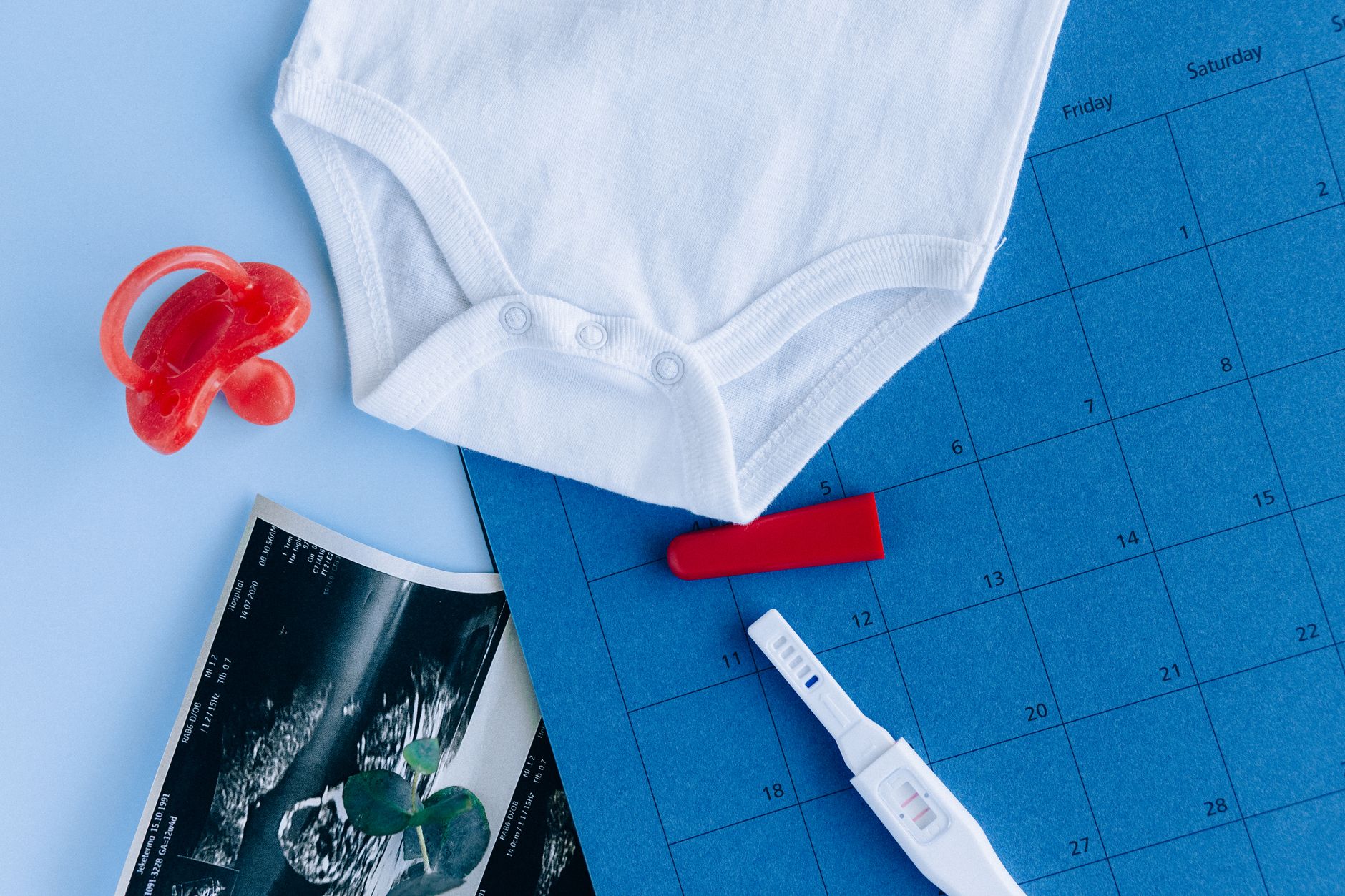
Discover the difference between implantation bleeding vs period, and learn how to identify each, implantation bleeding vs period symptoms and more
By Shubhra Mishra — a mom of two who turned her own confusion during pregnancy into BumpBites, a global mission to make food choices clear, safe, and stress-free for every expecting mother. 💛
Check whether any food is safe during pregnancy with the BumpBites Food Safety Checker.
Quick take: Implantation bleeding is usually light spotting that appears ≈ 6‑12 days after conception and fades within 24‑48 hours. A period is a heavier, regular flow that starts ≈ 14‑16 days after ovulation and lasts several days. If you’re unsure, take a pregnancy test ≥ 72 hours after the spotting and watch for other early‑pregnancy signs.
It’s 2 a.m., you’ve just gotten out of bed, and a few pink‑red drops have stained your pillowcase. Your mind races: “Is this my period finally arriving, or could it be implantation bleeding?” You’re not alone. Many people wonder whether that early‑mid‑cycle spotting is a sign of pregnancy or just a late‑period surprise.
This article walks you through every angle of the question “implantation bleeding vs period.” We’ll explain what implantation bleeding actually is, compare timing, color, flow — and even how long it typically lasts. We’ll cover the symptoms that travel with each, when a home pregnancy test can give you a reliable answer, and the red‑flag signs that mean you should call your provider.
By the end you’ll have a clear checklist to decide whether you’re likely seeing implantation spotting or the start of a menstrual period, and you’ll know exactly what steps to take next.
Spotting that looks like a few pink drops can be a sign of implantation bleeding.
How can I tell if bleeding is implantation or my period?
First, know that implantation bleeding is a *type* of light spotting that occurs when the fertilized egg attaches to the uterine lining. It’s usually much lighter than a period and often appears as a few pink or brown spots rather than a steady stream of blood.
Key clues to differentiate the two include:
Amount: Implantation spotting is typically a few drops or a light pink smear. A period usually starts with a heavier flow that gradually builds.
Timing relative to ovulation: Spotting that shows up 6‑12 days after intercourse (or about a week before your expected period) often points to implantation.
Duration: Implantation bleeding rarely lasts more than two days. A period often continues for three‑to‑seven days.
Associated symptoms: Mild cramping with implantation bleeding is common, but you’re less likely to experience the full‑body aches, breast tenderness, or nausea that accompany early pregnancy.
If the bleeding matches most of these points, you’re probably looking at implantation spotting. However, the only way to know for sure is a pregnancy test taken after the spotting has begun to settle.
Implantation bleeding vs period: timing differences
Understanding the hormonal timeline helps explain why the timing of each bleed differs so dramatically.
After ovulation, the corpus luteum releases progesterone, which prepares the uterine lining for a potential embryo. If fertilization occurs, the embryo travels down the fallopian tube and reaches the uterus in about 5‑7 days. Implantation itself typically happens ≈ 6‑12 days after conception, at which point the lining may shed a tiny amount of blood.
A menstrual period, on the other hand, is the body’s way of shedding the lining when pregnancy does not occur. It usually begins ≈ 14‑16 days after ovulation—roughly two weeks after the fertile window closes.
Event
Typical onset (days after ovulation)
Typical duration
Hormonal context
Implantation bleeding
6‑12
Few hours to 2 days
Rising hCG, still high progesterone
Menstrual period
14‑16
3‑7 days
Drop in progesterone, estrogen
Because implantation bleeding occurs earlier, many people mistake it for an early period or a “late‑period” spotting. If your bleed shows up well before the day you’d normally expect your period, think implantation.
Color, flow, and duration: spotting versus a period
Visually, implantation bleeding often looks like pink or brown specks—think a faint watercolor wash on a tissue. A period typically starts with bright red blood that may become darker as the flow progresses.
Below is a quick visual guide:
Implantation spotting: Light pink, rust, or brown; may be isolated drops or a faint smear; usually < 1 mm thick on a tissue.
Period blood: Bright red to deep burgundy; often forms a continuous stream; may coat pads or tampons heavily.
Duration is another differentiator. Implantation bleeding rarely exceeds 48 hours, while a period can linger for several days. If you notice a “one‑day‑only” pinkish stain, implantation is more likely.
Should I take a pregnancy test if I think it’s implantation bleeding?
The short answer: Yes—once the spotting has started, wait at least 72 hours before testing. This allows the embryo’s hCG (human chorionic gonadotropin) to rise to a level that home tests can detect.
Here’s a step‑by‑step guide:
Mark the day you notice spotting.
Count 72 hours (3 days) from the first drop.
Take a highly sensitive, urine‑based pregnancy test first‑thing‑in‑the‑morning.
If the test is negative but you still suspect pregnancy, repeat in 48 hours.
Why the wait? Early hCG levels can be low enough to produce a false‑negative result. The CDC notes that most home pregnancy tests have a detection threshold of about 25 mIU/mL, which usually isn’t reached until 8‑10 days after implantation.
Even if you get a negative result, keep an eye on symptoms. Persistent light bleeding, rising nausea, or breast changes may warrant another test or a visit to your provider.
What other symptoms accompany implantation bleeding compared with a period?
Both implantation bleeding and a period can cause mild cramping, but other symptoms help tell the story.
Implantation bleeding often co‑occurs with early pregnancy signs such:
Breast tenderness or swelling, similar to what many experience in the weeks before a period.
Mild nausea or food aversions—sometimes as early as the first week after conception.
Increased urination or a feeling of “fullness” in the lower abdomen.
A typical period is more likely to include:
Full‑body cramps that may be more intense than implantation‑related aches.
Headaches, bloating, and mood swings linked to the estrogen‑progesterone drop.
Acne flare‑ups, which often accompany the hormonal shift of a menstrual bleed.
These symptom clusters overlap, which is why many people feel uncertain. The key is to consider the whole picture—timing, flow, and accompanying signs together.
How long does implantation bleeding usually last, and can it happen after a negative pregnancy test?
Implantation bleeding typically resolves within 24‑48 hours. In rare cases, it may linger up to 72 hours, but longer bleeding usually signals another cause (e.g., hormonal fluctuations, cervical irritation).
It is possible to experience spotting *after* a negative pregnancy test, especially if the test was taken too early. The embryo may still be producing low‑level hCG that the test cannot yet detect. If you notice continued spotting beyond three days, repeat the test after another 48 hours.
Remember, false‑negative results are most common when testing before the hCG level has climbed. The American College of Obstetricians and Gynecologists (ACOG) advises waiting until at least one week after a missed period—or 10‑14 days after a possible implantation event—before relying on a negative result.
Can implantation bleeding happen and still have a period?
In most cases, implantation bleeding does not coexist with a full menstrual period because the hormonal environment that causes a period (a drop in progesterone) is suppressed once the embryo implants and begins producing hCG.
However, some people report a “light” period that feels more like spotting, which can be a mix of early implantation bleed and a residual shedding of the uterine lining. This hybrid scenario is uncommon but not impossible, especially if the embryo implants later than usual.
If you experience both spotting and a heavier flow that resembles a period, consider the following:
Track the exact dates of ovulation and expected period.
Take a pregnancy test after the spotting has settled.
Monitor any new symptoms (nausea, breast changes) that might point toward pregnancy.
When in doubt, a quick visit to your OB‑GYN can clarify whether the bleeding is hormonal, implantation‑related, or something else entirely.
Tracking ovulation and testing at the right time can help you differentiate spotting from a period.
Early pregnancy symptoms vs period symptoms
Early pregnancy and a period share some overlapping signs—cramps, breast tenderness, and mood swings—but there are subtle differences you can use as clues.
Symptoms more typical of early pregnancy:
Persistent nausea or “morning sickness” that doesn’t subside after a few days.
Breast changes that feel “full” or tingly, often extending into the armpits.
Heightened sense of smell and food aversions that differ from usual menstrual cravings.
Fatigue that feels deeper than the usual pre‑period slump.
Symptoms more typical of a period:
Intense uterine cramping that often radiates to the lower back.
Acne flare‑ups tied to the estrogen drop.
Clear, predictable mood swings that align with the menstrual cycle.
Weight gain or bloating that resolves shortly after menstruation ends.
Paying attention to the quality and persistence of these symptoms, alongside the timing of any bleeding, can give you a clearer picture.
Is it normal to have spotting after ovulation?
Yes. Light spotting after ovulation—often called “mid‑cycle spotting”—is relatively common and usually harmless. It can result from the surge of luteinizing hormone (LH) that triggers ovulation, or from a brief shift in cervical mucus.
Key points to remember:
Mid‑cycle spotting is typically pink or orange and lasts less than 24 hours.
If you’re trying to conceive, this spotting is not a sign of pregnancy and does not affect implantation.
Persistent or heavy spotting after ovulation should be discussed with a provider, as it can indicate hormonal imbalance or infection.
When should I see a doctor for abnormal bleeding?
Any bleeding that deviates from your typical pattern and is accompanied by any of the following warrants professional evaluation:
Heavy bleeding (soaking through a pad within hour) outside of your normal period.
Bleeding that lasts longer than 2 weeks continuously.
Severe cramping, fever, or foul‑smelling discharge.
Sudden spotting after a known miscarriage or after a recent pelvic procedure.
Pain that radiates to the shoulder or upper abdomen (possible ectopic pregnancy sign).
If you experience any of these, contact your OB‑GYN or go to urgent care right away. Early assessment can prevent complications.
How accurate is a home pregnancy test during implantation bleeding?
Home pregnancy tests are designed to detect hCG in urine. During the early days of implantation bleeding, hCG may still be low, leading to a false‑negative result. The accuracy improves dramatically after the hCG level surpasses ≈ 25 mIU/mL, which typically occurs ≈ 8‑10 days after implantation.
For the most reliable result:
Wait at least 72 hours after spotting begins.
Test first thing in the morning when urine is most concentrated.
Use a test labeled “early detection” or “high sensitivity.”
If you get a negative result but still suspect pregnancy, repeat the test after 48 hours or schedule a blood hCG test with your provider.
Differences between spotting and period blood
Spotting can arise from many sources—implantation, ovulation, hormonal fluctuations, or cervical irritation. Period blood is the shedding of the uterine lining. The primary differences lie in volume, color, and hormonal context.
Aspect
Spotting (e.g., implantation)
Period blood
Typical volume
Few drops to a light smear
Moderate to heavy flow (several pads)
Color
Pink, light brown, or rust
Bright red to deep burgundy
Duration
Hours to 2 days
3‑7 days
Hormonal context
Rising hCG, still high progesterone
Drop in progesterone/estrogen
Understanding these nuances helps you decide whether a quick test or a calendar check is the next logical step.
What causes light bleeding in early pregnancy?
Beyond implantation, early pregnancy can feature light bleeding for several reasons:
Cervical irritation: Sexual activity or a Pap smear can cause minor trauma to the cervix, leading to small amounts of blood.
Subchorionic hemorrhage: A small collection of blood between the uterine wall and chorionic membrane—often harmless and resolves on its own.
Hormonal fluctuations: The rapid rise in hCG can cause the uterine lining to shed a tiny amount.
Implantation itself: As discussed, the embryo embeds into the lining, sometimes pulling a few vessels.
Most light bleeding in early pregnancy is benign, but any heavy or persistent bleeding should prompt a medical visit.
From our medical team: Spotting can be confusing, especially when you’re eager to know if you’re pregnant. The safest approach is to track your cycle, note the exact day bleeding starts, and give a home pregnancy test enough time to detect hCG. If the bleeding is heavy, lasts more than a couple of days, or is accompanied by severe pain or fever, reach out to your provider right away. You deserve clear answers, and we’re here to help you navigate the uncertainty.
Myth vs. fact
Myth: Implantation bleeding always looks like a period. Fact: Implantation bleeding is usually very light, pink or brown, and lasts only a day or two, whereas a period is heavier, red, and lasts several days.
Myth: If you have any bleeding, you can’t be pregnant. Fact: Light spotting can occur in early pregnancy, especially during implantation or because of cervical irritation.
Myth: A negative home pregnancy test after spotting rules out pregnancy. Fact: Testing too early can give a false‑negative; waiting 72 hours after spotting improves accuracy.
Key takeaways
Implantation bleeding is light spotting that usually appears 6‑12 days after conception and ends within 48 hours.
A period starts ≈ 14‑16 days after ovulation, is heavier, and lasts several days.
Take a home pregnancy test ≥ 72 hours after spotting begins for the most reliable result.
Watch for early‑pregnancy signs—nausea, breast tenderness, and increased urination—that differ from typical period symptoms.
If bleeding is heavy, lasts more than 2 days, or is accompanied by severe pain or fever, call your provider promptly.
Spotting after ovulation can be normal, but persistent or unusual bleeding should be evaluated.
Frequently asked questions
Is implantation bleeding the same as a period?
No. Implantation bleeding is light spotting that occurs early after conception, while a period is the regular shedding of the uterine lining when pregnancy does not occur.
How can I differentiate between implantation bleeding and my period?
Look at timing (implantation ≈ 6‑12 days after ovulation), amount (a few drops vs. a flow), color (pink/brown vs. bright red), and duration (hours to 2 days vs. several days).
Can implantation bleeding occur before a missed period?
Yes. It often appears a week before you would expect your period, which can cause confusion.
What does implantation bleeding look like?
It typically appears as light pink or brown spots on a tissue or pad, sometimes with a faint smear rather than a steady stream.
Should I take a pregnancy test if I have light bleeding?
Yes—wait at least 72 hours after the bleeding starts, then use a first‑morning urine sample for the most accurate result.
When should I see a doctor for unexpected bleeding?
Seek medical care if bleeding is heavy, lasts more than 2 days, is accompanied by severe pain, fever, or foul odor, or if you suspect an ectopic pregnancy.
When to call your doctor
If you experience any of the following, contact your healthcare provider promptly:
Heavy bleeding that soaks a pad in < hour.
Bleeding lasting longer than 2 weeks.
Severe abdominal or shoulder pain.
Fever, chills, or foul‑smelling discharge.
Sudden spotting after a known miscarriage.
This article is for informational purposes only and does not replace personalized medical advice. Always discuss your symptoms and test results with your own provider.
References
American College of Obstetricians and Gynecologists (ACOG). “Early Pregnancy Bleeding.” Clinical Guidance, 2023.
National Health Service (NHS). “Implantation Bleeding.” Patient Information, 2022.
Centers for Disease Control and Prevention (CDC). “Understanding Pregnancy Tests.” Health Communication, 2021.
World Health Organization (WHO). “Guidelines for Prenatal Care.” 2020.
Royal College of Obstetricians and Gynaecologists (RCOG). “Menstrual Disorders.” Clinical Practice, 2022.
Mayo Clinic. “Spotting During Early Pregnancy.” Patient Care Articles, 2023.
Food and Drug Administration (FDA). “Home Pregnancy Test Performance.” Guidance Document, 2021.
Not sure about the label on Implantation Bleeding Vs Period products?
Snap the ingredients list and SafeFilter checks every ingredient for your stage — only 3 free scans this month, then you're locked until reset. Unlimited from $7/mo or $50/yr.
When Shubhra Mishra was expecting her first child in 2016, she was overwhelmed by conflicting food advice — one site said yes, another said never. By the time her second baby arrived in 2019, she realized millions of mothers face the same confusion.
That sparked a five-year journey through clinical nutrition papers, cultural diets, and expert conversations — all leading to BumpBites: a calm, compassionate space where science meets everyday motherhood.
Her long-term vision is to build a global community ensuring safe, supported, and free deliveriesfor every mother — because no woman should face pregnancy alone or uninformed. 🌿
🌍 Stand with mothers, shape safer guidance
Join a small circle of experts who review BumpBites articles so expecting parents everywhere can decide with confidence.