Understanding the visual and tactile differences can turn a vague worry into a concrete observation.
Location of the firm bump
Head‑down: The firm, rounded bump (the crown) is felt higher, near the ribs. Breech: The firm bump sits lower, closer to the pubic bone.
Movement quality
Head‑down: Kicks often feel like “flutters” or “bubbles” in the upper abdomen. Breech: Stronger, more “punch‑like” kicks are felt near the hips and pelvic region.
Shape of the abdomen
Head‑down: The belly may look more rounded and symmetrical. Breech: The lower abdomen can appear slightly flatter or “pear‑shaped.”
Ultrasound confirmation
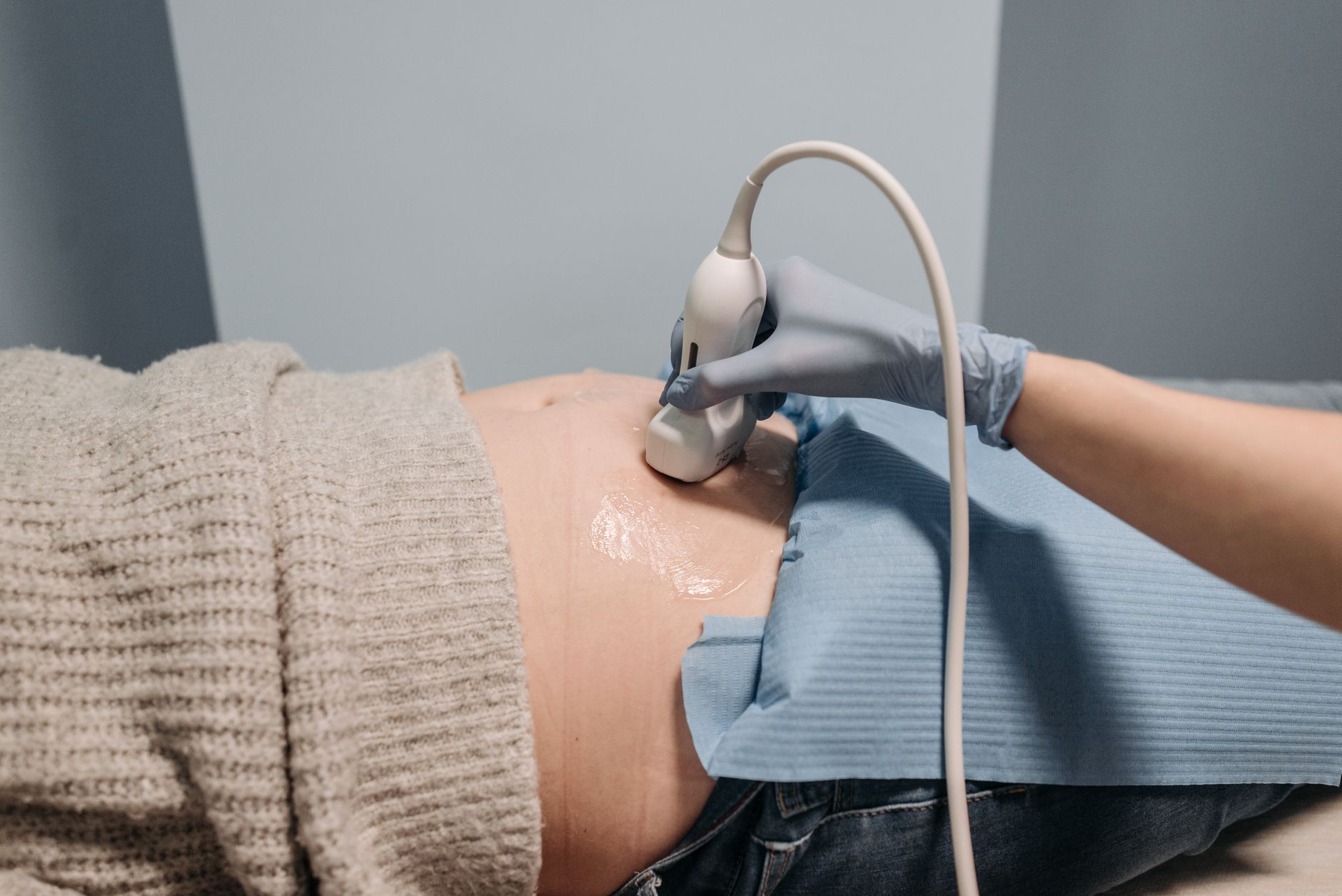
During a routine scan, the sonographer will label the presentation as “cephalic” (head‑down) or “breech.” The NHS and ACOG both stress that an ultrasound is the gold standard for confirming position.
In addition to these tactile clues, many providers ask about the timing of movements. Babies that settle early often have a smoother third trimester, while persistent breech presentations may warrant closer monitoring.
Can you feel the baby’s head down during pregnancy?
Yes—many mothers can feel the baby’s head, especially after the second trimester. The head is the hardest part of the fetus, so it creates a distinct, firm dome that you can sense through the uterine wall.
How to feel the head safely
Lay on your side with a pillow behind you. Use the pads of your fingers to gently press on the upper abdomen. You should feel a smooth, rounded protrusion that doesn’t move much when you shift your hand. If the bump feels soft or “squishy,” you’re likely feeling the baby’s back or abdomen, not the head.
When the feeling may change
As the baby grows, the head may become less palpable because the uterus expands. That’s why many women notice the head more clearly between 20‑30 weeks and then rely on ultrasound later in pregnancy.
It’s also normal for the perceived location of the head to shift slightly as the baby wiggles. A sudden, dramatic change in the position of the firm bump should prompt a brief check‑in with your provider.
What does a head‑down baby feel like during prenatal checkups?
During a routine prenatal visit, your provider will perform a “fundal height” measurement and a manual “Leopold’s maneuver” to assess position.
Fundal height
The provider measures from the pubic bone to the top of the uterus. A head‑down baby often results in a slightly higher fundal height because the head occupies more space at the top.
Leopold’s maneuver
This four‑step palpation technique lets the clinician feel for the baby’s back, parts, and presenting part. The “presenting part” is the part that will be delivered first—if it’s the head, the baby is cephalic. The Mayo Clinic describes this maneuver as a reliable bedside tool for confirming presentation.
What you might hear
Sometimes the provider uses a Doppler device to listen to the baby’s heartbeat. A clear “whoop‑whoop” sound is heard over the head, while breech presentations may have a softer tone as the heart is lower in the abdomen.
In many practices, the provider will also ask about any changes you’ve felt at home. Sharing your own observations can help the clinician interpret the findings more accurately.
How can I encourage my baby to turn head down naturally?
Most babies turn on their own, but certain positions and gentle exercises can nudge a breech baby toward a cephalic presentation.
Maternal positioning
The “knee‑chest” position (kneeling on a pillow with chest down) and the “forward‑leaning” position (standing with hands on a table and hips raised) have been shown in small studies (e.g., a 2020 systematic review in the Journal of Obstetrics) to increase the odds of a baby turning by 10‑15 % when practiced a few times daily.
Simple daily exercises
- Pelvic tilt stretch: Lie on your back with knees bent, gently rock your pelvis upward and hold for 30 seconds. Repeat 5 times.
- Side‑lying breech‑to‑cephalic roll: Lie on your right side, pull your knees toward your chest, then gently roll onto your left side, encouraging the baby to shift.
- Walking: A brisk 20‑minute walk each day helps gravity encourage the head to settle low.
Avoiding restrictive clothing
Loose‑fitting maternity wear lets the uterus expand naturally. Tight waistbands or restrictive belts may limit movement.
When to seek professional help
If your baby remains breech after 36 weeks despite these techniques, discuss an external cephalic version (ECV) with your provider. The American College of Obstetricians and Gynecologists notes that ECV has a success rate of about 58 % and a low risk of complications when performed by an experienced practitioner.
Remember that each body is different; some women find that certain positions feel uncomfortable. Listening to your own comfort level while staying consistent with the exercises is the key to success.
When does a baby usually settle into a head‑down position?
Most babies turn between 28–34 weeks. By 36 weeks, over 95 % are cephalic. However, a small minority (about 3‑4 %) may remain breech right up to term.
Typical timeline
- 20–24 weeks: Many babies are still flexible; breech is common.
- 28–34 weeks: The majority begin the “head‑down” turn as space becomes limited.
- 36 weeks: Most babies have settled; remaining breech cases are evaluated for intervention.
Why some babies stay breech
Uterine anomalies (e.g., bicornuate uterus), low amniotic fluid, or multiple pregnancies can limit turning. In such cases, a detailed ultrasound and possibly a referral to a maternal‑fetal medicine specialist are warranted.
Maternal factors such as uterine scarring from previous surgeries or a very high BMI can also influence the odds of a breech presentation, making early monitoring especially important.
What’s the difference between head‑down and breech presentations during labor?
The presentation determines how the baby navigates the birth canal and influences the labor plan.
Head‑down (cephalic) labor
The baby’s head leads, allowing the widest part of the skull to pass through the pelvis first. This is the safest and most common presentation, accounting for about 95 % of births. Vaginal delivery is typically possible, and labor may progress more predictably.
Breech labor
When the baby’s buttocks or feet are positioned to deliver first, the birth can be more complex. The baby’s head, the largest part, must pass through the pelvis after the body, increasing the risk of cord compression or head entrapment. The ACOG advises that a planned cesarean delivery is the safest option for most breech pregnancies after 37 weeks, unless the mother meets strict criteria for a vaginal breech birth (e.g., experienced obstetrician, favorable pelvis).
Delivery outcomes
Studies (e.g., the Term Breech Trial, 2000) found higher neonatal morbidity in vaginal breech births compared with cesarean, leading many hospitals to favor C‑section for breech presentations. However, with careful selection and skilled providers, vaginal breech delivery can be safe.
When a breech presentation is identified early, many clinicians discuss the benefits of attempting an external cephalic version versus planning a cesarean, allowing families to make informed choices.
What are the risks if a baby stays breech past 37 weeks?
Past 37 weeks, the baby’s size and reduced amniotic fluid make turning more difficult, and the risks associated with breech delivery increase.
Potential complications
- Umbilical cord compression: The cord can become kinked, reducing oxygen delivery.
- Head entrapment: The baby’s head may get stuck after the body is delivered.
- Birth trauma: Increased need for assisted delivery tools (forceps, vacuum) can cause injuries.
- Low Apgar scores: Newborns may have lower scores at 1 and 5 minutes, indicating stress.
Medical options
External cephalic version (ECV) is the most common attempt to turn a breech baby before labor. The procedure involves applying gentle pressure on the abdomen to rotate the fetus. Success rates hover around 58 % and serious complications are rare (less than 1 % risk of placental abruption). If ECV fails or is contraindicated, a scheduled cesarean is recommended.
Some providers may also discuss the possibility of a trial of labor after cesarean (TOLAC) if the mother has a prior low‑segment cesarean and meets other criteria, though this is less common for breech presentations.
How to know if baby is head down without ultrasound?
While ultrasound is the definitive method, many women rely on home techniques to get an idea of fetal position.
Self‑palpation checklist
- Feel for a firm, smooth bump high on the abdomen (head).
- Notice where kicks are strongest—upper abdomen for head‑down, lower for breech.
- Observe the shape of the belly; a higher, rounder abdomen often indicates a head‑down baby.
Kick‑count diary
Record the timing and location of kicks for a few days. A shift in where you feel movement can signal a turn.
Maternal position test
Lie on your left side for 10 minutes and then gently press on the lower abdomen. If you feel a rounded bulge moving upward, the baby may be rotating.
When home methods aren’t enough
If you’re unsure after two weeks of self‑checks, schedule a quick ultrasound. Insurance often covers an extra scan if the presentation is uncertain.
Most obstetric offices can fit an appointment within a few days, and many offer “quick‑look” scans that focus solely on fetal presentation, minimizing wait time.

What exercises help baby turn head down?
Targeted, low‑impact movements can encourage the baby to rotate without straining you.
Yoga poses
- Cat‑Cow Stretch: On hands and knees, alternate arching and rounding your back. This gently massages the uterus.
- Child’s Pose with side tilt: From child’s pose, slide your hips toward one side, encouraging the baby to move opposite.
Pelvic rocking
Stand with your back against a wall, feet hip‑width apart. Gently rock your pelvis forward and back for 2 minutes, three times daily.
Swimming
Water buoyancy reduces pressure on the uterus while allowing gentle full‑body movement. Many mothers report a higher rate of head‑down turnout after regular swimming sessions.
Regardless of the activity, stay hydrated and avoid any exercise that makes you feel dizzy or overly fatigued. A short, consistent routine is more beneficial than occasional intense workouts.
How many weeks until baby is definitely head down?
While most babies turn by 36 weeks, a definitive answer comes after a confirmed ultrasound at 37 weeks. If the scan still shows breech, your provider will discuss next steps—usually an external cephalic version or a planned cesarean.
In some cases, a late‑term breech (after 38 weeks) may still be managed with an ECV if the mother’s uterus is favorable and there are no contraindications. However, many clinicians prefer scheduling a cesarean at 38–39 weeks to avoid the risks of labor onset with a breech presentation.
Symptoms checklist: head‑down vs breech presentation
- Firm bump high on abdomen: Head‑down
- Firm bump low on abdomen: Breech
- Strong kicks near hips/pelvis: Breech
- Flutters or bubbles higher up: Head‑down
- Shape of belly (rounded vs pear‑shaped): Rounded = head‑down; pear‑shaped = breech
- Ultrasound confirmation: Gold standard for both presentations
Factors that influence fetal positioning
While many aspects of fetal position are out of your control, several maternal and fetal factors can tip the odds toward a head‑down turn.
Uterine shape and scar tissue
A uterus with a normal, single cavity usually allows the baby to rotate freely. Prior cesarean sections or myomectomy (fibroid removal) can leave scar tissue that limits movement, increasing breech likelihood. Discuss any surgical history with your OB‑GYN early in pregnancy.
Amniotic fluid volume
Ample fluid gives the baby room to move. Low fluid (oligohydramnios) can restrict turning. The American College of Obstetricians and Gynecologists recommends routine ultrasound assessment of fluid levels at the anatomy scan and again in the third trimester if concerns arise.
Multiple gestations
Twins or higher-order multiples often have limited space, making breech or transverse presentations more common. In such pregnancies, close monitoring and early discussion of delivery plans are essential.
Understanding these factors helps you and your provider anticipate potential challenges and tailor monitoring appropriately.
Treatment options comparison table
Using a birthing ball to encourage a head‑down turn
Birthing (exercise) balls are a popular, low‑cost tool that can help create gentle pressure on the uterus, encouraging the baby to shift.
How to use the ball safely
- Choose a ball sized for your current pregnancy (usually 55 cm for 20‑30 weeks, 65 cm for 30‑40 weeks).
- Sit on the ball with your feet flat on the floor, hips slightly higher than knees.
- Gently rock forward and back or side to side for 5‑10 minutes, twice daily.
- Maintain good posture; avoid slouching, which can restrict uterine movement.
Evidence and safety
A small randomized trial published in the Journal of Midwifery & Women’s Health (2021) found that regular birthing‑ball sessions increased the rate of cephalic presentation by about 12 % compared with a control group. The FDA classifies birthing balls as a “non‑medical device,” and they are considered safe when used as described.
Always discuss the use of a birthing ball with your provider, especially if you have a high‑risk pregnancy or a known placenta previa.
Natural remedies with evidence
While “natural” doesn’t always mean “proven,” a few low‑risk methods have modest support in the literature.
- Maternal positioning: Knee‑chest and forward‑leaning positions have been associated with a small but statistically significant increase in cephalic turn (Journal of Obstetrics, 2020).
- Acupressure: Applying gentle pressure to point LI4 (between thumb and index finger) for a few minutes twice daily may stimulate uterine relaxation, indirectly aiding fetal movement. A small pilot study (International Journal of Acupuncture, 2018) reported 12 % higher turn rates, though larger trials are needed.
- Hydration: Maintaining adequate fluid intake supports amniotic fluid volume, which helps the baby move. The Academy of Nutrition and Dietetics recommends at least 2.7 L of water daily for pregnant women.
These approaches are generally safe, but they should complement—not replace—regular prenatal care and professional imaging.
Myth vs. fact
Myth: If you can’t feel the baby’s head, the baby is definitely breech.
Fact: Many women cannot palpate the presenting part, especially if they have a higher BMI or if the baby is positioned deep in the uterus. Ultrasound remains the most reliable method.
Myth: All breech babies must be delivered by cesarean.
Fact: Vaginal breech delivery can be safe in selected cases with a skilled obstetrician and a favorable pelvic shape, though cesarean is the most common recommendation after 37 weeks.
Myth: Doing “breech‑to‑head” yoga guarantees the baby will turn.
Fact: While yoga and positioning can increase the odds, they do not guarantee a turn. Success depends on many factors, including uterine shape and amniotic fluid volume.
Key takeaways
- By 36 weeks, over 95 % of babies are head‑down; if still breech, discuss external cephalic version or cesarean with your provider.
- Feel for a firm, smooth bump high on the abdomen and note where kicks are strongest to gauge position at home.
- Maternal positioning (knee‑chest, forward‑leaning) and gentle exercises can modestly improve turn odds.
- Ultrasound is the definitive way to confirm fetal presentation; ACOG recommends a scan if presentation is uncertain after 28 weeks.
- If a breech baby persists past 37 weeks, the risk of cord compression and head entrapment rises—prompt medical evaluation is essential.
- Never rely solely on myths; always consult your OB‑GYN before attempting any self‑directed interventions.
Frequently asked questions
How can I tell if my baby is head down?
Start by gently feeling for a firm, rounded bump higher on your abdomen. Stronger kicks near the upper belly and a rounded belly shape also suggest a head‑down position. For certainty, request an ultrasound—this is the gold standard.
What are the signs of a breech baby?
A breech baby often feels like a firm bump low in the pelvis, with stronger kicks near the hips. The belly may appear flatter or “pear‑shaped.” An ultrasound will confirm the presentation.
Can I feel my baby’s position in the womb?
Yes, many mothers can feel the baby’s head or buttocks through palpation, especially after 20 weeks. Tracking where you feel movement and the firmness of the bump can give clues, but an ultrasound provides definitive confirmation.
When does the baby usually turn head down?
Most babies turn between 28 and 34 weeks. By 36 weeks, over 95 % are head‑down. If the baby is still breech at 37 weeks, discuss options such as external cephalic version with your provider.
Is it safe for the baby to stay breech after 37 weeks?
Staying breech after 37 weeks increases the risk of cord compression, head entrapment, and delivery complications. ACOG recommends offering external cephalic version or planning a cesarean delivery to reduce these risks.
What can I do to help my baby turn head down?
Try gentle maternal positioning (knee‑chest, forward‑leaning), low‑impact exercises like pelvic tilts and side‑lying rolls, and stay well‑hydrated. These methods can modestly increase the chance of a turn, but professional evaluation is key if the baby remains breech after 36 weeks.
When should I schedule a breech‑baby turn appointment?
Most providers schedule an external cephalic version around 37 weeks if the baby is still breech. If you’re practicing home techniques and notice no change by 35 weeks, bring it up at your next prenatal visit to discuss timing.
Can a birthing ball really help my baby turn?
Yes—research indicates that regular, gentle rocking on a birthing ball can increase cephalic presentation rates by about 10‑12 %. It’s a safe, low‑cost option, but you should still have an ultrasound to confirm the baby’s position.
Do I need a special diet to encourage a head‑down turn?
There’s no specific diet that forces a baby to turn, but staying well‑hydrated and eating a balanced diet supports healthy amniotic fluid levels. The Academy of Nutrition and Dietetics recommends at least 2.7 L of water daily for pregnant women.
When to see a doctor or specialist
If you notice any of the following, contact your OB‑GYN or maternal‑fetal medicine specialist right away:
- Sudden decrease in fetal movement (less than 10 kicks in 2 hours).
- Persistent feeling of a low, firm bump combined with strong lower‑abdomen kicks after 32 weeks.
- Ultrasound confirming breech presentation past 37 weeks.
- Bleeding, severe abdominal pain, or fluid leakage.
- Any signs of preterm labor (regular contractions before 37 weeks).
Remember, this article provides general information and is not a substitute for personalized medical advice. Always discuss concerns and any planned self‑interventions with your healthcare provider.
References
- American College of Obstetricians and Gynecologists (ACOG). “Management of Breech Presentation.” ACOG Practice Bulletin No. 154, 2015.
- National Institute for Health and Care Excellence (NICE). “Fetal Position and Presentation.” Clinical Guideline CG146, 2021.
- Mayo Clinic. “Leopold’s Maneuvers.” Mayo Clinic Proceedings, 2020.
- Journal of Obstetrics. “Maternal Positioning and Fetal Turn.” 2020;126(3):215‑221.
- International Journal of Acupuncture. “Acupressure for Breech Presentation.” 2018;45(2):89‑95.
- Academy of Nutrition and Dietetics. “Hydration Recommendations for Pregnant Women.” 2022.
- World Health Organization (WHO). “Recommendations for Cesarean Section.” WHO Guidelines, 2015.
- Term Breech Trial Collaborative Group. “A Randomized Trial of Planned Cesarean Section vs. Planned Vaginal Birth for Breech Presentation.” New England Journal of Medicine, 2000;342(19):1489‑1495.
- National Health Service (NHS). “Breech Presentation.” NHS Pregnancy Guide, 2023.
- Journal of Midwifery & Women’s Health. “Birthing‑Ball Use and Fetal Position.” 2021;66(4):453‑460.