Quick take: If you're wondering how to encourage your baby to move in the womb, gentle stimulation methods like drinking cold water, eating a small snack, changing positions, or engaging in light activity can often prompt a response. However, it's crucial to understand your baby's normal movement patterns and to contact your healthcare provider immediately if you notice a significant decrease in fetal movement, as this can be a sign of a potential issue. Always prioritize medical advice over self-stimulation if you have concerns.
Feeling your baby move for the first time is one of the most magical moments of pregnancy. It’s a reassuring sign of life and connection, a little flutter that grows into unmistakable kicks and jabs. But what happens when those familiar movements seem to slow down or disappear for a while? If you’ve ever found yourself gently poking your belly, drinking a glass of juice, or even doing a little dance, all while wondering, "how to make baby move in womb?", you're not alone. Many expectant parents experience moments of anxiety when their baby seems quieter than usual.
It's completely normal for babies to have sleep and wake cycles in the womb, just like they do after birth. These quiet periods can sometimes overlap with your own busy schedule, making you question if everything is okay. While most of the time a sleepy baby is simply resting, understanding normal fetal movement patterns and knowing safe, gentle ways to encourage activity can offer peace of mind. More importantly, recognizing the signs of reduced movement and knowing when to seek professional medical advice is paramount for your baby's health.
This article will guide you through common, safe strategies to gently encourage your baby to move, explore how diet and activity can play a role, and most importantly, equip you with the knowledge to recognize when it's time to call your doctor. Our goal is to empower you with information, so you can feel more confident and connected throughout your pregnancy journey.
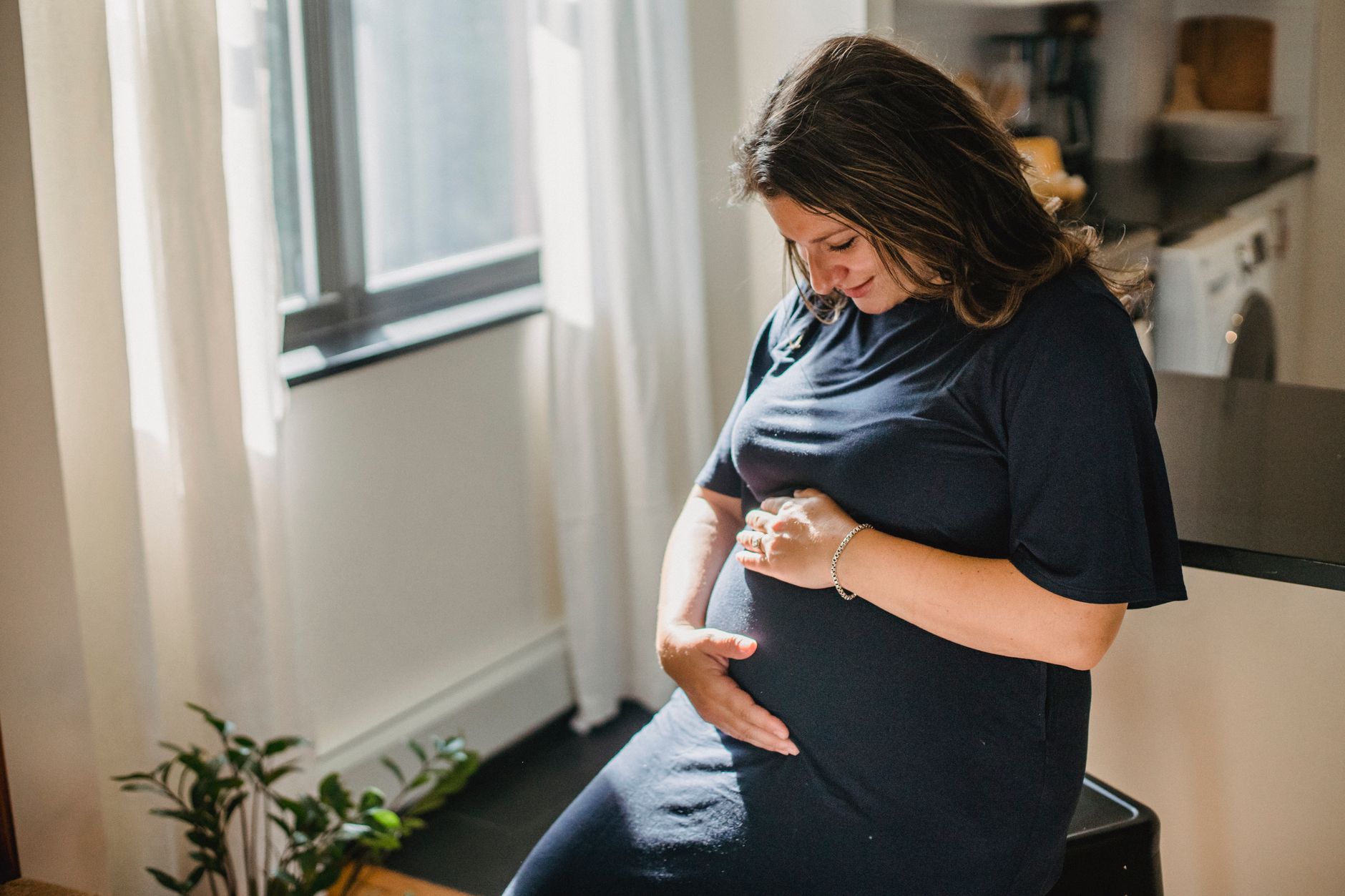
How to Gently Stimulate Fetal Movement, Especially After 30 Weeks
As your pregnancy progresses, especially into the third trimester (after 30 weeks), your baby’s movements become more distinct and patterned. While it's normal for movements to feel different as your baby grows and has less space, a noticeable decrease can be concerning. If you're wondering how to stimulate fetal movement after 30 weeks, there are several gentle, safe methods you can try at home. These strategies aim to rouse a sleepy baby without causing any distress. Always remember that these are for reassurance if your baby is just having a quiet period, not a substitute for medical evaluation if you have significant concerns.
Change Your Position
Sometimes, simply changing your body position can be enough to shift your baby and encourage movement. If you've been sitting or lying down for a while, try standing up and walking around for a few minutes. If you've been active, try lying down on your left side. Lying on your left side is often recommended because it improves blood flow to your uterus and baby, which can sometimes encourage activity. The change in your body's orientation can create new sensations or spaces that prompt your baby to shift or stretch.
Talk or Sing to Your Baby
Your baby can hear sounds from outside the womb, especially familiar voices. Talk to your baby, read a book aloud, or sing a song. Your voice and the vibrations it creates can be a comforting and stimulating presence. Many parents find this a lovely way to bond, and it can sometimes elicit a kick or wiggle in response. This method is completely safe and offers a wonderful opportunity for connection.
Apply Gentle Pressure
You can try gently pressing on your belly. Don't push hard or poke aggressively, but a soft, consistent pressure in one spot, or moving your hands around your abdomen, can sometimes get a reaction. Imagine you're gently encouraging your baby to respond to your touch. If you feel a part of your baby (like a foot or elbow), you can try to gently press back, almost as if you're playing a little game of tag.
Shine a Flashlight on Your Belly
While not all babies respond to light in the womb, some might. Around the third trimester, your baby's eyes are more developed, and they can perceive changes in light. You can try shining a flashlight on your belly, moving it slowly across your abdomen. Some babies might turn towards the light, while others might move away from it. This is another completely harmless method that can be interesting to try.
Do Certain Foods and Drinks Influence Baby's Movements?
Yes, what you eat and drink can sometimes influence your baby's activity levels. Just as a burst of energy might follow a meal for you, your baby can also experience a subtle surge in activity after you've consumed certain things. This is often related to changes in your blood sugar levels or other physiological responses. If you're wondering what foods make baby move in the womb, or if specific drinks have an effect, here’s what you need to know.
Sweet Snacks or Drinks
Many expectant parents find that a small, sweet snack or a sugary drink can encourage fetal movement. When you consume something sugary, your blood sugar levels rise, and this glucose crosses the placenta to your baby. This can give your baby a temporary energy boost, leading to increased activity. Try a small glass of 100% fruit juice, a piece of fruit, or even a small amount of chocolate. Wait 15-30 minutes after consuming to see if your baby responds. The Academy of Nutrition and Dietetics recommends focusing on whole foods for energy, but a small treat for movement checks is generally considered safe.
Cold Drinks
Drinking a very cold beverage, like a glass of ice water or cold juice, is another common and effective trick. The sudden drop in temperature in your digestive system can sometimes startle your baby or simply provide a stimulating sensation that encourages movement. This is a very safe and easy method to try if you're trying to rouse a sleepy baby.
Caffeine Considerations
The effects of caffeine on baby movement are a common question. Caffeine is a stimulant that can cross the placenta. While moderate caffeine intake (typically up to 200 mg per day, equivalent to about one 12-ounce cup of coffee) is generally considered safe during pregnancy by organizations like the American College of Obstetricians and Gynecologists (ACOG), it can make some babies more active. If you've consumed caffeine, you might notice an increase in your baby's movements shortly after. However, it's not recommended to use caffeine specifically to stimulate movement if you have concerns about reduced activity, as caffeine has other effects on both you and your baby. If you're worried, reaching for a cold, non-caffeinated drink or a small snack is a better first step.
Hydration and Dehydration
Staying well-hydrated is crucial for your overall health during pregnancy, and it can also indirectly affect fetal movement. Can dehydration affect fetal movement? While there isn't direct evidence that mild dehydration immediately stops fetal movement, severe dehydration can lead to reduced blood volume and nutrient flow to the placenta, which could potentially impact your baby's well-being and activity. Ensuring you drink plenty of water throughout the day is always a good practice. If you're feeling dehydrated, sipping on water or an electrolyte-rich drink might help you feel better and support a healthy environment for your baby.
Can Sounds and Music Encourage Your Baby to Move?
The world inside the womb isn't silent. Your baby is constantly exposed to sounds, from your heartbeat and digestive noises to muffled external voices and music. This leads many parents to wonder, does playing music cause baby to move? The answer is often yes, as babies can respond to sounds, especially as their hearing develops in the later trimesters.
Responding to Your Voice and Other Familiar Sounds
By around 20-25 weeks, your baby's ears are developed enough to hear sounds. They can recognize your voice, your partner's voice, and other sounds they hear regularly. If you talk, sing, or read aloud, the sound vibrations can travel through your abdomen and reach your baby. Often, babies will react to these familiar sounds with a kick or a wiggle. This isn't just a way to encourage movement; it's also a beautiful way to start bonding with your baby before they're born.
Playing Music to Your Baby
Many expectant parents enjoy playing music for their babies in the womb. Some babies respond by moving, seemingly dancing to the rhythm, while others might settle down. This reaction can vary greatly from baby to baby, and even from moment to moment for the same baby. You can try placing headphones gently over your belly (not directly on your skin and not at full volume) or simply playing music in the room. The vibrations and sounds can be a stimulating experience. There's no scientific consensus on what type of music is "best" for babies in the womb, so choose something you enjoy – classical, soft rock, lullabies, or even upbeat tunes. Just ensure the volume is moderate to avoid overstimulation.

How to Recognize When Your Baby is Moving Less Than Normal
Understanding your baby's typical movement patterns is one of the most important ways you can monitor their well-being. It's natural for babies to have quiet periods, but a significant decrease in movement can be a sign that something is amiss. Knowing how to tell if baby is moving less than normal is crucial for every expectant parent.
Understanding Normal Fetal Movement Patterns
Every baby has their own unique pattern of movement. Some are little acrobats, constantly tumbling, while others are more laid-back. You'll likely start to feel distinct movements between 18 and 25 weeks of pregnancy. As your pregnancy progresses, especially into the third trimester, these movements will become stronger and more frequent. Your baby will also develop sleep-wake cycles. The best time of day for baby to be active often aligns with when you are resting, as your movements can lull them to sleep. Many women notice increased activity in the evenings or when they lie down to rest.
It's a myth that babies move less towards the end of pregnancy because there's less space. While the *type* of movement might change from big kicks to more wiggles and stretches, the frequency and strength should remain consistent until birth. If you notice a reduction in movement, it should always be investigated.
Tracking Fetal Movements: Kick Counts
Kick counting is a simple, effective way to monitor your baby's movements and establish their individual pattern. The American College of Obstetricians and Gynecologists (ACOG) recommends kick counts starting around 28 weeks of pregnancy. Here's how to do it:
- Choose a time when your baby is usually active.
- Sit comfortably or lie on your side (often the left side is best).
- Count each distinct movement (kicks, flutters, swishes, rolls). Don't count hiccups.
- Stop counting once you've felt 10 movements.
How many kicks per hour is normal in third trimester? Most healthcare providers recommend aiming for at least 10 movements within a 2-hour period. If you reach 10 movements quickly (e.g., in 15-30 minutes), you can stop counting. If you don't feel 10 movements within 2 hours, try one of the gentle stimulation methods (like a cold drink or sweet snack) and then try counting again. If you still don't reach 10 movements, it's time to call your doctor.
- Kick Count Chart: Many clinics provide paper charts to help you log your counts.
- Smartphone Apps: Numerous apps are available that allow you to tap a button for each movement, tracking the time and duration.
- Journaling: If you prefer a low-tech approach, simply note the start and end time of your counting session and the total number of movements in a small journal. This can also be a good place to jot down any concerns or questions for your next appointment.
Why Does My Baby Stop Moving at Night?
Just like adults, babies have sleep cycles. Your baby might simply be in a deep sleep, and these sleep periods can last for 20-40 minutes, sometimes up to 90 minutes. It's common for babies to be less active during your active hours because your own movements can rock them to sleep. When you settle down for the evening or night, your stillness might wake them up, leading to increased activity then. So, if your baby stops moving at night, it's often a normal part of their sleep pattern, but if the quiet period extends beyond their usual sleep cycle or you have concerns, it's always best to check.
Safe Movements and Positions to Encourage Baby Activity
Your own body position and activity level can have a direct impact on your baby's movements. Sometimes, the simplest change in how you're sitting or moving can be enough to rouse a sleepy baby. These are safe exercises to encourage baby movement and are often among the first things healthcare providers suggest trying.
Changing Your Posture
If you've been sitting in one position for a long time, try standing up and walking around. The change in gravity and the gentle sway of your body can sometimes shift your baby's position or simply encourage them to stretch and move. Conversely, if you've been very active, lying down in a quiet space might be what your baby needs to wake up. Many babies are most active when their mothers are resting, as the lack of external movement can make their own movements more noticeable.
Lying on Your Side
As mentioned earlier, lying down on your left side is particularly effective. This position optimizes blood flow to your uterus and baby, which can sometimes lead to increased activity. It also helps you relax and focus on your baby's movements without the distractions of your daily routine. Try to find a comfortable, quiet spot where you can lie undisturbed for a short period.
Gentle Rocking or Swaying
A gentle rocking motion can also be stimulating. You can try sitting in a rocking chair, gently swaying from side to side, or even taking a slow, easy walk. The rhythmic motion can sometimes encourage your baby to move or respond. Think of it like a gentle lullaby for them to respond to.
Light Exercise
Engaging in light, safe exercise can sometimes wake up your baby. A short, brisk walk, some gentle stretches, or prenatal yoga can get your blood flowing and gently jostle your baby. Always ensure any exercise you do during pregnancy is cleared by your healthcare provider and feels comfortable for you. Never push yourself or engage in strenuous activity if you are concerned about reduced movement. The goal here is gentle stimulation, not intense physical exertion.
A Table of Safe Methods to Encourage Fetal Movement
Practical Tips to Gently Wake a Sleepy Baby in the Womb
Every baby has their own rhythm, and sometimes, they just need a little nudge to wake up from a nap. If you're looking for tips to wake up a sleepy baby in the womb, the key is to use gentle, non-invasive methods that encourage them to stir. Remember, the goal isn't to force movement, but to gently invite a response. Always combine these tips with mindful observation of your baby's typical patterns.
Create a Quiet, Relaxed Environment
Sometimes, simply reducing external stimuli can help. Find a quiet room, dim the lights, and lie down comfortably, preferably on your left side. When you're relaxed, you're more attuned to your body and your baby's subtle movements. Your baby might also be more inclined to move when the external world is calm, as they might have been lulled to sleep by your earlier activities.
Hydrate and Snack Mindfully
As discussed, a cold drink or a small snack can be very effective. Try a tall glass of ice water or a small portion of fruit (like an apple or a few grapes). Give it about 15-30 minutes. The slight change in your internal environment or a small energy boost can be enough to get your baby moving. This is often the first and most widely recommended tip by healthcare providers.
Gentle Belly Rubs or Taps
Place your hands on your belly and gently rub in a circular motion. You can also try very light, gentle taps on different areas of your abdomen. Imagine you're trying to gently rouse someone from a nap. Avoid anything that feels uncomfortable or forceful. Your baby might just be in a position where their movements aren't easily felt, and a gentle rub might encourage them to shift.
Involve Your Partner
Your baby might respond to the sound of your partner's voice or touch. Have your partner talk or sing to your belly, or gently place their hand on your abdomen. The different voice pitch or touch can sometimes be enough to elicit a response. This is also a wonderful bonding opportunity for your partner and baby.
Be Patient and Observe
After trying one or two of these methods, give your baby some time to respond. It might not be immediate. Lie still and focus your attention inward for at least 15-30 minutes. Sometimes, the movements are very subtle at first. If you've tried these methods and still haven't felt adequate movement (e.g., 10 movements in 2 hours), it's crucial to contact your healthcare provider.
How to Tell the Difference: Is That a Baby Kick or Just Gas?
For first-time parents, or even experienced parents early in a new pregnancy, differentiating baby kicks from gas can be a puzzling experience. Those early flutters can feel remarkably similar to digestive movements, leading to moments of doubt. Understanding how to differentiate baby kicks from gas is a common question, and here’s how to discern the difference.
The "Flutters" of Early Fetal Movement
Early fetal movements, often called "quickening," typically begin between 16 and 25 weeks of pregnancy. For first-time mothers, it might be closer to 20-25 weeks, while those who have been pregnant before might feel it earlier. These initial movements are often described as:
- Butterflies: A gentle, fleeting sensation.
- Fish swimming: A subtle, smooth movement.
- Gas bubbles: A pop or gurgle, similar to digestive activity.
- Popcorn popping: Small, distinct, but light sensations.
It's easy to see why these can be confused with gas. Gas bubbles often feel like pressure, rumbling, or even sharp pains that come and go. They are typically accompanied by other digestive symptoms like bloating or stomach upset.
Key Distinguishing Factors
- Location:
- Gas: Often felt higher up in the abdomen or lower in the intestines, and can shift around.
- Baby Kicks: Initially, these are felt low in the abdomen, near your pubic bone. As your uterus grows, movements will be felt higher and across your belly. They tend to be more localized and consistent in a particular area before your baby moves.
- Pattern and Consistency:
- Gas: Tends to be sporadic, often related to digestion, and usually resolves after you pass gas or have a bowel movement.
- Baby Kicks: While irregular at first, they will become more consistent over time. You'll start to notice patterns – your baby might be more active after you eat, when you lie down, or at certain times of day. They also won't be relieved by passing gas.
- Sensation:
- Gas: Often accompanied by a feeling of pressure or bloating, and sometimes discomfort.
- Baby Kicks: As your pregnancy progresses, kicks will become stronger, more distinct, and feel like definite thumps, pushes, or rolls. You might even see your belly visibly move from the outside. While strong, they usually aren't painful (unless a foot gets stuck under a rib!).
- Response to Stimulation:
- Gas: Generally doesn't respond to external stimuli like cold drinks or gentle pokes.
- Baby Kicks: Your baby might respond to the methods discussed earlier – a cold drink, a sweet snack, your voice, or a gentle rub.
If you're unsure, keep tracking. Over a few days or weeks, as your baby grows, their movements will become more pronounced and easier to distinguish. Trust your intuition – if something feels different and consistent, it's likely your baby. If it's fleeting and related to digestion, it's probably gas.

Myth vs. Fact
There are many old wives' tales and misconceptions about fetal movement. Let's clear up some common myths with scientific facts.
Myth: Babies move less towards the end of pregnancy because there's not enough room.
Fact: This is a dangerous misconception. While the *type* of movement might change from strong kicks to more wiggles or stretches due to less space, the frequency and intensity of your baby's movements should remain consistent right up until labor. If you notice a significant decrease in movement at any point, especially in the third trimester, it's crucial to contact your healthcare provider immediately. Reduced movement is a key indicator that your baby might be in distress, not just running out of room.
Myth: It's normal for babies to have one "quiet day" every now and then.
Fact: While babies have sleep cycles and quiet periods, there is no evidence to support the idea that a full day of significantly reduced movement is "normal." Any sustained or significant decrease in your baby's typical movement pattern should be taken seriously and investigated by a medical professional. Don't wait until the next day if you are concerned.
Myth: Eating spicy food will make your baby more active.
Fact: There's no scientific evidence to suggest that spicy food directly impacts fetal movement. While some flavors from your diet can cross into the amniotic fluid, it's highly unlikely that spicy food would stimulate movement. If you notice increased movement after eating spicy food, it's more likely due to other factors like the general increase in your blood sugar or your baby's natural activity cycle.
Key Takeaways
- Your baby's movement patterns are a vital sign of their well-being throughout pregnancy.
- It's normal for babies to have sleep and wake cycles, leading to quiet periods.
- Gentle methods like drinking cold water, eating a small snack, changing positions, or talking to your baby can often encourage movement.
- Start kick counting around 28 weeks, aiming for at least 10 movements in a 2-hour period.
- Never hesitate to contact your healthcare provider if you notice a significant or sustained decrease in your baby's usual movement pattern.
- Reduced movement is NOT normal at the end of pregnancy; babies should remain active until birth.
Frequently Asked Questions
How many times should a baby move in a day?
Rather than counting movements over an entire day, most healthcare providers recommend focusing on kick counts over a shorter period. A common guideline, suggested by organizations like ACOG, is to aim for at least 10 distinct movements (kicks, flutters, rolls, swishes) within a 2-hour period. If you achieve this sooner, you can stop counting. Establishing your baby's individual pattern is more important than a universal number.
What can I do to make my baby move more?
To encourage your baby to move, try gentle stimulation methods. These include drinking a cold glass of water or juice, eating a small snack (especially something sweet), changing your position (e.g., lying on your left side), gently rubbing your belly, talking or singing to your baby, or taking a short, light walk. Always give your baby some time to respond after trying a method.
Is it safe to try to wake my baby up?
Yes, it is generally safe to gently try to wake a sleepy baby in the womb using the methods described, such as a cold drink or changing position. These methods are designed to be non-invasive and stimulate a natural response. However, if you have significant concerns about reduced movement, or if these gentle methods don't lead to your baby resuming their usual activity, it's crucial to contact your healthcare provider immediately rather than continuing to try to stimulate them yourself.
Can music make my baby move?
Yes, many babies respond to sounds and music in the womb. By the third trimester, your baby's hearing is well-developed, and they can perceive external sounds. Playing music (at a moderate volume) or talking/singing to your baby can create vibrations and sounds that might encourage them to move, seemingly reacting to the auditory stimulation. It's also a lovely way to bond with your baby.
When should I be concerned about reduced fetal movement?
You should be concerned and contact your healthcare provider immediately if you notice a significant or sustained decrease in your baby's usual movement pattern. This means if you don't feel at least 10 movements within 2 hours during a kick count session, even after trying gentle stimulation, or if you simply feel that your baby is moving much less than is typical for them. Do not wait for your next appointment or try to self-diagnose.
Do certain foods increase baby kicks?
Foods and drinks that cause a slight increase in your blood sugar can sometimes give your baby a temporary energy boost, leading to more activity. A small, sweet snack (like fruit or a small glass of 100% fruit juice) or a cold beverage are common examples. While caffeine can also increase activity, it should be consumed in moderation during pregnancy, and isn't recommended as a primary method to stimulate movement if you have concerns.
When to See a Doctor or Specialist
Monitoring your baby's movements is one of the most important ways you can participate in their prenatal care. If you are ever concerned about your baby's movements, please do not hesitate to contact your healthcare provider immediately. Trust your instincts – if something feels off, it's always best to get it checked out.
You should call your OB/GYN or midwife right away if:
- You have completed a kick count (e.g., lying on your side for two hours after a cold drink or snack) and have not felt at least 10 distinct movements.
- You notice a significant or sustained decrease in your baby's usual pattern of movement over several hours, even if you still feel some movements.
- You have any general feeling that something is wrong or different with your baby's activity, even if it doesn't fit a specific number criterion.
Reduced fetal movement can be a sign of potential fetal distress and requires urgent medical evaluation. Your healthcare provider will likely ask you to come in for monitoring, which may include a non-stress test (NST) or a biophysical profile (BPP) to assess your baby's well-being. Early intervention can make a significant difference.
Disclaimer: This article is for informational purposes only and does not constitute medical advice. Always consult with a qualified healthcare professional for any health concerns or before making any decisions related to your health or treatment.
References
- American College of Obstetricians and Gynecologists (ACOG). (2020). Fetal Movement During Pregnancy.
- Mayo Clinic. (2023). Fetal movement: What's normal?
- Cleveland Clinic. (2022). Fetal Movement.
- National Health Service (NHS). (2021). Your baby's movements.
- World Health Organization (WHO). (2018). WHO recommendations on antenatal care for a positive pregnancy experience.
- Academy of Nutrition and Dietetics. (2022). Healthy Eating During Pregnancy.



