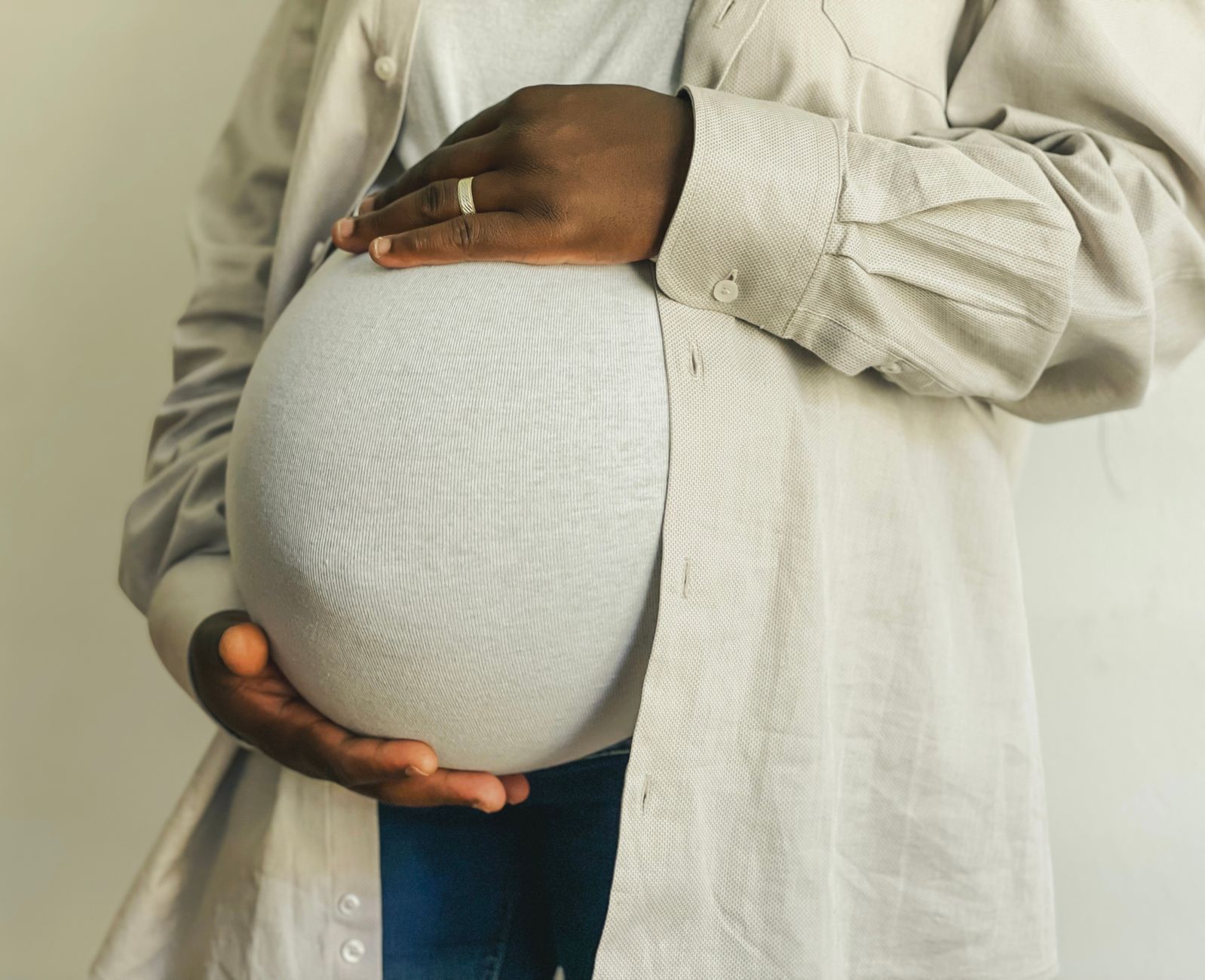
Light spotting in early pregnancy is usually normal, but heavy bleeding may signal a problem. Learn when to worry and what’s typical during the first trimester.
By Shubhra Mishra — a mom of two who turned her own confusion during pregnancy into BumpBites, a global mission to make food choices clear, safe, and stress-free for every expecting mother. 💛
Check whether any food is safe during pregnancy with the BumpBites Food Safety Checker.
Quick take: Experiencing bleeding in early pregnancy can be incredibly worrying, but light spotting or mild bleeding is surprisingly common and often harmless. While any bleeding should always be reported to your doctor or midwife, many causes are minor, like implantation or cervical changes. Heavy bleeding, especially with pain or tissue, warrants immediate medical attention.
That moment you see a spot of blood in your underwear or on toilet paper when you're pregnant – especially in the early weeks – can send a jolt of fear through you. It’s natural to immediately wonder, "Is this normal?" and "Is my baby okay?" You're not alone in this worry; bleeding in the first trimester is a common experience for many expecting parents, affecting about 1 in 4 pregnancies.
While any bleeding during pregnancy can be unsettling, it doesn't always signal a problem. Sometimes it's a completely normal part of your body adjusting to pregnancy. Other times, it might be a sign that you need medical attention. The key is to understand the different types of bleeding, what they might mean, and most importantly, when to reach out to your healthcare provider.
In this article, we’ll explore the various causes and types of early pregnancy bleeding, help you understand the difference between what's usually harmless and what requires immediate care, and guide you on what steps to take to protect yourself and your baby.
How much bleeding is normal in early pregnancy weeks?
The amount of bleeding considered "normal" in early pregnancy is typically quite minimal, often described as spotting or very light flow. It's usually much lighter than a menstrual period and might appear as a few drops of blood or a light streak when you wipe. The color can range from light pink or red to brown.
This type of light bleeding is most common in the first trimester, particularly around the time your period would have been due, or shortly after conception. It's important to remember that "normal" doesn't mean "not worth mentioning to your doctor," but rather that it's a common occurrence that often resolves without issue.
What does light bleeding during early pregnancy look like?
Light bleeding usually means small amounts of blood, often just enough to stain your underwear or appear when you wipe after using the restroom. It's not enough to soak a pad or tampon (which you shouldn't use during pregnancy anyway, as it can introduce infection). The color can give you clues:
Pink or light red: Fresh blood, often from implantation or cervical irritation.
Brown: Older blood, which has taken time to leave the uterus. This is often less concerning.
Spotting: Just a few drops here and there, not a continuous flow.
It's usually not accompanied by severe cramping or the passage of clots or tissue, which would be more concerning signs.
Is brown discharge during early pregnancy a concern?
Brown discharge during early pregnancy is generally considered less concerning than bright red bleeding. Brown blood indicates older blood that has oxidized, meaning it’s not actively flowing from a fresh source. It can be a residual sign of implantation, old blood from a cervical irritation, or simply your body clearing out old cells. While it's always wise to inform your healthcare provider, brown discharge often resolves on its own and doesn't typically indicate an active problem.
What causes bleeding during early pregnancy stages?
Bleeding in early pregnancy can stem from a variety of causes, some of which are entirely harmless and others that require immediate medical attention. Understanding these potential causes can help you know what questions to ask your doctor and what signs to look out for.
Implantation Bleeding
One of the most common and least concerning causes of early pregnancy bleeding is implantation bleeding. This occurs when the fertilized egg attaches itself to the uterine wall, typically 6 to 12 days after conception, around the time your period would normally be due. It's usually very light spotting, pink or brown in color, and lasts only a day or two. Not everyone experiences implantation bleeding, but for those who do, it's a positive sign that a pregnancy has begun.
Hormonal Changes and Cervical Sensitivity
Your cervix becomes much more sensitive and engorged with blood vessels during pregnancy due to increased hormone levels. This can make it prone to bleeding, especially after certain activities.
After sex: Intercourse can sometimes irritate the cervix, leading to light spotting. This is usually harmless, but if it happens consistently or is heavy, discuss it with your doctor.
After a pelvic exam or transvaginal ultrasound: Similarly, any physical examination of the cervix can cause minor bleeding.
Cervical polyps: These are benign (non-cancerous) growths on the cervix that can bleed easily due to increased blood flow in pregnancy.
Subchorionic Hematoma (SCH)
A subchorionic hematoma is a collection of blood between the uterine wall and the chorion (the outer membrane of the gestational sac). It occurs when the placenta slightly detaches from the uterine wall. SCHs are relatively common, affecting up to 25% of pregnancies, and can cause bleeding that ranges from light spotting to heavy red bleeding. While they can be a source of anxiety, many subchorionic hematomas resolve on their own without complications, especially if they are small. Your doctor will monitor it with ultrasounds.
Ectopic Pregnancy
An ectopic pregnancy is a serious condition where the fertilized egg implants outside the uterus, most commonly in a fallopian tube. As the pregnancy grows, it can cause the tube to rupture, leading to severe internal bleeding. Symptoms often include vaginal bleeding (which can vary from spotting to heavy bleeding), severe abdominal pain (often on one side), shoulder pain, and dizziness or fainting. An ectopic pregnancy is a medical emergency and requires immediate treatment.
Miscarriage
Unfortunately, bleeding can be a symptom of miscarriage, which is the spontaneous loss of a pregnancy before 20 weeks. Vaginal bleeding associated with miscarriage can vary widely, from light spotting to heavy bleeding with clots and tissue. It is often accompanied by cramping that can range from mild period-like discomfort to severe, contractions-like pain. If you suspect a miscarriage, it's crucial to contact your healthcare provider immediately.
Molar Pregnancy
A molar pregnancy is a rare complication where abnormal tissue grows inside the uterus instead of a healthy embryo. It’s caused by a problem with the chromosomes during fertilization. Symptoms can include dark brown or bright red vaginal bleeding, severe nausea and vomiting, and sometimes the passage of grape-like cysts. While rare, it requires prompt medical attention.
Infections
Vaginal or cervical infections (like bacterial vaginosis, yeast infections, or sexually transmitted infections) can cause inflammation and irritation, leading to bleeding, especially after sex. It's important to get any infection treated during pregnancy to prevent potential complications.
Always consult your healthcare provider if you experience any bleeding during pregnancy.
Table: Differentiating Types of Early Pregnancy Bleeding
Type of Bleeding
Typical Timing
Color
Amount
Associated Symptoms
Level of Concern
Implantation Bleeding
6-12 days post-conception (around expected period)
Light pink or brown
Spotting, very light
Mild or no cramping
Low (normal sign of pregnancy)
Cervical Irritation (e.g., after sex)
Anytime in early pregnancy
Light pink or red
Spotting, very light
No pain or mild discomfort
Low (usually harmless)
Subchorionic Hematoma (SCH)
First or early second trimester
Varies: brown to bright red
Varies: spotting to heavy
Can have mild cramping; often no pain
Moderate (requires monitoring)
Miscarriage
First trimester (most common)
Red, often bright; can be brown
Varies: spotting to heavy flow with clots/tissue
Cramping (mild to severe), lower back pain, passing tissue
Severe nausea/vomiting, unusual uterine growth, passage of grape-like cysts
High (urgent medical attention)
Is spotting during early pregnancy a concern?
For many expecting parents, any sight of blood during pregnancy immediately triggers fear and anxiety. The good news is that light spotting, especially in the first trimester, is often not a cause for alarm. It's a common occurrence, with estimates suggesting that between 20-30% of pregnant people experience some form of bleeding during their first trimester. In many of these cases, the pregnancy continues normally and results in a healthy baby.
However, the emotional impact of spotting can be significant. It can make you feel incredibly vulnerable and anxious, constantly wondering if everything is okay. This is a completely valid feeling. One reader described feeling "on edge for days, checking every time I went to the bathroom, even though my doctor said it was probably nothing." This highlights the psychological toll even minor spotting can take.
What are early pregnancy bleeding symptoms that are less concerning?
Less concerning bleeding typically involves:
Very light flow: Just a few drops, not enough to soak a panty liner.
Pink or brown color: Indicates older blood or minimal fresh blood.
Short duration: Lasting only a day or two.
No associated pain: Or very mild, fleeting cramping that's not persistent or severe.
Occurring after specific activities: Like intercourse or a vaginal exam.
These types of symptoms are often attributed to implantation, hormonal changes, or cervical sensitivity, which are generally harmless.
When should I be concerned about spotting?
While light spotting is often benign, it's always important to pay attention to any changes and communicate with your healthcare provider. You should be more concerned if the spotting:
Becomes heavier: Progresses from spotting to a continuous flow, or requires a pad.
Changes color to bright red: Especially if the volume increases.
Is accompanied by pain: Particularly persistent cramping, lower back pain, or one-sided abdominal pain.
Includes clots or tissue: This is a significant red flag.
Is accompanied by other symptoms: Such as dizziness, fainting, fever, or chills.
Even if you think it's nothing, a quick call to your doctor or midwife can provide reassurance or prompt necessary checks.
Difference between implantation bleeding and period?
Distinguishing between implantation bleeding and a regular menstrual period can be tricky, especially if you're eagerly awaiting a positive pregnancy test. Both occur around the same time of your cycle, but they have distinct differences in their characteristics.
Timing is Key
Implantation bleeding typically occurs earlier than your expected period. It usually happens about 6 to 12 days after fertilization, which is often a few days *before* your period would normally start. A period, on the other hand, arrives at the end of your typical cycle, around 14 days after ovulation (though this varies greatly among individuals).
Characteristics of the Bleeding
Color: Implantation bleeding is usually light pink or brown, indicating old blood or minimal fresh blood. A period starts with brighter red blood and can become darker as the flow progresses.
Flow: Implantation bleeding is almost always light spotting – just a few drops or a streak. It's not enough to fill a pad. A period typically starts light but quickly becomes heavier, requiring sanitary products.
Duration: Implantation bleeding is short-lived, usually lasting only a few hours to a couple of days at most. A period typically lasts 3 to 7 days, with a more consistent flow.
Clotting: Implantation bleeding rarely involves blood clots. Menstrual periods often include small blood clots, especially during heavier flow days.
Cramping: While some mild, fleeting cramping can accompany implantation, it's usually much less severe than menstrual cramps. Period cramps are often more intense, persistent, and can be felt in the lower back and abdomen.
If you're unsure, taking a home pregnancy test a few days after the bleeding stops (or around the time your period would have been due) is usually the best way to confirm pregnancy, as implantation bleeding happens *before* enough hCG hormone is produced to register on many early tests.
Table: Implantation Bleeding vs. Menstrual Period
Characteristic
Implantation Bleeding
Menstrual Period
Timing
6-12 days after conception (before expected period)
Around expected period date (14 days post-ovulation)
Color
Light pink or brown
Bright red, progressing to darker red
Flow
Very light spotting; a few drops or streaks
Starts light, becomes heavier; consistent flow
Duration
Hours to 2 days (intermittent)
3-7 days (consistent flow)
Clots
Rarely, if ever
Common, especially on heavier days
Cramping
Mild, fleeting, or absent
Moderate to severe, persistent
Can you have heavy bleeding and still be pregnant?
The sight of heavy bleeding during early pregnancy is undoubtedly terrifying, and it's often the first thing people associate with miscarriage. While heavy bleeding can indeed be a sign of miscarriage, it's crucial to know that it is *not always* the case. Yes, it is possible to experience heavy bleeding, sometimes even with clots, and still have a healthy, ongoing pregnancy. This situation is less common than light spotting but does occur, often due to specific causes.
One of the most frequent reasons for heavy bleeding in early pregnancy that does not result in miscarriage is a subchorionic hematoma (SCH), as discussed earlier. These blood collections can sometimes lead to significant bleeding, making it feel like a heavy period. Many SCHs resolve on their own, and the pregnancy continues successfully, although they do warrant careful monitoring by your healthcare provider. The National Institutes of Health (NIH) notes that while SCHs are associated with an increased risk of complications, many pregnancies with SCHs proceed to term.
What does heavy bleeding during early pregnancy look like?
Heavy bleeding means a flow similar to or heavier than a typical menstrual period. This could involve:
Soaking through one or more sanitary pads in an hour for several hours.
Passing large blood clots (larger than a quarter).
The presence of tissue, which can be grayish or pinkish in color.
This type of bleeding, particularly when accompanied by severe cramping or pain, always requires immediate medical evaluation. It's impossible to tell the cause of heavy bleeding on your own, and only a medical professional can assess the situation and determine the health of the pregnancy.
The emotional impact of heavy bleeding
Experiencing heavy bleeding can be an incredibly intense and emotionally draining ordeal. The uncertainty, fear, and feeling of helplessness can be overwhelming. Many parents describe it as a rollercoaster of emotions, from the initial panic to the anxious wait for medical confirmation of the pregnancy's status. It's a time when strong emotional support from partners, family, and healthcare providers is vital. Remember, whatever the outcome, your feelings are valid, and it's okay to seek support for your mental well-being.
Rest and gentle self-care are important when experiencing bleeding in early pregnancy.
What to do if you experience bleeding during early pregnancy?
If you discover any bleeding during early pregnancy, your first reaction might be panic. Take a deep breath. While it’s important to act promptly, a calm approach will help you assess the situation and communicate effectively with your healthcare provider.
Immediate Steps to Take
Don't panic: As we've discussed, bleeding is common and often harmless. Stress won't help the situation.
Assess the bleeding: Note the color (pink, red, brown), amount (spotting, light, heavy), and consistency (clots, tissue).
Avoid tampons or douching: Use sanitary pads or panty liners to monitor the amount of blood. Tampons can introduce bacteria and increase the risk of infection.
Avoid intercourse: Until you've spoken with your doctor, it's best to avoid sexual activity.
Rest: If possible, lie down and rest. Avoid strenuous activity.
Contact your healthcare provider: This is the most crucial step. Even if it's light spotting, it's always best to let your doctor or midwife know. They can advise you on whether you need to come in for an examination or if it's safe to monitor at home.
What to Tell Your Doctor
When you call your provider, be prepared to give them specific details:
When the bleeding started.
The color of the blood.
The amount (e.g., "just a few drops," "like a light period," "soaking a pad").
If you've passed any clots or tissue, and their size.
Any associated symptoms, such as cramping, pain (where and how severe), dizziness, or fever.
Whether you've had recent intercourse or a vaginal exam.
Your estimated gestational age (how many weeks pregnant you are).
This information will help them determine the urgency of your situation and the best course of action.
What to Expect at the Doctor's Office
If your doctor asks you to come in, they will likely perform one or more of the following:
Physical exam: To check your cervix and uterus.
Ultrasound: To check the baby's heartbeat, gestational sac, and look for any causes of bleeding like a subchorionic hematoma.
Blood tests: To measure your hCG (pregnancy hormone) levels, which can indicate if the pregnancy is progressing as expected, and your blood type (especially if you are Rh-negative, as you may need an injection of RhoGAM).
Based on these findings, your provider will be able to give you a clearer picture of what's happening and guide you on the next steps.
Is bleeding during early pregnancy a sign of miscarriage?
The fear that bleeding in early pregnancy signals a miscarriage is deeply ingrained, and for good reason—miscarriage is a devastating experience, and bleeding is indeed its most common symptom. However, it's vital to remember that bleeding in early pregnancy does not automatically mean a miscarriage is happening. The truth is more nuanced, and many pregnancies with bleeding continue successfully.
Statistics show that approximately 20-30% of pregnant people experience some form of bleeding in the first trimester. Of those, about half will go on to miscarry, meaning the other half will continue their pregnancy without further complications. This means that while bleeding is a potential sign of miscarriage, it's far from a definitive one.
Other Signs of Miscarriage
While bleeding is a key indicator, especially if it's bright red and heavier, a miscarriage is often accompanied by other symptoms that, when combined with bleeding, increase the likelihood of pregnancy loss. These include:
Cramping: Persistent, moderate to severe cramping in the lower abdomen, which may feel similar to intense period pains or even contractions. This pain might radiate to your lower back or pelvis.
Passage of tissue or clots: The expulsion of grayish or pinkish tissue, or large blood clots (larger than a quarter). This is a strong indicator of miscarriage.
Loss of pregnancy symptoms: A sudden decrease in symptoms like nausea, breast tenderness, or fatigue can sometimes precede a miscarriage, though this isn't always reliable.
If you experience heavy bleeding accompanied by severe cramping and the passage of tissue, it's imperative to seek immediate medical attention. Your healthcare provider can confirm what is happening and provide the necessary care and emotional support.
Types of Miscarriage and Bleeding Patterns
Miscarriages can manifest with different bleeding patterns depending on the type:
Threatened miscarriage: This involves vaginal bleeding with or without mild cramping, but the cervix remains closed, and the pregnancy is still viable. Many threatened miscarriages resolve, and the pregnancy continues.
Inevitable miscarriage: Characterized by bleeding, cramping, and an open cervix. At this point, the miscarriage is progressing and cannot be stopped.
Incomplete miscarriage: Some pregnancy tissue has passed, but some remains in the uterus, leading to ongoing bleeding and cramping.
Complete miscarriage: All pregnancy tissue has been expelled, and the bleeding and cramping typically subside.
Missed miscarriage: The embryo or fetus has died, but no bleeding or cramping has occurred, and the tissue remains in the uterus. It may be discovered during a routine ultrasound.
Each type requires specific management from your healthcare provider, which is why accurate diagnosis is so important.
Emotional and Psychological Impact
The emotional toll of bleeding during pregnancy, especially when miscarriage is a possibility, cannot be overstated. It's a period of intense anxiety, uncertainty, and often grief. Many individuals feel a profound sense of loss, even before a confirmed miscarriage, as they grapple with the potential threat to their hopes and dreams. It's crucial to acknowledge these feelings and allow yourself to grieve if a miscarriage occurs. Support groups, counseling, and open communication with your partner and loved ones can be incredibly helpful during such a challenging time. Organizations like the Miscarriage Association (UK) or March of Dimes (US) offer valuable resources and support.
From our medical team: "It's completely normal to feel scared when you see blood in early pregnancy. As medical professionals, we understand this worry deeply. Our advice is always to contact us, even for light spotting. We'd rather you call for reassurance than worry alone. We have the tools, like ultrasound and blood tests, to assess the situation and give you the clearest picture possible, helping you navigate this uncertain time with confidence and support."
Myth vs. fact
There's a lot of misinformation and old wives' tales surrounding bleeding in early pregnancy. Let's set the record straight with evidence-based facts.
Myth: Any bleeding in early pregnancy means you're having a miscarriage.
Fact: This is untrue. While bleeding can be a symptom of miscarriage, it's also very common in healthy pregnancies. As many as 20-30% of pregnant people experience some bleeding in the first trimester, and many go on to have healthy babies. Light spotting, especially, is often harmless and can be due to implantation or cervical changes.
Myth: If you rest completely, you can stop bleeding and prevent a miscarriage.
Fact: Unfortunately, there's no scientific evidence that bed rest can prevent a miscarriage once bleeding has started. Miscarriages are usually caused by chromosomal abnormalities or other factors beyond a pregnant person's control. While rest is advisable for comfort and to monitor the situation, it won't change the underlying cause if a miscarriage is inevitable. Always follow your doctor's specific advice regarding activity.
Myth: If you're bleeding, you should immediately go to the emergency room.
Fact: While heavy bleeding, severe pain, or symptoms like dizziness warrant an immediate ER visit, light spotting or mild bleeding without other concerning symptoms often doesn't require an emergency trip. Your best first step is to call your obstetrician, midwife, or primary care provider. They can assess your symptoms over the phone and advise you on whether you need an urgent appointment, an ER visit, or if it's safe to monitor at home. This helps ensure you get the most appropriate care without unnecessary stress or long waits in the ER.
Key takeaways
Light spotting or mild bleeding is common in early pregnancy, affecting up to 30% of expectant parents.
Causes range from harmless (implantation, cervical irritation) to serious (miscarriage, ectopic pregnancy).
Always inform your doctor or midwife about any bleeding, regardless of how light it seems.
Pay close attention to the color, amount, and duration of bleeding, and any accompanying symptoms like pain or tissue passage.
Heavy, bright red bleeding, especially with severe cramping or clots, requires immediate medical attention.
While bleeding can be a sign of miscarriage, many pregnancies with early bleeding continue successfully.
Emotional support is crucial; it's okay to feel anxious and to seek help for your mental well-being.
Frequently asked questions
What does implantation bleeding look like?
Implantation bleeding typically appears as very light spotting, often pinkish or brownish in color, rather than the bright red flow of a period. It's usually just a few drops or a light streak, not enough to soak a pad, and doesn't contain clots. It’s a sign the fertilized egg has successfully attached to the uterine wall.
How long does implantation bleeding last?
Implantation bleeding is generally very brief, lasting only a few hours to a maximum of one to two days. It's often intermittent, meaning it might appear and then stop, unlike the continuous flow of a menstrual period. If bleeding continues for longer or becomes heavier, it's unlikely to be solely implantation bleeding.
Can I still be pregnant if I'm bleeding?
Yes, absolutely. Many people experience bleeding in early pregnancy and go on to have healthy pregnancies. Causes like implantation, cervical irritation, or even a subchorionic hematoma can lead to bleeding without harming the pregnancy. However, any bleeding should be reported to your doctor to rule out more serious concerns.
Is it normal to have bleeding during pregnancy?
Bleeding during early pregnancy is common, occurring in about 20-30% of pregnancies. While common, it's not "normal" in the sense that it should be ignored. It's a symptom that always warrants a conversation with your healthcare provider to determine the cause and ensure the health of your pregnancy.
What are the signs of a miscarriage?
The primary signs of a miscarriage are vaginal bleeding (which can range from spotting to heavy, bright red flow with clots), persistent and worsening abdominal cramping, lower back pain, and the passage of tissue from the vagina. If you experience these symptoms, seek immediate medical attention.
Can bleeding during pregnancy be a sign of something serious?
Yes, bleeding during pregnancy can sometimes indicate a serious condition like an ectopic pregnancy (where the fertilized egg implants outside the uterus), a molar pregnancy, or a miscarriage. Heavy bleeding, severe pain (especially one-sided), dizziness, or fever accompanying bleeding are red flags that require urgent medical evaluation.
When to call your doctor
While light spotting in early pregnancy is often harmless, it's always best to contact your healthcare provider for any bleeding during pregnancy. They can assess your situation and provide personalized advice.
You should call your doctor or midwife **immediately** or seek emergency medical care if you experience:
Heavy bleeding, similar to a period or soaking through a pad in an hour.
Bright red bleeding that continues or increases in amount.
Bleeding accompanied by severe abdominal pain, persistent cramping, or sharp, one-sided pain.
Passage of large blood clots or grayish/pinkish tissue.
Dizziness, lightheadedness, or fainting.
Fever or chills.
This article is for informational purposes only and is not a substitute for professional medical advice, diagnosis, or treatment. Always seek the advice of your physician or other qualified health provider with any questions you may have regarding a medical condition.
References
American College of Obstetricians and Gynecologists (ACOG). Early Pregnancy Loss. Patient FAQ.
National Health Service (NHS). Vaginal bleeding in pregnancy.
Mayo Clinic. Vaginal bleeding in pregnancy.
Centers for Disease Control and Prevention (CDC). Ectopic Pregnancy.
National Institutes of Health (NIH). Subchorionic Hematoma and Pregnancy Outcomes: A Systematic Review.
Miscarriage Association. Bleeding in Early Pregnancy.
Not sure about the label on How Much Bleeding Is Normal In Early Pregnancy products?
Snap the ingredients list and SafeFilter checks every ingredient for your stage — only 3 free scans this month, then you're locked until reset. Unlimited from $7/mo or $50/yr.
When Shubhra Mishra was expecting her first child in 2016, she was overwhelmed by conflicting food advice — one site said yes, another said never. By the time her second baby arrived in 2019, she realized millions of mothers face the same confusion.
That sparked a five-year journey through clinical nutrition papers, cultural diets, and expert conversations — all leading to BumpBites: a calm, compassionate space where science meets everyday motherhood.
Her long-term vision is to build a global community ensuring safe, supported, and free deliveriesfor every mother — because no woman should face pregnancy alone or uninformed. 🌿
🌍 Stand with mothers, shape safer guidance
Join a small circle of experts who review BumpBites articles so expecting parents everywhere can decide with confidence.