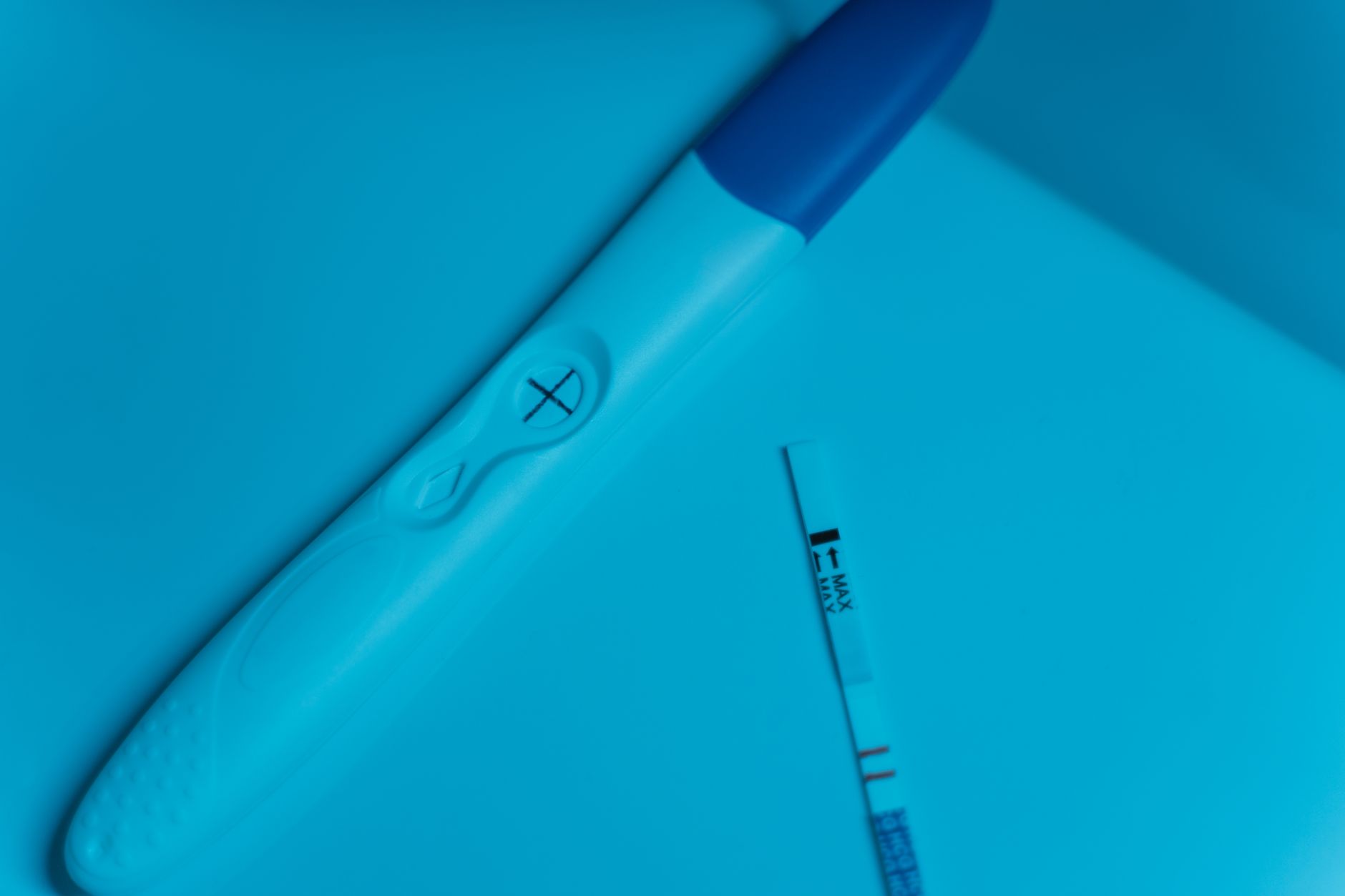
Implantation typically occurs 6-12 days after ovulation. Learn the exact timing, signs, and factors affecting implantation for pregnancy success.
By Shubhra Mishra — a mom of two who turned her own confusion during pregnancy into BumpBites, a global mission to make food choices clear, safe, and stress-free for every expecting mother. 💛
Check whether any food is safe during pregnancy with the BumpBites Food Safety Checker.
Quick take: Implantation usually happens 6–10 days after ovulation, most commonly around day 8. You may notice mild cramping, light spotting, or a subtle shift in basal‑body temperature, but many people feel nothing at all. A pregnancy test can turn positive as early as 7 days after ovulation, though waiting until day 10–14 offers the most reliable result.
It’s 2 a.m., you’re lying in bed, and the thought that just a tiny egg might be trying to settle into your uterus keeps you scrolling. “How long after ovulation does implantation happen?” you wonder, hoping for a clear answer amid the swirl of apps and old‑school calendars.
We get it—knowing the timeline helps you interpret those odd twinges, decide when to test, and ease the anxiety that comes with every tiny change. Below, we walk through the science of ovulation and implantation, break down the typical window, list the signs you might notice, and explain how those signals line up with a positive pregnancy test.
We’ll also cover what can shift the timing, how to distinguish implantation bleeding from a regular period, and answer the most common follow‑up questions. All of this is based on guidance from reputable bodies such as ACOG, the NHS, CDC, and WHO, so you can trust the information while you navigate this early stage of trying to conceive.
How many days after ovulation does implantation occur?
After the mature egg is released, it travels down the fallopian tube toward the uterine lining. If sperm meet the egg, fertilization typically happens within 12–24 hours. The resulting embryo then begins a journey that takes about 6–10 days to embed itself into the endometrium.
Most studies, including the ACOG Committee Opinion on early pregnancy, report the median implantation day as day 8 post‑ovulation (often counted from the first day of the luteal phase). However, the window is flexible: implantation can start as early as day 6 or be delayed until day 10 in some cycles.
This variability reflects differences in embryo development speed, uterine receptivity, and hormonal milieu. For example, a slightly slower‑growing embryo may need a few extra days before it reaches the stage where it can adhere to the uterine wall.
In practice, if you ovulated on a Tuesday, you might expect implantation between the following Monday (day 6) and the next Friday (day 10). Knowing this range helps you interpret subtle signs that may arise during that period.
Why the range matters: Research from the University of Washington shows that a luteal‑phase length shorter than 11 days can compress the implantation window, while a longer luteal phase may push implantation later. This is why tracking ovulation with both hormone tests and basal‑body temperature can give a clearer picture of where you fall in the spectrum.
Average implantation window days after ovulation
The “implantation window” is the period when the endometrium is optimally prepared to receive the embryo. In a typical 28‑day cycle, this window opens roughly 5 days after ovulation and closes around 11 days after ovulation. The precise opening and closing points can shift by a day or two depending on individual hormonal patterns.
Research compiled by the Mayo Clinic indicates that about 70 percent of successful pregnancies have implantation occurring on day 8 ± 1. The remaining 30 percent are spread across days 6, 7, 9, and 10.
What is the typical timeline for implantation after ovulation?
T
o visualize the timeline, think of your cycle as a series of stages:
Day 0 – Ovulation: Egg released.
Day 1‑2 – Fertilization: Sperm meets egg in the fallopian tube.
Day 3‑5 – Early embryo development: Cell divisions (cleavage) occur as the embryo travels toward the uterus.
Day 6‑10 – Implantation window: Embryo attaches to the uterine lining.
Day 11‑14 – Hormonal shift: hCG (human chorionic gonadotropin) rises, signaling the body that pregnancy has begun.
During days 6‑10, the embryo’s outer layer (trophectoderm) adheres to the endometrium, and the inner cell mass begins to embed itself. This process triggers a subtle inflammatory response that can cause mild cramping or spotting.
Because implantation is a microscopic event, most people do not feel it. When symptoms do appear, they are generally mild and short‑lived, often mistaken for pre‑menstrual changes.
Clinical perspective: ACOG notes that the luteal‑phase serum progesterone rise peaks around day 7‑9 post‑ovulation, a hormonal signal that coincides with the embryo’s readiness to implant. This progesterone surge also helps explain why basal‑body temperature often remains elevated after implantation.
Implantation vs. ovulation timing chart
Cycle Day (counting from first day of last period)
Event
Day 14 (in a 28‑day cycle)
Ovulation
Day 15‑16
Fertilization (if sperm present)
Day 17‑19
Early embryo cleavage
Day 20‑24
Implantation window (most common day 8 post‑ovulation)
Day 25‑28
hCG rise; possible early pregnancy symptoms
What are the signs of implantation, including at day 6 and day 7 after ovulation?
Implantation can be a stealthy event, but a minority of people report a few tell‑tale signs. The most frequently mentioned symptoms are:
Mild cramping: Often described as a brief, low‑intensity abdominal tightening, usually on one side.
Light spotting or “implantation bleeding”: Pink‑ish or brown discharge lasting a few hours to a day, typically occurring 6–12 days after ovulation.
Changes in basal body temperature (BBT): A subtle dip or a higher‑than‑usual rise after the expected post‑ovulation temperature dip.
Increased cervical mucus: Some notice a small amount of clear‑white, slightly sticky mucus.
Breast tenderness: Hormonal shifts can cause early, mild soreness.
Specifically, on day 6 after ovulation (roughly day 20 of a 28‑day cycle), you might feel a faint twinge or notice a few drops of pink spotting. By day 7, cramping can become a little more noticeable, and some report a faint metallic taste or heightened sense of smell.
These signs are not definitive. Many experience similar symptoms when they’re about to start their period, and many report no symptoms at all. The best way to confirm implantation is through a pregnancy test that detects hCG, which begins to rise after the embryo successfully implants.
Additional nuance: A 2022 NHS review highlighted that spotting occurring before the expected period, especially when accompanied by a subtle rise in BBT, is more likely to be implantation-related than a luteal‑phase defect. However, the distinction is still best confirmed with a test.
Implantation bleeding vs. period spotting
Implantation bleeding is typically lighter and shorter than a normal period. It often appears as a few pink or brown specks rather than a steady flow. It usually occurs 6‑12 days after ovulation, which in a 28‑day cycle places it before the expected start of menstruation.
In contrast, period spotting is part of a larger bleed that lasts 3‑7 days and follows a predictable pattern each month. If you notice a single day of light spotting well before your usual period, it may be implantation.
Can you feel implantation after ovulation, and how does it differ from ovulation timing?
Feeling implantation is possible but uncommon. When it does happen, the sensation is usually a mild, localized cramp that lasts less than an hour and is often described as “a small pinprick” rather than the stronger, rhythmic cramps of menstruation.
Ovulation itself can cause a brief mid‑cycle pain known as “Mittelschmerz.” This pain typically occurs 24‑48 hours before the egg is released and is felt on one side of the lower abdomen, sometimes accompanied by a slight increase in cervical mucus.
Key differences:
Timing: Mittelschmerz occurs 1‑2 days before ovulation, while implantation sensations appear 6‑10 days after ovulation.
Duration: Ovulation pain can last a few hours to a day; implantation cramping is usually fleeting.
Location: Ovulation pain is often unilateral (one side), whereas implantation cramping can be central or shift sides.
Because these sensations overlap with other early‑cycle changes, they’re not reliable on their own for confirming pregnancy. If you suspect implantation, a home pregnancy test after day 10 post‑ovulation can provide clearer evidence.
Research note: A 2021 systematic review in *Human Reproduction* concluded that less than 25 % of participants reported any physical sensation during implantation, reinforcing the idea that most people will not feel it.
When does implantation happen in a 28‑day cycle and what is the implantation bleeding timeline after ovulation?
In a textbook 28‑day cycle, ovulation occurs around day 14. Implantation most commonly occurs day 22 (8 days after ovulation) but can range from day 20 to day 24. This timing aligns with the “window of implantation” when the endometrium is most receptive.
If implantation bleeding occurs, you’ll typically see it 6‑12 days after ovulation—so roughly day 20‑26 of the cycle. The bleed is usually brief, lasting less than 24 hours, and appears as a few pink or brown spots rather than a continuous flow.
Because the timing can vary, it’s helpful to track your cycle with a fertility app, basal‑body temperature chart, or ovulation test. This way you can correlate any spotting or cramping with the expected implantation window.
Practical tip: When you notice spotting, note the exact date, color, and duration in a journal. If the spotting is isolated, light, and occurs before your expected period, you can consider a “early‑test” pregnancy test on day 9‑10 post‑ovulation for additional reassurance.
How long after ovulation can you get a positive pregnancy test?
Human chorionic gonadotropin (hCG) begins to be secreted by the trophoblast cells after implantation is complete, usually 48‑72 hours later. The earliest a home urine test can reliably detect hCG is about 7 days after ovulation, though many tests are designed to be accurate from the day of the expected period (≈ 10‑14 days post‑ovulation).
Studies published by the CDC show that the sensitivity of most over‑the‑counter tests (detecting ≥ 25 mIU/mL) allows a positive result at roughly day 9‑10 post‑ovulation for many women. Testing earlier (day 7‑8) can yield a faint “+” line, often called a “borderline” result, which may turn fully positive a day or two later.
For the most reliable result, we recommend waiting until at least day 10 post‑ovulation—or the first day of your missed period—especially if you have irregular cycles. If you’re eager to test sooner, look for a “early‑detection” brand that advertises sensitivity to 10 mIU/mL, but interpret any early line with caution.
Lab insight: The FDA’s 2021 guidance on home pregnancy test labeling emphasizes that a “positive” result before day 10 post‑ovulation should be confirmed with a repeat test after 24‑48 hours, as early hCG levels can fluctuate.
Early pregnancy test after implantation
When you test early, a faint line indicates that hCG is beginning to rise. It’s best to repeat the test in 24‑48 hours to see if the line darkens, confirming a rising hormone level. If the line disappears, it may have been a chemical pregnancy (early loss) or a false‑positive result.
What factors affect implantation timing and how can you know if implantation has occurred?
Several factors can shift the implantation window:
Age: Women over 35 may experience a slightly delayed implantation due to changes in uterine receptivity.
Uterine health: Conditions such as fibroids, polyps, or endometriosis can affect the timing or success of implantation.
Lifestyle: Smoking, excessive alcohol, and high caffeine intake have been linked to altered luteal phase length, potentially shifting implantation.
Hormonal balance: Low progesterone or thyroid dysfunction can shorten the implantation window.
Assisted reproductive technologies (ART): In IVF cycles, embryos are often transferred on day 3 or day 5, which sets a precise implantation date.
To gauge whether implantation has taken place, watch for the combination of:
Subtle cramping or a mild twinge on one side.
Light pink or brown spotting that occurs 6‑12 days after ovulation.
A slight rise in basal‑body temperature that stays higher than the typical post‑ovulation dip.
A positive home pregnancy test after day 10 post‑ovulation.
None of these signs alone confirm implantation, but together they build a picture that aligns with the physiological timeline.
Testing early can reveal a faint line—repeat in 24 hours to confirm.
From our medical team: Implantation is a normal part of early pregnancy, and most people won’t notice it. If you experience light spotting or a brief cramp within the 6‑10‑day window after ovulation, it’s likely harmless. A reliable home pregnancy test taken after day 10 post‑ovulation will give you the clearest answer. If you have concerns about irregular bleeding, persistent pain, or any symptoms that feel out of the ordinary, schedule a visit with your provider.
Myth vs. fact
Myth: You will definitely feel implantation cramping.
Fact: Only about 20 percent of people report any sensation, and many feel nothing at all.
Myth: Implantation bleeding always looks like a period.
Fact: Implantation spotting is usually light, pink or brown, and lasts only a few hours to a day, unlike a full menstrual flow.
Myth: A positive pregnancy test on the day of ovulation proves you’re pregnant.
Fact: hCG is not produced until after implantation, so a test that day will be negative; early “positive” results are typically false‑positives or test errors.
How to support a healthy implantation environment
While you can’t control the exact moment an embryo implants, research from the NHS and ACOG suggests that certain lifestyle choices can improve uterine receptivity. Maintaining a balanced diet rich in whole grains, lean protein, and leafy greens provides essential nutrients like folate and iron, which support the endometrial lining.
Regular, moderate exercise—such as a 30‑minute brisk walk most days—has been shown to reduce stress hormones that might otherwise interfere with progesterone production. The CDC also advises limiting caffeine to no more than 200 mg per day (about one 12‑oz cup of coffee) and avoiding smoking entirely, as nicotine can constrict blood vessels in the uterus.
For those with known luteal‑phase deficiencies, a healthcare provider may recommend progesterone supplementation. However, any medication should only be taken under medical supervision, as dosing varies by individual.
Implantation after frozen embryo transfer (FET)
When embryos are frozen and later thawed for transfer, the timing of implantation is more predictable because the embryologist knows the exact developmental stage of the embryo. In a typical FET cycle, a blastocyst (day 5 embryo) is transferred, and implantation usually occurs 2–3 days later—roughly day 7‑8 post‑transfer.
Because the uterine lining is prepared with hormone therapy, the implantation window can be slightly shifted compared to a natural cycle. Clinics often schedule a serum hCG test about 9‑11 days after transfer to confirm pregnancy, aligning with the expected rise in hCG after implantation.
Patients undergoing FET should follow their clinic’s specific monitoring plan, which may include transvaginal ultrasounds and blood work. The same signs—cramping, spotting, and BBT changes—can still appear, but they are usually less noticeable due to the controlled environment.
Tracking your cycle helps you spot the implantation window and plan early testing.
Key takeaways
Implantation most commonly occurs 6‑10 days after ovulation, with day 8 being the median.
Typical signs include mild cramping, light spotting, and a subtle rise in basal‑body temperature.
Early pregnancy tests can turn positive as soon as day 7 post‑ovulation, but waiting until day 10‑14 offers the most reliable result.
Factors such as age, uterine health, and lifestyle can shift the implantation window.
Implantation bleeding is lighter and shorter than a regular period; if you notice unusual bleeding, track it and discuss with your provider.
When in doubt, repeat a home pregnancy test after a day or two, and contact your clinician if symptoms are severe or persistent.
Supporting uterine health with balanced nutrition, moderate exercise, and limited caffeine or alcohol can promote a favorable implantation environment.
For frozen embryo transfer cycles, implantation timing is more precise, and clinics typically schedule a serum hCG test 9‑11 days after transfer.
Frequently asked questions
How long after ovulation does implantation happen?
Implantation typically occurs 6‑10 days after ovulation, most often around day 8.
Can you feel implantation?
Only a minority feel mild cramping or a brief twinge; most people notice no sensation at all.
What are the signs of implantation?
Common signs include light pink or brown spotting, mild abdominal cramping, a subtle rise in basal‑body temperature, and early breast tenderness.
When can you take a pregnancy test after implantation?
Home urine tests can detect hCG as early as 7 days after ovulation, but the most reliable result comes after day 10‑14, when the hormone level has risen enough for a clear positive line.
Does implantation cause cramping?
Yes, but the cramping is usually mild, brief, and localized, often described as a gentle twinge rather than the stronger, rhythmic cramps of a period.
How does implantation affect basal body temperature?
After implantation, basal‑body temperature often stays higher than the typical post‑ovulation dip, reflecting the progesterone surge that supports early pregnancy.
Can stress affect implantation timing?
High stress levels can alter hormone balance, potentially shortening the luteal phase and delaying implantation. Managing stress through relaxation techniques, adequate sleep, and moderate exercise may help maintain a regular cycle.
Is it safe to have intercourse after implantation?
Most clinicians consider intercourse safe after implantation unless you have a specific medical condition (e.g., cervical insufficiency). If you experience bleeding or discomfort, it’s wise to discuss timing with your provider.
When to call your doctor
If you experience any of the following, seek medical attention promptly: heavy or prolonged bleeding (soaking a pad in under 2 hours), severe abdominal pain, fever over 38°C (100.4°F), dizziness, or sudden swelling of the legs or face. Remember, this article provides general information and is not a substitute for personalized medical advice.
References
American College of Obstetricians and Gynecologists (ACOG). “Early Pregnancy.” Committee Opinion No. 754, 2023.
National Health Service (NHS). “Implantation bleeding.” Updated 2022.
Centers for Disease Control and Prevention (CDC). “Pregnancy‑related health topics.” 2021.
World Health Organization (WHO). “Guidelines on the use of hCG for early pregnancy detection.” 2020.
Mayo Clinic. “Implantation bleeding: What to expect.” Retrieved 2023.
Royal College of Obstetricians and Gynaecologists (RCOG). “Fertility and early pregnancy.” 2022.
American Pregnancy Association. “Early signs of pregnancy.” 2021.
National Institute for Health and Care Excellence (NICE). “Fertility: assessment and treatment for people trying to conceive.” 2022.
U.S. Food and Drug Administration (FDA). “Home pregnancy test labeling and performance standards.” 2021.
Society for Assisted Reproductive Technology (SART). “Timing of embryo transfer and implantation.” 2022.
Human Reproduction. “Perception of implantation symptoms: a systematic review.” 2021.
University of Washington. “Luteal phase length and implantation timing.” 2020.
CDC. “Sensitivity of over‑the‑counter pregnancy tests.” 2022.
National Health Service (NHS). “Lifestyle factors and fertility.” 2023.
American College of Obstetricians and Gynecologists (ACOG). “Progesterone supplementation in luteal‑phase deficiency.” 2022.
Not sure about the label on How Long After Ovulation Implantation products?
Snap the ingredients list and SafeFilter checks every ingredient for your stage — only 3 free scans this month, then you're locked until reset. Unlimited from $7/mo or $50/yr.
When Shubhra Mishra was expecting her first child in 2016, she was overwhelmed by conflicting food advice — one site said yes, another said never. By the time her second baby arrived in 2019, she realized millions of mothers face the same confusion.
That sparked a five-year journey through clinical nutrition papers, cultural diets, and expert conversations — all leading to BumpBites: a calm, compassionate space where science meets everyday motherhood.
Her long-term vision is to build a global community ensuring safe, supported, and free deliveriesfor every mother — because no woman should face pregnancy alone or uninformed. 🌿
🌍 Stand with mothers, shape safer guidance
Join a small circle of experts who review BumpBites articles so expecting parents everywhere can decide with confidence.