

Quick take: Choosing between a hospital and birth center for your first baby depends on your priorities: hospitals offer 24/7 emergency care and higher intervention rates, while birth centers provide a home-like setting with midwifery-led care and lower cesarean rates. Safety is similar for low-risk pregnancies, but birth centers can’t handle major emergencies. Cost varies widely—birth centers are often pricier out-of-pocket but may cover more postpartum services. Most importantly: your comfort and trust in the team matter most.Hospital vs. Birth Center for First Baby: A Modern Mom’s Honest Guide
You’re holding a ultrasound photo in your hands—those tiny toes, that little heart—when the question hits like a wave: Where do I want to give birth? For many first-time moms, the hospital feels like the only option. But what if there’s another way? What if you could birth in a place that feels more like home, with fewer beeping machines and more quiet support?
I remember sitting in my OB’s office, scrolling through birth center brochures on my phone, my husband’s voice in the background: “Are you sure this is safe?” I was 28 weeks pregnant, my belly round enough to cast a shadow on the floor, and I’d spent months researching. The birth center’s website showed women in birthing pools, laughing in the postpartum room, holding babies skin-to-skin. It looked peaceful. But the hospital’s website had images of doctors in scrubs, monitors beeping, and a whole team of people ready for anything. Which was safer? Which was better?
This isn’t just a choice about where you’ll push out your baby—it’s about how you’ll experience birth. Will it feel like a medical procedure or a sacred rite? Will you have the freedom to move, eat, or even walk around? Will you feel supported or rushed? This guide is here to help you weigh the options with honesty, clarity, and—most importantly—your instincts.
We’ll break down the safety, cost, staff, pain relief, and recovery differences between hospitals and birth centers. We’ll talk about what happens when things go sideways (because, let’s be real, birth is unpredictable). And we’ll share stories from real moms who’ve been where you are now—so you can imagine your own birth day.
By the end, you won’t just know the facts. You’ll know which option feels right for you.
--- ## **What Are the Safety Differences Between Giving Birth in a Hospital vs. a Birth Center for First-Time Moms?**Safety is the first question on every first-time mom’s mind—and for good reason. Birth is inherently unpredictable, and the stakes feel highest when you’re meeting your baby for the first time. So let’s start with the hard truth: both options are safe for low-risk pregnancies, but they’re not equal in every way.
Hospitals are designed for emergencies. Birth centers are not. That’s the core difference. According to the American College of Obstetricians and Gynecologists (ACOG), hospitals have the resources to handle high-risk pregnancies, major complications, or unexpected cesareans. Birth centers, on the other hand, are staffed by midwives and focus on normal birth. They can’t perform surgeries or manage severe preeclampsia, for example.
Here’s what the data says:
| Safety Factor | Hospital | Birth Center |
|---|---|---|
| Emergency readiness | ✅ 24/7 access to surgeons, anesthesiologists, NICU | ⚠️ Transfer to hospital required for complications |
| Cesarean rate (low-risk births) | ~25-30% | ~10-15% |
| Stillbirth rate (low-risk) | ~1 in 2,000 | ~1 in 2,000 (similar to hospital) |
| Neonatal intensive care | ✅ Available on-site | ⚠️ Requires transfer to hospital |
| Infection risk | Lower (sterile environment) | Slightly higher (natural setting) |
**Key takeaway:** If you’re healthy and low-risk, you’re statistically just as safe at a birth center as you are at a hospital. But if you have a high-risk pregnancy (like gestational diabetes, preeclampsia, or a history of cesareans), a hospital is the only option.
**What first-time moms often overlook:** Even in a birth center, you’re never truly “on your own.” Most birth centers have a transfer agreement with a nearby hospital, meaning if something goes wrong, you’ll be whisked away within minutes. The midwives are trained to recognize red flags early—like prolonged labor or fetal distress—and will advocate fiercely for your transfer.
**Representative story:** Sarah, a first-time mom who delivered at a birth center in Portland, Oregon, shared, “I was terrified of the transfer. But when my baby’s heart rate dropped during labor, the midwives didn’t hesitate. They called the hospital, got the car ready, and we were there in 15 minutes. My baby was fine, and I was so grateful they didn’t wait to see if it would ‘fix itself.’”

Money talks—especially when it comes to birth. The cost of having a baby in the U.S. averages over $30,000 at a hospital, but birth centers can be a fraction of that. However, the numbers aren’t as straightforward as they seem. Here’s what you need to know:
**Hospital birth costs (average for low-risk vaginal delivery):** - **Insurance-covered:** $5,000–$15,000 (varies by plan) - **Out-of-pocket (uninsured or high-deductible):** $20,000–$40,000+ - **Cesarean section:** $25,000–$50,000+ - **What’s included:** Labor/delivery, newborn care (first 24–48 hours), postpartum hospital stay (usually 2–4 days), and basic newborn tests.
**Birth center costs (average for low-risk vaginal delivery):** - **Insurance-covered:** $3,000–$8,000 (if your plan includes midwifery care) - **Out-of-pocket (uninsured or high-deductible):** $5,000–$12,000 - **What’s included:** Labor/delivery, newborn care (first 24–48 hours), postpartum check-ups (often more frequent than hospital visits), and sometimes lactation support or newborn screenings.
**Hidden costs to watch for:** - **Transfer fees:** If you need to transfer to a hospital, some birth centers charge extra for the midwife’s time or the ambulance ride. - **Newborn care beyond 48 hours:** Most birth centers don’t offer overnight stays, so you’ll need to arrange postpartum care at home. - **Supplements:** Birth centers often include things like newborn vitamin K shots or eye ointment, but you may need to pay extra for things like newborn hearing tests or circumcisions. - **Postpartum support:** Some birth centers offer extended postpartum visits (up to 6 weeks), which can save you money on follow-up OB visits.
**Insurance coverage varies wildly.** Some plans cover birth center births 100%, while others treat them like “alternative” care and require prior approval or higher deductibles. If you’re unsure, call your insurance provider and ask:
- “Does my plan cover midwifery care at a birth center?” - “What’s my out-of-pocket maximum for a birth center delivery?” - “Do I need a referral from my OB to use a birth center?”**Pro tip:** If you’re on a high-deductible plan, a birth center might actually save you money—even if it feels like an “out-of-pocket” expense upfront. And if you’re uninsured, some birth centers offer payment plans or sliding-scale fees.
**What first-time moms often miss:** The cost of recovery. Hospitals often include a postpartum stay, but birth centers don’t. That means you’ll need to arrange for someone to help you at home—whether that’s a partner, family member, or postpartum doula. If you don’t have support in place, the “savings” of a birth center might disappear quickly.
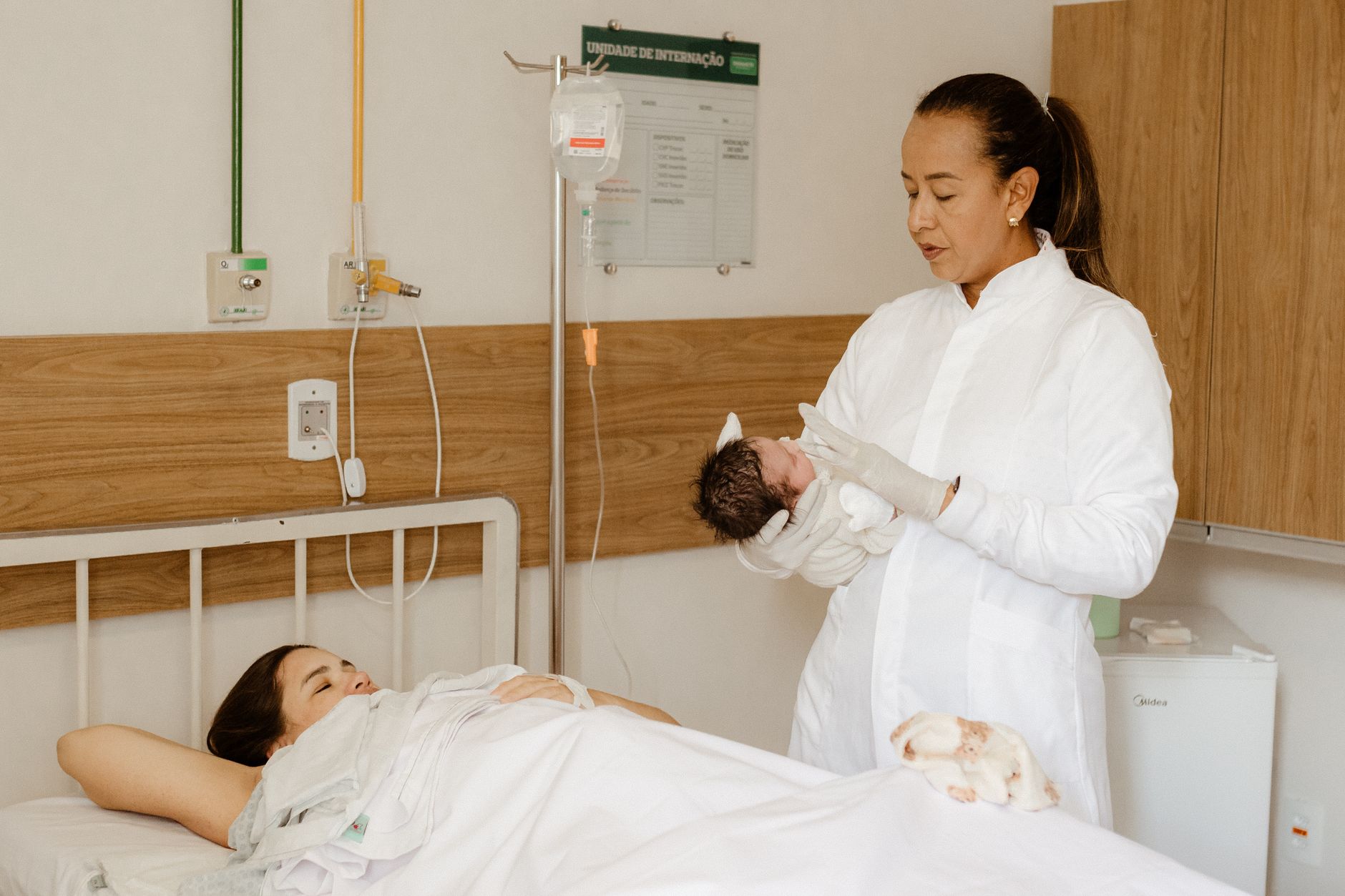
Choosing between a birth center and a hospital isn’t just about safety—it’s about how you imagine your birth. Some moms crave the sterile efficiency of a hospital. Others want the intimacy of a birth center. Let’s break it down.
### **Pros of a Birth Center** ✅ **More personal care:** Midwives typically spend more time with you during pregnancy, labor, and postpartum. You’ll likely see the same provider for all three stages. ✅ **Lower intervention rates:** Birth centers have far fewer cesareans, episiotomies, and inductions. If you’re hoping for a natural, low-tech birth, this is a huge perk. ✅ **Freedom to move:** No IV poles, no monitors unless needed. You can walk, squat, or even birth in a pool if that’s your thing. ✅ **Home-like environment:** Birth centers are designed to feel like a cozy, private space—not a clinical hallway. Many have birthing pools, dim lighting, and even music options. ✅ **Better postpartum support:** Some birth centers offer extended postpartum visits (up to 6 weeks), which can help with breastfeeding, emotional recovery, and newborn care. ### **Cons of a Birth Center** ❌ **Limited emergency care:** If you need a cesarean or NICU care, you’ll have to transfer to a hospital—sometimes in the middle of the night. ❌ **Less flexibility for high-risk pregnancies:** If you develop complications (like preeclampsia or fetal distress), you may not be able to deliver at the birth center. ❌ **Fewer pain relief options:** Most birth centers don’t offer epidurals or nitrous oxide. You’ll rely on natural methods like breathing techniques, hydrotherapy, or nitroglycerin patches (if available). ❌ **Less immediate newborn care:** Some birth centers don’t offer newborn screenings or vaccinations on-site, so you’ll need to arrange those separately. ### **Pros of a Hospital** ✅ **24/7 emergency care:** If something goes wrong, help is just a phone call away. ✅ **More pain relief options:** Epidurals, IV medications, and continuous fetal monitoring are all available. ✅ **Better for high-risk pregnancies:** If you have gestational diabetes, preeclampsia, or a history of cesareans, a hospital is the safer choice. ✅ **Newborn care on-site:** NICU, pediatricians, and newborn screenings are all available if needed. ### **Cons of a Hospital** ❌ **More interventions:** Hospitals have higher rates of cesareans, episiotomies, and inductions—even for low-risk pregnancies. ❌ **Less personal care:** You may see multiple doctors, nurses, and residents during labor and delivery. ❌ **Less privacy:** Labor rooms are often shared, and there’s less control over your environment. ❌ **Longer recovery:** Some moms report feeling more “medicalized” in the hospital, which can affect their postpartum experience.**Representative story:** Emily, a first-time mom who delivered at a hospital but wished she’d tried a birth center, said, “I had an epidural, which was great, but I felt so rushed. The nurses were kind, but they were always coming in and out. I wanted someone to stay with me. At a birth center, I imagine I would’ve had the same midwife the whole time—someone who knew me and my baby.”
**Ask yourself:** What matters most to you? Do you prioritize safety net or personalized care? Do you want the option to move freely, or do you feel more comfortable with a plan in place? There’s no “wrong” answer—just the one that aligns with your values.
--- ## **How Do Birth Centers Handle Emergencies or Complications During Labor and Delivery?**This is the question that keeps first-time moms up at night: What if something goes wrong? Birth centers are not hospitals, and they don’t have the same level of emergency care. But they do have protocols in place to handle complications safely. Here’s how it works:
**Common complications and how birth centers handle them:** - **Fetal distress:** Midwives monitor your baby’s heart rate continuously. If there’s a concern, they’ll call the hospital and transfer you immediately. - **Prolonged labor:** If labor isn’t progressing, the midwife will assess whether you need Pitocin (a labor-inducing drug) or a transfer to the hospital. - **Shoulder dystocia (baby’s shoulder gets stuck):** This is rare but serious. Midwives are trained to use maneuvers like the McRoberts position, but if it doesn’t work, you’ll transfer to the hospital for a cesarean. - **Postpartum hemorrhage:** Birth centers have protocols for massaging the uterus and administering medications like Pitocin to prevent bleeding. If bleeding is severe, you’ll transfer to the hospital. - **Preterm labor:** If you go into labor before 37 weeks, you’ll likely transfer to the hospital for closer monitoring.
**What’s in the birth center’s emergency kit?** Most birth centers have: - Oxygen and suction equipment - Medications for hemorrhage (like Pitocin and misoprostol) - Basic surgical supplies (for emergency episiotomies) - A transfer agreement with a nearby hospital (usually within 15–30 minutes)
**What’s not in the birth center’s emergency kit?** - Anesthesiologists (for epidurals or spinal blocks) - Surgeons (for cesareans) - NICU (for premature or critically ill newborns) - Continuous fetal monitoring (unless needed)
**Representative story:** Jessica, who delivered twins at a birth center, shared, “I was terrified about transferring. But when my second baby got stuck, the midwife didn’t panic. She tried everything—she even had me squat on the birthing ball—and then she called the hospital. We were there in 20 minutes, and my babies were fine. I was so glad she didn’t wait to see if it would ‘fix itself.’”
**Pro tip:** Before you commit to a birth center, ask:
- “What’s your transfer agreement with the hospital?” (How long does it take?) - “What are the most common reasons for transfer in your center?” - “How often do you transfer in your area?” (A transfer rate of 10–20% is normal for low-risk births.)**Bottom line:** Birth centers are not for moms who want a “just in case” plan. But if you’re low-risk and comfortable with the idea of transferring, they’re an incredibly safe option.
--- ## **What Kind of Medical Staff and Equipment Are Available at Birth Centers vs. Hospitals?**This might seem like a dry topic, but it’s actually one of the biggest factors in how your birth unfolds. The people and tools available can make or break your experience—and your safety. Let’s compare:
### **Staff at a Birth Center** - **Midwives:** Certified professional midwives (CPMs) or certified nurse-midwives (CNMs). They’re trained in normal birth but not surgery. - **Doulas:** Often on-site to provide emotional and physical support. - **Labor support staff:** May include lactation consultants or postpartum doulas. - **No doctors on-site:** While some birth centers have OB/GYNs on call, they’re not present during labor. ### **Staff at a Hospital** - **OB/GYNs and residents:** Doctors overseeing labor and delivery. - **Nurses:** Labor and delivery nurses monitor you continuously. - **Anesthesiologists:** Available for epidurals and other pain relief. - **Surgeons:** On call for cesareans. - **Pediatricians:** Available for newborn care. ### **Equipment at a Birth Center** - **Birthing pools** (if available) - **Birthing balls and squat bars** - **Basic fetal monitoring** (handheld Doppler or intermittent monitoring) - **Emergency supplies** (oxygen, suction, hemorrhage medications) - **No continuous fetal monitoring** (unless medically necessary) ### **Equipment at a Hospital** - **Electronic fetal monitors** (continuous monitoring) - **IV poles and pumps** - **Epidural equipment** - **Surgical supplies** (for cesareans) - **NICU** (for premature or critically ill newborns)**What first-time moms often overlook:** The role of the doula. While hospitals have nurses, many moms feel more supported by a doula—someone who’s only there for you. Birth centers often include doula support as part of their care package.
**Representative story:** Lisa, who delivered at a hospital but wished she’d had a doula, said, “I had an epidural, so I was pretty out of it. But I missed having someone who knew me and my body. At a birth center, I’d have had a doula who could’ve helped me with positions and breathing—someone who wasn’t just checking a box.”
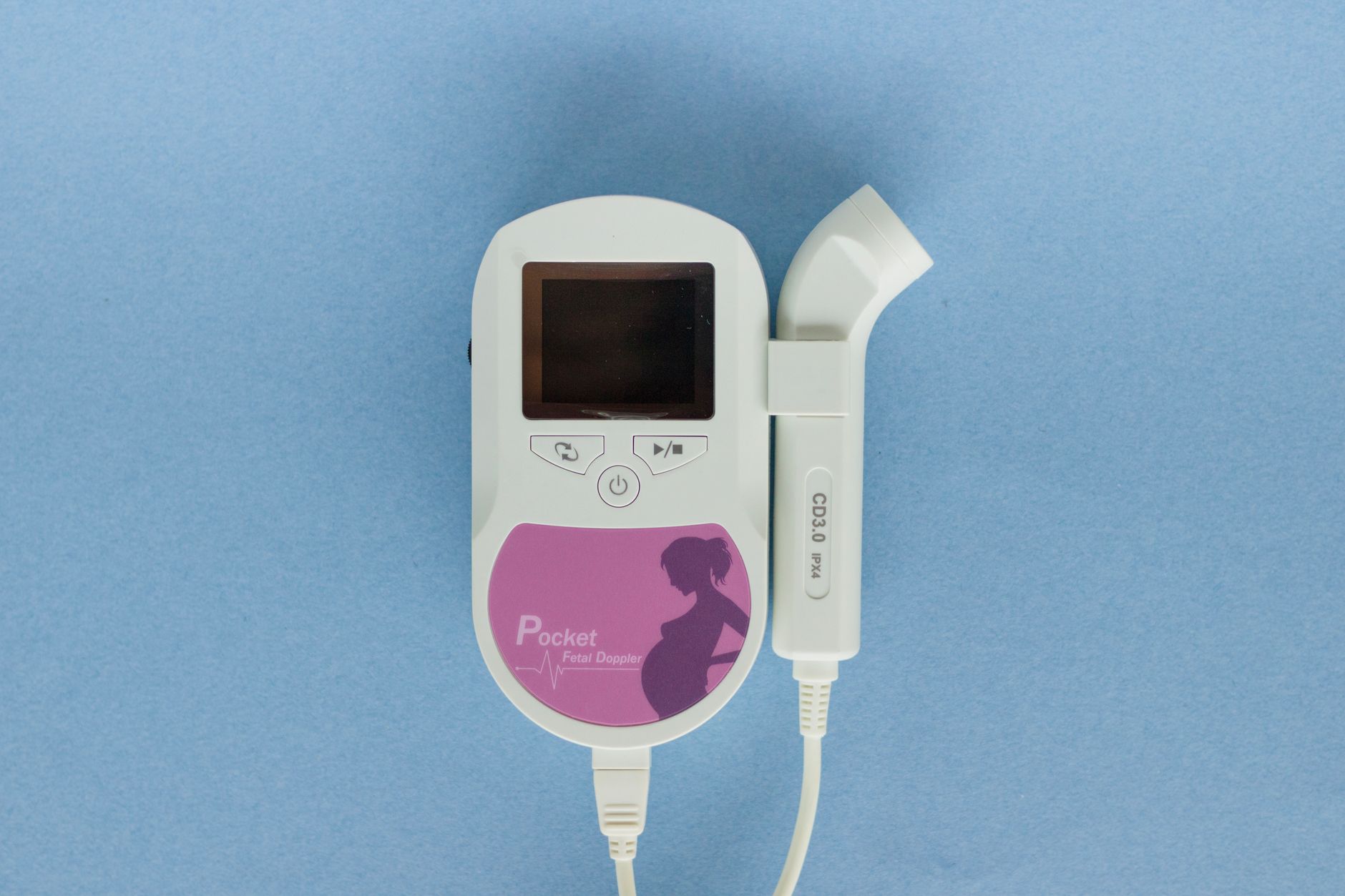
Pain relief is a huge factor in birth planning. Some moms want an epidural; others want to avoid all drugs. If you’re hoping for a natural birth, you might assume a birth center is your best bet—but the options vary widely. Here’s what you need to know:
### **Pain Relief at a Birth Center** ✅ **Water birth:** Many birth centers have birthing pools and offer water labor and delivery. ✅ **Nitroglycerin patches:** Some birth centers use these for localized pain relief (though they’re not widely available). ✅ **Hydrotherapy:** Warm showers or tubs for relaxation and pain management. ✅ **Breathing techniques and movement:** Midwives often teach you how to use your body to ease pain (squatting, walking, counterpressure). ✅ **Nitrous oxide (laughing gas):** Some birth centers offer this, but it’s rare. ❌ **Epidurals:** Almost never available at birth centers. ❌ **IV medications (like Stadol or Fentanyl):** Usually not offered. ### **Pain Relief at a Hospital** ✅ **Epidurals:** The most common pain relief option. ✅ **IV medications:** Like Stadol, Fentanyl, or Demerol. ✅ **Nitrous oxide:** Available at some hospitals. ✅ **Spinal blocks:** For cesareans. ✅ **Local anesthesia:** For episiotomies or repairs.**What first-time moms often miss:** Even in a birth center, you’re not limited to natural methods. Some birth centers offer gentle medical interventions, like nitroglycerin patches, which can help with localized pain without the side effects of IV drugs.
**Representative story:** Megan, who delivered at a birth center, said, “I was terrified of pain. But the midwife taught me how to use the birthing pool and breathing techniques. I didn’t need anything stronger. And when I was really tired, she gave me a nitroglycerin patch—it was like a warm hug for my lower back.”
**Pro tip:** If you’re set on an epidural, a hospital is your only option. But if you’re open to natural methods, a birth center might offer more freedom to explore what works for you.
**Ask yourself:** What’s your pain tolerance? Are you okay with trying natural methods, or do you want the option for medical intervention? There’s no “wrong” answer—just what feels right for you.
--- ## **What Is the Recovery Process Like After Giving Birth in a Birth Center vs. a Hospital?**Recovery is where the real work begins—and where the differences between birth centers and hospitals can feel most pronounced. Hospitals offer a structured postpartum stay, while birth centers focus on home-based recovery. Here’s what to expect:
### **Hospital Postpartum Stay (2–4 days)** - **Medical monitoring:** Your blood pressure, bleeding, and newborn’s health are checked regularly. - **Newborn care:** Pediatricians perform newborn screenings and vaccinations. - **Feeding support:** Lactation consultants are available if you’re breastfeeding. - **Discharge planning:** You’ll get instructions for follow-up care, including OB visits and newborn check-ups. - **Emotional support:** Some hospitals offer postpartum depression screenings or counseling referrals. ### **Birth Center Postpartum Care (Home-Based)** - **Newborn care:** Some birth centers offer newborn screenings or vaccinations, but many moms arrange these separately. - **Feeding support:** Midwives often provide lactation support, but you may need to hire a doula for extra help. - **Follow-up visits:** Birth centers typically offer extended postpartum visits (up to 6 weeks), which can include newborn care, breastfeeding support, and emotional check-ins. - **Discharge planning:** You’ll get instructions for follow-up care, but you’re responsible for arranging transportation, meals, and help at home.**What first-time moms often overlook:** The lack of structure in birth center postpartum care. If you’re used to the hospital’s routine, the first few days at home can feel overwhelming. Many moms hire a postpartum doula to help with feeding, cleaning, and just existing.
**Representative story:** Rachel, who delivered at a birth center, said, “I loved the birth center, but I was so unprepared for postpartum. I had no idea how to bathe the baby or even where to buy diapers! I wish I’d hired a doula—it would’ve made the first week so much easier.”
**Pro tip:** If you choose a birth center, plan ahead for postpartum support. You might need:
- A **postpartum doula** (to help with feeding, cleaning, and emotional support) - A **meal train** (so you don’t have to cook) - A **partner or family member** who can stay with you for the first few days - A **follow-up plan** for newborn care and OB visits**Bottom line:** Birth centers offer a more personalized postpartum experience, but you’ll need to put in extra effort to create your own support system.
--- ## **How Do Insurance Plans Differ When Delivering at a Birth Center Compared to a Hospital?**Insurance is the wild card in birth planning. Some plans treat birth centers like hospitals; others treat them like “alternative” care. Here’s what you need to know:
### **Insurance Coverage for Birth Centers** - **Medicare:** Covers birth center births for low-risk pregnancies, but only if the birth center is certified by the state. - **Medicaid:** Varies by state. Some states cover birth center births; others do not. - **Private insurance:** Some plans cover birth center births 100%; others require prior approval or higher deductibles. - **Out-of-pocket costs:** Even if your plan covers birth centers, you may still have copays for midwifery visits, newborn care, or postpartum check-ups. ### **Insurance Coverage for Hospitals** - **Medicare/Medicaid:** Covers hospital births for all pregnancies. - **Private insurance:** Almost always covers hospital births, though deductibles and copays apply. - **Out-of-pocket costs:** Typically lower than birth centers for high-risk pregnancies (since hospitals are the standard of care). ### **How to Check Your Coverage** 1. **Call your insurance provider** and ask: - “Does my plan cover birth center deliveries?” - “What’s my out-of-pocket maximum for a birth center birth?” - “Do I need a referral from my OB to use a birth center?” 2. **Check your state’s regulations:** Some states require birth centers to be licensed and inspected. 3. **Ask the birth center:** Reputable centers will be transparent about insurance policies.**Representative story:** Claire, who was insured through her employer, said, “I thought my plan covered birth centers, but when I called, they said it was only for ‘midwifery care in a hospital setting.’ I had to switch to a different provider to deliver at a birth center.”
**Pro tip:** If you’re unsure, ask your midwife or OB to help navigate insurance. Some birth centers have insurance specialists on staff who can guide you.
--- ## **Best Birth Center vs. Hospital for First-Time Moms in [State]**Not all birth centers (or hospitals) are created equal. Some are known for their gentle touch, while others are more medically rigorous. If you’re looking for recommendations, here’s how to find the best fit for you:
### **How to Choose a Birth Center** 1. **Check licensing and safety records:** Look for birth centers that are certified by your state’s health department. 2. **Read reviews:** Websites like Healthgrades or Zocdoc can give you insights into moms’ experiences. 3. **Ask about transfer agreements:** Make sure the birth center has a clear plan for emergencies. 4. **Tour the facility:** Visit the birth center in person. Does it feel safe? Clean? Welcoming? 5. **Meet the midwives:** Do they listen to your concerns? Are they transparent about risks? ### **How to Choose a Hospital** 1. **Check cesarean rates:** Hospitals with lower cesarean rates (under 20% for low-risk births) may be more aligned with natural birth goals. 2. **Read labor and delivery reviews:** Look for hospitals with high ratings for patient satisfaction and pain management. 3. **Ask about doula support:** Some hospitals have doula programs or partnerships with local doulas. 4. **Check postpartum care options:** Do they offer extended hospital stays? Lactation support? Postpartum depression screening? ### **Top Birth Centers by State (Examples)** *(Note: Always verify current listings and reviews before choosing.)* - **California:** Birth Center of the Pacific (San Francisco), Birthing Center of San Diego - **New York:** The Birth Center at NYC Health + Hospitals (Brooklyn), Midwives Association of NYC - **Texas:** Austin Birth Center, Dallas Birth Center - **Oregon:** Portland Birth Center, Eugene Birth Center - **Washington:** Seattle Birth Center, Tacoma Birth Center**Pro tip:** If you’re unsure where to start, ask your OB or midwife for recommendations. They often know which facilities have the best reputations in your area.
--- ## **How to Choose Between Hospital and Birth Center for Natural Childbirth**If your goal is a natural, low-intervention birth, you might assume a birth center is the only option. But that’s not always true. Here’s how to decide:
### **Ask Yourself:** 1. **Am I low-risk?** If you have a history of cesareans, gestational diabetes, or preeclampsia, a hospital is the safer choice. 2. **Do I want the option for pain relief?** If an epidural is a must, you’ll need a hospital. 3. **How do I feel about transferring?** If the idea of transferring to a hospital makes you anxious, a birth center might not be right for you. 4. **Do I need 24/7 emergency care?** If you’re worried about complications, a hospital provides peace of mind. 5. **What’s my support system like?** If you don’t have help at home for postpartum recovery, a birth center might require more planning. ### **Hybrid Option: Hospital with Midwifery Care** Some hospitals offer midwifery-led care, which combines the safety of a hospital with the personalized touch of a birth center. This might be the best of both worlds for some moms. ### **Representative Story**Sarah, who delivered at a hospital but used midwifery care, said, “I wanted the safety net of a hospital, but I also wanted someone who would advocate for me. My midwife was amazing—she was there the whole time, but if I needed an epidural, she was right there to help. It felt like the best of both worlds.”
**Bottom line:** There’s no “right” choice—just the one that aligns with your values and priorities. If you’re still unsure, try this exercise:
1. **Imagine your ideal birth.** What does it look like? Who’s there? What’s happening? 2. **Compare it to reality.** Does a hospital or birth center come closer to your vision? 3. **Trust your gut.** If something feels “off,” it probably is. --- ## **What to Expect During Labor at a Birth Center vs. a Hospital**Labor isn’t just about where you give birth—it’s about how you experience it. The environment, the staff, and the pace can all make a difference. Here’s what to expect:
### **Labor at a Birth Center** - **More privacy:** You’ll likely have your own private room (or a small birthing suite). - **Less monitoring:** Unless medically necessary, you’ll have intermittent checks rather than continuous monitoring. - **More movement:** No IV poles or machines to get in your way. You can walk, squat, or even birth in a pool. - **Slower pace:** Midwives focus on your body’s natural rhythm, which can mean longer labor for some moms. - **More support:** Doulas and midwives are often more hands-on, helping you with positions and breathing. ### **Labor at a Hospital** - **More structure:** You’ll likely follow a set protocol (e.g., continuous monitoring, IV fluids). - **More interventions:** Hospitals have higher rates of inductions, epidurals, and episiotomies. - **Faster pace:** Some moms feel rushed, especially if they’re high-risk. - **More people:** You may see multiple doctors, nurses, and residents during labor.**Representative story:** Emily, who delivered at a hospital, said, “I felt like a number. The nurses were kind, but they were always coming in and out. At a birth center, I imagine I would’ve had the same midwife the whole time—someone who knew me and my body.”
**Pro tip:** If you’re hoping for a longer, more natural labor, a birth center might be the better fit. If you want more control over interventions, a hospital with midwifery care could work.
--- ## **Can I Have a Doula at a Birth Center for My First Baby?**Absolutely! In fact, many birth centers encourage doula support. Doulas are trained to provide emotional, physical, and informational support during labor and delivery—and they’re especially valuable in a birth center setting, where you might feel more isolated.
### **Why a Doula is Great for Birth Centers** - **Continuity of care:** While midwives are amazing, a doula can be your constant advocate and support person. - **Pain management:** Doulas teach breathing techniques, massage, and positioning to ease discomfort. - **Advocacy:** If you need to transfer to a hospital, a doula can help you navigate the process smoothly. - **Postpartum support:** Many doulas offer postpartum care, which can be especially helpful after a birth center delivery. ### **How to Find a Doula for Your Birth Center** 1. **Ask your midwife:** They often have recommendations for doulas who work with birth centers. 2. **Check doula directories:** Websites like DONA International or Captain Birth can help you find a certified doula. 3. **Interview potential doulas:** Ask about their experience with birth centers and their approach to labor support.**Representative story:** Jessica, who delivered at a birth center with a doula, said, “Having my doula there made all the difference. She helped me with positions, kept me hydrated, and even sang to me when I was tired. I felt so supported—and less alone.”
**Pro tip:** If you’re on a budget, some birth centers include doula support as part of their package. Others offer discounts for doula services.
--- ## **How Long Does Labor Typically Take at a Birth Center Compared to a Hospital?**Labor duration varies widely—even between moms with similar pregnancies. But there are some general trends to keep in mind:
### **Average Labor
