Quick take:
A Hashimoto’s diet meal plan focuses on anti-inflammatory foods, nutrient-dense whole foods, and avoiding known triggers like gluten, soy, and excessive iodine. This 7-day plan prioritizes foods rich in selenium, zinc, and vitamin D while eliminating processed foods and refined sugars. Always work with your endocrinologist or dietitian to tailor the plan to your body’s needs — what works for one person may not work for another.
Hashimoto’s Disease: What It Is and How Diet Can Help
It was 2:17 AM when I realized my hands were shaking again. Not the nervous kind — the kind that made my coffee cup wobble, the kind that made my voice crack when I tried to call my doctor. I’d been tracking my symptoms for months: fatigue so deep it felt like sleeping through a hurricane, brain fog that made reading a text feel like decoding a foreign language, and a weight I couldn’t shake despite eating less. Then came the diagnosis: Hashimoto’s thyroiditis, an autoimmune condition where my own immune system attacks my thyroid, leaving me with hypothyroidism.
For many women, Hashimoto’s sneaks in quietly, mimicking burnout, stress, or just "getting older." But the right diet can be a game-changer — not a cure, but a way to reduce inflammation, support thyroid function, and ease symptoms. The goal isn’t perfection; it’s progress. Some days, you’ll nail it; other days, you’ll forget your supplement or crave pizza at 10 PM. That’s okay. The key is understanding what to eat, what to avoid, and how to listen to your body.
This 7-day meal plan is designed to help you start — or restart — your Hashimoto’s diet journey with practical, science-backed meals that focus on nutrient density and gentle inflammation reduction. Before diving in, let’s break down the principles behind the diet so you know why you’re eating (or avoiding) certain foods.
What is Hashimoto’s disease?
Hashimoto’s thyroiditis is an autoimmune disorder where your immune system mistakenly attacks your thyroid gland, leading to chronic inflammation and reduced thyroid hormone production. Over time, this can cause hypothyroidism (an underactive thyroid), which is why many women experience symptoms like fatigue, weight gain, depression, and hair loss.
While there’s no cure, research from the American Thyroid Association (ATA) shows that dietary and lifestyle changes can help manage symptoms by reducing inflammation and supporting thyroid function. The Hashimoto’s diet isn’t a strict elimination diet like the autoimmune protocol (AIP), but it shares similar principles: focusing on whole foods, avoiding processed triggers, and prioritizing nutrients like selenium, zinc, and omega-3s.
How does diet impact Hashimoto’s?
The Hashimoto’s diet works on a few key fronts:
- Reduces inflammation: Cutting gluten, soy, and processed foods can lower systemic inflammation, which may ease autoimmune activity.
- Supports thyroid function: Nutrients like selenium (found in Brazil nuts) and zinc (in pumpkin seeds) help protect thyroid cells.
- Balances blood sugar: Avoiding refined sugars and processed carbs can stabilize energy levels and reduce fatigue.
- Supports gut health: Fermented foods and fiber-rich vegetables promote a healthy microbiome, which may play a role in autoimmune regulation.
That said, every body is different. Some women thrive on a gluten-free, dairy-free approach, while others tolerate these foods without issues. The goal is to identify your personal triggers and build a sustainable plan around them.
---
Hashimoto’s Diet Meal Plan 7 Day Gluten Free: Your Anti-Inflammatory Starter Kit
If you’ve just been diagnosed or are testing the waters with a gluten-free Hashimoto’s diet, this section is for you. Gluten — a protein found in wheat, barley, and rye — can trigger inflammation in some women with Hashimoto’s. For others, it’s not the culprit, but eliminating it for a few weeks can help identify if it’s contributing to your symptoms.
Many women tell us they felt lighter — both physically and mentally — after cutting gluten. One reader described it as "like taking off a mental fog." But here’s the catch: gluten-free processed foods (like crackers or pasta) can spike blood sugar and worsen fatigue. The key is swapping refined gluten-free options for whole, nutrient-dense alternatives.
Gluten-free staples to stock your kitchen with
Start with these gluten-free power foods:
- Proteins: Wild-caught salmon, grass-fed beef, pasture-raised chicken, eggs, and lentils.
- Carbs: Quinoa, sweet potatoes, buckwheat, and certified gluten-free oats.
- Fats: Avocados, olive oil, coconut oil, and ghee (clarified butter).
- Veggies: Leafy greens (kale, spinach), broccoli, zucchini, and Brussels sprouts.
- Fruits: Berries (blueberries, raspberries), apples, and pears.
Pro tip: If you’re new to gluten-free cooking, invest in a few key tools like a rice flour or almond flour blend for baking, and a gluten-free flour mix for thickening sauces.
---
Hashimoto’s Diet Meal Plan 7 Day Low Iodine: When Less Is More
Iodine is a mineral your thyroid needs to produce hormones, but for some women with Hashimoto’s, too much iodine can trigger flare-ups. This is especially true if you’re already on thyroid medication like levothyroxine. The Endocrine Society recommends limiting iodine-rich foods if you suspect sensitivity.
Here’s the catch: iodine isn’t just in seaweed and iodized salt. It’s also in dairy, eggs, and even some supplements. The goal isn’t to cut it out entirely (unless your doctor advises it), but to balance your intake with other thyroid-supportive nutrients like selenium and zinc.
Low-iodine foods to prioritize
Swap high-iodine foods for these lower-iodine alternatives:
If you’re unsure whether you have an iodine sensitivity, your endocrinologist can test your TSH and free T4 levels before and after a low-iodine trial.
---
Meal prepping for Hashimoto’s can feel overwhelming, especially when you’re trying to avoid triggers while keeping meals interesting. The secret? Batch cook and reuse ingredients. Think of your grocery list as a toolkit — each item serves multiple meals.
Here’s a 7-day grocery list to cover the meal plan below. Adjust quantities based on your household size and preferences.
Protein (prioritize organic/pasture-raised when possible)
- Wild-caught salmon (or sardines in olive oil)
- Grass-fed ground beef
- Chicken thighs (skinless, organic)
- Eggs (pasture-raised)
- Lentils or chickpeas (canned, no added salt)
- Brazil nuts (for selenium)
Carbs (focus on low-glycemic options)
- Quinoa
- Sweet potatoes
- Buckwheat
- Certified gluten-free oats
- Rice (white or brown)
Fats (healthy fats for inflammation control)
- Extra virgin olive oil
- Coconut oil
- Avocados
- Ghee (clarified butter)
- Almond butter (no sugar added)
Veggies (aim for colorful, fiber-rich options)
- Spinach or kale (fresh or frozen)
- Broccoli
- Zucchini
- Brussels sprouts
- Carrots
- Bell peppers
Fruits (focus on low-sugar, antioxidant-rich picks)
- Blueberries
- Raspberries
- Apples
- Pears
- Lemons (for hydration and flavor)
Pantry staples
- Coconut aminos (gluten-free soy sauce alternative)
- Turmeric (for anti-inflammatory benefits)
- Ginger (fresh or powdered)
- Chia seeds or flaxseeds
- Unsweetened almond milk
- Bone broth (or collagen peptides)
---
Hashimoto’s Diet Meal Plan 7 Day Recipes: Easy, Delicious, and Thyroid-Friendly
Let’s get practical. Below is a 7-day meal plan with recipes designed to be simple, flavorful, and thyroid-supportive. Each day includes breakfast, lunch, dinner, and snacks — all focused on reducing inflammation and supporting your thyroid.
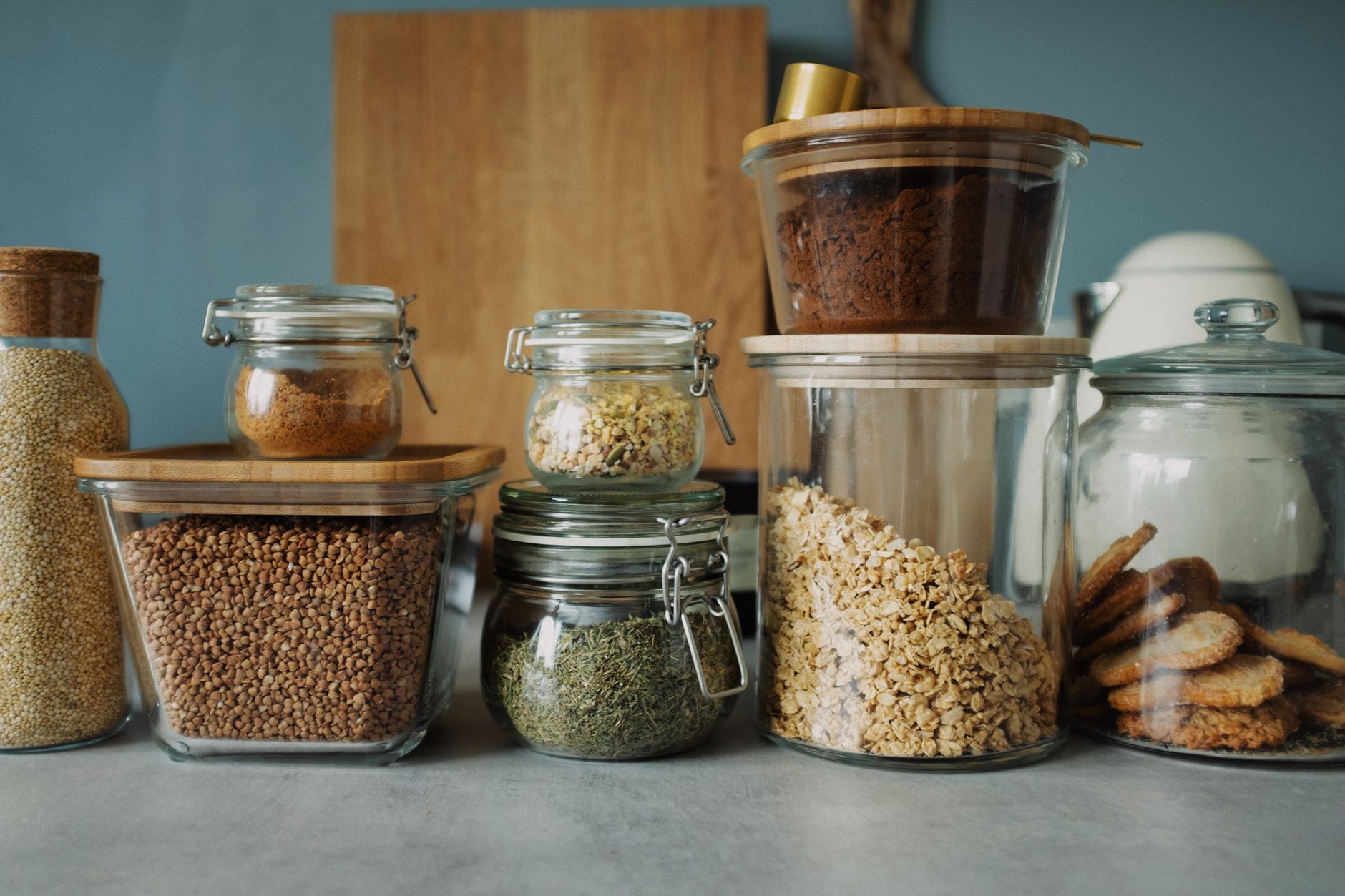
Pro tip: Meal prep on Sundays. Cook grains in bulk, chop veggies, and portion out proteins so you’re not scrambling during the week. Invest in glass containers to keep meals fresh.
Day 1
- Breakfast: Turmeric Golden Milk Oatmeal — Cook certified gluten-free oats in coconut milk with turmeric, cinnamon, and a drizzle of almond butter. Top with blueberries and a sprinkle of chia seeds.
- Lunch: Quinoa Power Bowl — Mix cooked quinoa with roasted sweet potatoes, steamed kale, and grilled salmon. Drizzle with olive oil and lemon.
- Dinner: Beef and Broccoli Stir-Fry — Sauté grass-fed beef with broccoli in coconut aminos, garlic, and ginger. Serve over rice.
- Snacks: Brazil nuts (2–3), sliced apples with almond butter, or bone broth.
Day 2
- Breakfast: Avocado Egg Boats — Halve avocados and fill with soft-boiled eggs. Sprinkle with sea salt and red pepper flakes.
- Lunch: Lentil Soup with Spinach — Simmer lentils with carrots, celery, and spinach in vegetable broth. Top with a dollop of ghee.
- Dinner: Baked Chicken with Roasted Veggies — Season chicken thighs with turmeric and rosemary, bake with zucchini and Brussels sprouts.
- Snacks: Hard-boiled eggs, cucumber slices with hummus (check for gluten-free hummus), or a handful of pumpkin seeds.
Day 3
- Breakfast: Chia Pudding — Mix chia seeds with unsweetened almond milk, vanilla, and a touch of maple syrup. Let sit overnight and top with raspberries.
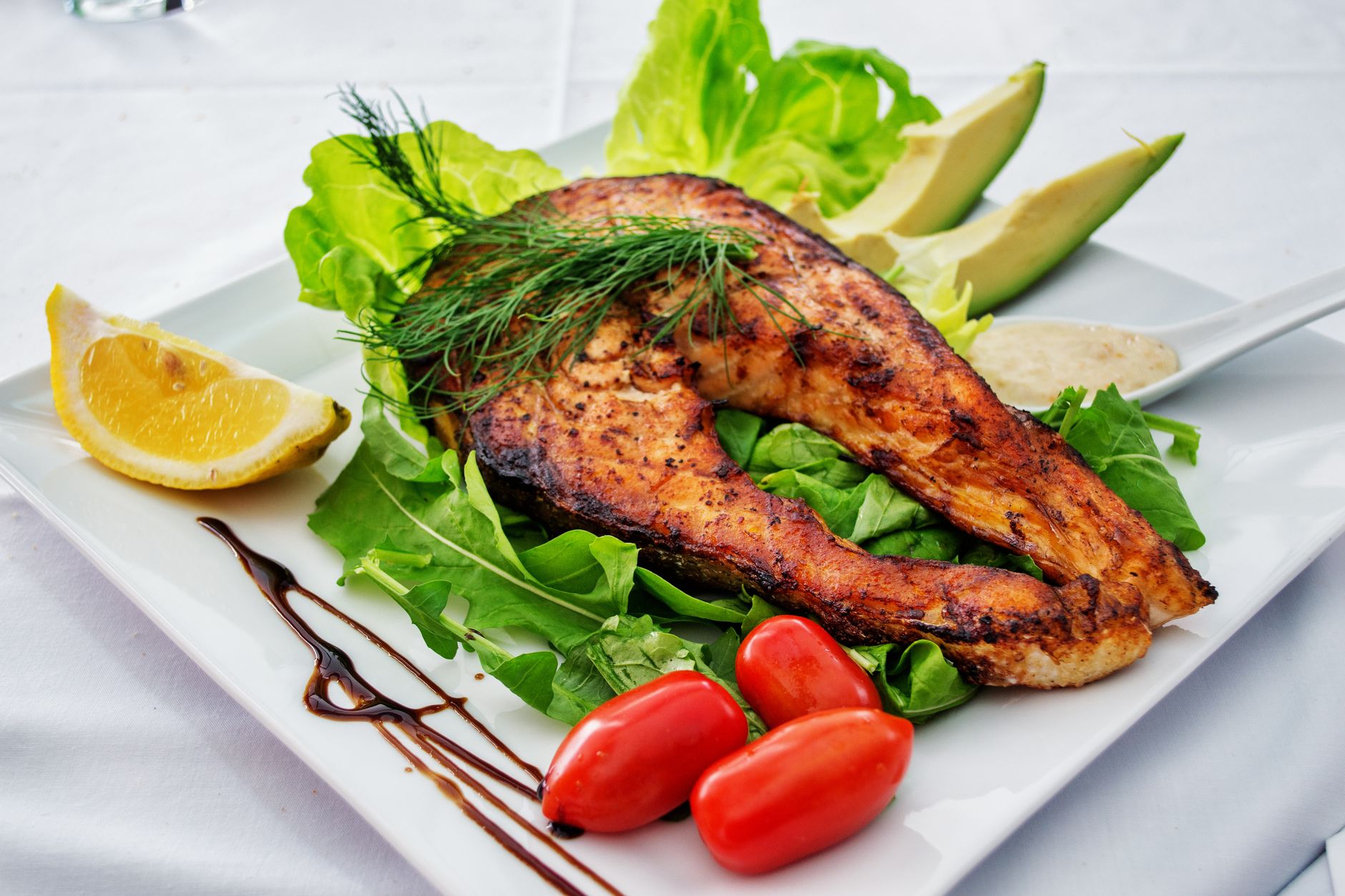
- Lunch: Salmon and Avocado Salad — Toss wild-caught salmon with mixed greens, avocado, cherry tomatoes, and olive oil. Season with lemon and dill.
- Dinner: Sweet Potato and Black Bean Bowl — Roast sweet potatoes and black beans, top with sautéed spinach and a sprinkle of pumpkin seeds.
- Snacks: Sliced pears with cinnamon, or a small handful of almonds.
Want more meal prep inspiration? Check out our 7-Day GAPS Diet Meal Plan for another autoimmune-friendly approach.
---
Hashimoto’s Diet Meal Plan 7 Day Meal Prep: Save Time Without Sacrificing Nutrition
Meal prepping for Hashimoto’s is all about efficiency. Here’s how to make it work for you:
Step 1: Plan your week
Pick 3–4 meals you’ll repeat throughout the week (e.g., quinoa bowls, soups, sheet-pan dinners). Use the meal plan above as a starting point.
Step 2: Cook in batches
- Grain: Cook a big pot of quinoa or rice on Sunday.
- Protein: Roast a tray of chicken thighs or bake salmon fillets.
- Veggies: Chop and roast a mix of sweet potatoes, zucchini, and Brussels sprouts.
- Soups/stews: Make a big batch of lentil soup or bone broth.
Step 3: Store smart
- Use glass containers with tight lids to preserve freshness.
- Label meals with dates — aim to eat prepped foods within 3–4 days.
- Keep dressings and sauces separate until ready to eat to prevent sogginess.
Step 4: Assemble on the go
Most Hashimoto’s meals are build-your-own bowls. Prep components separately and assemble when hungry. For example:
- Grain base (quinoa, rice)
- Protein (grilled chicken, salmon)
- Veggies (roasted, steamed, or raw)
- Healthy fats (avocado, olive oil, nuts)
- Toppings (berries, seeds, fresh herbs)
Pro tip: Invest in a good slow cooker or Instant Pot to make meal prep even easier. Try slow-cooking a pot of beef and veggies for a hands-off dinner.
---
Hashimoto’s Diet Meal Plan 7 Day for Beginners: Where to Start
If you’re new to the Hashimoto’s diet, don’t overwhelm yourself. Start small:
Week 1: The "Clean Plate" Approach
Focus on one change at a time:
- Day 1–3: Cut out refined sugar and processed foods.
- Day 4–5: Add more veggies to each meal.
- Day 6–7: Introduce a new protein (like salmon or lentils).
Week 2: Experiment with Elimination
If you’re unsure about gluten or dairy, try eliminating them for 2–3 weeks and track your symptoms. Use a journal or app to note energy levels, digestion, and mood. If you feel better without them, you may need to keep them out long-term.
Week 3: Build Your Routine
Now’s the time to incorporate meal prep, supplements, and stress-management techniques (like mindful eating or gentle yoga).
Remember: Progress > perfection. Some days, you’ll stick to the plan; other days, you’ll order takeout. That’s normal. The goal is to create sustainable habits, not temporary restrictions.
---
Hashimoto’s Diet Meal Plan 7 Day Dairy Free: Swaps to Try
Dairy is a common trigger for women with Hashimoto’s, but it’s not for everyone. If you’re trying a dairy-free approach, here’s how to make the swap seamlessly.
Dairy-free swaps for Hashimoto’s
If you’re curious about dairy, try a 2–3 week elimination and see how you feel. Some women notice improved digestion or less brain fog without it.
---
Hashimoto’s Diet Meal Plan 7 Day Weight Loss: Balancing Calories and Nutrition
Weight loss with Hashimoto’s can be tricky because hypothyroidism slows metabolism. The key is focusing on nutrient-dense foods that keep you full and satisfied while gently reducing inflammation.
How many calories should you eat?
There’s no one-size-fits-all answer, but most women with Hashimoto’s do well with:
- 1,600–2,000 calories/day for weight loss (adjust based on activity level).
- Prioritize protein (aim for 20–30g per meal) to stabilize blood sugar and preserve muscle.
- Healthy fats (avocados, nuts, olive oil) to keep you full and support hormone production.
- Fiber-rich carbs (sweet potatoes, quinoa, veggies) to feed your gut microbiome.
Sample weight-loss meal plan (adjust portions as needed)
- Breakfast: Scrambled eggs with spinach and avocado (300–350 calories).
- Lunch: Grilled chicken salad with olive oil dressing (400–450 calories).
- Dinner: Baked salmon with roasted Brussels sprouts (450–500 calories).
- Snacks: Brazil nuts (50–70 calories), apple with almond butter (150–180 calories).
If you’re struggling to lose weight, consider working with a registered dietitian specializing in thyroid health to create a personalized plan.
---
Best Foods for Hashimoto’s Diet: Your Thyroid-Supportive Pantry
Not all foods are created equal when it comes to Hashimoto’s. Some foods fuel your thyroid; others fuel inflammation. Below is a breakdown of the best foods to eat and worst foods to avoid.
Foods to eat
- Selenium-rich foods: Brazil nuts, shrimp, sunflower seeds, and eggs.
- Zinc-rich foods: Pumpkin seeds, grass-fed beef, lentils, and cashews.
- Omega-3s: Wild-caught salmon, sardines, and flaxseeds.
- Anti-inflammatory spices: Turmeric, ginger, and cinnamon.
- Fermented foods: Sauerkraut, kimchi, and coconut yogurt (for gut health).
- Leafy greens: Kale, spinach, and Swiss chard (rich in magnesium).
Foods to avoid or limit
- Gluten-containing grains: Wheat, barley, and rye (may trigger inflammation).
- Processed foods: Chips, crackers, and frozen meals (high in additives).
- Refined sugars: White bread, pastries, and sugary drinks.
- Excessive iodine: Seaweed, iodized salt, and some supplements (unless advised otherwise).
- Nightshade vegetables (for some women): Tomatoes, potatoes, and eggplants (may worsen joint pain).
- Alcohol and caffeine: Can disrupt sleep and thyroid function.
---
Hashimoto’s Diet Meal Plan 7 Day Nutrition Facts: What You’re Really Eating
Nutrition labels can be confusing, especially when you’re trying to balance thyroid health. Below is a breakdown of the key nutrients you’ll get from this meal plan and why they matter.
Macronutrient breakdown (per day)
Micronutrients to prioritize
- Selenium: 55–70 mcg/day (Brazil nuts, fish). Supports thyroid function.
- Zinc: 8–11 mg/day (pumpkin seeds, beef). Aids immune function.
- Vitamin D: 600–2,000 IU/day (fatty fish, egg yolks). Supports thyroid hormone production.
- Magnesium: 310–320 mg/day (leafy greens, nuts). Helps regulate metabolism.
- Vitamin B12: 2.4 mcg/day (eggs, grass-fed meat). Crucial for nerve function.
Calorie range
Most women with Hashimoto’s do well with 1,800–2,200 calories/day, depending on activity level. If you’re sedentary, aim for the lower end; if you’re active, increase slightly. Always listen to your body — if you’re constantly hungry, you may need more calories.
---
Need a printable shopping list? Below is a consolidated version of the grocery list from earlier, organized by section for easy shopping.
Proteins
- Wild-caught salmon (1 lb)
- Grass-fed ground beef (1 lb)
- Chicken thighs (skinless, 2 lbs)
- Eggs (pasture-raised, 1 dozen)
- Lentils (1 lb dry or 4 cans)
- Brazil nuts (small bag)
- Pumpkin seeds (small bag)
Carbs
- Quinoa (1 lb)
- Sweet potatoes (3–4)
- Buckwheat (1 lb)
- Certified gluten-free oats (1 canister)
- Brown rice (1 lb)
Fats
- Extra virgin olive oil (1 bottle)
- Coconut oil (1 jar)
- Avocados (4–5)
- Ghee (1 jar)
- Almond butter (small jar)
Veggies
- Spinach or kale (2 bunches or 2 bags frozen)
- Broccoli (2 heads or 2 bags frozen)
- Zucchini (3)
- Brussels sprouts (1 lb)
- Carrots (1 bag)
- Bell peppers (3)
Fruits
- Blueberries (1 pint)
- Raspberries (1 pint)
- Apples (4–5)
- Pears (3–4)
- Lemons (2)
Pantry Staples
- Coconut aminos (1 bottle)
- Turmeric (small jar)
- Ginger (fresh or powdered)
- Chia seeds (small bag)
- Flaxseeds (small bag)
- Unsweetened almond milk (1 carton)
- Bone broth (1 carton or make your own)
- Sea salt or Himalayan pink salt
Pro tip: Check labels for hidden gluten, dairy, or added sugars. Even "natural" brands can have sneaky additives.
---
Common Mistakes on the Hashimoto’s Diet (And How to Avoid Them)
Even the best-laid plans can go off track. Here are the most common mistakes women make on the Hashimoto’s diet — and how to fix them.
Mistake 1: Over-restricting
Some women go too hard, cutting out entire food groups without testing. This can lead to nutrient deficiencies and burnout. Instead: Start with small changes and reintroduce foods mindfully.
Mistake 2: Skipping meals
Low blood sugar can worsen fatigue and cravings. Instead: Eat every 3–4 hours to keep energy stable. Try snacks like Brazil nuts, apple slices with almond butter, or bone broth.
Mistake 3: Not tracking symptoms
You can’t know what’s working if you’re not paying attention. Instead: Keep a journal or use an app to track energy levels, digestion, and mood changes.
Mistake 4: Ignoring stress
Chronic stress worsens autoimmune activity. Instead: Incorporate stress-reducing habits like deep breathing, gentle yoga, or meditation.
Mistake 5: Relying on processed gluten-free foods
Gluten-free packaged foods are often high in sugar and low in nutrients. Instead: Focus on whole foods and cook from scratch when possible.
---
Adjusting the Hashimoto’s Diet for Individual Needs
Not all Hashimoto’s diets are the same. Some women thrive on gluten-free, dairy-free, and low-iodine approaches, while others tolerate these foods without issues. The key is personalization.
How to customize your plan
- Test elimination: Try cutting gluten, dairy, or soy for 2–3 weeks and track your symptoms. If you feel better, you may need to keep them out long-term.
- Monitor iodine intake: If you suspect iodine sensitivity, reduce seafood, dairy, and supplements with added iodine. Work with your doctor to test levels.
- Adjust for weight loss or gain: If you’re struggling to lose weight, increase protein and healthy fats. If you’re losing too much, add more complex carbs.
- Listen to your gut: If you notice bloating or discomfort after certain foods, consider an elimination diet or gut health testing.
If you’re unsure where to start, consider working with a functional medicine doctor or dietitian who specializes in autoimmune conditions.
---
Monitoring Progress and Health Markers
How do you know if the Hashimoto’s diet is working? Track these key health markers:
Symptoms to monitor
- Energy levels (do you feel less fatigued?)
- Digestion (less bloating or discomfort?)
- Mood (less brain fog or anxiety?)
- Weight (steady or gradual loss?)
- Hair and skin (less dryness or hair loss?)
Lab tests to discuss with your doctor
- TSH (thyroid-stimulating hormone)
- Free T4 and Free T3
- Anti-TPO and Anti-thyroglobulin antibodies
- Vitamin D, B12, and iron levels
- C-reactive protein (CRP) for inflammation




