

Quick take: If you’ve had gestational diabetes in a first pregnancy, your risk of recurrence in a second pregnancy rises to **70%**, but you’re not powerless. Early screening, a proactive diet, gentle exercise, and close monitoring can help you manage blood sugar safely—and give your baby the best start. Many women navigate this successfully, even without insulin, but **every pregnancy is unique**, so work closely with your provider to tailor a plan.Gestational Diabetes in Your Second Pregnancy: What You Need to Know

It was 2:17 a.m. when the alarm on my phone buzzed—not the usual “time to wake up” kind, but the one I’d memorized from my first pregnancy: “Check your blood sugar.” I’d just finished a late-night snack of peanut butter toast (a “safe” carb, right?) and my glucose monitor had already flagged me. My first pregnancy had been a whirlwind of gestational diabetes (GD) diagnoses, insulin shots, and a baby who weighed 9 pounds 12 ounces at birth. Now, here I was again, staring at the same numbers, wondering: Is this inevitable?
If you’re reading this, you’re probably in the same boat. The second pregnancy GD rollercoaster is real—and it’s different. The good news? You’re not starting from zero. You know the warning signs, you’ve been through the screening tests before, and you’ve likely already made some dietary tweaks. But the bad news? The risk of recurrence is **high—up to 70% for women who’ve had GD before**—and the stakes feel even higher when you’re already a mom. You’re not just worried about your own health; you’re thinking about how this might affect your baby’s development, your postpartum recovery, and even your long-term health.
This guide is here to cut through the anxiety. We’ll break down what to expect, how to manage GD in your second pregnancy (and beyond), and—most importantly—how to build a plan that works for you, your baby, and your family’s needs. You’re not alone in this.
--- ## **How Does Gestational Diabetes in a Second Pregnancy Compare to the First?**If your first pregnancy was a GD whirlwind—diagnosed late, insulin-dependent, or complicated by macrosomia (a very large baby)—you might be wondering: Will it be the same? The short answer? **Not necessarily.** While the risk of recurrence is high, the experience can vary widely. Many women find that their body responds differently the second time around, often due to factors like age, weight changes, or even how they manage stress and sleep.
Here’s what research tells us:
- Recurrence risk: If you had GD in your first pregnancy, your chances of developing it again rise to **70%** (compared to ~4% for first-time moms). However, this doesn’t mean you’re destined for the same struggles. Lifestyle changes can make a difference (learn more about your risk factors).
- Diagnosis timing: Some women are diagnosed earlier in the second pregnancy, especially if they’re older or have a higher BMI. Others find their blood sugar spikes later, around the same time as their first pregnancy.
- Insulin needs: You might need less insulin this time—or more. Hormonal changes, weight gain patterns, and even your baby’s growth trajectory can shift the equation.
- Baby’s health: While the risk of macrosomia (a very large baby) is higher, many second-time moms with GD deliver healthy babies with proactive management.
**Key takeaway:** Your second pregnancy GD journey might look different, but the principles of management remain the same: early screening, blood sugar control, and a supportive healthcare team.
--- ## **Gestational Diabetes Second Pregnancy: Risk Factors and Prevention Strategies**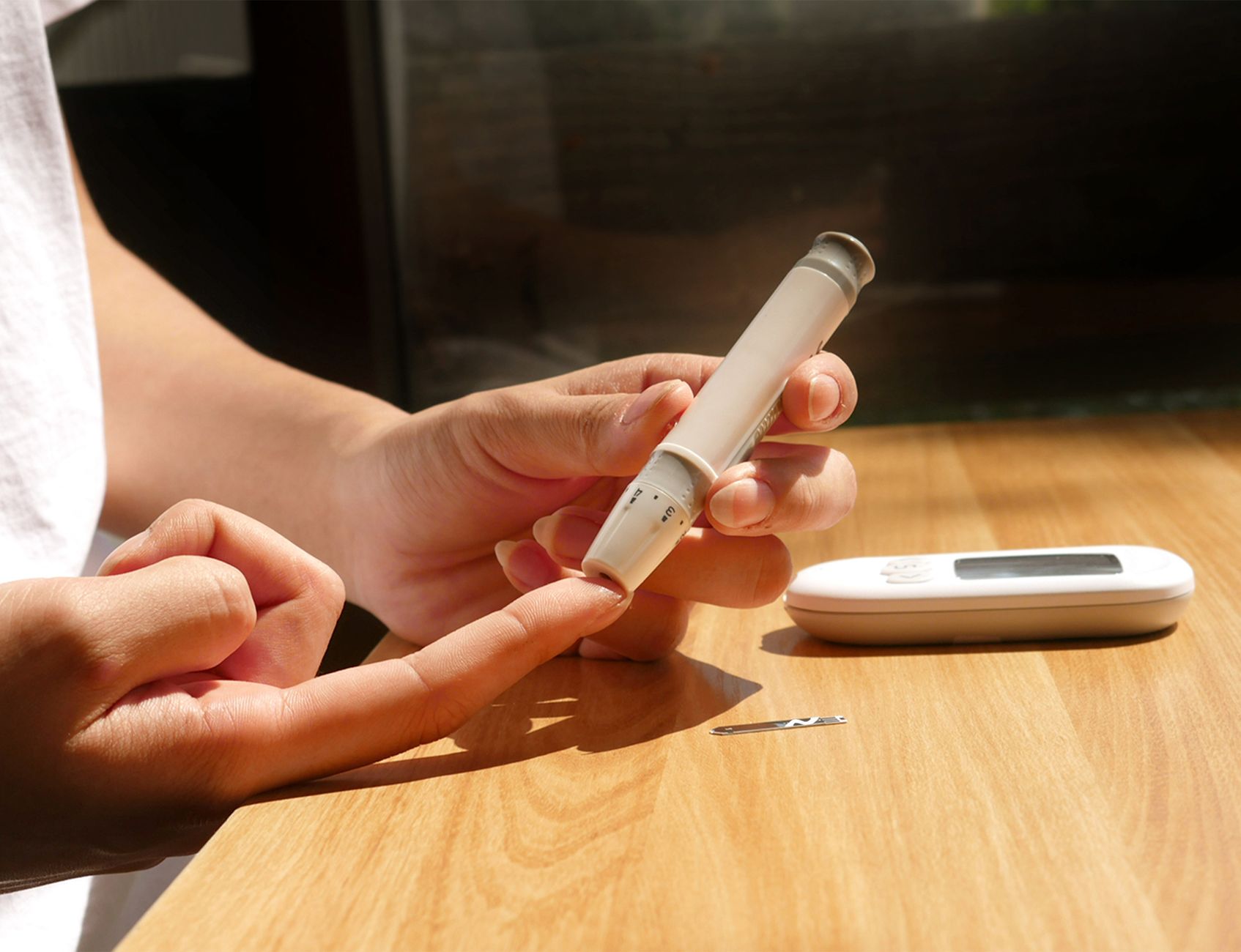
You’ve already lived through one GD diagnosis, so you know the basics: genetics, weight, and age play a role. But in a second pregnancy, some risk factors might feel more personal—or more overwhelming. Here’s what to watch for:
### **Modifiable Risk Factors (You Can Influence These!)** - **Weight gain:** If you gained too much weight in your first pregnancy (especially if you were overweight or obese before conception), aim for a healthier weight gain range this time. The American College of Obstetricians and Gynecologists (ACOG) recommends: - **18.5–24.9 BMI:** 11–16 kg (25–35 lbs) total - **25–29.9 BMI:** 7–11 kg (15–25 lbs) total - **30+ BMI:** 5–9 kg (11–20 lbs) total - **Diet:** If your first pregnancy GD was triggered by carb-heavy meals, this is your chance to retrain your habits. Focus on low-glycemic, fiber-rich foods and smaller, frequent meals. - **Exercise:** Regular movement (walking, swimming, prenatal yoga) can improve insulin sensitivity. Aim for **at least 150 minutes of moderate exercise per week**. - **Stress management:** Chronic stress raises cortisol, which can spike blood sugar. Try mindfulness, deep breathing, or even a short daily walk to lower stress hormones. ### **Non-Modifiable Risk Factors (You Can’t Change These, But You Can Prepare)** - **Age:** If you’re over 25, your risk increases. - **Family history:** If your mom, sister, or aunt had GD or type 2 diabetes, you’re at higher risk. - **Ethnicity:** Women of South Asian, Black, Hispanic, or Indigenous backgrounds have a higher likelihood of GD recurrence. - **Previous large baby:** If your first baby was macrosomic (9+ lbs), your provider may recommend earlier screening.**Pro tip:** If you’re planning a second pregnancy, talk to your provider about preconception management. Some women benefit from optimizing their blood sugar before conception, especially if they have prediabetes or a strong family history.
--- ## **Gestational Diabetes Second Pregnancy Screening Test: What to Expect**Unlike your first pregnancy, where you might have been screened at 24–28 weeks, your provider may recommend earlier testing in your second pregnancy—sometimes as early as 16 weeks. Here’s why:
### **When Will You Be Screened?** - **First screening (glucose challenge test, GCT):** Often between **16–20 weeks**, especially if you’re high-risk. - **Second screening (oral glucose tolerance test, OGTT):** If the GCT is abnormal, you’ll move to the OGTT (usually at **24–28 weeks**). - **Postpartum screening:** Most providers recommend a **75-g OGTT 6–12 weeks after delivery** to check for prediabetes or type 2 diabetes. ### **What Happens During the Test?** 1. You drink a **sweet glucose solution** (usually 50g for the GCT, 100g for the OGTT). 2. Your blood sugar is checked **1 hour later** (GCT) or at **0, 1, 2, and 3 hours** (OGTT). 3. If your numbers meet GD criteria (see the chart here), you’ll be diagnosed.**Real talk:** The first time I did this test, I was so nervous I forgot to eat normally the day before. My blood sugar was off. This time, I prepped like a pro—eating balanced meals, staying hydrated, and even doing a light walk before the test. It made a difference!
--- ## **Gestational Diabetes Second Pregnancy Blood Sugar Monitoring: Your New Normal**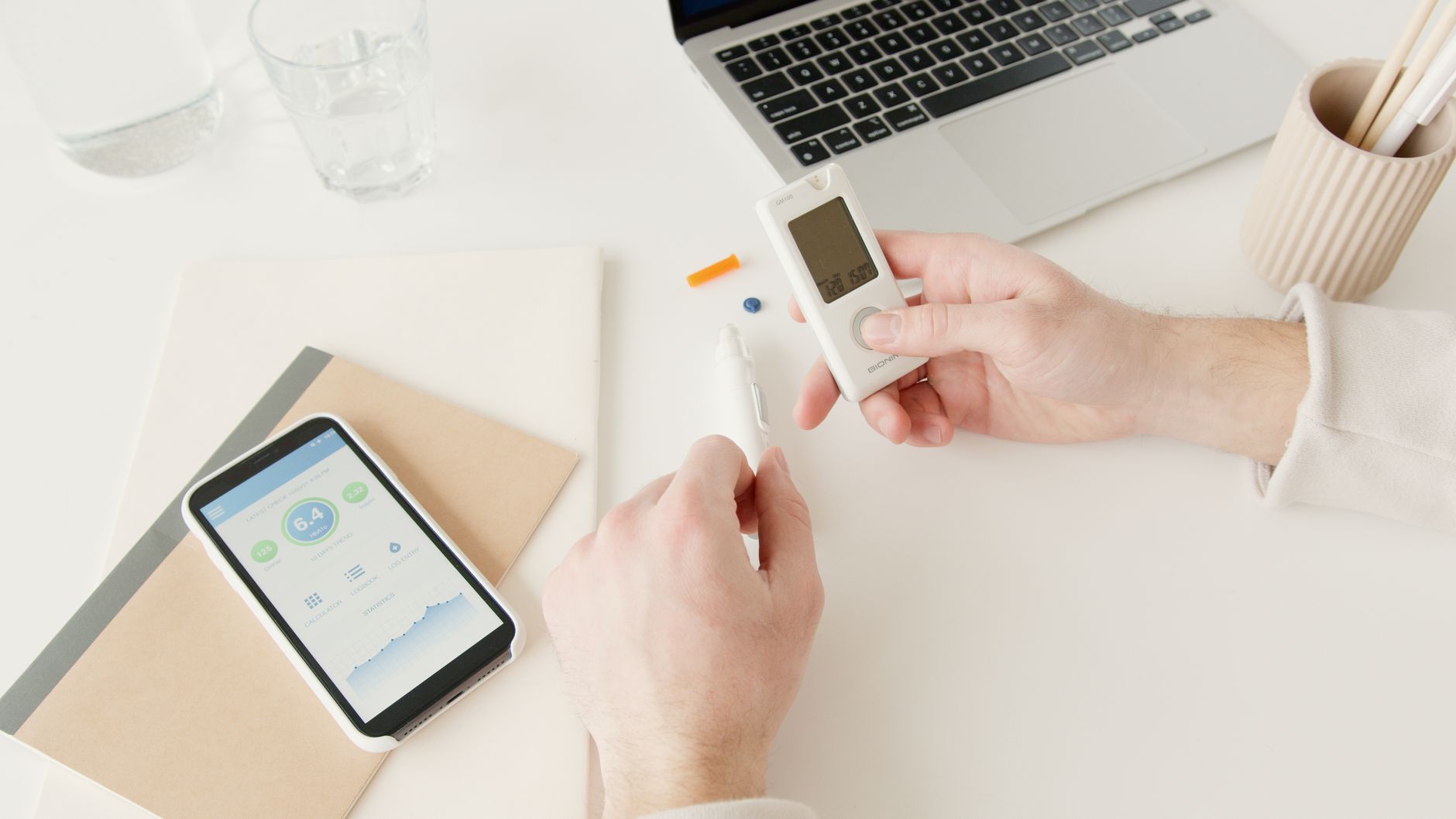
If you survived the first round of finger pricks, you know the drill—but this time, you might need to adjust your approach. Here’s what to expect:
### **How Often Should You Check?** - **Before diagnosis:** If you’re high-risk, your provider may recommend **daily monitoring** starting around **16 weeks**. - **After diagnosis:** Most women with GD check **4 times daily**: - **Fasting** (before breakfast) - **1 hour after meals** - **2 hours after meals** - **If on insulin:** You’ll likely check **more frequently** (every 1–2 hours) to adjust doses. ### **Target Blood Sugar Levels** | Time of Day | Target Range (mg/dL) | Target Range (mmol/L) | |-------------------|----------------------|-----------------------| | Fasting | 60–99 | 3.3–5.5 | | 1 Hour Post-Meal | <140 | <7.8 | | 2 Hours Post-Meal | <120 | <6.7 |Pro tip: If your numbers are consistently high, don’t panic—work with your provider to adjust your diet, exercise, or medication. Check out our blood sugar chart for a quick reference.
### **Common Monitoring Mistakes to Avoid** - **Skipping meals:** Low blood sugar (hypoglycemia) can happen if you don’t eat enough. - **Ignoring trends:** If your numbers are creeping up, it’s time to tweak your diet or activity. - **Not checking when sick:** Illness (even a cold) can raise blood sugar—check more often if you’re under the weather. --- ## **Gestational Diabetes Second Pregnancy Diet Plan: What to Eat (and What to Skip)**You’ve likely already made some dietary changes after your first GD diagnosis. But in your second pregnancy, you might need to refine your approach—especially if your insulin needs differ. Here’s a **simple, actionable plan** to keep your blood sugar in check:
### **Foods to Enjoy (In Moderation)** - **Non-starchy veggies:** Spinach, broccoli, zucchini, bell peppers (fiber-rich, low-carb). - **Lean proteins:** Chicken, fish, tofu, eggs (help stabilize blood sugar). - **Healthy fats:** Avocado, nuts, olive oil (slow digestion, prevent spikes). - **Whole grains:** Quinoa, brown rice, whole-wheat bread (choose low-glycemic options). ### **Foods to Limit** - **Refined carbs:** White bread, pastries, sugary cereals (quick digestion = rapid spikes). - **Sweetened drinks:** Soda, juice, flavored coffees (liquid sugar = instant blood sugar crash). - **Processed snacks:** Chips, crackers, candy (often high in hidden sugars). ### **Sample 7-Day Meal Plan** *(For a more detailed plan, check out our gestational diabetes meal ideas.)* | Day | Breakfast | Lunch | Dinner | Snack | |-----------|-------------------------------|-------------------------------|-------------------------------|---------------------------| | Monday | Greek yogurt + berries + chia seeds | Grilled chicken + quinoa + roasted veggies | Baked salmon + sweet potato (small portion) + steamed greens | Handful of almonds + apple | | Tuesday | Scrambled eggs + avocado + whole-grain toast | Turkey wrap (low-carb tortilla) + hummus + cucumber | Stir-fry with tofu, broccoli, and brown rice | Cottage cheese + cherry tomatoes | | Wednesday | Oatmeal (rolled, not instant) + peanut butter + cinnamon | Lentil soup + side salad | Grilled shrimp + quinoa + asparagus | Hard-boiled egg + celery sticks | | Thursday | Smoothie (spinach, protein powder, almond milk, flaxseeds) | Grilled chicken + roasted Brussels sprouts + wild rice | Baked cod + mashed cauliflower + green beans | Turkey slices + cheese cubes | | Friday | Chia pudding (unsweetened almond milk + chia + berries) | Black bean salad + avocado + mixed greens | Lean beef stir-fry + bell peppers + brown rice | Greek yogurt + walnuts | | Saturday | Veggie omelet + whole-grain toast | Grilled salmon + quinoa salad | Stuffed bell peppers (ground turkey + black beans) | Protein shake + handful of nuts | | Sunday | Cottage cheese + pineapple (small portion) + walnuts | Grilled chicken + roasted sweet potato (small) + salad | Baked chicken + roasted veggies + mashed sweet potato (small) | Dark chocolate (85%+) + almonds | ### **Dietary Tips for Success** - **Portion control:** Even healthy carbs (like fruit) can spike blood sugar if eaten in large amounts. - **Pair carbs with protein/fat:** This slows digestion and prevents spikes (e.g., apple + peanut butter). - **Stay hydrated:** Sometimes thirst is mistaken for hunger—drink water before reaching for a snack. - **Track your meals:** Apps like Cronometer or MyFitnessPal can help you log carbs and stay accountable. --- ## **Gestational Diabetes Second Pregnancy Treatment Options: Beyond Diet and Exercise**If diet and exercise alone aren’t enough to keep your blood sugar in check, your provider may recommend medication. Here’s what to expect:
### **1. Metformin (Oral Medication)** - **How it works:** Helps your body use insulin more effectively. - **When it’s prescribed:** Often for women with **prediabetes or mild GD** who can’t control blood sugar with diet alone. - **Side effects:** Nausea, diarrhea (usually temporary). ### **2. Insulin (Injectable)** - **When it’s prescribed:** If your blood sugar remains high despite diet, exercise, and metformin. - **Types used:** - **Rapid-acting (e.g., Lispro):** Taken before meals. - **Long-acting (e.g., Glargine):** Once-daily injection to cover baseline needs. - **Adjustments:** Your doses may change weekly as your pregnancy progresses.Key question: If you needed insulin in your first pregnancy, will you need it again? Not necessarily. Some women find their bodies handle GD better the second time, while others need more support. Your provider will monitor closely and adjust as needed.
### **Medication Safety Checklist** | Medication | Safety in Pregnancy | Notes | |------------------|---------------------|-----------------------------------------------------------------------| | Metformin | Generally safe | Monitor for vitamin B12 deficiency. | | Insulin | Safe | No risk to baby; adjust doses with provider. | | Glyburide | **Avoid** | Linked to low blood sugar in babies. | | Sulfonylureas | **Avoid** | Higher risk of neonatal hypoglycemia. |**Pro tip:** If you’re starting insulin, our insulin guide walks you through what to expect with dosing and adjustments.
--- ## **Gestational Diabetes Second Pregnancy Exercise Guidelines: What’s Safe and Effective**Exercise is one of the most powerful tools for managing GD, but pregnancy adds a layer of caution. Here’s how to move safely:
### **Best Exercises for GD in Pregnancy** - **Walking:** Low-impact, easy to monitor blood sugar before/after. - **Swimming:** Gentle on joints, great for circulation. - **Prenatal yoga:** Improves flexibility and stress management. - **Strength training:** Light weights or resistance bands (avoid holding breath). ### **Avoid These** - **High-intensity workouts** (HIIT, running marathons). - **Contact sports** (risk of injury). - **Exercising in extreme heat** (dehydration risk). ### **Exercise and Blood Sugar: What to Watch For** - **Before exercise:** Check blood sugar—if <60 mg/dL, eat a small snack first. - **During exercise:** If you feel shaky or lightheaded, stop and check your glucose. - **After exercise:** Blood sugar may drop—have a snack ready.**Real story:** In my first pregnancy, I loved running. This time, I switched to walking and swimming. It felt slower, but I noticed my blood sugar stayed steadier—and I had more energy for my toddler!
--- ## **Gestational Diabetes Second Pregnancy Baby Health Risks: What You Need to Know**One of the biggest worries for second-time moms with GD is how it might affect their baby. Here’s the science-backed breakdown:
### **Potential Risks** - **Macrosomia (large baby):** Babies born to mothers with uncontrolled GD are at higher risk of weighing **9+ lbs**, which can complicate delivery (e.g., shoulder dystocia). - **Low blood sugar at birth:** Babies may need extra monitoring for hypoglycemia. - **Respiratory distress:** Rare, but possible if the baby’s lungs aren’t fully developed due to high blood sugar. - **Long-term risks:** Children of mothers with GD have a slightly higher risk of **obesity and type 2 diabetes later in life**. ### **How to Reduce Risks** - **Strict blood sugar control:** Aim for targets as close to normal as possible. - **Regular prenatal visits:** Monitor baby’s growth with ultrasounds. - **Delivery planning:** If your baby is very large, your provider may recommend a **planned C-section** or close monitoring during labor.**Reassuring note:** Many babies born to mothers with GD are **healthy and thrive**. The key is early intervention and consistent management.
--- ## **Gestational Diabetes Second Pregnancy Postpartum Blood Sugar: What Happens Next?**After delivery, your blood sugar may drop—sometimes dramatically. Here’s what to expect:
### **Postpartum Blood Sugar Timeline** - **First 24 hours:** Blood sugar may drop due to insulin resistance returning to normal. - **1–2 weeks:** Many women’s blood sugar returns to pre-pregnancy levels. - **6–12 weeks:** Your provider will check for **prediabetes or type 2 diabetes** with a follow-up OGTT. ### **How to Support Your Recovery** - **Eat balanced meals:** Focus on protein, fiber, and healthy fats to stabilize blood sugar. - **Stay hydrated:** Helps flush out excess glucose. - **Monitor trends:** If your blood sugar stays high, you may need to continue monitoring or adjust your diet. - **Breastfeeding:** Helps regulate blood sugar naturally (but don’t skip meals!).**Pro tip:** If you’re breastfeeding, you’ll burn more calories—but you still need **nutrient-dense foods** to recover. Think lean proteins, leafy greens, and complex carbs.
--- ## **Gestational Diabetes Second Pregnancy Weight Gain Recommendations: How to Gain Smart**If you struggled with excessive weight gain in your first pregnancy, you’ll likely be more intentional this time. Here’s how to gain **just enough** for a healthy baby:
### **Healthy Weight Gain Goals** | BMI Category | Recommended Weight Gain (lbs) | |--------------------|-------------------------------| | Underweight (<18.5) | 28–40 | | Normal (18.5–24.9) | 25–35 | | Overweight (25–29.9)| 15–25 | | Obese (30+) | 11–20 | ### **How to Gain Weight the Right Way** - **Prioritize nutrient-dense foods:** Avocados, nuts, whole grains, and lean proteins. - **Add healthy fats:** Olive oil, nut butters, and fatty fish. - **Drink smoothies:** Blend Greek yogurt, protein powder, and spinach for an easy calorie boost. - **Avoid empty calories:** Skip sugary snacks and sodas—they don’t support your baby’s growth.**Real talk:** I gained too much in my first pregnancy (28 lbs!) and struggled with postpartum weight. This time, I aimed for **25 lbs**—and felt stronger throughout. It’s possible to gain just enough!
--- ## **Gestational Diabetes Second Pregnancy: Myths vs. Facts**GD in a second pregnancy comes with plenty of myths. Let’s set the record straight:
### **Myth:** "If I had GD in my first pregnancy, I’ll definitely need insulin this time." Fact: While the risk is higher, **not all women need insulin**. Many manage with diet, exercise, and metformin. Your provider will tailor your plan based on your blood sugar trends. ### **Myth:** "Eating for two means I can eat double the food." Fact: You only need **extra 300–500 calories per day** total. Focus on **quality** over quantity. ### **Myth:** "If I skip meals, my baby will be hungry." Fact: Skipping meals can cause **low blood sugar (hypoglycemia)**, which is harmful to both you and your baby. Eat **small, balanced meals every 3–4 hours**. ### **Myth:** "GD only affects my baby’s birth weight." Fact: Uncontrolled GD can also increase risks for **preterm birth, stillbirth, and long-term metabolic issues** for your baby. --- ## **Key Takeaways: Managing GD in Your Second Pregnancy**Here’s what you need to remember:
- Recurrence is common—but not inevitable. Up to 70% of women with GD in their first pregnancy develop it again, but lifestyle changes can reduce your risk.
- Early screening is key. Ask your provider about testing as early as 16 weeks if you’re high-risk.
- Blood sugar control is non-negotiable. Aim for targets <140 mg/dL post-meal and <95 mg/dL fasting. Monitor closely and adjust your plan as needed.
- Diet and exercise are your first line of defense. Focus on **low-glycemic foods, protein, fiber, and consistent movement**.
- Medication (metformin or insulin) may be necessary. Don’t hesitate to ask your provider about options if diet and exercise aren’t enough.
- Your baby’s health depends on your management. Strict blood sugar control reduces risks of macrosomia, low blood sugar, and long-term health issues.
- Postpartum follow-up is critical. Get tested for prediabetes or type 2 diabetes 6–12 weeks after delivery.
While GD is common, some signs mean you need **immediate medical attention**:
### **Call Your Provider Right Away If:** - Your blood sugar **consistently stays above 140 mg/dL post-meal** despite diet changes. - You experience **severe symptoms** (extreme thirst, blurred vision, nausea/vomiting). - Your baby’s growth seems **unusually fast** (based on ultrasound measurements). - You develop **signs of preeclampsia** (high blood pressure, swelling, headaches). ### **Who to See:** - **Obstetrician/Gynecologist (OB/GYN):** Your primary pregnancy care provider. - **Endocrinologist:** If your blood sugar is hard to control. - **Certified Diabetes Educator (CDE):** For personalized meal/exercise plans. --- ## **References**- American College of Obstetricians and Gynecologists (ACOG). (2023). Gestational Diabetes.
- National Academy of Medicine. (2021). Gestational Diabetes and Long-Term Health Risks.
- American Diabetes Association. (2022). Gestational Diabetes Management.
- World Health Organization. (2020). Prevention and Management of Gestational Diabetes.
- NHS. (2023). Gestational Diabetes: Diet and Exercise.

