Discover healthy gestational diabetes meal ideas to manage your condition, including breakfast, lunch, and dinner options that are safe and nutritious
By Shubhra Mishra — a mom of two who turned her own confusion during pregnancy into BumpBites, a global mission to make food choices clear, safe, and stress-free for every expecting mother. 💛
Check whether any food is safe during pregnancy with the BumpBites Food Safety Checker.
Quick take: Gestational diabetes calls for balanced meals that keep blood sugar steady while still giving you the nutrients you need for a growing baby. Aim for about 45‑60 g of carbs per main meal, choose low‑glycemic foods, and pair carbs with protein or healthy fat. Below are practical meal ideas, carb‑counting tips, and grocery‑shopping guides to make meal planning easy at every stage of pregnancy.
It’s 2 a.m., you’re curled up on the couch, and a craving for a sweet snack has you scrolling “gestational diabetes dinner ideas.” You’re not alone—many pregnant people with gestational diabetes wonder how to eat safely without feeling deprived. The good news is that with a few simple strategies—portion control, low‑glycemic choices, and a bit of prep—you can enjoy tasty meals that support both your blood‑sugar goals and your baby’s growth.
In this guide we’ll walk through a trimester‑specific meal plan, low‑glycemic breakfast and dinner ideas, snack suggestions, vegetarian options, quick‑prep meals, and the basics of carb counting. We’ll also share a grocery‑shopping checklist, portion‑size table, and tips for managing cravings. All recommendations align with guidance from the American College of Obstetricians and Gynecologists (ACOG), the American Diabetes Association (ADA), and the UK’s NHS.
Gestational diabetes meal plan for the first trimester
The first trimester can feel like a whirlwind of nausea, fatigue, and new‑food aversions. Because insulin resistance usually builds later in pregnancy, many clinicians recommend starting a modest carbohydrate intake right away to keep glucose levels stable.
Key points for the first trimester:
Aim for 45‑60 g of carbs per main meal and 15‑30 g per snack.
Focus on low‑glycemic index (GI) foods such as whole grains, legumes, non‑starchy vegetables, and most fruits.
Include a source of protein or healthy fat at every meal to blunt glucose spikes.
Stay hydrated—aim for at least 8‑10 cups of water daily.
Below is a sample day‑long plan that meets these targets while delivering the iron, calcium, and folic acid your body needs:
Notice how each meal stays under 45 g of carbs, and each snack stays below 30 g. Adjust portion sizes based on your own carb target—most clinicians recommend a total of 150‑180 g of carbs per day for gestational diabetes, but your provider may tailor this number.
First‑trimester nausea can make larger meals feel overwhelming. If you’re struggling with appetite, try splitting meals into smaller, more frequent portions—e.g., three mini‑breakfasts or additional low‑carb snacks.
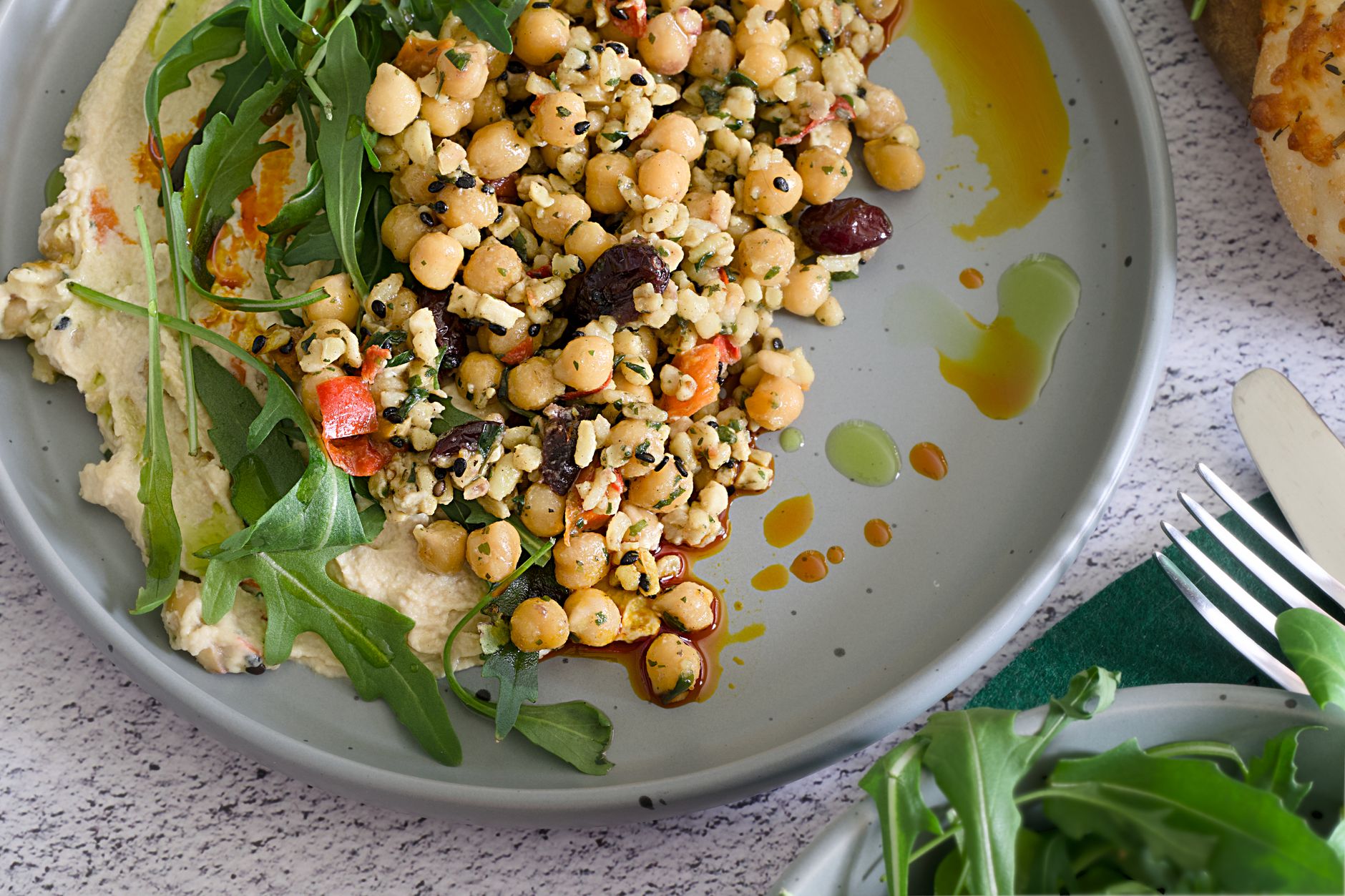
A balanced quinoa‑chickpea salad provides steady carbs and protein for a first‑trimester lunch.
Low glycemic index breakfast ideas for gestational diabetes
Breakfast sets the tone for blood‑sugar control all day. Low‑GI foods release glucose slowly, helping to avoid the post‑meal spikes that can be problematic when you have gestational diabetes.
Here are five breakfast options, each keeping carbs between 15‑25 g and pairing them with protein or healthy fat:
Berry‑cottage cheese parfait: ½ cup low‑fat cottage cheese layered with ¼ cup fresh berries and 1 tbsp ground flaxseed. Carbs ≈ 12 g.
Veggie‑egg scramble: Two eggs cooked with spinach, mushrooms, and diced bell pepper, served with a slice of whole‑grain toast (½ slice). Carbs ≈ 15 g.
Oat‑nut bowl: ¼ cup rolled oats cooked in water, topped with 1 tbsp chopped walnuts and a drizzle of cinnamon. Carbs ≈ 20 g.
Protein‑rich smoothie: Blend ½ cup unsweetened almond milk, ¼ cup frozen berries, ½ scoop plant‑based protein powder, and 1 tbsp almond butter. Carbs ≈ 18 g.
Chia‑seed pudding: Mix 2 tbsp chia seeds with ¾ cup unsweetened soy milk, let sit overnight, and top with a few sliced strawberries. Carbs ≈ 14 g.
Tip: If you prefer a warm breakfast, add a sprinkle of cinnamon or nutmeg—these spices have modest evidence for improving insulin sensitivity (ADA, 2023).
Gestational diabetes dinner recipes that are pregnancy safe
Dinner is often the biggest meal of the day, so it’s crucial to balance carbs with lean protein and fiber‑rich vegetables. Below are three dinner recipes that meet gestational‑diabetes guidelines while delivering the nutrients needed for fetal development.
1. Lemon‑herb grilled chicken with cauliflower “rice”
Ingredients (serves 2):
2 oz skinless chicken breast
1 tbsp olive oil
Juice of ½ lemon
1 tsp dried oregano
1 cup cauliflower florets, grated into rice‑like pieces
½ cup chopped kale
Salt & pepper to taste
Directions: Marinate chicken in olive oil, lemon, oregano, salt, and pepper for 15 minutes. Grill or pan‑sear 5‑6 minutes per side. Meanwhile, sauté cauliflower “rice” with a splash of water and kale until tender (≈ 5 minutes). Serve chicken over the veggie “rice.” Carbs ≈ 12 g.
2. Lentil‑spinach stew (vegetarian)
Ingredients (serves 2):
½ cup dry green lentils, rinsed
1 cup low‑sodium vegetable broth
1 tbsp olive oil
½ cup diced tomatoes (canned, no added sugar)
1 cup fresh spinach
½ tsp cumin, ¼ tsp smoked paprika
Salt & pepper
Cook lentils in broth until soft (≈ 20 minutes). Stir in tomatoes, spices, and spinach; simmer 5 minutes. This hearty stew provides 30 g of carbs, plenty of fiber, and iron‑rich lentils.
3. Baked cod with roasted baby carrots and quinoa
Ingredients (serves 2):
2 oz cod fillet
½ cup cooked quinoa
½ cup baby carrots, tossed with 1 tsp olive oil
Lemon zest, dill, salt
Season cod with lemon zest, dill, and salt; bake at 375 °F for 12‑15 minutes. Roast carrots alongside. Serve cod over quinoa. Carbs ≈ 28 g.
All three meals stay under 30 g of carbs, incorporate healthy fats, and include a variety of micronutrients—iron, calcium, omega‑3 fatty acids, and folate.
Snack options for gestational diabetes cravings
Cravings are real, especially in the second and third trimesters when hormone levels surge. The goal is to satisfy the desire for something tasty while keeping the carb load low and the protein or fat high enough to prevent a glucose spike.
Nut‑butter celery sticks: Spread 1 tbsp almond or peanut butter on 2‑3 celery stalks. ≈ 7 g carbs.
Cottage cheese with sliced cucumber: ½ cup low‑fat cottage cheese topped with ¼ cup diced cucumber and a pinch of dill. ≈ 5 g carbs.
Greek yogurt with a sprinkle of cinnamon: ¾ cup plain Greek yogurt, cinnamon, and a few sliced almonds. ≈ 8 g carbs.
Hard‑boiled egg with a dash of hot sauce: One large egg provides protein and satiety. ≈ 1 g carbs.
Baby carrots with hummus: ½ cup baby carrots with 2 tbsp hummus. ≈ 10 g carbs.
If you’re craving something sweet, consider a small portion of low‑sugar dessert (see next section) or a fruit‑based snack like a half‑medium apple paired with cheese.
How to count carbs in gestational diabetes meals
Carb counting is the cornerstone of gestational‑diabetes management. It doesn’t have to be intimidating once you learn the basic steps.
Know your target: Most guidelines (ACOG, ADA) suggest 45‑60 g of carbs per main meal and 15‑30 g per snack. Your provider may give a personalized total daily goal.
Read nutrition labels: Look for “total carbohydrate” per serving. Remember that “serving size” on the package may be smaller than what you actually eat.
Use standard portion estimates: A slice of whole‑grain bread ≈ 15 g carbs, ½ cup cooked rice or quinoa ≈ 20 g carbs, 1 medium fruit ≈ 15‑25 g carbs.
Measure with tools: A kitchen scale or measuring cups help you stay accurate, especially for foods like nuts, seeds, and cheese that have hidden carbs.
Log it: Many apps (MyFitnessPal, Glucose Buddy) let you track carbs and blood‑glucose readings side‑by‑side. Consistent logging helps you see patterns.
Example: A plate with ½ cup quinoa (20 g carbs), ½ cup roasted chickpeas (15 g carbs), and 1 cup mixed greens (5 g carbs) totals 40 g. Add a tablespoon of olive oil (0 g carbs) for healthy fat, and you’re within the 45‑g target.
Vegetarian gestational diabetes meal ideas
Following a vegetarian diet while managing gestational diabetes is entirely doable with careful protein and iron sources. Below are three balanced vegetarian meals, each staying under 30 g of carbs.
Tofu stir‑fry with broccoli and bell peppers: 3 oz firm tofu (≈ 2 g carbs) sautéed with 1 cup broccoli, ½ cup sliced bell pepper, and 1 tbsp soy sauce. Serve over ¼ cup brown rice (≈ 11 g carbs). Total ≈ 13 g carbs.
Spinach‑feta omelet: Two eggs, ¼ cup crumbled feta, and 1 cup fresh spinach. Pair with a small whole‑grain tortilla (≈ 12 g carbs). Total ≈ 14 g carbs.
Black‑bean quinoa bowl: ¼ cup cooked quinoa (≈ 10 g carbs) mixed with ½ cup black beans (≈ 20 g carbs), topped with avocado slices and salsa. Adjust bean portion to keep carbs ≤ 30 g.
Vegetarians should also monitor iron and vitamin B12 levels, as both are crucial for fetal development. Include iron‑rich plant foods (lentils, beans, fortified cereals) and consider a prenatal B12 supplement if recommended by your provider.
Quick gestational diabetes meals for busy moms
When the clock is ticking and the baby is kicking, you need meals that come together in 20 minutes or less. The following “quick‑cook” ideas use pantry staples and minimal prep.
Turkey‑lettuce wraps: Slice 2 oz deli turkey (low‑sodium), wrap in large lettuce leaves with mustard and a slice of cheese. ≈ 5 g carbs.
Microwave salmon & veggies: Place a 3‑oz salmon fillet on a plate, top with a drizzle of olive oil, and microwave for 3‑4 minutes. Add a side of frozen mixed veggies (½ cup) that steam in the microwave. ≈ 12 g carbs.
Protein‑packed overnight oats: Mix ¼ cup rolled oats, ½ cup unsweetened almond milk, ½ scoop protein powder, and 1 tbsp chia seeds in a jar; refrigerate overnight. In the morning you have a ready‑to‑eat breakfast with ≈ 18 g carbs.
Bean‑and‑cheese quesadilla: Spread ¼ cup canned black beans (rinsed) and ¼ cup shredded cheddar on a small whole‑grain tortilla; fold and heat in a skillet for 2 minutes per side. ≈ 20 g carbs.
These meals are designed to keep you under the typical carb target while delivering protein and healthy fats that help keep you full.
Turkey‑lettuce wraps are a fast, low‑carb lunch for busy moms.
Gestational diabetes meal prep for the week
Meal prepping can reduce daily decision fatigue and help you stay on track. Set aside 1‑2 hours on a weekend day to batch‑cook proteins, grains, and vegetables.
Suggested prep schedule:
Proteins: Grill or bake 6 oz chicken breast, 6 oz salmon, and 4 oz firm tofu. Portion into 2‑oz servings.
Grains: Cook a large batch of quinoa (2 cups cooked) and brown rice (2 cups cooked). Store in airtight containers.
Vegetables: Roast a tray of non‑starchy veggies (broccoli, cauliflower, zucchini) with olive oil and herbs. Keep raw baby carrots and bell pepper strips for quick snacks.
Portioning: Assemble meals in individual containers: protein + grain + veg, aiming for 45‑60 g carbs total.
Having pre‑portioned meals means you can grab a balanced lunch in seconds, and you’ll be less tempted to reach for high‑sugar convenience foods.
Gestational diabetes diet grocery list
Here’s a concise shopping list that covers low‑GI carbs, lean proteins, healthy fats, and snack essentials. Stick to the outer aisles of the grocery store whenever possible—those sections house fresh produce, dairy, and proteins.
Whole grains: Quinoa, brown rice, whole‑grain tortillas, steel‑cut oats.
Legumes: Lentils, canned black beans (no‑salt), chickpeas.
Snack items: Hummus, cheese sticks, unsweetened almond milk, dark chocolate (≥ 70 % cocoa, small portion).
Gestational diabetes low sugar desserts
Even with gestational diabetes, a sweet treat can fit into your plan when you keep portion size and sugar content in check.
Chocolate‑avocado mousse: Blend ¼ avocado, 1 tbsp unsweetened cocoa powder, 1 tbsp almond milk, and a drizzle of stevia. Serves 2; each half‑serving ≈ 4 g carbs.
Berry ricotta parfait: Layer ¼ cup part‑skim ricotta with ¼ cup mixed berries and a sprinkle of toasted almond slivers. ≈ 8 g carbs per serving.
Almond‑flour lemon cookies: Mix almond flour, egg white, lemon zest, and a touch of erythritol. Bake at 350 °F for 10 minutes. Two small cookies ≈ 5 g carbs.
Remember that “low‑sugar” doesn’t mean “no‑carb.” Count the carbs from the fruit, dairy, or alternative sweeteners, and fit the dessert into your daily allowance.
Gestational diabetes portion sizes guide
Understanding visual cues helps you estimate carbs without a scale. Below is a quick‑reference table.
Food
Portion
Approx. carbs (g)
Whole‑grain bread
1 slice (≈ 30 g)
15
Cooked quinoa or brown rice
½ cup (≈ 90 g)
20
Apple (medium)
1 whole
25
Baby carrots
½ cup (≈ 70 g)
10
Greek yogurt (plain)
¾ cup (≈ 180 g)
8
Black beans (cooked)
¼ cup (≈ 45 g)
10
Almonds
10 nuts
2
Sweet potato (baked)
½ cup
20
Use this guide alongside your food labels to stay within the 45‑60 g target per meal.
Gestational diabetes meal ideas for weight gain
Even with gestational diabetes, many providers advise a modest weight gain to support fetal growth. The key is to increase healthy calories while keeping carbs steady.
Strategies:
Add healthy fats—a drizzle of olive oil on salads, a handful of avocado, or a tablespoon of nut butter to a snack.
Include protein‑rich snacks like cheese, Greek yogurt, or a boiled egg.
Choose slightly larger portions of low‑GI carbs (e.g., ¾ cup quinoa instead of ½ cup) while monitoring blood‑glucose response.
Sample weight‑gain‑focused meal:
Lunch: ¾ cup cooked quinoa (≈ 30 g carbs), ½ cup roasted chickpeas (≈ 15 g carbs), 1 cup sautéed kale, 1 tbsp olive oil, and 2 oz grilled chicken. Total ≈ 45 g carbs, plus extra calories from olive oil.
Gestational diabetes diet for type 2 diabetic pregnant women
Women who enter pregnancy with pre‑existing type 2 diabetes often follow a similar carbohydrate‑counting approach, but they may need tighter glucose targets (< 95 mg/dL fasting). Collaboration with an endocrinologist and a registered dietitian is essential.
Key considerations:
Maintain a consistent carbohydrate pattern across meals (e.g., 45 g carbs at each main meal).
Prioritize high‑fiber, low‑GI carbs to blunt post‑prandial spikes.
Monitor blood glucose more frequently (often before meals and 1‑hour after).
Ensure adequate intake of iron, calcium, and folic acid—these nutrients are critical for pregnancy regardless of diabetes status.
Meal ideas mirror those for gestational diabetes but may incorporate additional medication timing (e.g., insulin) based on provider guidance.
Gestational diabetes meal ideas with baby carrots
Baby carrots are a crunchy, low‑carb snack that pairs well with protein‑rich dips.
Carrot‑hummus snack pack: ½ cup baby carrots with 2 tbsp hummus (≈ 10 g carbs).
Spiced carrot‑cheese bites: Top 6 baby carrots with a small cube of cheddar and a sprinkle of paprika; bake 5 minutes for a warm snack (< 8 g carbs).
Carrot‑quinoa salad: Toss ½ cup cooked quinoa, ¼ cup shredded carrots, chopped cilantro, lime juice, and 1 tbsp olive oil. Serves 2; each half‑serving ≈ 18 g carbs.
These ideas keep carbs modest while adding fiber and beta‑carotene—important for eye health and immunity.
From our medical team: Managing gestational diabetes is a team effort. Aim for balanced meals, monitor carbs, stay hydrated, and keep regular prenatal appointments. If you ever feel unsure about a food choice or notice unusual symptoms, reach out to your provider promptly. You’re doing the best you can for you and your baby.
Myth vs. fact
Myth: You must eat a strict “no‑carb” diet to keep blood sugar normal. Fact: Carbohydrates are essential for fetal growth; the goal is to choose the right type and amount, typically 45‑60 g per meal, and pair them with protein or fat.
Myth: All fruit is off‑limits for gestational diabetes. Fact: Most whole fruits (especially berries, apples, and pears) are safe in moderate portions; just count the carbs and avoid fruit juices, which can spike glucose.
Myth: You can’t follow a vegetarian diet with gestational diabetes. Fact: Vegetarian meals can meet carb and protein needs; focus on legumes, tofu, nuts, and low‑GI grains, and monitor iron and B12 levels.
Key takeaways
Target 45‑60 g of carbs per main meal and 15‑30 g per snack, using low‑glycemic foods.
Pair carbs with protein or healthy fat to blunt glucose spikes.
Prepare a weekly meal‑prep routine: batch‑cook proteins, grains, and veggies.
Use visual portion guides (e.g., ½ cup cooked grain ≈ 20 g carbs) to simplify counting.
Choose snacks that combine fiber, protein, and a modest amount of carbs.
Stay in touch with your prenatal care team; they’ll tailor carb targets to your needs.
Frequently asked questions
What foods are safe to eat with gestational diabetes?
Safe foods include non‑starchy vegetables, whole‑grain breads and cereals (in moderation), legumes, lean proteins, low‑fat dairy, nuts, seeds, and most whole fruits. Aim for low‑glycemic choices and keep portions controlled.
Can I eat fruit if I have gestational diabetes?
Yes—whole fruits like berries, apples, and pears are fine in moderate portions (usually ½ to 1 medium fruit). Count the carbs, and avoid fruit juices or dried fruit, which are higher in sugar.
How many carbs should I eat each day with gestational diabetes?
Most guidelines suggest 150‑180 g of carbs per day, divided into about 45‑60 g per main meal and 15‑30 g per snack. Your provider may adjust this based on your glucose monitoring.
Are there any gestational diabetes meal plans for the third trimester?
In the third trimester, carbohydrate needs may rise slightly to support rapid fetal growth. Continue the 45‑60 g per meal pattern, but you can add a small, balanced snack (e.g., a slice of whole‑grain toast with peanut butter) if you feel hungry.
What are good snack options for gestational diabetes?
Try nut‑butter celery sticks, Greek yogurt with cinnamon, hard‑boiled eggs, cottage cheese with cucumber, or baby carrots with hummus. Keep each snack under 30 g of carbs.
Can I follow a vegetarian diet with gestational diabetes?
Absolutely. Focus on plant‑based proteins (tofu, tempeh, beans), low‑GI grains, plenty of vegetables, and include iron‑rich foods and a B12 supplement if needed.
When to call your doctor
If you notice any of the following, contact your obstetric provider or midwife right away: blood glucose consistently above your target range, dizziness, fainting, rapid heartbeat, severe nausea or vomiting, signs of dehydration, or any sudden swelling of hands, face, or feet.
This article is for informational purposes only and does not replace personalized medical advice. Always consult your healthcare provider for guidance specific to your situation.
References
American College of Obstetricians and Gynecologists (ACOG). “Gestational Diabetes Mellitus.” 2023 clinical guidance.
American Diabetes Association (ADA). “Standards of Medical Care in Diabetes—2024.” Section on pregnancy.
National Health Service (NHS). “Gestational diabetes diet.” Updated 2023.
World Health Organization (WHO). “Management of Diabetes in Pregnancy.” 2022 technical brief.
National Institute for Health and Care Excellence (NICE). “Gestational diabetes: screening and diagnosis.” 2021 guideline.
Mayo Clinic. “Gestational diabetes diet: What to eat.” 2023 article.
Centers for Disease Control and Prevention (CDC). “Nutrition during pregnancy.” 2022 factsheet.
Not sure about the label on Gestational Diabetes Meal Ideas products?
Snap the ingredients list and SafeFilter checks every ingredient for your stage — only 3 free scans this month, then you're locked until reset. Unlimited from $7/mo or lock $50/yr through Aug 31 (5 days left).
When Shubhra Mishra was expecting her first child in 2016, she was overwhelmed by conflicting food advice — one site said yes, another said never. By the time her second baby arrived in 2019, she realized millions of mothers face the same confusion.
That sparked a five-year journey through clinical nutrition papers, cultural diets, and expert conversations — all leading to BumpBites: a calm, compassionate space where science meets everyday motherhood.
Her long-term vision is to build a global community ensuring safe, supported, and free deliveriesfor every mother — because no woman should face pregnancy alone or uninformed. 🌿
🌍 Stand with mothers, shape safer guidance
Join a small circle of experts who review BumpBites articles so expecting parents everywhere can decide with confidence.