Quick take:
A GERD-friendly 7-day meal plan focuses on low-acid, low-fat foods that help soothe your esophagus while avoiding common triggers like citrus, tomatoes, and spicy foods. This plan prioritizes small, frequent meals, lean proteins, and plenty of non-acidic fruits and vegetables. Start with simple swaps—like oatmeal instead of cereal or steamed veggies over fried—and gradually reintroduce foods to identify your personal triggers. Consistency is key; many people see symptom relief within 2–4 weeks, but results vary. Always consult your doctor or a dietitian before making major dietary changes, especially if you're pregnant or managing other health conditions.
---
GERD-Friendly Diet Meal Plan 7 Day: The Complete 2026 Guide
---
It was 2:17 AM when the burning started again. You’d just finished a late dinner—grilled chicken, roasted potatoes, and a side of steamed carrots—thinking you’d finally found the right balance. But within hours, that familiar heat crept up your throat, leaving you clutching your chest and wondering if you’d ever escape the cycle. GERD isn’t just an inconvenience; it’s a relentless reminder that your diet might be working *against* you. And if you’re scrolling through meal ideas at 3 AM, you know firsthand how overwhelming it can feel to navigate a plan that actually works.
You’re not alone. GERD (gastroesophageal reflux disease) affects nearly 20% of Americans, and for many, diet is the first line of defense. The good news? A well-structured, GERD-friendly meal plan can significantly reduce symptoms—if it’s tailored to your triggers and lifestyle. This isn’t about deprivation; it’s about empowerment. Think of it as a reset button for your digestive system, where every bite is a step toward relief.
In this guide, we’ll break down everything you need to know to create a 7-day GERD-friendly meal plan that fits your life—whether you’re managing symptoms, trying to lose weight, or navigating pregnancy. We’ll cover:
- Which foods to avoid and why (hint: it’s not just spicy foods)
- A 7-day meal plan with recipes designed to minimize reflux triggers
- How to adjust the plan for pregnancy, weight loss, or other needs
- Common mistakes that sabotage progress—and how to avoid them
- When to see a doctor and how to monitor your progress
By the end, you’ll have a clear, actionable roadmap to start feeling better—without the guesswork. Let’s begin.
---
## GERD-Friendly 7-Day Meal Plan Breakfast Ideas: Start Your Day Right (Without the Burn)
Breakfast is often the hardest meal for people with GERD. The wrong choice can send you running for the bathroom—or the antacid bottle—within hours. The key? Low-acid, high-fiber, and non-fatty options that won’t sit heavily in your stomach. Many readers tell us they struggle with the idea of “boring” breakfasts, but the truth is, GERD-friendly meals can be just as satisfying—you just have to think outside the box.
Here are 7 breakfast ideas that prioritize reflux-friendly ingredients while keeping things delicious and filling:
- Oatmeal with Almond Butter and Banana
- 1/2 cup rolled oats cooked in water or low-fat milk
- 1 tbsp almond butter
- 1/2 banana, sliced
- 1 tsp honey (optional)
- Pinch of cinnamon
Why it works: Oats are low-acid and gentle on the stomach, while almond butter provides healthy fats without triggering reflux. Bananas are a great low-acid fruit option.
- Scrambled Egg Whites with Spinach and Whole-Grain Toast
- 3 egg whites, scrambled
- 1 cup spinach, lightly sautéed
- 1 slice whole-grain toast (lightly toasted)
- 1 tsp olive oil (for cooking)
Why it works: Egg whites are low-fat and easy to digest, while spinach is a low-acid green. Avoid heavy cheeses or butter, which can worsen symptoms.
- Chia Pudding with Coconut Milk and Blueberries
- 2 tbsp chia seeds
- 1/2 cup unsweetened coconut milk
- 1/4 cup blueberries
- 1 tsp vanilla extract
Why it works: Chia seeds are high in fiber but low in acid, and coconut milk is a neutral, soothing base. Blueberries are a low-acid fruit that won’t irritate your esophagus.
- Smoothie with Almond Milk, Oatmeal, and Flaxseed
- 1 cup unsweetened almond milk
- 1/2 cup cooked oatmeal (cooled)
- 1 tbsp ground flaxseed
- 1/2 cup melon (cantaloupe or honeydew)
Why it works: This smoothie is packed with fiber and healthy fats but avoids high-acid ingredients. Melons are one of the few fruits that are naturally low in acidity.
- Greek Yogurt with Melon and Walnuts
- 1/2 cup plain Greek yogurt (unsweetened)
- 1/2 cup cantaloupe or honeydew
- 1 tbsp chopped walnuts
- 1 tsp honey (optional)
Why it works: Greek yogurt is a probiotic powerhouse, and walnuts provide healthy fats without being greasy. Just avoid flavored yogurts with added sugars or artificial sweeteners.
- Avocado Toast on Whole-Grain Bread
- 1 slice whole-grain toast
- 1/2 avocado, mashed
- Pinch of sea salt
- 1 tsp olive oil (for drizzling)
Why it works: Avocados are rich in healthy fats but low in acidity. Whole-grain bread adds fiber without overloading your stomach.
- Baked Sweet Potato with Cinnamon
- 1 small sweet potato, baked
- 1 tsp cinnamon
- 1 tbsp almond butter (optional)
Why it works: Sweet potatoes are a low-acid, nutrient-dense carb that’s easy to digest. Cinnamon adds flavor without irritation.

**Pro tip:** If you’re used to high-acid breakfasts like orange juice or coffee, transition slowly. Start with small amounts of these GERD-friendly options and gradually increase portions as your stomach adjusts. Many people find that even switching from whole milk to almond milk makes a noticeable difference.
For more gentle meal ideas, check out our 7-Day GAPS Diet Meal Plan, which also focuses on easy-to-digest foods—just without the dairy restrictions you might need for GERD.
---
## GERD-Friendly Dinner Recipes for a 7-Day Plan: Ease Into Evening Without the Burn
Dinner is where many people with GERD feel the most frustrated. Between work, kids, and social plans, it’s easy to default to comfort foods that trigger reflux—think fried chicken, spicy curries, or heavy sauces. But with a little planning, you can enjoy flavorful, satisfying dinners that won’t leave you reaching for Tums.
The secret? Lean proteins, steamed or baked veggies, and small portions of healthy fats. Avoid anything fried, greasy, or heavily seasoned. Here are 7 dinner ideas that hit the mark:
- Baked Salmon with Asparagus and Quinoa
- 1 salmon fillet (6 oz)
- 1 cup asparagus, steamed
- 1/2 cup cooked quinoa
- 1 tsp olive oil
- Pinch of lemon zest (optional)
Why it works: Salmon is rich in omega-3s, which reduce inflammation, and asparagus is a low-acid veggie. Quinoa is a gentle grain that won’t sit heavily in your stomach.
- Turkey and Rice Stuffed Bell Peppers
- 2 small bell peppers (any color), halved and deseeded
- 1/2 cup lean ground turkey
- 1/4 cup cooked white rice
- 1/4 cup diced zucchini
- 1 tsp olive oil
Why it works: Bell peppers are low-acid, and turkey is a lean protein that won’t trigger reflux. Avoid spicy seasonings—stick to herbs like parsley or basil.
- Grilled Chicken with Roasted Carrots and Mashed Cauliflower
- 1 chicken breast (6 oz), grilled
- 1 cup roasted carrots
- 1/2 cup mashed cauliflower
- 1 tsp olive oil
- Pinch of garlic powder (optional)
Why it works: Chicken is a neutral protein, and cauliflower is a low-acid alternative to potatoes. Carrots add natural sweetness without acidity.
- Shrimp and Zucchini Noodles with Pesto (Low-Acid)
- 1/2 cup shrimp, sautéed
- 1 medium zucchini, spiralized
- 1 tbsp low-acid pesto (made with basil, olive oil, and pine nuts—no garlic or vinegar)
- 1 tsp olive oil
Why it works: Shrimp is a light protein, and zucchini noodles are low-acid and easy to digest. Traditional pesto contains garlic and vinegar, which can trigger reflux—so make your own with neutral ingredients.
- Baked Cod with Steamed Green Beans and Wild Rice
- 1 cod fillet (6 oz)
- 1 cup green beans, steamed
- 1/2 cup cooked wild rice
- 1 tsp olive oil
Why it works: Cod is a mild, flaky fish that’s easy to digest, and green beans are a low-acid veggie. Wild rice adds fiber without heaviness.
- Stuffed Sweet Potatoes with Black Beans and Avocado
- 1 small sweet potato, baked
- 1/4 cup black beans, mashed
- 1/4 avocado, mashed
- 1 tsp olive oil
- Pinch of chili powder (optional, mild)
Why it works: Sweet potatoes are a low-acid carb, and black beans provide fiber without being high in acid. Avocado adds healthy fats in a gentle form.
- Lemon-Herb Chicken with Steamed Broccoli and Couscous
- 1 chicken breast (6 oz), baked with lemon zest and herbs
- 1 cup broccoli, steamed
- 1/2 cup couscous
- 1 tsp olive oil
Why it works: Chicken is a neutral protein, and couscous is a light grain. Broccoli is low-acid, and lemon zest (not juice) adds flavor without irritation.

**Key tip:** Avoid eating dinner within 2–3 hours of bedtime. If you’re hungry later, opt for a small, GERD-friendly snack like a handful of almonds or a cup of herbal tea. And if you’re pregnant or managing weight loss, adjust portion sizes accordingly—more on that later.
For another low-acid, gut-friendly approach, our 7-Day AIP Elimination Diet Meal Plan offers similar principles—just without the dairy or nightshades that might be triggers for you.
---
## GERD-Friendly Snack Options for a 7-Day Meal Plan: Keep Symptoms at Bay
Snacks are where many people with GERD stumble. Chips, nuts, and store-bought granola bars might seem convenient, but they’re often high in acid, fat, or artificial ingredients that can worsen reflux. The good news? There are plenty of GERD-friendly snacks that are just as satisfying—you just have to know what to reach for.
Here are 15 GERD-friendly snack ideas to keep you full and symptom-free:
- Rice cakes with almond butter
- Steamed edamame with sea salt
- Cantaloupe or honeydew melon cubes
- Plain Greek yogurt with a drizzle of honey
- Roasted chickpeas (unsalted)
- Sliced cucumber with hummus
- Applesauce (unsweetened)
- Popcorn (air-popped, lightly salted)
- Avocado slices with whole-grain crackers
- Steamed carrots with a side of almonds
- Chia pudding with coconut milk and blueberries
- Hard-boiled eggs (peeled and ready to grab)
- Steamed broccoli with a sprinkle of nutritional yeast
- Rice cakes with mashed avocado
- Herbal tea (like chamomile or ginger) with a few almonds

**What to avoid:**
- Citrus fruits (oranges, grapefruit, lemons)
- Tomatoes and tomato-based sauces
- Spicy foods (chili, hot sauce, jalapeños)
- Fried or greasy snacks (chips, fried chicken, fries)
- Carbonated drinks (soda, sparkling water with high acidity)
- Mint (can relax the lower esophageal sphincter)
**Pro tip:** If you’re craving something sweet, reach for melon or berries instead of candy. Many readers swear by keeping a stash of almonds or rice cakes in their desk drawer for those 3 PM slumps.
---
## How to Adjust a 7-Day Meal Plan for GERD Triggers: Personalize Your Plan for Relief
Not all GERD triggers are created equal. What works for one person might send another into a reflux spiral. That’s why customization is key. The 7-day meal plan above is a great starting point, but you’ll need to tweak it based on your body’s feedback. Here’s how to do it:
**Step 1: Identify Your Triggers
Keep a food diary for a week, noting:
- What you ate
- When you ate it
- How you felt afterward (symptoms or no symptoms)
Common triggers include:
- High-fat foods (fried foods, fatty cuts of meat)
- Spicy foods
- Citrus fruits and tomatoes
- Mint and spearmint
- Chocolate and peppermint
- Caffeine and alcohol
- Carbonated beverages
**Step 2: Make Small Swaps
If a food consistently triggers symptoms, swap it out:
- Instead of spicy curry, try mild chicken and rice.
- Instead of orange juice, try melon or banana smoothie.
- Instead of fries, try baked sweet potato wedges.
**Step 3: Adjust Portions
Even GERD-friendly foods can trigger symptoms if eaten in large quantities. Aim for:
- Smaller, more frequent meals (5–6 small meals instead of 3 large ones)
- Avoiding eating 2–3 hours before bedtime
- Chewing thoroughly to aid digestion
**Step 4: Test One Change at a Time
If you introduce multiple changes at once, it’s hard to know what’s working. Try swapping out one trigger at a time and monitor your symptoms for a week before making another change.
**Example:** If you love coffee but it triggers reflux, try switching to decaf first. If that works, gradually reduce your intake to see if you can tolerate it in smaller amounts.
**For pregnancy:** If you're pregnant, avoid lying flat after eating. Instead, prop yourself up with pillows or sit upright for at least 30 minutes after a meal. Also, be mindful of low-carb diets if you’re considering weight loss—some women find that reducing carbs worsens reflux, while others see relief.

---
##
Meal planning starts with the right ingredients. A well-stocked kitchen makes it easy to whip up GERD-friendly meals without stress. Below is a comprehensive grocery list for the 7-day meal plan, organized by category. Buy in bulk where possible to save time and money.
Proteins (Choose 3–4)
- Chicken breast (or thighs, skinless)
- Salmon fillets
- Cod or tilapia fillets
- Lean ground turkey
- Shrimp (peeled and deveined)
- Eggs (or egg whites)
- Plain Greek yogurt (unsweetened)
- Black beans (canned or dried)
Grains and Starches (Choose 3–4)
- Rolled oats
- Quinoa
- Wild rice
- Whole-grain bread or wraps
- Sweet potatoes
- Couscous
- Rice cakes
Vegetables (Fresh or Frozen)
- Asparagus
- Broccoli
- Carrots
- Zucchini
- Green beans
- Bell peppers (any color)
- Spinach
- Cauliflower
Fruits (Low-Acid Options)
- Bananas
- Cantaloupe or honeydew melon
- Blueberries
- Applesauce (unsweetened)
- Avocados
Healthy Fats and Oils
- Olive oil
- Almond butter (unsweetened)
- Coconut milk (unsweetened)
- Chia seeds
- Flaxseed
- Almonds or walnuts
Herbs and Spices (Low-Acid)
- Basil
- Parsley
- Cinnamon
- Garlic powder (use sparingly)
- Turmeric
- Sea salt
Beverages
- Unsweetened almond milk
- Herbal teas (chamomile, ginger, peppermint—avoid spearmint)
- Water (infused with cucumber or melon for flavor)
Pantry Staples
- Hummus (low-acid, no garlic or vinegar)
- Low-acid pesto (basil, olive oil, pine nuts)
- Low-sodium broth
- Honey (for sweetening)
- Popcorn kernels (air-popped)

**Shopping tips:**
- Buy frozen veggies if fresh isn’t available—they’re just as nutritious and last longer.
- Opt for plain, unsweetened versions of dairy and nuts to avoid hidden sugars or acids.
- Check labels for additives like artificial sweeteners or high-fructose corn syrup, which can trigger reflux.
- Pre-cut veggies can save time, but be mindful of sauces or dressings that might contain acid or fat.
---
## GERD-Friendly 7-Day Meal Plan for Pregnant Women: Safe and Soothing Options
Pregnancy and GERD are a double whammy for many women. Hormonal changes relax the lower esophageal sphincter, making reflux more likely. The good news? A GERD-friendly diet can still work—you just need to prioritize nutrient-dense, low-acid foods that support both you and your baby.
Here’s how to adapt the 7-day meal plan for pregnancy:
- Breakfast: Scrambled Egg Whites with Avocado Toast
- 3 egg whites, scrambled
- 1 slice whole-grain toast with mashed avocado
- 1 tsp olive oil
Why it works: Egg whites are a great protein source without the fat of whole eggs, and avocado provides healthy fats for baby’s development.
- Snack: Coconut Milk Chia Pudding
- 2 tbsp chia seeds
- 1/2 cup unsweetened coconut milk
- 1/4 cup blueberries
Why it works: Chia seeds are high in omega-3s, and coconut milk is a neutral, soothing base.
- Lunch: Grilled Chicken with Steamed Carrots and Quinoa
- 1 chicken breast, grilled
- 1 cup steamed carrots
- 1/2 cup cooked quinoa
- 1 tsp olive oil
Why it works: Chicken is lean and easy to digest, and quinoa provides fiber without heaviness.
- Dinner: Baked Salmon with Mashed Cauliflower and Green Beans
- 1 salmon fillet, baked
- 1/2 cup mashed cauliflower
- 1 cup steamed green beans
- 1 tsp olive oil
Why it works: Salmon is rich in DHA for baby’s brain development, and cauliflower is a low-acid alternative to potatoes.
- Snack: Melon and Almonds
- 1/2 cup cantaloupe
- 10 almonds
Why it works: Melon is hydrating and low-acid, while almonds provide healthy fats.
Pregnancy-specific tips:
- Avoid lying flat after eating—prop yourself up with pillows or sit upright for at least 30 minutes.
- If you’re experiencing heartburn, sip on ginger tea (ginger has been shown to reduce nausea and heartburn in pregnancy).
- Avoid high-fat or spicy foods, which can worsen reflux.
- Stay hydrated, but avoid drinking large amounts of water with meals—it can stretch your stomach and trigger reflux.
- If you’re struggling with morning sickness, opt for small, frequent meals instead of large ones.

For more pregnancy-safe meal ideas, check out our Atkins Diet Sample Day for a low-carb approach—just be mindful of portion sizes and triggers.
---
## GERD-Friendly 7-Day Meal Plan for Weight Loss: Lose Fat, Not Symptoms
Losing weight with GERD can feel like walking a tightrope—you don’t want to trigger reflux while still creating a calorie deficit. The key? Focus on volume, fiber, and lean proteins to keep you full without overloading your stomach.
Here’s how to structure your 7-day meal plan for weight loss:
- Breakfast: Veggie-Omelet with Spinach and Feta (Light)
- 2 egg whites + 1 whole egg
- 1 cup spinach
- 1 tbsp low-fat feta
- 1 tsp olive oil
Why it works: Eggs are protein-rich and filling, while spinach adds fiber without acidity.
- Snack: Air-Popped Popcorn with Almonds
- 1 cup air-popped popcorn
- 10 almonds
Why it works: Popcorn is low-calorie and high in fiber, while almonds provide healthy fats.
- Lunch: Grilled Shrimp Salad with Cucumber and Melon
- 1/2 cup shrimp, grilled
- 1/2 cup diced cucumber
- 1/4 cup cantaloupe
- 1 tsp olive oil
Why it works: Shrimp is lean and low-fat, while melon adds natural sweetness without acidity.
- Dinner: Baked Chicken with Roasted Zucchini and Quinoa
- 1 chicken breast, baked
- 1 cup roasted zucchini
- 1/2 cup cooked quinoa
- 1 tsp olive oil
Why it works: Chicken is a neutral protein, and quinoa is a low-glycemic grain that keeps you full.
- Snack: Chia Pudding with Coconut Milk
- 2 tbsp chia seeds
- 1/2 cup unsweetened coconut milk
Why it works: Chia seeds are high in fiber and low in calories, while coconut milk adds creaminess without fat.
Weight-loss tips for GERD:
- Prioritize protein and fiber to stay full without overeating. Aim for at least 25–30 grams of protein per meal.
- Avoid liquid calories like soda or juice—opt for water, herbal tea, or black coffee (if tolerated).
- Chewing thoroughly helps digestion and prevents overeating.
- Avoid eating late at night—aim to finish dinner at least 2–3 hours before bedtime.
- If you’re trying the Atkins diet, be cautious—some women find low-carb diets worsen reflux due to higher fat intake. If this happens, increase fiber and reduce portion sizes.
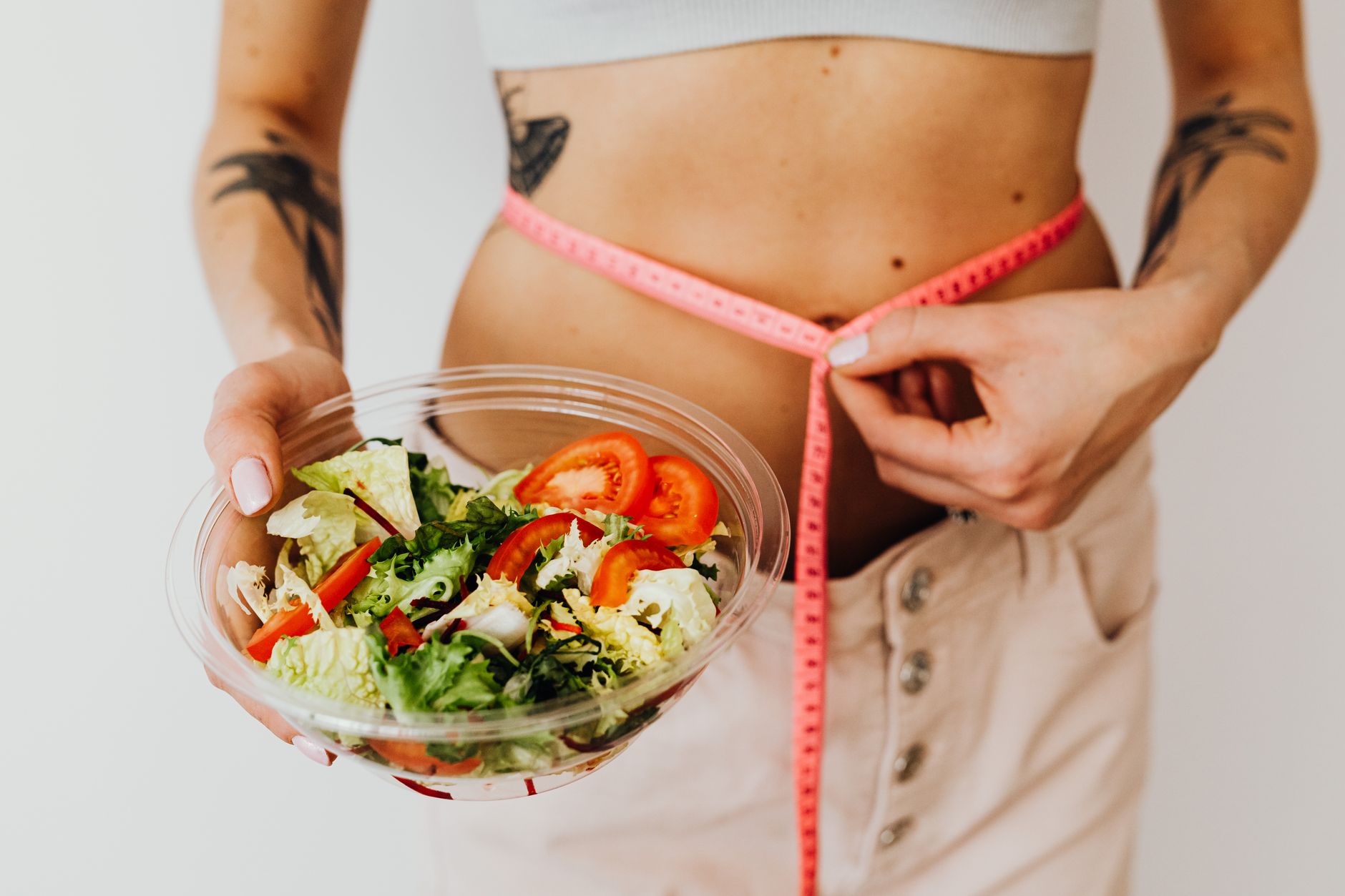
For more low-calorie, GERD-friendly meal ideas, our 7-Day Atkins Diet Meal Plan offers a structured approach—just listen to your body and adjust as needed.
---
## Common Mistakes to Avoid on a GERD-Friendly Meal Plan
Even the best meal plan can backfire if you’re not mindful of a few common pitfalls. Here’s what to watch out for:
- Skipping meals
While it might seem counterintuitive, skipping meals can actually trigger reflux. When you skip a meal, your stomach produces more acid in anticipation of food, which can lead to heartburn. Instead, opt for small, frequent meals throughout the day.
- Eating too quickly
Chewing thoroughly and eating slowly helps your stomach digest food properly. If you eat too fast, you’re more likely to swallow air, which can cause bloating and reflux. Aim to eat for at least 20 minutes per meal.
- Avoiding all fats
While high-fat foods can trigger reflux, healthy fats like those in avocados, nuts, and olive oil are essential for a balanced diet. The key is moderation—avoid fried or greasy foods, but




