Quick take:
The GAPS diet’s breakfast should be nutrient-dense, gut-friendly, and easy to digest—think scrambled eggs with bone broth, chia pudding with coconut milk, or homemade bone marrow soup. Start with the Introduction Diet phase (4–6 weeks) to ease into allowed foods like meat stocks, fermented vegetables, and soft-cooked eggs. Our 7-day GAPS meal plan can help you transition smoothly, but always check with your healthcare provider before starting any elimination diet.
What is the GAPS diet and why does breakfast matter?
It’s 6:30 a.m., your alarm just went off, and you’re staring at the fridge door like it’s a locked vault. You’ve heard the GAPS diet can heal gut issues, but you’re not sure where to even begin—especially with breakfast. Many women tell us they feel overwhelmed by the restrictions, especially when their usual oatmeal or yogurt isn’t on the list. The GAPS diet (Gut and Psychology Syndrome) isn’t just about what you eat; it’s about repairing your gut lining to improve digestion, immunity, and even mental clarity. And yes, breakfast is a critical part of that journey.
The GAPS diet is divided into two main phases: the Introduction Diet (4–6 weeks) and the Full Diet (ongoing). During the Introduction Diet, you start with simple, gut-soothing foods like bone broth, fermented vegetables, and soft-cooked eggs. The Full Diet expands to include more nutrient-dense options like meat, fish, and certain vegetables. But the key here is ease—your gut needs time to heal, so rushing into heavy meals can backfire. If you’re new to the diet, you might feel bloated or sluggish at first, which is why starting with gentle breakfasts is essential.
The GAPS diet was developed by Dr. Natasha Campbell-McBride to address conditions like autism, ADHD, depression, and chronic digestive issues. But it’s not just for people with diagnosed gut problems—many women turn to it for simpler, more nutrient-dense eating after noticing bloating, fatigue, or brain fog. The diet’s focus on fermented foods, healthy fats, and animal-based proteins aligns with the idea that your gut health directly impacts your energy levels. And if you’ve ever felt like your breakfast is just fueling a crash by noon, you know how important it is to start your day right.
So, what does a GAPS-friendly breakfast look like? It’s not about deprivation—it’s about nourishment. Think of it like building a foundation for the rest of your day. Whether you’re an athlete looking for sustained energy, a busy mom needing a quick grab-and-go option, or someone just starting their gut-healing journey, we’ve got you covered. Let’s dive into the best GAPS diet breakfast ideas to help you kickstart your day the right way.
---
Best GAPS diet breakfast recipes for weight loss
If your goal is weight loss, the GAPS diet can be a game-changer—especially when you focus on high-protein, low-carb breakfasts that keep you full and energized. The diet prioritizes whole, unprocessed foods, which naturally helps with portion control and reduces cravings for sugary or starchy snacks. Many women who’ve tried the GAPS diet report steady weight loss because the diet eliminates processed foods, refined sugars, and grains—common culprits behind bloating and cravings.
For weight loss, aim for breakfasts that are rich in protein and healthy fats but low in carbohydrates. This means steering clear of fruits (except for small amounts of berries in the Full Diet phase) and focusing on eggs, meat, fish, and dairy (if tolerated). Here are three of our favorite GAPS-friendly breakfasts that will help you stay on track while feeling satisfied:
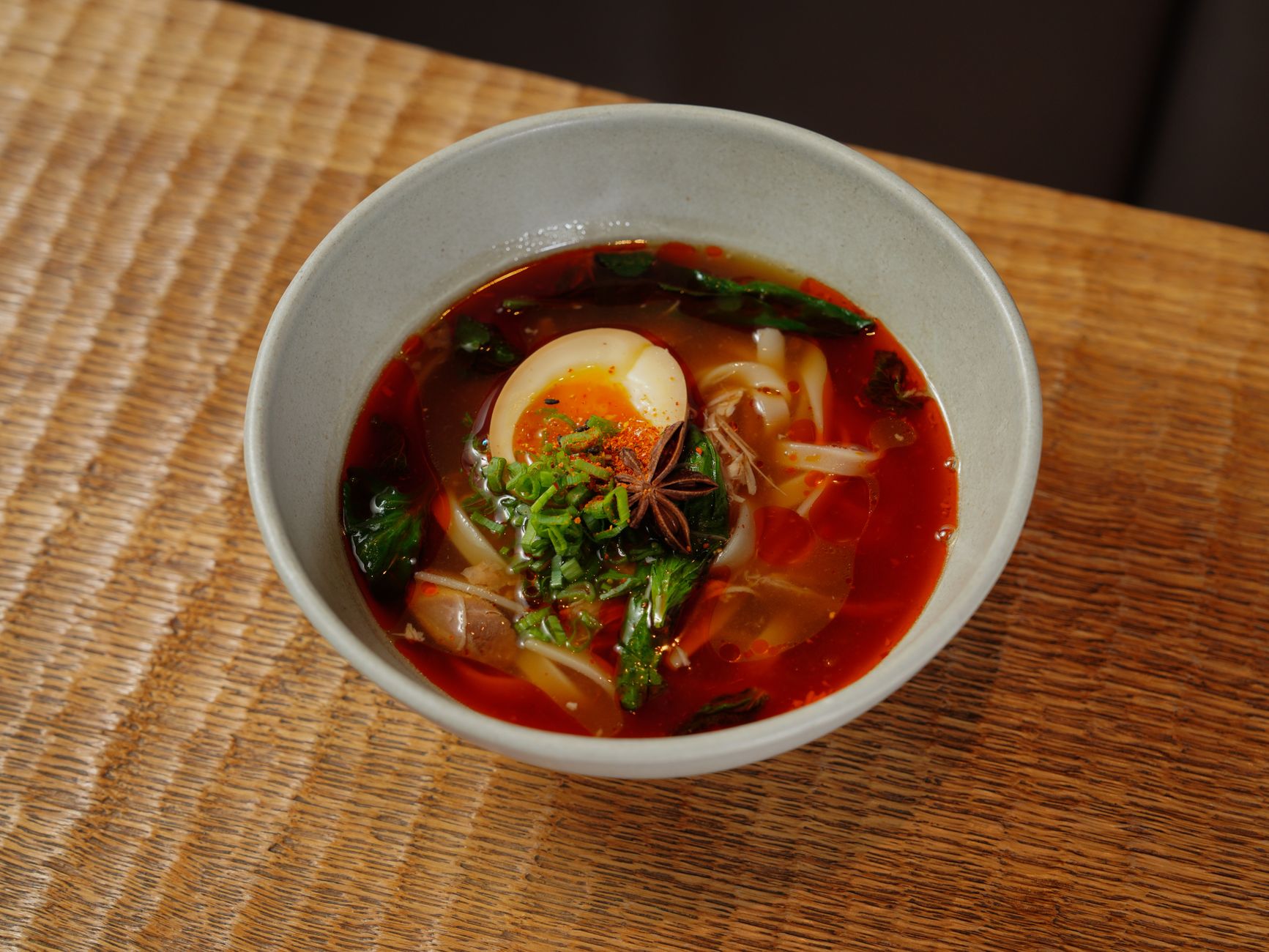
- Bone Broth Soup with Soft-Boiled Eggs
- Simmer 4 cups of bone broth (chicken or beef) with 1 tbsp of coconut oil and a pinch of sea salt for 15 minutes.
- Crack 2 eggs into a small bowl, then gently slide them into the broth using a spoon.
- Cook for 6–8 minutes until the eggs are soft-boiled but still runny.
- Serve with a sprinkle of fresh herbs (like parsley or dill) if tolerated.
- Scrambled Eggs with Sautéed Spinach and Butter
- Whisk 2 eggs with 1 tbsp of heavy cream or coconut cream.
- Sauté 1 cup of spinach in 1 tbsp of butter until wilted.
- Pour the eggs into the pan and scramble gently until just set.
- Mix the eggs with the spinach and serve with a side of avocado (if tolerated).
- Coconut Milk Chia Pudding with Cinnamon
- Mix 2 tbsp of chia seeds with 1 cup of coconut milk (full-fat) and a dash of cinnamon.
- Let it sit overnight in the fridge to thicken.
- Top with a spoonful of bone marrow or a drizzle of raw honey (in the Full Diet phase).
These breakfasts are not only delicious but also designed to keep you full for hours. The bone broth provides hydration and gut-healing collagen, while the eggs offer high-quality protein. If you’re watching your weight, portion control is key—stick to 1–2 servings of each recipe to avoid overeating.
---
GAPS diet breakfast ideas for beginners
If you’re new to the GAPS diet, the Introduction Diet phase is where you’ll start—think of it as a gentle ramp-up to the Full Diet. During this phase, you’ll avoid most vegetables, fruits, and grains, focusing instead on easy-to-digest foods like bone broth, fermented vegetables, and soft-cooked eggs. Many beginners feel anxious about what to eat, especially since their usual breakfast staples like cereal or toast aren’t allowed. But don’t worry—there are plenty of simple, nourishing options to get you started.
For beginners, the goal is to ease into the diet without overwhelming your gut. Start with small portions and gradually introduce new foods as tolerated. Here are three beginner-friendly GAPS breakfasts that are gentle on digestion and packed with nutrients:
- Bone Broth with a Soft-Boiled Egg
- Heat 1 cup of bone broth in a small pot until warm.
- Crack an egg into a bowl, then gently place it into the broth using a spoon.
- Cook for 5–6 minutes until the egg is soft but not fully set.
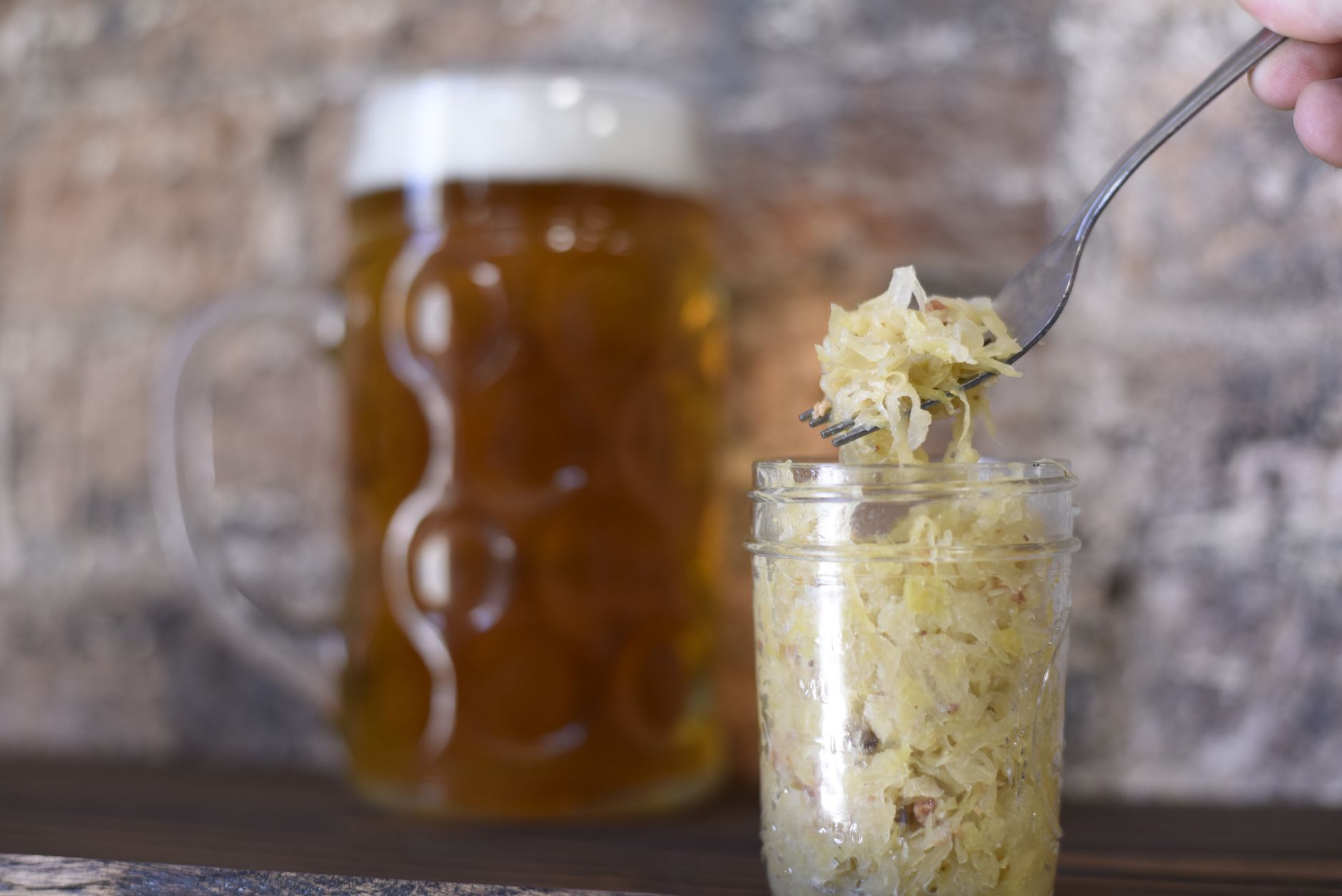
- Serve with a side of sauerkraut (fermented cabbage) for probiotics.
- Coconut Oil Scrambled Eggs
- Whisk 2 eggs with 1 tbsp of coconut oil.
- Cook in a non-stick pan over low heat until softly scrambled.
- Season with sea salt and a pinch of turmeric (if tolerated).
- Fermented Vegetables with Bone Marrow
- Serve ½ cup of sauerkraut or kimchi (fermented vegetables) as a side.
- Top with a spoonful of bone marrow for healthy fats.
These breakfasts are simple, require minimal prep, and are designed to be easy on your gut. If you’re feeling bloated or uncomfortable, slow down and focus on smaller portions. Remember, the Introduction Diet is temporary—your goal is to heal your gut, not restrict yourself indefinitely.
---
Quick GAPS diet breakfast ideas for busy mornings
Let’s be real—mornings are chaotic. Between kids, work, and a million other responsibilities, you don’t have time for a complicated breakfast routine. But the GAPS diet doesn’t have to mean spending hours in the kitchen. With a little planning, you can whip up a nourishing breakfast in under 10 minutes, even on your busiest days. Many women who follow the GAPS diet swear by meal prep and simple, no-fuss recipes that still align with the diet’s principles.
For quick breakfasts, focus on ingredients that require minimal prep and can be prepped ahead of time. Here are five of our favorite fast GAPS-friendly breakfasts:
- Hard-Boiled Eggs with Avocado (if tolerated)
- Boil 2 eggs in advance and store in the fridge.
- Peel and slice them, then serve with ¼ of an avocado.
- Season with sea salt and a sprinkle of paprika.
- Bone Broth Smoothie
- Blend 1 cup of bone broth with ½ cup of coconut milk and 1 tbsp of chia seeds.
- Add a handful of spinach (if tolerated) for extra nutrients.
- Serve chilled or over ice.
- Pre-Made Scrambled Egg Muffins
- Whisk 4 eggs with 2 tbsp of coconut oil and 1 tbsp of heavy cream.
- Pour into a muffin tin and bake at 350°F (175°C) for 15–20 minutes.
- Store in the fridge and reheat in the microwave.
- Coconut Yogurt with Chia Seeds
- Mix ½ cup of coconut yogurt with 1 tbsp of chia seeds.
- Let it sit for 5 minutes to thicken slightly.
- Top with a spoonful of bone marrow or a drizzle of raw honey (Full Diet phase).
- Fermented Vegetables with Cheese (if tolerated)
- Serve ½ cup of sauerkraut with a slice of aged cheese (like cheddar or gouda).
- Add a side of olives (if tolerated) for extra flavor.
The key to quick GAPS breakfasts is prep work. Spend 10 minutes on Sunday boiling eggs, making muffins, or prepping smoothie ingredients so you can grab and go in the morning. If you’re short on time, even a simple hard-boiled egg with avocado can be a lifesaver.

---
Nutritious GAPS diet breakfast ideas with protein
Protein is the cornerstone of the GAPS diet, especially for breakfast. It keeps you full, supports muscle repair, and provides steady energy without the crash of refined carbs. Many women struggle to get enough protein in the morning, but with the right ingredients, it’s easy to create satisfying, high-protein breakfasts that align with the GAPS diet. If you’re an athlete or simply looking to build muscle, prioritizing protein-rich foods is key.
For high-protein GAPS breakfasts, lean on eggs, meat, fish, and dairy (if tolerated). Here are five protein-packed ideas to fuel your day:
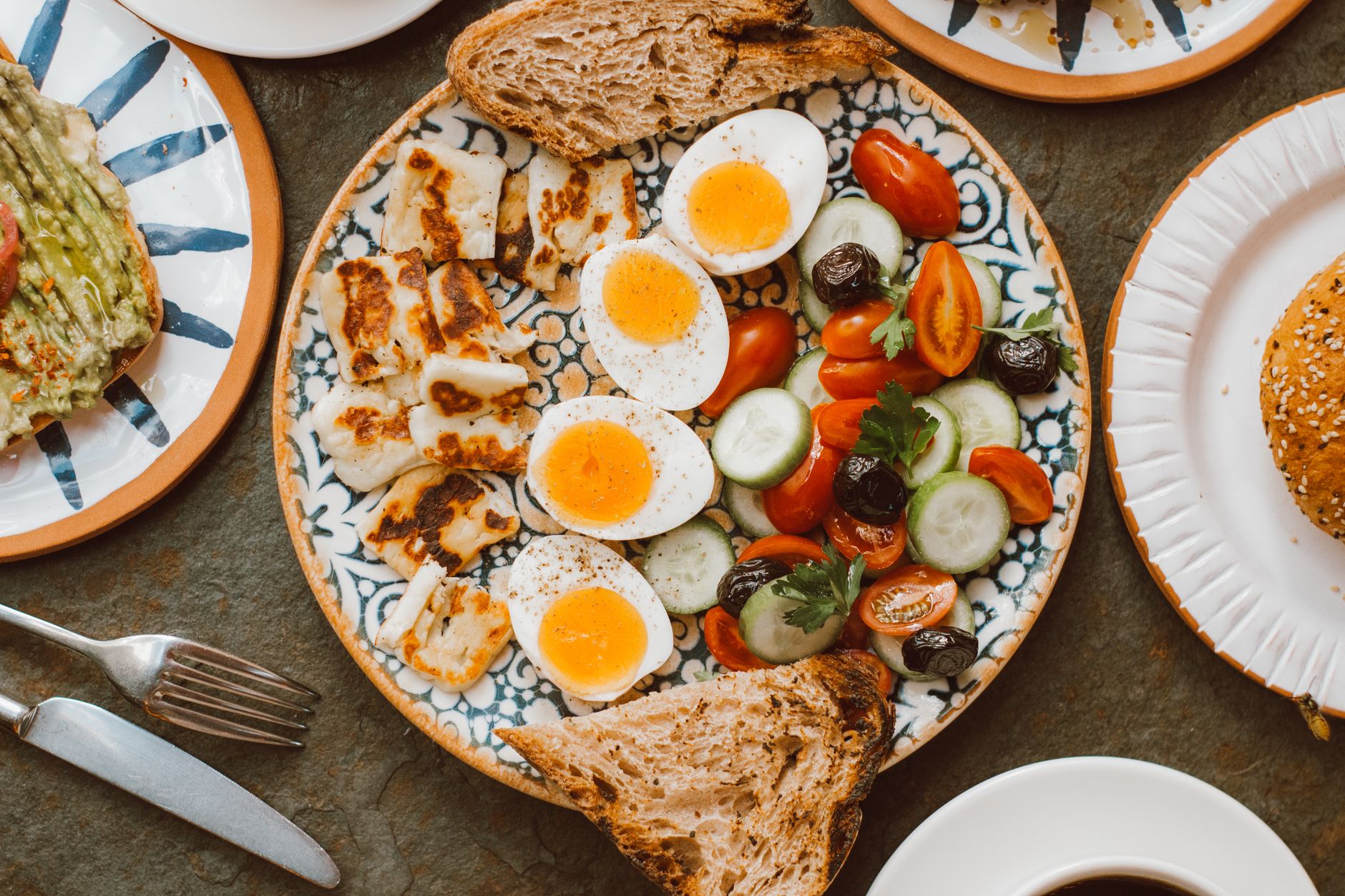
- Grilled Salmon with Soft-Boiled Eggs
- Grilled 1 salmon fillet (wild-caught if possible) and serve with 2 soft-boiled eggs.
- Drizzle with olive oil (if tolerated) and a sprinkle of sea salt.
- Beef Liver Pâté with Crackers (if tolerated)
- Blend 1 cup of cooked beef liver with 2 tbsp of bone broth until smooth.
- Serve with a side of bone marrow or a small portion of meat crackers (if tolerated in the Full Diet phase).
- Chicken and Bone Broth Soup with Eggs
- Simmer 1 cup of shredded chicken with 2 cups of bone broth and a pinch of sea salt.
- Add 2 soft-boiled eggs and cook for an additional 5 minutes.
- Serve with a side of sauerkraut.
- Cottage Cheese with Bone Marrow (if tolerated)
- Serve ½ cup of cottage cheese with a spoonful of bone marrow.
- Add a dash of cinnamon or vanilla extract (if tolerated).
- Turkey or Chicken Sausage with Eggs
- Cook 2 turkey or chicken sausages (check for no added fillers) and serve with 2 scrambled eggs.
- Add a side of sautéed spinach (if tolerated).
If you’re an athlete, aim for at least 20–30 grams of protein per breakfast to support recovery and energy levels. Pair your protein with healthy fats (like avocado or bone marrow) to ensure sustained energy throughout the morning.
---
GAPS diet breakfast ideas that are low-carb
If you’re watching your carb intake—whether for weight loss, blood sugar control, or simply to avoid digestive discomfort—the GAPS diet is naturally low-carb, especially during the Introduction Diet phase. The diet eliminates most fruits, grains, and starchy vegetables, focusing instead on protein, healthy fats, and fermented foods. For many women, this means fewer cravings and more stable energy levels throughout the day. If you’re new to low-carb eating, the transition can feel overwhelming, but the GAPS diet makes it easier by providing a clear roadmap.
Low-carb GAPS breakfasts should prioritize animal-based proteins and fats while avoiding hidden carbs. Here are five low-carb-friendly ideas:
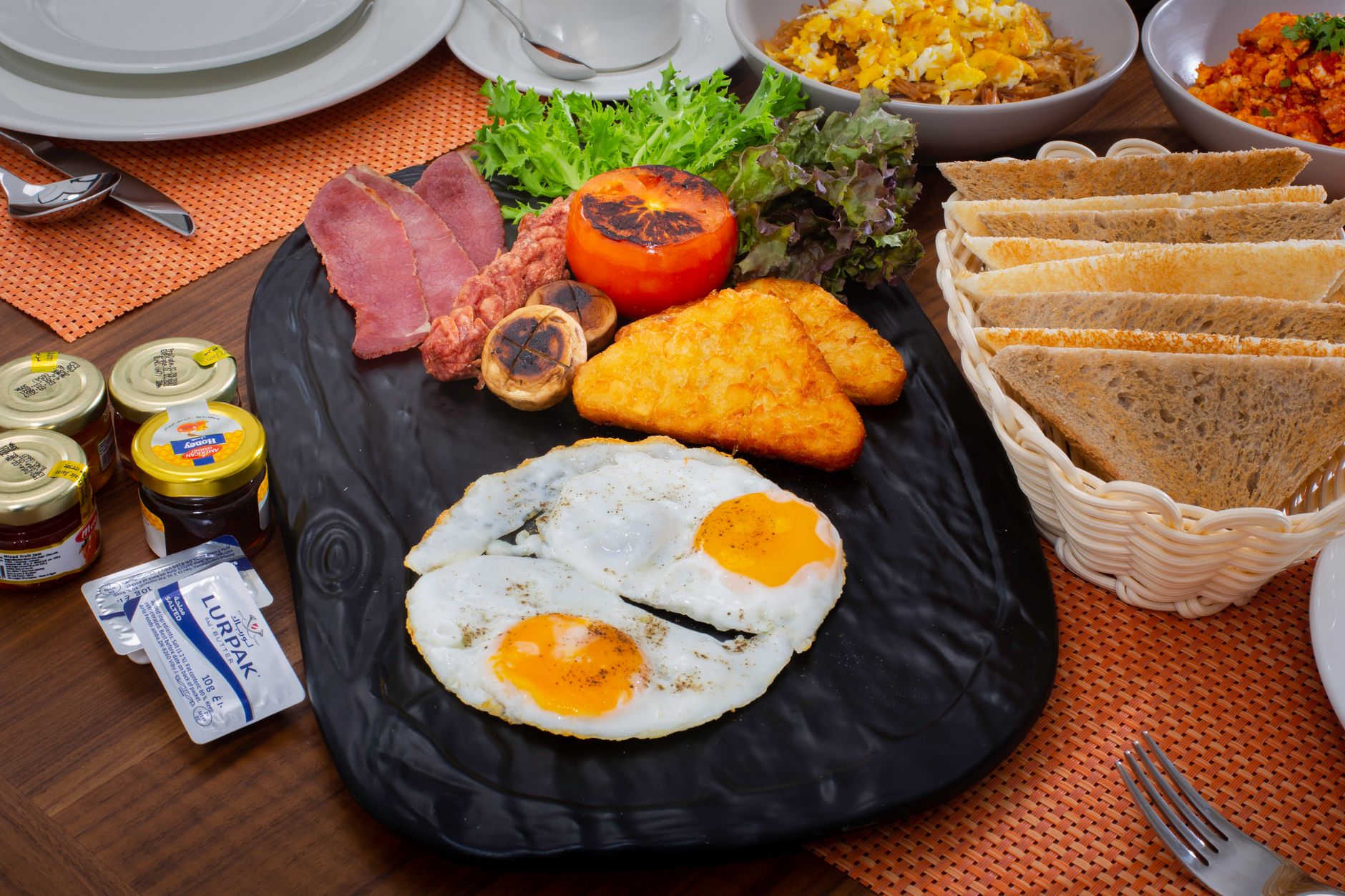
- Bacon and Eggs with Butter
- Cook 2 slices of bacon (check for no added sugar) until crispy.
- Scramble 2 eggs in butter and serve with the bacon.
- Add a side of sauerkraut for probiotics.
- Chicken Liver Pâté with Cucumber Slices (if tolerated)
- Blend 1 cup of cooked chicken liver with 2 tbsp of bone broth until smooth.
- Serve with cucumber slices (if tolerated) for a refreshing touch.
- Coconut Oil Scrambled Eggs with Avocado
- Scramble 2 eggs in coconut oil until softly set.
- Serve with ¼ of an avocado for healthy fats.
- Beef Stew with Soft-Boiled Eggs
- Simmer 1 cup of stewed beef with bone broth and a pinch of sea salt.
- Add 2 soft-boiled eggs and cook for an additional 5 minutes.
- Fermented Vegetables with Aged Cheese
- Serve ½ cup of sauerkraut with a slice of aged cheese (like cheddar or gouda).
- Add a side of olives (if tolerated) for extra flavor.
If you’re following the GAPS diet for low-carb benefits, focus on meat, eggs, and dairy (if tolerated). Avoid processed meats with added sugars or fillers, and stick to whole, unprocessed ingredients. The diet’s emphasis on healthy fats will help keep you full and energized without the need for carb-heavy snacks.
---
GAPS diet breakfast ideas for energy boost
Ever wake up feeling sluggish and exhausted, no matter how much coffee you drink? Many women struggle with low energy in the morning, and it’s often tied to poor digestion, nutrient deficiencies, or an imbalanced diet. The GAPS diet focuses on whole, nutrient-dense foods that support gut health and energy levels, but you still need to choose the right breakfasts to avoid the dreaded afternoon crash. If you’re feeling fatigued, your breakfast should include healthy fats, protein, and gut-soothing ingredients to keep you energized.
For an energy-boosting GAPS breakfast, prioritize foods that provide sustained energy without spiking your blood sugar. Here are five ideas to help you start your day with vitality:
- Bone Broth Smoothie with Coconut Milk and Chia Seeds
- Blend 1 cup of bone broth with ½ cup of coconut milk and 1 tbsp of chia seeds.
- Add a handful of spinach (if tolerated) for extra nutrients.
- Serve chilled or over ice for a refreshing start.
- Scrambled Eggs with Butter and Sea Salt
- Scramble 2 eggs in butter until softly set.
- Season with sea salt and a pinch of turmeric (if tolerated).
- Serve with a side of bone marrow for extra energy.
- Grilled Chicken with Avocado (if tolerated)
- Grilled 1 chicken breast and serve with ¼ of an avocado.
- Drizzle with olive oil (if tolerated) and a sprinkle of sea salt.
- Coconut Yogurt with Chia Seeds and Cinnamon
- Mix ½ cup of coconut yogurt with 1 tbsp of chia seeds and a dash of cinnamon.
- Let it sit for 5 minutes to thicken slightly.
- Top with a spoonful of bone marrow.
- Fermented Vegetables with Smoked Salmon
- Serve ½ cup of sauerkraut with 2 oz of smoked salmon.
- Add a side of cucumber slices (if tolerated) for hydration.
If you’re feeling fatigued, consider adding adaptogens like ashwagandha or maca (if tolerated) to your breakfast for an extra energy boost. However, always check with your healthcare provider before introducing new supplements, especially if you’re pregnant or have a medical condition.
---
How to make a GAPS diet breakfast: step-by-step guide
If you’re new to the GAPS diet, the thought of preparing a breakfast that aligns with the diet’s guidelines can feel overwhelming. But with a few simple steps, you can create nourishing, gut-friendly meals without spending hours in the kitchen. The key is to focus on easy-to-digest ingredients and keep your prep simple. Here’s a step-by-step guide to making a GAPS-friendly breakfast that’s both delicious and healing.
Step 1: Choose Your Base Ingredient
- Start with a protein source like eggs, meat, or fish. These are the foundation of most GAPS breakfasts.
- For the Introduction Diet, stick to soft-cooked eggs, bone broth, or fermented vegetables.
- In the Full Diet phase, you can expand to include more variety like grilled chicken or salmon.
Step 2: Add Healthy Fats
- Healthy fats like butter, coconut oil, olive oil (if tolerated), or bone marrow help keep you full and provide sustained energy.
- Drizzle olive oil over sautéed spinach or mix coconut oil into scrambled eggs.
- For extra flavor, add a spoonful of bone marrow or avocado (if tolerated).
Step 3: Incorporate Gut-Soothing Ingredients
- Fermented vegetables like sauerkraut or kimchi add probiotics to support gut health.
- Bone broth is another gut-soothing ingredient that’s easy to incorporate into breakfasts.
- If tolerated, add herbs like parsley or dill for extra flavor without added carbs.
Step 4: Season with Care
- Use sea salt, turmeric, or cinnamon (if tolerated) to add flavor without relying on processed spices.
- Avoid artificial sweeteners or added sugars, even in small amounts.
Step 5: Prep Ahead for Convenience
- Boil eggs in advance and store them in the fridge for quick breakfasts.
- Make a batch of bone broth smoothie ingredients and store them in the freezer.
- Pre-cut vegetables (if tolerated) for easy assembly.
By following these steps, you can create a GAPS-friendly breakfast in minutes, even on your busiest mornings. The key is to keep it simple and focus on whole, unprocessed ingredients that nourish your body and heal your gut.
---
GAPS diet breakfast ideas with eggs: 5 easy recipes
Eggs are a staple in the GAPS diet, especially during the Introduction Diet phase, because they’re easy to digest and packed with nutrients. Whether you prefer them scrambled, soft-boiled, or in a frittata, eggs are incredibly versatile and can be the perfect base for a GAPS-friendly breakfast. If you’re not sure how to incorporate eggs into your morning routine, here are five easy recipes to get you started.
1. Soft-Boiled Eggs in Bone Broth
- Heat 1 cup of bone broth in a small pot until warm.
- Crack an egg into a bowl, then gently place it into the broth using a spoon.
- Cook for 5–6 minutes until the egg is soft but not fully set.
- Serve with a sprinkle of sea salt and a side of sauerkraut.
2. Coconut Oil Scrambled Eggs
- Whisk 2 eggs with 1 tbsp of coconut oil.
- Cook in a non-stick pan over low heat until softly scrambled.
- Season with sea salt and a pinch of turmeric (if tolerated).
3. Eggs and Bone Marrow
- Scramble 2 eggs in butter until just set.
- Serve with a spoonful of bone marrow for extra healthy fats.
- Add a side of sautéed spinach (if tolerated).
4. Fermented Vegetables with Soft-Boiled Eggs
- Serve ½ cup of sauerkraut with 2 soft-boiled eggs.
- Drizzle with olive oil (if tolerated) and a sprinkle of sea salt.
5. Egg and Cheese (if tolerated) Muffins
- Whisk 3 eggs with 2 oz of aged cheese (like cheddar or gouda).
- Pour into a muffin tin and bake at 350°F (175°C) for 15–20 minutes.
- Store in the fridge and reheat in the microwave.
Eggs are one of the most versatile and nutrient-dense foods in the GAPS diet, and these recipes prove that you don’t need complicated ingredients to make a delicious breakfast. If you’re an athlete or simply looking to fuel your day, eggs provide the protein and healthy fats you need to stay energized.
---
GAPS diet breakfast ideas for athletes
If you’re an athlete following the GAPS diet, your breakfast needs to support muscle recovery, energy levels, and overall performance. The diet’s focus on whole, nutrient-dense foods makes it an excellent choice for athletes, but you’ll need to prioritize high-protein, healthy-fat breakfasts to fuel your workouts and aid recovery. Many athletes report improved digestion, reduced inflammation, and better energy levels after transitioning to the GAPS diet.
For athletes, aim for breakfasts that provide at least 20–30 grams of protein and include healthy fats for sustained energy. Here are five GAPS-friendly breakfasts designed for performance:
- Grilled Salmon with Soft-Boiled Eggs and Avocado
- Grilled 1 salmon fillet (wild-caught if possible) and serve with 2 soft-boiled eggs.
- Top with ¼ of an avocado for healthy fats.
- Drizzle with olive oil (if tolerated) and a sprinkle of sea salt.
- Beef Liver Pâté with Bone Marrow
- Blend 1 cup of cooked beef liver with 2 tbsp of bone broth until smooth.
- Serve with a spoonful of bone marrow for extra iron and healthy fats.
- Chicken and Bone Broth Soup with Eggs
- Simmer 1 cup of shredded chicken with 2 cups of bone broth and a pinch of sea salt.
- Add 2 soft-boiled eggs and cook for an additional 5 minutes.
- Serve with a side of sauerkraut for probiotics.
- Cottage Cheese with Bone Marrow and Cinnamon
- Serve ½ cup of cottage cheese with a spoonful of bone marrow.
- Add a dash of cinnamon for extra flavor.
- Turkey Sausage with Scrambled Eggs and Spinach
- Cook 2 turkey sausages (check for no added fillers) and serve with 2 scrambled eggs.
- Add a handful of sautéed spinach (if tolerated) for extra nutrients.
If you’re training intensely, consider adding collagen peptides to your breakfast for extra joint support. However, always consult with your healthcare provider or a registered dietitian before making significant changes to your diet, especially if you’re an athlete.
---
GAPS diet breakfast ideas for pregnancy
If you’re pregnant and considering the GAPS diet, it’s important to approach it with caution. While the diet can be beneficial for gut health, it’s not typically recommended during pregnancy without guidance from a healthcare provider. The GAPS diet’s elimination of many nutrient-dense foods (like certain fruits, vegetables, and grains) could potentially lead to deficiencies if not carefully managed. That said, if you’re already following the diet and want to adapt it for pregnancy, focus on nutrient-dense, easy-to-digest foods that support both you and your baby’s needs.
For pregnant women, prioritize breakfasts that are rich in folate, iron, and healthy fats. Here are five GAPS-friendly ideas that are safe and nourishing during pregnancy:
- Soft-Boiled Eggs with Avocado (if tolerated)
- Cook 2 eggs until soft-boiled and serve with ¼ of an avocado.
- Drizzle with olive oil (if tolerated) and a sprinkle of sea salt.
- Bone Broth Smoothie with Coconut Milk
- Blend 1 cup of bone broth with ½ cup of coconut milk and 1 tbsp of chia seeds.
- Add a handful of spinach (if tolerated) for extra nutrients.
- Serve chilled or over ice.
- Grilled Chicken with Sautéed Spinach
- Grilled 1 chicken breast and serve with sautéed spinach (if tolerated).
- Drizzle with olive oil (if tolerated) and a sprinkle of sea salt.
- Cottage Cheese with Bone Marrow and Cinnamon
- Serve ½ cup of cottage cheese with a spoonful of bone marrow.
- Add a dash of cinnamon for extra flavor.
- Fermented Vegetables with Smoked Salmon
- Serve ½ cup of sauerkraut with 2 oz of smoked salmon.
- Add a side of cucumber slices (if tolerated) for hydration.
If you’re pregnant and considering the GAPS diet, it’s crucial to work with your healthcare provider to ensure you’re getting all the necessary nutrients for both you and your baby. Avoid restrictive diets unless supervised by a professional, and always prioritize foods that are safe and nourishing during pregnancy.

---
GAPS diet breakfast ideas for seniors
As we age, our digestive systems can become more sensitive, and nutrient absorption may decline. The GAPS diet’s focus on gut-healing foods makes it an excellent choice for seniors looking to improve digestion, boost energy, and support overall health




