Quick take: The flexitarian diet offers a balanced approach to eating, emphasizing plant-based foods while allowing for occasional meat and dairy. For breakfast, this means enjoying nutrient-dense options like oatmeal with fruit, tofu scrambles, or yogurt with nuts, providing sustained energy and supporting overall health. It's a flexible way to boost your intake of fiber, vitamins, and minerals without strict restrictions.
Waking up and immediately thinking about what to eat can feel like a daily puzzle, especially when you're aiming for something healthy, satisfying, and not too complicated. Maybe you've heard about the flexitarian diet and are curious if it's right for you, or perhaps you're just looking for new ways to make your breakfasts more nutritious and plant-forward. Whatever your reason, you're not alone. Many women tell us they want to eat better but feel overwhelmed by rigid diet rules or simply lack inspiration for that all-important first meal of the day.
The good news is that adopting a flexitarian approach to breakfast can be surprisingly simple and incredibly rewarding. It's about finding a balance that works for your body and your lifestyle, focusing on whole, unprocessed foods that fuel you without making you feel deprived. This guide is designed to cut through the confusion and provide you with genuinely helpful, practical ideas to kickstart your mornings with delicious, flexitarian-friendly meals.
We'll dive into what makes a breakfast flexitarian, explore a variety of easy and inspiring recipes, and share tips for everything from busy mornings to budget-friendly options. Get ready to transform your breakfast routine into a source of sustained energy and joy.
Understanding the Flexitarian Diet for Breakfast: What's It All About?
At its heart, the flexitarian diet is exactly what its name suggests: flexible vegetarianism. It’s a dietary pattern that encourages eating mostly plant-based foods, including fruits, vegetables, legumes, whole grains, nuts, and seeds, while still allowing for the occasional inclusion of meat, poultry, and fish. It’s less about strict rules and more about a mindful approach to eating, shifting your plate to prioritize plants.
What are the core principles of a flexitarian diet?
The main idea behind being flexitarian is to reduce your meat intake without completely eliminating it. This makes it a sustainable and often easier diet to stick with long-term compared to strict vegetarian or vegan diets. The principles generally include:
- Eating mostly fruits, vegetables, legumes, and whole grains.
- Prioritizing plant-based protein sources over animal protein.
- Including meat and animal products in moderation, not as the main focus of every meal.
- Limiting processed foods, added sugars, and refined grains.
For breakfast, this means thinking beyond bacon and eggs every day. It's an opportunity to experiment with plant-based proteins, fiber-rich grains, and a rainbow of fruits and vegetables to start your day strong.
What are the nutritional benefits of a flexitarian breakfast?
Shifting towards a plant-forward breakfast offers a wealth of health benefits, supported by organizations like the Academy of Nutrition and Dietetics. When you choose a flexitarian breakfast, you're typically increasing your intake of:
- Fiber: Found in whole grains, fruits, vegetables, and legumes, fiber is crucial for digestive health, blood sugar regulation, and feeling full longer.
- Vitamins and Minerals: Plant foods are packed with essential nutrients like Vitamin C, potassium, folate, and magnesium, which are vital for everything from immune function to bone health.
- Antioxidants: These compounds, abundant in plants, help protect your cells from damage and may reduce the risk of chronic diseases.
- Healthy Fats: Nuts, seeds, and avocados provide monounsaturated and polyunsaturated fats, beneficial for heart health and brain function.
By focusing on these nutrient-dense foods, a flexitarian breakfast can contribute to better weight management, improved heart health, and reduced risk of type 2 diabetes and certain cancers. It’s a powerful way to nourish your body right from the start of your day.
What foods are allowed on a flexitarian breakfast?
The beauty of the flexitarian diet is its flexibility! For breakfast, this means a wide array of delicious options. You're encouraged to enjoy:
- Whole Grains: Oats, quinoa, whole-wheat bread, whole-grain cereals.
- Fruits: Berries, bananas, apples, oranges, melon, grapes – fresh or frozen.
- Vegetables: Spinach, kale, mushrooms, peppers, onions, tomatoes (think omelets, scrambles, or breakfast bowls).
- Legumes: Black beans, lentils, chickpeas (great in savory breakfast dishes).
- Nuts and Seeds: Almonds, walnuts, chia seeds, flax seeds, hemp seeds, pumpkin seeds.
- Plant-Based Proteins: Tofu, tempeh, plant-based yogurts, protein powders.
- Dairy/Dairy Alternatives: Cow's milk, Greek yogurt, or plant milks (almond, soy, oat), plant-based yogurts.
- Eggs: In moderation, as a source of protein.
- Small amounts of lean meat/fish: For example, a slice of turkey bacon or smoked salmon occasionally.
The goal is to make plants the star, with animal products playing a supporting role, if any. This broad allowance means you'll rarely feel restricted and can easily adapt your breakfasts to your tastes and what you have on hand.
Easy Flexitarian Breakfast Ideas for Beginners
Starting a new eating pattern can feel daunting, but flexitarian breakfasts are surprisingly simple to integrate into your routine. The key is to begin with familiar foods and gradually introduce more plant-based variety. You don't need exotic ingredients or complicated cooking techniques to create a nourishing and delicious morning meal.
Simple steps to a flexitarian breakfast
If you're just dipping your toes into flexitarian eating, here are a few straightforward ideas to get you started:
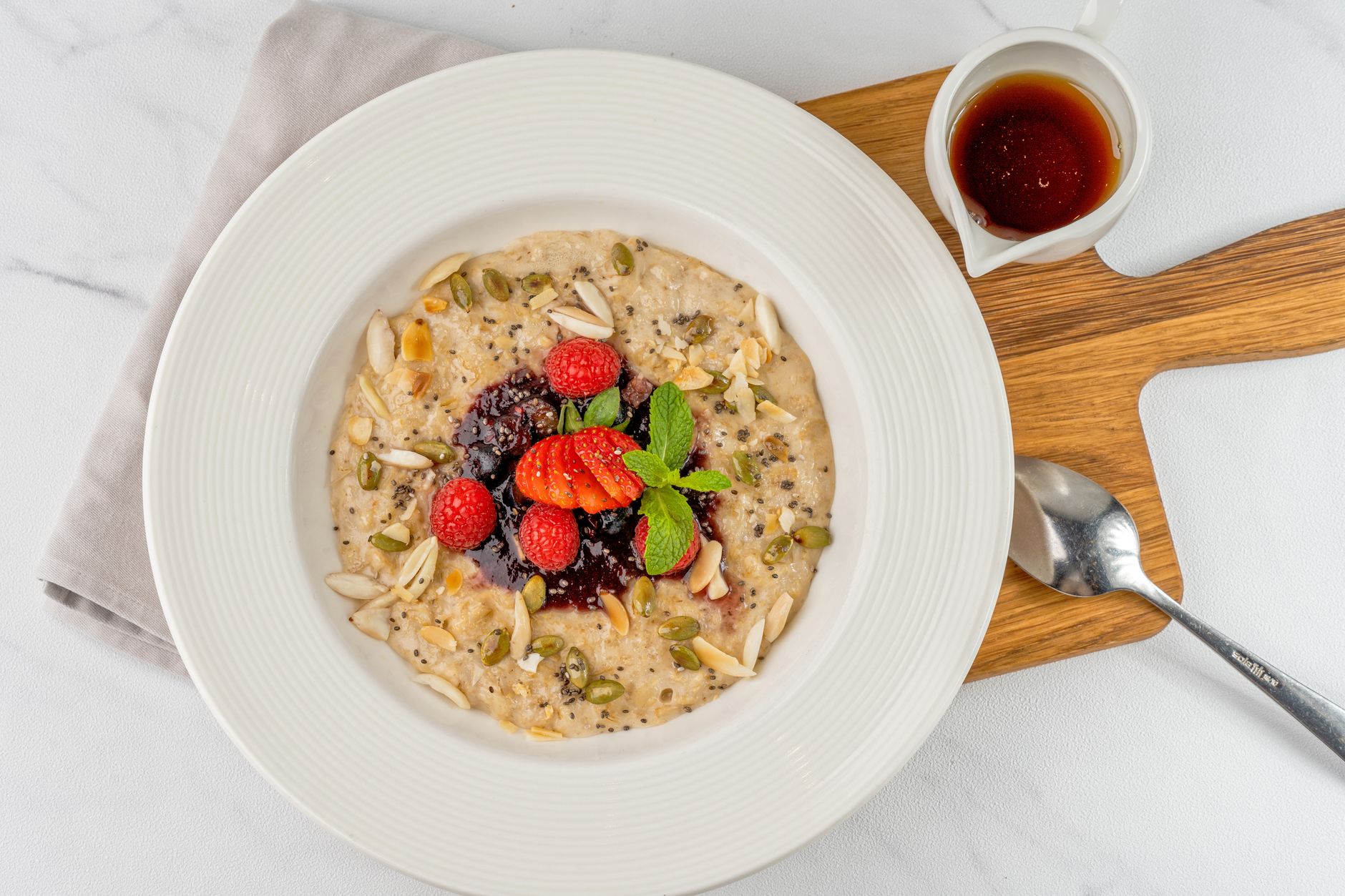
- Oatmeal Power-Up: This classic is a flexitarian superstar. Cook rolled oats with water or your favorite plant-based milk (almond, oat, soy). Once cooked, stir in some ground flax seeds or chia seeds for extra fiber and omega-3s. Top with fresh or frozen berries, a handful of chopped nuts (almonds or walnuts work well), and a drizzle of maple syrup or a dash of cinnamon. For a protein boost, you can stir in a spoonful of your favorite plant-based protein powder.
- Yogurt Parfait Perfection: Layer plain Greek yogurt (dairy or plant-based) with granola, fresh fruit (like sliced bananas or peaches), and a sprinkle of hemp seeds. Greek yogurt is naturally high in protein, making this a satisfying option. If you're exploring other low carb diet breakfast ideas, plain Greek yogurt is often a great choice.
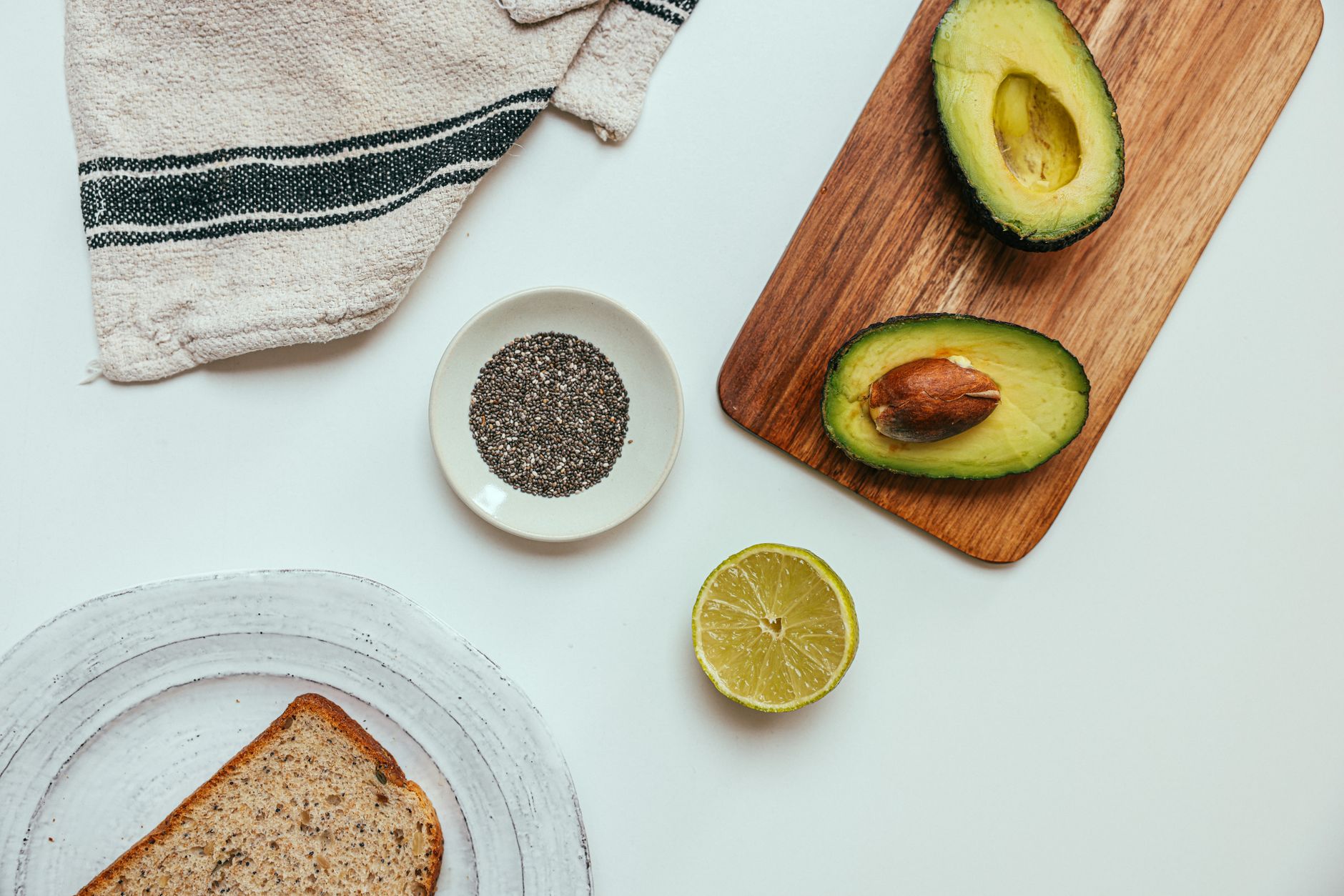
- Avocado Toast with a Twist: Mash half an avocado onto a slice of whole-grain toast. Season with salt, pepper, and a pinch of red pepper flakes. For added protein and nutrients, top with a sprinkle of everything bagel seasoning, cherry tomato slices, or even a few roasted chickpeas.
- Fruit & Nut Butter Smoothie: Blend a banana, a cup of spinach (you won't taste it, promise!), a scoop of your favorite nut butter (peanut, almond, or cashew), and a cup of plant-based milk. You can also add chia seeds or a scoop of plant-based protein powder for extra staying power. This is perfect for mornings when you're short on time but still want something substantial.
These ideas are easy to customize based on what you have in your fridge and pantry, making them perfect for beginners who want to build confidence in their flexitarian journey.
High-Protein Flexitarian Breakfast Recipes to Keep You Full
Protein is essential for satiety, muscle repair, and maintaining stable blood sugar levels, especially important for women navigating various life stages. A high-protein breakfast can help prevent that mid-morning slump and reduce cravings later in the day. While eggs and lean meats are options, there are plenty of plant-based ways to pack protein into your flexitarian breakfast.
Plant-powered protein breakfasts
- Tofu Scramble with Veggies: This is a fantastic plant-based alternative to scrambled eggs. Crumble firm or extra-firm tofu into a pan with a little olive oil. Sauté with onions, bell peppers, spinach, and mushrooms. Season with nutritional yeast (for a cheesy flavor), turmeric (for color), salt, and pepper. Serve with a slice of whole-grain toast or a side of black beans for even more protein and fiber.
- Lentil or Black Bean Breakfast Bowl: Cooked lentils or black beans can be surprisingly delicious in a savory breakfast bowl. Combine warm lentils or black beans with roasted sweet potatoes, a handful of fresh greens, and a dollop of salsa or avocado. You can even top it with a fried egg if you're including animal protein occasionally.
- Quinoa Porridge with Nuts and Seeds: Quinoa isn't just for lunch or dinner. Cook quinoa with water or plant milk until creamy, much like oatmeal. Sweeten with a touch of maple syrup, and load it with protein-rich toppings like chopped almonds, walnuts, pumpkin seeds, and a scoop of almond butter. Quinoa is a complete protein, meaning it contains all nine essential amino acids.
- High-Protein Smoothie with Plant-Based Powder: For a quick and easy option, blend plant-based protein powder (pea, soy, or hemp protein are great choices) with spinach, a banana, a tablespoon of chia seeds, and unsweetened almond milk. This delivers a significant protein punch and can be customized with other fruits or a spoonful of nut butter.
Focusing on these protein-rich options ensures you start your day feeling satisfied and energized, ready to tackle whatever comes your way.
Delicious Plant-Based Flexitarian Breakfast Options
Embracing the plant-based side of flexitarianism opens up a world of vibrant, flavorful, and incredibly healthy breakfast choices. These options are naturally rich in fiber, vitamins, and antioxidants, making them excellent for gut health and overall well-being. You might even find yourself preferring these colorful, fresh meals!
Creative plant-forward mornings
- Chia Seed Pudding: A true overnight hero! Combine 2-3 tablespoons of chia seeds with 1 cup of plant-based milk (like almond or oat milk), a teaspoon of sweetener (maple syrup or agave), and a dash of vanilla extract in a jar. Stir well, then refrigerate overnight. By morning, you'll have a thick, pudding-like consistency. Top with fresh berries, sliced mango, toasted coconut flakes, or a sprinkle of granola. Chia seeds are packed with fiber, omega-3s, and protein.
- Vegan Breakfast Burrito: Fill a whole-wheat tortilla with a savory tofu scramble (as described above), black beans, corn, salsa, and sliced avocado. This is a hearty and portable option that's incredibly satisfying. You can also add roasted vegetables like sweet potato or bell peppers for extra flavor and nutrients.
- Overnight Oats with Fruit and Nuts: Similar to traditional oatmeal but requires no cooking! Combine rolled oats, plant-based milk, chia seeds, and your chosen sweetener in a jar. Stir well and refrigerate overnight. In the morning, simply add your favorite toppings like sliced apples, cinnamon, raisins, or a dollop of nut butter. For more diverse morning ideas, explore other Dash diet breakfast ideas, many of which are naturally plant-forward.
- Sweet Potato Hash with Kale: Cube sweet potatoes and sauté them with onions, bell peppers, and kale until tender. Season with smoked paprika, garlic powder, salt, and pepper. This savory, nutrient-dense meal can be surprisingly quick if you prep the chopping beforehand, and it makes excellent leftovers.
These plant-based options prove that going meat-free for breakfast can be both exciting and incredibly delicious, offering a fresh start to your day.
Quick Flexitarian Breakfast Ideas for Busy Mornings
We've all been there: the alarm goes off, and suddenly you have five minutes to get ready before rushing out the door. Healthy eating shouldn't add to your morning stress. The key to quick flexitarian breakfasts is smart planning and choosing ingredients that require minimal prep. Think grab-and-go options that don't compromise on nutrition.
Breakfast in a flash
- Pre-Made Smoothie Packs: Prepare individual freezer bags with chopped fruit (like banana, berries, mango), a handful of spinach, and a scoop of plant-based protein powder. In the morning, just dump the contents into a blender, add liquid (plant milk or water), and blend. You’ll have a nutritious smoothie in under two minutes.
- Microwaveable Oatmeal with Instant Toppings: Keep instant oats on hand. Cook according to package directions with water or milk. While it's cooking, grab pre-portioned toppings like a small container of mixed nuts and seeds, and a handful of dried fruit (raisins, cranberries). No chopping, no fuss.
- Nut Butter & Banana Sandwich on Whole-Wheat Toast: This classic is quick and satisfying. Toast a slice of whole-wheat bread, spread with your favorite nut butter, and top with sliced banana. A sprinkle of chia seeds adds extra nutrients without extra time.
- Yogurt with Granola and Berries: Keep individual servings of plain Greek yogurt (dairy or plant-based) in your fridge. Grab one, add a small container of granola, and a handful of fresh or frozen berries. This takes seconds to assemble and offers protein, fiber, and healthy fats.
- Hard-Boiled Eggs (Pre-cooked) with Fruit: Boil a batch of eggs on Sunday for the week. In the morning, peel one or two, and pair them with an apple or a banana. This is a protein-packed, no-cook option that’s incredibly convenient. While eggs are allowed on a flexitarian diet, if you're exploring other high-fat, low-carb options, remember there are also keto diet breakfast ideas that lean heavily on eggs and fats.
With a little foresight, even the busiest mornings can start with a healthy, flexitarian meal that keeps you fueled and focused.
Budget-Friendly Flexitarian Breakfast Meals
Eating well doesn't have to break the bank. Many staple flexitarian ingredients are naturally affordable, especially when you focus on whole foods and smart shopping strategies. The trick is to prioritize seasonal produce, buy in bulk when sensible, and rely on inexpensive, nutrient-dense pantry items.
Saving money while eating well
- Oats, Beans, and Lentils: These are your best friends for budget-friendly meals. A large container of rolled oats is incredibly cheap and forms the base for countless breakfasts. Dried beans and lentils are even more economical than canned and can be cooked in large batches to use throughout the week in savory scrambles or bowls.
- Seasonal Fruits and Vegetables: Buying produce when it's in season is almost always cheaper and often tastes better. Frozen fruits and vegetables are also excellent, budget-friendly alternatives, especially for smoothies or oatmeal, and they retain their nutritional value.
- DIY Granola: Store-bought granola can be pricey. Making your own is simple, cheaper, and allows you to control the ingredients. Combine rolled oats, nuts, seeds, a little oil, and a sweetener, then bake until golden. Store in an airtight container for weeks.
- Bulk Buying Staples: Purchase larger bags of rolled oats, dried beans, rice, and nuts/seeds from bulk bins or warehouse stores. Just be sure you'll use them before they expire.
- Water as Your Base: While plant milks are great, using water to cook oatmeal or blend smoothies can save money and still deliver a satisfying meal, especially when paired with flavorful fruits and spices.
Here are some specific budget-friendly ideas:
- Simple Oatmeal with Banana and Cinnamon: Cooked oats with a sliced banana and a sprinkle of cinnamon is incredibly cheap, filling, and nutritious.
- Peanut Butter Toast with Sliced Apple: Whole-wheat toast with affordable peanut butter and a seasonal apple is a quick and protein-packed option.
- Bean and Veggie Hash: Sauté canned black beans with leftover cooked potatoes (or inexpensive fresh potatoes), onions, and any wilting veggies from your fridge. Top with a dollop of salsa.
With a little planning, you can enjoy delicious and wholesome flexitarian breakfasts without straining your wallet. For those interested in very specific carnivore diet breakfast ideas, the budget considerations are quite different, often involving bulk meat purchases, but for flexitarianism, plants offer a lot of bang for your buck.
Flexitarian Breakfast Ideas for Pregnancy: Nourishing You and Baby
Pregnancy is a time when nutrition takes center stage, as you're nourishing both yourself and your growing baby. A flexitarian approach to breakfast can be incredibly beneficial, providing a wide range of essential nutrients while often being gentle on a sensitive stomach. However, it's crucial to ensure you're getting enough of specific nutrients vital during this time, such as folate, iron, calcium, and omega-3 fatty acids.
Key considerations for pregnancy breakfasts
When planning flexitarian breakfasts during pregnancy, keep these points in mind, and always consult with your OB/GYN or a registered dietitian for personalized advice, as recommended by the American College of Obstetricians and Gynecologists (ACOG):
- Folate Power: Folate is critical for preventing neural tube defects. Include foods like fortified cereals, spinach, avocado, and lentils in your breakfast.
- Iron Boost: Iron needs increase significantly during pregnancy. Pair iron-rich plant foods (like fortified oats, spinach, black beans) with Vitamin C sources (berries, citrus) to enhance absorption. Eggs also provide iron.
- Calcium and Vitamin D: Essential for baby's bone development. Opt for fortified plant milks, yogurt (dairy or fortified plant-based), and calcium-set tofu.
- Omega-3s: Important for brain and eye development. Chia seeds, flax seeds, walnuts, and fortified eggs (if consumed) are good sources.
- Fiber for Digestion: Pregnancy can bring on constipation. High-fiber flexitarian breakfasts (whole grains, fruits, vegetables) are your friend.
- Managing Nausea: Bland, easy-to-digest foods like plain oatmeal, dry whole-grain toast, or simple fruit smoothies might be best during the first trimester.
Recommended pregnancy-friendly flexitarian breakfasts
- Supercharged Oatmeal: Cook oats with fortified plant milk, stir in ground flax seeds or chia seeds for omega-3s, and top with berries (for folate and Vitamin C) and chopped walnuts.
- Spinach & Feta Scramble (or Tofu Scramble): Eggs provide protein and iron. Add spinach for folate and iron, and a sprinkle of feta for calcium. If plant-based, a tofu scramble with spinach and fortified nutritional yeast works well.
- Yogurt Parfait with Fruit & Nuts: Layer plain Greek yogurt (dairy or fortified plant-based) with high-fiber granola, mixed berries, and a sprinkle of pumpkin seeds (for iron and magnesium).
- Whole-Wheat Toast with Avocado and Tomatoes: Avocado provides healthy fats and folate, while tomatoes offer Vitamin C. You can add a sprinkle of hemp seeds for extra protein and omega-3s.
Remember to listen to your body and choose foods that feel good. Staying hydrated is also key!
Meal Prep Tips for Stress-Free Flexitarian Breakfasts
The secret weapon for consistently healthy breakfasts, especially with a flexitarian focus, is meal prepping. By dedicating a little time on the weekend or a free evening, you can set yourself up for a week of quick, delicious, and nutritious mornings. This takes the guesswork and stress out of daily breakfast decisions.
Your meal prep playbook
Here’s how to make flexitarian breakfast meal prep work for you:
- Batch Cook Grains: Cook a large batch of quinoa or rolled oats at the beginning of the week. Store in individual portions in the fridge. These can be quickly reheated with milk or water, or used cold as a base for parfaits.
- Chop Fruits and Veggies: Wash and chop fruits (like melon, berries, apples) and vegetables (bell peppers, onions, spinach) that you plan to use in smoothies, scrambles, or oatmeal toppings. Store them in airtight containers in the fridge. For smoothies, you can even create individual freezer bags with pre-portioned fruit and greens.
- Make Overnight Oats or Chia Pudding: Prepare several jars of overnight oats or chia seed pudding on Sunday. They'll be ready to grab and eat straight from the fridge each morning. You can vary the flavors by adding different fruits or spices to each jar.
- Hard-Boil Eggs: If you include eggs, boil a dozen at once. They'll keep in the fridge for up to a week, providing a quick source of protein for busy mornings.
- Prepare Dry Mixes: For quick oatmeal or smoothie bowls, combine dry ingredients like oats, nuts, seeds, and spices in individual containers. In the morning, just add wet ingredients and cook or blend.
- Bake Breakfast Muffins or Egg Bites: Make a batch of whole-grain muffins with fruit and nuts, or savory egg/tofu bites packed with veggies. These are excellent for grab-and-go options and can often be frozen and reheated.
- Wash and Store Greens: Wash and dry a large bag of spinach or kale to easily toss into smoothies, scrambles, or serve as a side.
By investing a small amount of time in meal prep, you'll find your mornings much smoother and your commitment to flexitarian eating much easier to maintain.
Foods to Enjoy and Foods to Limit on a Flexitarian Breakfast
Understanding which foods to prioritize and which to moderate is key to a successful flexitarian breakfast. This isn't about strict rules but about making informed choices that align with the diet's plant-forward principles and promote optimal health.
Foods to enjoy abundantly
- Whole Grains: Rolled oats, steel-cut oats, quinoa, whole-wheat bread, whole-grain cereals (look for low sugar). These provide complex carbohydrates for sustained energy and plenty of fiber.
- Fruits: All fresh, frozen, or unsweetened dried fruits. Berries, bananas, apples, oranges, peaches, and melon are excellent sources of vitamins, minerals, and antioxidants.
- Vegetables: Spinach, kale, bell peppers, onions, mushrooms, tomatoes, sweet potatoes. Incorporate them into scrambles, hashes, or smoothies.
- Legumes: Black beans, lentils, chickpeas. Great for savory breakfast bowls, burritos, or added to hashes.
- Nuts and Seeds: Almonds, walnuts, chia seeds, flax seeds, hemp seeds, pumpkin seeds, nut butters. These offer healthy fats, protein, and fiber.
- Plant-Based Milks and Yogurts: Unsweetened almond, soy, oat, or cashew milk; plant-based yogurts (coconut, soy, almond). Check labels for added sugars.
- Tofu and Tempeh: Versatile plant proteins for scrambles, or marinated and added to breakfast bowls.
- Herbs and Spices: Cinnamon, turmeric, ginger, paprika, garlic powder, fresh herbs. These add flavor without extra calories or unhealthy additives.
Foods to limit or enjoy in moderation
- Processed Meats: Bacon, sausage, deli meats. These are often high in saturated fat and sodium and should be consumed rarely, if at all.
- Refined Grains: White bread, sugary cereals, pastries, muffins, pancakes made with white flour. These offer little fiber and can lead to blood sugar spikes.
- Added Sugars: Syrups, sugary yogurts, sweetened coffee drinks. Opt for natural sweeteners like fruit or a small amount of maple syrup/honey.
- Full-Fat Dairy: While some dairy is allowed, excessive amounts of full-fat cheese or cream can add saturated fats. Choose lower-fat or plant-based alternatives more often.
- Butter and Margarine: Use sparingly; opt for healthier fats like avocado or olive oil.
- Eggs: While nutritious, the flexitarian approach suggests moderating animal products. Aim for a few times a week rather than daily.
Sample 7-Day Flexitarian Breakfast Meal Plan
This sample meal plan offers a mix of sweet and savory, quick and slightly more involved flexitarian breakfast ideas to inspire your week. Feel free to swap days or ingredients based on your preferences and what's available.
Common Mistakes to Avoid with Flexitarian Breakfasts
While the flexitarian diet is designed for flexibility, there are a few common pitfalls that can undermine its health benefits, particularly at breakfast. Being aware of these can help you stay on track and ensure you're truly nourishing your body.
- Relying Too Heavily on Processed "Plant-Based" Foods: Just because something is labeled "vegan" or "plant-based" doesn't automatically make it healthy. Many plant-based breakfast cereals, pastries, or meat substitutes are highly processed, high in sugar, sodium, or unhealthy fats. Always check ingredient lists and prioritize whole, minimally processed foods.
- Not Getting Enough Protein: When reducing meat, it's easy to accidentally reduce your overall protein intake. Protein is crucial for satiety and muscle maintenance. Make sure to actively incorporate plant-based protein sources like tofu, tempeh, legumes, nuts, seeds, and plant-based protein powders into your breakfasts. Without enough protein, you might find yourself feeling hungry again too soon.
- Forgetting About Healthy Fats: Healthy fats are vital for hormone production, nutrient absorption, and feeling satisfied. Don't shy away from sources like avocado, nuts, seeds, and nut butters in your breakfast. They contribute to the overall nutritional value and can prevent you from reaching for less healthy snacks later.
- Falling into a Rut: Eating the same thing every day can lead to nutrient deficiencies over time and simply become boring. The flexitarian diet encourages variety! Experiment with different fruits, vegetables, grains, and protein sources to ensure you're getting a broad spectrum of nutrients and keeping your taste buds happy.
- Ignoring Fiber: One of the biggest benefits of a plant-forward diet is increased fiber. If your flexitarian breakfast consists mainly of refined grains and fruit juice, you're missing out. Prioritize whole grains, whole fruits, vegetables, and legumes to maximize your fiber intake for digestive health and sustained energy.
Myth vs. Fact: Flexitarian Breakfasts
There are often misconceptions about flexible eating patterns. Let's clear up some common myths about flexitarian breakfasts.
Myth: A flexitarian breakfast is just a vegetarian breakfast with occasional meat.
Fact: While it often looks like a vegetarian breakfast, the core principle is about *reducing* meat consumption and *prioritizing* plants, not necessarily eliminating meat entirely. It's a spectrum, allowing for more animal products than a vegetarian diet but still fundamentally plant-focused. It's about a conscious shift, not just "cheat days."
Myth: Eating a flexitarian breakfast means I'll always be hungry.
Fact: Quite the opposite! When properly balanced, flexitarian breakfasts are incredibly satisfying. By focusing on whole grains, fiber-rich fruits and vegetables, healthy fats, and ample plant-based protein (like chia seeds, nuts, tofu, or legumes), you'll often feel fuller for longer than with a traditional, less balanced breakfast. The fiber and protein are key for satiety.
Myth: Flexitarian breakfasts are too expensive and require special ingredients.
Fact: Many staple flexitarian ingredients are very affordable, especially pantry items like oats, beans, lentils, and seasonal produce. While you *can* buy specialty plant-based products, the diet thrives on simple, whole foods. In fact, reducing meat consumption can often lead to savings on your grocery bill.
Key Takeaways
- The flexitarian diet emphasizes plant-based foods while allowing for occasional meat, offering a flexible and sustainable approach to healthy eating.
- Flexitarian breakfasts are rich in fiber, vitamins, minerals, antioxidants, and healthy fats, supporting digestion, energy, and overall health.
- Prioritize whole grains, fruits, vegetables, legumes, nuts, and seeds as the foundation of your morning meals.
- Incorporate diverse protein sources like tofu, tempeh, Greek yogurt, eggs (in moderation), and plant-based protein powders to ensure satiety.
- Meal prepping by batch cooking grains, chopping produce, and making overnight options can save significant time on busy mornings.
- For pregnancy, focus on nutrient-dense options rich in folate, iron, calcium, and omega-3s, and always consult your healthcare provider.
Frequently Asked Questions
What is a good flexitarian breakfast?
A good flexitarian breakfast is one that's primarily plant-based, rich in whole grains, fruits, and vegetables, and includes a source of protein and healthy fats. Examples include oatmeal with berries and nuts, a tofu or egg scramble with plenty of vegetables, or a plant-based yogurt parfait with granola and seeds. The best options are those that keep you full and energized without feeling heavy.
What can you eat for breakfast on a flexitarian diet?
You can eat a wide variety of foods on a flexitarian breakfast! Think whole grains like oats or whole-wheat toast, any type of fruit, a diverse range of vegetables (spinach, peppers, mushrooms), legumes (black beans, lentils), nuts, and seeds. Plant-based milks and yogurts are encouraged, and eggs or small amounts of lean meat can be included occasionally.
Is oatmeal flexitarian?
Yes, absolutely! Oatmeal is a cornerstone of a flexitarian breakfast. Made from whole grains, it's rich in fiber and can be easily customized with plant-based milks, fruits, nuts, and seeds to create a nutritious and satisfying meal. It embodies the plant-forward principles of the flexitarian diet perfectly.
What are the rules of a flexitarian diet?
The flexitarian diet doesn't have strict rules but rather guidelines. The main principle is to eat mostly plant-based foods (fruits, vegetables, whole grains, legumes, nuts, seeds) and limit meat consumption. There's no set amount of meat you *must* eat or avoid; it's about being flexible and choosing plant-rich meals more often. It also encourages limiting processed foods and added sugars.
What is a typical flexitarian meal?
A typical flexitarian meal, whether breakfast, lunch, or dinner, centers around plants. For breakfast, this might be a large bowl of oatmeal with fruit and nuts. For lunch, a big salad with lentils or chickpeas and some grilled chicken. For dinner, a vegetable curry with rice, or a stir-fry with tofu and a small serving of fish. The plant component always takes center stage.
Is flexitarian diet good for pregnancy?
Yes, a well-planned flexitarian diet can be very beneficial during pregnancy. It naturally emphasizes nutrient-dense foods rich in fiber, vitamins, and minerals essential for both mother and baby. However, it's crucial to ensure adequate intake of key nutrients like folate, iron, calcium, and omega-3s, potentially through fortified foods or supplements as advised by your OB/GYN or a registered dietitian.
When to See a Doctor or Specialist
This article provides general information and is not a substitute for professional medical advice. While the flexitarian diet is generally safe and beneficial for most individuals, there are times when consulting a healthcare professional is important.
You should talk to your doctor, an OB/GYN (especially if pregnant or planning pregnancy), or a registered dietitian if:
- You have underlying health conditions (e.g., diabetes, kidney disease, digestive disorders) that might be affected by dietary changes.
- You are pregnant, breastfeeding, or trying to conceive, to ensure your nutritional needs are fully met and to discuss any specific dietary concerns.
- You experience persistent digestive issues, unexplained fatigue, or any new or worsening symptoms after changing your diet.
- You are considering significant dietary changes and want personalized guidance to ensure you are meeting all your nutritional requirements.
- You have concerns about potential nutrient deficiencies, especially if you are significantly reducing or eliminating entire food groups.
Always seek the advice of a qualified health professional for any questions you may have regarding a medical condition or before making any changes to your diet or treatment plan.
References
- Academy of Nutrition and Dietetics. (n.d.). Eat Right. Retrieved from https://www.eatright.org/
- American College of Obstetricians and Gynecologists (ACOG). (n.d.). ACOG.org. Retrieved from https://www.acog.org/
- Harvard T.H. Chan School of Public Health. (n.d.). The Nutrition Source. Retrieved from https://www.hsph.harvard.edu/nutritionsource/
- Mayo Clinic. (n.d.). Flexitarian diet: A healthier way to eat? Retrieved from https://www.mayoclinic.org/healthy-lifestyle/nutrition-and-healthy-eating/in-depth/flexitarian-diet/art-20454010
- U.S. Department of Agriculture and U.S. Department of Health and Human Services. (2020). Dietary Guidelines for Americans, 2020-2025. 9th Edition.
- World Health Organization (WHO). (n.d.). Nutrition. Retrieved from https://www.who.int/health-topics/nutrition




