A fertility diet for women can improve ovulation and conception chances. Discover the best foods to eat and avoid for optimal reproductive health and pregnancy success.
By Shubhra Mishra — a mom of two who turned her own confusion during pregnancy into BumpBites, a global mission to make food choices clear, safe, and stress-free for every expecting mother. 💛
Check whether any food is safe during pregnancy with the BumpBites Food Safety Checker.
Quick take: A fertility‑friendly diet for women focuses on whole, nutrient‑dense foods—plenty of leafy greens, lean proteins, healthy fats, and fiber‑rich carbs—while limiting processed items, excess caffeine, and certain dairy or soy products. When combined with a healthy weight, regular activity, and stress‑reduction habits, these eating patterns can improve ovulation and boost your chances of conceiving naturally.
It’s 2 a.m., you’re curled up on the couch, and a sudden craving for a midnight snack has you scrolling through endless articles about “fertility foods.” You wonder whether that slice of cheese or the protein bar you’re eye‑browsing will help or hurt your chances of getting pregnant. You’re not alone—many women feel the same mix of hope, anxiety, and information overload.
Below we break down the science‑backed pillars of a fertility diet for women, give you concrete food lists, sample meal plans, and practical tips for every lifestyle and budget. Whether you’re trying to conceive naturally, managing PCOS, or navigating nutrition after 35, you’ll find a clear roadmap you can start using tonight.
We’ll cover the nutrients that support ovulation, foods to embrace or avoid, how weight and specific conditions influence dietary choices, and even a 7‑day menu you can copy‑paste. At the end, you’ll have a checklist of actions you can discuss with your provider, and a set of resources you can refer back to whenever you need a quick reminder.
What foods boost fertility in women?
Research from the American College of Obstetricians and Gynecologists (ACOG) and the NHS highlights a core set of whole foods that consistently correlate with higher pregnancy rates. These foods supply the vitamins, minerals, and antioxidants needed for healthy egg development, hormone balance, and a supportive uterine environment.
Leafy greens and cruciferous vegetables
Spinach, kale, Swiss chard, and broccoli are packed with folate (vitamin B9), iron, and calcium. Folate is essential for DNA synthesis in the developing egg and early embryo, and adequate intake reduces the risk of miscarriage. A serving of cooked spinach (½ cup) provides roughly 130 µg of folate, covering 33 % of the Recommended Dietary Allowance (RDA) for women of reproductive age (ACOG, 2023).
Whole grains and high‑fiber foods
Fiber helps regulate insulin and estrogen levels, both critical for ovulation. Choose oats, quinoa, brown rice, and barley over refined grains. A cup of cooked quinoa delivers 5 g of fiber, 2 g of protein, and magnesium—a mineral linked to improved fertility in a 2022 systematic review (Mayo Clinic).
Lean proteins
Eggs, poultry, fish (especially low‑mercury varieties like salmon and sardines), and plant‑based proteins such as lentils and chickpeas supply zinc, selenium, and omega‑3 fatty acids. Omega‑3s reduce inflammation and enhance blood flow to the ovaries. The WHO recommends at least two servings of fish per week for reproductive‑age women.
Healthy fats
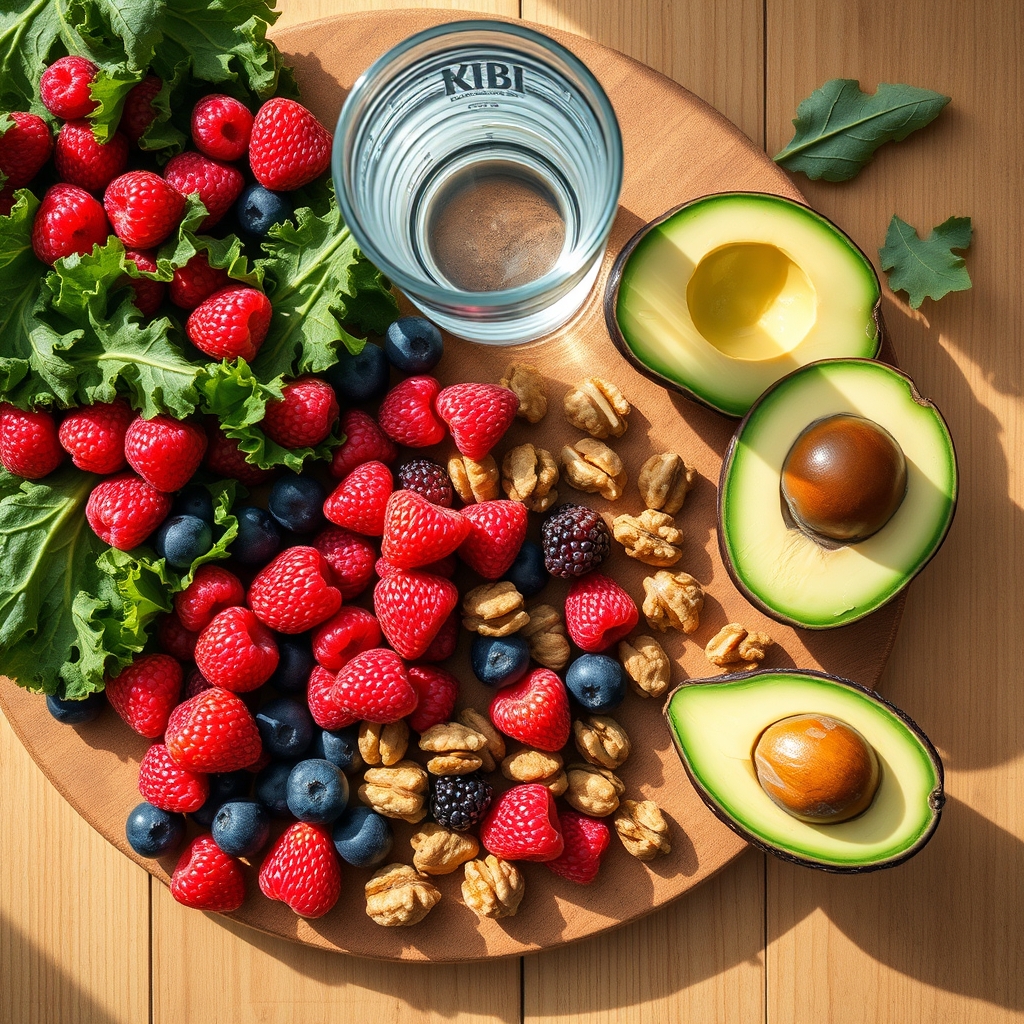
Avocado, nuts (almonds, walnuts), seeds (flaxseed, chia), and olive oil provide monounsaturated fats and omega‑3s. These fats are building blocks for hormone production. A handful of walnuts (¼ cup) offers 2.5 g of ALA omega‑3, supporting the synthesis of prostaglandins that aid implantation.
Fruits rich in antioxidants
Berries, citrus, and pomegranate are high in vitamin C and polyphenols, which protect eggs from oxidative stress. A cup of strawberries provides 98 mg of vitamin C—more than the RDA of 75 mg for adult women.
Organic vs. conventional choices
While the evidence is still emerging, many fertility specialists suggest opting for organic produce when possible to reduce pesticide exposure, which can affect hormone function. The European Food Safety Authority (EFSA) notes that organic diets tend to have higher levels of certain phytonutrients, though the clinical impact on fertility remains modest.
Vegetarian and gluten‑free options
Vegetarian diets can meet fertility needs if they include adequate iron, B12, and omega‑3 sources (e.g., algae‑based supplements). Gluten‑free diets are only necessary for celiac disease or gluten sensitivity; otherwise, whole‑grain gluten‑containing foods like brown rice and quinoa provide valuable fiber and B‑vitamins.
High‑fiber foods for female fertility
In addition to whole grains, include beans, lentils, peas, and fresh fruit with skin. These foods keep blood sugar stable, which is especially important for women with PCOS or insulin resistance.
Fill your plate with a rainbow of whole foods to support ovulation.
Best vitamins and minerals for female fertility diet
While a balanced diet should provide most nutrients, certain vitamins and minerals are especially pivotal for reproductive health. Below is a concise guide to the most important micronutrients, their food sources, and safe supplementation considerations.
Nutrient
Key Food Sources
Typical RDA for women 18–45
Why it matters for fertility
Folate (B9)
Leafy greens, legumes, fortified cereals
400 µg
Supports DNA synthesis and reduces miscarriage risk
Iron
Red meat, poultry, lentils, spinach
18 mg (pre‑menopausal)
Prevents anemia, improves ovulatory function
Vitamin D
Fatty fish, fortified dairy, sunlight exposure
600 IU (15 µg)
Regulates hormone production, linked to improved implantation
Zinc
Oysters, beef, pumpkin seeds
8 mg
Essential for egg maturation and hormone balance
Selenium
Brazil nuts, tuna, eggs
55 µg
Antioxidant that protects eggs from oxidative damage
Omega‑3 (EPA/DHA)
Salmon, sardines, algae supplements
250–500 mg combined
Reduces inflammation, improves blood flow to reproductive organs
Vitamin C
Citrus, berries, bell peppers
75 mg
Antioxidant that supports follicle health
Coenzyme Q10
Organ meats, oily fish, supplements
100–200 mg (supplement)
Improves mitochondrial function in oocytes
Most of these nutrients can be obtained from a varied diet. However, certain situations—such as vegetarianism, limited sun exposure, or diagnosed deficiencies—may warrant supplementation. The CDC advises that women planning pregnancy take a prenatal vitamin containing at least 400 µg of folic acid. Vitamin D supplementation (800–1000 IU daily) is common in northern latitudes, per the Endocrine Society.
Before adding any supplement, discuss dosage with your provider, especially if you have a medical condition or are taking prescription medications. Over‑supplementation (e.g., excess iron) can be harmful.
How to create a fertility‑friendly meal plan for women
Designing a weekly menu that meets fertility goals doesn’t have to be complicated. Start by calculating a calorie range that supports a healthy body composition for your current BMI. The Institute of Medicine suggests 1,800–2,200 kcal per day for most adult women, but those trying to lose weight may aim for a modest 1,500–1,800 kcal, while underweight women might need up to 2,400 kcal.
Step‑by‑step planning
Set a baseline. Track your typical intake for three days using a free app. Identify gaps in vegetables, whole grains, or omega‑3s.
Choose a protein anchor. Aim for 20‑30 g of protein per main meal—options include eggs, grilled chicken, tofu, or canned salmon.
Build half your plate with fiber‑rich carbs. Include a serving of whole grains, legumes, or starchy vegetables.
Add a healthy‑fat side. A drizzle of olive oil, a quarter‑avocado, or a handful of nuts.
Finish with fruit or veg. One cup of colorful produce supplies antioxidants and micronutrients.
Snack smart. Choose a combination of protein and fiber—Greek yogurt with berries, hummus with carrot sticks, or a small trail mix.
Budget‑friendly tips
Buy frozen berries, bulk beans, and seasonal produce. Canned fish (in water) is an inexpensive source of omega‑3s, and whole grain pasta or rice can stretch meals without sacrificing nutrition. Planning meals around weekly supermarket sales can cut costs by up to 30 %.
Sample daily template
Breakfast: Oatmeal topped with sliced banana, chia seeds, and a splash of almond milk.
Mid‑morning snack: Greek yogurt with a handful of blueberries.
Lunch: Quinoa salad with mixed greens, cherry tomatoes, grilled chicken, and olive‑oil vinaigrette.
Afternoon snack: Apple slices with almond butter.
Dinner: Baked salmon, roasted sweet potatoes, and steamed broccoli.
Evening snack (optional): A small square of dark chocolate (70 % cacao) and a cup of herbal tea.
Fertility diet foods to avoid for women
While many foods are beneficial, some can interfere with hormone balance, increase oxidative stress, or reduce nutrient absorption. Below is a concise list of items to limit or avoid when trying to conceive.
Highly processed meats. Hot dogs, deli slices, and bacon often contain nitrates and saturated fats, which can impair egg quality (ACOG, 2022).
Trans fats. Found in many packaged baked goods and fried foods; linked to inflammation and reduced fertility.
Excessive caffeine. More than 200 mg per day (about two 8‑oz cups of coffee) may lower implantation rates, according to a 2021 CDC review.
Alcohol. Regular intake above one drink per week can disrupt hormone production and lower ovarian reserve.
High‑mercury fish. King mackerel, swordfish, and shark should be avoided due to mercury’s neurotoxic effects on the developing embryo.
Sugary drinks and refined sugars. Spike insulin and may exacerbate PCOS‑related ovulatory dysfunction.
These recommendations apply across the board, regardless of age or underlying conditions. Moderation is key—occasional treats are fine, but habitually high consumption should be trimmed.
Impact of dairy and soy on women's fertility
Both dairy and soy are common protein sources, yet their effects on fertility remain a topic of debate. The evidence suggests nuance.
Dairy
Full‑fat dairy may increase insulin‑like growth factor‑1 (IGF‑1), which in some studies correlates with reduced ovulation. Conversely, low‑fat or fermented dairy (yogurt, kefir) provides calcium, vitamin D, and probiotics that support a healthy reproductive environment. A 2020 systematic review in the Journal of Reproductive Medicine concluded that women who consume moderate amounts (1‑2 servings per day) of low‑fat dairy have slightly higher pregnancy rates than those who avoid dairy entirely.
Soy
Soy contains phytoestrogens (isoflavones) that can mimic estrogen in the body. For some women, especially those with hormonal imbalances, high soy intake (>2 servings per day) may disrupt the menstrual cycle. However, moderate soy consumption (one serving of tofu or tempeh daily) is generally considered safe and can provide plant‑based protein and omega‑3s. The American Heart Association notes that soy’s benefits for heart health outweigh potential fertility concerns for most women.
Bottom line: Choose low‑fat, fermented dairy and limit soy to 1‑2 servings per day, especially if you notice cycle irregularities.
Sample 7‑day fertility diet menu for women
Below is a full‑week menu that incorporates the foods and nutrients discussed. Feel free to swap ingredients based on preferences, dietary restrictions, or seasonal availability.
Day
Breakfast
Lunch
Dinner
Snack(s)
Monday
Greek yogurt parfait with berries, honey, and chia seeds
Quinoa‑black bean salad with avocado and lime dressing
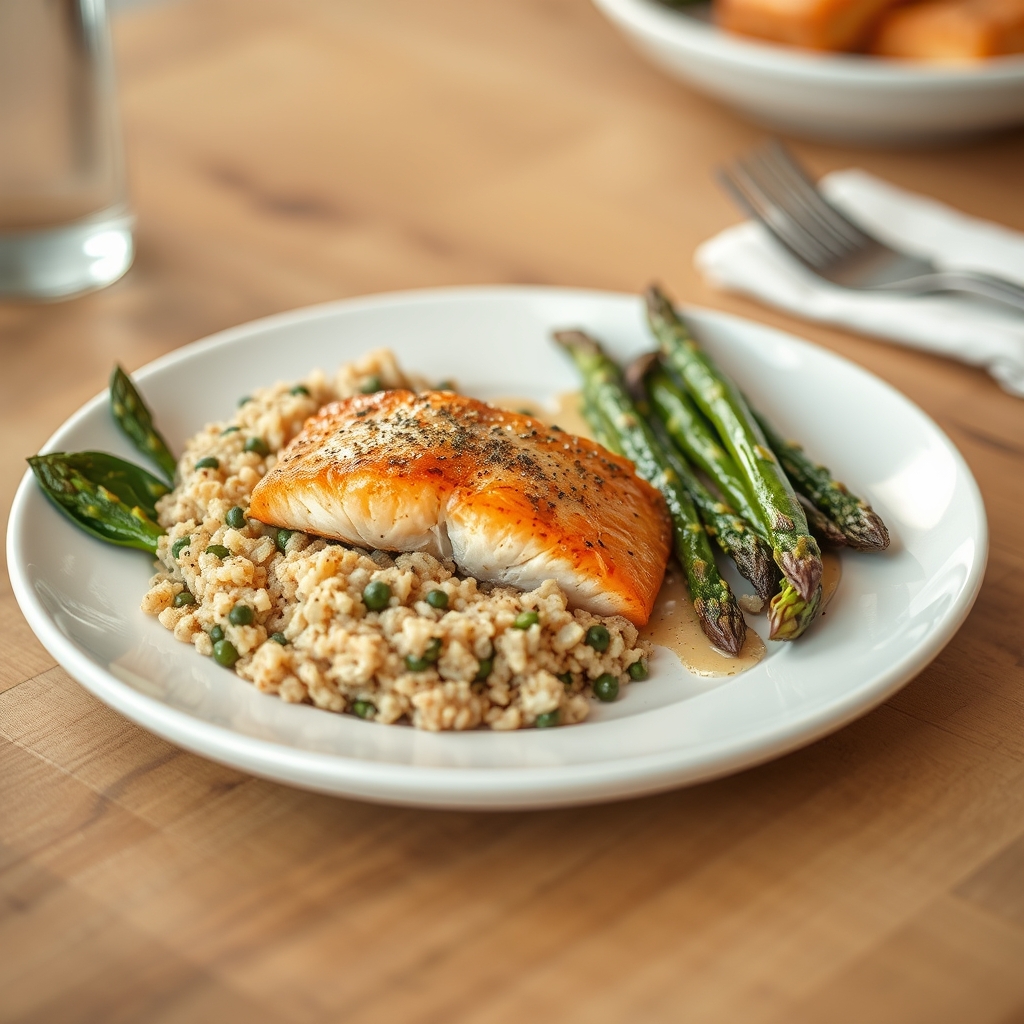
Grilled salmon, roasted asparagus, and brown rice
Apple slices with almond butter; handful of walnuts
Tuesday
Spinach and mushroom omelet, whole‑grain toast
Lentil soup with kale and a side of whole‑grain crackers
Chicken stir‑fry with bell peppers, broccoli, and quinoa
Carrot sticks with hummus; a small orange
Wednesday
Overnight oats with almond milk, sliced banana, and pumpkin seeds
Mixed greens salad with grilled tofu, cherry tomatoes, and olive oil
Baked cod, sweet potato wedges, and green beans
Greek yogurt with a drizzle of maple syrup; a handful of berries
Thursday
Whole‑grain pancakes topped with fresh strawberries and a dollop of ricotta
Turkey and avocado wrap in a whole‑wheat tortilla, side of cucumber slices
Beef and vegetable kebabs with quinoa tabbouleh
Celery sticks with peanut butter; a small peach
Friday
Smoothie with spinach, pineapple, Greek yogurt, and flaxseed
Chickpea and quinoa bowl with roasted carrots and tahini sauce
Shrimp pasta with whole‑grain spaghetti, tomato sauce, and basil
Mixed nuts; a cup of herbal tea
Saturday
Scrambled eggs with smoked salmon and whole‑grain bagel
Grilled vegetable and hummus panini on sourdough
Roasted chicken thighs, barley risotto, and steamed Brussels sprouts
Fresh melon cubes; a slice of cheese (low‑fat)
Sunday
Fruit‑filled quinoa breakfast bowl with almond milk and cinnamon
Spinach and feta stuffed portobello mushrooms, side salad
Lentil‑vegetable curry with brown rice
Dark chocolate square; a handful of grapes
This menu provides roughly 2,000 kcal per day, 25 % of calories from protein, 30 % from healthy fats, and 45 % from complex carbohydrates—an ideal macronutrient split for supporting ovulation while maintaining a healthy weight.
Evening meals that combine protein, whole grains, and veggies nourish the reproductive system.
How does weight affect fertility and diet for women?
Body mass index (BMI) is a strong predictor of reproductive success. The CDC reports that women with a BMI < 18.5 (underweight) or > 30 (obese) experience a 5‑10 % lower chance of conception per cycle compared with those in the 18.5–24.9 range.
Underweight considerations
Low body fat can lead to reduced estrogen production, causing irregular or absent ovulation. For underweight women, increasing calorie intake with nutrient‑dense foods—smoothies with nut butter, whole‑grain breads, and healthy‑fat‑rich meals—is essential. Aim for a gradual weight gain of 0.5 kg per week.
Overweight and obesity considerations
Excess adipose tissue raises insulin resistance and inflammation, both of which can impair ovulation. A modest calorie deficit of 250–500 kcal per day, combined with regular moderate‑intensity exercise (150 minutes per week), often restores regular cycles. Emphasize high‑fiber carbs, lean proteins, and plenty of vegetables to keep you satiated while reducing caloric density.
Weight management for women over 35
Age‑related declines in ovarian reserve are compounded by obesity. Women over 35 benefit from a slightly higher protein intake (1.2 g/kg body weight) and a focus on antioxidant‑rich foods to protect the diminishing egg pool. The NICE guideline suggests a personalized nutrition plan for women > 35 who are trying to conceive, incorporating both calorie control and micronutrient optimisation.
Practical weight‑tracking tips
Weigh yourself once a week at the same time of day.
Use a food diary to monitor macronutrient ratios.
Include strength training twice weekly to preserve lean muscle.
Polycystic ovary syndrome (PCOS) affects up to 10 % of reproductive‑age women and is closely tied to insulin resistance. Dietary strategies that lower glycemic load can improve ovulatory function and increase pregnancy chances.
Low‑glycemic, anti‑inflammatory foods
Choose whole grains (steel‑cut oats, quinoa), legumes, non‑starchy vegetables, and berries. Pair carbs with protein or healthy fats to blunt blood‑sugar spikes. A study in the Fertility and Sterility journal (2021) found that women with PCOS who followed a low‑glycemic diet for 12 weeks saw a 30 % increase in ovulation frequency.
Specific nutrients for PCOS
Inositol (myo‑inositol). 2 g twice daily improves insulin sensitivity and restores ovulation; supported by the American Association of Clinical Endocrinologists.
Vitamin D. Deficiency is common in PCOS; supplementation (1,000–2,000 IU daily) may aid menstrual regularity.
Omega‑3 fatty acids. 1 g EPA/DHA daily reduces androgen levels and inflammation.
Meal‑plan tips
Start the day with a protein‑rich breakfast—Greek yogurt with nuts, or a vegetable omelet. For lunch, a salad topped with grilled chicken, quinoa, and avocado provides balanced macros. Dinner might feature baked salmon, roasted cauliflower, and a side of lentils. Snacks should be low‑glycemic, such as a small apple with peanut butter or a handful of pumpkin seeds.
Women with PCOS should also consider limiting dairy (especially whole‑fat) and soy, as both can exacerbate insulin spikes for some individuals. Instead, focus on calcium‑rich alternatives like fortified almond milk and leafy greens.
From our medical team: A fertility‑focused diet is a powerful, low‑risk tool you can start today. It works best when paired with regular exercise, adequate sleep, and stress‑reduction practices such as mindfulness or gentle yoga. If you have a condition like PCOS, thyroid disease, or a history of recurrent miscarriage, discuss any major dietary changes with your OB‑GYN or reproductive endocrinologist to ensure they complement your overall treatment plan.
Myth vs. fact
Myth: You must completely eliminate dairy to get pregnant.
Fact: Moderate amounts of low‑fat or fermented dairy can provide calcium and vitamin D without harming fertility; only excessive or high‑fat dairy may be problematic for some women.
Myth: All soy products cause infertility.
Fact: Soy in moderation (1‑2 servings per day) is generally safe; only very high intakes may affect hormone balance in sensitive individuals.
Myth: Vegan diets can’t support pregnancy.
Fact: A well‑planned vegetarian or vegan diet that includes B12, iron, omega‑3 (algae), and adequate protein can support fertility just as effectively as omnivorous diets.
Key takeaways
Fill half your plate with colorful vegetables, whole grains, and legumes to boost fiber and micronutrients.
Prioritize lean proteins (fish, poultry, eggs, or plant‑based sources) and healthy fats (avocado, nuts, olive oil) for hormone production.
Aim for at least 400 µg of folate daily, either through food or a prenatal vitamin.
Limit processed meats, trans fats, excess caffeine, alcohol, and high‑mercury fish.
Maintain a BMI between 18.5 and 24.9; modest weight loss or gain can restore regular ovulation.
For PCOS, focus on low‑glycemic carbs, inositol supplements, and omega‑3s, and consider modest dairy and soy reduction.
Frequently asked questions
Can diet improve a woman's chances of getting pregnant?
Yes—most evidence suggests that a balanced, nutrient‑dense diet can increase ovulation regularity and improve embryo quality, especially when combined with a healthy weight and lifestyle.
What foods should a woman avoid when trying to conceive?
Limit processed meats, trans‑fat‑rich foods, excessive caffeine (>200 mg/day), alcohol (>1 drink per week), high‑mercury fish, and large amounts of sugary beverages.
How many calories should a woman eat on a fertility diet?
Typical needs range from 1,800–2,200 kcal per day for most women; those aiming to lose weight may target 1,500–1,800 kcal, while underweight women may need up to 2,400 kcal to support healthy ovulation.
Are there specific supplements that boost female fertility?
Prenatal vitamins with at least 400 µg folic acid, vitamin D (600–1,000 IU), and, for some women, inositol or omega‑3 (EPA/DHA) can be beneficial, but always discuss with your provider.
Does dairy affect female fertility?
Low‑fat and fermented dairy (yogurt, kefir) are generally safe and may support fertility, whereas high‑fat dairy can raise IGF‑1 levels and should be limited if you notice cycle irregularities.
Can a fertility diet help with PCOS?
Yes—low‑glycemic, anti‑inflammatory foods, combined with inositol and omega‑3 supplementation, have been shown to improve ovulation frequency and reduce androgen levels in many women with PCOS.
When to call your doctor
If you experience any of the following, seek medical attention promptly: persistent pelvic pain, heavy or irregular bleeding, sudden weight loss or gain (> 10 % of body weight in a month), severe abdominal cramping, fever, or signs of infection. Remember, this article provides general information and does not replace personalized medical advice. Always consult your OB‑GYN, midwife, or reproductive endocrinologist for individualized guidance.
References
American College of Obstetricians and Gynecologists (ACOG). “Nutrition During Pregnancy.” 2023 clinical guidance.
National Health Service (NHS). “Folic Acid and Pregnancy.” Updated 2022.
Centers for Disease Control and Prevention (CDC). “Caffeine Consumption and Pregnancy Outcomes.” 2021 report.
World Health Organization (WHO). “Recommended Nutrient Intakes for Women of Reproductive Age.” 2020.
Mayo Clinic. “Diet and Fertility: What to Eat When Trying to Conceive.” 2022 review.
European Food Safety Authority (EFSA). “Organic Food Consumption and Health.” 2021.
Journal of Reproductive Medicine. “Dairy Intake and Pregnancy Success.” 2020 systematic review.
Fertility and Sterility. “Low‑Glycemic Diet Improves Ovulation in PCOS.” 2021 study.
American Heart Association. “Soy Protein and Heart Health.” 2022 position statement.
Endocrine Society. “Vitamin D Supplementation Guidelines.” 2020 clinical practice guideline.
National Institute for Health and Care Excellence (NICE). “Fertility Services: Assessment and Treatment.” Updated 2023.
American Association of Clinical Endocrinologists. “Inositol Use in PCOS.” 2022 consensus.
Not sure about the label on Fertility Diet For Women products?
Snap the ingredients list and SafeFilter checks every ingredient for your stage — only 3 free scans this month, then you're locked until reset. Unlimited from $7/mo or $50/yr.
When Shubhra Mishra was expecting her first child in 2016, she was overwhelmed by conflicting food advice — one site said yes, another said never. By the time her second baby arrived in 2019, she realized millions of mothers face the same confusion.
That sparked a five-year journey through clinical nutrition papers, cultural diets, and expert conversations — all leading to BumpBites: a calm, compassionate space where science meets everyday motherhood.
Her long-term vision is to build a global community ensuring safe, supported, and free deliveriesfor every mother — because no woman should face pregnancy alone or uninformed. 🌿
🌍 Stand with mothers, shape safer guidance
Join a small circle of experts who review BumpBites articles so expecting parents everywhere can decide with confidence.