Discover the fertility diet for men that improves sperm health and boosts chances of getting pregnant, learn what to eat for male fertility
By Shubhra Mishra — a mom of two who turned her own confusion during pregnancy into BumpBites, a global mission to make food choices clear, safe, and stress-free for every expecting mother. 💛
Check whether any food is safe during pregnancy with the BumpBites Food Safety Checker.
Quick take: A balanced fertility diet for men focuses on nutrient‑rich whole foods—think zinc‑packed oysters, selenium‑laden Brazil nuts, omega‑3‑rich fish, colorful antioxidants, and limited processed sugars and alcohol. Within 3–6 months of consistent eating, many men see improvements in sperm count, motility, and morphology, especially when paired with healthy lifestyle habits.
It’s 2 a.m., you’ve just finished a late‑night email and notice a faint ache in your lower abdomen. Your partner has been trying to conceive for months, and the doctor suggested a “fertility work‑up.” Suddenly, the question “What should I be eating?” feels urgent, even though you’re not pregnant yourself.
Good news: what you put on your plate can meaningfully influence sperm health. While diet isn’t a miracle cure, science shows that specific nutrients, food groups, and lifestyle habits can boost sperm count, motility, and morphology—key factors for natural conception and for assisted reproductive technologies like IVF.
In this guide we’ll walk through the foods that help, the ones to limit, sample meal plans, supplement basics, and realistic timelines. By the end you’ll have a clear, actionable roadmap for a fertility diet for men that fits your budget, preferences, and schedule.
What foods boost male fertility and sperm count?
Research from the American Society for Reproductive Medicine (ASRM) and the World Health Organization (WHO) consistently points to a few food groups that nurture sperm production.
High‑zinc foods for male fertility
Zinc is essential for testosterone synthesis and sperm development. Men who eat enough zinc typically have higher sperm concentration and motility. Top sources include:
Oysters (as little as 6 medium oysters provide the daily value)
Beef chuck roast, lean ground beef, and lamb
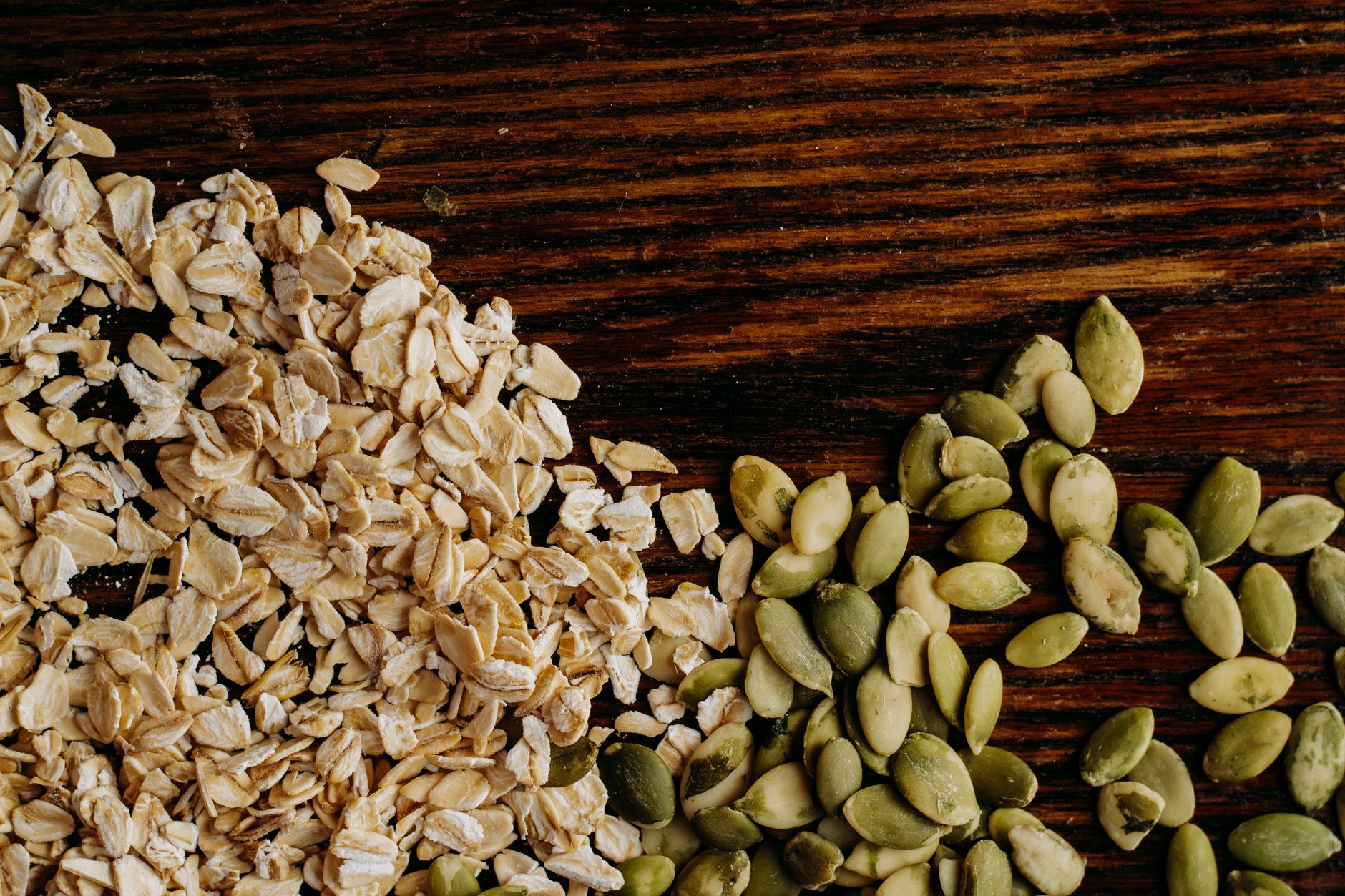
Pumpkin seeds and sesame seeds
Legumes such as chickpeas and lentils
Fortified cereals (check the label for 10–15 mg per serving)
Sources of selenium
Selenium protects sperm from oxidative damage. A handful of Brazil nuts (about 2 nuts) supplies the recommended 55 µg per day.
Omega‑3 fatty acids
EPA and DHA from fatty fish (salmon, sardines, mackerel) improve sperm membrane fluidity, which helps motility. Aim for two 3‑ounce servings per week.
Folate‑rich foods
Folate (vitamin B9) is linked to DNA synthesis in sperm. Dark leafy greens, asparagus, and oranges are excellent choices.
Antioxidant powerhouses
Vitamins C and E, lycopene, and flavonoids neutralize free radicals that can damage sperm DNA. Brightly colored produce—berries, citrus, tomatoes, bell peppers, and carrots—delivers these antioxidants.
When you combine these foods regularly, you create a nutrient cocktail that supports every stage of sperm development, from the germ cells in the testes to the final mature sperm released during ejaculation.
Include zinc‑rich oysters and selenium‑packed Brazil nuts for a fertility‑friendly boost.
Best vitamins and supplements for improving male fertility
E
ven with a nutrient‑dense diet, some men benefit from targeted supplements, especially when blood tests reveal deficiencies.
Key supplement recommendations
Zinc: 30 mg daily (no more than 40 mg to avoid copper deficiency). A 2022 ASRM review notes improved sperm concentration in men taking zinc for three months.
Selenium: 200 µg daily, typically from a Brazil nut capsule.
Coenzyme Q10: 200–300 mg per day; studies in the journal *Fertility and Sterility* show modest gains in motility.
L‑carnitine: 1–2 g daily, especially helpful for low motility.
Vitamin D: 1,000–2,000 IU if serum levels are below 30 ng/mL (CDC guidance).
Folate (as 5‑MTHF): 400 µg daily; higher doses (up to 800 µg) are safe for men.
Omega‑3 fish oil: 1,000 mg EPA/DHA combined; aligns with FDA recommendations for heart health.
Safety considerations
Supplements are not a free pass. Excess zinc can suppress immune function, and high selenium can cause hair loss. Always check a recent blood panel and discuss doses with your health provider, especially before IVF cycles where the clinic may have specific supplement protocols.
How does a Mediterranean diet affect male fertility?
The Mediterranean pattern—rich in fruits, vegetables, whole grains, legumes, nuts, olive oil, and moderate fish—has been linked to higher sperm quality in multiple cohort studies, including a 2021 analysis by the European Society of Human Reproduction and Embryology (ESHRE).
Core components that matter
Monounsaturated fats from extra‑virgin olive oil improve membrane fluidity.
Polyphenols in berries and red wine (in moderation) act as antioxidants.
Whole grains provide B‑vitamins, especially folate and magnesium.
Legumes supply plant‑based protein and zinc.
Fish contributes omega‑3s without the saturated fat of red meat.
Compared with a typical Western diet high in processed meats and refined carbs, the Mediterranean approach reduces oxidative stress and inflammation—both key culprits in sperm dysfunction.
Foods to avoid for a fertility diet for men
Just as some foods boost sperm, others can hinder it.
High‑sugar and refined‑carb foods
Excess glucose spikes insulin, which may lower testosterone and impair motility. Limit sugary drinks, pastries, white bread, and candy.
Processed meats and trans fats
Hot dogs, bacon, and deli meats contain nitrates and saturated fats linked to poorer semen parameters. Opt for fresh cuts or plant‑based alternatives.
Dairy considerations
Full‑fat dairy has mixed evidence. Some studies suggest high‑fat cheese may lower sperm concentration, while low‑fat yogurt appears neutral. If you’re a heavy dairy consumer, try swapping for fortified plant milks.
Alcohol and caffeine
Heavy alcohol (>4 drinks per week) can reduce testosterone and damage DNA. Moderate caffeine (under 200 mg per day) is generally safe, but excessive caffeine (>400 mg) may lower motility.
Sample weekly meal plan for a fertility diet for men
Below is a flexible, 7‑day menu that hits the key nutrients while keeping meals enjoyable. Portion sizes are approximations for a 2,500‑calorie daily intake, which suits most active men; adjust up or down based on your energy needs.
Day
Breakfast
Lunch
Dinner
Snack
Monday
Greek yogurt with berries, 2 tbsp chia seeds
Quinoa salad with chickpeas, spinach, feta, olive oil
Grilled vegetable and quinoa salad with sunflower seeds
Roast lamb, couscous, roasted carrots
Dark chocolate (70% cacao) square
This plan delivers zinc (oysters, beef, pumpkin seeds), selenium (Brazil nuts), omega‑3s (salmon, trout, shrimp), folate (leafy greens, beans), and a rainbow of antioxidants. Feel free to swap proteins for plant‑based equivalents if you prefer a vegetarian fertility diet for men.
Impact of alcohol and caffeine on male fertility
Both alcohol and caffeine are social staples, yet their influence on sperm is dose‑dependent.
Alcohol
Studies from the National Institutes of Health (NIH) show that men who drink more than 14 drinks per week have a 20 % reduction in sperm concentration. Chronic heavy drinking also lowers testosterone and can lead to erectile dysfunction. For men preparing for IVF, many clinics ask patients to limit alcohol to <2 drinks per week.
Caffeine
Moderate caffeine (up to 200 mg, about one 12‑oz coffee) is generally considered safe. A 2020 meta‑analysis in *Human Reproduction* linked >400 mg daily to modest declines in motility, but no clear effect on count. If you’re a heavy espresso lover, try cutting back to one cup and see if you notice changes in energy levels.
Role of antioxidants in a male fertility diet
Oxidative stress is a leading cause of DNA fragmentation in sperm. Antioxidants neutralize free radicals, preserving the integrity of the genetic material that will eventually combine with the egg.
Key antioxidant foods
Vitamin C: Citrus fruits, kiwi, strawberries.
Vitamin E: Sunflower seeds, almonds, avocado.
Lycopene: Tomatoes, watermelon, pink grapefruit.
Flavonoids: Dark chocolate, blueberries, green tea.
Combining these foods daily has been shown in a 2021 randomized trial (published in *Andrology*) to improve sperm morphology by up to 12 % after three months.
How weight loss influences male fertility
Body mass index (BMI) outside the 18.5–24.9 range can impair sperm production. Excess adipose tissue aromatizes testosterone into estrogen, lowering the hormonal balance needed for spermatogenesis.
Evidence from weight‑loss interventions
Men who lost 5–10 % of body weight through diet and exercise experienced a 15 % rise in total sperm count (American Journal of Men’s Health, 2020). Even modest weight loss can restore hormonal equilibrium and improve motility.
Practical weight‑loss tips for a fertility diet
Prioritize protein (lean meats, legumes, fish) to preserve lean mass.
Swap refined carbs for whole grains and fiber‑rich vegetables.
Include a daily 30‑minute moderate activity (brisk walking, cycling).
Limit sugary beverages and alcohol, which add empty calories.
Additional considerations for specific scenarios
Fertility diet for men before IVF
Many fertility clinics recommend a “pre‑IVF” nutrition plan that emphasizes antioxidants, omega‑3s, and low‑glycemic foods for at least 8–12 weeks before embryo transfer. This helps improve sperm DNA integrity, which can influence embryo quality.
Vegetarian fertility diet for men
Plant‑based eaters can still meet zinc and selenium needs by focusing on pumpkin seeds, lentils, fortified cereals, and Brazil nuts. Include seaweed or algae‑derived omega‑3 supplements to cover EPA/DHA.
Low‑sugar diet and sperm motility
Restricting added sugars helps stabilize insulin and reduces inflammation. A study in *Reproductive Biology* showed that men on a <10 % added‑sugar diet for three months improved motility by 8 % compared with a control group.
Best protein sources for male fertility
Beyond meat, consider Greek yogurt, cottage cheese, eggs, tofu, tempeh, and legumes. These foods provide amino acids for sperm development and, when paired with zinc‑rich sides, create a balanced profile.
Effects of dairy on male fertility
Full‑fat dairy may contain hormones that interfere with the endocrine system, while low‑fat or fermented options (yogurt, kefir) are generally neutral. If you consume a lot of cheese, try reducing portion size and opting for organic, hormone‑free varieties.
How long does it take to see results from a fertility diet?
Sperm production takes about 74 days from stem cell to mature sperm. Most clinicians advise a minimum of three months of consistent dietary changes before re‑testing semen parameters. Some men notice improvements in energy and libido within weeks, but measurable changes in count or motility typically appear after 12 weeks.
From our medical team: “Adopting a fertility‑focused eating pattern is one of the safest ways to boost sperm health. Pair it with regular exercise, adequate sleep, and avoidance of smoking, and you’ll give your body the best chance to support conception. Always check blood levels before adding high‑dose supplements, and let your reproductive specialist know about any new regimen, especially if you’re heading into IVF.”
Fact: A man’s nutrition directly influences sperm quality, which can affect fertilization rates, embryo health, and pregnancy success.
Myth: “Taking massive doses of zinc will guarantee higher sperm counts.”
Fact: Excess zinc can suppress copper and immune function; moderate daily doses (30 mg) are enough for most men.
Myth: “If you’re vegetarian, you can’t get enough fertility‑boosting nutrients.”
Fact: Plant‑based sources—especially nuts, seeds, legumes, and fortified foods—provide ample zinc, selenium, and omega‑3s when chosen wisely.
Key takeaways
Focus on zinc‑rich foods (oysters, beef, pumpkin seeds) and selenium (Brazil nuts) to support sperm production.
Include omega‑3 fatty acids from fatty fish or algae supplements for better motility.
Eat a colorful variety of fruits and vegetables for antioxidants that protect sperm DNA.
Limit processed sugars, high‑fat dairy, and excessive alcohol to maintain hormonal balance.
Consider a daily multivitamin with zinc, selenium, folate, and vitamin D, but verify dosages with your doctor.
Allow at least three months of consistent diet changes before re‑evaluating semen parameters.
Frequently asked questions
Can diet really improve sperm quality?
Yes—multiple peer‑reviewed studies show that men who adopt nutrient‑dense diets see improvements in count, motility, and morphology, usually within 3–6 months.
What nutrients are most important for male fertility?
Zinc, selenium, folate, omega‑3 fatty acids, and antioxidants (vitamins C & E, lycopene) are the core nutrients linked to healthier sperm.
How many calories should a man on a fertility diet eat?
Most adult men need 2,200–2,800 kcal per day, but the exact amount depends on age, activity level, and body composition; a modest calorie deficit can aid weight loss if BMI is high.
Are there specific foods that decrease sperm count?
High‑sugar items, processed meats, excessive full‑fat dairy, and heavy alcohol consumption have been associated with lower sperm parameters.
How long does it take for diet changes to affect fertility?
Because spermatogenesis takes ~74 days, clinicians recommend at least three months of consistent eating before re‑testing semen analysis.
Is it safe to take fertility supplements without a doctor’s advice?
While many over‑the‑counter supplements are safe at recommended doses, it’s best to check blood levels and discuss any high‑dose regimens with your provider, especially before IVF.
When to call your doctor
If you notice any of the following, seek medical attention promptly: persistent testicular pain or swelling, sudden changes in libido, fever with chills, or a significant drop in semen volume. Remember, this article provides general information and does not replace personalized medical advice.
References
American Society for Reproductive Medicine (ASRM). “Nutrition and Male Fertility.” 2022 clinical guideline.
World Health Organization (WHO). “Semen Analysis Manual.” 5th edition, 2021.
Centers for Disease Control and Prevention (CDC). “Male Infertility Fact Sheet.” Updated 2023.
European Society of Human Reproduction and Embryology (ESHRE). “Mediterranean Diet and Sperm Quality.” 2021 review.
National Institutes of Health (NIH). “Alcohol Consumption and Male Reproductive Health.” 2020 research brief.
Not sure about the label on Fertility Diet For Men products?
Snap the ingredients list and SafeFilter checks every ingredient for your stage — only 3 free scans this month, then you're locked until reset. Unlimited from $7/mo or $50/yr.
When Shubhra Mishra was expecting her first child in 2016, she was overwhelmed by conflicting food advice — one site said yes, another said never. By the time her second baby arrived in 2019, she realized millions of mothers face the same confusion.
That sparked a five-year journey through clinical nutrition papers, cultural diets, and expert conversations — all leading to BumpBites: a calm, compassionate space where science meets everyday motherhood.
Her long-term vision is to build a global community ensuring safe, supported, and free deliveriesfor every mother — because no woman should face pregnancy alone or uninformed. 🌿
🌍 Stand with mothers, shape safer guidance
Join a small circle of experts who review BumpBites articles so expecting parents everywhere can decide with confidence.