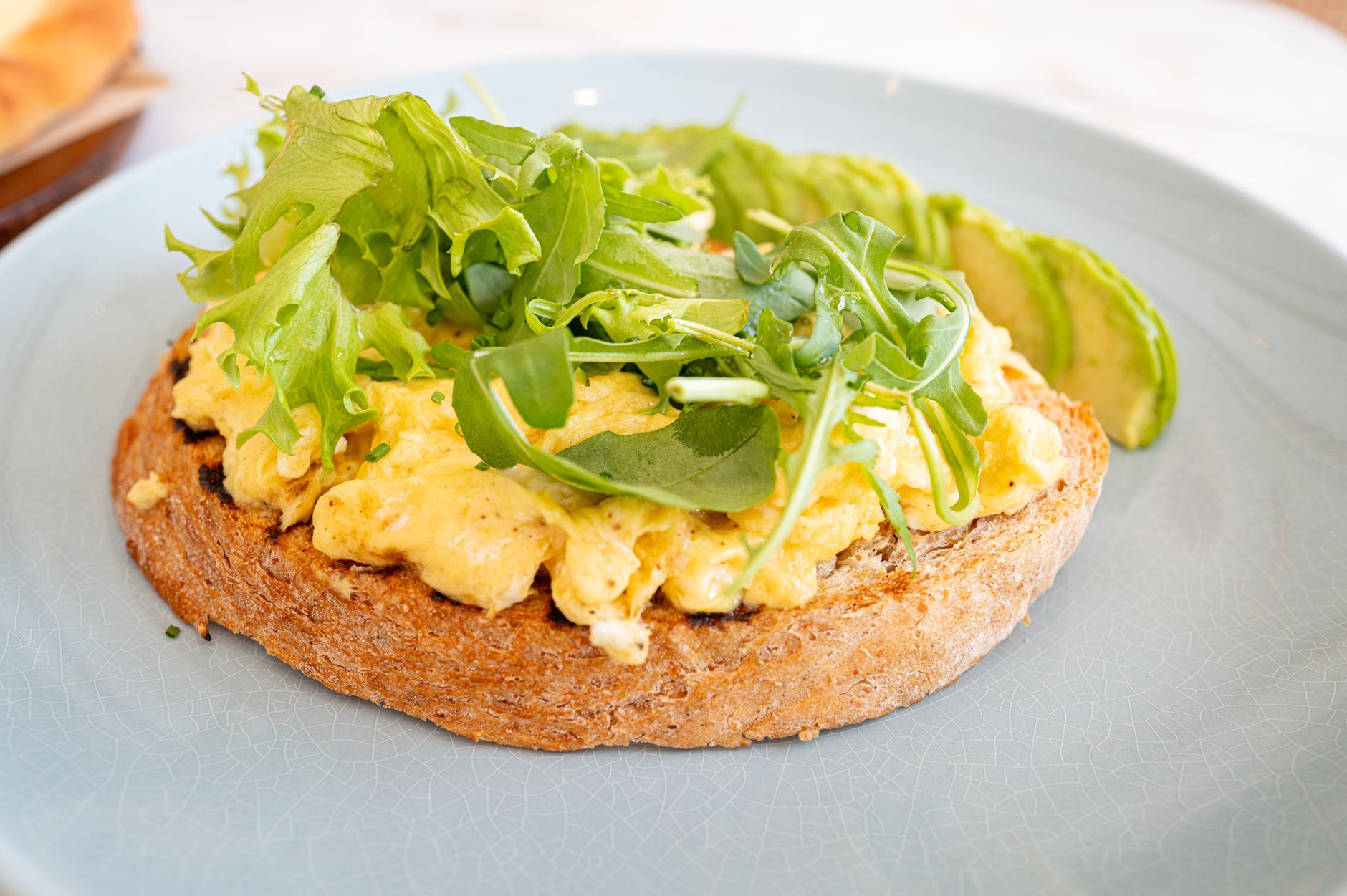
Let’s say your uncle, James, was recently diagnosed with type 2 diabetes and high blood pressure. He’s used to hearty meals—think fried chicken and mashed potatoes—but his doctor warned him about the risks of blood sugar spikes and sodium overload. Adjusting a diet for diabetes or hypertension isn’t about deprivation; it’s about swapping smartly. The key is to focus on **low-glycemic foods** (which don’t cause rapid blood sugar spikes), **lean proteins**, **healthy fats**, and **low-sodium options** while keeping meals flavorful and enjoyable.
For diabetes, the goal is to manage blood sugar levels by choosing foods with a low glycemic index (GI). This means avoiding refined carbs like white bread, sugary cereals, and pastries, and instead opting for whole grains, legumes, non-starchy vegetables, and small portions of fruit. For high blood pressure, reducing sodium is critical—aim for less than 1,500 mg per day if possible, and avoid processed foods, canned soups, and deli meats, which are often loaded with hidden salt.
Here’s how to modify a classic meal:
- Instead of: Fried chicken with mashed potatoes and gravy → Try: Baked chicken breast with roasted sweet potatoes and steamed green beans. Use herbs and garlic to add flavor without salt.
- Instead of: White rice with butter and salt → Try: Quinoa or brown rice with steamed veggies and a drizzle of olive oil.
- Instead of: Canned soup with crackers → Try: Homemade vegetable broth with a side of whole-grain crackers (check sodium content) and a sprinkle of cheese.
- Instead of: Sweetened yogurt → Try: Unsweetened Greek yogurt with a drizzle of honey (a teaspoon or two) and fresh berries.
Portion control is also key. Seniors often underestimate how much they’re eating, so using smaller plates or measuring cups can help. And don’t forget to **read labels**—even "healthy" foods can be sneaky with added sugar or salt. For example, a "low-fat" yogurt might have added sugar to compensate for the fat removal.
For hydration: Dehydration can worsen blood pressure and blood sugar control, so encourage water, herbal teas, or infused water (like cucumber or lemon) throughout the day. Limit sugary drinks like soda or juice, which can spike blood sugar.
If James finds these changes too drastic, he can start with small swaps—like swapping white bread for whole-grain or adding veggies to his favorite dishes. Over time, these adjustments can become habits that support his health without feeling like a diet.
For more guidance, check out our diabetic diet meal plan, which breaks down a full day of balanced, blood-sugar-friendly meals.
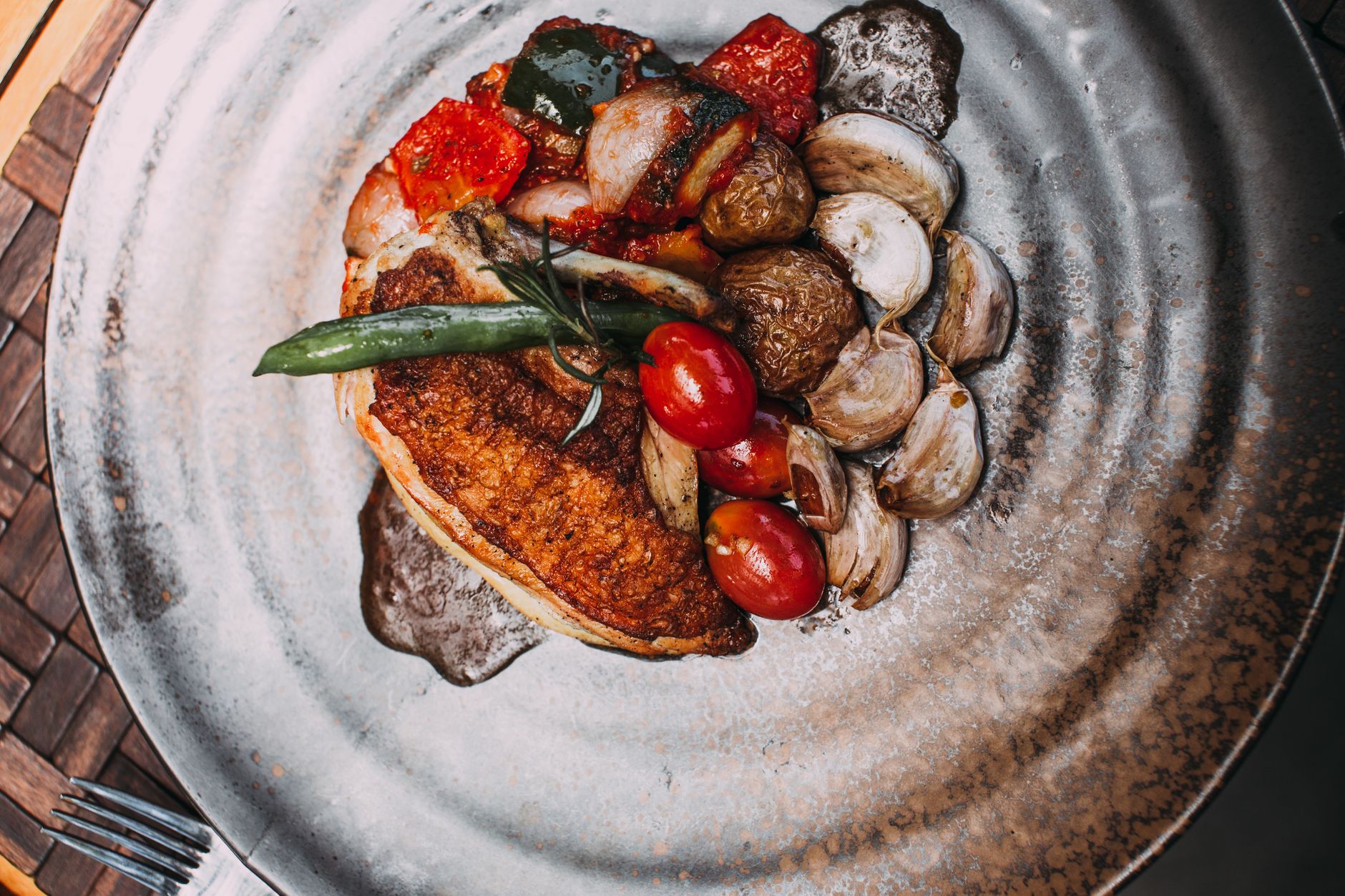
Best foods for bone health in seniors: a daily meal plan breakdown
When your mother, Linda, was diagnosed with osteoporosis, she felt a mix of fear and frustration. "What can I eat to stop my bones from getting weaker?" she asked. The answer lies in a diet rich in **calcium, vitamin D, magnesium, and protein**, along with foods that support bone density and reduce inflammation. The good news? Many of these foods are also delicious and easy to incorporate into daily meals.
Calcium is the star of bone health, but it’s not the only player. Vitamin D helps your body absorb calcium, while magnesium supports bone formation and muscle function. Protein provides the building blocks for bones and muscles, and antioxidants like those in berries and leafy greens can reduce oxidative stress that weakens bones over time.
Here’s a breakdown of the best foods for bone health:
To balance calcium and vitamin D, Linda might pair her breakfast yogurt with a side of fortified cereal and a glass of fortified orange juice. For lunch, she could enjoy a salad with kale, almonds, and grilled salmon. Dinner might include a stir-fry with tofu, broccoli, and quinoa—all rich in bone-supporting nutrients.
Pro tip: If Linda struggles with dairy, she can rely on fortified plant-based milks, leafy greens, and canned fish (like sardines or salmon) to meet her calcium needs. And don’t forget sunlight—10–15 minutes of midday sun a few times a week can help boost vitamin D levels naturally.
For more on balancing these nutrients, check out our guide on the DASH diet, which emphasizes foods that support heart and bone health.
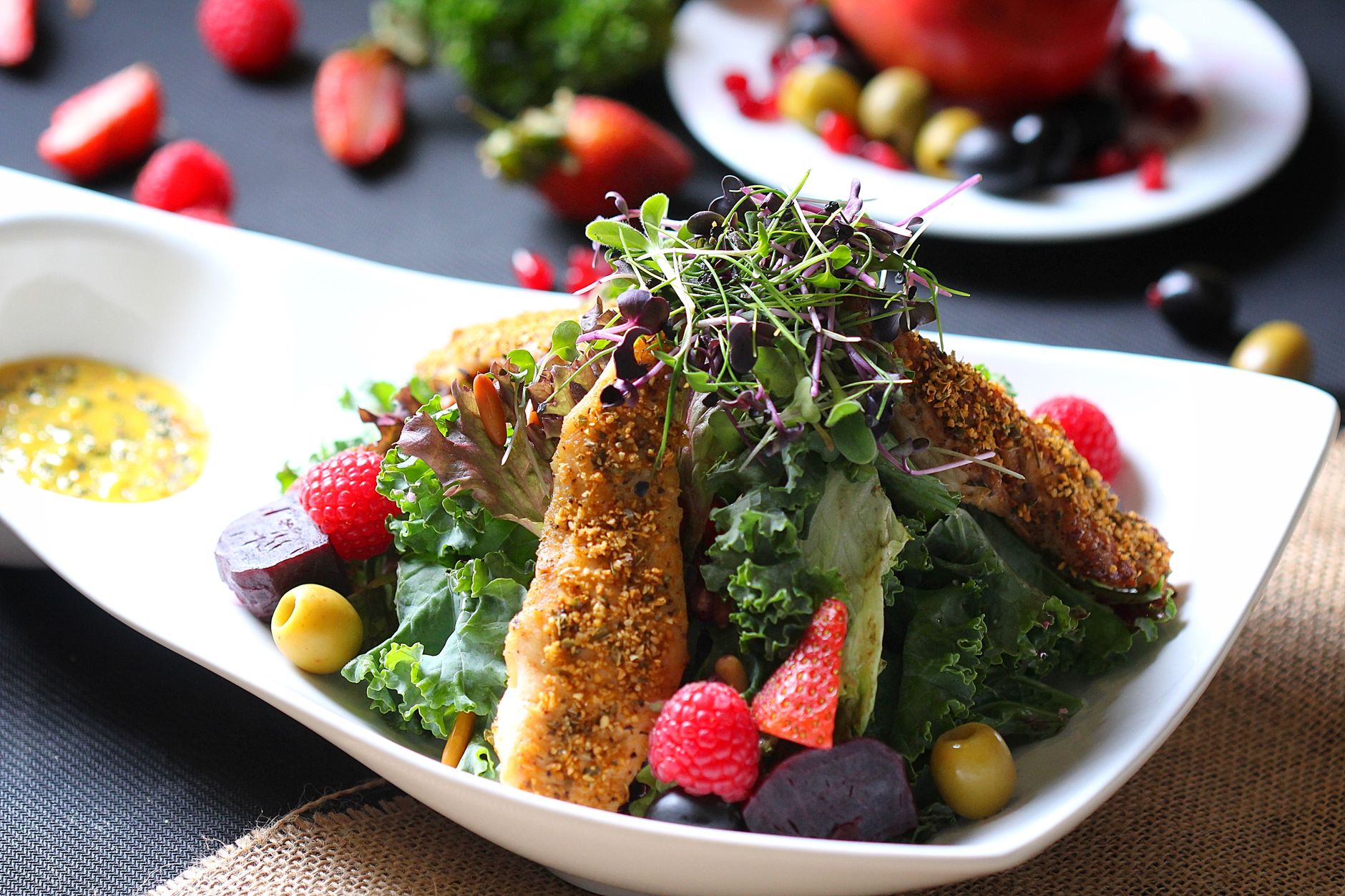
Can elderly individuals eat enough protein without meat? vegetarian options explained
When her husband, Thomas, turned 85, his doctor warned him about the risk of muscle loss (sarcopenia) and suggested increasing his protein intake. But Thomas had been a vegetarian for decades, and the idea of adding meat made him feel like he was betraying his beliefs. The good news? **Protein doesn’t have to come from meat.** With a little creativity, seniors can meet their protein needs through plant-based sources, dairy, and eggs—all while keeping meals flavorful and satisfying.
The recommended daily protein intake for seniors is about **1.2–1.5 grams per kilogram of body weight** (or roughly 0.5–0.7 grams per pound). For a 150-pound person, that’s about 75–110 grams of protein per day. While meat is a convenient source, it’s not the only option. Plant-based proteins like legumes, tofu, tempeh, nuts, and seeds can be just as effective—if you know how to combine them for a complete amino acid profile.
Here are some easy vegetarian protein sources for seniors:
- Legumes: Lentils, chickpeas, black beans, and edamame are packed with protein and fiber. A cup of cooked lentils has about 18 grams of protein. Try them in soups, stews, or as a side dish.
- Tofu and tempeh: These soy-based proteins are versatile and can be marinated and baked or stir-fried. A 3.5-ounce serving of firm tofu has about 10–12 grams of protein.
- Greek yogurt and cottage cheese: These dairy options are rich in protein and can be enjoyed plain, in smoothies, or as part of a parfait.
- Eggs: A single large egg contains about 6 grams of protein. Scrambled eggs, boiled eggs, or an omelet are easy and comforting.
- Nuts and seeds: Almonds, chia seeds, and pumpkin seeds are great for snacking or adding to meals. A quarter-cup of almonds has about 8 grams of protein.
- Quinoa and buckwheat: These whole grains are not only high in protein but also gluten-free and easy to digest.
To create a complete protein, pair beans with rice, hummus with whole-grain pita, or tofu with quinoa. For example, Thomas’s dinner might include a **lentil and vegetable stir-fry with quinoa**, a side of steamed broccoli, and a Greek yogurt parfait for dessert. This combination provides a full spectrum of amino acids while keeping meals balanced.
If Thomas worries about missing out on certain nutrients, he can supplement with fortified plant milks or consider a vitamin B12 supplement, as this nutrient is primarily found in animal products.
For more vegetarian meal ideas, check out our Aspergers diet meal plan, which includes plant-based options for balanced nutrition.

How much water should an elderly person drink daily to prevent dehydration?
It’s a hot summer afternoon, and your aunt, Margaret, is lying on the couch, complaining of a headache and feeling "off." You notice her skin is dry and her lips are cracked. She’s been drinking less water lately, she admits, because she doesn’t feel as thirsty as she used to. This is a common issue for seniors: **thirst sensation declines with age**, making dehydration a silent but serious risk. The American Geriatrics Society recommends that older adults aim for **at least 1.6–2 liters (6–8 cups) of water per day**, but this can vary based on activity level, climate, and health conditions.
Dehydration can lead to confusion, fatigue, urinary tract infections, and even falls. It’s especially risky for seniors because it can worsen chronic conditions like diabetes, high blood pressure, and kidney disease. The key is to **drink consistently throughout the day**, not just when you’re thirsty.
Here’s how to stay hydrated:
- Set reminders: Use phone alarms or post notes around the house to remind yourself to drink water every hour or two.
- Infuse water: Add slices of cucumber, lemon, or berries to make water more appealing. Herbal teas (like chamomile or peppermint) count toward your daily intake.
- Eat hydrating foods: Watermelon, cucumbers, celery, and oranges have high water content and can contribute to hydration.
- Limit diuretics: Reduce caffeine and alcohol, which can increase fluid loss. If you drink coffee or tea, balance it with an extra glass of water.
- Monitor urine color: Pale yellow urine is a good sign of hydration. Dark urine or infrequent urination may indicate dehydration.
For Margaret, starting the day with a glass of water and carrying a water bottle throughout the day can make a big difference. She might also try adding electrolyte-rich drinks (like coconut water) if she’s been active or if it’s particularly hot outside.
If Margaret lives in a hot climate, she should increase her fluid intake further, as sweating can lead to rapid dehydration. And if she has a condition like diabetes, she should check with her doctor about how hydration affects her blood sugar.
For more tips on hydration, especially in hot weather, check out our guide on how the French stay hydrated and healthy, which highlights simple habits for lifelong wellness.
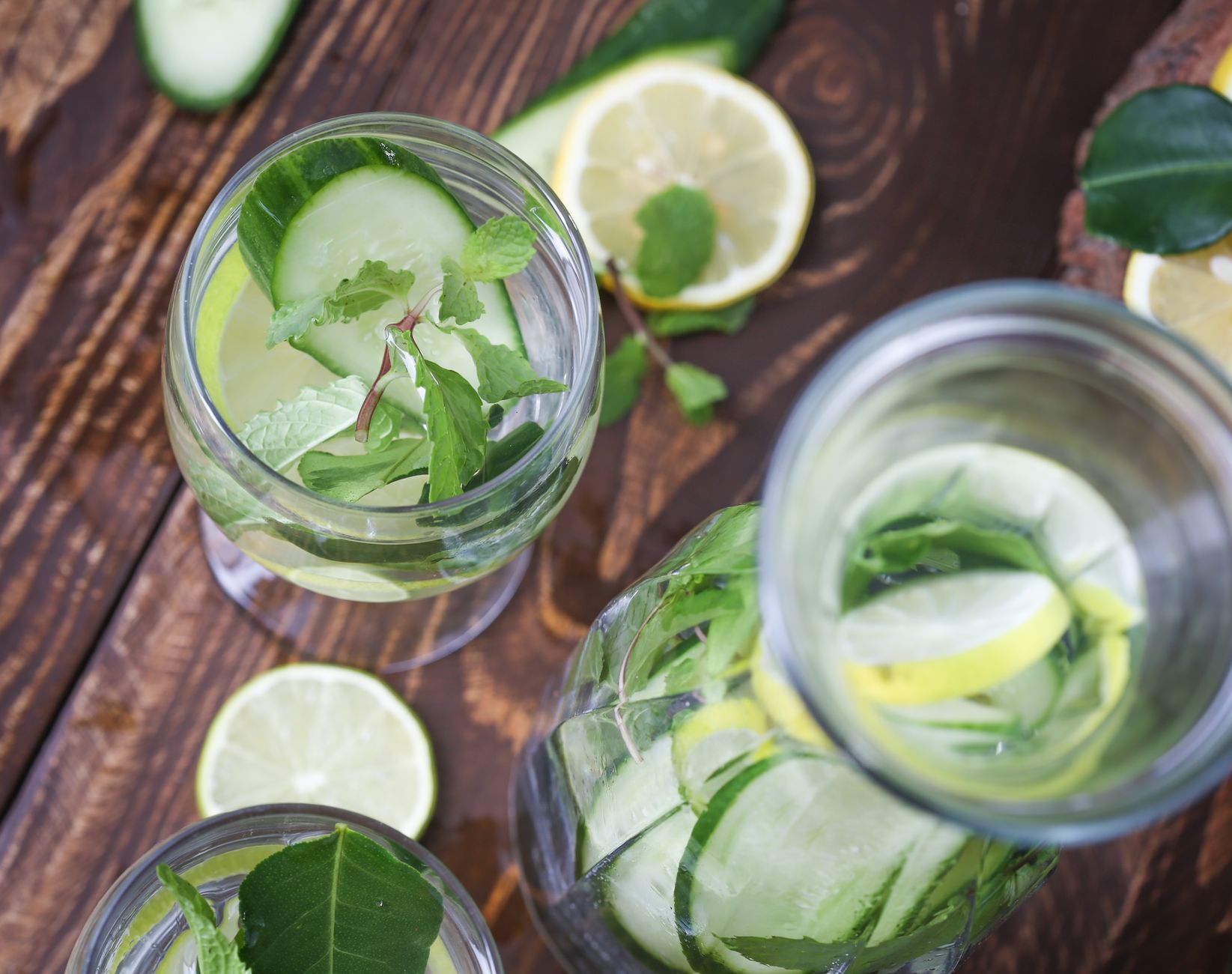
Sample meal plan for an elderly person with digestive issues like IBS or acid reflux
Your uncle, Robert, has struggled with acid reflux and irritable bowel syndrome (IBS) for years. Every time he eats a meal, he worries about bloating, heartburn, or an uncomfortable trip to the bathroom. The good news? With the right diet, many digestive issues can be managed. The key is to **avoid trigger foods**, eat smaller, more frequent meals, and focus on **low-acid, low-fiber (if needed), and easily digestible foods**.
For acid reflux, avoid spicy foods, citrus, tomatoes, garlic, onions, chocolate, and fatty or fried foods. For IBS, triggers can vary—some people are sensitive to dairy, while others react to high-FODMAP foods (fermentable carbs like onions, garlic, apples, and beans). Keeping a food diary can help identify personal triggers.
Here’s a sample meal plan for Robert:
Robert should also **eat slowly and chew thoroughly** to aid digestion. If he experiences bloating or discomfort, he might try **probiotics** (like yogurt or kefir) to support gut health. For acid reflux, avoiding meals 2–3 hours before bedtime can help prevent nighttime symptoms.
If Robert’s symptoms persist or worsen, he should consult a doctor or a dietitian specializing in digestive health to rule out other conditions like celiac disease or food intolerances.
For more on managing digestive issues, check out our autoimmune protocol diet guide, which includes gentle, gut-friendly meal ideas.
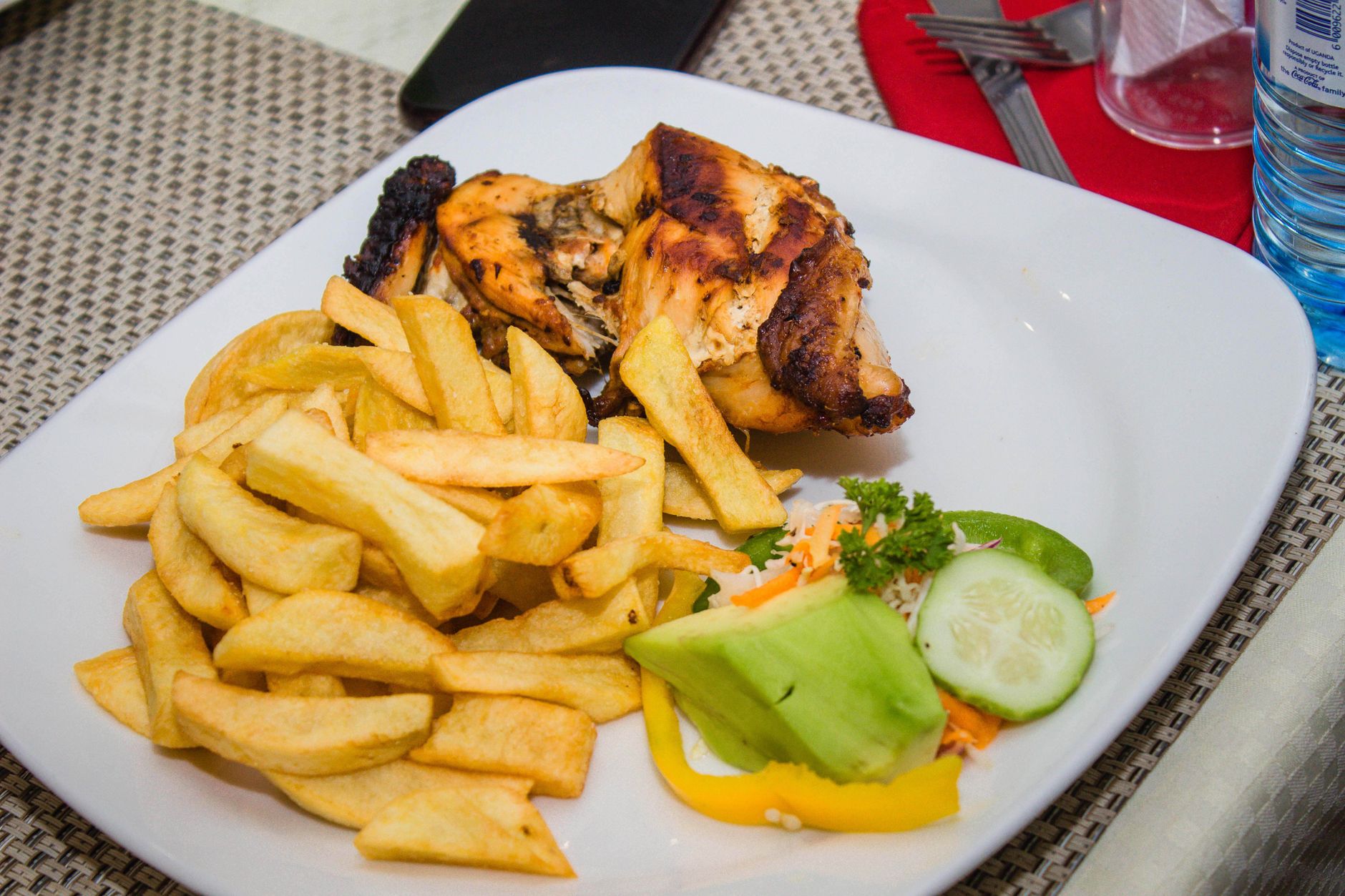
How to modify a traditional meal to fit an elderly person’s nutritional needs?
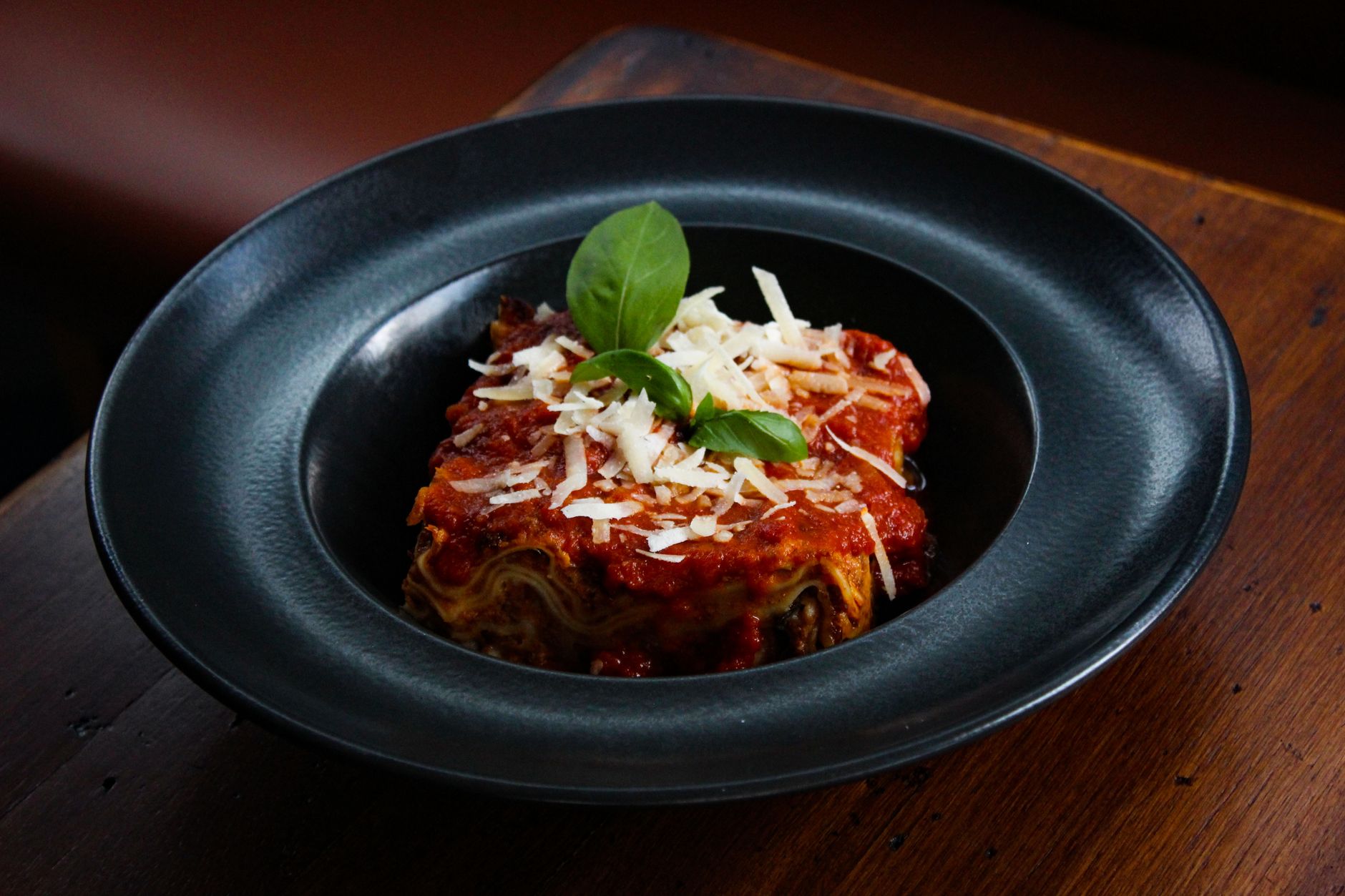
When your grandmother, Clara, moved into a retirement community, she missed her famous lasagna—but her doctor warned her about the high sodium and fat content. She didn’t want to give up her favorite meals, so she decided to **modify them** to fit her nutritional needs. The good news? With a few simple swaps, traditional dishes can become healthier without sacrificing flavor.
The goal is to **reduce sodium, saturated fats, and refined carbs** while keeping meals **nutrient-dense, easy to chew, and enjoyable**. Here’s how Clara adapted her lasagna:
Original lasagna:
- Layers of pasta, ground beef, ricotta cheese, mozzarella, and tomato sauce
- High in sodium (from canned tomatoes and processed meat) and saturated fat (from cheese and ground beef)
Healthier version:
- Pasta: Swap regular pasta for whole-grain or lentil pasta to add fiber and protein.
- Meat: Use lean ground turkey or chicken instead of beef, and season with herbs (like basil, oregano, and garlic) instead of salt.
- Cheese: Reduce the amount of cheese or use a lower-fat mozzarella. Add nutritional yeast for a cheesy flavor without the fat.
- Tomato sauce: Make your own sauce with fresh tomatoes, garlic, and olive oil, or use a low-sodium canned sauce and dilute it with water.
- Veggies: Add layers of spinach, zucchini, or mushrooms to boost nutrients and fiber.
Clara also **baked the lasagna instead of frying it** to reduce fat and made sure to **serve it with a side salad** to add volume and nutrients. She found that her modified lasagna was just as satisfying—and much healthier.
Other easy swaps for traditional meals:
- Fried chicken: Bake chicken breasts with herbs and a light coating of breadcrumbs instead of frying.
- Mac and cheese: Use whole-grain pasta and reduce the cheese while adding steamed broccoli or cauliflower for fiber.
- Potato chips: Swap for baked sweet potato chips or air-popped popcorn (lightly salted).
- White rice: Use brown rice or quinoa for added fiber and nutrients.
The key is to **keep flavors vibrant**—herbs, spices, lemon juice, and vinegar can add depth without sodium. And if Clara misses the texture of fried foods, she can try **air-frying** or **baking** for a crisper result with less oil.
For more tips on modifying meals, check out our DASH diet guide, which emphasizes heart-healthy swaps for classic dishes.
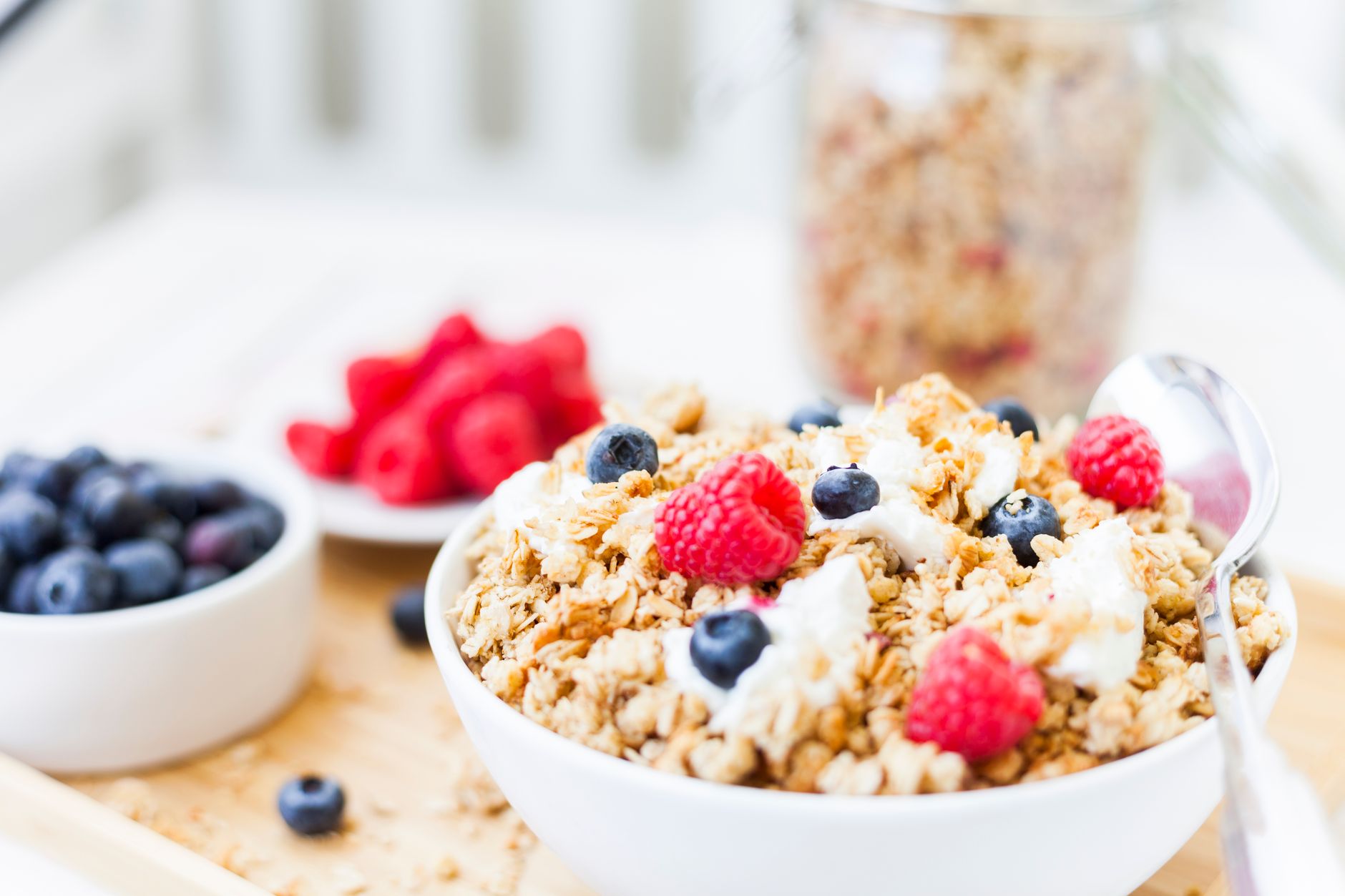
What are the best snacks for seniors to maintain energy levels throughout the day?
Afternoon slumps are a real struggle for many seniors. Your friend, Lisa, used to grab a candy bar when she felt tired, but her doctor warned her about the blood sugar crashes that followed. She needed snacks that would **keep her energy stable, provide nutrients, and satisfy her cravings**—without the crash. The solution? **Smart snacking**—combining protein, fiber, and healthy fats to create balanced, long-lasting energy.
The best snacks for seniors are those that are **easy to prepare, portable, and nutrient-dense**. They should avoid refined sugars and processed foods, which can lead to energy crashes. Instead, focus on **whole foods** like fruits, nuts, yogurt, and whole-grain crackers.
Here are some of the best snack options:
- Greek yogurt with berries and nuts: The protein in Greek yogurt keeps blood sugar stable, while berries and nuts add fiber and healthy fats.
- Hard-boiled eggs and whole-grain crackers: A quick protein and fiber combo that’s easy to grab on the go.
- Hummus with vegetable sticks (carrots, cucumbers, bell peppers): Hummus provides protein and fiber, while veggies add crunch and vitamins.
- Apple slices with almond butter: The fiber in apples and the healthy fats in almond butter create a balanced snack.
- Cheese and whole-grain crackers: A classic combo that provides protein and calcium. Choose low-sodium cheese if blood pressure is a concern.
- Roasted chickpeas: Crunchy, protein-rich, and easy to make at home (toss chickpeas with olive oil and spices, then bake).
- Smoothie with spinach, banana, and almond milk: A quick, nutrient-packed drink that’s easy to digest.
Lisa found that keeping a **snack stash** in her fridge and pantry helped her avoid reaching for unhealthy options. She also tried **pre-portioned snacks**—like single-serve nuts or yogurt cups—to make it easier to control portions.
If Lisa has diabetes, she should choose snacks with a low glycemic index, like nuts or cheese, and pair them with fiber (like an apple or whole-grain crackers) to slow down sugar absorption.
For more snack ideas, check out our guide on snacking for balanced nutrition, which includes options for all dietary needs.
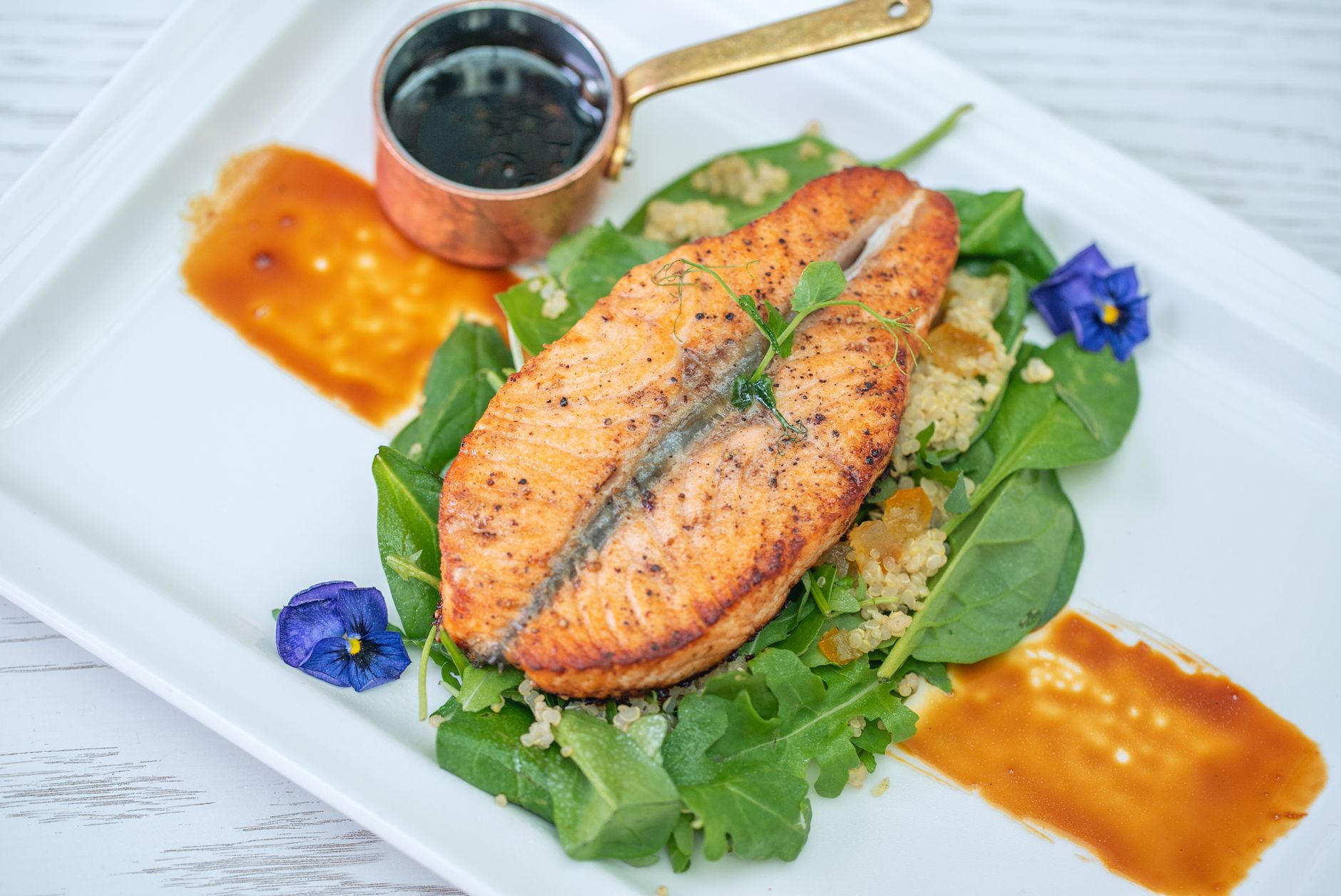
Best foods for elderly people to improve memory and brain function
When your father, David, started forgetting where he left his keys or misplacing his glasses, he was worried. "Is this just aging, or is there something I can do?" he asked. The good news? **Diet plays a crucial role in brain health**, and certain foods can support memory, cognitive function, and even reduce the risk of neurodegenerative diseases like Alzheimer’s. The key is to focus on **antioxidants, omega-3s, and B vitamins**, which protect brain cells and improve blood flow to the brain.
Antioxidants, found in fruits and vegetables, help combat oxidative stress, which can damage brain cells. Omega-3 fatty acids, primarily found in fatty fish, support brain structure and function. B vitamins, especially B6, B9 (folate), and B12, are critical for nerve function and cognitive health.
Here are the best foods for brain health:
David can start his day with a **smoothie** made with spinach, blueberries, Greek yogurt, and a handful of walnuts. For lunch, he might enjoy a **salmon salad** with quinoa and steamed broccoli. Dinner could be a **vegetable stir-fry with tofu and brown rice**, topped with a sprinkle of sesame seeds. Snacks like dark chocolate or a handful of almonds can provide an extra brain boost.
Pro tip: Staying hydrated is also critical for brain function. Dehydration can impair concentration and memory, so David should aim to drink plenty of water throughout the day.
For more on brain-boosting foods, check out our guide on how diet impacts cognitive health, which highlights foods that support long-term brain function.
How to make sure an elderly person gets enough fiber in their daily diet?
When her mother, Helen, was diagnosed with constipation, her doctor recommended increasing her fiber intake. But Helen wasn’t sure where to start—she had always thought fiber was just for digestion, not for overall health. The truth? **Fiber is essential for seniors**, supporting digestion, heart health, blood sugar control, and even weight management. The recommended daily fiber intake for adults over 50 is **25 grams for women and 30 grams for men**, but many seniors don’t get enough.
Fiber comes in two forms: **soluble** (dissolves in water, helps lower cholesterol and blood sugar) and **insoluble** (adds bulk to stool, aids digestion). Both are important, but increasing fiber too quickly can cause bloating or gas, so it’s best to **gradually increase intake** and drink plenty of