One of the biggest myths about aging is that older adults should eat less. Fact: Many seniors need just as many—or even more—nutrients as they did in their 30s and 40s, but their bodies often absorb them less efficiently. That’s why frequency matters as much as portion size. Most nutritionists recommend 3 balanced meals plus 2–3 snacks per day for seniors, especially those who are active or recovering from illness.
Why? Smaller, more frequent meals help with digestion, prevent blood sugar spikes, and ensure steady energy levels—critical for avoiding falls or fatigue. For example, a reader named Margaret shared that after switching to five meals a day (breakfast, lunch, dinner, plus two snacks), her grandpa’s energy levels improved enough that he could walk to the mailbox without stopping. “Before, he’d nap after lunch,” she said. “Now he’s chatting with neighbors!”
If someone has trouble chewing or swallowing (a common issue with age-related dental changes or conditions like dysphagia), smoothies, puddings, or soft-cooked foods can help. The key is consistency. Here’s a general breakdown:
- Breakfast: High-protein (eggs, Greek yogurt, cottage cheese) + fiber (oatmeal, berries) + healthy fats (avocado, nuts).
- Mid-morning snack: A handful of nuts, cheese sticks, or a small fruit smoothie.
- Lunch: Lean protein (chicken, fish, tofu) + veggies + complex carbs (quinoa, sweet potato).
- Afternoon snack: Hummus with veggie sticks, a hard-boiled egg, or a small bowl of soup.
- Dinner: Light but nutrient-dense (salmon with greens, lentil stew, or a small portion of lean beef with roasted veggies).
- Evening snack (if needed): Herbal tea with a small piece of fruit or a warm cup of milk.
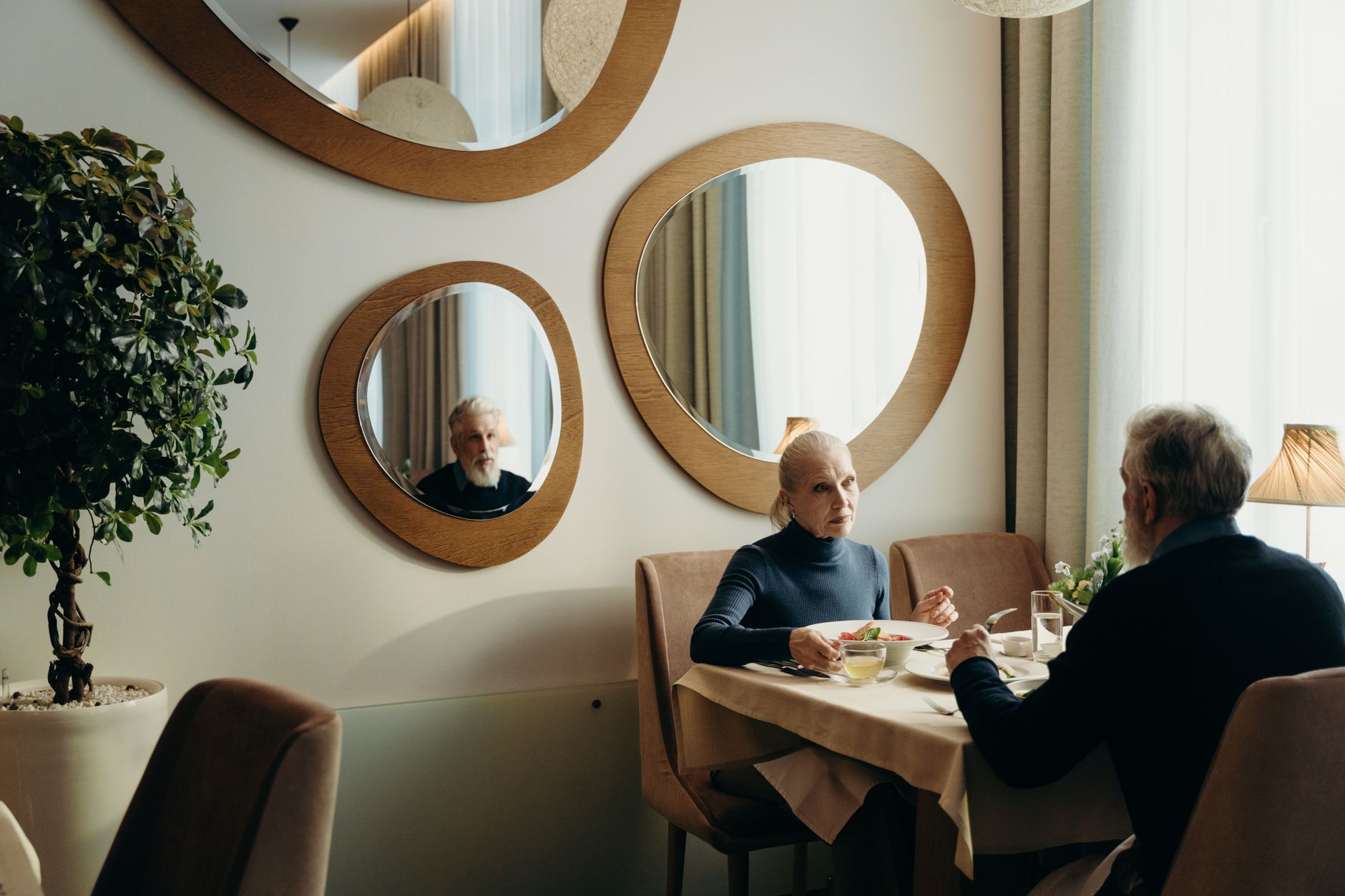
Pro tip: If someone loses interest in eating, try adding flavor with herbs (basil, rosemary, turmeric) or small amounts of citrus. And always keep a water bottle handy—dehydration is a sneaky issue for many seniors.
What foods should an elderly person eat to stay strong and healthy?
Think of your body like a well-oiled machine. To keep it running smoothly as you age, you need the right “fuel.” The best foods for elderly are those packed with vitamins, minerals, and antioxidants that support everything from bone density to brain function. Here’s what to prioritize:
- Lean proteins: Chicken, turkey, fish (salmon, sardines), eggs, beans, lentils, and tofu. These help maintain muscle mass and keep your immune system strong. Why it matters: After age 50, muscle loss (sarcopenia) becomes more common, and protein slows that down.
- Calcium-rich foods: Low-fat dairy (milk, yogurt, cheese), leafy greens (kale, collard greens), fortified plant milks, and almonds. Calcium supports bones and prevents osteoporosis. Pro tip: Pair calcium with vitamin D (found in fatty fish or sunlight) to boost absorption.
- Fiber-rich foods: Oats, apples, pears, broccoli, and whole grains. Fiber aids digestion and helps manage blood sugar levels, reducing the risk of constipation and diabetes.
- Healthy fats: Avocados, nuts, seeds, olive oil, and fatty fish (like mackerel and trout). These fats protect your heart and brain.
- Vitamin-rich veggies: Spinach, carrots, bell peppers, and tomatoes. These provide antioxidants that fight inflammation and support vision.
- Hydrating foods: Watermelon, cucumbers, celery, and soups. Staying hydrated is critical—many seniors don’t drink enough water, which can lead to confusion or fatigue.
Example: A simple lunch might include grilled chicken (protein), quinoa (fiber), roasted Brussels sprouts (vitamins), and a side of avocado (healthy fats). Pair it with a glass of fortified orange juice for extra calcium and vitamin C.
What about supplements? If someone has trouble eating a varied diet, a multivitamin or vitamin D supplement might help—but always check with a doctor first. For instance, gut health supplements like probiotics can be beneficial if digestion is an issue.
What is the best 7-day meal plan for elderly people with no cooking skills?
Let’s be real: Not everyone enjoys cooking, and that’s okay. The goal is nourishment, not gourmet meals. A 7-day elderly meal plan for those with limited cooking skills should focus on minimal prep, easy assembly, and shelf-stable or frozen options. Here’s how to do it:
Breakfast ideas:
- Greek yogurt with honey and berries (just mix and eat).
- Pre-made smoothie packs (frozen fruit + milk or juice).
- Scrambled eggs with pre-chopped veggies (microwave-safe bowl).
- Oatmeal packets with nuts and dried fruit.
Lunch ideas:
- Canned tuna or chicken salad kit with crackers or whole-grain bread.
- Pre-cooked rotisserie chicken with pre-washed salad and light dressing.
- Frozen veggie burgers with whole-wheat buns and a side of applesauce.
- Soups (just heat and eat—look for low-sodium options).
Dinner ideas:
- Frozen fish fillets (microwave or bake) with steamed frozen veggies.
- Pre-made stir-fry kits with pre-cut veggies and protein.
- Slow-cooker meals (like chili or stew) that can be made ahead.
- Pre-cooked quinoa or brown rice with canned beans and salsa.
Snacks:
- Cheese cubes and whole-grain crackers.
- Hard-boiled eggs (pre-made).
- Trail mix (nuts, seeds, dried fruit).
- Frozen grapes or banana slices.
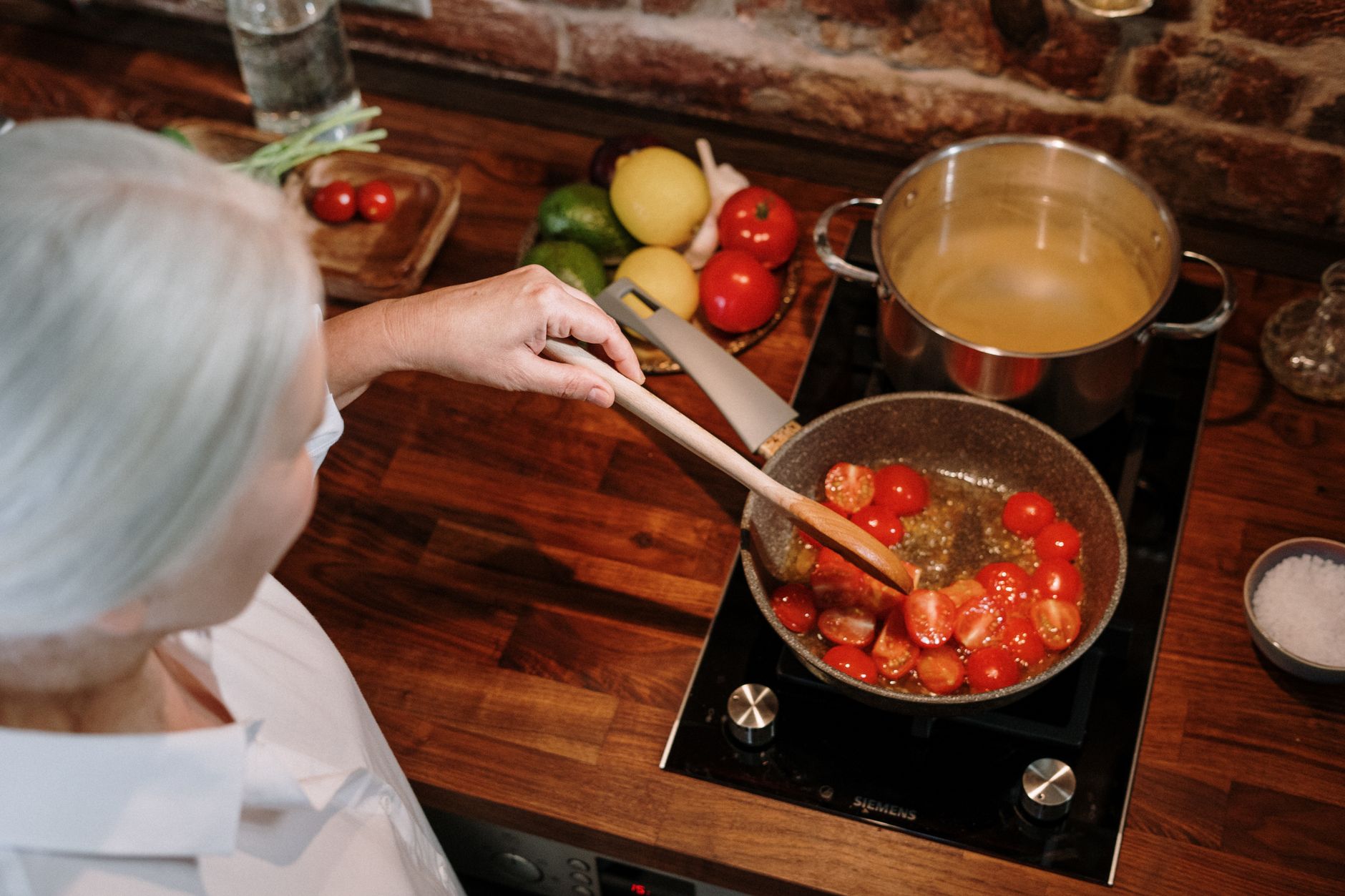
Pro tip: Use a slow cooker or Instant Pot to simplify meals. For example, toss in some chicken, broth, and frozen veggies in the morning, and dinner is ready by evening. Many grocery stores also offer pre-made meal kits designed for seniors.
What are the best foods to avoid for elderly people?
Just as important as knowing what to eat is knowing what to avoid. Some foods can worsen chronic conditions, cause digestive issues, or contribute to weight gain—especially when combined with a sedentary lifestyle. Here’s what to limit or skip:
- Processed meats: Hot dogs, sausages, and deli meats are often high in sodium and preservatives, which can raise blood pressure. Opt for fresh, lean meats instead.
- High-sodium foods: Canned soups, frozen meals, and chips can contribute to high blood pressure. Always check labels and choose low-sodium versions.
- Sugary snacks and drinks: Candy, pastries, and soda can spike blood sugar and contribute to weight gain. Instead, satisfy cravings with fruit or dark chocolate (70%+ cocoa).
- Fried foods: French fries, onion rings, and fried chicken are high in unhealthy fats, which can clog arteries. Bake or grill instead.
- Alcohol in excess: While a small glass of wine with dinner is fine, too much alcohol can interfere with medications, cause dehydration, and increase fall risk.
- Undercooked or raw foods: If someone has a weakened immune system, avoid raw sprouts, undercooked eggs, or rare meat to prevent foodborne illnesses.
Example: If someone loves tacos, skip the fried tortilla chips and opt for a salad with grilled chicken, black beans, and avocado instead. It’s still tasty and packed with nutrients!
What about coffee? While coffee isn’t inherently bad, it can interfere with sleep for some seniors. If caffeine keeps someone up at night, try switching to decaf or limiting intake to the morning.
How much water should an elderly person drink daily?
Dehydration is a silent but serious issue for many seniors. It can cause confusion, fatigue, and even falls. The general rule is to drink about 1.5 to 2 liters (6 to 8 cups) of water daily, but needs can vary based on activity level, climate, and health conditions. Here’s how to stay on track:
- Start the day with a glass of water. Many seniors wake up dehydrated, so drinking a glass as soon as you wake up helps kickstart hydration.
- Set reminders. Use a phone alarm or a water bottle with time markers to drink consistently throughout the day.
- Incorporate hydrating foods. Watermelon, cucumbers, and soups count toward your daily intake. Think of them as “liquid snacks.”
- Watch for signs of dehydration. Dark urine, dizziness, or dry mouth are red flags. If someone has diabetes, they may need extra fluids to manage blood sugar.
- Avoid caffeine-heavy drinks. Coffee and tea are dehydrating, so balance them with water or herbal teas like chamomile or peppermint.
Pro tip: If someone has trouble remembering to drink, keep a water bottle within arm’s reach at all times—even during meals. Many seniors don’t realize they’re thirsty until they’re already dehydrated.
What if someone doesn’t like plain water? Try infusing it with lemon, cucumber, or berries for flavor. Herbal teas and broth-based soups also count toward hydration.
What are the signs that an elderly person is not eating enough?
It’s easy to overlook when someone isn’t eating enough, especially if they’re living alone or have mobility issues. Here are the red flags that someone may not be getting enough nutrients:
- Unexplained weight loss. Losing more than 5% of body weight in a month without trying can signal malnutrition or underlying health issues.
- Fatigue or weakness. Feeling constantly tired or struggling with daily tasks (like walking up stairs) may mean the body isn’t getting enough energy.
- Frequent infections or slow healing. Poor nutrition weakens the immune system, making it harder to fight off illnesses.
- Changes in mood or confusion. Nutrient deficiencies (like vitamin B12 or iron) can cause brain fog or irritability.
- Dry skin, brittle nails, or hair loss. These can indicate a lack of protein, vitamins, or healthy fats.
- Swelling in the legs or abdomen. This could signal fluid retention or kidney issues, often linked to poor diet.
If you notice these signs, it’s time to reassess their diet. Start by adding more calorie-dense foods (like nuts, cheese, or avocado) to meals. If weight loss continues, consult a doctor or dietitian to rule out conditions like malabsorption issues or depression.
Example: If someone is eating small portions, try “sneaking in” nutrients. Blend spinach into smoothies, add cheese to mashed potatoes, or mix ground beef with lentils to stretch meals.
What are the best snacks for elderly people to keep energy up?
Snacks are your secret weapon for keeping energy levels steady and avoiding mid-afternoon crashes. The best snacks for seniors are nutrient-dense, easy to prepare, and portable. Here are some top picks:
- Greek yogurt with honey and nuts. Protein + healthy fats = sustained energy. Pair with a handful of almonds for extra crunch.
- Hard-boiled eggs with whole-grain crackers. A quick, protein-packed snack that’s easy to grab on the go.
- Hummus with veggie sticks. Fiber + protein keeps blood sugar stable. Carrot sticks, cucumbers, or bell peppers work great.
- Cottage cheese with pineapple or peaches. The natural sweetness makes this a delicious and hydrating option.
- Trail mix (nuts, seeds, dried fruit). Avoid mixes with chocolate chips or excessive salt. Opt for unsalted nuts and dried cranberries.
- Avocado toast on whole-grain bread. Healthy fats + fiber = a satisfying snack that feels like a meal.
- Smoothies (spinach, banana, Greek yogurt, almond milk). Blend these together for a nutrient-packed drink that’s easy to digest.
Pro tip: Keep snacks visible and accessible. Place a bowl of nuts on the coffee table or pre-portion crackers and cheese in small containers for easy grabbing.
What are the best supplements for elderly people?
While food should always be the primary source of nutrients, supplements can help fill gaps—especially for seniors with limited appetites or absorption issues. Here are the most evidence-backed supplements for older adults, along with dosing guidelines:
Important note: Always consult a doctor before starting any supplement, especially if you’re on medications. For example, high doses of vitamin D can interact with heart medications, and magnesium can affect blood pressure drugs. If someone is unsure, a simple blood test can check for deficiencies.
What about multivitamins? A daily multivitamin can help cover bases, but it’s not a replacement for a balanced diet. If someone struggles to eat a variety of foods, a multivitamin with vitamin D and B12 is a good starting point.
What are the common mistakes to avoid when planning an elderly diet?
Even with the best intentions, it’s easy to make mistakes when planning meals for seniors. Here are the most common pitfalls—and how to avoid them:
- Assuming they don’t need as much food. Myth: “Seniors should eat less.” Fact: Many seniors need the same (or more) calories to maintain weight, especially if they’re active or have a fast metabolism. Focus on nutrient density, not just portion size.
- Skipping protein. Many seniors cut back on meat or dairy, but protein is critical for muscle maintenance. If they’re not eating enough, add Greek yogurt, beans, or lentils to meals.
- Overdoing salt. High sodium can raise blood pressure, which is a major risk for seniors. Always choose low-sodium versions of canned goods and sauces.
- Ignoring hydration. Many seniors don’t feel thirsty, so they don’t drink enough. Set reminders, keep water within reach, and include hydrating foods like soups and fruits.
- Serving meals that are too hot or too cold. Temperature extremes can be uncomfortable or even dangerous for seniors with poor circulation. Serve food at a comfortable temperature.
- Not involving the person in meal planning. If someone feels like they’re being “fed” rather than choosing, they may lose interest. Ask for their preferences and let them help with simple tasks like picking fruits or setting the table.
- Assuming all seniors have the same needs. Health conditions, medications, and lifestyles vary widely. What works for one senior may not work for another. Always tailor the diet to their specific needs.
Example: If someone has diabetes, focus on complex carbs (like quinoa or sweet potatoes) and lean proteins. If they have heart disease, limit saturated fats and choose omega-3-rich fish instead of red meat.
What are the best cooking methods for elderly people?
Cooking shouldn’t be a chore—especially for seniors who may have limited mobility or energy. The best cooking methods for elderly individuals are those that require minimal effort, minimal cleanup, and maximum nutrition. Here are the top picks:
- Slow cooking. Toss ingredients into a slow cooker in the morning, and dinner is ready by evening. It’s hands-off and perfect for hearty meals like stews, chili, or pulled chicken.
- Steaming. Use a steamer basket to cook veggies, fish, or even eggs with minimal oil. It preserves nutrients and keeps meals light.
- Microwaving. Many seniors avoid the microwave, but it’s one of the fastest and safest ways to cook. Use it for reheating soups, cooking frozen veggies, or even making oatmeal.
- Baking. Baked dishes like casseroles, fish, or chicken are easy to prepare and require little active time. Just pop them in the oven and let them cook.
- Instant Pot/pressure cooking. This is a game-changer for busy seniors. You can cook rice, beans, soups, and even meats in minutes with minimal effort.
- Pre-cut and pre-cooked foods. Many grocery stores offer pre-cut veggies, pre-cooked grains, and even pre-made salads. These can save time and reduce the risk of injury from chopping.
Pro tip: If someone has arthritis or limited hand strength, use tools like ergonomic can openers, easy-grip utensils, or non-slip cutting boards to make cooking safer.
What about meal delivery services? Services like Meals on Wheels or Blue Apron offer pre-portioned, nutritious meals delivered to your door. They’re a great option for seniors who struggle with grocery shopping or cooking.
What is the best 7-day elderly meal plan for seniors with diabetes?
If someone has diabetes, the goal is to manage blood sugar levels while still enjoying flavorful, satisfying meals. A 7-day diabetic-friendly meal plan for seniors focuses on complex carbs, lean proteins, healthy fats, and fiber—all of which help stabilize blood sugar. Here’s a sample plan:
Day 1:
- Breakfast: Scrambled eggs with spinach and whole-grain toast.
- Snack: Greek yogurt with chia seeds and berries.
- Lunch: Grilled chicken salad with mixed greens, cherry tomatoes, cucumber, and balsamic vinaigrette.
- Snack: Hummus with carrot and celery sticks.
- Dinner: Baked salmon with quinoa and steamed broccoli.
Day 2:
- Breakfast: Oatmeal with almond butter and sliced banana.
- Snack: Cottage cheese with pineapple.
- Lunch: Turkey lettuce wraps with avocado and salsa.
- Snack: A small handful of almonds.
- Dinner: Lentil soup with a side of whole-grain bread.
Day 3:
- Breakfast: Smoothie with spinach, banana, almond milk, and protein powder.
- Snack: Hard-boiled egg with whole-grain crackers.
- Lunch: Grilled shrimp with quinoa and roasted zucchini.
- Snack: Celery sticks with peanut butter.
- Dinner: Baked chicken with mashed cauliflower and green beans.
Key tips for diabetic diets:
- Focus on low-glycemic foods (like sweet potatoes instead of white potatoes).
- Avoid sugary drinks and desserts—opt for dark chocolate (70%+ cocoa) in moderation.
- Pair carbs with protein or fat to slow digestion and prevent blood sugar spikes.
- Check portion sizes—even healthy foods can affect blood sugar if eaten in large amounts.
Example: If someone loves pasta, swap traditional white pasta for chickpea or lentil pasta, which have a lower glycemic index and more protein.
What are the best foods to eat for bone health in elderly?
Bone health becomes increasingly important as we age, as osteoporosis and fractures become more common. The best foods for bone health are rich in calcium, vitamin D, magnesium, and protein—all of which support bone density. Here’s what to prioritize:
- Calcium-rich foods: Low-fat dairy (milk, yogurt, cheese), leafy greens (kale, collard greens), fortified plant milks, and almonds.
- Vitamin D sources: Fatty fish (salmon, mackerel), egg yolks, and fortified foods like orange juice or cereals. Vitamin D helps your body absorb calcium.
- Magnesium-rich foods: Nuts, seeds, whole grains, and dark leafy greens. Magnesium works with calcium to strengthen bones.
- Protein: Chicken, fish, beans, lentils, and tofu. Protein provides the building blocks for bone tissue.
- Vitamin K: Found in broccoli, Brussels sprouts, and spinach. Vitamin K helps direct calcium to your bones.
Example meal: A breakfast of Greek yogurt (calcium) with walnuts (magnesium) and a glass of fortified orange juice (vitamin D) sets you up for the day. For lunch, try a salmon salad (vitamin D + protein) with a side of kale (calcium and vitamin K).
What about supplements? If someone has trouble getting enough calcium or vitamin D from food, a supplement may help. However, always check with a doctor first—too much calcium can be harmful.
What are the best foods to eat for heart health in elderly?
Heart disease is a leading cause of death in seniors, so eating for heart health is critical. The best foods for heart health are those that lower cholesterol, reduce inflammation, and support healthy blood pressure. Here’s what to include:
- Fatty fish (salmon, mackerel, sardines): Rich in omega-3s, which reduce triglycerides and lower the risk of heart disease.
- Olive oil: A heart-healthy fat that reduces LDL (“bad”) cholesterol. Use it for cooking or drizzle it over salads.
- Nuts and seeds: Almonds, walnuts, and chia seeds are packed with healthy fats and fiber, which help lower cholesterol.
- Berries: Blueberries, strawberries, and raspberries are high in antioxidants, which protect blood vessels.
- Leafy greens: Spinach, kale, and Swiss chard are rich in nitrates, which help relax blood vessels and improve blood flow.
- Whole grains: Oats, quinoa, and brown rice are high in fiber, which helps lower cholesterol.
- Legumes: Beans, lentils, and chickpeas are great sources of plant-based protein and fiber.
Example meal: A lunch of grilled salmon (omega-3s) with quinoa (fiber) and a side of steamed broccoli (vitamin C) is a heart-healthy powerhouse. For dessert, enjoy a small bowl of mixed berries with a sprinkle of walnuts.
What to avoid: Trans fats (found in fried foods and margarine), excessive salt, and sugary treats can all harm heart health. Instead, opt for herbs and spices like garlic, turmeric, and basil for flavor.
What are the best foods to eat for brain health in elderly?
Keeping your brain sharp as you age is all about eating foods rich in antioxidants, healthy fats, and nutrients that support cognitive function. The best foods for brain health include:
- Fatty fish (salmon, sardines, mackerel): Omega-3s are essential for brain health and may reduce the risk of cognitive decline.
- Blueberries and strawberries: High in antioxidants called flavonoids, which improve memory and cognitive function.
- Nuts (especially walnuts and almonds): Rich in healthy fats and vitamin E, which protect brain cells.
- Leafy greens (spinach, kale, arugula): Packed with folate and vitamins K and C, which support brain health.
- Dark chocolate (70%+ cocoa): Contains flavonoids that improve blood flow to the brain.
- Turmeric: This spice contains curcumin,




