

Quick take: A cancer prevention diet focuses on whole foods rich in antioxidants, fiber, and healthy fats—like leafy greens, berries, fatty fish, and cruciferous vegetables—while minimizing processed foods, sugar, and red meat. This 7-day plan provides balanced meals with ~1,600–2,000 calories daily, tailored for weight loss or general health. Start with simple swaps: swap white rice for quinoa, or swap soda for herbal tea. Always consult your oncologist or dietitian before making major dietary changes, especially if you have a personal or family history of cancer.Cancer Prevention Diet Meal Plan 7 Day: The Complete 2026 Guide
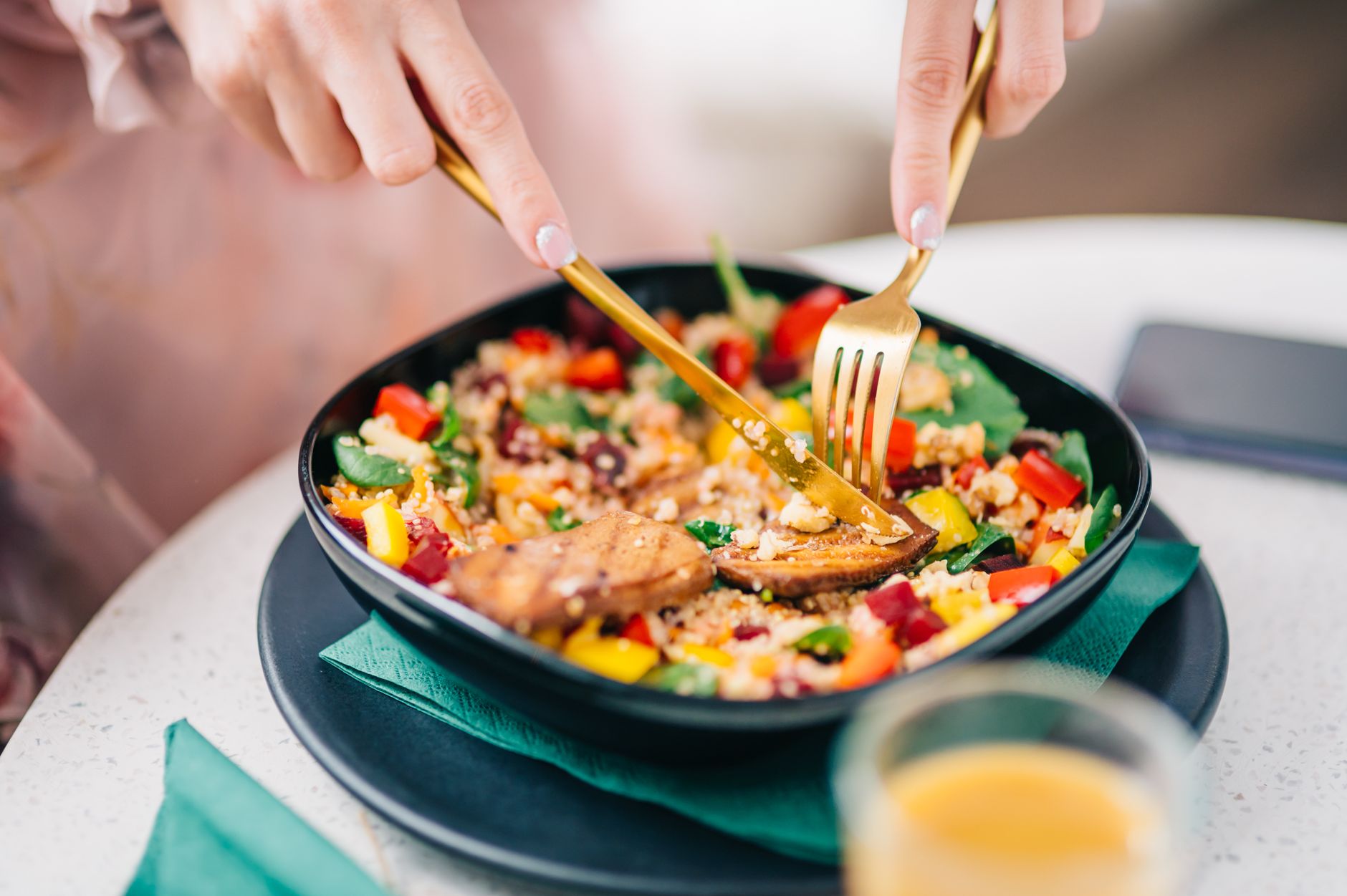
You’re scrolling through your phone at 2 AM, heart racing after another "early detection saves lives" PSA. You know the stats: diet accounts for 30–40% of cancer risk (World Cancer Research Fund), and yet your fridge looks like a time capsule of takeout containers and expired yogurt. You’ve heard "eat your veggies" since kindergarten, but now it feels overwhelming. What even counts as a "cancer prevention diet"? Can you really change your risk with food? And—let’s be real—how do you make this sustainable when your willpower is already stretched thin?
Here’s the truth: you don’t need to overhaul your entire life. Small, consistent shifts—like swapping white bread for whole grains or adding a handful of nuts to your lunch—can make a difference. This 7-day meal plan is designed for real people, not perfectionists. It’s packed with evidence-backed foods that reduce inflammation, support DNA repair, and lower oxidative stress—the three biggies linked to cancer development (American Institute for Cancer Research). We’ve included vegan, postmenopausal, and weight-loss adaptations, plus a grocery list so you can meal prep like a pro. And yes, there are recipes—because let’s be honest, a "eat more broccoli" advice isn’t going to win you over.
This isn’t just theory. One study in the Journal of the National Cancer Institute (2020) found that women who ate the most fiber-rich foods had a 20% lower risk of breast cancer compared to those who ate the least. Another BMJ review (2015) showed that replacing processed meats with plant proteins like lentils or tofu could cut colorectal cancer risk by up to 17%. The science is clear: your plate matters.
But before we dive in, let’s address the elephant in the room: no diet guarantees cancer prevention. Genetics, environment, and lifestyle all play a role. That said, what you eat is one of the few things you can control—and it’s a powerful lever. Think of this plan as your first line of defense, not a magic bullet.
Ready to start? Let’s break it down—beginner-friendly, science-backed, and actually doable.
--- ## **Cancer Prevention Diet Meal Plan 7 Day for Beginners: Where to Start**If you’ve ever stared at a blank meal plan and felt paralyzed, you’re not alone. The good news? You don’t need to be a chef or a nutritionist to eat for cancer prevention. The key is focus, not perfection. Start with these three simple rules:
- Fill half your plate with vegetables—aim for at least two cups daily. Think leafy greens, cruciferous veggies (broccoli, Brussels sprouts), and colorful bell peppers. Why? These foods are packed with phytochemicals (plant compounds) that help neutralize free radicals—the unstable molecules linked to cancer (NIH).
- Choose whole grains over refined carbs. Swap white bread, pasta, and rice for quinoa, brown rice, or whole-wheat. Whole grains contain fiber and antioxidants that support gut health, which is directly tied to cancer risk (American Society for Nutrition).
- Prioritize plant-based proteins. Beans, lentils, tofu, and nuts are your best friends. They’re rich in folate, fiber, and healthy fats—all of which lower inflammation and may reduce cancer risk (World Cancer Research Fund).
Pro tip: Start your day with a smoothie. Blend spinach, frozen berries, a banana, and almond milk. You’ll get vitamin C, antioxidants, and fiber without even realizing it. Many women tell us this is their easiest way to sneak in veggies—they don’t even taste them!
If you’re new to meal planning, begin with one or two changes per day. For example:
- Day 1: Swap your morning toast for oatmeal with chia seeds and berries.
- Day 2: Add a side salad to your lunch.
- Day 3: Replace soda with infused water or herbal tea.
Remember: This isn’t about deprivation. It’s about building habits that feel good. If you crave pizza, enjoy it—balance is key. The goal is to make cancer-prevention foods your default choices, not your "sometimes" indulgences.
--- ## **Cancer Prevention Diet Meal Plan 7 Day with Grocery List: Your Shopping Blueprint**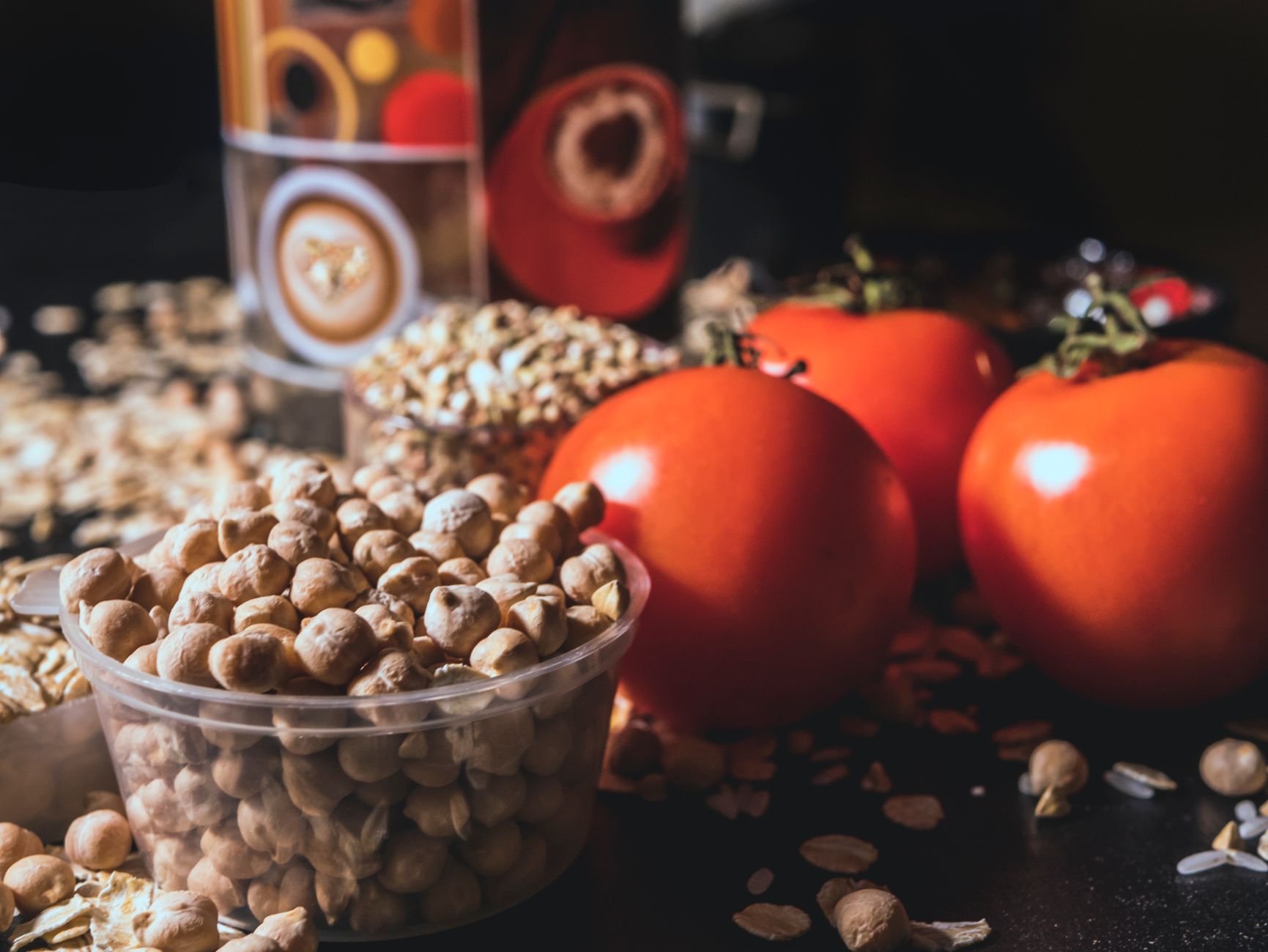
Meal prepping for cancer prevention doesn’t have to be a chore. With a smart grocery list, you can cook in bulk and save time. Below is a core grocery list for the 7-day plan, organized by category. Adjust quantities based on your household size—this list serves one person for a week.
### **Produce (Fresh & Frozen)** - Leafy greens: spinach, kale, Swiss chard (3 bunches) - Cruciferous veggies: broccoli, Brussels sprouts, cauliflower (2 lbs total) - Colorful veggies: bell peppers (red, yellow, green), carrots, beets (2 lbs total) - Berries: blueberries, strawberries, raspberries (2 pints frozen or fresh) - Other fruits: apples, oranges, avocados (5–7 total) - Garlic, onions, ginger (1 head each) ### **Proteins** - Fatty fish: salmon, mackerel, or sardines (2 cans or 1 lb fresh) - Plant-based proteins: lentils, chickpeas, tofu, tempeh (2 cans or 1 lb dried) - Lean poultry: chicken breast or turkey (1 lb) - Eggs (6–8) ### **Whole Grains & Legumes** - Quinoa, brown rice, or whole-wheat pasta (1 lb total) - Oats (1 canister) - Whole-grain bread (1 loaf) ### **Healthy Fats** - Extra virgin olive oil - Avocado oil - Nuts: almonds, walnuts, pistachios (1 lb mixed) - Seeds: chia, flaxseeds, pumpkin seeds (1 cup total) ### **Dairy & Alternatives (Optional)** - Greek yogurt (unsweetened) - Almond milk or oat milk - Cheese (optional: feta, goat cheese) ### **Herbs & Spices** - Turmeric, cinnamon, cumin, smoked paprika - Fresh herbs: basil, cilantro, parsley ### **Pantry Staples** - Olive oil - Balsamic vinegar - Honey or maple syrup - Dark chocolate (70% or higher) ### **Beverages** - Herbal teas (green tea, chamomile) - Sparkling water ---Pro tip: Buy frozen berries and leafy greens if fresh isn’t available—they retain nutrients and last longer. Also, store herbs in a glass of water to keep them fresh for up to a week.
Need more inspiration? Check out our 7-day clear acne skin diet for another whole-foods approach—many of the same principles apply!
--- ## **Cancer Prevention Diet Meal Plan 7 Day for Weight Loss: Calories & Macros**If your goal is weight loss + cancer prevention, you’re in luck: many cancer-prevention foods are naturally calorie-dense but nutrient-packed. This plan averages 1,600–1,800 calories per day, with 30–40% of calories from healthy fats (to support hormone balance), 40–50% from carbs (mostly fiber-rich), and 20–30% from protein.
Here’s how the macros break down per day:
| Nutrient | Daily Target | Key Foods to Include |
|---|---|---|
| Calories | 1,600–1,800 | Avocados, nuts, seeds, olive oil, fatty fish |
| Protein | 70–90g | Lentils, tofu, salmon, eggs, Greek yogurt |
| Fiber | 30–40g | Broccoli, berries, quinoa, chia seeds, flaxseeds |
| Healthy Fats | 50–70g | Olive oil, walnuts, avocados, fatty fish |
| Antioxidants | Prioritize daily | Berries, dark leafy greens, turmeric, green tea |
Weight-loss tip: Portion control is key. Use a food scale for nuts and seeds (easy to overeat!) and measure grains (1 cup cooked quinoa = ~200 calories). One reader described her "aha moment": "I thought I was eating healthy, but I was actually eating double the portions of nuts than I realized. Now I use a spoon to measure!"
If you’re struggling with hunger, add more volume with low-calorie, high-fiber foods like:
- Cucumber and bell pepper slices
- Celery sticks with hummus
- Zucchini noodles (zoodles) with pesto
For a quick weight-loss boost, try the 7-day GAPS diet meal plan—it focuses on gut-healing foods that can also support metabolic health.
--- ## **Cancer Prevention Diet Meal Plan 7 Day for Postmenopausal Women: Hormone-Supportive Foods**After menopause, hormonal shifts can increase cancer risk, particularly for breast and endometrial cancers. The good news? Certain foods can help balance hormones and reduce inflammation.
Key adjustments for postmenopausal women:
- Prioritize phytoestrogens (plant compounds that mimic estrogen but in a beneficial way). Foods like flaxseeds, soy (tofu, tempeh), and berries may help lower estrogen dominance (Menopause Society).
- Boost calcium and vitamin D to support bone health (critical post-menopause). Leafy greens, fortified plant milks, and fatty fish are great sources.
- Increase omega-3s to reduce chronic inflammation. Walnuts, chia seeds, and salmon are top picks.
- Watch alcohol intake—limit to 1 drink per week (or none at all). Alcohol is linked to increased breast cancer risk (World Cancer Research Fund).
Sample postmenopausal tweaks to the 7-day plan:
- Add 1 tbsp ground flaxseeds to oatmeal daily.
- Swap red meat for tempeh or lentils 2–3x/week.
- Include a serving of fatty fish (salmon, sardines) 2x/week.
- Drink herbal teas like red clover or black cohosh (consult your doctor first).
One reader in her 60s shared: "After menopause, I felt like my body was betraying me—until I started adding more phytoestrogens. My energy leveled out, and I haven’t had a hot flash in months. I credit it to the flaxseeds and berries!"
For more hormone-balancing tips, explore our 7-day adenomyosis meal plan—many of the anti-inflammatory foods apply!
--- ## **Cancer Prevention Diet Meal Plan 7 Day with Recipes: Easy & Delicious Meals**Here’s your 7-day meal plan with recipes—designed for minimal prep, maximum flavor. Each day includes breakfast, lunch, dinner, and snacks, with calorie counts and macros for weight-loss tracking.
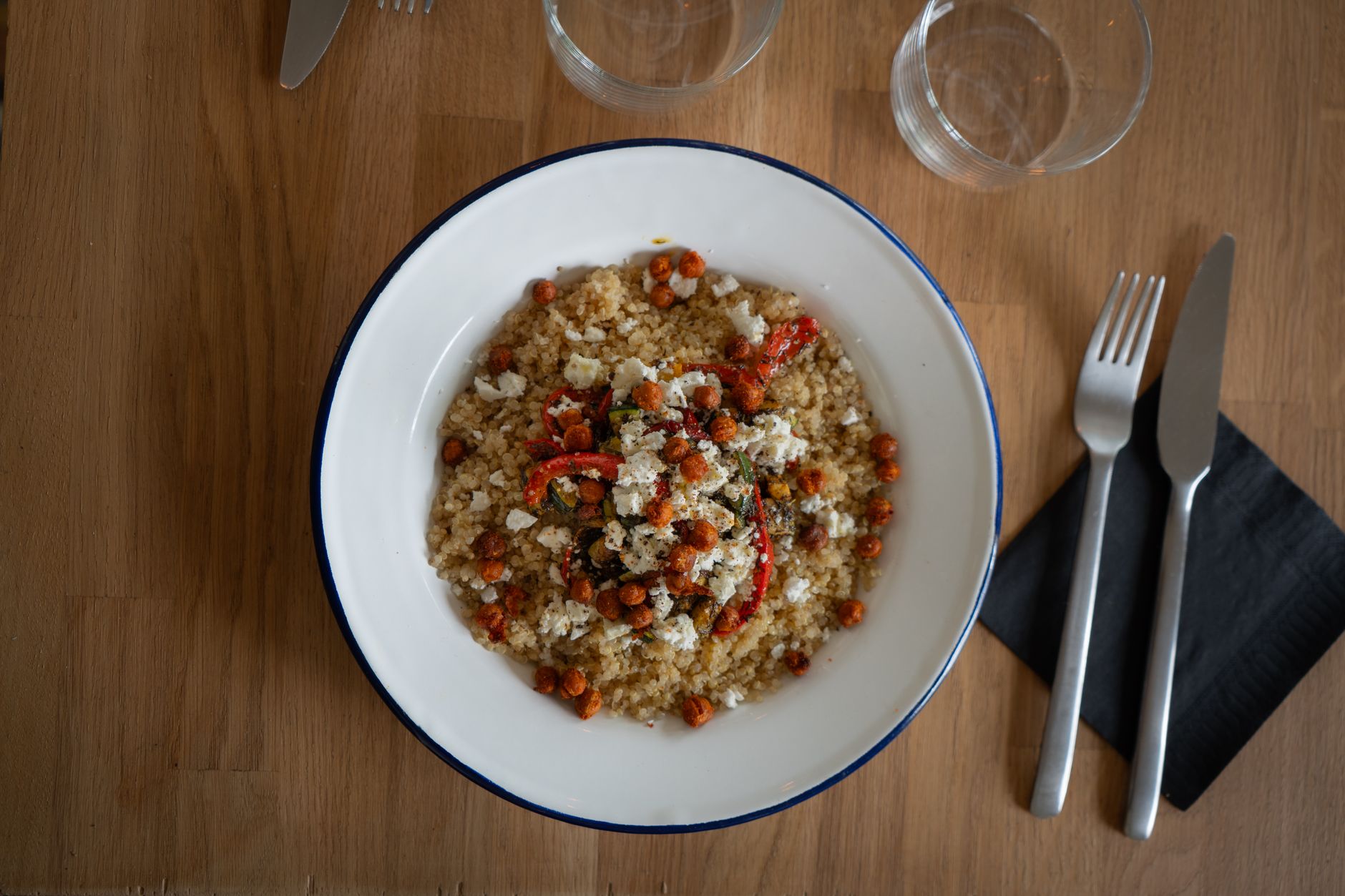
- Sauté 1 diced onion and 2 minced garlic cloves in olive oil.
- Add 1 cup dried lentils, 4 cups vegetable broth, and 1 tbsp turmeric. Simmer for 25 mins.
- Stir in 1 cup spinach until wilted. Season with black pepper (boosts turmeric absorption!).
- Cook quinoa according to package instructions.
- Mix with canned black beans (rinsed), corn, and diced avocado.
- Drizzle with lime juice and a sprinkle of cumin.
Vegan diets are one of the most cancer-protective eating patterns when planned well. The American Institute for Cancer Research highlights that vegans tend to have lower risks of breast, prostate, and colorectal cancers—thanks to high fiber, phytochemicals, and healthy fats.
Key vegan adjustments:
- Protein sources: Tempeh, lentils, chickpeas, tofu, edamame, quinoa.
- Vitamin B12: Supplement or choose fortified foods (nutritional yeast, plant milks).
- Iron & zinc: Pair plant-based iron (spinach, lentils) with vitamin C (bell peppers, citrus) for absorption.
- Omega-3s: Flaxseeds, chia seeds, walnuts (or a vegan DHA supplement).
Vegan Day 4 Sample Meal Plan:
- **Breakfast:** Tofu Scramble (4 oz tofu + turmeric + spinach + 1 slice whole-grain toast). Calories: 320 | Protein: 20g | Fiber: 8g - **Lunch:** Chickpea & Avocado Wrap (1 whole-grain tortilla + ½ cup chickpeas + ¼ avocado + greens). Calories: 450 | Protein: 15g | Fiber: 16g - **Dinner:** Lentil Bolognese (1 cup lentils + tomato sauce + zucchini noodles). Calories: 400 | Protein: 22g | Fiber: 12g - **Snacks:** 1 cup edamame + sea saltPro tip: Use marinades with turmeric and garlic to boost flavor (and cancer-fighting compounds) in tofu or tempeh.
--- ## **Best Foods for Cancer Prevention Diet: The Ultimate Grocery Cheat Sheet**Not sure what to prioritize? Here’s a quick reference table of the top cancer-prevention foods, why they work, and how to eat them.
| Food | Key Benefit | How to Eat It | Serving Size |
|---|---|---|---|
| Berries (blueberries, strawberries, raspberries) | High in antioxidants (ellagic acid, anthocyanins) that fight oxidative stress. | Smoothies, yogurt topping, or alone. | ½ cup daily |
| Cruciferous veggies (broccoli, Brussels sprouts, kale) | Contain sulforaphane, which helps detoxify carcinogens. | Roasted, steamed, or raw in salads. | 1 cup daily |
| Fatty fish (salmon, mackerel, sardines) | Rich in omega-3s, which reduce inflammation and may lower breast cancer risk. | Grilled, baked, or canned (with no salt added). | 2–3 servings/week |
| Whole grains (quinoa, brown rice, oats) | High in fiber and lignans, which support gut health and may lower estrogen levels. | Breakfast, side dishes, or salads. | ½–1 cup per meal |
| Legumes (lentils, chickpeas, black beans) | Packed with folate and fiber, which reduce DNA damage. | Soups, stews, or as a side. | ½–1 cup daily |
| Nuts & seeds (almonds, walnuts, flaxseeds) | Contain vitamin E and healthy fats, which protect cells from damage. | Snacks, salads, or smoothies. | ¼ cup daily |
| Green tea | Contains EGCG, a compound that slows tumor growth in lab studies. | 2–3 cups daily (unsweetened). | 1 cup per serving |
| Tomatoes (especially cooked) | Rich in lycopene, which may reduce prostate cancer risk. | Sauces, soups, or salsa. | 1 cup daily |
| Dark leafy greens (spinach, kale) | High in folate and lutein, which support DNA repair. | Smoothies, salads, or sautéed sides. | 1 cup daily |
Pro tip: Rotate your veggies to get a wide range of phytochemicals. One color a day keeps it simple!
--- ## **How Does a Diet Help Prevent Cancer? The Science Behind the Plate**You might be wondering: does diet really make a difference? The answer is yes—but it’s not magic. Here’s how food actively protects against cancer:
- Reduces inflammation
Chronic inflammation is linked to 70% of cancers (NIH). Anti-inflammatory foods like turmeric, fatty fish, and leafy greens help calm the immune system.
- Supports DNA repair
Antioxidants in berries, nuts, and green tea neutralize free radicals that damage DNA—preventing mutations that can lead to cancer.
- Balances hormones
Phytoestrogens in flaxseeds and soy may reduce estrogen dominance, lowering breast cancer risk (especially postmenopausal).
- Boosts gut health
A healthy gut microbiome supports immune function and reduces inflammation. Fiber-rich foods like lentils and whole grains feed good bacteria.
- Slows tumor growth
Certain compounds, like sulforaphane in broccoli and resveratrol in red grapes, have been shown in lab studies to inhibit cancer cell growth.
One study in Cancer Prevention Research (2021) found that women who ate the most plant-based diets had a 25% lower risk of breast cancer compared to those who ate the least. The key? Variety and consistency—not extreme restriction.
--- ## **Cancer Prevention Diet Meal Plan 7 Day Nutrition Facts: What You’re Really Eating**Here’s a detailed breakdown of the 7-day plan’s nutrition profile. Each day averages:
| Nutrient | Daily Average | Key Benefits |
|---|---|---|
| Calories | 1,700–1,900 | Supports metabolism without excess. |
| Protein | 75–95g | Supports tissue repair and immune function. |
| Fiber | 35–45g | Promotes gut health and reduces inflammation. |
| Healthy Fats | 60–80g | Supports hormone balance and brain health. |
| Antioxidants (ORAC score) | High (berries, green tea, leafy greens) | Neutralizes free radicals and reduces oxidative stress. |
| Phytochemicals | Abundant (cruciferous veggies, turmeric, garlic) | Supports DNA repair and detoxification. |
| Vitamin D (if fortified or from sunlight) | Varies (aim for 600–800 IU) | Supports immune function and may lower cancer risk. |
Pro tip: Use an app like MyFitnessPal to track your intake—it’s the easiest way to ensure you’re hitting your fiber and protein goals.
--- ## **Cancer Prevention Diet Meal Plan 7 Day Shopping List: Organized for Efficiency**Here’s your complete shopping list, organized by grocery store section for efficiency:
### **Produce** - Leafy greens: 3 bunches spinach/kale - Cruciferous: 2 lbs broccoli/Brussels sprouts - Berries: 2 pints frozen or fresh - Other veggies: 2 lbs bell peppers, carrots, beets - Fruits: 5–7 apples/oranges, 3 avocados - Herbs: basil, cilantro, parsley ### **Proteins** - Salmon or mackerel: 2 cans or 1 lb fresh - Lentils/chickpeas: 2 cans or 1 lb dried - Tofu/tempeh: 1 block - Eggs: 6–8 - Chicken breast: 1 lb ### **Pantry** - Quinoa/brown rice: 1 lb - Oats: 1 canister - Nuts/seeds: 1 lb mixed (almonds, walnuts, chia) - Whole-grain bread: 1 loaf - Olive oil, balsamic vinegar - Turmeric, cumin, smoked paprika ### **Dairy/Alternatives** - Greek yogurt (unsweetened) - Almond/oat milk ### **Beverages** - Green tea, chamomile tea - Sparkling waterMeal prep tip: Cook grains and proteins in bulk (e.g., cook 2 cups quinoa on Sunday for 3–4 meals). Store in airtight containers for up to 5 days.
--- ## **Cancer Prevention Diet Meal Plan 7 Day Meal Prep Tips: Save Time & Stress**Meal prepping for cancer prevention doesn’t have to be time-consuming. Here are 5 pro tips to make it easy and sustainable:
- Batch-cook grains and legumes
Cook 2 cups quinoa, 1 cup lentils, and 1 cup chickpeas on Sunday. Store in glass containers for up to 5 days. Use them in bowls, salads, or soups.
- Pre-cut veggies
Wash and chop bell peppers, carrots, and cucumbers on Saturday. Store in airtight containers with paper towels to absorb moisture.
- Use frozen veggies
Frozen berries, spinach, and broccoli retain nutrients and save time. Thaw overnight in the fridge.
- Make sauces in advance
Blend tahini dressing (tahini + lemon + water) or pesto (basil + olive oil + nuts) for quick toppings.
- Repurpose leftovers
Turn roasted veggies into a frittata or lentil soup into a stew. Get creative!
One reader’s hack: "I keep a freezer bag of pre-portioned nuts (¼ cup) in my bag for snacking. No measuring, no mess!"
--- ## **Cancer Prevention Diet Meal Plan 7 Day for Kids: Family-Friendly Protection**Teaching kids healthy eating habits now sets them up for lifelong cancer prevention. The American Institute for Cancer Research recommends:


