

Quick take: The blood type diet claims to tailor foods to your ABO blood type for weight loss, but current scientific evidence does not strongly support this approach. While some people report weight loss, the results are likely due to calorie restriction and whole-food focus—not blood type alone. If you're curious, try it as an experiment for 3–4 weeks, but pair it with evidence-based habits like strength training and stress management for better, sustainable results.Blood Type Diet for Weight Loss: The Complete 2026 Guide
It was 2 AM, and you were staring at your fridge like it had personally offended you. The same old takeout menus were open on your phone, the scale was taunting you with a stubborn number, and you’d just read another headline about “the next big diet.” Then you saw it: “Blood type diet for weight loss—finally, a reason why I can’t lose these last 10 pounds!” You scrolled through Dr. Peter D’Adamo’s claims—your blood type (O, apparently) was “designed” to thrive on meat and avoid grains, and if you followed the rules, the pounds would melt away. The next morning, you bought a blood test kit, sent off your sample, and started planning your first “O-positive feast.”
Three weeks later, you lost 3 pounds. Three more weeks? Another 2. You were frustrated—was this really working, or was your body just tired of being ignored? You Googled “blood type diet for weight loss results real women” and found mixed reviews: some swore by it, others called it a scam. So what’s the truth? Does your blood type actually dictate your diet? And if so, how do you make it work without feeling like you’re eating a lab experiment?
We’ll break it down: the science behind the blood type diet, what Dr. D’Adamo’s plan actually looks like, how to follow it without deprivation, and whether it’s worth your time—especially if you’re dealing with hormonal weight gain, postpartum stubborn pounds, or just want a diet that actually fits your life. And yes, we’ll compare it to keto and paleo so you can decide if this is the right fit for you.
--- ## Does the blood type diet for weight loss actually work scientifically?If you’ve ever felt like your weight loss journey is a mystery—why some foods make you feel great while others leave you bloated and sluggish—you might have wondered if there’s a biological explanation beyond calories in vs. calories out. Enter the blood type diet, popularized by naturopathic physician Dr. Peter D’Adamo in the 1990s. His theory? Your ABO blood type (A, B, AB, or O) determines how your body metabolizes foods, and eating “compatible” foods can lead to weight loss, improved digestion, and even disease prevention.
But here’s the hard truth: the scientific community largely dismisses the blood type diet as a weight loss strategy. A 2021 review in the Journal of Human Nutrition and Dietetics found no strong evidence that blood type influences how your body processes foods or affects weight loss. The few studies that have been done—mostly small and observational—suggest that any weight loss seen is likely due to the diet’s emphasis on whole, unprocessed foods rather than blood type itself.
That said, some people do report weight loss on the blood type diet. The key might lie in the diet’s broader principles—like reducing processed foods, increasing lean proteins, and avoiding inflammatory triggers—rather than the blood type-specific rules. If you’re curious to try it, think of it as a controlled experiment for 3–4 weeks: track your food, energy levels, and weight changes to see if you notice any patterns. But don’t expect miracles—if you’re not losing weight, it’s probably not your blood type’s fault.
Key takeaway: The blood type diet may help some people lose weight by encouraging healthier eating habits, but it’s not a scientifically proven weight loss method. If you’re looking for a diet with stronger evidence, options like the keto diet or Mediterranean diet might be more reliable choices.
--- ## What foods should blood type O eat to lose weight according to Dr. D’Adamo?If you’re blood type O—often called the “hunter-gatherer” type—Dr. D’Adamo’s plan suggests you’re meant to thrive on a diet rich in meat, fish, and vegetables, while avoiding grains, legumes, and dairy. The idea? Your body metabolizes these foods more efficiently, leading to better weight management and energy levels.
Here’s what Dr. D’Adamo’s O-type weight loss diet looks like:
- Eat plenty of:
- Lean meats (beef, pork, lamb, poultry)
- Fish and seafood (especially fatty fish like salmon and mackerel)
- Vegetables (leafy greens, broccoli, zucchini, asparagus)
- Fruits (apples, pears, berries, melons)
- Nuts and seeds (almonds, walnuts, chia seeds)
- Healthy fats (olive oil, avocado oil, coconut oil)
- Avoid or limit:
- Grains (wheat, corn, rice, pasta)
- Legumes (beans, lentils, peanuts)
- Dairy (milk, cheese, yogurt)
- Potatoes and sweet potatoes
- Eggplant and peppers
At first glance, this might sound familiar—it’s similar to the keto diet or paleo diet, which also emphasize meat and vegetables. But here’s the catch: the blood type diet doesn’t just cut carbs; it also bans certain foods that might be okay in other diets (like dairy for type O). If you’re used to eating yogurt or oatmeal, this can feel like a big adjustment.
**Representative story:** One reader, Sarah (blood type O), tried the diet after struggling with postpartum weight retention. She swapped her usual breakfast of oatmeal and Greek yogurt for scrambled eggs and avocado, and her lunches shifted from grain bowls to grilled chicken salads. After six weeks, she lost 8 pounds—but she also felt constantly hungry. “I missed my carbs,” she admitted. “I had to plan meals carefully to avoid feeling deprived.”
**Pro tip:** If you’re feeling hungry, try adding more healthy fats (like olive oil or avocado) or increasing your protein intake to stay full. And don’t forget to stay hydrated—dehydration can sometimes be mistaken for hunger.
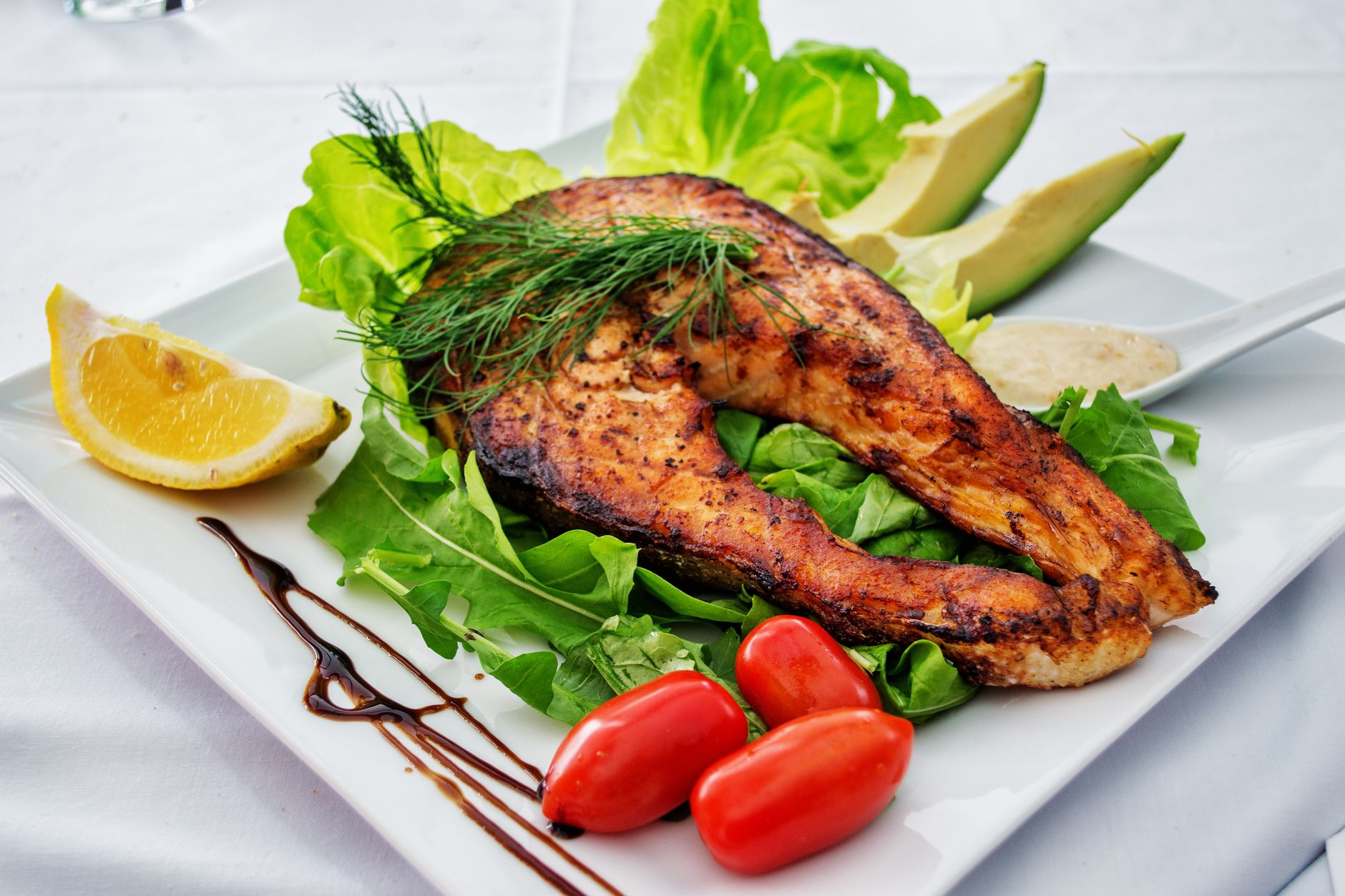
Let’s be real: if a diet feels like a punishment, you’re not going to stick with it. The blood type diet can be restrictive—especially if you’re used to eating a variety of foods. But with a few smart strategies, you can follow it without feeling like you’re missing out.
### **1. Focus on flavor and variety**Just because you can’t eat grains or legumes doesn’t mean your meals have to be boring. Try these tricks:
- **Spice it up:** Use herbs, spices, and citrus to add flavor to meat and veggies. Think garlic, ginger, turmeric, or lemon zest.
- **Get creative with proteins:** Rotate between chicken, turkey, beef, and fish to keep things interesting.
- **Make veggies exciting:** Roast Brussels sprouts with balsamic glaze, or toss salad greens with a tangy vinaigrette.
Meal prepping is your best friend when you’re following a restrictive diet. Spend one day each week cooking large batches of proteins (like grilled chicken or baked salmon) and roasted veggies. Store them in the fridge or freezer so you can grab and go.
### **3. Find “gray area” foods**Not every food is black-and-white on the blood type diet. For example, while dairy is generally avoided for type O, some people tolerate small amounts of hard cheeses (like cheddar) without issues. If you’re craving something, try it in moderation and see how you feel.
### **4. Listen to your body**If you’re feeling sluggish or irritable, it might not be the diet—it could be a sign you’re not eating enough. The blood type diet can be low in fiber if you’re avoiding certain veggies, so make sure you’re getting enough leafy greens and other allowed produce.
### **5. Make it social**Invite friends over for a blood type O-friendly dinner—think grilled steak with a side of roasted veggies. You’ll enjoy the company and the food, and it’ll make the diet feel less isolating.
**Example meal plan for blood type O (lunch):**
- Grilled salmon with lemon-dill sauce
- Mixed greens with cucumber, cherry tomatoes, and olive oil dressing
- Side of roasted zucchini and asparagus
- Small apple for dessert
**Representative story:** Emily, a type O mom of two, found that planning her meals around her kids’ schedules helped. “I’d cook a big batch of chicken and veggies on Sunday, and then we’d eat leftovers for lunch all week,” she said. “It saved time, and the kids didn’t even notice the change.”
--- ## Blood type diet for weight loss: does it help with hormonal weight gain during perimenopause?If you’re in perimenopause—or even just noticing your metabolism slowing down—you’ve probably heard that hormones play a huge role in weight gain, especially around the belly. So does the blood type diet actually help with this kind of hormonal weight gain? The short answer? It might—but it’s not a magic fix.
Perimenopause (the years leading up to menopause) is a time when estrogen and progesterone levels fluctuate wildly. These hormonal shifts can:
- Slow your metabolism
- Increase insulin resistance
- Cause water retention and bloating
- Lead to cravings for sugar and carbs
The blood type diet’s emphasis on lean proteins, healthy fats, and low-glycemic fruits and veggies could help manage some of these symptoms. For example:
- **Protein-rich meals** can help stabilize blood sugar and reduce cravings.
- **Healthy fats** (like those in salmon and avocado) support hormone production.
- **Fiber-rich veggies** can help with digestion and bloating.
However, the blood type diet doesn’t specifically address perimenopause-related weight gain. If you’re dealing with hormonal fluctuations, you might also want to:
- Prioritize strength training to preserve muscle mass.
- Manage stress through yoga, meditation, or walks.
- Consider talking to your doctor about hormone therapy or other perimenopause management strategies.
**Representative story:** Lisa, a type O woman in her late 40s, tried the blood type diet after gaining 15 pounds in the past year. She lost 5 pounds in the first month—but she also noticed her energy levels were better, and her cravings for sweets had decreased. “I think it’s not just about the blood type,” she said. “It’s about eating whole foods and paying attention to my body.”

If you’re looking to speed up weight loss, you might be tempted to combine the blood type diet with intermittent fasting (IF)—the practice of eating within a specific window (like 8–10 hours) and fasting for the rest. But is this a good idea? Let’s break it down.
### **Potential benefits of combining the two:**- **Calorie deficit:** Both the blood type diet and IF can create a calorie deficit, which is key for weight loss.
- **Metabolic boost:** Fasting may improve insulin sensitivity, which could help with hormonal weight gain.
- **Simplicity:** IF can make meal planning easier, especially if you’re already avoiding certain foods.
- **Nutrient gaps:** The blood type diet is already restrictive, and IF can make it harder to get enough nutrients if you’re not careful.
- **Hunger and irritability:** Fasting can be tough, especially if you’re used to eating frequently. The blood type diet’s emphasis on protein and fat might help, but some people still struggle.
- **Not sustainable long-term:** Combining two restrictive diets can lead to burnout. If you’re not seeing results, it might be time to reassess.
If you want to give it a go, start with a moderate fasting window (like 12–14 hours overnight) and gradually increase if you feel good. Focus on nutrient-dense foods during your eating window to avoid deficiencies. And listen to your body—if you’re feeling weak or dizzy, it’s a sign to adjust.
**Example schedule for blood type O + IF:**
- Stop eating at 7 PM
- Fast until 7 AM the next day
- Break your fast with a protein-rich meal (like eggs and avocado) and a veggie side
- Eat two more meals within your eating window, focusing on allowed foods
**Representative story:** Mark, a type O man who combined the diet with IF, lost 12 pounds in two months. “I felt great—no headaches, no cravings,” he said. “But I had to be careful not to skip meals and then overeat later.”
**Warning:** If you have a history of disordered eating, combining restrictive diets can be risky. Consider working with a nutritionist or therapist to make sure you’re doing it safely.
--- ## What are the best blood type diet meal plans for rapid weight loss in 2026?If you’re ready to dive in, you’ll want a clear plan to follow. While the blood type diet doesn’t have a one-size-fits-all meal plan, here’s a 7-day meal plan tailored for weight loss, based on Dr. D’Adamo’s guidelines for type O (you can adapt it for other blood types). For a more detailed plan, check out our 7-Day Blood Type Diet Meal Plan: Customized Meals for Your Type.
### **7-Day Blood Type O Weight Loss Meal Plan** *(Each day includes 3 meals + 1–2 snacks. Focus on portion control—aim for 1,200–1,500 calories/day for weight loss.)* | **Day** | **Breakfast** | **Lunch** | **Dinner** | **Snacks** | |----------|----------------------------------------|----------------------------------------|---------------------------------------|--------------------------------------| | **1** | Scrambled eggs with spinach & avocado | Grilled chicken salad (mixed greens, cucumber, olive oil) | Baked salmon with roasted Brussels sprouts | Handful of almonds + apple slices | | **2** | Turkey sausage with sautéed mushrooms | Beef stir-fry (lean beef, broccoli, bell peppers—*skip if type O*) | Grilled shrimp with zucchini noodles | Celery sticks with almond butter | | **3** | Smoked salmon with cream cheese (*skip if type O*) + cucumber | Turkey lettuce wraps (ground turkey, avocado, lettuce) | Lean steak with roasted asparagus | Berries with a dollop of coconut yogurt (*skip if type O*) | | **4** | Omelet with mushrooms, spinach, and feta (*skip feta if type O*) | Grilled chicken with a side of roasted carrots | Baked cod with sautéed greens | Hard-boiled eggs + cherry tomatoes | | **5** | Chia pudding (chia seeds + coconut milk + berries) | Lean pork chop with steamed green beans | Grilled lamb chops with a side salad | Walnuts + pear slices | | **6** | Breakfast burrito (scrambled eggs, avocado, salsa—*skip tortilla if type O*) | Grilled chicken Caesar salad (*skip croutons if type O*) | Baked chicken thighs with roasted sweet potatoes (*skip if type O*) | Cottage cheese (*skip if type O*) + pineapple | | **7** | Smoothie (spinach, almond milk, protein powder, berries) | Turkey meatballs with zucchini noodles | Grilled ribeye with a side of arugula salad | Olives + sliced bell peppers (*skip if type O*) |**Note:** For blood types A, B, or AB, swap in allowed foods (e.g., grains for type A, dairy for type B). Always check Dr. D’Adamo’s guidelines for your specific type.
--- ## How to adjust the blood type diet for weight loss if you have type 2 diabetesIf you’re managing type 2 diabetes, the blood type diet could be a useful tool—if you adjust it carefully. The diet’s focus on lean proteins, healthy fats, and low-glycemic vegetables aligns with diabetes-friendly eating. However, there are some key adjustments to make:
### **What to keep (and why it helps diabetes):**- Lean proteins: Help stabilize blood sugar and keep you full.
- Healthy fats: Support heart health and slow digestion to prevent blood sugar spikes.
- Non-starchy veggies: Low in carbs and high in fiber, which helps manage glucose levels.
- High-glycemic fruits: Even for type O, fruits like apples and pears are lower-glycemic than grapes or bananas. Stick to berries, melons, and pears in moderation.
- Processed meats: While lean meats are okay, avoid cured or smoked meats (like bacon or sausages), which can be high in sodium and preservatives.
- Alcohol: Avoid or limit—it can cause blood sugar spikes and crashes.
- **Monitor your blood sugar:** Track how different foods affect your levels. Some people with diabetes find they tolerate small amounts of dairy or grains without issues.
- **Pair carbs with protein/fat:** If you eat a fruit or veggie with natural sugars (like a pear), pair it with protein or fat to slow digestion.
- **Stay hydrated:** Drink plenty of water to help with digestion and blood sugar control.
**Representative story:** David, a type O man with type 2 diabetes, adjusted the blood type diet by focusing on lean proteins and non-starchy veggies. “I lost 10 pounds in three months, and my A1C dropped,” he said. “But I had to be careful with portions—even allowed foods can spike my blood sugar if I eat too much.”
**Pro tip:** If you’re on medication for diabetes, work with your doctor or a diabetes-certified nutritionist to adjust your doses if your diet changes significantly.
--- ## Does the blood type diet for weight loss work better than keto or paleo?If you’re comparing the blood type diet to other popular weight loss diets like keto or paleo, here’s how they stack up:
### **Blood Type Diet vs. Keto vs. Paleo: A Quick Comparison** | **Feature** | **Blood Type Diet** | **Keto Diet** | **Paleo Diet** | |---------------------------|---------------------------------------------|--------------------------------------------|-------------------------------------------| | **Primary focus** | Blood type-specific food rules | Very low-carb, high-fat | Whole foods, no grains/legumes/dairy (varies by version) | | **Weight loss results** | Mixed; likely due to whole foods | Rapid initial weight loss (water + fat) | Moderate, sustainable weight loss | | **Ease of adherence** | Moderate (restrictive for some blood types) | Difficult (eliminates most carbs) | Moderate (but excludes entire food groups) | | **Nutrient profile** | Varies by blood type; can be low in fiber | High in fat, low in fiber | High in fiber, vitamins, and minerals | | **Hormonal weight gain** | May help with cravings and digestion | Can help with insulin resistance | Supports hormone balance with whole foods | | **Science backing** | Little to no strong evidence | Strong for short-term weight loss | Mixed; some evidence for heart health |**Which one is right for you?**
- If you want a personalized approach: Try the blood type diet—but don’t expect miracles.
- If you want rapid weight loss: Keto might work better, but it’s hard to sustain.
- If you want a sustainable, nutrient-dense diet: Paleo could be a better long-term fit.
- If you’re dealing with hormonal weight gain or diabetes: The blood type diet might help, but pair it with strength training and stress management for best results.
**Representative story:** Jennifer, a type A woman, tried the blood type diet after struggling with paleo. “I felt like I was missing out on grains, but I lost 6 pounds in a month,” she said. “But I think the real reason it worked was that I was eating more veggies and less processed food.”
--- ## Best blood type diet for weight loss recipes for busy momsIf you’re a mom juggling work, kids, and a household, you know time is your most valuable resource. The blood type diet can work for busy schedules—you just need to get creative. Here are some quick, mom-approved recipes that fit the diet’s guidelines and can be prepped in 20 minutes or less.
### **1. 15-Minute Blood Type O Chicken Stir-Fry**Ingredients:
- 1 lb chicken breast, sliced
- 2 cups broccoli florets
- 1 bell pepper, sliced
- 2 tbsp olive oil
- 2 cloves garlic, minced
- 1 tbsp ginger, grated
- 2 tbsp soy sauce (or coconut aminos for lower sodium)
- 1 tsp turmeric
- Lime wedges for serving
Instructions:
- Heat olive oil in a large pan over medium-high heat. Add chicken and cook until browned (5–7 minutes). Remove and set aside.
- In the same pan, add broccoli, bell pepper, garlic, and ginger. Stir-fry for 5 minutes.
- Return chicken to the pan, add soy sauce and turmeric, and stir well. Cook for another 2 minutes.
- Serve with lime wedges.
Make it a meal: Serve over a bed of mixed greens for extra fiber.
### **2. 5-Ingredient Blood Type O Breakfast Hash**Ingredients:
- 1 lb ground turkey
- 2 cups diced potatoes (*skip if type O*)
- 1 bell pepper, diced
- 1 onion, diced
- 2 tbsp olive oil
- Salt and pepper to taste
Instructions:
- Heat olive oil in a large skillet over medium heat. Add onion and bell pepper, cooking until soft (5 minutes).
- Add ground turkey and cook until browned (6–8 minutes).
- Add diced potatoes and cook until tender (10–12 minutes).
- Season with salt and pepper.
Pro tip:*** Serve with a side of sautéed spinach for extra nutrients.
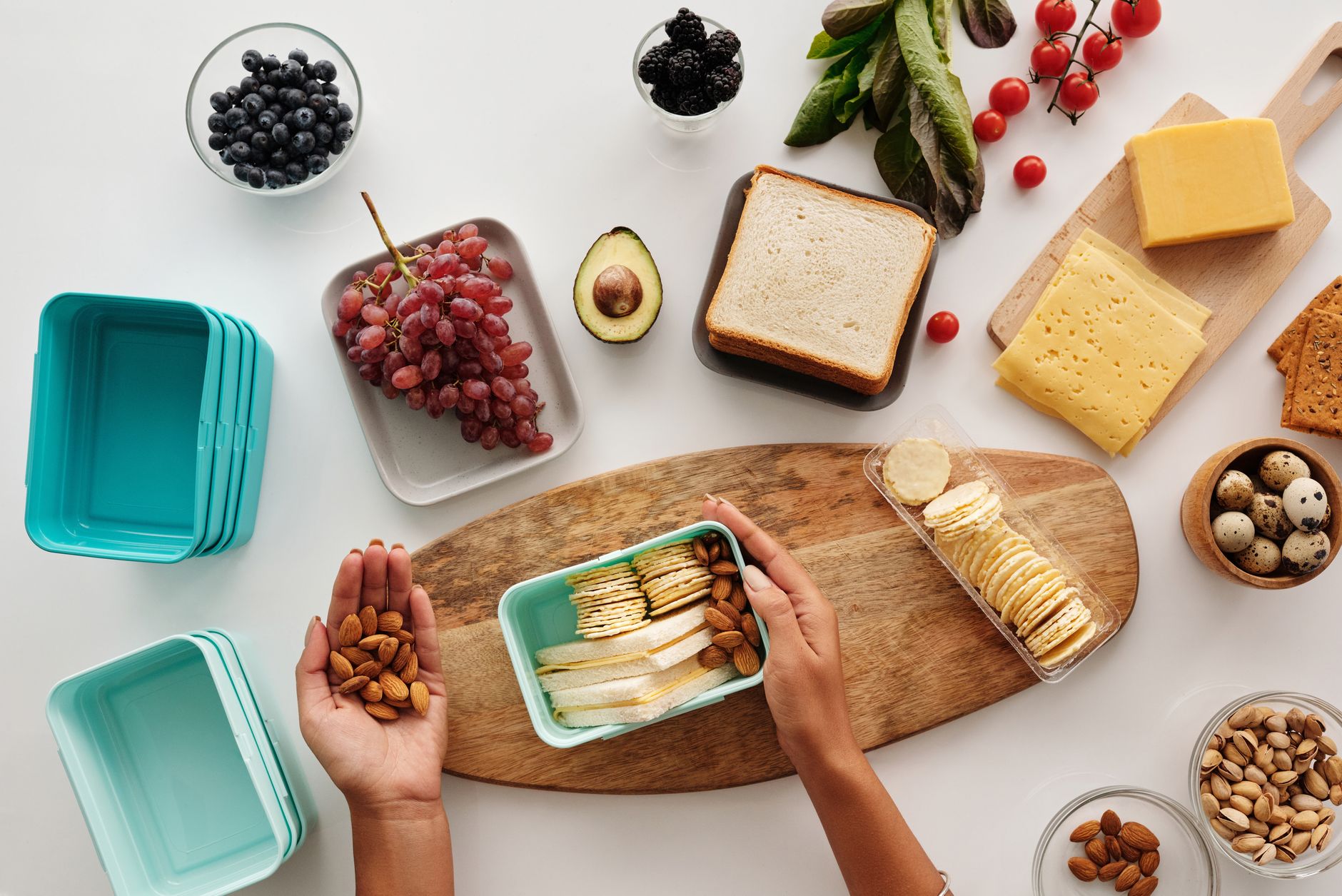
### **3. Blood Type O Meal Prep Lunch Box**Prep these ingredients on Sunday for easy lunches all week:
- Grilled chicken strips
- Cherry tomatoes
- Cucumber slices
- Avocado slices
- Olive oil and lemon dressing
- Handful of mixed nuts
Pack them in a bento box for a balanced, no-cook lunch.
If you’re wondering how quickly you might see results on the blood type diet, the answer depends on a few factors:
- Your starting point: If you’re eating processed foods and sugary snacks, you might see changes in 2–4 weeks. If you’re already eating fairly healthily, results could take longer.
- Your consistency: Sticking to the diet (or at least 80% of the time) is key. Cheat meals can slow progress.
- Your activity level: Exercise (especially strength training) can speed up weight loss and improve body composition.
- Your metabolism: Hormonal fluctuations, stress, and sleep can all impact how quickly you lose weight.
- Week 1–2: You might lose 2–5 pounds, mostly water weight. You could also feel less bloated and more energized.
- Week 3–4: Fat loss becomes more noticeable. You might lose 3–7 pounds total, depending on your diet and activity.
- If you’re still losing weight, great! But if you’ve hit a plateau, don’t give up. Try adjusting portions, increasing activity, or adding intermittent fasting.
- Focus on non-scale victories: better sleep, reduced cravings, improved digestion, or clothes fitting looser.
Most people who follow the blood type diet lose 1–3 pounds per week if they’re consistent. If you’re not seeing results after 6–8 weeks, it might be time to reassess whether the diet is right for you—or if you need to combine it with other strategies (like stress management or hormone balancing).
**Representative story:** Priya, a type O woman, lost 10 pounds in two months—but she also noticed her skin cleared up and her energy levels improved. “I didn’t expect to feel better overall,” she said. “It’s not just about the scale.”
--- ## Does the blood type diet for weight loss help with postpartum weight retention?If you’re a new mom struggling with postpartum weight retention, you’re not alone. Hormonal shifts during pregnancy and breastfeeding can make weight loss feel nearly impossible—even when you’re eating “clean” and exercising. So does the blood type diet actually help with this?
The blood type diet could offer some benefits for postpartum weight loss, but it’s not a magic bullet. Here’s why:
- Protein-rich meals: Help rebuild muscle (which is often lost during pregnancy) and keep you full.
- Healthy fats: Support hormone production and can help with cravings.
- Low-glycemic foods: Help stabilize blood sugar, which can be erratic postpartum.
- No processed foods: Reduces inflammation, which can slow metabolism.
However, the blood type diet doesn’t address the unique challenges of postpartum weight loss, like:
- Hormonal shifts: Estrogen and progesterone levels can stay elevated for months after delivery, making it harder to lose weight.
- Sleep deprivation: Lack of sleep can increase cortisol (the stress hormone), which promotes fat storage—especially around the belly.
g>Breastfeeding: If you’re nursing, you need extra calories (not a deficit) to support milk production.
- **Prioritize protein and healthy fats** to stay full and support hormone balance.
- **Don’t restrict calories if you’re breastfeeding**—focus on nutrient-dense foods instead.
- **Strength train 2–3x/week** to rebuild muscle and boost metabolism.
- **Manage stress** with walks, meditation, or gentle yoga.
- **Be patient**—postpartum weight loss often takes longer than you’d like.
**Representative story:** Maria, a type O mom of a 6-month-old, tried the blood type diet after struggling with postpartum weight retention. She lost 8 pounds in three months—but she also focused on strength training and sleep. “It wasn’t just the diet,” she said. “It was all the little things.”
--- ## What are the worst foods for blood type diet weight loss according to Dr. D’Adamo?Dr. D’Adamo’s blood type diet isn’t just about what you should eat—it’s also about what you should avoid. These are the foods that, according to his theory, are the worst for weight loss and overall health, depending on your blood type. For type O, the biggest offenders are:
### **Worst Foods for Blood Type O (Weight Loss Edition)** | **Food Group** | **Avoid These Foods** | **Why?** | |----------------------|-----------------------------------------------|---------------------------------------------------------------------------| | **Grains** | Wheat, corn, rice, pasta, bread | Can cause bloating and sluggish digestion for type O. | | **Legumes** | Beans, lentils, peanuts | May trigger digestive issues and slow metabolism. | | **Dairy** | Milk, cheese, yogurt | Can cause mucus buildup and inflammation, according to D’Adamo. | | **Potatoes** | Regular potatoes, sweet potatoes | High glycemic index; can spike blood sugar and promote fat storage. | | **Eggplant & Peppers** | Eggplant, bell peppers | May cause digestive discomfort for type O. | | **Processed Meats** | Bacon, sausages, hot dogs | High in sodium and preservatives; can slow metabolism. | | **Sugary Fruits** | Grapes, bananas, pineapple | Higher glycemic load; can cause energy crashes and cravings. | | **Alcohol** | Beer, wine, liquor | Can disrupt digestion and hormone balance. |**Note:** For other blood types, the list changes. For example, type A should avoid meat and dairy, while type B should avoid dairy and eat more grains.
**Representative story:** Jake, a type O man, realized he was eating a lot of processed meats (like bacon and deli turkey) without realizing it. After cutting them out, he noticed his energy levels improved, and his cravings for sweets decreased. “I felt like I was finally listening to my body,” he said


