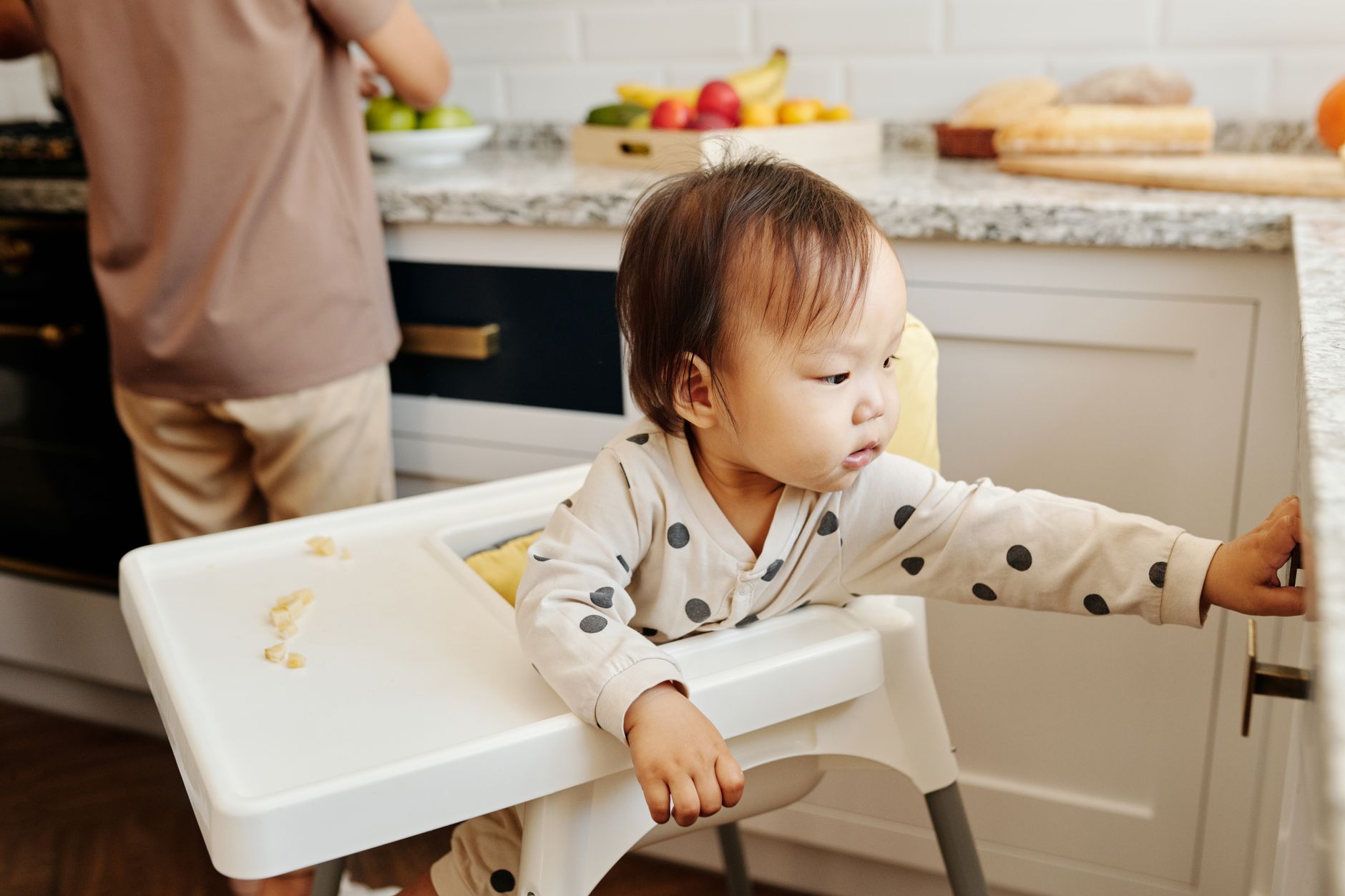
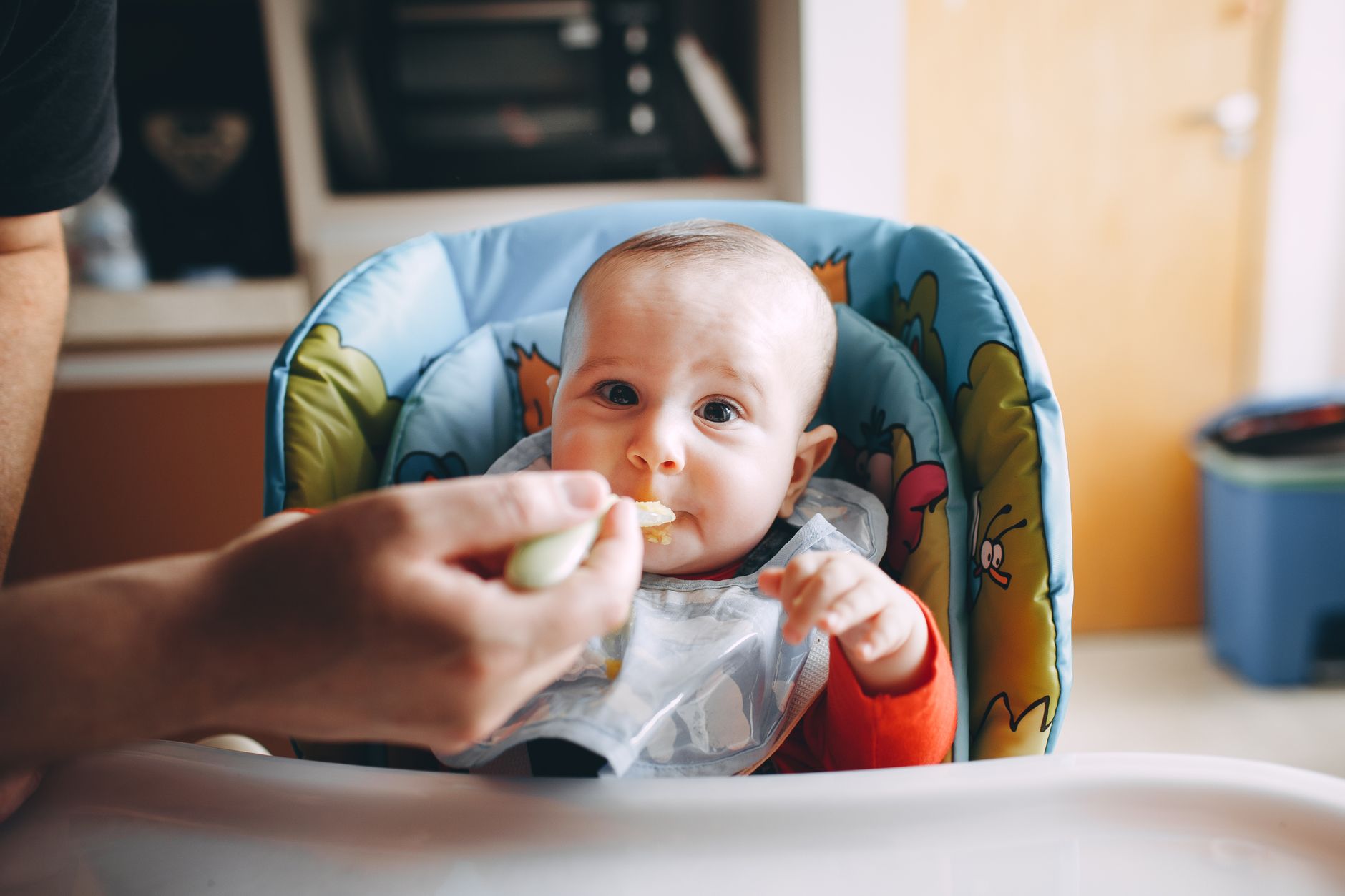
Starting baby's first foods introduction week is exciting! This honest guide provides a step-by-step plan for modern moms, covering what to feed, how much, and
By Shubhra Mishra — a mom of two who turned her own confusion during pregnancy into BumpBites, a global mission to make food choices clear, safe, and stress-free for every expecting mother. 💛
Check whether any food is safe during pregnancy with the BumpBites Food Safety Checker.
Quick take: Introducing your baby to solids is an exciting milestone, typically starting around 6 months when they show clear signs of readiness. Focus on single-ingredient, iron-rich foods, introduce potential allergens early and safely, and follow your baby's cues for quantity. Remember, this is about exploration and complementing breast milk or formula, not replacing it yet.
The journey into parenthood is a continuous stream of "firsts," and introducing your baby to solid foods is one of the most anticipated and, for many parents, slightly anxiety-inducing. One moment you're navigating first trimester pregnancy milestones, and the next, you're wondering if your little one is ready to trade pureed sweet potato for a spoon of their own. If you’ve been watching your baby eye your dinner plate with intense curiosity, or you’re simply wondering how to safely navigate this new stage, take a breath. You're not alone in feeling a mix of excitement and overwhelm.
The "baby's first foods introduction week" isn't just about what to feed, but how to approach this significant developmental leap with confidence and joy. Modern guidance has evolved, moving away from rigid schedules to a more responsive, baby-led approach. This guide will walk you through recognizing readiness, choosing nutrient-dense first foods, understanding allergy introduction, and managing common challenges, all designed to make this transition smooth and enjoyable for both you and your baby.
We’ll cover everything from the ideal age to start, to a practical week-by-week schedule, essential feeding supplies, and which foods to steer clear of in the first year. Our goal is to empower you with science-backed information and practical tips, so you can focus on the delightful experience of watching your baby discover a whole new world of tastes and textures.
When is Your Baby Ready for First Foods? Signs of Readiness
Deciding when to start solids is less about a specific calendar date and more about observing your baby's developmental cues. While many guidelines suggest around 6 months of age, every baby is unique. The American Academy of Pediatrics (AAP) and the World Health Organization (WHO) both recommend exclusive breastfeeding or formula feeding for about the first 6 months, and then continuing with breast milk or formula alongside solid foods until at least 12 months, or longer.
So, what exactly are those "signs of readiness" you should be looking for? It's typically a combination of physical and behavioral indicators:
Good Head and Neck Control: Your baby should be able to hold their head steady and upright without support. This is crucial for safe swallowing and preventing choking. Imagine trying to eat while your head is wobbling – it’s not safe!
Ability to Sit with Support: They should be able to sit up in a high chair or on your lap, maintaining a stable position. This upright posture is another key factor in preventing choking and allows them to comfortably reach for food.
Loss of Tongue-Thrust Reflex: Newborns have a reflex that causes them to push food out of their mouths with their tongue. This reflex needs to diminish or disappear before they can effectively move food to the back of their mouth and swallow it. If you offer a spoon and they keep pushing the food out, they might not be ready.
Showing Interest in Food: This is often the most obvious and endearing sign. Your baby might watch you eat with intense focus, reach for your food, open their mouth when food approaches, or even lean forward eagerly. This curiosity indicates they’re mentally ready to explore.
Opening Mouth for Spoon: When you offer a spoon, even an empty one, do they open their mouth and lean forward? This shows they understand the concept of eating from a spoon.
It’s important to remember that showing *some* of these signs, especially interest in food, can happen earlier than 6 months. However, the combination of all these developmental milestones usually aligns closer to the half-year mark. Starting solids too early (before 4 months) can increase the risk of choking and may not provide any nutritional benefits beyond breast milk or formula, which are still their primary source of nutrition. If you're unsure, always consult with your pediatrician, who can assess your baby's individual development.
Look for a combination of good head control, the ability to sit supported, and an eagerness to engage with food as key signs your baby is ready for solids.
What Are the Best First Foods for Baby When Starting Solids?
Once your baby is showing those clear signs of readiness, the fun begins! But with so many options, what should you actually offer first? The key is to prioritize nutrient-dense, single-ingredient foods that are easy to digest and prepare. While breast milk or formula remains their main nutrition source, solids introduce essential nutrients like iron, which can start to deplete around 6 months.
Here are some of the best first foods, often recommended by pediatricians and nutrition experts:
Iron-Fortified Infant Cereal: This is a classic for a reason. Rice cereal, oatmeal, or barley cereal specifically fortified with iron are often recommended as a first food, mixed with breast milk or formula to a thin, smooth consistency. The extra iron is vital for your baby’s growth and development.
Pureed Vegetables: Single-ingredient purees of mild-flavored vegetables are excellent choices. Think sweet potato, butternut squash, green beans, peas, or carrots. These offer essential vitamins and minerals. Steam or boil until very soft, then blend or mash thoroughly with a little breast milk, formula, or water until smooth.
Pureed Fruits: After introducing a few vegetables, you can move on to pureed fruits. Apples, pears, bananas, and avocado are popular choices. Again, prepare them as single-ingredient purees, ensuring a smooth, lump-free texture. Avocado is a fantastic first food because it's naturally creamy and rich in healthy fats.
Pureed Meats: Don't shy away from meats! Pureed chicken, beef, or turkey are excellent sources of iron, zinc, and protein. They can be cooked until very tender and then pureed with a little liquid (breast milk, formula, or broth) to achieve a smooth consistency.
Legumes: Pureed lentils or beans (black beans, chickpeas) are another great source of iron and protein. Ensure they are cooked until very soft and thoroughly pureed to avoid any choking hazards.
When selecting first foods, remember to:
Start with Single Ingredients: Introduce one new food at a time, waiting 3-5 days before introducing another new food. This helps you identify potential allergies or sensitivities. For example, offer pureed sweet potato for a few days, then pureed carrots for a few days, before trying pureed peas.
Keep it Smooth: The initial consistency should be very thin and smooth, almost liquid. As your baby gets more experienced, you can gradually thicken the purees and introduce more texture.
Nutrient-Dense Choices: Focus on foods that pack a nutritional punch, especially iron, as your baby’s iron stores begin to deplete around 6 months.
Variety is Key: Once your baby has successfully tried several single foods, you can start mixing them. This helps introduce a wider range of flavors and nutrients.
For a more detailed guide on what foods to introduce at different stages, you might find our First Foods Checklist by Month helpful, offering a comprehensive overview as your baby grows.
How to Introduce Solids to Baby: A Week-by-Week Schedule
Introducing solids doesn't have to be a rigid, stressful process. Think of it as a gradual exploration, a gentle transition from an all-liquid diet to a more diverse culinary experience. Here’s a flexible week-by-week approach to help you get started:
Week 1: The First Tastes and Exploration
This week is all about introducing the concept of eating from a spoon and trying very small amounts of food. Don't worry about quantity; focus on the experience.
Frequency: One meal per day (e.g., lunchtime or mid-morning).
Quantity: Start with 1-2 teaspoons of very thin, smooth puree. Your baby might only take a few licks or push most of it out. That's perfectly normal!
Focus: A single-grain, iron-fortified infant cereal (like rice or oatmeal) mixed with breast milk or formula to a runny consistency.
Example:
Day 1-3: 1-2 teaspoons of iron-fortified rice cereal, mixed with breast milk/formula. Observe for any reactions.
Day 4-7: If rice cereal is well-tolerated, introduce a single-ingredient pureed vegetable like sweet potato or butternut squash (1-2 teaspoons). Continue to observe.
Important: Always offer breast milk or formula first, then solids. Milk is still their primary nutrition.
Week 2: Expanding Flavors and Consistency
If your baby is tolerating the initial foods, you can start to slightly increase the quantity and introduce new single-ingredient purees, gradually thickening the consistency.
Frequency: Still one meal per day.
Quantity: Gradually increase to 1-2 tablespoons per meal, if your baby shows interest.
Focus: Continue with single-ingredient purees, introducing a new one every 3-5 days. You can now try pureed green beans, peas, or carrots.
Example:
Day 8-10: Continue with the pureed sweet potato or butternut squash, slightly thicker now.
Day 11-14: Introduce pureed apples or pears (1-2 tablespoons).
Introducing Water: You can start offering sips of water in an open cup (or a straw cup) with meals. This is for practice and hydration, not to replace milk. Use a small amount, maybe 1-2 ounces.
Week 3-4: Two Meals and More Variety
As your baby becomes more comfortable, you can move to two meals a day and introduce a wider range of fruits, vegetables, and even some pureed meats or legumes.
Frequency: Two meals per day (e.g., breakfast and dinner).
Quantity: 2-4 tablespoons per meal, depending on your baby’s appetite.
Focus: Introduce new single-ingredient purees like avocado, banana, pureed chicken, or lentils. You can also start mixing previously introduced foods (e.g., sweet potato and apple).
Example:
Breakfast: Iron-fortified oatmeal (2-3 tablespoons) with pureed banana.
Dinner: Pureed chicken (1-2 tablespoons) with pureed carrots (2-3 tablespoons).
Finger Foods (Optional, for 6+ months): If your baby is truly ready for baby-led weaning, you can start offering soft, easy-to-grasp finger foods at this stage. See the BLW section below for more details.
Sample 7-Day Introduction Plan (Puree Focus)
This table offers a sample plan for a baby starting solids, assuming they have already tried and tolerated iron-fortified cereal.
Day
Meal 1 (e.g., Lunch)
Notes
Day 1
1-2 tsp Pureed Sweet Potato (thin consistency)
Observe for reactions. Offer breast milk/formula first.
Day 2
1-2 tsp Pureed Sweet Potato
Focus on acceptance and enjoyment.
Day 3
1-2 tsp Pureed Sweet Potato
Check for any delayed reactions.
Day 4
1-2 tsp Pureed Butternut Squash (new food)
Introduce only if sweet potato was well-tolerated.
Day 5
1-2 tsp Pureed Butternut Squash
Continue to observe baby's cues.
Day 6
1-2 tsp Pureed Butternut Squash
Consider offering sips of water from an open cup.
Day 7
1-2 tsp Pureed Green Beans (new food)
If previous foods were fine, introduce another vegetable.
This schedule is a guide, not a strict rule. Always follow your baby's lead. Some babies dive into solids, while others take more time. Patience and persistence are key! Remember, every experience with food is a learning opportunity.
How Much Food Should a Baby Eat When Starting Solids?
One of the biggest worries for parents introducing solids is often, "Am I feeding them enough?" or "Are they eating too much?" The good news is, when you're just starting out, the quantity of solids your baby consumes is far less important than the experience itself. During the initial weeks and months, breast milk or formula remains the primary source of nutrition, providing all the essential calories, fats, and nutrients your baby needs.
Think of solids as "complementary foods" at this stage. Their purpose is to:
Introduce New Flavors and Textures: Exposing your baby to a wide variety of tastes helps develop their palate and encourages acceptance of different foods later on.
Practice Feeding Skills: Learning to take food from a spoon, move it around their mouth, chew, and swallow are complex motor skills that require practice.
Supplement Key Nutrients: Especially iron, which breastfed babies need more of around 6 months as their natural stores deplete.
So, how much should they eat?
Start Small: Begin with just 1-2 teaspoons of puree, once a day. Many babies will only manage a few licks or pushes of the spoon out of their mouth. This is normal!
Gradual Increase: Over the first few weeks, if your baby shows interest, you can gradually increase the quantity to 1-2 tablespoons per meal, and eventually two meals a day. By 7-9 months, many babies are having 2-3 meals a day, each consisting of a few tablespoons of food.
Follow Baby's Cues (Responsive Feeding): This is the most crucial principle. Your baby will give you signs when they are hungry and when they are full.
Hunger cues: Leaning forward, opening mouth, reaching for the spoon, excitement.
Fullness cues: Turning head away, refusing to open mouth, pushing spoon away, becoming fussy, throwing food.
Don't Force It: Never force your baby to eat more than they want. Forcing can create negative associations with food and mealtimes. If they refuse, simply end the meal and try again later.
Milk First: Always offer breast milk or formula before solids for the first several months. This ensures they get their primary nutrition, and then they can explore solids without being overly hungry or frustrated.
A good general guideline from the AAP is that by 7 to 8 months, babies might be eating 2-3 small meals of solids a day. By 9-12 months, they might be eating 3 meals and 1-2 snacks a day. However, these are averages. Your baby's appetite will fluctuate daily and will be influenced by growth spurts, teething, or illness. Trust your baby, and trust your intuition. The goal is to make mealtimes a positive, pressure-free experience.
Start with small amounts and always follow your baby's hunger and fullness cues. The focus is on exploration, not volume, in the early stages.
Baby Food Allergies: Symptoms and How to Introduce Common Allergens
The thought of food allergies can be daunting for any parent, but understanding how to introduce allergens safely and recognizing symptoms can ease much of this anxiety. The good news is that current recommendations from organizations like the AAP and the National Institute of Allergy and Infectious Diseases (NIAID) actually encourage introducing common allergens early, rather than delaying them, as this may help *prevent* allergies.
The "3-Day Rule" and Modern Guidance
You might have heard of the "3-day rule," which suggests introducing a new food and waiting three days before introducing another new food. This rule was primarily used to help identify potential allergens. While it's still a helpful practice for *any* new food to observe for reactions, for *common allergens*, the guidance has become more specific.
For common allergens, the recommendation is to introduce them as soon as your baby is developmentally ready for solids (around 6 months), and to do so regularly. There's no need to wait three days between *different* allergens once your baby has successfully tried a few non-allergenic foods. Instead, focus on introducing one allergen at a time, and then continue offering it regularly as part of their diet (e.g., 2-3 times a week). This consistent exposure is key.
Common Allergens and How to Introduce Them Safely
The most common food allergens include:
Peanut
Egg
Cow's Milk (dairy)
Tree Nuts (e.g., almond, cashew)
Soy
Wheat
Fish
Shellfish
Here’s how to introduce them safely:
Start Small: Offer a tiny amount (e.g., 1/4 teaspoon) of the allergenic food, mixed into a food your baby has already tolerated (like pureed fruit or cereal).
Do it at Home: Choose a time when you can supervise your baby closely for at least two hours after they eat. Avoid introducing a new allergen right before bedtime or when you're about to leave the house.
Introduce One Allergen at a Time: If you're introducing egg, give only egg that day (along with non-allergenic foods). Wait a day or two to observe, then you can offer another allergen.
Consistency is Key: Once an allergen has been introduced and tolerated, continue offering it regularly (e.g., 2-3 times a week) to maintain tolerance.
Examples of Allergen Introduction:
Peanut: Mix a small amount of smooth peanut butter (not chunky, as it's a choking hazard) with warm water, breast milk, or formula to make a thin, runny puree.
Egg: Offer well-cooked, mashed scrambled egg.
Dairy: Introduce pasteurized plain whole milk yogurt (not cow's milk as a drink for infants under 12 months).
Wheat: Offer iron-fortified wheat cereal or soft, well-cooked pasta.
Baby Food Allergy Symptoms Checklist
Knowing the signs of an allergic reaction is crucial. Reactions can range from mild to severe, and typically occur within minutes to a few hours after eating the food.
Skin Reactions:
Hives (red, raised, itchy bumps)
Rashes (especially around the mouth or face)
Swelling (of the face, lips, or eyelids)
Eczema flare-up
Gastrointestinal Symptoms:
Vomiting
Diarrhea
Stomach cramps or pain (baby might seem unusually fussy or pull legs to chest)
Respiratory Symptoms (more serious):
Wheezing or difficulty breathing
Coughing
Nasal congestion or runny nose
Anaphylaxis (severe, life-threatening reaction):
Sudden drop in blood pressure
Widespread hives or swelling
Severe difficulty breathing or gasping
Loss of consciousness
Floppiness or sudden paleness
When to See a Doctor: If your baby experiences any mild symptoms, stop feeding the food and contact your pediatrician. If you suspect anaphylaxis (any severe or rapidly worsening symptoms), call emergency services immediately.
Baby-Led Weaning vs. Purees: Which is Better for First Foods?
When it comes to introducing solids, parents often find themselves weighing two popular approaches: traditional spoon-feeding with purees or baby-led weaning (BLW). Both methods have their merits, and the "best" choice often depends on your baby's readiness, your comfort level, and your family's lifestyle. Many families even opt for a hybrid approach, combining elements of both.
What is Baby-Led Weaning (BLW)?
Baby-led weaning, as its name suggests, allows the baby to lead the process. Instead of spoon-feeding purees, parents offer appropriately sized and textured finger foods from the start, allowing the baby to self-feed. The baby decides what to eat, how much to eat, and how quickly.
Pros:
Encourages self-regulation and responsive eating (baby stops when full).
Promotes fine motor skills and hand-eye coordination.
Exposes baby to a wider variety of textures and shapes from the beginning.
Can make mealtimes easier and more integrated with family meals.
May lead to less picky eating later on.
Cons:
Can be very messy!
Requires careful attention to food preparation to avoid choking hazards.
Parents may worry about their baby getting enough nutrients, especially iron, initially.
May not be suitable for all babies, particularly those with developmental delays or certain medical conditions.
What are Purees (Traditional Weaning)?
Traditional weaning involves spoon-feeding babies smooth, pureed foods, gradually advancing to mashed, then lumpy, and eventually finger foods. This method has been practiced for generations.
Pros:
Parents often feel more confident that their baby is consuming enough food and nutrients.
Easier to ensure iron intake with fortified cereals.
Less messy in the initial stages.
Can be a good option for babies who struggle with grasping or chewing.
Cons:
Can sometimes lead to overfeeding if parents override baby's fullness cues.
May delay the development of self-feeding skills and oral motor development if not progressed appropriately.
Requires more active feeding from the parent.
Hybrid Approach
Many parents find success by blending the two methods. For example, offering purees for some meals or specific nutrients (like iron-fortified cereal) while also providing appropriate finger foods for baby to explore and self-feed. This can offer the best of both worlds: ensuring nutrient intake while still fostering independence and developing motor skills.
Safety Considerations (Choking)
Regardless of the method you choose, safety is paramount. Choking is a serious concern, especially with BLW. Always ensure:
Your baby is sitting upright and supervised at all times.
Foods are cut into appropriate sizes and shapes (long, thin strips, or quartered, not round coins).
Foods are soft enough to be easily mashed between your fingers.
You understand the difference between gagging (a normal reflex as babies learn to manage food) and choking (silent, struggling for air).
Comparison Table: BLW vs. Purees
Feature
Baby-Led Weaning (BLW)
Purees (Traditional)
Start Age
Around 6 months, when all signs of readiness are met.
Around 4-6 months, when some signs of readiness are met.
Food Form
Soft, appropriately sized finger foods.
Smooth purees, gradually thickening.
Self-Feeding
Baby feeds themselves from the start.
Parent spoon-feeds, baby may self-feed later.
Skill Development
Promotes fine motor skills, hand-eye coordination, chewing.
Focuses on swallowing from a spoon, then chewing later.
Mess Factor
High.
Lower initially, increases with self-feeding.
Parental Control
Less control over exact intake.
More control over exact intake.
Choking Risk
Higher if foods are not prepared correctly.
Lower initially, increases with introduction of finger foods.
Ultimately, there's no single "right" way. Choose the method that feels most comfortable and safe for your family, and always prioritize responsive feeding and safety.
Essential Baby Feeding Supplies for Starting Solids
You don't need to buy every gadget on the market when starting solids, but a few key items can make the process much smoother and safer. Having these essentials ready before your baby's first bite will help you feel prepared and reduce stress.
High Chair: This is a non-negotiable item for safe feeding. Look for a high chair that is sturdy, easy to clean, and allows your baby to sit upright with good posture. A footrest is a bonus, as it provides stability and comfort for your baby, similar to how an adult feels more grounded with their feet supported. Ensure it has a secure harness to keep your baby safely seated.
Baby Spoons: Regular spoons are too large and hard for tiny mouths. Invest in several baby-friendly spoons made of soft silicone or plastic with a shallow bowl and a comfortable handle for both you and your baby to hold. These are gentle on gums and developing teeth.
Baby Bowls/Plates: Small, sturdy bowls or plates with suction bottoms are incredibly helpful to prevent them from being thrown or knocked off the high chair tray. BPA-free silicone options are popular for their durability and grip.
Bibs: Oh, the mess! Bibs are essential. Start with soft, absorbent cloth bibs for initial purees, and as your baby gets more adventurous (and messier), silicone bibs with a catch-all pocket are fantastic for trapping dropped food and liquids.
Open Cup or Straw Cup: While bottles or sippy cups with spouts might seem intuitive, introducing an open cup or a straw cup from the start encourages proper oral motor development. Offer small sips of water with meals. Look for a small, lightweight open cup that's easy for little hands to hold, or a straw cup designed for infants.
Mesh Feeders or Food Pouches (Optional):
Mesh Feeders: These allow babies to gnaw on soft fruits or vegetables (or even frozen breast milk) without the risk of choking on large pieces. They're great for introducing texture and flavor safely.
Reusable Food Pouches: If you're making your own purees, reusable pouches can be a convenient way to store and serve them, especially on the go.
Blender or Food Processor (for homemade purees): If you plan to make your own baby food, a good quality blender or food processor will be your best friend. A stick blender (immersion blender) is also a very convenient tool for small batches.
Storage Containers: Small, BPA-free containers or ice cube trays designed for baby food are perfect for portioning and freezing homemade purees. This allows you to batch-prep and have healthy meals ready to go.
Wipes and Cleaning Supplies: Keep a stack of wipes or a damp cloth handy for quick clean-ups during and after meals. A good floor mat under the high chair can also save your floors from significant food splatters.
Remember, while these items are helpful, the most important "supply" is your presence and supervision. Always ensure your baby is safely seated and never leave them unattended during mealtimes.
Foods to Avoid Giving Baby Under One Year Old
While the world of solid foods opens up wonderfully after 6 months, there are certain foods that should be strictly avoided during your baby's first year due to choking hazards, potential allergic reactions, or harmful bacteria. Prioritizing safety is paramount.
Honey: Never give honey to a baby under 12 months, even in cooked or baked goods. Honey can contain spores of Clostridium botulinum, which can cause infant botulism, a serious and potentially fatal illness. A baby's digestive system isn't mature enough to fight off these spores.
Cow's Milk (as a primary drink): While small amounts of pasteurized dairy products like yogurt or cheese are fine after 6 months (and are good for allergen introduction), cow's milk should not be given as a primary drink until after 12 months. It doesn't have the right balance of nutrients for infants and can interfere with iron absorption. Breast milk or formula should remain their main drink.
Added Sugar and Salt: Avoid adding sugar or salt to your baby's food. Babies don't need extra sweeteners, and too much sugar can lead to dental problems and unhealthy eating habits. Excess salt can be harmful to their developing kidneys. Always check labels on store-bought baby foods for hidden sugars or high sodium content.
Choking Hazards: This is a critical category. Babies' chewing and swallowing skills are still developing, and their airways are small.
Whole Grapes, Cherry Tomatoes, Hot Dogs, Large Chunks of Meat/Cheese: These are perfectly sized to block a baby's airway. Always cut grapes and cherry tomatoes lengthwise into quarters. Cut hot dogs lengthwise and then into very small pieces. Meats and cheeses should be shredded or cut into tiny, manageable pieces.
Nuts and Seeds (whole): Whole nuts and seeds are a significant choking hazard. Nut butters are fine if thinned, but whole nuts should be avoided until at least age 4.
Popcorn, Hard Candy, Chewing Gum: These are unsuitable for babies due to choking risks.
Sticky Foods: Large dollops of peanut butter, marshmallows, or large chunks of soft bread can be very sticky and difficult for babies to swallow, posing a choking risk.
Raw, Hard Vegetables and Fruits: Carrots, apples, celery, and other hard produce should be cooked until soft and then cut into appropriate sizes, or grated.
Unpasteurized Foods: Avoid unpasteurized juices, milk, or cheeses. These can contain harmful bacteria like E. coli or Salmonella, which can cause severe illness in infants.
Certain Fish (High Mercury): While fish is a great source of nutrients, avoid fish high in mercury, such as shark, swordfish, king mackerel, and tilefish. Stick to low-mercury options like salmon, cod, and light canned tuna (in moderation).
Undercooked Meats, Poultry, Eggs, and Seafood: Ensure all meats, poultry, eggs, and seafood are thoroughly cooked to eliminate harmful bacteria.
Always supervise your baby closely during mealtimes, and ensure they are sitting upright. Learning to eat is a journey, and avoiding these foods helps keep that journey safe and healthy.
Myth vs. Fact
There's a lot of advice out there about feeding babies, and it can be hard to separate fact from fiction. Let's clear up some common misconceptions about introducing first foods.
Myth: You must start with rice cereal as the very first food.
Fact: While iron-fortified infant cereal is a traditional first food and a good source of iron, it's not the only option. Many pediatricians now recommend starting with pureed vegetables or fruits, or even pureed meats, as long as they are single-ingredient and iron-rich. The key is to introduce nutrient-dense foods in a safe, appropriate texture.
Myth: Introducing allergenic foods early will increase your baby's risk of developing allergies.
Fact: Current scientific evidence, including guidance from the National Institute of Allergy and Infectious Diseases (NIAID), actually suggests the opposite. Introducing common allergens like peanut and egg early (around 6 months, once your baby is ready for solids) and consistently may help *prevent* the development of food allergies. Always introduce one allergen at a time, at home, and in small amounts, while observing for any reactions.
Myth: Babies need teeth to eat solid foods.
Fact: Not true! Babies are perfectly capable of gumming soft, appropriately textured foods even before teeth emerge. Their strong gums can mash surprising amounts of food. Many first foods, whether purees or soft finger foods, don't require teeth for successful consumption. Teeth are helpful for biting and tearing, but not a prerequisite for starting solids.
Key Takeaways
Introduce solids around 6 months when your baby shows signs of readiness like head control and interest in food.
Prioritize nutrient-dense, iron-rich, single-ingredient foods like fortified cereals, pureed vegetables, and pureed meats.
Follow your baby's hunger and fullness cues (responsive feeding); milk or formula is still their primary nutrition.
Introduce common allergens early and safely, one at a time, and continue offering them regularly.
Choose the feeding method (purees, BLW, or hybrid) that best suits your baby and family, always prioritizing safety.
Equip yourself with essential feeding supplies like a sturdy high chair, baby spoons, and bibs.
Strictly avoid honey, cow's milk as a primary drink, added sugar/salt, and common choking hazards for babies under one year.
Frequently Asked Questions
What is the 3-day rule for baby food?
The "3-day rule" suggests introducing one new food and then waiting three days before introducing another new food. This practice helps parents identify potential allergic reactions or sensitivities to specific foods. While still a useful guideline for general new food introduction, modern guidance for common allergens often encourages earlier and more consistent introduction, under careful observation, to potentially prevent allergies.
What is the best first food for a baby?
There isn't one single "best" first food. Excellent choices include iron-fortified infant cereals (like rice or oatmeal), pureed single-ingredient vegetables (such as sweet potato, butternut squash, or green beans), or pureed meats (like chicken or beef). The key is to choose nutrient-dense foods, especially those rich in iron, and offer them in a smooth, easy-to-swallow consistency.
What should I feed my baby first week?
During the first week of solids, focus on introducing one very thin, smooth, single-ingredient food, typically once a day. Iron-fortified rice or oatmeal cereal mixed with breast milk or formula is a common starting point. Alternatively, a single pureed vegetable like sweet potato can be offered. The goal is exploration and practice, not large quantities, and always observe for any reactions.
What foods should I avoid for baby's first foods?
For babies under one year, strictly avoid honey (due to botulism risk), cow's milk as a primary drink, added sugar and salt, and common choking hazards like whole grapes, nuts, hot dogs, and large chunks of food. Also, avoid unpasteurized foods and fish high in mercury.
How do I introduce new foods to my baby?
Introduce new foods one at a time, waiting 3-5 days between each new food. Start with very small amounts (1-2 teaspoons) and offer them after a breast milk or formula feeding. Always ensure the food is a smooth puree or a soft, appropriately sized finger food. Observe your baby for any signs of allergies or digestive upset. Gradually increase the quantity and variety as your baby shows interest and tolerance.
What age can babies start eating solid food?
Babies can typically start eating solid food around 6 months of age. This is when most babies have developed the necessary physical skills, such as good head and neck control, the ability to sit with support, and the loss of the tongue-thrust reflex. Showing interest in your food is also a key indicator. Always consult your pediatrician before starting solids.
When to See a Doctor / Specialist
Introducing solids is generally a smooth process, but there are times when you should consult with your pediatrician or a specialist. Call your doctor if you observe any of the following:
Signs of an Allergic Reaction: Hives, rash, swelling of the face/lips/tongue, vomiting, diarrhea, or difficulty breathing after introducing a new food. Seek emergency medical attention for severe reactions (anaphylaxis).
Persistent Refusal to Eat Solids: If your baby consistently refuses all solid foods for an extended period, or seems to have an aversion to different textures.
Significant Digestive Issues: Severe constipation (hard, pellet-like stools, straining, discomfort), persistent diarrhea, or excessive gas and bloating after starting solids.
Concerns about Choking: If your baby frequently gags or struggles with managing food in their mouth, or if you have concerns about their oral motor skills.
Weight Gain Concerns: If you are worried your baby isn't gaining weight appropriately, or if they are losing weight.
Feeding Difficulties: If your baby has difficulty swallowing, seems to be in pain when eating, or if mealtimes are consistently stressful.
Any Other Unexplained Symptoms: If your baby develops new, concerning symptoms that you suspect might be related to their diet.
Your pediatrician is your best resource for personalized advice regarding your baby's health and development. This article is for informational purposes only and is not a substitute for professional medical advice, diagnosis, or treatment.
References
American Academy of Pediatrics (AAP). Starting Solid Foods.
World Health Organization (WHO). Complementary feeding.
Centers for Disease Control and Prevention (CDC). When to Start Solid Foods.
National Institute of Allergy and Infectious Diseases (NIAID). Guidelines for the Diagnosis and Management of Food Allergy in the United States.
Mayo Clinic. Solid foods: How to get your baby started.
Academy of Nutrition and Dietetics. Starting Solids: A Guide to Baby's First Foods.
NHS (National Health Service, UK). Your baby's first solid foods.
Not sure about the label on Baby S First Foods Introduction Week products?
Snap the ingredients list and SafeFilter checks every ingredient for your stage — only 3 free scans this month, then you're locked until reset. Unlimited from $7/mo or $50/yr.
When Shubhra Mishra was expecting her first child in 2016, she was overwhelmed by conflicting food advice — one site said yes, another said never. By the time her second baby arrived in 2019, she realized millions of mothers face the same confusion.
That sparked a five-year journey through clinical nutrition papers, cultural diets, and expert conversations — all leading to BumpBites: a calm, compassionate space where science meets everyday motherhood.
Her long-term vision is to build a global community ensuring safe, supported, and free deliveriesfor every mother — because no woman should face pregnancy alone or uninformed. 🌿
🌍 Stand with mothers, shape safer guidance
Join a small circle of experts who review BumpBites articles so expecting parents everywhere can decide with confidence.