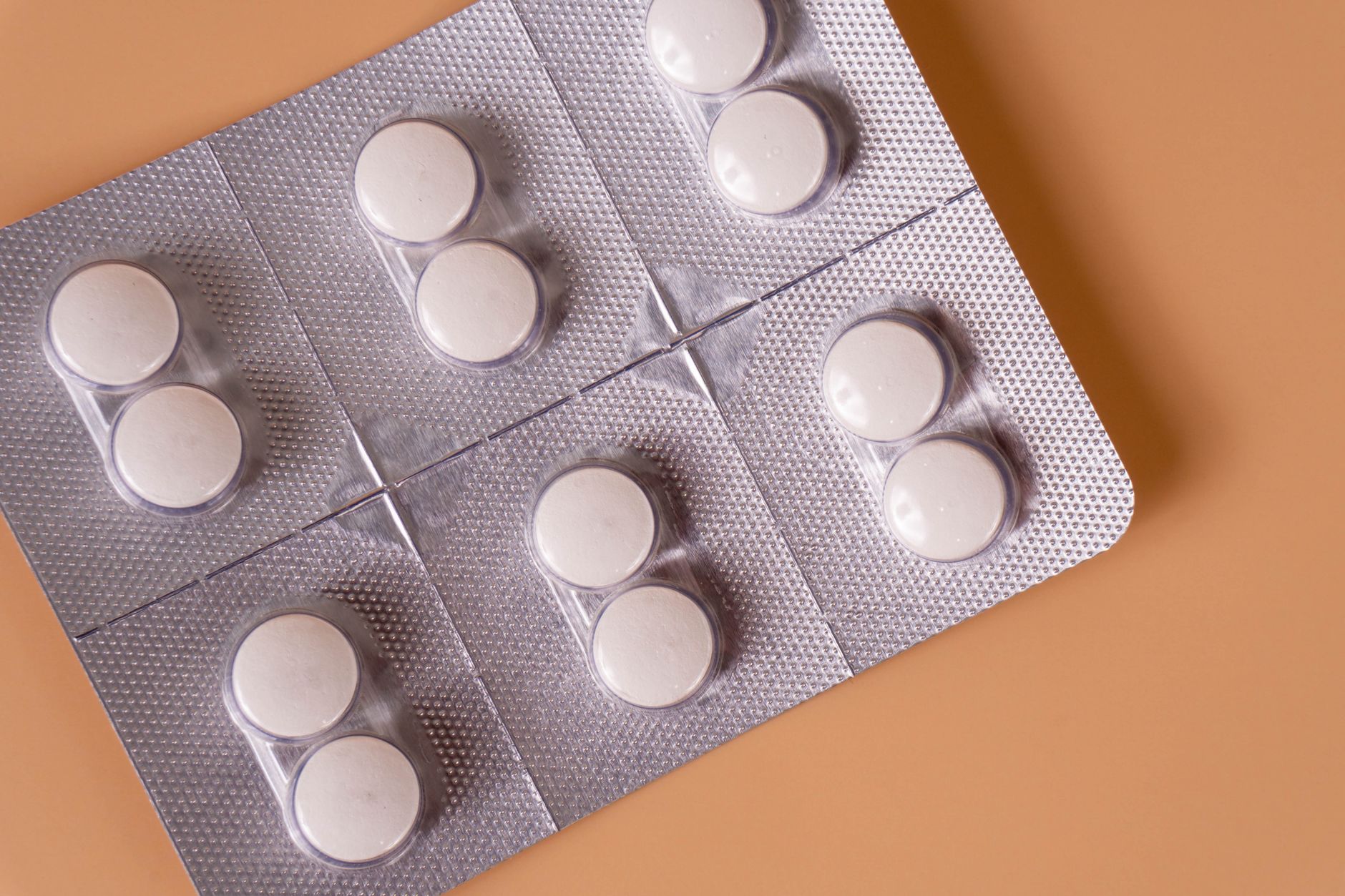
Low-dose acetylsalicylic acid in pregnancy can be safe for some conditions, but high doses pose risks, especially in late pregnancy. Understand the full safety and risks of acetylsalicylic acid in pregnancy to protect you and your baby.
By Shubhra Mishra — a mom of two who turned her own confusion during pregnancy into BumpBites, a global mission to make food choices clear, safe, and stress-free for every expecting mother. 💛
Check whether any food is safe during pregnancy with the BumpBites Food Safety Checker.
Quick take: Low-dose acetylsalicylic acid (often called "baby aspirin") is generally considered safe and beneficial for certain pregnant individuals to prevent serious complications like preeclampsia. It's not for everyone, though, and should only be taken under the strict guidance and prescription of your healthcare provider. Never self-medicate with aspirin during pregnancy.
It’s 2 a.m., you’re scrolling through forums, and you’ve just heard someone mention "baby aspirin" for pregnancy. Perhaps your doctor brought it up, or maybe a friend swore by it. Naturally, your mind races with questions: Is it safe? What exactly is it for? And why haven't I heard about this before?
Acetylsalicylic acid, more commonly known as aspirin, has a long history, but its role in pregnancy has evolved. While regular-strength aspirin is generally discouraged, a specific low-dose version has emerged as a crucial tool for preventing certain pregnancy complications in high-risk individuals. It’s a decision that always involves careful consideration and the expert advice of your healthcare provider.
At BumpBites, we understand that every medication in pregnancy brings questions and concerns. That's why we're diving deep into the science behind acetylsalicylic acid during pregnancy, exploring its uses, safety, potential risks, and who stands to benefit. Our goal is to give you clear, evidence-based information so you can have an informed conversation with your medical team.
Low-dose aspirin is a specific dosage, typically 81 mg or 75 mg, and is different from regular-strength aspirin.
What is acetylsalicylic acid used for in pregnancy?
Acetylsalicylic acid, or ASA, is a medication many of us know simply as aspirin. When we talk about its use in pregnancy, we're almost always referring to a specific formulation called "low-dose aspirin" or "baby aspirin," typically 75 mg or 81 mg. This isn't the same as the regular-strength aspirin (which is usually 325 mg or higher) you might take for a headache or muscle pain, and it’s important to understand the difference.
The primary use of low-dose aspirin in pregnancy is to help prevent certain serious complications, particularly for individuals who are at a higher risk. This isn't a general recommendation for all pregnancies, but rather a targeted intervention based on your medical history and risk factors. The main conditions where low-dose aspirin can play a protective role include:
Preeclampsia: This is a serious condition characterized by high blood pressure and signs of damage to another organ system, most often the liver and kidneys, that develops after 20 weeks of pregnancy. It can lead to severe health problems for both mother and baby if not managed. Low-dose aspirin helps reduce the risk by improving blood flow to the placenta and preventing the abnormal clotting that can contribute to preeclampsia.
Intrauterine Growth Restriction (IUGR): Sometimes referred to as fetal growth restriction, IUGR is when a baby doesn't grow to a normal weight during pregnancy. This can be due to problems with the placenta's ability to deliver nutrients and oxygen. Aspirin may help by improving blood flow through the placenta, ensuring the baby receives what they need for healthy development.
Recurrent Miscarriage: For some individuals with a history of recurrent miscarriages, especially those linked to certain clotting disorders (like antiphospholipid syndrome), low-dose aspirin, often in combination with other medications, may be prescribed. It's thought to improve blood flow to the uterus and prevent tiny blood clots that could interfere with early pregnancy development. However, its use for unexplained recurrent miscarriage is still an area of ongoing research, and specific guidance from your specialist is crucial.
Preterm Birth: While not its primary indication, some research suggests that low-dose aspirin may also contribute to a reduced risk of spontaneous preterm birth in certain high-risk groups, often as a secondary benefit when prescribed for other conditions.
The mechanism behind aspirin's beneficial effects in pregnancy is related to its ability to affect prostaglandins—hormone-like substances that influence inflammation, blood vessel dilation, and blood clotting. At a low dose, aspirin primarily inhibits certain prostaglandins that promote blood clotting and blood vessel constriction, without significantly affecting others that are important for blood vessel dilation. This delicate balance helps maintain healthy placental blood flow and reduces the risk of clot formation, which are key factors in the development of conditions like preeclampsia and IUGR.
It's vital to reiterate that acetylsalicylic acid in pregnancy is a targeted therapy. It’s not a supplement or a general preventative measure for every pregnant person. Its use is based on identified risk factors and a careful assessment by your healthcare provider.
Is low-dose aspirin safe during pregnancy?
When your doctor suggests any medication during pregnancy, your immediate thought is likely, "Is this truly safe for my baby?" For low-dose aspirin, the answer is nuanced but largely reassuring: yes, when prescribed by a healthcare provider for specific indications and started at the correct time, low-dose aspirin (75-81 mg) is considered safe and beneficial for many pregnant individuals.
However, it's crucial to distinguish between low-dose aspirin and regular-strength aspirin. Regular-strength aspirin (typically 325 mg or higher) is generally *not* recommended during pregnancy, especially in the first and third trimesters, due to potential risks to both mother and baby. This distinction is paramount and often the source of confusion for expecting parents.
Safety in the First Trimester
There was a time when aspirin was viewed with caution in early pregnancy due to concerns about a potential link to birth defects. However, extensive research over the past few decades has largely debunked these fears regarding *low-dose* aspirin. Leading organizations like the American College of Obstetricians and Gynecologists (ACOG) and the National Institute for Health and Care Excellence (NICE) in the UK confirm that low-dose aspirin is generally considered safe to initiate in the first trimester for appropriate candidates. In fact, starting it early—ideally before 16 weeks—is often key to its effectiveness in preventing preeclampsia.
Studies have shown no increased risk of major birth defects, including congenital heart defects, when low-dose aspirin is taken during the first trimester. This is a significant point of reassurance for many parents who are advised to start aspirin early in their pregnancy.
Overall Risk-Benefit Assessment
For individuals at high risk for conditions like preeclampsia, the benefits of taking low-dose aspirin far outweigh the minimal risks. For example, preventing preeclampsia can avert severe complications such as preterm birth, fetal growth restriction, placental abruption, and even maternal and infant mortality. For those with a history of recurrent miscarriage, the potential benefit of a successful pregnancy can be life-changing.
The U.S. Preventive Services Task Force (USPSTF) recommends low-dose aspirin for pregnant individuals at high risk for preeclampsia, advising initiation between 12 and 16 weeks of gestation. Similarly, the Royal College of Obstetricians and Gynaecologists (RCOG) in the UK provides clear guidelines for its use. These recommendations are based on robust scientific evidence demonstrating a significant reduction in adverse outcomes.
It's important to remember that "safe" in medicine often means that the known benefits outweigh the known risks for a specific population under specific circumstances. Low-dose aspirin is not a drug to be taken casually during pregnancy, but rather a carefully considered and prescribed medication that offers substantial protection for those who need it.
Discussing all medications with your healthcare provider is essential to ensure a safe pregnancy.
When should pregnant women start and stop taking aspirin?
The timing of when to start and when to stop low-dose aspirin during pregnancy is crucial for its effectiveness and safety. These recommendations are based on extensive research and are specifically designed to maximize benefits while minimizing potential risks.
When to Start: Early and Consistent
For low-dose aspirin to be most effective in preventing conditions like preeclampsia, it needs to be started early in pregnancy. Major medical bodies, including ACOG and NICE, recommend initiating low-dose aspirin:
Ideally between 12 and 16 weeks of gestation: This window is considered optimal because it's when the placenta is developing. Aspirin's mechanism of action—improving blood flow and preventing abnormal clotting—is most impactful during this critical phase of placental formation. Starting later than 16 weeks significantly reduces its efficacy in preventing preeclampsia, though it may still offer some benefit if started up to 20 weeks in some cases.
As soon as risk factors are identified: If your healthcare provider identifies high-risk factors early on, they might recommend starting aspirin right away, even before 12 weeks. This could be the case for individuals with a history of very early-onset preeclampsia in a previous pregnancy or specific clotting disorders.
Consistency is also key. Once prescribed, it's important to take your low-dose aspirin every day as directed by your provider. Missing doses can reduce its protective effect.
When to Stop: Approaching Delivery
The decision of when to stop low-dose aspirin typically comes as you approach your due date. The general recommendation is to discontinue low-dose aspirin:
Around 36 weeks of gestation: Many guidelines suggest stopping aspirin between 36 and 37 weeks of pregnancy. The primary reason for this timing is to minimize the theoretical risk of increased bleeding during labor and delivery, both for the mother and the baby. While low-dose aspirin has a minimal impact on overall bleeding risk compared to regular aspirin, stopping it a few weeks before delivery provides an extra margin of safety.
Before planned procedures: If you are scheduled for a planned C-section or an induction, your doctor might advise you to stop aspirin a bit earlier, usually around 7-10 days before the procedure, depending on individual circumstances and the procedure's specific risks.
It's important to note that some individuals, particularly those with very high risks or specific medical conditions, may be advised to continue low-dose aspirin closer to or even through delivery. This decision is always made on an individual basis, weighing the unique risks and benefits with your obstetrician or maternal-fetal medicine specialist. For instance, in some cases of severe antiphospholipid syndrome, continuation might be considered.
Aspirin Before Delivery Risks
The main concern with taking aspirin very close to delivery, especially regular-strength aspirin, is the potential for increased bleeding. Aspirin inhibits platelet aggregation, meaning it makes your blood less likely to clot. While low-dose aspirin has a relatively weak anti-clotting effect, particularly compared to higher doses, there's still a theoretical concern about:
Maternal bleeding: Increased risk of postpartum hemorrhage, though this risk is generally considered low with low-dose aspirin.
Fetal/neonatal bleeding: A very small risk of bleeding in the newborn, though major bleeding complications are rare.
The precise timing of cessation should always be a discussion between you and your healthcare provider, taking into account your specific medical history, current pregnancy status, and the individual risks and benefits.
What are the risks of taking aspirin in late pregnancy?
While low-dose aspirin is generally considered safe and beneficial in early and mid-pregnancy for high-risk individuals, its use in late pregnancy, particularly in the third trimester and especially close to term, warrants specific considerations regarding potential risks.
The most significant concern associated with aspirin use in late pregnancy, particularly with *regular-strength* aspirin, is the premature closure of the fetal ductus arteriosus. The ductus arteriosus is a blood vessel that's essential for fetal circulation, allowing blood to bypass the baby's lungs while they are developing in the womb. It's meant to close shortly after birth. If it closes prematurely due to certain medications, it can lead to serious heart and lung complications for the baby, including pulmonary hypertension (high blood pressure in the lungs) and heart failure.
However, it's crucial to understand that the risk of premature ductus arteriosus closure is primarily associated with regular or high doses of aspirin, not typically with the low-dose aspirin (75-81 mg) prescribed for preeclampsia prevention. Studies have largely shown that low-dose aspirin, when discontinued around 36-37 weeks, does not significantly increase the risk of this complication. This is why strict adherence to your doctor's prescribed dosage and timing for cessation is so important.
Increased Bleeding Risk
Another consideration in late pregnancy is the potential for increased bleeding. Aspirin works by inhibiting platelet function, which reduces the blood's ability to clot. While low-dose aspirin has a relatively mild effect compared to higher doses, continuing it very close to delivery can theoretically:
Increase maternal bleeding: There's a slight, theoretical increase in the risk of postpartum hemorrhage (excessive bleeding after birth) or bleeding during a C-section.
Increase fetal/neonatal bleeding: A very rare risk of bleeding in the newborn, though this is generally not a major concern with low-dose aspirin when stopped appropriately before delivery.
This is precisely why healthcare providers typically recommend discontinuing low-dose aspirin around 36-37 weeks of gestation, providing a buffer period for platelet function to normalize before labor and delivery. This minimizes any potential bleeding risks for both mother and baby.
Other Potential Concerns (Rare with Low-Dose)
While extremely rare with low-dose aspirin, higher doses of NSAIDs (Non-Steroidal Anti-Inflammatory Drugs), including regular aspirin, in late pregnancy have been linked to:
Oligohydramnios: Reduced amniotic fluid around the baby.
Kidney problems in the baby: Impaired renal function.
Again, these are not typical concerns with the low-dose aspirin regimens used in pregnancy for preventative purposes, especially when managed under medical supervision.
The table below summarizes the key differences in risk profiles between low-dose and regular-strength aspirin during pregnancy:
Generally NOT indicated; occasional specific medical conditions under specialist care
Safety in 1st Trimester
Generally safe, no increased risk of birth defects
Generally avoided, potential concerns (though evidence for major defects is weak)
Safety in 3rd Trimester
Generally safe when discontinued by 36-37 weeks
NOT recommended; significant risk of premature ductus arteriosus closure
Risk of Premature Ductus Arteriosus Closure
Very low to negligible when discontinued appropriately
Significant risk, potentially severe fetal complications
Risk of Bleeding (Maternal/Fetal)
Slight theoretical increase, minimal when discontinued appropriately
Increased risk, especially near delivery
Gastrointestinal Side Effects
Low risk (heartburn, nausea)
Higher risk (stomach upset, ulcers, bleeding)
While low-dose aspirin can prevent complications, a healthy lifestyle remains vital for a healthy pregnancy.
Can aspirin prevent preeclampsia and other complications?
Yes, for individuals at high risk, low-dose aspirin is a powerful tool in preventing preeclampsia and other pregnancy complications. This isn't just a theory; it's backed by a substantial body of evidence and is a cornerstone of current obstetric practice for specific patient populations.
Preeclampsia Prevention: A Primary Role
The most well-established and significant benefit of low-dose aspirin in pregnancy is its ability to prevent preeclampsia. Preeclampsia is a serious condition that affects about 5-8% of pregnancies worldwide, and it can lead to severe complications for both mother and baby. For those identified as high-risk, low-dose aspirin can reduce the incidence of preeclampsia by approximately 10-17%, and more importantly, it can reduce the risk of *severe* or *early-onset* preeclampsia (which carries higher risks) by an even greater margin, sometimes up to 60-70%.
Who is considered high-risk for preeclampsia? Guidelines from organizations like ACOG, NICE, and the Society for Maternal-Fetal Medicine (SMFM) outline specific risk factors. These often include:
History of preeclampsia in a previous pregnancy, especially if it was severe or early-onset.
Chronic hypertension (high blood pressure before pregnancy).
Pre-existing diabetes (Type 1 or Type 2).
Kidney disease.
Autoimmune diseases such as lupus or antiphospholipid syndrome.
Multiple gestation (carrying twins or more).
Assisted reproductive technology.
Obesity (BMI > 30).
Age 35 or older (especially with other risk factors).
Nulliparity (first pregnancy).
Family history of preeclampsia.
Your healthcare provider will assess your individual risk factors and determine if low-dose aspirin is appropriate for you. The earlier aspirin is started (ideally before 16 weeks), the more effective it is in preventing preeclampsia.
Reducing Intrauterine Growth Restriction (IUGR)
Beyond preeclampsia, low-dose aspirin has also been shown to help prevent intrauterine growth restriction (IUGR), a condition where the baby doesn't grow as expected. IUGR is often linked to placental insufficiency, where the placenta isn't effectively delivering nutrients and oxygen to the baby. By improving blood flow to the placenta and preventing micro-clots, aspirin can help the placenta function more efficiently, supporting healthier fetal growth.
Aspirin for Recurrent Miscarriage Dosage and Prevention
For individuals with a history of recurrent miscarriages, especially those with diagnosed antiphospholipid syndrome (APS), low-dose aspirin, often combined with heparin (another anticoagulant), is a standard part of treatment. APS is an autoimmune disorder that can cause blood clots, leading to pregnancy losses. In these cases, aspirin helps to prevent clot formation in the placental blood vessels, improving the chances of a successful pregnancy. The dosage for recurrent miscarriage prevention is typically the same low dose (75-81 mg) as for preeclampsia prevention.
For unexplained recurrent miscarriage (where no specific cause like APS is found), the evidence for aspirin's benefit is less clear and it's generally not recommended as a standalone treatment. However, some specialists might consider it in conjunction with other therapies, based on individual patient history.
Preterm Birth and Other Benefits
While not its primary indication, studies have suggested that low-dose aspirin may also be associated with a reduced risk of spontaneous preterm birth, particularly in high-risk populations. This could be a secondary benefit of improved placental health and reduced inflammation. Additionally, by preventing severe preeclampsia, aspirin indirectly reduces the need for medically indicated preterm deliveries.
Sarah's journey with preeclampsia risk: "My first pregnancy was smooth, but with my second, my doctor highlighted a few risk factors: I was over 35, and my sister had preeclampsia. My OB recommended starting low-dose aspirin at 14 weeks. I was nervous at first, but she explained the science clearly. I took it diligently every night. While I still had to monitor my blood pressure closely, I delivered a healthy baby at 39 weeks with no signs of preeclampsia. It felt like a small, easy step that made a huge difference in my peace of mind and, ultimately, my baby's health."
This representative story highlights the real-world impact of preventative measures like low-dose aspirin when used appropriately. It's a proactive step that can significantly improve outcomes for both mother and baby.
What are the potential side effects of aspirin during pregnancy?
When taking any medication during pregnancy, it's natural to be aware of potential side effects. With low-dose aspirin (75-81 mg), the side effects are generally mild and uncommon, especially compared to regular-strength aspirin.
Maternal Side Effects
The most frequently reported side effects are related to the gastrointestinal system:
Heartburn or indigestion: Some individuals may experience mild heartburn or an upset stomach. Taking aspirin with food or a glass of milk can often help mitigate this.
Nausea: Less commonly, nausea can occur. Again, taking it with food might help.
Minor bleeding: Because aspirin has an anti-platelet effect, it can slightly increase the tendency for minor bleeding. This might manifest as more frequent nosebleeds, easy bruising, or slightly longer bleeding from small cuts. These are usually not serious and typically resolve on their own.
More serious gastrointestinal issues like stomach ulcers or significant gastrointestinal bleeding are extremely rare with low-dose aspirin, especially in the absence of other risk factors. These are much more common with regular-strength aspirin.
Allergic reactions to aspirin, while rare, can occur and range from skin rashes to more severe reactions like asthma exacerbation or anaphylaxis. If you have a known aspirin allergy or a history of aspirin-exacerbated respiratory disease (AERD), you should absolutely not take aspirin.
Fetal Side Effects (Baby Aspirin for Pregnancy Side Effects)
For low-dose aspirin, when taken as prescribed and discontinued at the appropriate time (around 36-37 weeks), the risk of fetal side effects is very low. As discussed, concerns about major birth defects have largely been disproven for low-dose aspirin used in early pregnancy. The primary theoretical fetal risk is the premature closure of the ductus arteriosus, but this risk is predominantly associated with regular-strength aspirin and is considered negligible with low-dose aspirin when stopped according to medical advice.
There is no strong evidence linking low-dose aspirin use to an increased risk of significant bleeding in the baby at birth, especially when it's discontinued a few weeks before delivery. Overall, for high-risk pregnancies, the benefits of preventing severe conditions like preeclampsia typically far outweigh these minimal theoretical fetal risks.
Monitoring During Aspirin Therapy
While taking low-dose aspirin, your healthcare provider will continue to monitor your pregnancy as usual. This includes regular blood pressure checks and fetal growth assessments. You don't typically need special blood tests just for aspirin monitoring, but if you experience any unusual or concerning symptoms, it's important to report them to your doctor right away.
One common query is about "aspirin and fetal heart development." Rest assured, extensive research, including large-scale studies, has found no increased risk of congenital heart defects in babies whose mothers took low-dose aspirin during the first trimester. The concern about the ductus arteriosus relates to its premature closure in *late* pregnancy, not to structural heart development early on.
If you experience any new or worsening symptoms while on low-dose aspirin, or if you have any concerns, always reach out to your healthcare provider. They can assess your symptoms and provide personalized advice.
Who should not take aspirin during pregnancy?
While low-dose aspirin offers significant benefits for many pregnant individuals at risk, it is not suitable for everyone. Certain medical conditions or allergies make aspirin use unsafe. It's crucial to be completely transparent with your healthcare provider about your full medical history before starting any medication, including low-dose aspirin.
You should generally *not* take aspirin during pregnancy if you have any of the following conditions:
Aspirin allergy or sensitivity: This is a clear contraindication. If you have ever had an allergic reaction (e.g., rash, hives, swelling, difficulty breathing) to aspirin or other NSAIDs (non-steroidal anti-inflammatory drugs) like ibuprofen or naproxen, you should not take aspirin.
Aspirin-exacerbated respiratory disease (AERD) or severe asthma: Individuals with AERD, a condition where aspirin or NSAIDs trigger severe asthma attacks, should avoid aspirin. Even if you have general asthma, discuss it with your doctor, as aspirin can sometimes worsen asthma symptoms.
Bleeding disorders: If you have a known bleeding disorder, such as hemophilia, von Willebrand disease, or other conditions that impair blood clotting, aspirin can exacerbate your risk of hemorrhage.
Active gastrointestinal bleeding or peptic ulcers: Aspirin can irritate the stomach lining and increase the risk of bleeding in individuals with active ulcers or a history of significant GI bleeding.
Severe liver or kidney disease: These conditions can affect how your body processes and eliminates aspirin, potentially leading to higher levels in your system or worsening organ function.
Thrombocytopenia: A condition where you have a low platelet count, which already increases your bleeding risk.
Certain medications: Aspirin can interact with other medications, particularly other anticoagulants (blood thinners) or NSAIDs, increasing the risk of bleeding. Always provide a complete list of all medications, supplements, and herbal remedies you are taking to your doctor.
It's also important to remember that this article is about *low-dose* aspirin. Regular-strength aspirin (325 mg or more) is generally contraindicated for most pregnant individuals, especially in the third trimester, due to the higher risks of fetal complications like premature closure of the ductus arteriosus and increased bleeding risks for both mother and baby. Never substitute low-dose aspirin with regular-strength aspirin.
Never self-medicate with aspirin during pregnancy. Even if you identify with some of the high-risk factors for preeclampsia, starting aspirin without medical guidance is unsafe. Your healthcare provider needs to review your complete medical history, perform necessary assessments, and weigh the specific risks and benefits for your unique situation. They are the only ones who can safely prescribe and monitor aspirin use during pregnancy.
If you are prescribed low-dose aspirin and develop any new medical conditions or start new medications, inform your doctor immediately. They may need to reassess whether aspirin remains safe and appropriate for you.
What is the recommended dosage of aspirin for pregnancy?
When it comes to aspirin in pregnancy, the precise dosage is critical. The "low-dose" or "baby aspirin" formulation is specifically recommended, and it's distinctly different from the higher doses used for pain relief or heart conditions outside of pregnancy. It's crucial to take only the dose prescribed by your healthcare provider.
The recommended daily dosage of low-dose aspirin for pregnancy varies slightly by region, but typically falls within a narrow range:
In the United States: The most commonly prescribed dose is 81 milligrams (mg) once daily. This is often referred to as "baby aspirin" or "low-dose aspirin."
In the United Kingdom: The standard prescribed dose is 75 milligrams (mg) once daily.
Both 75 mg and 81 mg doses are considered equivalent in terms of their effectiveness for pregnancy-related indications and carry a similar safety profile. The key is that these are *low* doses, which primarily inhibit one pathway of prostaglandin synthesis that affects platelet aggregation, without significantly impacting other pathways that could have adverse effects at higher doses.
Why Low Dose is Crucial
The effectiveness of aspirin in preventing preeclampsia and other complications stems from its ability to gently modify platelet function and improve blood flow to the placenta. At these low doses, aspirin selectively inhibits thromboxane A2, a substance that promotes blood clotting and blood vessel constriction. This helps maintain a healthy, open blood supply to the developing placenta.
Higher doses of aspirin, on the other hand, have broader effects on prostaglandin synthesis, which can include inhibiting beneficial prostaglandins. This is why regular-strength aspirin (e.g., 325 mg or higher) is generally avoided in pregnancy, particularly in the third trimester, due to a higher risk of side effects like gastrointestinal upset and, more importantly, the risk of premature closure of the fetal ductus arteriosus.
Aspirin for Recurrent Miscarriage Dosage
If low-dose aspirin is prescribed for recurrent miscarriage, particularly in cases linked to antiphospholipid syndrome, the dosage typically remains the same: 75 mg or 81 mg once daily. This is often used in combination with other medications, such as heparin, as part of a comprehensive treatment plan supervised by a specialist.
Administration and Consistency
Low-dose aspirin is usually taken orally, once a day. Some doctors recommend taking it in the evening, as this might optimize its effects on preventing preeclampsia, though morning administration is also common. The most important aspect is consistency: take it at the same time each day as prescribed by your doctor. It can usually be taken with or without food, but if you experience any stomach upset, taking it with a meal might help.
Never adjust your aspirin dosage without consulting your healthcare provider. If you accidentally miss a dose, do not double up on the next dose. Simply take your next scheduled dose as usual and inform your doctor if you have concerns about adherence.
Remember, the recommendation for "what dose of aspirin is recommended for pregnancy" is strictly the low-dose formulation, 75 mg or 81 mg, and always under the guidance of your medical team.
From our medical team: "It's completely normal to feel a mix of emotions when your doctor suggests medication during pregnancy, even something as common as low-dose aspirin. But please know, the recommendations for low-dose aspirin are based on robust evidence and are incredibly effective for the right candidates. We're talking about preventing serious conditions like preeclampsia, which can have profound impacts. Your provider has carefully weighed your individual risk factors. If you have any questions or concerns, don't hesitate to ask us. We're here to ensure you feel informed and confident in your care plan."
Myth vs. fact
There's a lot of information and misinformation floating around about aspirin, especially concerning its use in pregnancy. Let's clear up some common myths with the facts.
Myth: All aspirin is unsafe in pregnancy.
Fact: This is a critical distinction! While regular-strength aspirin (325 mg or higher) is generally not recommended during pregnancy, *low-dose* aspirin (75 mg or 81 mg) is considered safe and highly beneficial for specific high-risk individuals when prescribed and monitored by a healthcare provider. The effects of low-dose aspirin on the body are different and carry minimal risks compared to higher doses.
Myth: You can just start taking "baby aspirin" if you're worried about preeclampsia or miscarriage.
Fact: Absolutely not. Low-dose aspirin is a medication, not a supplement, and it requires a medical prescription. Your healthcare provider needs to assess your individual risk factors, review your medical history (including allergies and other medications), and determine if it's safe and appropriate for you. Self-medicating can be dangerous and could mask underlying issues or even cause harm if you have contraindications.
Myth: Taking aspirin in early pregnancy causes birth defects.
Fact: This myth stems from older, less precise research or generalized concerns about medications. Extensive modern research has shown that low-dose aspirin, when taken during the first trimester for appropriate indications, does *not* increase the risk of major birth defects, including congenital heart defects. Its safety in early pregnancy is well-established by leading medical organizations.
Myth: If you're taking low-dose aspirin, you don't need to worry about preeclampsia or other complications anymore.
Fact: Low-dose aspirin significantly *reduces* the risk of preeclampsia and other complications, but it doesn't eliminate it entirely. It's a preventative measure, not a guarantee. You will still need to attend all your prenatal appointments, monitor for any concerning symptoms, and follow your healthcare provider's guidance throughout your pregnancy.
Key takeaways
Low-dose acetylsalicylic acid (aspirin), typically 75 mg or 81 mg, is prescribed for specific high-risk pregnancies to prevent serious complications.
Its primary uses include preventing preeclampsia, intrauterine growth restriction (IUGR), and, in some cases, recurrent miscarriage.
Low-dose aspirin is generally considered safe when prescribed by a doctor and started early in pregnancy (ideally 12-16 weeks).
Regular-strength aspirin is *not* recommended during pregnancy due to higher risks.
Potential side effects of low-dose aspirin are usually mild, such as heartburn or minor bruising, and serious fetal risks are very low when used correctly.
Aspirin should typically be stopped around 36-37 weeks of gestation to minimize theoretical bleeding risks during delivery.
Never self-medicate; always consult your healthcare provider to determine if low-dose aspirin is right for you and to get a prescription.
Frequently asked questions
Is it safe to take aspirin while pregnant?
Yes, low-dose aspirin (75-81 mg), often called baby aspirin, is considered safe for certain pregnant individuals when prescribed by a healthcare provider. It's used to prevent serious complications like preeclampsia. However, regular-strength aspirin is generally not safe in pregnancy and should be avoided unless specifically directed by a doctor for very specific medical reasons.
What are the benefits of taking baby aspirin during pregnancy?
For high-risk individuals, baby aspirin significantly reduces the chances of developing preeclampsia, a serious blood pressure disorder in pregnancy. It also helps prevent intrauterine growth restriction (IUGR) and, in some specific cases, can improve outcomes for those with a history of recurrent miscarriage, particularly if linked to clotting disorders.
When should I stop taking low-dose aspirin before delivery?
Most healthcare providers recommend stopping low-dose aspirin around 36 to 37 weeks of gestation. This timing helps to minimize any theoretical risk of increased bleeding during labor and delivery for both the mother and the baby. Always follow your doctor's specific instructions for when to discontinue your medication.
Can baby aspirin cause problems for the baby?
When taken as prescribed, low-dose aspirin has a very low risk of causing problems for the baby. Extensive research has shown no increased risk of birth defects with early pregnancy use. The primary theoretical concern, premature closure of the fetal ductus arteriosus, is mainly associated with regular-strength aspirin and is negligible with low-dose aspirin when stopped before 37 weeks.
What dose of aspirin is recommended for pregnancy?
The recommended dose of aspirin for pregnancy is a low dose, typically 81 milligrams (mg) once daily in the US, or 75 mg once daily in the UK. This specific low dosage is crucial for its safety and effectiveness in preventing pregnancy complications, and it is distinct from higher doses of aspirin.
Who should take low-dose aspirin during pregnancy?
Low-dose aspirin is recommended for pregnant individuals who have specific risk factors for developing preeclampsia, such as a history of preeclampsia, chronic high blood pressure, diabetes, kidney disease, or certain autoimmune conditions. Your healthcare provider will assess your medical history and determine if you meet the criteria for aspirin therapy.
Always discuss your medication plan with your healthcare provider for personalized guidance.
When to call your doctor
While low-dose aspirin is generally well-tolerated, it's important to be aware of symptoms that warrant a call to your healthcare provider:
Any signs of an allergic reaction, such as hives, rash, itching, swelling (especially of the face, tongue, or throat), severe dizziness, or trouble breathing.
Unusual or excessive bleeding, such as heavy nosebleeds, blood in your urine or stool (which may appear black and tarry), or prolonged bleeding from minor cuts.
Severe or persistent stomach pain, indigestion, or heartburn that doesn't improve.
Any new or worsening symptoms, or if you have any concerns about your medication or your pregnancy.
This article provides general information and is not a substitute for personal medical advice. Always consult with your doctor or midwife for diagnosis and treatment of any medical condition, and before making any decisions about your health or medications during pregnancy.
References
American College of Obstetricians and Gynecologists (ACOG). (2019). Hypertension in Pregnancy. ACOG Practice Bulletin No. 202.
National Institute for Health and Care Excellence (NICE). (2019). Hypertension in pregnancy: diagnosis and management. NICE guideline NG133.
U.S. Preventive Services Task Force (USPSTF). (2021). Aspirin Use to Prevent Preeclampsia and Related Morbidity and Mortality: US Preventive Services Task Force Recommendation Statement. JAMA.
Society for Maternal-Fetal Medicine (SMFM) Publications Committee. (2018). Clinical Guideline: Preeclampsia and hypertensive disorders of pregnancy. American Journal of Obstetrics & Gynecology.
Royal College of Obstetricians and Gynaecologists (RCOG). (2019). The Management of Women with Pre-existing Diabetes in Pregnancy. Green-top Guideline No. 80.
Food and Drug Administration (FDA). (2023). Advice about Using NSAIDs in your Third Trimester of Pregnancy. FDA Drug Safety Communication.
Centers for Disease Control and Prevention (CDC). (2022). Aspirin Use During Pregnancy.
World Health Organization (WHO). (2018). WHO recommendations on antenatal care for a positive pregnancy experience.
Not sure about the label on Acetylsalicylic Acid In Pregnancy Safety And Risks products?
Snap the ingredients list and SafeFilter checks every ingredient for your stage — only 3 free scans this month, then you're locked until reset. Unlimited from $7/mo or lock $50/yr through Aug 31 (6 days left).
When Shubhra Mishra was expecting her first child in 2016, she was overwhelmed by conflicting food advice — one site said yes, another said never. By the time her second baby arrived in 2019, she realized millions of mothers face the same confusion.
That sparked a five-year journey through clinical nutrition papers, cultural diets, and expert conversations — all leading to BumpBites: a calm, compassionate space where science meets everyday motherhood.
Her long-term vision is to build a global community ensuring safe, supported, and free deliveriesfor every mother — because no woman should face pregnancy alone or uninformed. 🌿
🌍 Stand with mothers, shape safer guidance
Join a small circle of experts who review BumpBites articles so expecting parents everywhere can decide with confidence.