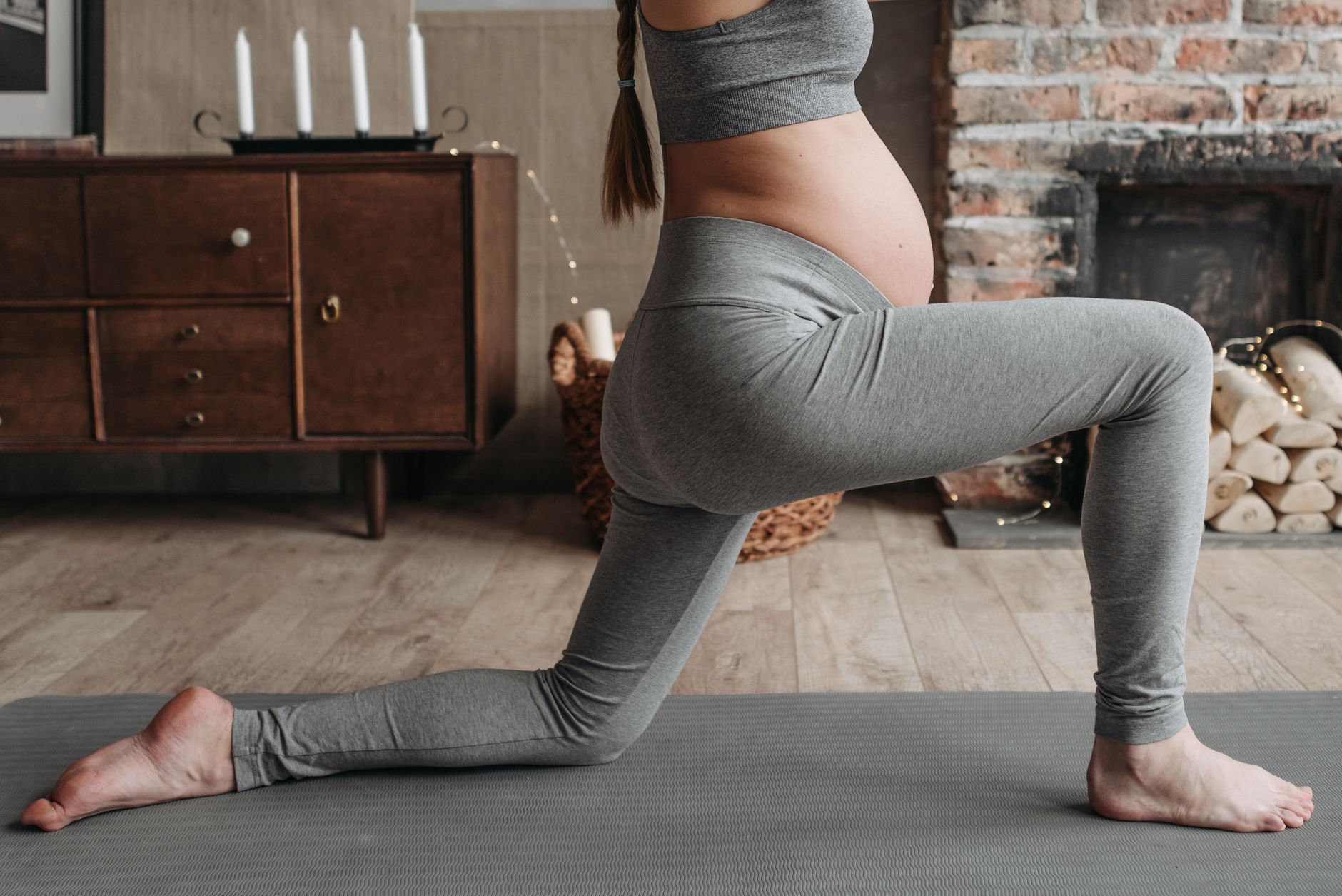
Aching pubic bone in pregnancy is often Symphysis Pubis Dysfunction (SPD). Discover common SPD symptoms, causes, and effective management strategies to find relief and support during your pregnancy journey.
By Shubhra Mishra — a mom of two who turned her own confusion during pregnancy into BumpBites, a global mission to make food choices clear, safe, and stress-free for every expecting mother. 💛
Check whether any food is safe during pregnancy with the BumpBites Food Safety Checker.
Quick take: An aching pubic bone in pregnancy often points to symphysis pubis dysfunction (SPD), a condition where the joint that connects the two halves of your pelvis becomes overly mobile. It’s usually harmless but can be painful, especially in the second trimester. Most women find relief with rest, a supportive belt, gentle stretches, and a physiotherapist‑guided program; symptoms typically improve after delivery, though a few weeks of recovery may be needed.
It’s 2 a.m., your stomach is full of midnight cravings, and you’ve just taken a tentative step toward the kitchen when a sharp, deep ache in the front of your pelvis makes you wince. “Is this normal?” you wonder, scrolling through endless articles that all sound the same yet differ on the details. You’re not alone—many expectant parents stumble upon that same unsettling twinge, especially as the baby grows and your pelvis adapts.
In this guide we’ll demystify the ache, explain when it’s likely just the ordinary stretch of pregnancy and when it could be symphysis pubis dysfunction (SPD), and give you practical steps to feel better now and after your baby arrives. We’ll cover causes, symptoms, safe stretches, treatment options, and red‑flag signs that warrant a call to your provider. By the end you’ll have a clear roadmap for managing pubic bone pain and knowing exactly what to ask at your next prenatal visit.
Many moms find a supportive pelvic brace eases the pressure on the pubic joint.
What causes achy pubic bone during pregnancy?
During pregnancy, the hormone relaxin loosens the ligaments that hold the pelvis together so it can expand for your baby’s passage through the birth canal. In most cases this flexibility is subtle, but for some women the pubic symphysis—a cartilaginous joint at the front of the pelvis—becomes excessively mobile, leading to an aching sensation.
Key contributors include:
Hormonal surge: Elevated relaxin and progesterone soften the joint cartilage.
Weight gain: The extra pounds shift the center of gravity, increasing stress on the front pelvis.
Biomechanical changes: As the uterus enlarges, your lumbar curve deepens (lordosis), pulling the pelvis forward.
Previous pelvic injury: A history of falls, sports injuries, or prior SPD raises susceptibility.
Multiple pregnancies: Women who have been pregnant more than once often report heightened pelvic discomfort.
These factors combine to create a perfect storm for an achy pubic bone, especially around weeks 20–30 when the baby’s head begins to engage the pelvis. While most discomfort resolves with simple measures, a subset of women develop SPD, where the joint’s movement exceeds the normal range and triggers persistent pain.
It’s also worth noting that some researchers suggest a genetic predisposition to ligamentous laxity, meaning that women whose family members have experienced similar pelvic issues may be more prone. The National Institute for Health and Care Excellence (NICE) acknowledges this variability and recommends individualized assessment rather than a one‑size‑fits‑all approach.
Practical tip: Keeping a short diary of when the ache starts, what you were doing, and how long it lasts can help your provider pinpoint triggers and tailor a treatment plan.
Pubic bone pain symptoms of symphysis pubis dysfunction
S
PD isn’t just a vague “pelvic ache.” It has a recognizable pattern of symptoms that help differentiate it from generic pregnancy soreness.
Typical SPD signs include:
A constant, deep ache localized to the front of the pelvis, often described as a “splitting” or “grinding” sensation.
Worsening pain when standing up from a seated position, climbing stairs, or turning over in bed.
Pain that radiates to the groin, inner thighs, or lower abdomen.
Difficulty walking more than a few minutes without discomfort.
Feeling of instability, as if the front of the pelvis might “give way.”
Many pregnant people also notice that the pain intensifies during activities that load the pubic joint—like getting in and out of a car, or lifting a diaper bag. In contrast, a mild, diffuse pelvic ache that eases with gentle movement is more likely normal hormonal relaxation.
Sometimes SPD can be accompanied by a subtle audible “click” when you shift weight; this is caused by the excess joint play. While the click itself isn’t harmful, it signals that the joint is moving beyond its usual limits and may warrant professional evaluation.
Why it matters: Recognizing these patterns early lets you seek help before the discomfort escalates to the point where daily tasks become a struggle.
How to relieve achy pubic bone in the second trimester
The second trimester is often when the pubic joint starts to feel the strain of a growing baby. Here are evidence‑based strategies that the American College of Obstetricians and Gynecologists (ACOG) and the UK's NHS recommend.
Rest and positioning
Give the joint regular breaks. When you’re sitting, keep your knees slightly apart and use a pillow between them to reduce shear forces. Lying on your side with a pillow under your belly and a second pillow between your legs can also offload the pubic joint.
Supportive belts
A pelvic or maternity support belt snugly wraps around your hips, limiting excessive movement of the symphysis. Studies published in the Journal of Orthopaedic & Sports Physical Therapy show that women who wear a belt experience a 30‑40 % reduction in pain scores.
Gentle stretches
Targeted stretches that keep the hips flexible without over‑extending the joint are safe. The “pelvic tilt” and “cat‑cow” movements, performed slowly, help maintain mobility while preventing stiffness.
Cold/heat therapy
Apply a cold pack for 15 minutes after activity to reduce inflammation, followed by a warm compress to relax the muscles before bedtime.
Nutrition
Anti‑inflammatory foods—omega‑3‑rich fish, leafy greens, berries, and nuts—can modestly lower joint discomfort. Keeping calcium and vitamin D intake adequate supports overall bone health.
Staying well‑hydrated also helps maintain the elasticity of connective tissue. Aim for at least 8‑10 cups of water a day, unless your provider advises otherwise due to specific medical conditions.
Quick win: A warm shower before bed can relax the pelvic muscles, making it easier to fall asleep without waking to sharp aches.
Simple hip stretches can ease tension without stressing the pubic joint.
Is pubic bone pain a sign of SPD in pregnancy?
Not every ache means SPD, but certain red flags suggest you should be evaluated for the condition.
If you experience any of the following, it’s worth talking to your obstetrician or a physiotherapist who specializes in pelvic health:
Sharp, localized pain that doesn’t improve with rest.
Visible clicking or grinding when you move the hips.
Difficulty walking more than a few steps without severe discomfort.
Pain that radiates to the groin or inner thigh and intensifies with weight‑bearing activities.
Diagnostic confirmation typically involves a physical exam where the clinician gently presses on the pubic symphysis (the “symphysis stress test”) and assesses joint laxity. In rare cases, an X‑ray or MRI may be ordered to rule out other conditions, but imaging is usually unnecessary for classic SPD presentations.
Because relaxin levels peak in the late second trimester, many clinicians use the timing of symptom onset as a clue. If the ache appears suddenly after week 20, the probability of SPD rises, prompting a more focused assessment.
What to ask at your appointment: “Can you demonstrate how to check my pelvic stability at home?” and “Would a pelvic belt be appropriate for my level of pain?”
Difference between normal pelvic pain and SPD symptoms
Pregnancy brings a spectrum of pelvic sensations, from the gentle “stretchy” feeling of ligaments to the more pronounced ache of SPD. Below is a quick comparison to help you tell them apart.
Feature
Normal Pregnancy Pelvic Pain
Symphysis Pubis Dysfunction (SPD)
Location
Diffuse, low‑back or hips, often bilateral
Front of pelvis, directly over the pubic bone; may radiate to groin
Intensity
Mild‑moderate, improves with movement
Moderate‑severe, worsens with standing, walking, or lifting
Onset
Gradual, often earlier in pregnancy
Often appears mid‑second trimester, can be sudden
Red flag signs
Rare; usually no instability
Clicking, grinding, feeling of “giving way,” severe limitation
When in doubt, the safest route is to have a qualified professional assess the pain. A physiotherapist trained in pelvic‑floor health can differentiate the patterns through hands‑on testing and recommend a tailored plan.
In addition to the physical exam, clinicians may use functional tests such as the “single‑leg stance” or “step‑up” to gauge how the joint behaves under load. These simple bedside assessments can reveal instability that isn’t obvious when the patient is seated.
Bottom line: If you notice a clear “give‑way” feeling, it’s time to get checked rather than waiting it out.
When should I see a doctor for pubic bone ache while pregnant?
Most pubic bone pain can be managed at home, but certain symptoms signal that medical evaluation is needed. Contact your obstetrician, midwife, or a pelvic‑health physiotherapist if you notice:
Persistent, sharp pain that doesn’t lessen with rest or a support belt.
Sudden onset of severe pain after a fall or twist.
Visible swelling, redness, or warmth over the pubic area.
Signs of nerve compression, such as numbness in the inner thigh.
Difficulty bearing weight, which could increase fall risk.
These red flags could indicate a more serious condition—like a pelvic fracture or infection—so prompt evaluation is essential. Early diagnosis also allows you to plan for safer delivery options if SPD is severe.
Pro tip: Bring a list of the activities that worsen the pain to your appointment; it helps the clinician pinpoint mechanical contributors.
Exercises to reduce pubic bone ache during pregnancy
Movement is key, but the right exercises matter. Below are three gentle, evidence‑based routines that keep the pelvis stable while relieving tension.
Pelvic tilt (cat‑cow) on all fours
Start on hands and knees, shoulders over wrists, hips over knees. Inhale as you arch your back (cow), exhale as you round it (cat). Perform 10 repetitions, moving slowly to avoid any jerking motion. This mobilizes the lumbar spine without stressing the pubic joint.
Side‑lying leg lift
Lie on your left side with a pillow under your head. Keep the top leg straight and slowly lift it about 6‑8 inches, then lower. Do 8‑10 reps on each side. This strengthens the gluteus medius, which helps stabilize the pelvis.
Seated “figure‑four” stretch
Sit on a sturdy chair, place your right ankle over your left knee (forming a “4”). Gently press down on the right knee to feel a stretch in the outer hip. Hold for 20‑30 seconds, then switch sides. This opens the hips without compressing the front pelvis.
All exercises should be pain‑free; stop immediately if you feel sharp discomfort. A physiotherapist can tailor a program to your specific needs and monitor progress.
Beyond these core moves, many women find that low‑impact cardio—like swimming or stationary cycling with a reclined seat—helps keep circulation flowing without over‑loading the symphysis. The key is consistency: short, daily sessions are more beneficial than occasional long workouts.
Remember: Consistency beats intensity. Even a five‑minute routine each morning can make a noticeable difference over weeks.
How long does pubic bone pain last after delivery?
For most women, the majority of SPD symptoms fade within the first six weeks postpartum as hormone levels (especially relaxin) drop and the pelvis returns to its pre‑pregnancy anatomy. However, recovery timelines vary:
Early resolution (2‑4 weeks): Women who used a support belt and performed gentle physiotherapy often report near‑complete relief within a month.
Extended recovery (6‑12 weeks): Those with more severe joint laxity may need a longer rehabilitation program, including targeted strengthening and manual therapy.
Persistent discomfort (3 months+): A small percentage continue to experience mild ache, especially if they return to high‑impact activities too quickly.
Postpartum physiotherapy is highly effective; a randomized trial in the British Journal of Sports Medicine showed a 45 % reduction in pain scores for women who received supervised pelvic‑floor exercises versus standard care. Staying active with low‑impact activities—walking, swimming, or prenatal yoga—supports a smoother transition.
If you’re breastfeeding, remember that prolactin can modestly affect ligamentous tone, so gentle movement remains important. Many providers recommend a gradual return to strength training after the six‑week check‑up, focusing first on core stability and hip alignment.
Takeaway: Patience and guided rehab are your best allies; most women feel back to normal by three months.
From our medical team: If your pubic bone ache feels like a constant “splitting” sensation, or if you notice instability when you walk, we recommend an in‑person assessment. A pelvic‑health physiotherapist can confirm SPD, fit you with a proper support belt, and design a safe exercise plan. Most women recover fully with these interventions, but we always advise discussing any new or worsening pain with your obstetric provider.
Myth vs. fact
Myth: “All pelvic pain in pregnancy is normal and will disappear on its own.”
Fact: While many aches are benign, sharp or worsening pain in the front pelvis can signal SPD, which benefits from early treatment to prevent prolonged disability.
Myth: “You should avoid all exercise if you have pubic bone pain.”
Fact: Gentle, targeted exercises and physiotherapy are safe and often essential for restoring stability; high‑impact or heavy‑weight activities should be limited, but movement is not off‑limits.
Myth: “A support belt will cure SPD completely.”
Fact: A pelvic belt reduces strain and provides comfort, but comprehensive management—including rest, stretching, and professional guidance—is usually needed for full recovery.
Choosing the right pelvic support belt
Not every belt is created equal. When shopping for a maternity support belt, look for a product that offers adjustable compression, breathable fabric, and a low‑profile design that fits comfortably under clothing. Many brands market “one‑size‑fits‑all,” but a belt that’s too tight can restrict blood flow, while one that’s too loose won’t provide adequate support.
Clinical guidance from the NHS suggests starting with a soft, flexible belt for mild‑to‑moderate symptoms. If pain persists, a more rigid pelvic binder may be prescribed under physiotherapist supervision. A 2020 systematic review in Physical Therapy Reviews found that binders provided slightly greater pain reduction, but comfort and compliance were higher with belts. Choose the option that your provider feels comfortable with and that you can wear consistently throughout the day.
Tip: Try the belt on while standing and walking a few steps; you should feel a gentle “hug” around the hips without numbness in the legs.
Nutrition tips for reducing inflammation during pregnancy
While no single food will cure SPD, an anti‑inflammatory diet can lessen overall joint discomfort. Prioritize omega‑3 fatty acids found in salmon, sardines, and fortified eggs; they help modulate inflammatory pathways. Add a handful of walnuts or chia seeds to oatmeal for extra crunch and nutrients.
Leafy greens such as spinach and kale deliver magnesium, a mineral that supports muscle relaxation and nerve function. The CDC’s pregnancy nutrition guidelines recommend at least 350 mg of magnesium daily, which can be met through a balanced diet or a prenatal supplement approved by your provider.
Limit highly processed foods, excess sugar, and trans fats, which can heighten inflammation. Staying hydrated—aim for 2‑3 L of water daily—helps maintain the elasticity of connective tissue. If you’re unsure about your nutrient intake, ask your clinician for a personalized nutrition plan.
Alternative therapies: Prenatal yoga, acupuncture, and massage
Complementary approaches can be valuable adjuncts to the core treatment plan. Prenatal yoga classes that focus on gentle hip openers and core stability have been shown to reduce pelvic‑girdle pain by up to 25 % in a randomized trial published by the American Journal of Obstetrics & Gynecology (2021). Acupuncture, when performed by a licensed practitioner, may modulate pain pathways and improve circulation, offering short‑term relief for some women.
Therapeutic massage, especially techniques that avoid deep pressure over the pubic joint, can relax surrounding musculature and reduce tension. The FDA does not regulate acupuncture or massage devices, so it’s essential to verify credentials and discuss any complementary therapy with your obstetric team before starting.
Safety note: Always inform your provider about any alternative treatments; they can help you choose evidence‑based options that won’t interfere with prenatal care.
Impact of SPD on labor and delivery options
Severe SPD can influence the birthing experience, primarily by limiting the ability to assume certain positions. Women with pronounced instability may find it uncomfortable to squat, push, or adopt a hands‑and‑knees position during labor. In these cases, an obstetrician may suggest using a birth ball, side‑lying position, or even a planned cesarean if the pain is disabling.
Most importantly, a clear communication plan with your birth team is essential. Share your diagnosis, the level of pain, and any positioning aids (belts, pillows) that help you stay comfortable. Many hospitals now have “pelvic‑pain protocols” that allow for tailored support, such as adjustable birthing tables and extra pillows, to accommodate SPD without automatically resorting to surgical delivery.
Ask your provider: “What labor positions do you recommend for someone with SPD?” and “Can I bring my pelvic belt to the delivery suite?”
Long‑term outlook after pregnancy‑related SPD
For the vast majority of women, SPD resolves completely after hormonal levels normalize and the pelvis regains its pre‑pregnancy alignment. A follow‑up study by the University of Toronto (2022) tracked women up to two years postpartum and found that 93 % reported no residual symptoms, while the remaining 7 % experienced occasional mild discomfort during activities that heavily load the hips, such as running or heavy lifting.
Maintaining a regular exercise routine that includes core strengthening, hip stability work, and flexibility can help prevent recurrence in future pregnancies. If you plan another baby, discuss your prior SPD with your obstetrician early; they may recommend a proactive pelvic‑health program in the first trimester to mitigate the risk of a repeat episode.
Bottom line: With the right post‑partum care, most women return to full activity without lingering issues.
When to call your doctor
If you notice any of the following, seek medical attention promptly: sudden severe pain, visible swelling or redness over the pubic area, numbness or tingling in the groin or thigh, inability to bear weight, or pain that does not improve with rest and supportive measures. This information is for educational purposes only and does not replace personalized medical advice—always consult your healthcare provider with specific concerns.
Key takeaways
Achy pubic bone in pregnancy often points to symphysis pubis dysfunction (SPD), a condition of excessive joint mobility.
Typical SPD symptoms include deep front‑pelvis pain, clicking, and difficulty with weight‑bearing activities.
Rest, a supportive belt, gentle stretches, and physiotherapy are the first‑line treatments recommended by ACOG and NHS.
Red‑flag signs—sharp pain, swelling, or instability—require prompt medical evaluation.
Postpartum recovery usually spans 2‑12 weeks; a tailored physiotherapy program speeds healing.
Anti‑inflammatory foods, adequate calcium, vitamin D, and staying hydrated can help manage discomfort.
Choosing the right belt and incorporating low‑impact exercise can prevent symptoms from worsening.
Discuss any complementary therapies with your provider to ensure safety.
Frequently asked questions
What does pubic bone pain feel like during pregnancy?
It typically feels like a deep, aching or “splitting” sensation right over the front of the pelvis, often worsening when you stand, walk, or turn in bed.
Can pubic bone pain be a sign of a serious condition?
In most cases it’s SPD, a benign but painful condition; however, sharp pain with swelling, redness, or sudden loss of stability could indicate a fracture or infection and should be evaluated promptly.
How is symphysis pubis dysfunction diagnosed?
Diagnosis is clinical: a provider performs a pelvic exam, pressing on the pubic joint and assessing for excessive movement, clicking, or pain. Imaging is rarely needed unless other pathologies are suspected.
What are the treatment options for pubic bone pain in pregnancy?
First‑line options include rest, a pelvic support belt, gentle stretches, ice/heat therapy, and physiotherapy. In select cases, a short course of acetaminophen (under provider guidance) may be used for pain relief.
Is it safe to exercise with pubic bone pain?
Yes, as long as the activities are low‑impact and approved by a pelvic‑health physiotherapist. Exercises like pelvic tilts, side‑lying leg lifts, and swimming can maintain strength without over‑loading the joint.
When should I contact my doctor about pubic bone ache?
If the pain is sharp, persistent, accompanied by swelling, or you feel the pelvis is unstable, call your provider right away. These signs may indicate a more serious issue that needs urgent assessment.
Can I breastfeed if I have SPD?
Breastfeeding itself does not worsen SPD. However, the hormonal changes of lactation can keep relaxin levels modestly elevated, so continuing gentle pelvic‑stability exercises is advisable.
Will SPD affect my labor and delivery plan?
In most cases, SPD does not change the mode of delivery. Some women choose a planned cesarean if pain is severe and limits mobility, but many deliver vaginally with the help of a supportive birth team and positioning aids.
What is the best way to wear a pelvic belt for maximum comfort?
Place the belt low on your hips, just above the pelvic bones, and tighten it until you feel firm support without numbness in your thighs. Adjust the straps as your belly grows, and wear it for several hours a day, especially during activities that trigger pain.
How can I tell if my pelvic pain is getting worse and needs a new treatment plan?
If you notice a steady increase in pain intensity over a week, new radiation to the groin, or difficulty performing daily tasks, it’s time to revisit your provider. A brief check‑in can determine whether you need a different belt, an updated exercise routine, or a referral to a specialist.
When to call your doctor
If you notice any of the following, seek medical attention promptly: sudden severe pain, visible swelling or redness over the pubic area, numbness or tingling in the groin or thigh, inability to bear weight, or pain that does not improve with rest and supportive measures. This information is for educational purposes only and does not replace personalized medical advice—always consult your healthcare provider with specific concerns.
References
American College of Obstetricians and Gynecologists (ACOG). “Pelvic Girdle Pain in Pregnancy.” Clinical Guidance, 2022.
National Health Service (NHS). “Symphysis Pubis Dysfunction (SPD).” Patient Information, 2023.
Royal College of Obstetricians and Gynaecologists (RCOG). “Management of Pelvic Pain in Pregnancy.” Green‑top Guideline No. 77, 2021.
World Health Organization (WHO). “Relaxin and Pregnancy.” Hormonal Changes Overview, 2020.
Journal of Orthopaedic & Sports Physical Therapy. “Effectiveness of Maternity Support Belts for Pelvic Pain.” 2021.
British Journal of Sports Medicine. “Physiotherapy Interventions for Postpartum SPD.” Randomized Controlled Trial, 2022.
Mayo Clinic. “Pelvic Girdle Pain (PGP) and Symphysis Pubis Dysfunction.” Patient Education, 2023.
Centers for Disease Control and Prevention (CDC). “Nutrition During Pregnancy.” Dietary Recommendations, 2022.
Physical Therapy Reviews. “Pelvic Binders versus Maternity Belts: A Systematic Review.” 2020.
American Journal of Obstetrics & Gynecology. “Prenatal Yoga for Pelvic‑Girdle Pain.” Randomized Trial, 2021.
University of Toronto. “Long‑Term Outcomes of Pregnancy‑Related Symphysis Pubis Dysfunction.” Follow‑up Study, 2022.
National Institute for Health and Care Excellence (NICE). “Pelvic Girdle Pain: Assessment and Management.” Guideline, 2021.
Not sure about the label on Aching Pubic Bone Pregnancy Spd Symptoms products?
Snap the ingredients list and SafeFilter checks every ingredient for your stage — only 3 free scans this month, then you're locked until reset. Unlimited from $7/mo or lock $50/yr through Aug 31 (6 days left).
When Shubhra Mishra was expecting her first child in 2016, she was overwhelmed by conflicting food advice — one site said yes, another said never. By the time her second baby arrived in 2019, she realized millions of mothers face the same confusion.
That sparked a five-year journey through clinical nutrition papers, cultural diets, and expert conversations — all leading to BumpBites: a calm, compassionate space where science meets everyday motherhood.
Her long-term vision is to build a global community ensuring safe, supported, and free deliveriesfor every mother — because no woman should face pregnancy alone or uninformed. 🌿
🌍 Stand with mothers, shape safer guidance
Join a small circle of experts who review BumpBites articles so expecting parents everywhere can decide with confidence.