

Quick take: The Zone Diet is a 40-30-30 macro plan that prioritizes lean proteins, healthy fats, and low-glycemic carbs to keep blood sugar stable. Our 7-day meal plan includes easy recipes, a food list, and pregnancy-safe adaptations. Start with small portions—like a reader who swapped her usual sandwich for a tuna salad block to avoid energy crashes.Zone Diet Meal Plan 7 Day: The Complete 2026 Guide
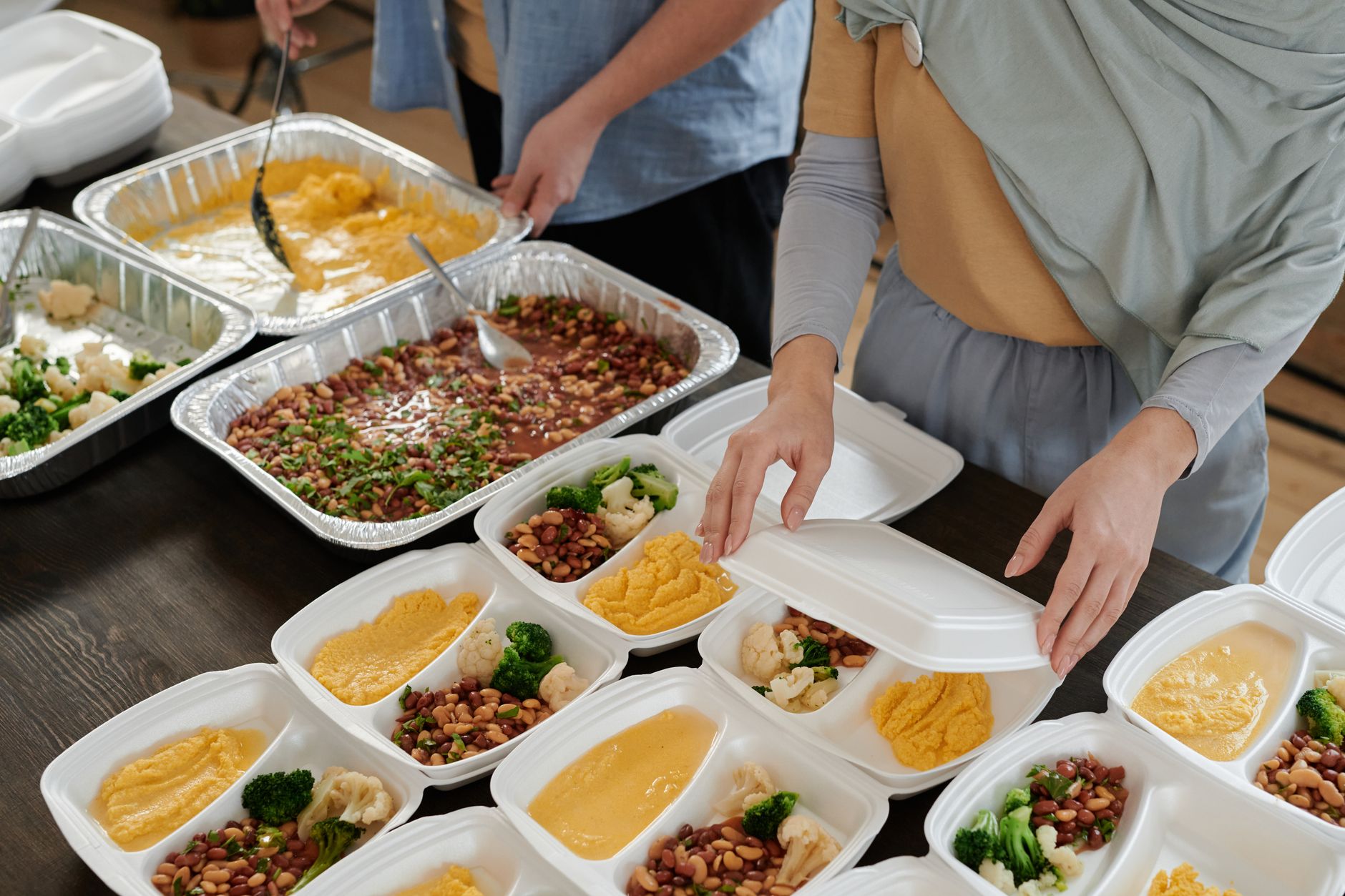
You’re staring at your fridge at 8 p.m., the last of the takeout menu still open on your phone. You’ve tried every diet trend—keto, intermittent fasting, even the 7-Day Gaps Diet—but nothing sticks. Then you remember the Zone Diet: the one that promises steady energy, fewer cravings, and no more 3 p.m. slumps. But where do you even start? You’re not a chef, and your grocery cart is still full of the usual suspects: white bread, sugary snacks, and mystery meat.
Here’s the truth: the Zone Diet isn’t about deprivation. It’s about balance—specifically, a 40% protein, 30% fat, 30% carb ratio at every meal. The goal? Keep your blood sugar stable, reduce inflammation, and feel like you’ve got the energy of a college student again. But translating that into real meals? That’s where most people hit a wall. You need a plan that works for your life, not just a textbook.
This 7-day Zone Diet meal plan is designed for busy women who want to eat well without spending hours in the kitchen. We’ll cover what to eat, what to avoid, how to calculate your blocks, and even how to adapt it for pregnancy or postpartum recovery. And yes, we’ve included snacks—because let’s be honest, you’re going to need them.
--- ## **What Is the Zone Diet and How Does It Work?**Imagine this: You eat a meal, and two hours later, you’re still full, your brain is clear, and you’re not reaching for a bag of chips. That’s the Zone Diet in a nutshell. Created by Dr. Barry Sears in the 1990s, the Zone Diet is built on three core principles:
- Macro Ratio: 40% lean protein, 30% healthy fats, and 30% low-glycemic carbohydrates at every meal. This ratio is designed to mimic the metabolic state of our hunter-gatherer ancestors, which Sears believed was optimal for health.
- Block System: Each meal is divided into "blocks" of protein, fat, and carb grams. For example, a block of protein might be 7 grams, a block of fat 3 grams, and a block of carbs 9 grams. The idea is to keep your insulin levels balanced, reducing inflammation and cravings.
- Portion Control: The diet emphasizes smaller, frequent meals (5-6 per day) to keep your metabolism steady and avoid energy crashes.
But here’s the catch: the Zone Diet isn’t just about the numbers. It’s about the quality of what you’re eating. Think lean proteins like chicken breast or salmon, healthy fats like avocado or olive oil, and complex carbs like quinoa or sweet potatoes. No processed foods, no sugary drinks, and definitely no white bread. It’s a diet that feels more like a lifestyle change than a short-term fix.
**Why does it work?** Current research supports the idea that stable blood sugar levels can reduce cravings and improve mental clarity. A study in the Journal of Nutrition (2009) found that diets higher in protein and healthy fats can help regulate appetite hormones like leptin and ghrelin, which are often out of whack in modern diets. But the Zone Diet isn’t just about weight loss—it’s also linked to reduced inflammation, better heart health, and even improved mood.
**Who is it for?** If you’re dealing with chronic fatigue, brain fog, or stubborn weight loss, the Zone Diet might be worth a try. It’s particularly popular among women in their 30s and 40s who are looking for a sustainable way to manage stress and energy levels. But if you have a medical condition like diabetes or kidney disease, it’s best to check with your doctor first.
--- ## **Zone Diet 7-Day Meal Plan Sample for Beginners**Let’s cut to the chase: you want to know what you’re actually eating. Below is a simple, beginner-friendly 7-day Zone Diet meal plan. Each day includes three meals and two snacks, all designed to hit the 40-30-30 macro ratio. We’ve included easy swaps so you can customize based on your preferences and grocery list.
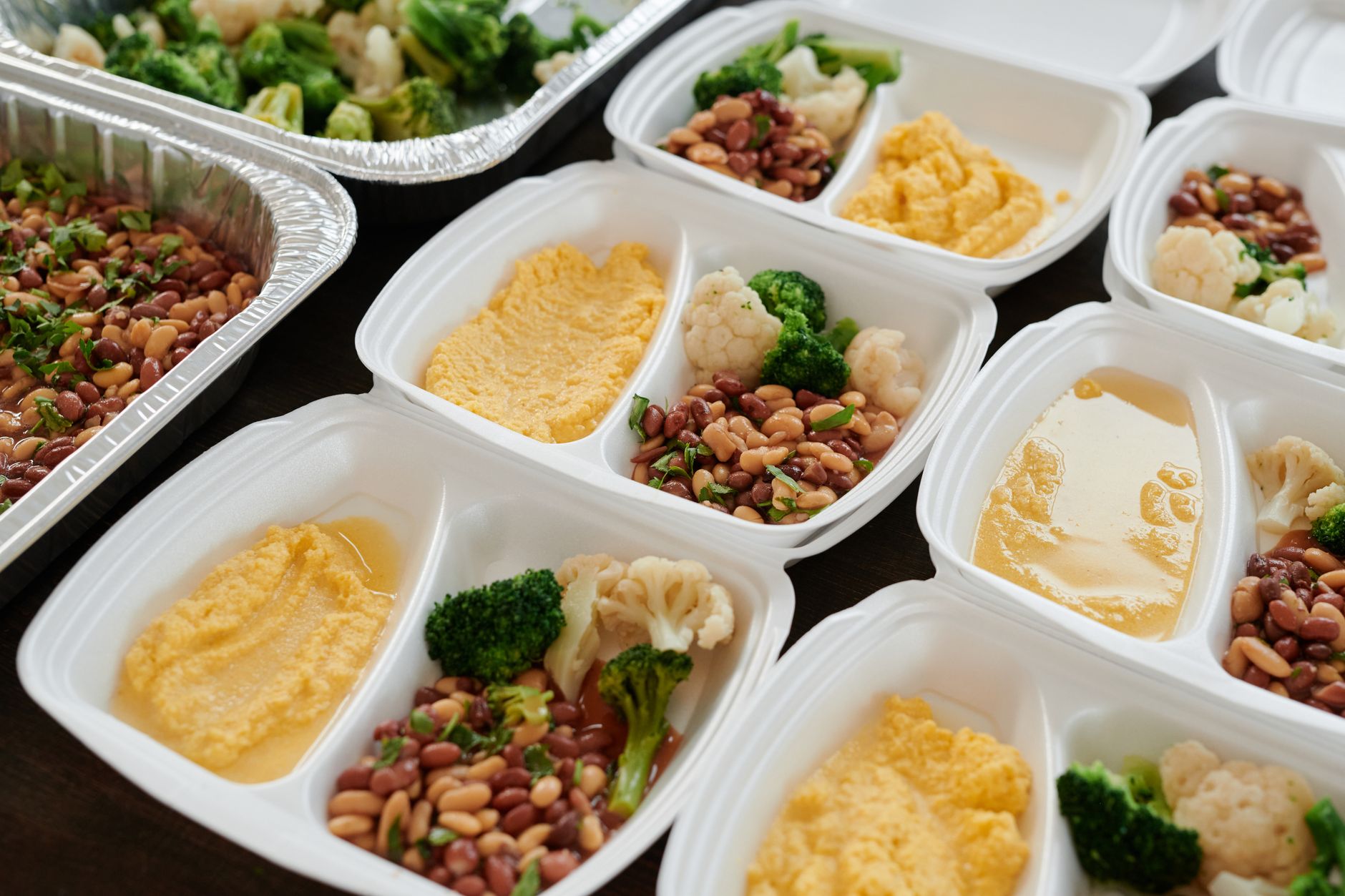
**Pro tip:** Start by tracking your blocks for the first few days using an app like MyFitnessPal or Cronometer. It’s easier than it sounds once you get the hang of it!
--- ## **Zone Diet Food List: What to Eat and Avoid**You’ve seen the meal plan, but now you’re staring at your pantry wondering, “What the heck is allowed?” Here’s a breakdown of the Zone Diet food list, divided into what to eat, what to limit, and what to avoid entirely.

**Representative story:** One reader, Sarah, swore she’d never eat another salad again—until she tried the Zone Diet. “I was used to salads with croutons and ranch dressing,” she says. “But when I swapped in avocado, olive oil, and grilled chicken, I felt full for hours. No energy crash, no cravings. It’s not about restriction; it’s about choosing the right foods.”
--- ## **Is the Zone Diet Safe During Pregnancy? Expert Guidelines**You’re pregnant, and suddenly every diet trend feels like a minefield. Can you safely follow the Zone Diet while growing a baby? The short answer is yes, but with caution. The Zone Diet’s focus on lean proteins, healthy fats, and low-glyemic carbs aligns with many pregnancy nutrition guidelines. However, there are specific considerations to keep in mind.
According to the American College of Obstetricians and Gynecologists (ACOG), pregnant women should prioritize a balanced diet rich in folate, iron, calcium, and omega-3s—all of which are abundant in the Zone Diet. However, ACOG also emphasizes the importance of caloric intake during pregnancy, which the Zone Diet may not automatically accommodate. Pregnant women often need an additional 300-500 calories per day, which the Zone Diet’s portion control might not provide if not adjusted.
### **Key Adjustments for Pregnancy** - **Increase Caloric Intake:** Add healthy fats like avocado, olive oil, and nuts to meals to meet increased caloric needs. - **Focus on Nutrient-Dense Foods:** Prioritize foods rich in folate (leafy greens, beans), iron (lean meats, lentils), and omega-3s (salmon, chia seeds). - **Avoid Certain Foods:** Skip raw fish, undercooked meats, and unpasteurized dairy to reduce the risk of foodborne illnesses. - **Stay Hydrated:** Pregnancy increases hydration needs—aim for at least 8 cups of water daily.**When to Check with Your Provider:** If you experience persistent fatigue, dizziness, or rapid weight loss, consult your healthcare provider. The Zone Diet’s focus on protein and healthy fats is generally safe, but individual needs vary.
--- ## **Adapting the Zone Diet for Maternal Health and Postpartum Recovery**Postpartum recovery is a whole other beast. Hormones are still wild, energy is low, and your body is doing the equivalent of running a marathon while holding a baby. The Zone Diet can be a game-changer here, but it requires some tweaks to support lactation, energy levels, and healing.
### **Postpartum Zone Diet Tips** - **Prioritize Iron and Protein:** Lean meats, lentils, and spinach help rebuild blood volume and support muscle recovery. - **Healthy Fats for Hormones:** Avocado, nuts, and olive oil help balance postpartum hormones. - **Complex Carbs for Energy:** Sweet potatoes, quinoa, and whole grains provide steady energy for breastfeeding and sleep deprivation. - **Hydration and Electrolytes:** Add coconut water or electrolyte-rich drinks to replace fluids lost through breastfeeding.**Representative story:** After giving birth, Emily struggled with postpartum fatigue and brain fog. “I tried the Zone Diet, but I had to add more snacks—like Greek yogurt with nuts and berries—to keep up with my baby’s demands,” she says. “It wasn’t just about weight loss; it was about feeling like myself again.”
--- ## **Benefits and Potential Risks of the Zone Diet for Women**The Zone Diet isn’t for everyone, but for many women, it offers significant benefits. Here’s what the research says—and what you should watch out for.
### **Benefits** - **Stable Blood Sugar:** The 40-30-30 ratio helps prevent energy crashes and cravings, which is a game-changer for women with PCOS or insulin resistance. - **Reduced Inflammation:** Healthy fats and lean proteins may help lower inflammation, which is linked to chronic diseases like heart disease and arthritis. - **Improved Mood:** Stable blood sugar levels can reduce anxiety and depression symptoms, making it a great option for women dealing with hormonal fluctuations. - **Weight Management:** Many women find it easier to maintain a healthy weight because the diet focuses on portion control and nutrient density. ### **Potential Risks** - **Nutrient Deficiencies:** If not planned carefully, the Zone Diet can be low in certain nutrients like calcium or fiber. Always ensure you’re getting a variety of foods. - **Strict Portion Control:** Some women find the block system overwhelming or restrictive, leading to frustration and eventual abandonment of the diet. - **Not Suitable for Everyone:** Women with kidney disease, eating disorders, or certain metabolic conditions should consult a healthcare provider before starting.**Comparison Table: Zone Diet vs. Mediterranean Diet for Women’s Health**
| Feature | Zone Diet | Mediterranean Diet |
|---|---|---|
| Macro Ratio | 40% protein, 30% fat, 30% carbs | Flexible, but generally higher in healthy fats and carbs |
| Focus | Blood sugar stability, inflammation reduction | Heart health, longevity, overall diet quality |
| Protein Sources | Lean meats, fish, eggs, tofu | Fish, poultry, legumes, nuts, dairy |
| Carb Sources | Low-glycemic veggies, whole grains | Whole grains, fruits, vegetables, legumes |
| Best For | Women with insulin resistance, PCOS, or cravings | General heart health, sustainable lifestyle |
**Which one to choose?** If you’re dealing with blood sugar issues or cravings, the Zone Diet might be the better fit. If you’re looking for a long-term, heart-healthy lifestyle, the Mediterranean Diet could be more sustainable. Many women find success by combining elements of both!
--- ## **How to Calculate Your Zone Diet Blocks for Optimal Nutrition**Calculating your blocks can feel like learning a new language, but once you get the hang of it, it’s simple. Here’s how to do it:
### **Step-by-Step Guide** 1. **Determine Your Caloric Needs:** Most women need around 1,800-2,200 calories per day, but this varies based on activity level and metabolism. Use a TDEE calculator to estimate your needs. 2. **Calculate Your Block Size:** - **Protein Block:** 7 grams (provides ~28 calories) - **Fat Block:** 3 grams (provides ~27 calories) - **Carb Block:** 9 grams (provides ~36 calories) 3. **Divide Your Daily Calories:** - For 2,000 calories: ~29 blocks total (40% protein = 28 blocks, 30% fat = 23 blocks, 30% carbs = 23 blocks). 4. **Portion Your Meals:** Aim for 5-6 meals per day, with each meal containing roughly 4-6 blocks. ### **Simplified Calculation** - **Protein:** Divide your total daily protein grams by 7 to get your protein blocks. - **Fat:** Divide your total daily fat grams by 3 to get your fat blocks. - **Carbs:** Divide your total daily carb grams by 9 to get your carb blocks.**Example:** If you’re eating 150 grams of protein, 60 grams of fat, and 150 grams of carbs in a day, your blocks would be: - Protein: 150 ÷ 7 ≈ 21 blocks - Fat: 60 ÷ 3 = 20 blocks - Carbs: 150 ÷ 9 ≈ 17 blocks
**Pro tip:** Use a food scale for the first few weeks to ensure accuracy. Once you’re comfortable, you can estimate portions more easily.
--- ## **Tips for Successful Zone Diet Meal Prep and Planning**Let’s be real: if you can’t meal prep, you won’t stick to the Zone Diet. Here’s how to make it work for your life.
### **Meal Prep Strategies** - **Batch Cook Proteins:** Grill a big batch of chicken or fish on Sunday and use it in salads, wraps, and stir-fries all week. - **Pre-Portion Snacks:** Divide nuts, cheese, and veggies into small containers for easy grab-and-go options. - **Use Zone-Friendly Containers:** Invest in glass containers to store meals and keep them fresh. - **Plan Your Snacks:** Keep a stash of Greek yogurt, hard-boiled eggs, and hummus on hand for quick snacks. ### **Time-Saving Hacks** - **Double Up on Recipes:** Make extra quinoa or roasted veggies to use in multiple meals. - **Use Frozen Veggies:** They’re just as nutritious and save time on prep. - **Keep It Simple:** Stick to a few go-to meals (like grilled chicken and salad) to avoid decision fatigue.**Representative story:** Jennifer, a working mom of two, swore by her Zone Diet meal prep routine. “I spend 2 hours on Sunday prepping lunches and snacks,” she says. “Now I can grab a meal on my way out the door without stressing. It’s not about perfection; it’s about making it work.”
--- ## **Zone Diet Snacks for Pregnancy**Pregnancy cravings are real, and they’re often intense. The Zone Diet offers some great snack options that are both satisfying and nutrient-dense for you and your baby.
### **Top Pregnancy-Friendly Zone Snacks** - **Greek Yogurt with Nuts and Berries:** High in protein and calcium. - **Hard-Boiled Eggs with Avocado:** Rich in healthy fats and choline. - **Hummus with Veggies:** Fiber and plant-based protein. - **Cheese and Whole-Grain Crackers:** Calcium and complex carbs. - **Smoothie with Protein Powder and Spinach:** Easy to digest and packed with nutrients.**Pro tip:** Keep snacks visible and accessible—like in your purse or desk drawer—to avoid reaching for less healthy options.
--- ## **Zone Diet Macro Breakdown for Women**Understanding the macro breakdown is key to mastering the Zone Diet. Here’s a simplified version:
| Macronutrient | Grams per Block | Calories per Block | Daily Block Target (for 2,000 calories) |
|---|---|---|---|
| Protein | 7 grams | 28 calories | 28 blocks |
| Fat | 3 grams | 27 calories | 23 blocks |
| Carbohydrates | 9 grams | 36 calories | 23 blocks |
**Example Meal:** A 4-ounce chicken breast (35g protein), 1 tbsp olive oil (14g fat), and ½ cup quinoa (20g carbs) would provide roughly 5 blocks of protein, 5 blocks of fat, and 2 blocks of carbs.
--- ## **How to Start Zone Diet for Weight Loss**If your goal is weight loss, the Zone Diet can be a great tool—but it’s not a quick fix. Here’s how to start:
1. **Track Your Blocks:** Use a food tracker to ensure you’re hitting your macro targets. 2. **Prioritize Protein:** Focus on lean proteins to keep you full and support muscle retention. 3. **Stay Hydrated:** Drink plenty of water to help with digestion and reduce bloating. 4. **Exercise Smartly:** Combine the Zone Diet with strength training and moderate cardio for best results. 5. **Be Patient:** Weight loss should be steady and sustainable—aim for 1-2 pounds per week.**Representative story:** After struggling with yo-yo dieting, Lisa tried the Zone Diet and lost 15 pounds in 3 months without feeling deprived. “I wasn’t counting calories—I was counting blocks,” she says. “It’s not about restriction; it’s about choosing the right foods.”
--- ## **Zone Diet vs. Mediterranean Diet for Women’s Health**If you’re comparing the Zone Diet to the Mediterranean Diet, here’s what you need to know:
- **Zone Diet:** Focuses on strict macro ratios and portion control. Best for women looking to manage blood sugar and cravings. - **Mediterranean Diet:** Emphasizes whole foods, healthy fats, and flexibility. Best for long-term sustainability and heart health.**Which one is right for you?** If you’re dealing with insulin resistance or PCOS, the Zone Diet might be the better choice. If you’re looking for a lifestyle you can stick with for years, the Mediterranean Diet could be more enjoyable.
--- ## **Zone Diet Meal Delivery Services 2026**If cooking feels overwhelming, meal delivery services can be a lifesaver. Here are some Zone Diet-friendly options to consider:
- **Freshly:** Offers pre-portioned meals with balanced macros. - **Factor:** Focuses on high-protein, low-carb meals (though not strictly Zone-compliant). - **Sunbasket:** Allows you to customize meals with lean proteins and healthy fats. - **Green Chef:** Offers meal plans with balanced macros, though you may need to adjust portions.**Pro tip:** Check the nutrition labels carefully—some services may not align perfectly with the Zone Diet’s 40-30-30 ratio.
--- ## **Myth vs. Fact** ### **Myth:** The Zone Diet is too restrictive.Fact: While it requires portion control, the Zone Diet isn’t about deprivation. It encourages a variety of nutrient-dense foods and focuses on balance rather than elimination.
### **Myth:** You have to eat the same thing every day.Fact: The Zone Diet is flexible! You can mix and match proteins, fats, and carbs to keep meals interesting.
### **Myth:** The Zone Diet is only for weight loss.Fact: Many women follow it for improved energy, reduced inflammation, and better mood management. It’s not just about the scale!
--- ## **Key Takeaways**Here’s what you need to remember:
- The Zone Diet is a 40-30-30 macro plan designed to keep blood sugar stable and reduce inflammation.
- Each meal should include a balance of lean protein, healthy fats, and low-glycemic carbs.
- Meal prep is key to success—plan ahead to avoid last-minute unhealthy choices.
- Adapt the diet for pregnancy by increasing caloric intake and focusing on nutrient-dense foods.
- While the Zone Diet has benefits, it’s not suitable for everyone—consult your healthcare provider if you have concerns.
- Combine the Zone Diet with strength training and hydration for best results.
You eat a mix of lean proteins, healthy fats, and low-glycemic carbs at every meal. Our 7-day meal plan includes options like grilled chicken salads, salmon with quinoa, and smoothies with protein powder. The key is balancing your blocks at each meal.
### **Is Zone diet good for weight loss?**Yes! Many women find the Zone Diet effective for weight loss because it keeps blood sugar stable, reducing cravings and overeating. However, it’s not a quick fix—steady, sustainable weight loss is the goal.
### **What are the disadvantages of the Zone diet?**The Zone Diet can be strict and overwhelming for some, especially when calculating blocks. It may also lack variety if not planned carefully, leading to nutrient deficiencies. Always consult your healthcare provider before starting.
### **Can you do Zone diet while pregnant?**Yes, but with adjustments. Focus on nutrient-dense foods, increase caloric intake, and avoid certain foods like raw fish. Always check with your provider to ensure it aligns with your pregnancy needs.
### **What is the 40 30 30 diet plan?**It’s the Zone Diet’s macro ratio: 40% protein, 30% fat, and 30% carbs at every meal. This balance helps regulate blood sugar and reduce inflammation.
### **Is the Zone diet sustainable long term?**For many women, yes! The Zone Diet emphasizes whole foods and balanced nutrition, making it easier to stick with long-term. However, individual experiences vary—some may find it too restrictive.
--- ## **When to See a Doctor or Specialist**While the Zone Diet is generally safe for most women, there are times when you should consult a healthcare provider:
- **If you have a medical condition like diabetes, kidney disease, or an eating disorder.** - **If you experience persistent fatigue, dizziness, or rapid weight loss.** - **If you’re pregnant or breastfeeding and have concerns about nutrient intake.** - **If you’re struggling to meet your caloric needs or feel overly restricted.**For general nutrition guidance, consider speaking with a registered dietitian who specializes in women’s health.
--- ## **References**- American College of Obstetricians and Gynecologists (ACOG). Nutrition During Pregnancy. 2022.
- Sears, B. (1995). The Zone: A Dietary Roadmap to Longevity and Vitality. Warner Books.
- Journal of Nutrition. (2009). Protein and fat intake and appetite regulation. doi:10.3945/jn.108.097606
- Mayo Clinic. Zone Diet: Can It Help You Lose Weight?. 2021.
- Harvard T.H. Chan School of Public Health. Mediterranean Diet. 2023.


