Quick take: You don’t need an hour to feel the benefits of yoga. A 15-minute practice can ease pregnancy aches, soothe postpartum recovery, calm anxiety, and even help you sleep—all while fitting into a busy mom’s schedule. Start with gentle poses, avoid overstretching, and listen to your body. Learn when to safely start postpartum yoga and how to modify poses for your stage of motherhood.
You’re exhausted, the baby’s crying, and your back feels like it’s carrying the Eiffel Tower. How do you find even 15 minutes for yourself?
Meet Sarah, a first-time mom who swore she’d “find herself” through yoga. By postpartum week three, she’d forgotten her mat was in the car. Instead of a studio, she’d been scrolling through bedtime videos on her phone. Then one night, after a particularly grueling feed-and-rock cycle, she Googled “yoga for new moms 15 minutes.” What she found wasn’t a 60-minute vinyasa flow—it was a lifeline: three simple poses that promised to ease her back pain and help her breathe. She did them in her pajamas, between diaper changes. By week six, she was sleeping longer and snapping less.
Sarah’s story isn’t unique. Moms everywhere—whether pregnant, postpartum, or just surviving on caffeine and sheer will—want to move, but their time (and energy) feels like it’s been redistributed into tiny, chaotic pockets. The good news? 15 minutes of yoga can be the difference between feeling like a zombie and feeling like a human again. It’s not about flexibility or advanced poses. It’s about gentle movement, intentional breathing, and a moment of pause in a day that’s anything but.
This guide is for the mom who’s done with “I’ll do yoga when I have time.” It’s for the woman who wants to fit yoga into her reality—not her fantasy. We’ll break down safe, effective 15-minute routines for every stage of motherhood, from prenatal to postpartum, and show you how to weave it into your day without guilt or chaos. You’ll learn which poses to avoid, how to modify them for your body, and why even a short session can shift your mood, your sleep, and your sanity.
Whether you’re waking up at 5 a.m. to squeeze in a session or stealing 15 minutes while the baby naps, this is your honest, no-BS guide to yoga for moms. Let’s get started.
---
15-minute yoga routine for new moms after delivery: Gentle recovery for your body and mind
P
ostpartum recovery isn’t linear. One day, you’re bouncing back; the next, you’re wondering if your body will ever feel like yours again. A 15-minute yoga routine can help ease soreness, improve circulation, and reduce stress hormones—without overwhelming you. The key is gentleness. Think “love your body, not punish it.”
Here’s a simple routine to start with, ideal for weeks 1–6 postpartum (or whenever you feel ready). Focus on pelvic floor support, gentle stretching, and deep breathing. If you’re healing from a C-section or episiotomy, skip any poses that put pressure on your incision or perineum.
Your 15-minute postpartum recovery routine:
- Child’s Pose (Balasana) – 2 minutes
- Kneel on the floor, big toes touching, knees hip-width apart.
- Sit back onto your heels, extend your arms forward, and rest your forehead on the mat.
- Modify: Place a pillow under your hips if your lower back feels strained. Use a folded blanket under your knees if they ache.
- Why it helps: Relieves tension in your lower back, shoulders, and hips—perfect for moms who’ve spent hours hunched over a baby carrier.
- Cat-Cow Stretch – 3 minutes
- Start on your hands and knees in a tabletop position.
- Inhale, arch your back (Cow pose), lifting your head and tailbone.
- Exhale, round your spine (Cat pose), tucking your chin and drawing your belly in.
- Modify: Move slowly and only go as far as feels comfortable. Skip if you have severe diastasis recti (ask your provider first).
- Why it helps: Gently mobilizes your spine, improves digestion, and reduces stress.
- Legs-Up-the-Wall (Viparita Karani) – 5 minutes
- Sit with one hip against a wall, then swing your legs up as you lower your back to the floor.
- Extend your arms out to the sides, palms up, and relax your shoulders.
- Modify: If your legs feel heavy, bend your knees slightly. Use a pillow under your hips for support.
- Why it helps: Reduces swelling, calms your nervous system, and helps you sleep better.
- Seated Forward Fold (Paschimottanasana) – 3 minutes
- Sit with your legs extended in front of you, feet flexed.
- Hinge at your hips, reaching for your feet or shins. Keep your back straight.
- Modify: Place a pillow under your knees if your hamstrings are tight. Only go as far as feels good—no forced stretching!
- Why it helps: Stretches your back and hamstrings, which are often overworked during pregnancy and postpartum.
- Diaphragmatic Breathing – 2 minutes
- Lie on your back with your knees bent and feet flat. Place one hand on your belly, the other on your chest.
- Inhale deeply through your nose, letting your belly rise. Exhale slowly through pursed lips.
- Why it helps: Reduces anxiety, improves oxygen flow, and helps with postpartum mood regulation.
Pro tip: If you’re struggling with postpartum depression or anxiety, pair this routine with 5 minutes of journaling afterward. Write down one thing you’re grateful for or one small win from your day. It’s a simple way to anchor yourself in the present.
When to skip: Avoid any pose that causes pain, heaviness in your pelvic area, or dizziness. If you’re experiencing severe diastasis recti, hemorrhage, or infection, consult your provider before starting yoga.

---
Quick 15-minute prenatal yoga for first trimester: Nurturing your body and baby
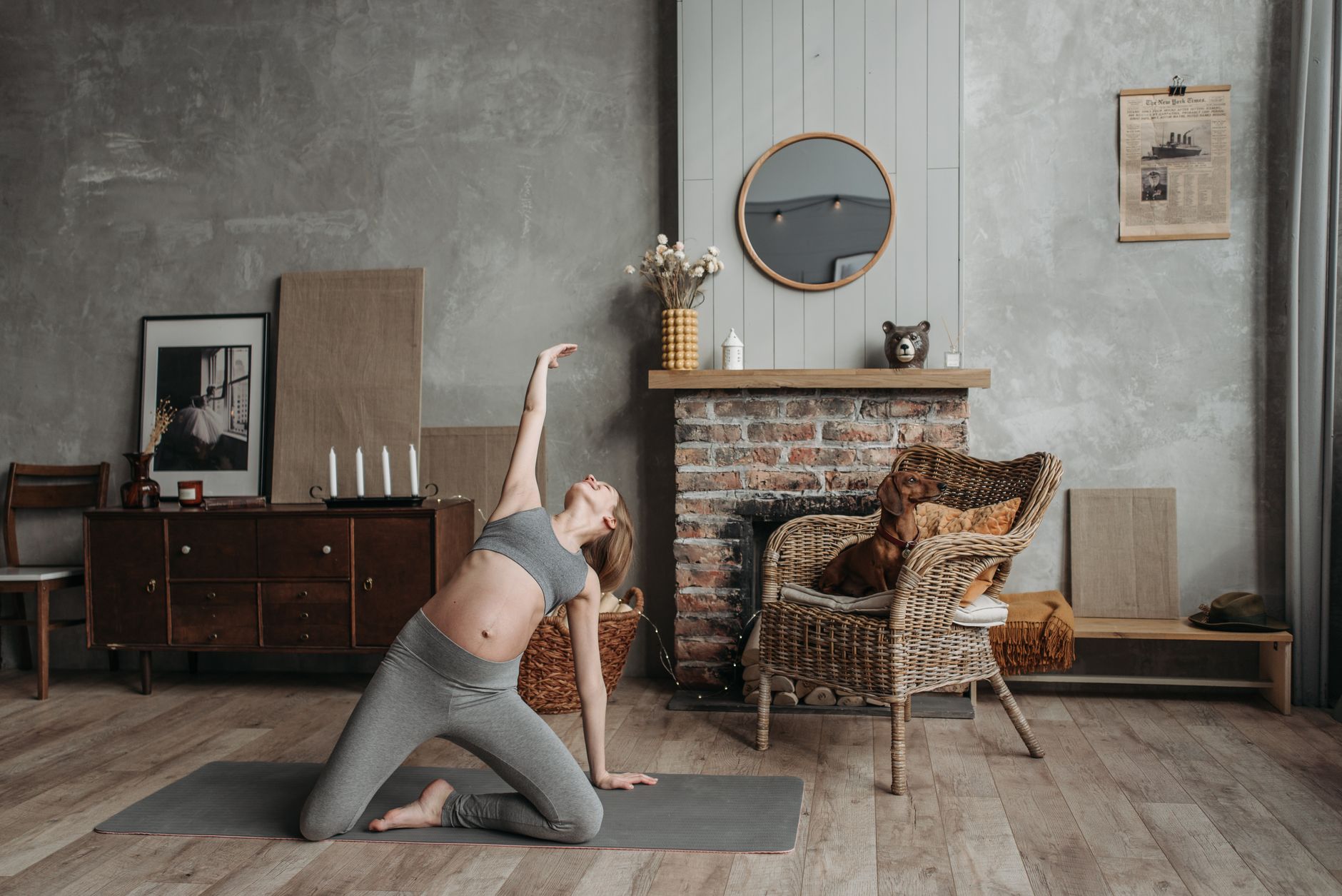
The first trimester is a whirlwind of hormones, fatigue, and the realization that your body is now doing something extraordinary. Yoga can help you stay grounded, reduce nausea, and ease back pain—without overdoing it. The goal here is gentleness and connection, not intensity.
Many women find that yoga helps with morning sickness by improving circulation and reducing stress. It also prepares your body for labor by building flexibility and strength in the right places. Here’s a safe, first-trimester-friendly routine:
Your 15-minute first-trimester routine:
- Seated Mountain Pose (Tadasana) – 2 minutes
- Sit tall in a chair or on a cushion, feet flat on the floor. Place your hands on your knees or at your heart center.
- Close your eyes, take three deep breaths, and ground yourself.
- Why it helps: Centers your mind and prepares you for the session.
- Cat-Cow Stretch – 3 minutes
- On your hands and knees, move slowly between arching and rounding your back.
- Modify: If your back feels tight, move more slowly and focus on your breath.
- Why it helps: Eases nausea and improves digestion.
- Supported Bridge Pose (Setu Bandhasana) – 3 minutes
- Lie on your back with your knees bent and feet flat. Place a pillow or block under your sacrum (lower back).
- Press your feet into the mat, lift your hips, and hold for 5 breaths. Lower slowly.
- Modify: Skip if you have high blood pressure or placenta previa. Use a chair for support if lying down feels uncomfortable.
- Why it helps: Opens your chest, reduces back tension, and supports pelvic floor health.
- Reclining Butterfly (Supta Baddha Konasana) – 3 minutes
- Lie on your back with the soles of your feet together, knees falling out to the sides. Place a pillow under your knees if needed.
- Rest your arms out to the sides, palms up.
- Modify: Use a folded blanket under your hips if you feel lightheaded.
- Why it helps: Relieves pelvic pressure and promotes relaxation.
- Legs-Up-the-Wall – 4 minutes
- Same as postpartum, but add a cooling breath: inhale for 4 counts, exhale for 6 counts.
- Why it helps: Reduces swelling in your feet and legs, which can be common in early pregnancy.
What to avoid in the first trimester:
- Poses that compress the abdomen (e.g., deep forward folds, twists).
- Hot yoga or intense heat exposure.
- Poses that require lying flat on your back for long periods (can reduce blood flow to the baby).
- Any movement that causes dizziness or shortness of breath.
Bonus tip: If you’re dealing with morning sickness, try ginger tea before your session and focus on slow, deep breathing during your practice. Many moms find that yoga reduces nausea by calming the vagus nerve.
---
15-minute yoga poses for postpartum back pain relief: Targeted stretches for moms
Postpartum back pain is not something you have to live with. It’s often caused by poor posture from breastfeeding, carrying a baby, or diastasis recti. Yoga can help by strengthening your core, improving alignment, and releasing tension in your lower back and hips.
Here’s a targeted 15-minute routine designed specifically for moms dealing with back pain. Focus on gentle strength and mobility—no forced stretches!
Your 15-minute back-pain relief routine:
- Supported Child’s Pose – 2 minutes
- Kneel on the floor, place a pillow under your chest, and extend your arms forward.
- Why it helps: Relieves pressure on your lower back.
- Pelvic Tilts – 3 minutes
- Lie on your back with your knees bent and feet flat. Gently tilt your pelvis to flatten your lower back into the mat, then release.
- Modify: Place a pillow under your knees if they ache.
- Why it helps: Strengthens your core and improves pelvic alignment.
- Thread the Needle – 3 minutes
- On your hands and knees, slide one arm under the other, resting your shoulder and temple on the mat.
- Modify: Keep your hips stacked; don’t let them shift side to side.
- Why it helps: Releases tension in your upper back and shoulders.
- Reclining Spinal Twist – 3 minutes
- Lie on your back, hug one knee to your chest, and gently guide it across your body. Keep the other leg extended.
- Modify: Use a pillow under your extended leg if your hip feels tight.
- Why it helps: Improves spinal mobility and releases tension in your lower back.
- Standing Forward Fold with Straps – 4 minutes
- Stand with your feet hip-width apart, hold a strap or towel in your hands, and fold forward, letting your arms hang. Keep a slight bend in your knees.
- Why it helps: Lengthens your hamstrings and relieves lower back tension.
Why this works for back pain:
- Pelvic tilts strengthen the deep core muscles that support your spine.
- Thread the needle releases tightness in your upper back from nursing or carrying a baby.
- Reclining spinal twists improve mobility in your spine, reducing stiffness.
- Standing forward fold gently stretches your hamstrings, which can pull on your lower back.
When to see a specialist: If your back pain is severe, persistent, or accompanied by numbness/tingling, see a pelvic floor physical therapist or your provider. These could be signs of diastasis recti or nerve compression.
Pro tip: Pair this routine with quick, healthy meals that include anti-inflammatory foods like salmon, leafy greens, and turmeric. Reducing inflammation can also ease back pain.

---
Short 15-minute yoga for mom stress and anxiety: Quick calming techniques for overwhelmed moms
Moms don’t get enough sleep. We don’t get enough meals. And somehow, we’re expected to feel calm and centered all the time. That’s not realistic. But a 15-minute yoga session can reset your nervous system and help you regain a sense of control—even if it’s just for a few minutes.
Anxiety often manifests as tightness in the chest, shallow breathing, or a racing mind. Yoga helps by activating the parasympathetic nervous system, which is responsible for rest and digestion. Here’s how to tame stress in 15 minutes:
Your 15-minute stress-relief routine:
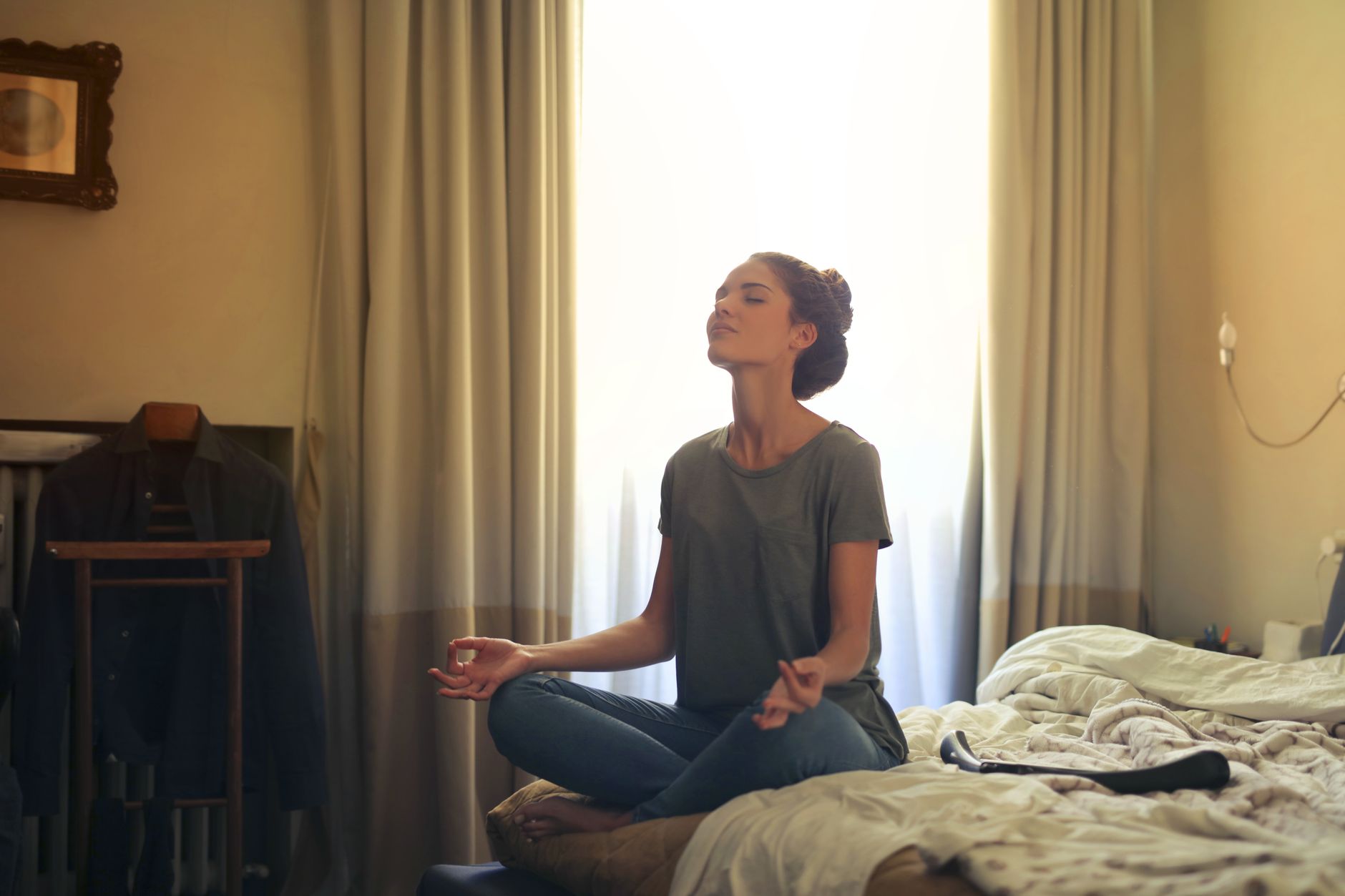
- Seated Meditation with Box Breathing – 3 minutes
- Sit tall in a chair or on a cushion. Place your hands on your knees.
- Inhale for 4 counts, hold for 4 counts, exhale for 4 counts, hold for 4 counts. Repeat for 3 minutes.
- Why it helps: Box breathing lowers cortisol levels and slows your heart rate.
- Child’s Pose with Alternating Arm Extensions – 3 minutes
- From Child’s Pose, extend one arm forward, then the other, like you’re reaching for something.
- Why it helps: Releases tension in your shoulders and chest.
- Legs-Up-the-Wall with Deep Breathing – 5 minutes
- Lie with your legs up the wall, arms out to the sides. Inhale for 4 counts, exhale for 6 counts.
- Why it helps: This pose activates the vagus nerve, which counteracts the “fight or flight” response.
- Seated Side Stretch – 3 minutes
- Sit tall, reach one arm overhead, and lean gently to the opposite side. Hold for 5 breaths, then switch sides.
- Why it helps: Releases tension in your upper back and neck.
- Gratitude Focus – 2 minutes
- Lie on your back, place your hands on your heart, and think of three things you’re grateful for. Breathe deeply for 2 minutes.
- Why it helps: Shifts your focus from stress to appreciation, reducing anxiety hormones.
Why this works for anxiety:
- Box breathing tricks your brain into calm by regulating your nervous system.
- Legs-Up-the-Wall reduces adrenaline and helps you feel grounded.
- Gratitude focus rewires your brain to notice positivity, even in small moments.
When to see a specialist: If your anxiety feels unmanageable, persistent, or interferes with your ability to care for yourself or your baby, talk to a therapist or counselor. You might also consider postpartum mood screening if you’re experiencing sadness, irritability, or exhaustion beyond what’s typical.
Pro tip: If you’re struggling with sleep deprivation, try this routine right before bed. Many moms find that it helps them fall asleep faster and stay asleep longer. For extra support, keep a journal nearby to jot down any racing thoughts before bed.
---
15-minute yoga for belly pain and digestion during pregnancy: Gentle stretches to ease discomfort
Pregnancy belly pain is not normal—and it’s not something you should ignore. However, mild discomfort from digestion, round ligament pain, or gas can be eased with gentle yoga poses that improve circulation, reduce bloating, and relax your abdominal muscles.
Here’s a safe, pregnancy-friendly routine to help with belly pain and digestion. Avoid any pose that causes sharp pain, heaviness, or dizziness.
Your 15-minute digestion-friendly routine:
- Seated Cat-Cow – 3 minutes
- Sit tall in a chair, place your hands on your knees. Inhale, arch your back; exhale, round your spine.
- Why it helps: Gently massages your digestive organs and reduces gas.
- Seated Forward Fold with Straps – 3 minutes
- Sit with your legs extended, hold a strap or towel, and fold forward, letting your arms hang. Keep a slight bend in your knees.
- Modify: Place a pillow under your hips if you feel lightheaded.
- Why it helps: Stretches your hamstrings and releases tension in your lower back, which can ease belly pressure.
- Supported Bridge Pose – 3 minutes
- Lie on your back with a pillow under your sacrum. Press your feet into the mat and lift your hips gently.
- Modify: Skip if you have high blood pressure or placenta previa.
- Why it helps: Opens your chest and improves circulation to your abdominal organs.
- Seated Twist – 3 minutes
- Sit tall, place your right hand on your left knee, and gently twist to the left. Hold for 5 breaths, then switch sides.
- Why it helps: Massages your digestive organs and reduces bloating.
- Diaphragmatic Breathing – 3 minutes
- Lie on your back with a pillow under your knees. Place your hand on your belly and breathe deeply.
- Why it helps: Reduces stress hormones that can worsen digestion.
When to see a specialist: If you experience severe, persistent, or sharp belly pain, see your provider immediately. This could be a sign of preterm labor, placental issues, or infection.
Common causes of belly pain in pregnancy:
Pro tip: Pair this routine with easy, high-fiber meals like oatmeal with berries, roasted veggies, or a smoothie with spinach and flaxseed. Fiber and hydration help prevent constipation and reduce bloating.

---
15-minute yoga for better sleep in new moms: Wind-down poses for exhausted moms
New moms don’t sleep. It’s a fact. But even 15 minutes of yoga before bed can help you fall asleep faster, stay asleep longer, and wake up feeling slightly less like a zombie. The key is slowing your nervous system and releasing tension in your body.
Here’s a sleep-focused routine designed to calm your mind, relax your muscles, and prepare your body for rest.
Your 15-minute sleep routine:
- Legs-Up-the-Wall – 5 minutes
- Lie with your legs up a wall, arms out to the sides. Breathe deeply for 5 minutes.
- Why it helps: Reduces swelling in your legs and signals to your body that it’s time to rest.
- Supported Child’s Pose – 3 minutes
- Kneel on the floor, place a pillow under your chest, and extend your arms forward.
- Why it helps: Releases tension in your back and shoulders.
- Reclining Butterfly – 3 minutes
- Lie on your back with the soles of your feet together, knees falling out to the sides. Place a pillow under your knees.
- Why it helps: Opens your hips and reduces stress hormones.
- Corpse Pose (Savasana) with Guided Breathing – 4 minutes
- Lie flat on your back, arms relaxed at your sides, palms up. Close your eyes and focus on your breath.
- Inhale for 4 counts, exhale for 6 counts. Repeat for 4 minutes.
- Why it helps: Activates the parasympathetic nervous system, which is responsible for relaxation.
Why this works for sleep:
- Legs-Up-the-Wall reduces cortisol (the stress hormone) and improves circulation.
- Corpse Pose tricks your brain into relaxation by slowing your heart rate.
- Guided breathing resets your nervous system so you can fall asleep faster.
When to see a specialist: If you’re struggling with severe insomnia, chronic fatigue, or postpartum depression, talk to your provider. You might need additional support, such as therapy or medication.
Pro tip: If you’re waking up at 5 a.m. and can’t fall back asleep, try this routine right when you wake up. Many moms find that it helps them reset their nervous system and go back to sleep more easily. For extra support, keep a journal nearby to write down any racing thoughts before bed.

---
15-minute yoga for boosting energy and mood in pregnancy: Gentle flows to combat fatigue
Pregnancy fatigue is real. One minute, you’re energized; the next, you’re crashing like a deflated balloon. Yoga can help boost your energy, improve circulation, and lift your mood—without relying on caffeine or sugar crashes.
Here’s a gentle, energizing routine designed to wake up your body, improve oxygen flow, and reduce brain fog.
Your 15-minute energy-boosting routine:
- Sun Salutation (Modified) – 4 minutes
- Stand tall, inhale arms overhead, exhale fold forward. Skip any deep backbends or twists.
- Why it helps: Increases circulation and wakes up your muscles.
- Standing Forward Fold with Legs Bent – 3 minutes
- Stand with feet hip-width apart, fold forward, and hold onto your knees. Keep a slight bend in your knees.
- Why it helps: Releases tension in your neck and shoulders.
- Standing Side Stretch – 3 minutes
- Reach one arm overhead, lean gently to the opposite side. Hold for 5 breaths, then switch sides.
- Why it helps: Opens your chest and improves posture.
- Seated Spinal Twist – 3 minutes
- Sit tall, hug one knee to your chest, and gently twist to the opposite side. Hold for 5 breaths, then switch sides.
- Why it helps: Stimulates digestion and reduces brain fog.
- Standing Mountain Pose with Arm Lifts – 2 minutes
- Stand tall, inhale arms overhead, exhale arms down. Repeat for 2 minutes.
- Why it helps: Re-energizes your body and improves focus.
Why this works for energy and mood:
- Sun Salutation boosts oxygen flow to your brain and muscles.
- Standing Side Stretch reduces stress hormones that drain your energy.
- Seated Spinal Twist improves digestion, which is linked to mood.
When to see a specialist: If you’re experiencing severe fatigue, depression, or anxiety during pregnancy, talk to your provider. This could be a sign of gestational depression or thyroid issues.



