Itching in pregnancy is usually due to hormonal changes, skin stretching, or dry skin; treat it with moisturizers, cool showers, and safe antihistamines.
By Shubhra Mishra — a mom of two who turned her own confusion during pregnancy into BumpBites, a global mission to make food choices clear, safe, and stress-free for every expecting mother. 💛
Check whether any food is safe during pregnancy with the BumpBites Food Safety Checker.
Quick take: Itching is common in pregnancy, but most of the time it’s harmless and caused by skin stretching, hormones, or mild dryness. However, certain patterns—especially persistent itching on the palms, soles, or intense nighttime itching—can signal a liver or blood‑pressure issue that needs prompt medical attention.
It’s 10 p.m., you’ve just stepped out of a warm shower, and an annoying itch crawls across your arms. You pause, glance at the clock, and wonder, “Why am I itchy during pregnancy?” You’re not alone—many expectant parents experience this sensation, and the uncertainty can feel overwhelming.
In this guide we break down everything you need to know about pregnancy itch: what’s normal, what signals a problem, how hormones and nutrition play a role, and safe ways to soothe your skin. We’ll also give you clear signs that call for a doctor’s visit, so you can feel confident and comfortable throughout your journey.
Read on for a step‑by‑step look at the causes, remedies, and red‑flag symptoms, plus practical tips you can try tonight.
Why am I itchy during pregnancy and is it dangerous?
Itching, medically known as pruritus, is reported by up to 70 % of pregnant people at some point in their pregnancy, according to the American College of Obstetricians and Gynecologists (ACOG). Most of the time, the itch is a benign by‑product of the body’s rapid changes.
Hormonal surge: Early in pregnancy, estrogen and progesterone levels rise dramatically. These hormones can increase blood flow to the skin and affect the activity of nerve fibers, making the skin more sensitive to irritants.
Skin stretching: As the uterus expands, the abdominal wall stretches, often leading to a dry, taut feeling that triggers itch. This is especially noticeable in the third trimester when the belly grows the most.
Increased moisture loss: Pregnancy hormones can alter the skin’s barrier function, causing transepidermal water loss. The result is dry, flaky skin that begs for relief.
For most people, these factors create a mild, intermittent itch that’s uncomfortable but not harmful. However, certain patterns—such as persistent nighttime itching, itching on the palms or soles, or itching accompanied by jaundice—can signal more serious conditions like intrahepatic cholestasis of pregnancy (ICP) or preeclampsia. In those cases, the itch is a warning sign and should be evaluated promptly.
Bottom line: Most pregnancy itch is normal and manageable, but you should stay alert for red‑flag symptoms that require medical assessment.
What are the common causes of itching in pregnancy?
Understanding the root of the itch helps you choose the right remedy. Here are the most frequent culprits:
Hormonal changes: Estrogen, progesterone, and relaxin can sensitize nerve endings.
Skin stretching and striae: Rapid abdominal growth strains the dermis, leading to dryness.
Dry skin (xerosis): Higher levels of progesterone can reduce skin oil production.
Allergic reactions: New cosmetics, detergents, or foods introduced during pregnancy can trigger contact dermatitis.
Heat and sweating: Warm environments and increased body temperature can exacerbate itch.
Intrahepatic cholestasis of pregnancy (ICP): A liver‑related condition that causes bile salts to build up in the bloodstream, resulting in intense itching, often on the hands and feet.
Preeclampsia: Though primarily known for high blood pressure, some women experience generalized itching as part of the syndrome.
Itchy skin after a shower is a common scenario. Hot water strips natural oils, leaving the skin more vulnerable. Conversely, an itchy scalp during pregnancy can stem from hormonal shifts affecting the scalp’s oil glands, leading to dryness or dandruff.
In many cases, the itch is simply a sign that your skin needs more moisture, protection, or a gentle change in routine.
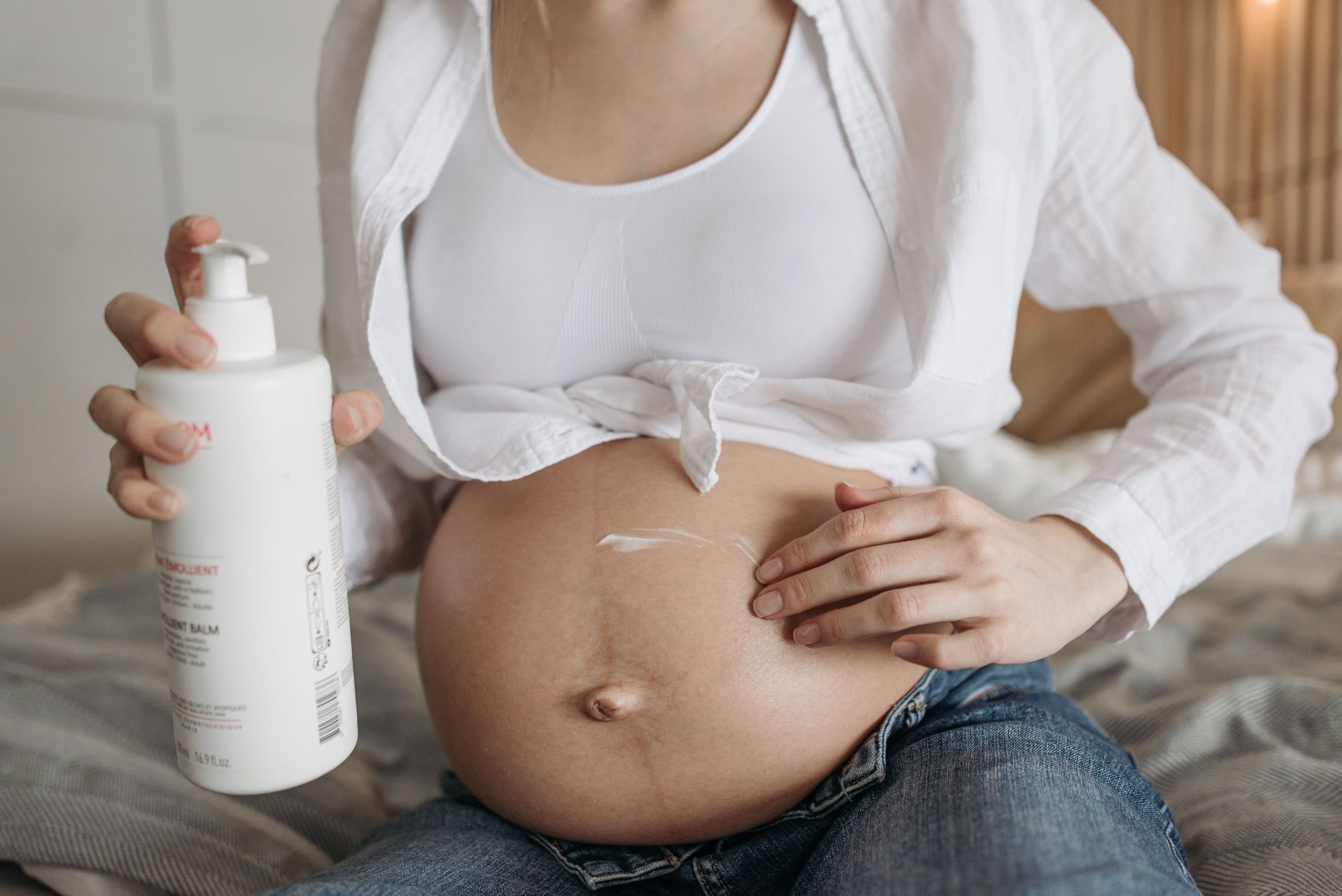
Keeping skin hydrated with a gentle moisturizer can tame everyday itch.
How can I tell if itching is normal or a sign of cholestasis?
Intrahepatic cholestasis of pregnancy (ICP) affects roughly 1–2 % of pregnant people, according to the United Kingdom’s National Institute for Health and Care Excellence (NICE). Early detection is crucial because ICP can increase the risk of preterm birth and fetal distress.
Key differences between ordinary pregnancy itch and cholestasis‑related itch include:
Feature
Typical pregnancy itch
ICP‑related itch
Location
Usually abdomen, thighs, arms
Palms, soles, often entire body
Timing
Intermittent, often worsens with dryness
Persistent, especially at night
Associated symptoms
Dry skin, mild redness
Yellowing of skin/eyes (jaundice), dark urine
Lab findings
Usually normal
Elevated serum bile acids and liver enzymes
If your itch is intense, lasts for more than a few days, and is accompanied by any of the following, you should discuss ICP with your provider:
Itch on the palms or soles that doesn’t improve with moisturizers.
Yellowing of the skin or whites of the eyes.
Dark, amber‑colored urine or pale stools.
Blood tests measuring bile acids and liver function are the definitive way to rule in or out ICP. Early diagnosis allows for treatment with ursodeoxycholic acid, which can reduce itching and improve outcomes for the baby.
What are safe home remedies to relieve itchy skin during pregnancy?
When the itch is mild and not linked to a medical condition, several gentle, doctor‑approved strategies can bring relief:
Moisturize immediately after bathing: Apply a fragrance‑free, hypoallergenic moisturizer within three minutes of stepping out of the shower. Look for ingredients like ceramides, hyaluronic acid, or colloidal oatmeal.
Cool compresses: A cool, damp washcloth placed on the itchy area for 5–10 minutes can calm nerve irritation without harming the skin.
Oatmeal baths: Adding colloidal oatmeal to lukewarm bathwater (½ cup per bath) soothes inflammation and restores moisture.
Gentle cleansing: Use mild, sulfate‑free body washes and limit shower temperature to warm rather than hot.
Hydration: Drinking at least 2.5 L of water daily helps maintain skin hydration from the inside out.
Natural oils: A thin layer of pure coconut or sweet almond oil can provide a barrier against moisture loss.
Loose, breathable clothing: Cotton fabrics reduce friction and allow the skin to breathe.
For an itchy scalp, a diluted apple‑cider‑vinegar rinse (1 part vinegar to 3 parts water) applied after shampooing can balance scalp pH. Remember to rinse thoroughly to avoid irritation.
It’s best to avoid harsh chemicals, retinoids, or strong fragrances, as they can worsen dryness or trigger allergic reactions.
When does itching during pregnancy indicate a medical problem?
While most itch is benign, certain warning signs merit a prompt medical evaluation. The following patterns suggest a deeper issue:
Persistent, severe itching lasting more than a week, especially when moisturizers provide little relief.
Itch focused on palms, soles, or fingertips—a hallmark of intrahepatic cholestasis.
Accompanying yellow skin or eyes, indicating possible liver involvement.
Sudden onset of swelling, high blood pressure, or headaches alongside itch—possible preeclampsia.
Fever, rash, or blistering lesions—could signal an infection or autoimmune condition.
If any of these symptoms appear, contact your obstetrician, midwife, or go to urgent care. Early detection allows for treatment that protects both you and your baby.
Can prenatal vitamins or supplements cause itching in pregnancy?
Most prenatal vitamins are formulated to be well‑tolerated, but a few ingredients can trigger itch in sensitive individuals:
Iron: High‑dose iron supplements sometimes cause skin irritation or a metallic taste that can lead to mild dermatitis.
Vitamin A (in excessive amounts): Over‑supplementation may cause dry, itchy skin.
Omega‑3 fish oil: Some people develop a fishy skin rash if they’re allergic to the source.
If you suspect a vitamin is the culprit, pause the supplement for a couple of days and monitor symptoms. Re‑introduce it gradually while observing any changes. Always discuss any supplement changes with your provider, especially because prenatal nutrients are essential for fetal development.
Which dietary changes may reduce itching while pregnant?
Nutrition plays a subtle but meaningful role in skin health. Here are evidence‑based adjustments that may ease itching:
Increase omega‑3 fatty acids: Fatty fish (salmon, sardines) or algae‑based supplements support skin barrier function.
Boost antioxidant intake: Colorful fruits and vegetables (berries, leafy greens) combat oxidative stress that can aggravate itch.
Stay hydrated: Aim for 2–3 L of water daily; dehydration worsens dryness.
Limit processed sugars: High sugar intake can trigger inflammation and worsen skin conditions.
Watch for trigger foods: Some people notice that spicy foods, citrus, or nuts exacerbate itching, especially if they have an underlying allergy.
For women with cholestasis, a low‑fat diet may help reduce bile acid levels, though this should be guided by a healthcare professional.
Why does my belly itch more in the third trimester?
The third trimester brings the greatest abdominal expansion. As the uterus pushes against the skin, the outer layer (epidermis) stretches, thinning the protective barrier. This mechanical tension, combined with reduced natural oil production, creates a perfect storm for dryness and itch.
Hormonal peaks also intensify during the final months. Elevated estrogen can increase blood flow to the skin, while progesterone may decrease sebaceous gland activity, further drying the surface.
Additionally, many women report that the itch worsens at night when body temperature rises and sweat accumulates under clothing. Using a breathable night‑time garment, keeping the bedroom cool, and applying a light, fragrance‑free moisturizer before bed can mitigate the discomfort.
Even though the third‑trimester itch feels intense, it’s usually a normal part of the body’s preparation for labor. However, if the itch becomes severe, spreads to the palms or soles, or is accompanied by any of the red‑flag symptoms listed earlier, it’s time to call your provider.
Creating a cool, comfortable sleep environment can lessen nighttime itching.
How does pregnancy itch change across each trimester?
While itching can appear at any stage, the underlying causes often shift as your pregnancy progresses. In the first trimester, rapid hormonal spikes—especially estrogen—can make the skin feel more sensitive and prone to mild irritation. You might notice a subtle, generalized itch that eases once hormone levels begin to plateau.
The second trimester usually brings a period of relative stability. Many women report a reduction in itch as the body adapts, but increased blood volume can still cause a warm, flushed feeling that triggers occasional itching, especially in warm climates.
By the third trimester, the combination of maximal uterine growth, heightened hormone production, and possible skin‑barrier disruption makes itching more common and often more intense. This is also the stage when conditions such as intrahepatic cholestasis of pregnancy are most likely to emerge, so vigilance is key.
Understanding these patterns helps you set realistic expectations and recognize when a change in itch intensity signals something beyond normal skin stretching. If you notice a sudden escalation in the third trimester, especially with the red‑flag signs noted earlier, schedule a check‑up promptly.
Skin stretching becomes more pronounced as the belly grows, especially in the third trimester.
What over‑the‑counter products are safe for itchy skin during pregnancy?
Many over‑the‑counter (OTC) remedies are considered safe, but it’s important to choose products that avoid potentially harmful ingredients. The U.S. Food and Drug Administration (FDA) classifies topical products as low‑risk, yet certain actives—like high‑strength salicylates or certain essential oils—should be used with caution.
Below is a quick reference of common OTC options that obstetricians often endorse for pregnant itch:
Product
Key Safe Ingredient(s)
Typical Use
Plain petroleum jelly (e.g., Vaseline)
Petrolatum (refined)
Barrier to lock in moisture; safe for all trimesters.
Colloidal oatmeal creams
Colloidal oatmeal, ceramides
Soothes inflammation and dryness; gentle for sensitive skin.
1% hydrocortisone cream
Hydrocortisone (low‑strength)
Short‑term relief of localized inflammation; limit to ≤7 days unless directed by a provider.
Calamine lotion
ZnO, Fe₂O₃
Cools and dries mild rashes; safe for occasional use.
Antihistamine tablets (e.g., loratadine)
Loratadine (Category B)
Relieves itch from allergic reactions; consult your provider before starting.
When selecting a product, read the label for “fragrance‑free” and “hypoallergenic.” Avoid anything containing retinoids, high‑dose salicylic acid, or strong essential oils such as rosemary or wintergreen, as these can be absorbed systemically. If you’re unsure, ask your pharmacist or obstetrician for a recommendation.
Can stress make my skin itchier during pregnancy?
Stress hormones like cortisol can influence skin barrier function and intensify sensations of itch. A study published by the National Institutes of Health (NIH) found that pregnant participants reporting high perceived stress also reported greater skin dryness and pruritus. While stress alone rarely causes severe itching, it can amplify existing mild irritation.
Managing stress with gentle techniques—such as prenatal yoga, deep‑breathing exercises, or short walks in nature—can indirectly soothe itchy skin. Pair these habits with the moisturizing routine described earlier for a holistic approach.
Relaxation practices may reduce stress‑related itching.
From our medical team: “Most itching in pregnancy is harmless and can be eased with simple skin‑care tweaks. However, never ignore persistent itching on the hands or feet, or any sign of jaundice—those are clues that a liver‑related condition may be developing. If you’re ever unsure, a quick blood test can give you peace of mind.”
Myth vs. fact
Myth: “All itching in pregnancy means you have cholestasis.”
Fact: Most pregnancy itch is due to dry skin or stretching; cholestasis is rare and usually presents with specific patterns such as palm‑foot itching and elevated bile acids.
Myth: “You should avoid all moisturizers because they contain chemicals that can harm the baby.”
Fact: Fragrance‑free, hypoallergenic moisturizers are safe and often recommended by obstetricians to restore the skin barrier.
Myth: “If you’re itchy, you must be allergic to something you ate.”
Fact: While food allergies can cause itching, most pregnancy itch is unrelated to diet; however, certain foods may exacerbate inflammation for some individuals.
Key takeaways
Itching is common and usually harmless, caused by hormone shifts, skin stretching, and dryness.
Persistent itching on the palms, soles, or accompanied by jaundice warrants immediate medical evaluation for cholestasis.
Simple home remedies—moisturizing right after a shower, oatmeal baths, and staying hydrated—relieve most mild itch.
Review prenatal vitamins for potential irritants; discuss any supplement changes with your provider.
Balanced nutrition, especially omega‑3s and antioxidants, supports skin health and may reduce itching.
Seek prompt care if you notice severe, unexplained itch, swelling, high blood pressure, or any signs of preeclampsia.
Frequently asked questions
Is itching during pregnancy normal?
Yes—up to 70 % of pregnant people experience some degree of itch due to hormonal changes and skin stretching; most cases are harmless and improve with moisturizers and hydration.
What causes itching in pregnancy?
Common causes include hormonal fluctuations, rapid skin stretching, dry skin, allergic reactions, and, in rarer cases, intrahepatic cholestasis of pregnancy or preeclampsia.
Can itching be a sign of cholestasis?
It can—cholestasis often presents as persistent, nighttime itching on the palms and soles, sometimes with jaundice; a blood test for bile acids confirms the diagnosis.
How can I relieve itchy skin while pregnant?
Apply a fragrance‑free moisturizer within minutes of bathing, use cool compresses, take oatmeal baths, stay well‑hydrated, and wear breathable cotton clothing.
When should I contact my doctor about itching?
Call your provider if itching is severe, lasts more than a week, is focused on palms/soles, or is accompanied by yellow skin, dark urine, swelling, or high blood pressure.
Are there any foods that can worsen itching in pregnancy?
Highly processed foods, excess sugar, and very spicy or acidic items may increase inflammation for some people; a balanced diet rich in omega‑3s and antioxidants is generally soothing.
Is it safe to use over‑the‑counter hydrocortisone cream?
Low‑strength (1 %) hydrocortisone is considered safe for short‑term use (< 7 days) on localized itch, but you should check with your obstetrician before starting any steroid cream.
Can stress make my skin itchier during pregnancy?
Yes—stress can heighten the perception of itch and worsen dry skin. Incorporating relaxation techniques like prenatal yoga or deep breathing can help reduce stress‑related itching.
When to call your doctor
If you notice any of the following, seek medical attention right away: intense itching on the hands or feet that doesn’t improve with moisturizers, yellowing of the skin or eyes, dark urine, sudden swelling, severe headaches, or blood pressure readings above 140/90 mmHg. Remember, this article is for informational purposes only and does not replace personalized medical advice.
References
American College of Obstetricians and Gynecologists (ACOG). “Pruritus in Pregnancy.” Clinical Guidance, 2023.
National Institute for Health and Care Excellence (NICE). “Intra‑hepatic Cholestasis of Pregnancy.” Guideline NG25, 2022.
Centers for Disease Control and Prevention (CDC). “Pregnancy Nutrition.” Health Information, 2024.
Mayo Clinic. “Itchy skin during pregnancy – causes and treatments.” Patient Care Guide, 2023.
Royal College of Obstetricians and Gynaecologists (RCOG). “Hypertensive Disorders of Pregnancy.” Green‑top Guideline No. 45, 2022.
World Health Organization (WHO). “Maternal health: guidelines for safe pregnancy.” Global Health Series, 2021.
National Health Service (NHS). “Pregnancy itch and cholestasis.” Public Health Advice, 2023.
American Academy of Pediatrics (AAP). “Nutrition for pregnant and lactating women.” Clinical Report, 2022.
U.S. Food and Drug Administration (FDA). “Topical OTC Drug Products for Dermatologic Use.” Safety Review, 2023.
National Institutes of Health (NIH). “Stress and skin health during pregnancy.” Journal of Women's Health, 2022.
Not sure about the label on Why Am I Itchy During Pregnancy products?
Snap the ingredients list and SafeFilter checks every ingredient for your stage — only 3 free scans this month, then you're locked until reset. Unlimited from $7/mo or $50/yr.
When Shubhra Mishra was expecting her first child in 2016, she was overwhelmed by conflicting food advice — one site said yes, another said never. By the time her second baby arrived in 2019, she realized millions of mothers face the same confusion.
That sparked a five-year journey through clinical nutrition papers, cultural diets, and expert conversations — all leading to BumpBites: a calm, compassionate space where science meets everyday motherhood.
Her long-term vision is to build a global community ensuring safe, supported, and free deliveriesfor every mother — because no woman should face pregnancy alone or uninformed. 🌿
🌍 Stand with mothers, shape safer guidance
Join a small circle of experts who review BumpBites articles so expecting parents everywhere can decide with confidence.