Pelvic pain in pregnancy is often caused by the growing uterus, ligaments, or posture changes. Learn how to identify the cause and find relief methods.
By Shubhra Mishra — a mom of two who turned her own confusion during pregnancy into BumpBites, a global mission to make food choices clear, safe, and stress-free for every expecting mother. 💛
Check whether any food is safe during pregnancy with the BumpBites Food Safety Checker.
Quick take: Pelvic pain is common in pregnancy and is usually caused by the body’s natural adaptations, but certain patterns—like sudden, intense pain or pain accompanied by bleeding, fluid loss, or contractions—can signal a complication that needs urgent medical attention.
It’s 3 a.m.; you’ve just rolled over and feel a sharp ache deep in your lower belly. Your mind races: “Is this normal? Should I be worried?” You’re not alone. Thousands of pregnant people wake up with similar questions, and the answer isn’t always simple.
In this guide we break down why pelvic pain happens, how it changes week by week, when it might be a warning sign, and what safe, doctor‑approved strategies you can use to feel better. We’ll also give you a clear checklist of red‑flag symptoms that require a call to your provider right away.
Read on for a complete, trimester‑by‑trimester look at pelvic discomfort, practical relief tactics, and the science‑backed guidance from organizations like ACOG, NHS, and the WHO.
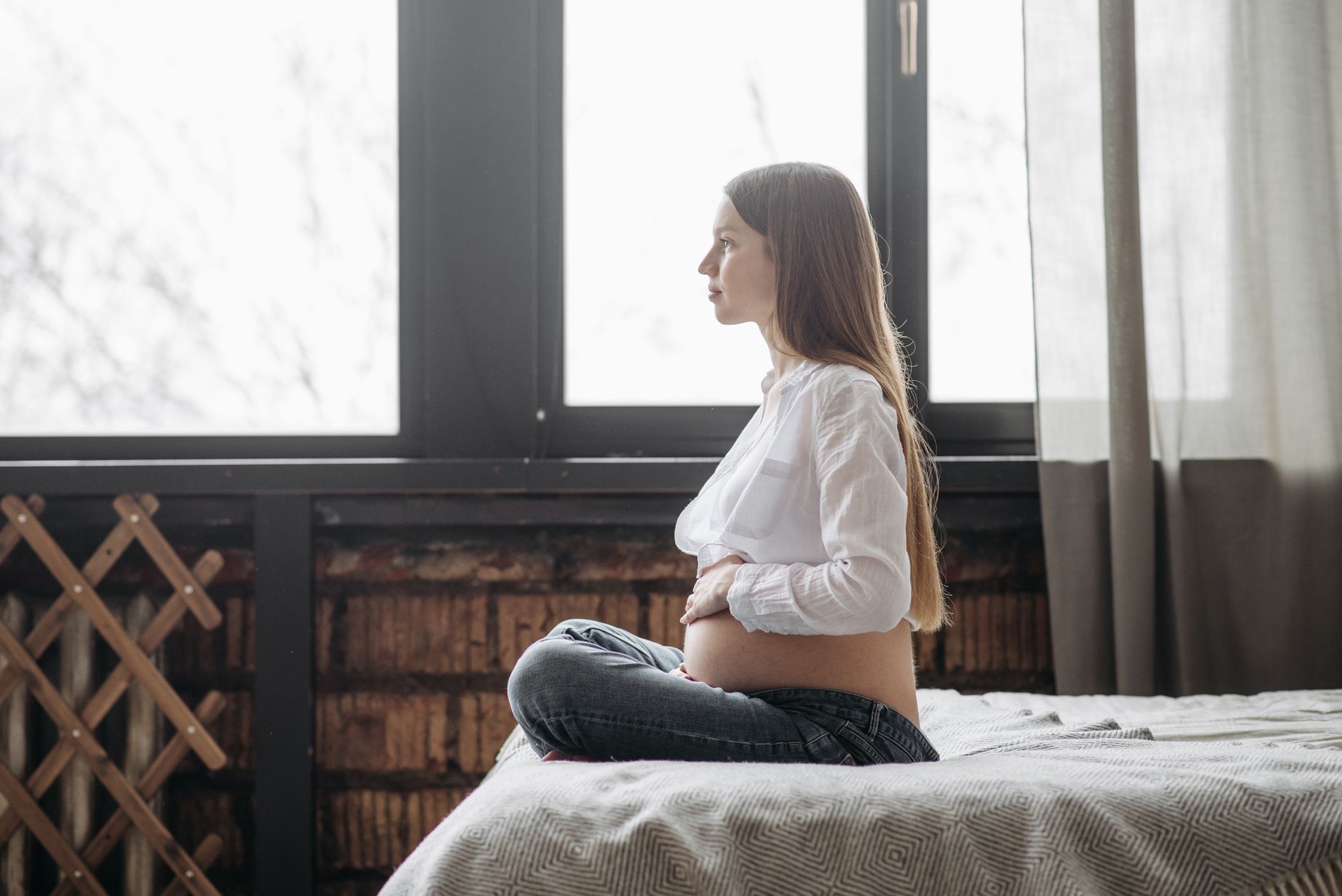
Using pillows to support your pelvis can reduce pressure and ease discomfort.
Why does my pelvis hurt during the second trimester?
The second trimester (weeks 13‑27) is often called the “golden period” because many early‑pregnancy symptoms fade, yet new aches can appear. By this stage the uterus has grown enough to shift your center of gravity, and the hormone relaxin begins to loosen the ligaments that hold the pelvic bones together.
Key contributors to pelvic pain in the second trimester include:
Ligament stretching: The round ligaments, which support the uterus, become taut as the uterus expands, causing a pulling sensation on the sides of the pelvis.
Pelvic girdle stress: The sacroiliac joints (where the spine meets the pelvis) and the pubic symphysis (the front joint) start to bear more weight, leading to what clinicians call pelvic girdle pain (PGP).
Postural changes: Many people develop a slight sway‑back or hip‑tilt to compensate for the growing belly, which can overload the lower back and hips.
Most second‑trimester pelvic pain is classified as “mechanical” and resolves with simple measures—adjusted posture, supportive belts, and gentle strengthening exercises. However, persistent, worsening pain or pain that radiates into the groin or thighs should be discussed with your obstetrician.
It’s also worth noting that the pelvic joints become more mobile during this window, which can create a sensation of “wobbliness.” According to the Royal College of Obstetricians and Gynaecologists (RCOG), this increased mobility is normal but can be uncomfortable; targeted physiotherapy often restores stability without medication.
Pelvic pain pregnancy causes and treatment
P
elvic discomfort can stem from a broad spectrum of causes, ranging from normal anatomical changes to medical conditions that need treatment. Below is a concise overview of the most common origins and the evidence‑based options for relief.
Cause
Typical Onset
Key Symptoms
First‑line Treatment
Round‑ligament stretch
Weeks 12‑20
Sharp, brief pain on one side of the lower abdomen
Rest, gentle stretching, side‑lying position
Pelvic girdle pain (PGP)
Weeks 20‑30
Dull ache across the front of the pelvis, pain when standing or climbing stairs
Prenatal physiotherapy, pelvic support belt, modified activity
Symphysis pubis dysfunction (SPD)
Late second/early third trimester
Severe front‑pelvis pain, clicking or grinding sensation
Immediate medical evaluation; tocolytics if indicated
For most mechanical causes, the cornerstone of treatment is a combination of activity modification, supportive devices, and physiotherapy. The American College of Obstetricians and Gynecologists (ACOG) recommends referral to a prenatal physiotherapist when pain interferes with sleep or daily function.
When the pain source is infectious (e.g., a UTI) or inflammatory, medication may be necessary. The CDC and NHS both list specific antibiotics—such as amoxicillin and nitrofurantoin—as safe for use in pregnancy, but only under a provider’s prescription.
In addition, the NHS advises that any unexplained fever with pelvic pain should trigger an urgent review, because infection can spread quickly and affect both mother and baby.
Is pelvic pain a sign of preterm labor?
Preterm labor is defined as regular uterine contractions that cause cervical change before 37 weeks. Pelvic pain alone is not enough to diagnose preterm labor, but certain patterns raise concern.
Warning signs that pelvic pain might be a precursor to preterm labor include:
Contractions that occur at regular intervals (every 5‑10 minutes) and last 30‑60 seconds.
Accompanying pressure in the lower back or pelvis that does not improve with rest.
Vaginal fluid leakage or bleeding.
Sudden increase in pain intensity over a short period.
If you notice any of these, contact your provider immediately. Early evaluation can lead to interventions—such as corticosteroids for fetal lung maturity or tocolytic medication—that improve outcomes, according to ACOG’s 2023 guidelines.
Even if preterm labor is ruled out, persistent pelvic discomfort should still be monitored, because chronic pain can affect sleep and nutrition, which in turn influence fetal growth.
How to relieve pelvic pain in early pregnancy?
The first trimester (weeks 1‑12) brings hormonal surges that soften ligaments, making the pelvis more vulnerable to strain. Even though the uterus is still small, many people experience pelvic discomfort caused by the early loosening of connective tissue.
Safe, doctor‑approved strategies for early‑pregnancy pelvic pain include:
Gentle stretching: Focus on hip‑flexor and hamstring stretches. A simple supine stretch—knees bent, gently pulling one knee toward the chest—helps keep the hips supple.
Supportive positioning: Sleep on your side with a pillow between the knees; this keeps the pelvis aligned and reduces strain on the lower back.
Warm compress: A warm (not hot) water bottle applied for 10‑15 minutes can relax tight muscles. The NHS advises against prolonged heat to avoid overheating.
Prenatal yoga: Classes designed for the first trimester often include pelvic‑grounding poses such as Cat‑Cow and Child’s Pose, which are endorsed by the Mayo Clinic for safety.
Hydration and nutrition: Adequate fluid intake supports ligament health, while calcium‑rich foods help maintain bone strength, as highlighted by the WHO’s nutrition recommendations.
These measures are generally safe for most pregnancies. If pain persists beyond a few weeks, or if you notice bleeding, inform your OB‑GYN.
Another gentle tool is a light‑to‑moderate walking routine; the rhythmic motion encourages blood flow and can reduce the sensation of “tightness” in the pelvic region.
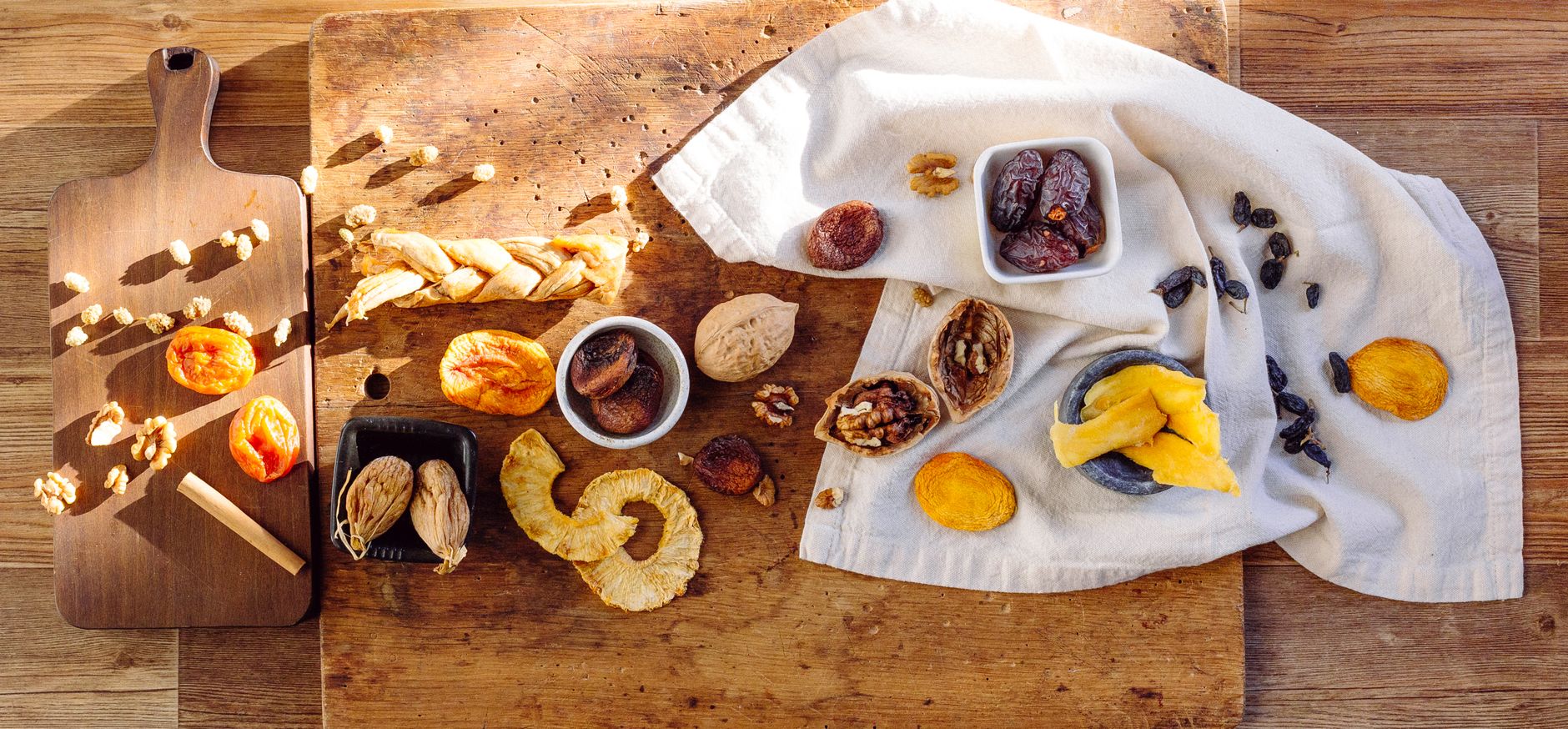
Calcium‑rich foods may help support pelvic ligaments and reduce discomfort.
Pelvic girdle pain vs round ligament pain difference
Distinguishing between pelvic girdle pain (PGP) and round‑ligament pain is essential because each condition responds to different treatments.
Round ligament pain
• Location: Usually felt on one side of the lower abdomen, just below the belly button.
• Quality: Sharp, stabbing sensation that often occurs with sudden movements—standing up quickly, coughing, or rolling over.
• Timing: Most common between weeks 12‑20.
• Relief: Rest, side‑lying position, and gentle stretching usually ease the pain.
Pelvic girdle pain (PGP)
• Location: Diffuse ache across the front of the pelvis, sometimes radiating to the hips, thighs, or lower back.
• Quality: Dull, throbbing, or aching that worsens with weight‑bearing activities—walking, climbing stairs, or getting up from a seated position.
• Timing: Often appears after week 20 and may persist into the third trimester.
• Relief: Requires targeted physiotherapy, pelvic support belts, and sometimes modified exercise routines.
When in doubt, a prenatal physiotherapist can perform specific clinical tests—such as the “posterior pelvic pain provocation” test—to differentiate the two, as outlined by the Royal College of Obstetricians and Gynaecologists (RCOG).
Research published by the Mayo Clinic notes that early identification of PGP can prevent chronic pain postpartum, underscoring the value of a proper diagnosis.
When to see a doctor for pelvic pain while pregnant
Most pelvic aches are benign, but certain red‑flag signs warrant prompt medical evaluation:
Sudden, severe pain that does not improve with rest.
Pain accompanied by vaginal bleeding, spotting, or fluid loss.
Fever, chills, or urinary symptoms suggesting infection.
Regular contractions before 37 weeks (possible preterm labor).
New onset of pain after a fall, car accident, or other trauma.
If you experience any of these, call your obstetrician, midwife, or go to the nearest emergency department. The NHS advises that you should seek care within 24 hours for any unexplained pelvic pain after 30 weeks gestation.
In addition, the ACOG recommends that any pain interfering with sleep more than three nights a week or limiting daily activities be discussed at the next prenatal visit, as it may signal the need for a physiotherapy referral.
Pelvic pain after a C‑section delivery
Cesarean delivery involves a surgical incision through the abdominal wall and uterus, which can alter pelvic mechanics during recovery. Post‑C‑section pelvic pain may arise from:
Scar tissue (adhesions) pulling on surrounding muscles.
Weakening of the abdominal core, leading to increased load on the pelvic joints.
Residual inflammation at the incision site.
Recovery strategies include:
Gentle core activation: Light abdominal breathing exercises and pelvic tilts, as recommended by the American Physical Therapy Association (APTA) for post‑C‑section patients.
Scar massage: After the incision is fully healed (usually 6‑8 weeks), scar massage can improve tissue mobility—always under guidance from a physiotherapist.
Packing support: A postpartum belly binder can off‑load the pelvis while you regain strength.
Gradual activity increase: Walking and short bouts of low‑impact activity are safe and promote circulation, per ACOG’s postpartum care guidelines.
If pain persists beyond three months or interferes with daily tasks, discuss referral to a pelvic health specialist.
It’s also helpful to monitor incision site temperature; a low‑grade fever or increasing redness could indicate infection, which would require antibiotics per CDC protocols.
Pelvic pain during pregnancy and urinary issues
Pelvic pain can sometimes masquerade as or exacerbate urinary problems. The growing uterus presses on the bladder, while relaxed pelvic floor muscles may lead to incomplete emptying, urgency, or even urinary incontinence.
Key connections include:
Pelvic floor weakness: Hormonal relaxation can reduce the tone of the muscles that control urine flow, leading to leakage when coughing or laughing.
UTI risk: Stagnant urine from incomplete emptying creates a breeding ground for bacteria; the CDC notes that pregnant women have a higher risk of pyelonephritis.
Referral pain: Pain originating from the bladder (cystitis) can be felt in the lower abdomen and pelvis, often described as a dull ache.
Management steps recommended by the NHS and ACOG:
Practice “double‑voiding” (urinate, wait a few minutes, then try again) to ensure the bladder empties fully.
Stay hydrated—aim for about 2‑3 liters of water daily—while avoiding excessive caffeine, which can irritate the bladder.
Consider pelvic floor physiotherapy; specialized exercises (Kegels) can strengthen the muscles without over‑tightening them.
If you develop burning, foul‑smelling urine, or fever, seek prompt medical care for possible infection.
Some clinicians also suggest cranberry juice or capsules as a preventive measure, though the evidence is modest; the NHS recommends discussing any supplement with your provider first.
Pelvic floor exercises can reduce both pain and urinary urgency.
Pelvic pain pregnancy week by week
Understanding how pelvic discomfort evolves helps you anticipate changes and seek help when needed. Below is a concise week‑by‑week snapshot:
Weeks 1‑12: Hormonal softening of ligaments; occasional sharp round‑ligament twinges.
Weeks 13‑20: Increased uterine size stretches the round ligaments; early pelvic girdle stress may begin.
Weeks 21‑28: Pelvic girdle pain peaks; many experience a “wobble” sensation as the sacroiliac joints bear more weight.
Weeks 29‑36: Symphysis pubis dysfunction can develop; pain may intensify when standing or climbing stairs.
Weeks 37‑40: Pressure from the baby’s head adds load; pelvic pain often overlaps with labor‑like contractions.
These patterns are averages; individual experiences vary. If your pain feels out of step with the timeline—especially if it’s severe early on—bring it up at your next prenatal visit.
Because the pelvic joints become increasingly mobile in the third trimester, many clinicians recommend a final physiotherapy check‑in around week 34 to tailor a safe exercise plan for the last weeks and postpartum recovery.
Safe exercises for pelvic pain during pregnancy
Exercise is a cornerstone of healthy pregnancy, but the type and intensity matter. The ACOG and NHS both endorse low‑impact activities that keep the pelvis stable while strengthening surrounding muscles.
Recommended exercises include:
Pelvic tilts: On hands and knees, gently rock the pelvis forward and back. This mobilizes the sacroiliac joints without over‑loading them.
Side‑lying leg lifts: Lie on your side with a pillow under your head; raise the top leg slowly to engage the glutes and hip abductors.
Swimming or water aerobics: The buoyancy of water reduces joint stress while providing cardiovascular benefits.
Modified prenatal yoga: Choose classes that avoid deep twists and instead focus on gentle hip openers and breath work.
Walking: A daily 20‑30 minute walk at a comfortable pace promotes circulation and maintains muscle tone.
Avoid high‑impact activities (running, jumping) and heavy weightlifting, which can worsen pelvic strain. Always check with your provider before starting a new routine, especially if you have a history of preterm labor.
For those who enjoy Pilates, the ACOG notes that a modified, low‑impact Pilates program—avoiding side‑lying pressure on the pelvis—can be safe and beneficial when supervised by a certified instructor.
Pelvic pain after miscarriage
Experiencing pelvic discomfort after a miscarriage is common. The uterus contracts back to its pre‑pregnancy size, and the same hormonal changes that caused pain during pregnancy can linger.
Key points for post‑miscarriage pelvic pain:
Pain is often cramp‑like and may be associated with vaginal bleeding that gradually decreases over 2‑3 weeks.
Gentle pelvic floor exercises, heat packs, and over‑the‑counter acetaminophen (as advised by your provider) can help manage discomfort.
If bleeding is heavy, accompanied by fever, or if pain is severe and unrelenting, seek medical attention promptly—these could signal retained tissue or infection.
Emotional support is equally important. Many people find comfort in counseling or support groups during this healing phase.
Physical activity should be re‑introduced gradually; a short walk or light stretching can improve circulation and reduce stiffness, but any vigorous exercise should be cleared by your clinician.
Diet changes to reduce pelvic pain in pregnancy
While no single food “cures” pelvic pain, nutrition plays a supporting role in ligament health, inflammation control, and overall comfort.
Evidence‑based dietary tweaks include:
Increase omega‑3 fatty acids: Found in fatty fish (salmon, sardines), walnuts, and flaxseed, omega‑3s help modulate inflammation, as highlighted by the WHO’s nutrition guidelines.
Boost calcium and vitamin D: Adequate calcium supports bone strength; vitamin D enhances calcium absorption. Dairy, fortified plant milks, and sunlight exposure are key sources.
Stay hydrated: Proper hydration keeps connective tissue pliable and reduces the risk of urinary infections that can aggravate pelvic pain.
Limit caffeine and sugary drinks: Excess caffeine can contribute to dehydration and urinary urgency, while high‑sugar beverages can increase inflammation.
Include magnesium‑rich foods: Magnesium helps relax muscles; foods like leafy greens, pumpkin seeds, and beans are good choices.
Any supplement regimen should be discussed with your provider to ensure appropriate dosing and to avoid excesses that could affect fetal development.
In addition, a balanced diet rich in antioxidants—berries, citrus, and colorful vegetables—can aid tissue repair and reduce oxidative stress, which the NHS cites as beneficial for musculoskeletal comfort.
Pelvic pain and low back pain pregnancy correlation
Low back pain (LBP) and pelvic pain frequently coexist because both involve the sacroiliac joints and surrounding musculature. Studies summarized by the Mayo Clinic indicate that up to 70 % of pregnant people report some form of back or pelvic discomfort.
Why the correlation exists:
Shared biomechanical stress: As the belly grows, the lumbar spine arches (lordosis) to maintain balance, placing extra load on the lower back and pelvis.
Hormonal ligament laxity: The same relaxin that loosens pelvic ligaments also affects spinal ligaments, reducing stability.
Postural compensation: To avoid pain, many adopt protective postures that inadvertently strain the opposite region.
Addressing one area often benefits the other. A comprehensive physiotherapy program that includes core strengthening, pelvic tilts, and gentle lumbar stretches can alleviate both LBP and pelvic pain.
Research from ACOG suggests that early intervention—ideally before 20 weeks—can prevent chronic pain that might otherwise linger into the postpartum period.
Pelvic pain pregnancy and hip pain
Hip pain during pregnancy can be an extension of pelvic girdle stress. The acetabulum (hip socket) and the surrounding muscles adapt to the shifting center of gravity, and the increased weight can compress the hip joint.
Symptoms to watch for:
Dull ache on the outer thigh or buttock that worsens with walking or standing.
Clicking or popping sensations in the hip joint.
Pain that eases when you sit or lie on your side with a pillow between the knees.
Safe interventions mirror those for pelvic girdle pain: supportive belts, targeted hip‑strengthening exercises, and heat therapy. If hip pain is severe, persistent, or accompanied by numbness in the leg, a referral to an orthopedic specialist may be warranted.
One practical tip is to use a “hip‑open” stretch while seated—placing a yoga strap around the outer thigh and gently pulling toward the chest—to maintain flexibility without over‑loading the joint.
Pelvic pain pregnancy and sciatica
Sciatica—pain radiating along the sciatic nerve from the lower back down the leg—can be triggered by pelvic changes. The enlarging uterus may compress the piriformis muscle, which lies close to the sciatic nerve.
Typical sciatica cues include:
Sharp, shooting pain that starts in the lower back or buttock and travels down the back of the thigh.
Increased discomfort when sitting for long periods or crossing the legs.
Numbness or tingling in the foot.
Management strategies recommended by the NHS:
Gentle stretching of the piriformis and hamstrings.
Use of a pregnancy‑support pillow to keep the hips aligned while sleeping.
Low‑impact aerobic activity (e.g., swimming) to promote circulation.
Consultation with a physiotherapist for a tailored program; in rare cases, a steroid injection may be considered under specialist supervision.
Acupuncture has also been explored as an adjunct therapy; the NHS notes that limited evidence suggests it may reduce pain intensity, but it should only be pursued with a qualified practitioner and after discussing with your OB‑GYN.
Pelvic pain and sleep disturbances during pregnancy
Discomfort in the pelvis often makes it harder to find a comfortable sleeping position, leading to fragmented rest. Poor sleep can amplify pain perception, creating a vicious cycle.
Strategies to improve sleep while managing pelvic pain include:
Using a firm pillow between the knees when side‑lying; this aligns the pelvis and reduces strain.
Placing a small wedge pillow under the abdomen to relieve pressure on the lower back.
Establishing a calming bedtime routine—warm (not hot) shower, gentle breathing exercises, and limiting screen time.
Keeping the bedroom cool (around 18‑20 °C) to prevent overheating, which the NHS advises can worsen discomfort.
If insomnia persists, the ACOG recommends discussing it with your provider, as they may suggest safe melatonin use after 24 weeks or refer you to a sleep specialist.
When to consider a pelvic support belt
A pelvic support belt is a soft, adjustable band that wraps around the hips and lower abdomen, providing gentle compression to limit excessive joint movement.
Evidence from ACOG and NHS guidelines indicates that belts can be particularly helpful for:
Pelvic girdle pain that worsens with standing or walking.
Symphysis pubis dysfunction where the front joint feels unstable.
Post‑C‑section recovery when core muscles are still weak.
When choosing a belt, look for one with breathable fabric and adjustable straps to accommodate a growing belly. It should be snug but not restrictive; you should be able to breathe comfortably.
Wear the belt during activities that provoke pain—such as walking, climbing stairs, or getting up from a chair—but remove it while sleeping to allow natural movement. If pain does not improve after a week or two, discuss further evaluation with your physiotherapist.
From our medical team: Pelvic pain is usually a normal part of pregnancy anatomy adjusting to support your growing baby. Most of the time it can be managed with simple home measures and professional physiotherapy. However, any pain that’s sudden, severe, or paired with bleeding, fever, or regular contractions should be evaluated promptly. Trust your body’s signals, and never hesitate to call your provider if something feels off.
Myth vs. fact
Myth: If you have pelvic pain, you must stop all activity.
Fact: Gentle movement and targeted exercises often relieve pain and prevent stiffness. Only high‑impact or heavy‑lifting activities should be avoided.
Myth: Pelvic pain always means a problem with the baby.
Fact: In most cases the baby is fine; the pain stems from your own musculoskeletal changes. Persistent, severe pain should still be checked, but it rarely indicates fetal distress.
Myth: Pain medication is unsafe throughout pregnancy.
Fact: Acetaminophen is considered safe for occasional use, while NSAIDs should be avoided after 20 weeks unless prescribed. Always discuss any medication with your provider.
Key takeaways
Pelvic pain is common and usually linked to ligament relaxation, uterine growth, and postural changes.
Round‑ligament pain feels sharp and brief; pelvic girdle pain is a deeper, persistent ache that often requires physiotherapy.
Seek urgent care if pain is severe, accompanied by bleeding, fluid loss, regular contractions, or fever.
Safe relief includes side‑lying with support pillows, warm compresses, gentle stretching, and low‑impact exercise.
Hydration, calcium, magnesium, and omega‑3‑rich foods can support ligament health and reduce inflammation.
Professional prenatal physiotherapy can dramatically improve function and quality of life during pregnancy.
Addressing sleep hygiene and considering a pelvic support belt can further ease discomfort.
Frequently asked questions
Can pelvic pain be a sign of miscarriage?
Most pelvic pain is not a sign of miscarriage, but sudden, severe cramping that occurs with bleeding or spotting should be evaluated promptly.
What are the common causes of pelvic pain in the first trimester?
Early pelvic pain often comes from round‑ligament stretching, hormonal ligament laxity, and occasional urinary tract infections.
Is it safe to take pain medication for pelvic pain while pregnant?
Acetaminophen is generally safe for occasional use; NSAIDs should be avoided after 20 weeks unless specifically prescribed by your provider.
How can I differentiate between pelvic girdle pain and round ligament pain?
Round‑ligament pain is sharp, on one side, and triggered by sudden movements; pelvic girdle pain is a dull ache across the front of the pelvis that worsens with weight‑bearing activities.
When should I contact my doctor about pelvic pain during pregnancy?
Call your provider if pain is sudden and severe, accompanied by bleeding, fluid loss, fever, or regular contractions before 37 weeks.
Can pelvic pain affect my baby's development?
In most cases pelvic pain does not harm the baby; it reflects maternal musculoskeletal changes. However, untreated severe pain can affect your sleep and nutrition, indirectly influencing fetal growth.
Can acupuncture help with pelvic pain in pregnancy?
Limited studies suggest acupuncture may reduce pain intensity for some pregnant people, but the evidence is not definitive. If you consider it, choose a certified practitioner and discuss the plan with your obstetrician first.
Is it safe to do Pilates while experiencing pelvic pain?
Modified, low‑impact Pilates that avoids deep side‑lying pressure can be safe and supportive. Always work with a certified prenatal instructor and get clearance from your provider before starting.
When to call your doctor
If you notice any of the following, seek medical attention right away: intense or worsening pain, bleeding or spotting, fluid leakage, fever, regular contractions before 37 weeks, sudden loss of bladder control, or pain after a fall. This article is for informational purposes only and does not replace personalized medical advice.
References
American College of Obstetricians and Gynecologists (ACOG). “Pelvic Girdle Pain.” 2023 clinical guidance.
National Health Service (NHS). “Pregnancy and pelvic pain.” Updated 2024.
Centers for Disease Control and Prevention (CDC). “Urinary Tract Infections
Not sure about the label on Why Am I Having Pelvic Pain During Pregnancy products?
Snap the ingredients list and SafeFilter checks every ingredient for your stage — only 3 free scans this month, then you're locked until reset. Unlimited from $7/mo or $50/yr.
When Shubhra Mishra was expecting her first child in 2016, she was overwhelmed by conflicting food advice — one site said yes, another said never. By the time her second baby arrived in 2019, she realized millions of mothers face the same confusion.
That sparked a five-year journey through clinical nutrition papers, cultural diets, and expert conversations — all leading to BumpBites: a calm, compassionate space where science meets everyday motherhood.
Her long-term vision is to build a global community ensuring safe, supported, and free deliveriesfor every mother — because no woman should face pregnancy alone or uninformed. 🌿
🌍 Stand with mothers, shape safer guidance
Join a small circle of experts who review BumpBites articles so expecting parents everywhere can decide with confidence.