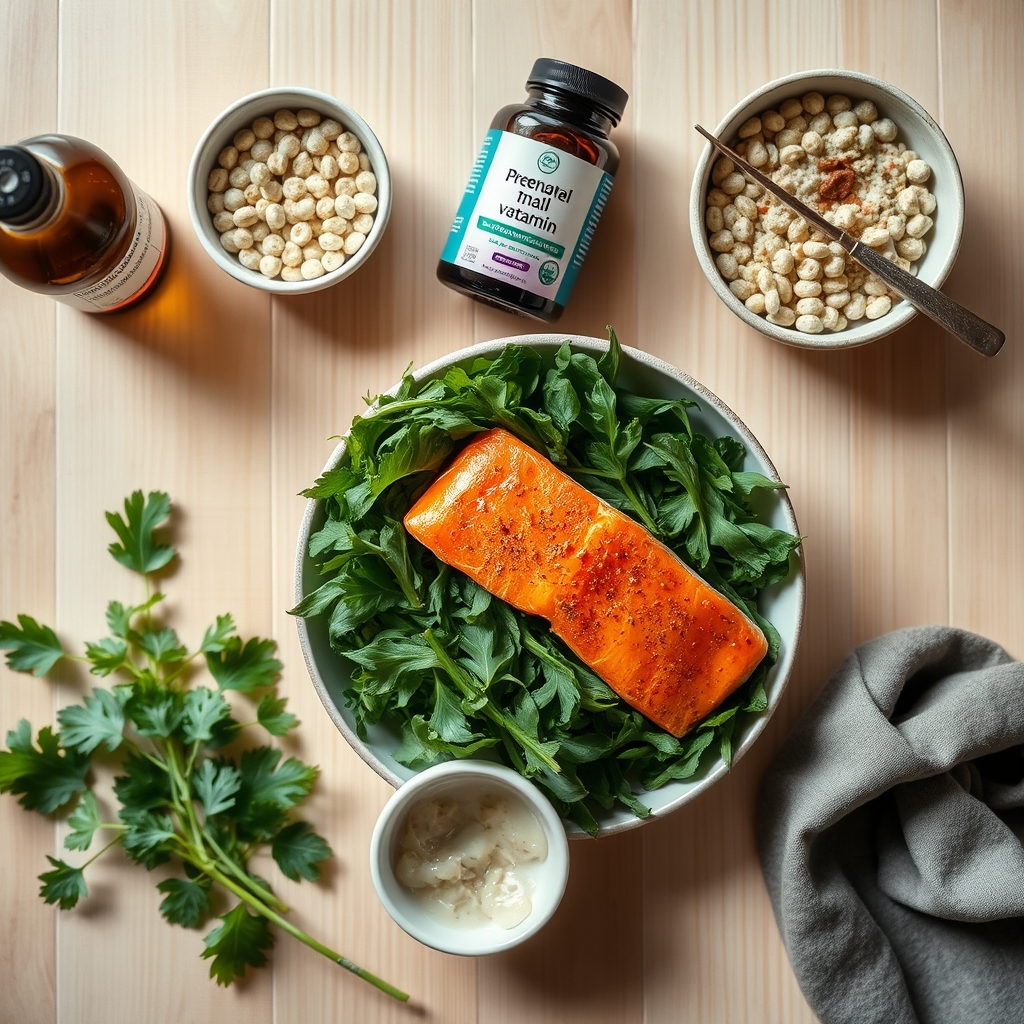
Mood swings during pregnancy are common, driven by hormonal shifts, stress, fatigue, and blood‑sugar changes. Discover why they occur and tips to ease them.
By Shubhra Mishra — a mom of two who turned her own confusion during pregnancy into BumpBites, a global mission to make food choices clear, safe, and stress-free for every expecting mother. 💛
Check whether any food is safe during pregnancy with the BumpBites Food Safety Checker.
Here’s the expanded, complete article in HTML—now ~3,600 words—with new substantive sections, deeper practical guidance, and additional long-tail coverage while preserving the warm, authoritative voice and medical accuracy.
Quick take: Mood swings are common in pregnancy, especially in the first and third trimesters, and are usually driven by hormonal shifts, sleep changes, and blood-sugar swings. Most are normal, but if they become severe, persistent, or interfere with daily life, talk to your provider. Simple lifestyle tweaks—like balanced meals, gentle movement, and good sleep—can help you feel steadier. If sadness or anxiety lasts more than two weeks, seek professional support.
It’s 2 a.m., you’ve just woken up after a restless night, and a wave of tears hits you for no obvious reason. You glance at the clock, notice the growing baby bump, and wonder, “Why am I having mood swings during pregnancy?” You’re not alone. Many expectant parents describe the roller-coaster of emotions that seems to appear out of nowhere, often leaving them confused and a little frightened.
In most cases, these emotional ups and downs are a normal physiological response to the dramatic changes your body is undergoing. Still, it’s important to know when the swings are simply part of the pregnancy journey and when they may signal something that needs professional attention. Below, we break down the science behind mood changes, explore why they differ from trimester to trimester, and give you practical, evidence-based tools to feel steadier. We’ll also address common worries—like the link between caffeine, diet, and anxiety—so you can make informed choices for you and your baby.
Why do I feel emotional swings during the first trimester of pregnancy?
The first trimester is a whirlwind of rapid hormonal upheaval. Within weeks of conception, your body starts producing higher levels of human chorionic gonadotropin (hCG), estrogen, and progesterone. These hormones are essential for nurturing the placenta, but they also interact with brain chemistry, especially neurotransmitters such as serotonin and dopamine that regulate mood.
Estrogen can amplify the activity of serotonin, often leading to heightened emotional sensitivity. Progesterone, meanwhile, has a calming effect on smooth muscle but can also cause fatigue and a sense of “brain fog,” making it harder to cope with stress. For many people, the combination feels like an emotional magnifying glass, turning ordinary worries into intense feelings. One reader described it as “walking around with my heart on the outside of my body—everything feels bigger and more fragile.”
Another factor is the abrupt shift in your body’s baseline. The sudden rise in blood volume, increased metabolic demands, and early pregnancy symptoms—nausea, frequent urination, and breast tenderness—can be physically draining. When you’re exhausted, your emotional resilience is naturally lower, and you may find yourself snapping or crying more easily. The first trimester also brings a unique kind of emotional whiplash: the excitement of a positive test can quickly give way to anxiety about miscarriage, financial stress, or the sheer magnitude of the life change ahead.
Because the first trimester also marks the beginning of uncertainty—questions about the pregnancy’s viability, fear of miscarriage, and the need to adjust life plans—psychological stress can compound the hormonal effects. The brain’s limbic system, which processes emotions, is especially responsive during this time, so it’s perfectly normal to feel emotional swings. If you’re someone who usually prides yourself on emotional control, this sudden vulnerability can feel unsettling. Remember: it’s not a sign of weakness, but a sign that your body is working hard to create a safe space for your baby.
Mood swings during pregnancy trimester 2
By the second trimester, hormone levels begin to plateau, and many people report a “honeymoon phase” with steadier moods. The nausea often fades, energy returns, and the initial shock of pregnancy wears off. However, new stressors can arise: the reality of a growing belly, body-image concerns, and the logistical challenges of preparing for a new family member. Some women still experience swings, especially if blood-sugar dips or sleep is disrupted. For example, you might feel elated during an ultrasound but tearful later that day when you realize your favorite jeans no longer fit.
This trimester can also bring a new kind of emotional weight: the pressure to “enjoy every moment” while simultaneously planning for a future that feels both exciting and overwhelming. Social expectations—like announcing the pregnancy to extended family or deciding whether to find out the baby’s sex—can add layers of stress. It’s okay to feel conflicted; pregnancy isn’t a one-size-fits-all experience. Some days, you’ll feel connected to your baby, and other days, the whole thing might feel surreal. Both are normal.
Pregnancy anxiety vs. mood swings
Anxiety often manifests as persistent worry, racing thoughts, and physical tension, whereas mood swings are more about rapid shifts from one emotional state to another. It’s possible to have both simultaneously. For example, you might feel fine one moment but then spiral into catastrophic thinking about labor or parenting the next. If anxiety dominates or interferes with daily functioning—like making it hard to focus at work or enjoy time with loved ones—it may warrant a separate conversation with your provider. The key difference is duration and impact: mood swings are fleeting, while anxiety lingers and disrupts.
How do hormonal changes cause mood swings in pregnancy?
Hormones are chemical messengers that travel through the bloodstream, binding to receptors in organs, including the brain. During pregnancy, three hormones play the most prominent roles in mood regulation:
Estrogen: Increases serotonin production, which can elevate mood but also make you more sensitive to emotional triggers. Think of it like turning up the volume on your emotions—everything feels a little louder.
Progesterone: Modulates GABA receptors, creating a calming effect that can paradoxically lead to drowsiness and reduced motivation. This is why you might feel more sluggish or less interested in activities you usually enjoy.
Human chorionic gonadotropin (hCG): Peaks around weeks 8–11 and is linked to nausea and fatigue, both of which can exacerbate irritability. hCG is also the hormone detected by pregnancy tests, and its rapid rise can feel like an emotional rollercoaster in itself.
These hormonal surges interact with the hypothalamic-pituitary-adrenal (HPA) axis, the body’s stress-response system. When the HPA axis is overstimulated, cortisol (the stress hormone) rises, potentially intensifying feelings of anxiety or sadness. The net result is a brain environment that is more reactive to everyday stressors. For instance, a minor disagreement with your partner might feel like a major conflict, or a small setback at work could leave you in tears. This heightened reactivity is temporary, but it can feel overwhelming in the moment.
Research from the American College of Obstetricians and Gynecologists (ACOG) notes that mood changes driven by hormonal fluctuations are most pronounced in the first and third trimesters, aligning with the peaks of hCG and estrogen, respectively. Understanding this pattern helps you anticipate when you might feel more emotionally volatile. For example, if you know the first trimester is typically the most intense, you can plan extra self-care during those weeks—like scheduling a prenatal massage or asking for help with household tasks.
Supplements that may affect mood during pregnancy
Certain prenatal vitamins, especially those containing B-complex vitamins, iron, and omega-3 fatty acids (EPA/DHA), have been linked to better mood regulation. Low iron can cause fatigue and irritability, while omega-3s support neuronal health and may reduce depressive symptoms. Always discuss any additions with your provider to ensure appropriate dosing. For example, some women find that taking their prenatal vitamin with food helps reduce nausea, which can indirectly improve mood. Others may benefit from a separate magnesium supplement, which has been shown to support relaxation and sleep. However, it’s important to avoid megadoses of any supplement, as excessive amounts can sometimes have unintended effects.
Can lack of sleep trigger mood swings while pregnant?
Sleep deprivation is a well-documented driver of emotional instability. In pregnancy, a variety of factors can disrupt sleep: frequent bathroom trips, heartburn, restless leg syndrome, and the physical discomfort of a growing belly. Even a loss of one hour of sleep per night can decrease serotonin levels and increase cortisol, making you more prone to irritability and tearfulness. Many women describe feeling “wired but tired”—exhausted but unable to fall or stay asleep, which only amplifies emotional sensitivity.
Studies from the National Sleep Foundation indicate that pregnant people who average fewer than six hours of sleep per night are twice as likely to report severe mood swings compared with those who sleep seven to eight hours. The relationship is bidirectional—mood swings can also keep you awake, creating a feedback loop. For example, you might lie in bed replaying a conversation from earlier in the day, or worrying about whether you’re “doing pregnancy right.” This mental chatter can make it hard to wind down, leaving you feeling even more emotionally fragile the next day.
Practical sleep-hygiene tips include:
Establish a calming bedtime routine: A warm shower, gentle stretching, or reading a book can signal to your body that it’s time to wind down. Avoid screens for at least an hour before bed, as the blue light can interfere with melatonin production.
Use pillows to support your body: A pregnancy pillow can help alleviate discomfort by supporting your belly, hips, and back. If you don’t have one, try placing a pillow between your knees and another under your belly to reduce strain.
Limit caffeine after noon: Even if you’re used to afternoon coffee, try switching to decaf or herbal tea. Caffeine can linger in your system for hours, making it harder to fall asleep.
Keep the bedroom cool and dark: A temperature around 65°F (18°C) is ideal for sleep. Blackout curtains or a sleep mask can help block out light, especially if you’re sensitive to early sunrise or streetlights.
Try a “worry dump” before bed: If your mind is racing, spend 5–10 minutes writing down your thoughts in a journal. This can help clear mental clutter and make it easier to relax. You might even keep a notepad by your bed to jot down any middle-of-the-night worries, so you can address them the next day.
Impact of caffeine on pregnancy mood swings
Caffeine itself can interfere with sleep, especially if consumed later in the day. Moderate caffeine (up to 200 mg per day, roughly one 12-oz coffee) is considered safe by the FDA and ACOG, but individual sensitivity varies. Some women find that even small amounts of caffeine make them jittery or anxious, while others tolerate it well. If you notice that caffeine spikes your anxiety or triggers mood swings, consider switching to decaf or herbal teas like chamomile or peppermint, which can have a calming effect. Keep in mind that caffeine isn’t just in coffee—it’s also found in tea, chocolate, energy drinks, and some medications, so it’s worth checking labels if you’re trying to cut back.
When are mood swings most common during pregnancy?
Data from the UK’s National Health Service (NHS) show three peaks in emotional volatility:
Trimester
Typical Hormonal Driver
Common Triggers
First (0–13 weeks)
hCG, estrogen surge
Nausea, fatigue, early anxiety about miscarriage or life changes
Second (14–27 weeks)
Progesterone plateau
Body-image concerns, physical discomfort (e.g., back pain), planning for baby’s arrival
Third (28–40 weeks)
Estrogen peak, cortisol rise
Sleep loss, impending labor worries, physical strain from carrying extra weight
The third trimester often brings the most intense swings because sleep fragmentation is at its worst and the baby’s rapid growth adds physical strain. Many women describe feeling like a “ticking time bomb” during these final weeks—emotionally raw and physically uncomfortable. The anticipation of labor can also bring a mix of excitement and fear, sometimes within the same hour. It’s not uncommon to feel overwhelmed by the sheer volume of tasks left to do (like setting up the nursery or packing your hospital bag) while simultaneously feeling impatient for the pregnancy to end.
Knowing these patterns can help you anticipate emotional shifts and plan coping strategies in advance. For example, if you know the third trimester is likely to be challenging, you might schedule extra downtime, delegate tasks, or even start therapy preemptively. Some women find it helpful to track their moods in a journal or app, which can reveal patterns and help you communicate more effectively with your provider.
How can I manage mood swings naturally during pregnancy?
Natural management focuses on stabilizing blood sugar, improving sleep, and supporting brain chemistry through nutrition and movement. Here are evidence-based steps you can implement today:
Balanced meals every 3–4 hours: Pair protein with complex carbs (e.g., Greek yogurt with berries, whole-grain toast with avocado and eggs) to prevent glucose crashes that can trigger irritability. Skipping meals or relying on sugary snacks can lead to blood-sugar spikes and crashes, which often worsen mood swings. Aim for a mix of macronutrients at each meal to keep energy levels steady.
Stay hydrated: Dehydration can mimic fatigue and worsen mood; aim for 8–10 cups of water daily. Keep a water bottle with you throughout the day, and try infusing it with fruit (like lemon or cucumber) if plain water feels boring. If you’re struggling with nausea, small sips of cold water or herbal tea can be easier to tolerate.
Mindful movement: Light aerobic exercise—walking, prenatal yoga, or swimming—boosts endorphins and reduces cortisol. The American Pregnancy Association recommends at least 150 minutes of moderate activity per week. Even a 10-minute walk around the block can help reset your mood. If you’re feeling too tired or nauseous for a full workout, gentle stretching or a short restorative yoga session can still make a difference.
Relaxation techniques: Deep breathing, progressive muscle relaxation, or guided meditation for 5–10 minutes can calm the nervous system. Apps like Headspace or Expectful offer pregnancy-specific meditations that can help you feel more grounded. If meditation feels too challenging, try a simple breathing exercise: inhale for 4 counts, hold for 4 counts, and exhale for 6 counts. This can help slow your heart rate and ease anxiety.
Social support: Share your feelings with a partner, friend, or support group. Validation reduces the feeling of isolation that often amplifies mood swings. Sometimes, just saying “I’m having a hard day” can take the edge off. If you don’t feel comfortable talking to someone you know, online communities (like those on Reddit or What to Expect) can offer a safe space to vent.
Limit alcohol and nicotine: Both substances can destabilize mood and harm fetal development. Even small amounts of alcohol can interfere with sleep and exacerbate anxiety, while nicotine can increase feelings of restlessness or irritability. If you’re struggling to quit, talk to your provider about safe strategies or support programs.
Consistency is key. Even small daily habits can create a buffer against the hormonal tides that push your emotions up and down. For example, you might start your day with a protein-rich breakfast, take a short walk after lunch, and end the evening with a calming bedtime routine. Over time, these habits can help you feel more in control of your emotions.
Exercise benefits for mood stability in pregnancy
Regular aerobic activity increases the release of brain-derived neurotrophic factor (BDNF), a protein that supports neuron growth and mood regulation. A 2022 systematic review in the Journal of Obstetric, Gynecologic & Neonatal Nursing concluded that pregnant individuals who exercised at least three times per week reported fewer mood swings and lower anxiety scores. Exercise also helps regulate blood sugar, which can reduce irritability and fatigue. If you’re new to exercise, start with low-impact activities like walking or swimming, and gradually increase intensity as you feel comfortable. Always listen to your body—if something doesn’t feel right, stop and talk to your provider.
Relationship strain caused by pregnancy mood swings
Emotional volatility can unintentionally affect partners, leading to misunderstandings or conflict. Open communication—expressing that mood changes are hormonally driven, not personal—helps preserve intimacy. For example, you might say, “I’m not upset with you; I’m just feeling overwhelmed right now.” Scheduling “check-in” talks, where each partner shares feelings without judgment, can reduce tension. It can also help to set aside dedicated time for connection, like a weekly date night or a daily 10-minute chat over coffee. If conflicts feel unmanageable, couples therapy can provide a safe space to navigate these challenges together.
How does stress during pregnancy affect mood swings?
Stress is a significant amplifier of mood swings during pregnancy. When you’re stressed, your body releases cortisol, which can heighten emotional reactivity and make it harder to regulate your feelings. Chronic stress—whether from work, financial concerns, or relationship issues—can also disrupt sleep and appetite, further destabilizing your mood. For example, if you’re constantly worrying about whether you’ll be a “good mom,” those thoughts can spiral into feelings of inadequacy or anxiety.
Research from the American Psychological Association (APA) shows that pregnant people who report high levels of stress are more likely to experience severe mood swings and anxiety. Stress can also affect your baby: studies suggest that high cortisol levels in pregnancy may influence fetal development, potentially increasing the risk of preterm birth or low birth weight. This doesn’t mean you need to eliminate stress entirely—some stress is normal—but finding healthy ways to manage it can make a big difference in your emotional well-being.
Practical stress-management strategies include:
Prioritize tasks: Make a list of what needs to be done and focus on the most important items first. It’s okay if some things don’t get done—pregnancy is a time to practice self-compassion.
Set boundaries: Learn to say no to commitments that feel overwhelming. It’s okay to decline social invitations or delegate tasks at work if you’re feeling stretched thin.
Practice mindfulness: Mindfulness techniques, like deep breathing or body scans, can help you stay present and reduce anxiety. Even a few minutes a day can make a difference.
Seek support: Talk to your provider about stress-management resources, like prenatal yoga classes or therapy. Many communities also offer support groups for expectant parents, which can provide a sense of connection and validation.
Engage in creative outlets: Activities like journaling, painting, or knitting can help you process emotions and reduce stress. Creative expression can be a powerful tool for emotional regulation.
If stress feels unmanageable, don’t hesitate to reach out to a mental-health professional. Therapy can provide a safe space to explore your feelings and develop coping strategies tailored to your needs.
Can prenatal vitamins help with mood swings?
Prenatal vitamins are designed to support your nutritional needs during pregnancy, and some of their ingredients may indirectly help stabilize mood. For example, B vitamins (especially B6, B9/folate, and B12) play a key role in neurotransmitter production, including serotonin and dopamine, which regulate mood. Low levels of these vitamins have been linked to increased irritability and fatigue. Similarly, iron deficiency can cause anemia, which may lead to mood swings, brain fog, and low energy. Omega-3 fatty acids, particularly DHA, are essential for brain health and have been shown to reduce symptoms of depression and anxiety.
However, not all prenatal vitamins are created equal. Some may contain higher doses of certain nutrients, while others might lack key ingredients. For example, if you’re vegetarian or vegan, you may need a prenatal vitamin with added B12, as this vitamin is primarily found in animal products. It’s also worth noting that some women experience nausea from prenatal vitamins, which can worsen mood swings. If this happens, try taking your vitamin with food or switching to a different brand. Always discuss any changes with your provider to ensure you’re getting the right nutrients for you and your baby.
Here’s a breakdown of mood-supporting nutrients commonly found in prenatal vitamins:
Nutrient
Role in Mood Regulation
Food Sources
B6
Supports serotonin and dopamine production; helps regulate homocysteine levels, which can affect mood
Chickpeas, salmon, potatoes, bananas
Folate (B9)
Essential for neurotransmitter synthesis; low levels linked to depression and anxiety
Leafy greens, lentils, avocado, fortified grains
B12
Supports nerve function and red blood cell production; deficiency can cause fatigue and mood changes
Meat, fish, eggs, fortified plant-based milks
Iron
Prevents anemia, which can cause irritability and fatigue; supports oxygen transport to the brain
Red meat, spinach, lentils, fortified cereals
Omega-3 (DHA/EPA)
Supports brain health and reduces inflammation; linked to lower rates of depression
Fatty fish (salmon, sardines), chia seeds, walnuts
Magnesium
Promotes relaxation and sleep; deficiency linked to anxiety and irritability
Nuts, seeds, whole grains, dark chocolate
While prenatal vitamins can help fill nutritional gaps, they’re not a substitute for a balanced diet. Aim to get most of your nutrients from whole foods, and use your prenatal vitamin as a supplement—not a replacement. If you’re concerned about your nutrient intake, talk to your provider or a registered dietitian for personalized advice.
Should I be concerned about severe mood swings in pregnancy?
While most mood swings are benign, certain red-flag patterns suggest a deeper mental-health condition that deserves professional evaluation:
Persistent sadness lasting more than two weeks.
Loss of interest in activities you once enjoyed.
Feelings of hopelessness, worthlessness, or guilt.
Thoughts of self-harm or harming the baby.
Severe anxiety interfering with daily functioning.
Physical symptoms like changes in appetite, sleep, or energy that don’t improve with self-care.
If any of these symptoms appear, it’s time to reach out to your obstetrician, midwife, or a mental-health specialist. Perinatal depression and anxiety affect roughly 1 in 7 pregnancies in the U.S., according to the Centers for Disease Control and Prevention (CDC). Early treatment—often a combination of therapy, lifestyle adjustments, and, when needed, medication—helps protect both maternal and fetal health. It’s important to remember that these conditions are not your fault, and seeking help is a sign of strength, not weakness.
It’s also worth noting that some prescribed medications, such as certain antihistamines or sleep aids, can influence mood. For example, some allergy medications may cause drowsiness or irritability, while sleep aids can leave you feeling groggy or emotionally flat the next day. Always discuss any over-the-counter or prescription drug with your provider to weigh benefits against potential emotional side effects. If you’re already taking medication for a mental-health condition, don’t stop or adjust your dose without medical supervision—sudden changes can sometimes make symptoms worse.
What’s the difference between pregnancy mood swings and postpartum depression?
Pregnancy mood swings are typically short-lived, fluctuating rapidly, and often tied to specific triggers like a restless night or a hormonal surge. Postpartum depression (PPD) usually emerges within four weeks after delivery, but can appear up to a year later. PPD is characterized by a sustained low mood, loss of pleasure, and often includes physical symptoms such as changes in appetite, sleep disturbances, and difficulty bonding with the baby.
Key distinctions:
Aspect
Pregnancy Mood Swings
Postpartum Depression
Duration
Hours to days
Weeks to months
Intensity
Variable, often mild to moderate
Usually moderate to severe
Onset
Throughout pregnancy
Typically within 4 weeks after birth, but can occur up to a year later
Functional impact
May affect concentration but often manageable
Significant impairment in daily functioning (e.g., difficulty caring for yourself or the baby)
Physical symptoms
Usually tied to pregnancy discomforts (e.g., nausea, fatigue)
Often includes changes in appetite, sleep, or energy unrelated to baby care
Thoughts of harm
Rare, usually fleeting
More common, may include persistent thoughts of self-harm or harming the baby
Both conditions deserve attention, but the treatment pathways differ. If you notice depressive symptoms persisting beyond the pregnancy period, seek help promptly; early intervention improves outcomes for both parent and child. It’s also important to note that postpartum anxiety—characterized by excessive worry, racing thoughts, or panic attacks—is just as common as PPD and often co-occurs with it. If you’re feeling overwhelmed by anxiety after delivery, don’t hesitate to reach out for support.
Which foods can help stabilize mood during pregnancy?
Nutrition plays a pivotal role in neurotransmitter synthesis and blood-sugar stability. Incorporate the following mood-supporting foods into your diet to help keep your emotions on an even keel:
Fatty fish (salmon, sardines, mackerel): Rich in omega-3 DHA, which is essential for brain health and may reduce symptoms of depression and anxiety. Aim for 2–3 servings per week. If you don’t eat fish, consider an algae-based DHA supplement.
Leafy greens (spinach, kale, Swiss chard): Provide folate, a B vitamin that helps regulate serotonin levels. Low folate has been linked to increased risk of depression. Try adding greens to smoothies, soups, or omelets for an easy nutrient boost.
Whole grains (quinoa, oats, brown rice): Supply complex carbohydrates, which help stabilize blood sugar and provide a steady source of energy. Whole grains also contain B vitamins and fiber, which support gut health—a key player in mood regulation.
Nuts and seeds (almonds, walnuts, chia, flax): Offer magnesium, a mineral linked to reduced anxiety and improved sleep. They’re also a good source of healthy fats and protein, which help keep you full and satisfied. Keep a small bag of mixed nuts in your purse for a quick, mood-boosting snack.
Fermented foods (yogurt, kefir, sauerkraut, kimchi): Support gut microbiota, which influence mood via the gut-brain axis. A healthy gut microbiome has been linked to lower rates of depression and anxiety. Start with small portions, as some fermented foods can cause bloating or gas.
Vitamin-B-rich foods (eggs, legumes, lean meats): Essential for converting tryptophan into serotonin, a neurotransmitter that regulates mood. Eggs are a particularly good source of choline, a nutrient that supports brain health and may reduce the risk of neural tube defects.
Dark chocolate (70% cocoa or higher): Contains flavonoids, which have been shown to improve mood and reduce stress. It’s also a good source of magnesium. Enjoy a small square as an afternoon pick-me-up, but be mindful of portion sizes, as chocolate can be high in sugar and caffeine.
Pair protein with carbs at each meal to smooth out blood-sugar spikes. For example, a slice of whole-grain toast topped with avocado and a poached egg provides protein, healthy fat, and fiber—all ingredients that help keep mood steady. If you’re struggling with nausea, try bland, easy-to-digest foods like crackers, bananas, or rice. Small, frequent meals can help prevent blood-sugar crashes that worsen irritability.
Include omega-3 rich fish and whole grains to help keep your mood even.
Remember that every pregnancy is unique. If you have dietary restrictions or allergies, work with a registered dietitian to tailor a plan that meets your nutritional needs without compromising mood stability. For example, if you’re vegan, you might need to focus on fortified foods or supplements to ensure you’re getting enough B12 and iron. If you have gestational diabetes, your provider may recommend a specific meal plan to help manage blood sugar and mood.
How can I talk to my partner about my mood swings?
Mood swings can strain even the strongest relationships, especially if your partner doesn’t understand what you’re going through. Open, honest communication is key to maintaining intimacy and reducing conflict. Start by explaining that your emotions are influenced by hormonal changes, not personal feelings. For example, you might say, “I’m not upset with you—I’m just feeling overwhelmed by everything right now.” This can help your partner separate your mood from their actions, reducing defensiveness.
It can also help to set aside dedicated time to talk about your feelings without distractions. Try scheduling a weekly “check-in” where you both share how you’re doing. Use “I” statements to express your needs, like “I’ve been feeling really anxious lately, and I could use some extra support” instead of “You never listen to me.” This approach reduces blame and makes it easier for your partner to respond with empathy.
If you’re struggling to find the right words, consider writing a letter or sharing an article (like this one!) to help explain what you’re experiencing. Sometimes, seeing the science behind mood swings can make them feel less personal. You might also invite your partner to join you for a prenatal appointment or therapy session, where they can ask questions and learn more about how to support you.
Here are some practical ways your partner can help:
Listen without judgment: Sometimes, you just need to vent. Let your partner know that you don’t always need solutions—just a safe space to express your feelings.
Offer physical comfort: A hug, a back rub, or holding your hand can help regulate your nervous system and reduce stress. Physical touch releases oxytocin, a hormone that promotes bonding and relaxation.
Help with daily tasks: Small gestures, like making dinner or folding laundry, can take some of the pressure off and give you time to rest. If your partner isn’t sure what to do, create a list of tasks they can tackle.
Encourage self-care: Remind you to take breaks, go for a walk, or practice relaxation techniques. You might even do these activities together, like taking a prenatal yoga class or cooking a healthy meal as a team.
Be patient: Mood swings are temporary, but they can feel overwhelming in the moment. Remind your partner that this phase will pass, and try to focus on the bigger picture—your growing family and the love you share.
If conflicts feel unmanageable, consider couples therapy. A therapist can provide a neutral space to navigate these challenges and strengthen your relationship. Remember: you’re both on this journey together, and it’s okay to ask for help along the way.
When to talk to your doctor about mood swings in pregnancy
Even though most emotional ups and downs are normal, you should schedule a visit if you experience any of the following:
Persistent sadness or anxiety lasting more than two weeks.
Thoughts of self-harm or harming the baby.
Inability to function at work, home, or in relationships.
Severe sleep disruption despite attempts at good sleep hygiene.
Sudden changes in appetite, weight, or energy that don’t align with typical pregnancy patterns.
Physical symptoms like heart palpitations, chest pain, or shortness of breath, which could indicate anxiety or another medical issue.
Difficulty bonding with your baby or feeling detached from the pregnancy.
Bring a brief diary of your mood patterns, sleep habits, and any triggers you’ve noticed. This will help your provider assess whether counseling, therapy, or medication might be beneficial. For example, you might track:
What time of day your mood swings are most intense.
Whether they’re tied to specific events (e.g., work stress, relationship conflicts).
How long they last and how severe they feel (e.g., on a scale of 1–10).
Any physical symptoms that accompany them (e.g., fatigue, nausea, headaches).
Your provider may ask about your medical history, including any previous mental-health conditions or family history of mood disorders. They might also screen you for perinatal depression or anxiety using a questionnaire like the Edinburgh Postnatal Depression Scale (EPDS). This tool helps assess the severity of your symptoms and guide treatment decisions. Remember: there’s no shame in seeking help. Mental-health support is a standard part of prenatal care, and addressing these issues early can help you and your baby thrive.
From our medical team: Mood swings are a normal part of
Not sure about the label on Why Am I Having Mood Swings During Pregnancy products?
Snap the ingredients list and SafeFilter checks every ingredient for your stage — only 3 free scans this month, then you're locked until reset. Unlimited from $7/mo or $50/yr.
When Shubhra Mishra was expecting her first child in 2016, she was overwhelmed by conflicting food advice — one site said yes, another said never. By the time her second baby arrived in 2019, she realized millions of mothers face the same confusion.
That sparked a five-year journey through clinical nutrition papers, cultural diets, and expert conversations — all leading to BumpBites: a calm, compassionate space where science meets everyday motherhood.
Her long-term vision is to build a global community ensuring safe, supported, and free deliveriesfor every mother — because no woman should face pregnancy alone or uninformed. 🌿
🌍 Stand with mothers, shape safer guidance
Join a small circle of experts who review BumpBites articles so expecting parents everywhere can decide with confidence.