

Quick take: Hip pain during pregnancy is extremely common—up to 80% of women experience it—and usually nothing to worry about. It’s caused by hormonal changes, weight gain, and your shifting center of gravity. Most of the time, it’s not a sign of preterm labor or harm to your baby. Safe stretches, gentle exercise, and small posture tweaks can bring relief. But if the pain is severe, one-sided, or comes with other symptoms (like fever or bleeding), call your provider right away.
You’re 26 weeks pregnant, lying in bed trying to find a position that doesn’t make your left hip feel like it’s being squeezed in a vise. You’ve tried every pillow arrangement, but nothing helps. The pain radiates down your thigh, and you start wondering: Is this normal? Could something be wrong with my baby? What if I can’t even walk by the time I deliver?
Take a deep breath. Hip pain during pregnancy is one of those frustrating but normal parts of growing a baby. Your body is doing incredible things—like loosening your joints to make room for birth—and sometimes that comes with discomfort. The good news? There’s a lot you can do to ease the ache, and most of the time, it’s not a sign of anything serious.
In this guide, we’ll walk through why your hips hurt, how to tell if it’s just pregnancy aches or something that needs a doctor’s attention, and—most importantly—what actually helps. (Spoiler: It’s not just “wait until the baby comes.”) We’ll cover safe stretches, exercises, and even the best pillows to help you sleep tonight. Let’s start with what’s really going on in your body.
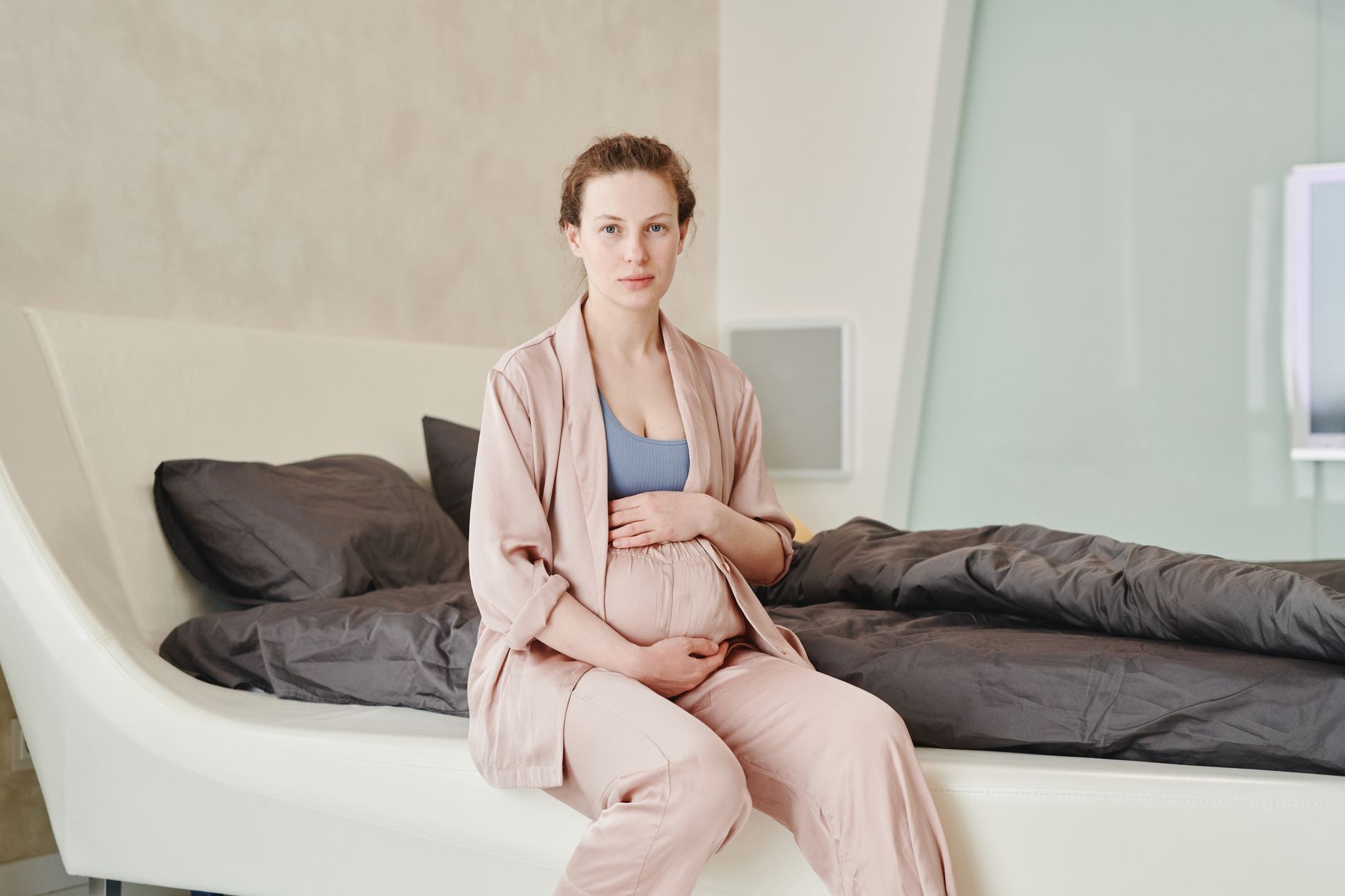
Why does my hip hurt during pregnancy?
Hip pain in pregnancy isn’t just one thing—it’s usually a mix of hormonal shifts, biomechanical changes, and the extra weight your body is carrying. Here’s what’s happening:
The hormonal culprit: relaxin
Around the second trimester, your body starts producing more relaxin, a hormone that loosens your ligaments (the tough bands of tissue that connect bones). This is nature’s way of making your pelvis more flexible for childbirth. But relaxin doesn’t just target your pelvis—it affects all your joints, including your hips. Looser ligaments mean less stability, which can lead to aches and pains, especially when you’re standing, walking, or climbing stairs.
“Many women first notice hip pain when they’re getting out of a car or rolling over in bed,” says Sarah, a mom of two who dealt with hip pain in both pregnancies. “It’s like your joints are suddenly made of jelly.”
Your shifting center of gravity
As your belly grows, your center of gravity moves forward. To compensate, you might arch your lower back more, which puts extra pressure on your hips. This change in posture can strain the muscles and joints around your pelvis, leading to discomfort—especially in the second and third trimesters.
Weight gain and fluid retention
Pregnancy weight gain is healthy and necessary, but it does add stress to your hips and lower back. The extra pounds, combined with fluid retention (which can compress nerves), can make hip pain feel worse, especially toward the end of the day.
Muscle imbalances
Your glutes (the muscles in your buttocks) and hip flexors (the muscles at the front of your hips) work hard to support your changing body. If these muscles are weak or tight, they can pull on your hip joints, causing pain. Many women also develop diastasis recti (a separation of the abdominal muscles), which can further strain the hips and lower back.
Most of the time, hip pain is just your body adapting to pregnancy. But if you’re wondering whether it’s normal at a specific stage—or if it could be something more serious—let’s break it down by trimester.
Why does my hip hurt during the second trimester of pregnancy?
Relaxin kicks into high gear
Relaxin levels peak around 12–14 weeks and stay elevated until delivery. By the second trimester, your ligaments are noticeably looser, which can lead to hip instability and pain. This is also when many women start feeling pelvic girdle pain (PGP) (more on that later), which can radiate to the hips.
Your baby’s growth spurt
Around 16–20 weeks, your uterus starts expanding more rapidly, shifting your center of gravity. This can throw off your posture and put extra strain on your hips. “I noticed my hip pain got worse right around the time my belly ‘popped’,” says Jamie, a first-time mom. “It was like my body was suddenly carrying a bowling ball in front of me.”
Sleep position changes
By the second trimester, sleeping on your back is no longer recommended (it can compress a major blood vessel), so many women switch to side-sleeping. While this is safer for baby, it can put pressure on your hips, especially if you’re not using a pregnancy pillow for support.
Round ligament pain
The round ligaments are bands of tissue that support your uterus. As your uterus grows, these ligaments stretch, which can cause sharp, stabbing pains in your lower abdomen or hips—especially when you change positions quickly (like rolling over in bed or standing up from a chair).
Is it normal?
Yes! Hip pain in the second trimester is very common. A 2021 study in the Journal of Obstetrics and Gynaecology found that 68% of women reported hip or pelvic pain by 24 weeks. The pain is usually mild to moderate and doesn’t interfere with daily activities. But if it’s severe, one-sided, or comes with other symptoms (like fever or bleeding), check in with your provider.
If you’re in the second trimester and already dealing with hip pain, don’t worry—it doesn’t mean the rest of your pregnancy will be miserable. There are plenty of ways to manage it (we’ll cover those soon). But first, let’s talk about a question many moms-to-be have: Could hip pain be a sign of something more serious, like preterm labor?
Is hip pain a sign of preterm labor?
This is one of the biggest worries for pregnant women with hip pain. The short answer: usually not. But there are a few red flags to watch for. Here’s how to tell the difference between normal pregnancy hip pain and something that needs medical attention.
Normal hip pain vs. preterm labor symptoms
Hip pain from pregnancy is typically:
- Dull, achy, or stiff (like a muscle soreness)
- Worse after activity (standing, walking, climbing stairs)
- Improves with rest, stretching, or a warm bath
- Felt on both sides (though one side may be worse)
- Not accompanied by other symptoms
Preterm labor (before 37 weeks) can sometimes cause hip or pelvic pain, but it’s almost always accompanied by other symptoms, such as:
- Regular contractions (your belly tightens like a fist every 10 minutes or less)
- Low, dull backache that doesn’t go away
- Pelvic pressure (feeling like the baby is pushing down)
- Vaginal spotting or bleeding
- Fluid leaking from your vagina (could be your water breaking)
- Flu-like symptoms (nausea, diarrhea, fever)
When to call your doctor
Contact your provider right away if your hip pain is:
- Severe and sudden (like you can’t walk or put weight on one leg)
- One-sided only (could indicate a blood clot or other issue)
- Accompanied by swelling, redness, or warmth in your leg (possible deep vein thrombosis, or DVT)
- Paired with any of the preterm labor symptoms listed above
“I was terrified when I woke up one morning with sharp pain in my right hip,” says Priya, a mom of three. “It turned out to be a muscle strain, but I’m glad I called my midwife. She told me to come in just to be safe, and it gave me peace of mind.”
Other conditions that can cause hip pain in pregnancy
While preterm labor is a rare cause of hip pain, a few other conditions can mimic or worsen it:
- Sciatica: Pressure on the sciatic nerve (which runs from your lower back down your legs) can cause shooting pain, numbness, or tingling in your hip, buttock, or leg. It’s often one-sided and may feel worse when you sit or cough.
- Pelvic girdle pain (PGP): Affects up to 1 in 5 pregnant women. It’s caused by stiffness or uneven movement in the pelvic joints and can cause pain in the hips, groin, or lower back. We’ll dive deeper into PGP later.
- Round ligament pain: Sharp, stabbing pains in the lower abdomen or hips, usually triggered by movement.
- Urinary tract infection (UTI): Can cause lower back or hip pain, along with burning during urination, frequent urination, or fever.
- Osteoporosis of pregnancy: A rare condition where pregnancy causes temporary bone loss, leading to hip or groin pain. It’s more common in the third trimester and usually resolves after delivery.
Most of the time, hip pain is just a normal part of pregnancy. But if you’re ever unsure, it’s always better to check in with your provider. Trust your instincts—you know your body best.
Now, let’s talk about what you can do to feel better. Because while hip pain is common, it doesn’t have to be inevitable.
How to relieve hip pain in pregnancy without medication
You don’t have to suffer through hip pain until delivery. There are plenty of safe, drug-free ways to find relief. Here’s what actually works, according to physical therapists, obstetricians, and moms who’ve been there.
1. Stretches for immediate relief
Gentle stretching can ease muscle tension and improve mobility. Try these safe-for-pregnancy stretches (hold each for 20–30 seconds, and repeat 2–3 times per side):
- Seated butterfly stretch: Sit on the floor with the soles of your feet together. Gently press your knees toward the floor with your elbows. This opens up your hips and inner thighs.
- Pigeon pose (modified): From a hands-and-knees position, slide one knee forward and place it behind your wrist, with your ankle somewhere in front of your hip. Extend the other leg behind you. If this is too intense, try a reclining pigeon (lie on your back, cross one ankle over the opposite knee, and gently pull the bottom leg toward you).
- Cat-cow stretch: On your hands and knees, alternate between arching your back (cat) and dipping it (cow). This relieves tension in your lower back and hips.
- Standing hip flexor stretch: Step one foot forward into a lunge (keep your back knee slightly bent). Gently push your hips forward until you feel a stretch in the front of your hip. Keep your torso upright.
“I did the seated butterfly stretch every night before bed,” says Maria, who struggled with hip pain in her third trimester. “It didn’t fix everything, but it took the edge off enough that I could sleep.”
2. Strengthening exercises
Strong glutes and core muscles support your hips and reduce strain. Try these pregnancy-safe exercises (aim for 2–3 sets of 10–12 reps, 3–4 times per week):
- Clamshells: Lie on your side with your knees bent and feet together. Keeping your feet touching, lift your top knee as high as you can without rotating your hips. This strengthens your gluteus medius, a key hip stabilizer.
- Glute bridges: Lie on your back with your knees bent and feet flat on the floor. Engage your glutes and lift your hips until your body forms a straight line from shoulders to knees. Lower slowly. (Note: Avoid this if you have diastasis recti or if it causes discomfort.)
- Side-lying leg lifts: Lie on your side and lift your top leg as high as comfortable, then lower slowly. This targets your outer hips.
- Seated knee lifts: Sit tall in a chair and lift one knee at a time, engaging your core. This strengthens your hip flexors without straining your back.
“I was skeptical about exercises helping my hip pain, but after two weeks of clamshells and glute bridges, I noticed a real difference,” says Aisha, a second-time mom. “My hips felt more stable, and the pain wasn’t as sharp.”
3. Heat and cold therapy
- Heat: A warm bath, heating pad, or warm towel can relax tight muscles and improve circulation. Try a 15–20 minute soak in warm (not hot) water with Epsom salts (magnesium sulfate), which may help ease muscle soreness.
- Cold: An ice pack wrapped in a towel can reduce inflammation and numb sharp pain. Apply for 10–15 minutes at a time, especially after activity.
4. Supportive gear
- Pregnancy pillow: A full-body pillow (like a C- or U-shaped pillow) supports your belly, back, and hips while you sleep. “My pregnancy pillow was a game-changer,” says Lauren. “It kept me from rolling onto my back and put less pressure on my hips.”
- Maternity belt: A supportive belt (like the Serola belt or Belly Bandit) lifts your belly and reduces strain on your hips and lower back. Wear it during activities like walking or standing for long periods.
- Supportive shoes: Ditch the flip-flops and opt for shoes with good arch support and a low, stable heel. Orthotic inserts can also help if you have flat feet or overpronation.
5. Posture adjustments
Small tweaks to your posture can make a big difference in hip pain. Try these:
- Stand tall: Imagine a string pulling you up from the top of your head. Keep your shoulders back and your weight evenly distributed on both feet.
- Avoid crossing your legs: This can strain your hips and pelvis. Instead, keep your feet flat on the floor when sitting.
- Use a footrest: When sitting, prop your feet up on a small stool or box to reduce pressure on your hips and lower back.
- Sleep on your side with a pillow between your knees: This aligns your hips and reduces strain. If you’re a back-sleeper, place a pillow under your knees to take pressure off your lower back.
6. Prenatal yoga or swimming
Low-impact activities like prenatal yoga or swimming can strengthen your muscles, improve flexibility, and reduce hip pain. Look for classes specifically designed for pregnancy, or try these gentle moves:
- Child’s pose (modified): Kneel on the floor with your knees wide and your toes touching. Sit back onto your heels and stretch your arms forward. Use a pillow under your chest for support if needed.
- Supported squats: Stand with your feet wider than hip-width apart, toes turned out slightly. Hold onto a sturdy chair or counter for support and lower into a squat, keeping your knees in line with your toes. Hold for a few breaths, then stand up slowly.
- Water walking: The buoyancy of water reduces pressure on your joints while providing resistance to strengthen your muscles. Aim for 20–30 minutes, 2–3 times per week.
7. Massage and physical therapy
- Prenatal massage: A certified prenatal massage therapist can target tight muscles in your hips, glutes, and lower back. Look for someone trained in pregnancy massage, and avoid lying flat on your back after the first trimester.
- Physical therapy: A pelvic floor physical therapist can assess your posture, muscle imbalances, and joint alignment, then create a personalized plan to relieve hip pain. Many women see significant improvement after just a few sessions.
8. Acupuncture or chiropractic care
- Acupuncture: Some studies suggest acupuncture can help relieve pregnancy-related hip and back pain. Look for a licensed acupuncturist with experience treating pregnant women.
- Chiropractic care: A chiropractor trained in prenatal care can adjust your spine and pelvis to improve alignment and reduce hip pain. The Webster Technique is a specific chiropractic method designed for pregnant women.
“I was hesitant to try acupuncture, but after three sessions, my hip pain was noticeably better,” says Elena. “It wasn’t a miracle cure, but it helped me get through the last few weeks of pregnancy.”
9. Rest and pacing
Listen to your body. If your hips hurt, take breaks throughout the day to sit or lie down. Avoid activities that worsen the pain, like prolonged standing, climbing stairs, or carrying heavy loads. If you have other children, try sitting on the floor to play with them instead of bending over.
10. Nutrition for joint support
What you eat can affect inflammation and joint health. Focus on:
- Anti-inflammatory foods: Fatty fish (salmon, sardines), leafy greens, berries, nuts, and olive oil.
- Calcium and vitamin D: Essential for bone health. Good sources include dairy, fortified plant milks, leafy greens, and fatty fish. Ask your provider about a prenatal vitamin with vitamin D.
- Magnesium: Helps relax muscles and may reduce cramping. Foods rich in magnesium include spinach, pumpkin seeds, almonds, and dark chocolate. Epsom salt baths are another way to absorb magnesium through your skin.
- Hydration: Dehydration can worsen muscle cramps and joint pain. Aim for at least 8–10 cups of water per day.
“I started drinking more water and eating more salmon, and my hip pain became less intense,” says Naomi. “It wasn’t a quick fix, but it helped over time.”
Hip pain in pregnancy is frustrating, but it’s not forever. With the right combination of stretches, support, and self-care, you can manage the discomfort and focus on the exciting parts of pregnancy. Next, let’s talk about how to tell if your hip pain is actually pelvic girdle pain—a related but distinct condition that requires a different approach.
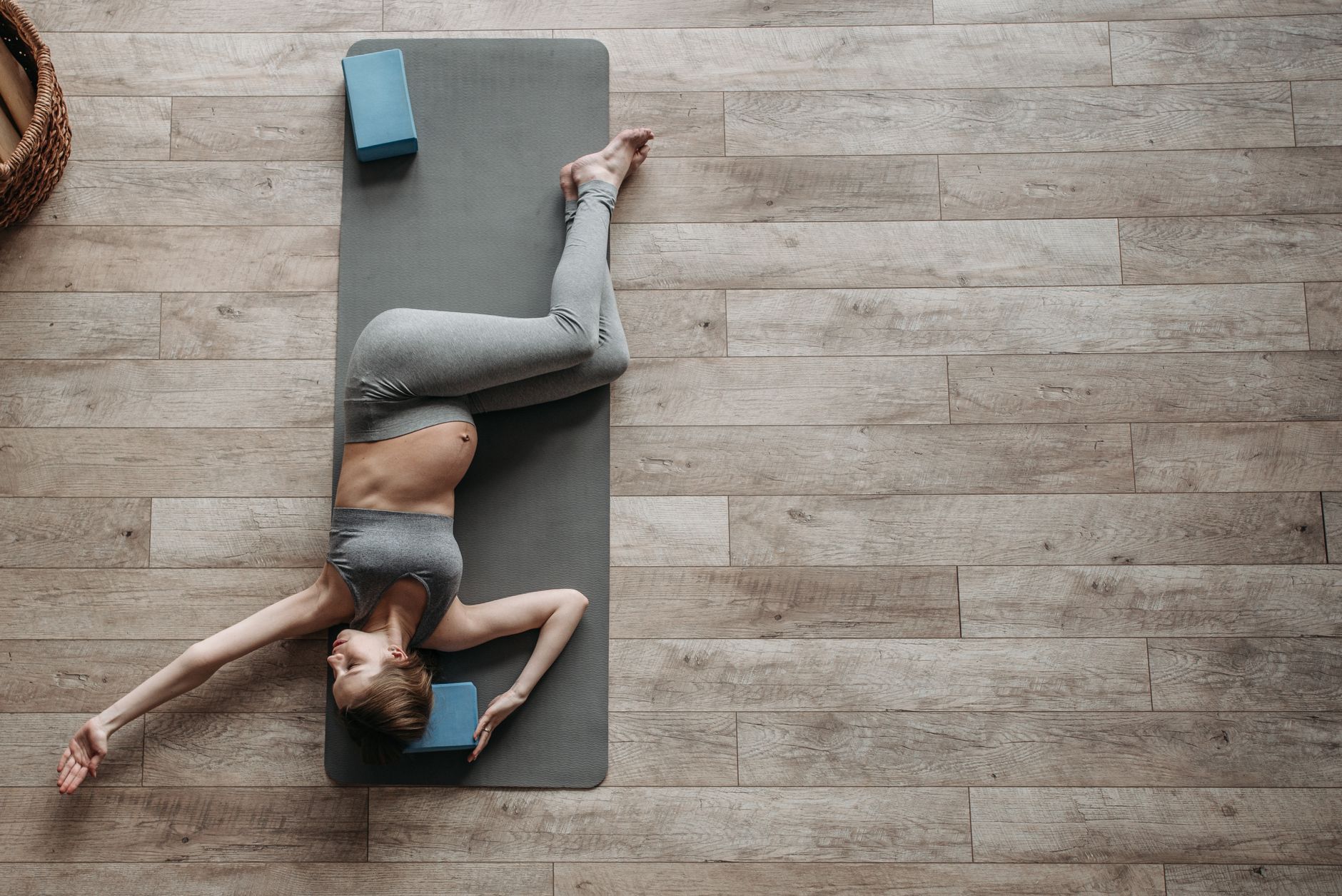
Difference between hip pain and pelvic girdle pain in pregnancy
Hip pain and pelvic girdle pain (PGP) are often lumped together, but they’re not the same thing. Understanding the difference can help you find the right relief—and know when to seek help. Here’s how to tell them apart.
What is pelvic girdle pain (PGP)?
PGP is a collection of uncomfortable symptoms caused by stiffness or uneven movement in the pelvic joints (the sacroiliac joints at the back and the pubic symphysis at the front). It affects up to 1 in 5 pregnant women and can cause pain in the:
- Lower back
- Hips (especially the sides or back of the hips)
- Groin
- Thighs
- Pubic area
PGP is often described as a deep, aching pain that gets worse with movement, especially activities that involve separating your legs (like getting out of a car or climbing stairs). Some women also hear or feel a clicking or grinding sensation in their pelvis.
How is PGP different from hip pain?
While hip pain and PGP can feel similar, there are a few key differences:
| Feature | Hip Pain | Pelvic Girdle Pain (PGP) |
|---|---|---|
| Location | Felt in the hip joint or outer hip (where your thigh meets your pelvis) | Felt in the lower back, hips, groin, thighs, or pubic area |
| Type of pain | Dull, achy, or stiff; may feel like muscle soreness | Deep, aching, or sharp; may feel like a grinding or clicking sensation |
| Triggers | Standing, walking, climbing stairs, rolling over in bed | Separating your legs (getting out of a car, climbing stairs, turning in bed), standing on one leg, or putting weight on one side |
| Relief | Rest, stretching, heat, or supportive gear (like a maternity belt) | Rest, avoiding triggers, physical therapy, or a pelvic support belt |
| When it starts | Can begin in any trimester, but often worsens in the third trimester | Often starts in the second trimester and may worsen as pregnancy progresses |
| Who it affects | Common in all pregnant women, especially those with a history of hip or back issues | More common in women with a history of back pain, previous PGP, or hypermobility (loose joints) |
Why does PGP happen?
PGP is caused by a combination of factors:
- Hormonal changes: Relaxin loosens your ligaments, which can make your pelvic joints unstable.
- Postural changes: As your belly grows, your posture shifts, putting extra strain on your pelvis.
- Muscle imbalances: Weak or tight muscles (like your glutes, hip flexors, or core) can pull on your pelvis, causing misalignment.
- Previous injuries: If you’ve had back pain, hip issues, or PGP in a previous pregnancy, you’re more likely to develop it again.
- Hypermobility: Women with naturally loose joints (like those with Ehlers-Danlos syndrome) are at higher risk for PGP.
How to manage PGP
If you suspect you have PGP, here’s what can help:
- See a physical therapist: A pelvic floor PT can assess your alignment, teach you safe exercises, and provide manual therapy to relieve pain.
- Wear a pelvic support belt: A belt like the Serola belt or OPTP belt can stabilize your pelvis and reduce pain. Wear it during activities like walking or standing for long periods.
- Avoid triggers: Steer clear of activities that involve separating your legs or putting uneven pressure on your pelvis (like crossing your legs, standing on one leg, or carrying a heavy bag on one shoulder).
- Modify your movements:
- To get out of a car: Keep your knees together and swing both legs out at the same time.
- To roll over in bed: Squeeze a pillow between your knees and roll your whole body at once (don’t twist).
- To climb stairs: Take one step at a time, leading with your stronger leg.
- Strengthen your core and glutes: Gentle exercises like clamshells, glute bridges (if comfortable), and seated knee lifts can improve stability. Avoid crunches or sit-ups, which can worsen PGP.
- Try acupuncture or chiropractic care: Some women find relief with these therapies, but choose a provider experienced in treating PGP.
“I thought my hip pain was just part of pregnancy until my PT diagnosed me with PGP,” says Danielle. “Once I started wearing a support belt and avoiding triggers, the pain improved dramatically.”
When to seek help for PGP
While PGP is common, it shouldn’t be ignored. Talk to your provider if:
- The pain is severe or worsening
- You’re struggling to walk or perform daily activities
- You have pain in your pubic area (could indicate symphysis pubis dysfunction, or SPD, a more severe form of PGP)
- The pain is accompanied by other symptoms (like fever, bleeding, or contractions)
PGP can make pregnancy challenging, but with the right support, most women find relief. If you’re dealing with hip pain, PGP, or both, the next step is knowing when it’s time to call your doctor.
When should I see a doctor for hip pain while pregnant?
Most hip pain in pregnancy is normal, but there are times when it’s a sign that something needs medical attention. Here’s how to know when to call your provider—and what to expect when you do.
Red flags: Symptoms that warrant a call
Contact your doctor or midwife right away if your hip pain is accompanied by any of the following:
- Severe or sudden pain: Pain that’s so intense you can’t walk, put weight on one leg, or perform daily activities.
- One-sided pain only: Pain that’s isolated to one hip (could indicate a blood clot, muscle tear, or other issue).
- Swelling, redness, or warmth in your leg: Could signal deep vein thrombosis (DVT), a blood clot that requires immediate treatment.
- Numbness or tingling: Could indicate nerve compression (like sciatica) or another issue.
- Fever or chills: Could signal an infection (like a UTI or kidney infection).
- Vaginal bleeding or spotting: Could indicate preterm labor or another complication.
- Fluid leaking from your vagina: Could mean your water has broken.
- Regular contractions: Contractions that come every 10 minutes or less (even if they’re painless) could signal preterm labor.
- Difficulty urinating or pain during urination: Could indicate a UTI or kidney infection.
- Pain that wakes you up at night: While hip pain is common at night, severe pain that disrupts your sleep could be a sign of something more serious.
What to expect at your appointment
When you call your provider, they’ll likely ask you a few questions to assess your symptoms:
- Where exactly is the pain located?
- When did it start, and has it gotten worse?
- What makes it better or worse?
- Are you experiencing any other symptoms (like fever, bleeding, or contractions)?
- Have you had hip or back pain before pregnancy?
Depending on your symptoms, your provider may:
- Examine you: They’ll check your hips, pelvis, and lower back for tenderness, swelling, or misalignment. They may also assess your gait (how you walk) and range of motion.
- Order tests: If they suspect an infection, they may order a urine test or blood work. If they’re concerned about preterm labor, they may perform a cervical exam or fetal monitoring.
- Refer you to a specialist: If your pain is severe or persistent, they may refer you to a physical therapist, chiropractor, or orthopedic specialist.
- Recommend imaging: In rare cases, they may order an ultrasound or MRI to rule out conditions like osteoporosis of pregnancy or a muscle tear. (Note: X-rays are avoided during pregnancy unless absolutely necessary.)
Common diagnoses for hip pain in pregnancy
If your provider determines your hip pain isn’t just “normal” pregnancy discomfort, they may diagnose one of the following:
- Pelvic girdle pain (PGP): As discussed earlier, PGP is caused by stiffness or misalignment in the pelvic joints. It’s usually managed with physical therapy, supportive gear, and activity modifications.
- Sciatica: Pressure on the sciatic nerve can cause shooting pain, numbness, or tingling in your hip, buttock, or leg. It’s often treated with physical therapy, stretching, and heat.
- Round ligament pain: Sharp, stabbing pains in the lower abdomen or hips, usually triggered by movement. It’s harmless but can be managed with rest and gentle stretching.
- Muscle strain or tear: Overuse or sudden movements can strain the muscles around your hips. Rest, ice, and physical therapy can help.
- Osteoporosis of pregnancy: A rare condition where pregnancy causes temporary bone loss, leading to hip or groin pain. It’s usually diagnosed with an MRI and treated with calcium, vitamin D, and physical therapy.
- Deep vein thrombosis (DVT): A blood clot in your leg can cause pain, swelling, and warmth. It requires immediate treatment with blood thinners to prevent complications.
- Urinary tract infection (UTI) or kidney infection: Can cause lower back or hip pain, along with burning during urination or fever. Treated with antibiotics.
What you can do while you wait
If you’re waiting for an appointment or test results, here’s how to stay comfortable:
- Rest as much as possible.
- Apply heat or ice to the painful area (15–20 minutes at a time).
- Take short walks to improve circulation (unless your provider advises otherwise).
- Wear a maternity belt or supportive shoes.
- Avoid activities that worsen the pain (

