
Quick take: Chest pain during pregnancy is common and usually harmless—often caused by heartburn, gas, or your growing uterus pressing on your ribs. But because pregnancy puts extra strain on your heart and circulation, it’s important to know when chest pain could signal something more serious, like preeclampsia, a blood clot, or heart issues. If your chest pain is severe, comes with shortness of breath, dizziness, or pain spreading to your arm or jaw, call your doctor or 911 right away. Otherwise, simple home remedies like adjusting your posture, eating smaller meals, and managing stress can help ease the discomfort.
It’s 3 a.m., and you’re wide awake. Your baby is kicking, your back aches, and now your chest feels tight—almost like someone’s sitting on it. You sit up, take a deep breath, and wonder: Is this normal? Chest pain during pregnancy can feel scary, especially when you’re already hyper-aware of every twinge in your body. The good news? Most of the time, it’s not dangerous. But because pregnancy changes so much about how your body works, it’s worth understanding what’s behind the discomfort—and when to take it seriously.
We’ve talked to hundreds of moms who’ve been there, and we’ve combed through the latest guidance from obstetricians and cardiologists to bring you the full picture. In this article, we’ll cover:
- What’s actually causing your chest pain (hint: it’s rarely your heart)
- How to tell if it’s just heartburn or something that needs a doctor’s attention
- Safe ways to get relief at home—tonight
- The red-flag symptoms that mean you should call 911 or your provider immediately
- Why your ribs, hormones, and even anxiety play a role in this uncomfortable symptom
Let’s start with the question on every mom’s mind: Is this normal, or should I be worried?
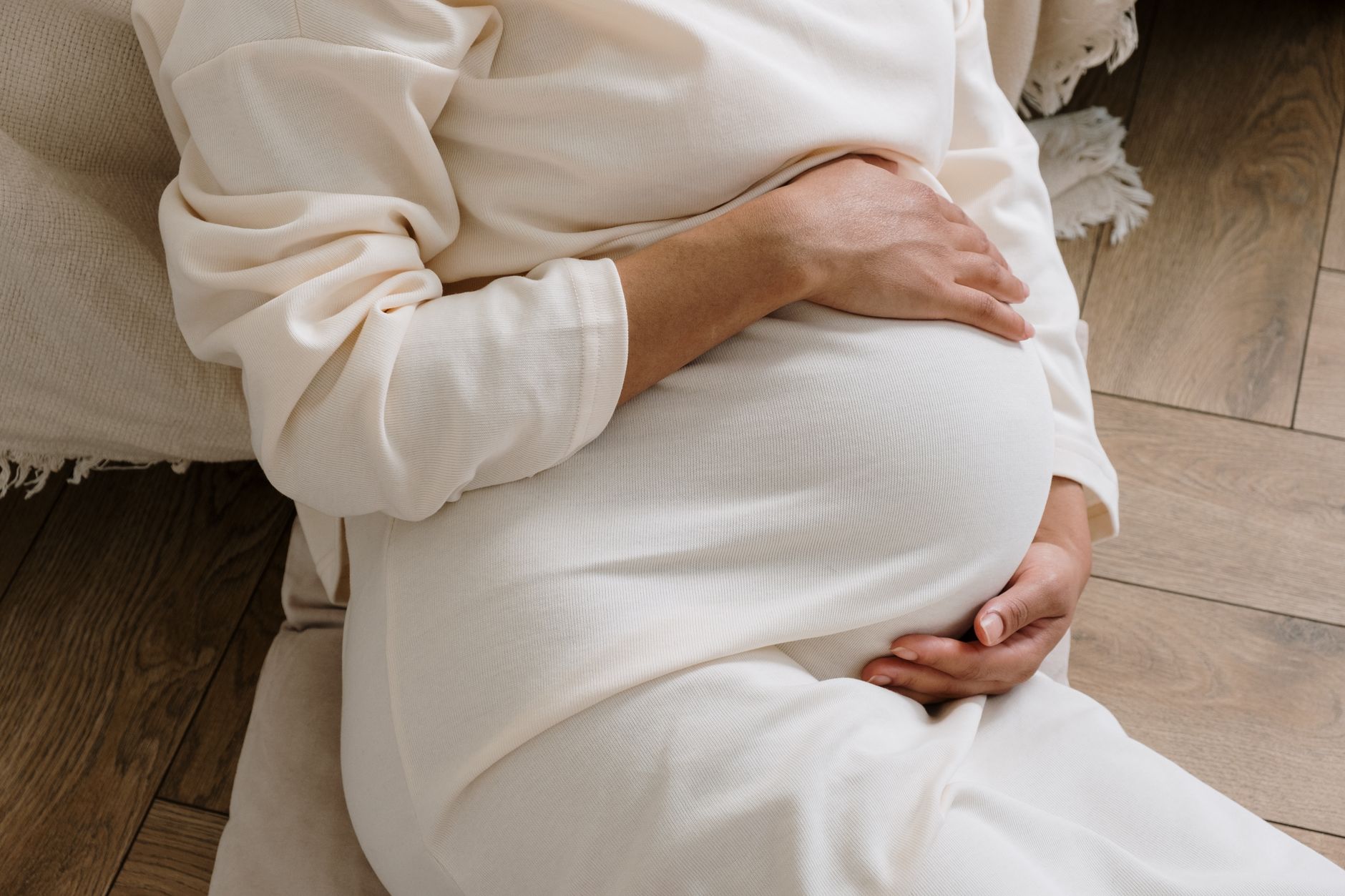
Is chest pain during pregnancy normal or dangerous?
First, take a deep breath: chest pain during pregnancy is very common. In fact, studies suggest that up to 70% of pregnant women experience some form of chest discomfort at some point. For most women, it’s a harmless (if annoying) part of the journey. But because pregnancy puts extra strain on your heart and lungs, it’s also a symptom you shouldn’t ignore entirely.
So, how do you know if your chest pain is just another pregnancy quirk or something that needs medical attention? The key is in the details—where it hurts, how it feels, and what else is going on with your body. Here’s the breakdown:
- Normal (and usually harmless):
- Mild, dull ache or pressure in the center of your chest
- Burning sensation behind your breastbone (often heartburn)
- Sharp pain under your ribs, especially on the right side
- Discomfort that comes and goes, especially after eating or lying down
- Pain that feels worse when you take a deep breath (often due to rib expansion)
- Potentially serious (call your doctor or 911):
- Severe, crushing pain in the center of your chest that lasts more than a few minutes
- Pain that spreads to your arm, jaw, back, or shoulder
- Chest pain with shortness of breath, dizziness, or fainting
- Chest pain with a racing heart, nausea, or cold sweats
- Sudden, sharp pain with swelling in one leg (could signal a blood clot)
One mom we spoke with, Sarah, described her experience in her third trimester: “It felt like someone was squeezing my chest every time I bent over to pick up my toddler. I panicked at first, but my midwife said it was just my ribs spreading to make room for the baby. Still, it freaked me out every time!” Sarah’s story is a great example of how chest pain can feel alarming even when it’s not dangerous. The trick is learning to spot the difference.
If your chest pain falls into the “normal” category, you’re likely dealing with one of the common, benign causes we’ll cover next. But if you’re ever in doubt—especially if the pain is severe or comes with other symptoms—trust your instincts and call your provider. It’s always better to be safe.
What causes chest pain in early pregnancy vs. third trimester?
Early pregnancy (first trimester)
In the first few months, your body is adjusting to a surge of hormones—especially progesterone and estrogen—which can cause a few unexpected side effects. Here’s what might be behind your chest pain now:
- Hormonal changes: Progesterone relaxes the muscles in your body, including the muscles in your digestive tract. This can slow down digestion, leading to gas, bloating, and heartburn—all of which can cause chest discomfort. It can also relax the valve between your stomach and esophagus, making heartburn more likely.
- Increased blood volume: Your blood volume starts to increase as early as 6 weeks, and by the end of your first trimester, you’ll have about 50% more blood circulating in your body. This extra fluid can put pressure on your blood vessels, including those around your heart, leading to mild chest tightness or pressure.
- Nausea and vomiting: If you’re dealing with morning sickness, the act of vomiting can strain your chest and abdominal muscles, leading to soreness or pain. Frequent vomiting can also irritate your esophagus, causing a burning sensation in your chest.
- Anxiety and stress: The first trimester can be an emotional rollercoaster. Anxiety about the pregnancy, hormonal fluctuations, and even excitement can trigger physical symptoms, including chest tightness or pain. Some women describe it as a “heavy” feeling in their chest, almost like they can’t take a full breath.
One reader, Maria, shared her experience: “I was so nauseous in my first trimester that I was vomiting multiple times a day. After a while, my chest started to hurt—like I’d done a hundred sit-ups. My doctor said it was just my muscles getting overworked from all the throwing up. It went away once my nausea got better.”
Second trimester
By the second trimester, many women start to feel better physically, but chest pain can still crop up. Here’s what might be causing it now:
- Growing uterus: As your baby grows, your uterus starts to push upward, putting pressure on your diaphragm (the muscle that helps you breathe). This can make it feel like you can’t take a full breath, which can sometimes translate to chest tightness or pain.
- Rib expansion: Your ribs start to widen to make room for your growing baby, which can cause sharp pains under your ribs or in your upper chest. This is especially common on the right side, where your liver is located.
- Heartburn: As your uterus grows, it can push stomach acid back up into your esophagus, causing heartburn. This often feels like a burning sensation in the center of your chest, behind your breastbone.
- Round ligament pain: The ligaments that support your uterus stretch as it grows, which can cause sharp pains in your lower abdomen or even radiate up into your chest. This is usually brief and triggered by movement, like rolling over in bed.
Third trimester
In the final stretch, chest pain is often at its worst—and it’s usually due to the physical demands of carrying a much larger baby. Here’s what’s likely behind it:
- Pressure from your uterus: By the third trimester, your uterus is pushing up against your diaphragm and ribs, which can cause a constant feeling of pressure or tightness in your chest. Some women describe it as feeling like they’re “wearing a too-tight bra” all the time.
- Shortness of breath: As your baby grows, your lungs have less room to expand, which can make it feel like you’re not getting enough air. This can sometimes cause chest pain, especially if you’re exerting yourself (like climbing stairs).
- Heartburn: Heartburn tends to peak in the third trimester as your uterus crowds your stomach. The burning sensation can be intense and may feel like it’s radiating into your chest.
- Rib pain: Your ribs are now fully expanded, and your baby’s head or feet might be pressing directly against them. This can cause sharp, stabbing pains under your ribs, especially on the right side.
- Braxton Hicks contractions: These “practice contractions” can sometimes cause a tightening or squeezing sensation in your chest, especially if they’re strong. They’re usually harmless but can be uncomfortable.
- Increased blood volume and cardiac strain: By the third trimester, your heart is working about 30–50% harder than usual to pump all that extra blood. This can sometimes lead to mild chest discomfort, especially if you’re lying flat or exerting yourself.
Jenna, a mom in her 36th week, told us: “I kept waking up at night with this sharp pain under my right rib. It felt like my baby was doing karate in there! My doctor said it was just my ribs expanding and my baby’s head pressing against them. It helped to know it was normal, but it still hurt like crazy.”
Here’s a quick comparison of what’s most likely causing your chest pain in each trimester:
| Trimester | Common Causes of Chest Pain | What It Feels Like |
|---|---|---|
| First | Hormonal changes, increased blood volume, nausea/vomiting, anxiety | Mild tightness, burning (heartburn), soreness from vomiting, “heavy” chest feeling |
| Second | Growing uterus, rib expansion, heartburn, round ligament pain | Sharp pain under ribs, pressure in chest, burning behind breastbone, brief stabbing pains |
| Third | Uterus pressure, shortness of breath, heartburn, rib pain, Braxton Hicks, cardiac strain | Constant tightness, sharp pain under ribs, burning, squeezing sensation, difficulty breathing |
While these causes are usually harmless, it’s important to remember that chest pain can sometimes signal something more serious—especially in the third trimester. We’ll cover those red flags in detail later, but first, let’s talk about when you should definitely call your doctor.
When should I worry about chest pain during pregnancy and call a doctor?
Most chest pain during pregnancy is harmless, but there are times when it can signal a serious problem. The key is knowing the difference between “annoying but normal” and “this needs medical attention now.” Here’s how to tell when your chest pain is a red flag—and what to do about it.
Red-flag symptoms: Call 911 or go to the ER
Some symptoms are never normal during pregnancy, and they warrant immediate medical attention. If you experience any of the following along with chest pain, call 911 or have someone take you to the emergency room right away:
- Severe, crushing pain in the center of your chest that lasts more than a few minutes or comes and goes. This could signal a heart attack, especially if it feels like pressure, squeezing, or fullness.
- Pain that spreads to your arm, jaw, back, or shoulder. This is a classic sign of a heart attack and should never be ignored.
- Chest pain with shortness of breath, dizziness, or fainting. This could indicate a blood clot in your lungs (pulmonary embolism), preeclampsia, or heart problems.
- Chest pain with a racing heart, nausea, cold sweats, or extreme fatigue. These are also signs of a heart attack or other serious cardiac issue.
- Sudden, sharp chest pain with swelling in one leg. This could signal a deep vein thrombosis (DVT), a blood clot that can travel to your lungs and become life-threatening.
- Chest pain with severe headache, vision changes, or sudden swelling in your hands or face. These are signs of preeclampsia, a serious pregnancy complication that requires immediate treatment.
One mom, Lisa, shared her story: “I was 32 weeks pregnant and woke up with this crushing pain in my chest. It felt like an elephant was sitting on me. I also had pain in my left arm and was so dizzy I could barely stand. My husband called 911, and it turned out I was having a heart attack. I had no idea that could happen during pregnancy.” Lisa’s story is rare, but it’s a powerful reminder that chest pain should never be ignored—especially if it comes with other symptoms.
Symptoms that warrant a call to your doctor (same day)
Some symptoms aren’t emergencies but still need to be checked out by your provider as soon as possible. Call your doctor or midwife if you experience any of the following:
- Chest pain that’s getting worse or happening more often, even if it’s mild. This could signal an underlying issue like heartburn, gallbladder problems, or even early signs of preeclampsia.
- Chest pain with a fever or cough. This could indicate a respiratory infection like pneumonia, which can be dangerous during pregnancy.
- Chest pain that’s worse when you lie down or bend over. This could be a sign of severe heartburn, a hiatal hernia, or even a heart issue.
- Chest pain with vomiting or difficulty swallowing. This could signal severe acid reflux or another digestive issue that needs treatment.
- Chest pain that wakes you up at night or makes it hard to sleep. While this can be normal, it’s worth mentioning to your provider to rule out anything serious.
- Chest pain with unusual fatigue or swelling. These could be early signs of preeclampsia or heart problems.
When to mention it at your next appointment
If your chest pain is mild, comes and goes, and isn’t accompanied by any of the red-flag symptoms above, it’s still worth mentioning at your next prenatal visit. Your provider can help you figure out what’s causing it and suggest ways to manage it. Here’s what to tell your doctor:
- When the pain started and how often it happens
- Where it hurts (center of chest, under ribs, left side, etc.)
- What it feels like (sharp, dull, burning, pressure, etc.)
- What makes it better or worse (eating, lying down, moving, etc.)
- Any other symptoms you’ve noticed (shortness of breath, dizziness, nausea, etc.)
Here’s a quick reference table to help you decide what to do:
| Symptom | What It Could Mean | What to Do |
|---|---|---|
| Crushing chest pain + pain in arm/jaw/back | Heart attack | Call 911 immediately |
| Chest pain + shortness of breath + dizziness | Pulmonary embolism, preeclampsia, or heart issue | Call 911 immediately |
| Chest pain + swelling in one leg | Blood clot (DVT) | Call 911 or go to the ER |
| Chest pain + severe headache + vision changes | Preeclampsia | Call 911 or go to the ER |
| Chest pain that’s getting worse or more frequent | Heartburn, gallbladder issues, or preeclampsia | Call your doctor today |
| Chest pain with fever or cough | Respiratory infection (e.g., pneumonia) | Call your doctor today |
| Mild, occasional chest pain with no other symptoms | Heartburn, gas, rib expansion, or anxiety | Mention at your next appointment |
Remember: It’s always better to err on the side of caution. If something doesn’t feel right, trust your instincts and call your provider. They’d rather hear from you and tell you everything’s fine than miss something serious.
How to relieve chest pain during pregnancy at home safely
If your chest pain is mild and not accompanied by any red-flag symptoms, there are plenty of safe, effective ways to get relief at home. The key is figuring out what’s causing the discomfort and then targeting it with the right remedy. Here’s what you can try tonight to ease the pain—and when to avoid certain strategies.
For heartburn-related chest pain
Heartburn is one of the most common causes of chest pain during pregnancy, especially in the second and third trimesters. The burning sensation can feel intense, and it often gets worse when you lie down or bend over. Here’s how to tame it:
- Eat smaller, more frequent meals. Overeating can trigger heartburn by putting pressure on your stomach. Aim for 5–6 small meals a day instead of 3 large ones. One mom, Priya, told us: “I kept a stash of healthy snacks—like almonds and whole-grain crackers—in my purse. Eating small amounts throughout the day kept my heartburn in check.”
- Avoid trigger foods. Common culprits include spicy foods, citrus, tomatoes, chocolate, coffee, carbonated drinks, and fatty or fried foods. Keep a food diary to figure out what sets off your heartburn, and then steer clear of those foods.
- Don’t lie down right after eating. Wait at least 2–3 hours after a meal before lying down or going to bed. Gravity helps keep stomach acid where it belongs—down in your stomach. If you need to lie down sooner, prop yourself up with pillows so your upper body is elevated.
- Wear loose-fitting clothing. Tight waistbands or bras can put pressure on your stomach and push acid up into your esophagus. Opt for stretchy, comfortable fabrics that don’t dig into your belly or chest.
- Try over-the-counter antacids. Products like Tums, Rolaids, or Maalox can provide quick relief. They’re generally safe during pregnancy, but check with your provider first—especially if you’re taking other medications. Avoid antacids that contain sodium bicarbonate (like Alka-Seltzer) or magnesium trisilicate, as these can be harmful in large amounts.
- Sip on ginger tea or chew gum. Ginger can help settle your stomach, and chewing gum after meals stimulates saliva production, which can neutralize stomach acid. Just make sure the gum is sugar-free to protect your teeth.
- Sleep on your left side. This position helps keep your stomach below your esophagus, making it harder for acid to creep up. Use a pregnancy pillow to support your belly and keep you comfortable.
For gas and bloating
Gas and bloating are another common cause of chest pain, especially in the first trimester. Progesterone relaxes your digestive muscles, which can slow down digestion and lead to trapped gas. Here’s how to find relief:
- Move your body. Gentle exercise, like walking or prenatal yoga, can help get things moving in your digestive tract. Even a 10-minute walk after meals can make a big difference. One reader, Emily, said: “I started taking a short walk after dinner, and it cut my gas pain in half. It was such a simple fix!”
- Avoid gas-producing foods. Beans, broccoli, cabbage, onions, and carbonated drinks are common culprits. If you’re not sure what’s causing your gas, try eliminating one food at a time to see if your symptoms improve.
- Eat slowly and chew thoroughly. Gulping down your food or eating too quickly can cause you to swallow air, which leads to gas. Take your time, and chew each bite thoroughly before swallowing.
- Try simethicone (Gas-X). This over-the-counter medication helps break up gas bubbles in your digestive tract, making them easier to pass. It’s generally safe during pregnancy, but check with your provider first.
- Drink peppermint tea. Peppermint can help relax your digestive muscles and ease gas pain. Just avoid peppermint if you have heartburn, as it can relax the valve between your stomach and esophagus and make reflux worse.
- Massage your belly. Gently massaging your abdomen in a clockwise direction can help move trapped gas through your digestive tract. Use a little coconut oil or lotion to make it more comfortable.
For rib and muscle pain
As your baby grows, your ribs expand to make room, and your muscles stretch to accommodate your changing body. This can lead to sharp pains under your ribs or in your upper chest. Here’s how to ease the discomfort:
- Adjust your posture. Slouching can put extra pressure on your ribs and chest. Stand up straight, roll your shoulders back, and imagine a string pulling you up from the top of your head. One mom, Rachel, shared: “I set reminders on my phone to check my posture every hour. It made a huge difference in my rib pain.”
- Wear a supportive bra. A well-fitting, supportive bra can take pressure off your ribs and chest. Look for one with wide straps and no underwire. Many maternity stores offer bra-fitting services to help you find the right size.
- Try a pregnancy support belt. These belts wrap around your belly and lift it slightly, taking pressure off your ribs and back. They can be especially helpful in the third trimester.
- Apply heat or cold. A heating pad or warm compress can help relax tight muscles, while an ice pack can reduce inflammation. Try both to see what works best for you. Just don’t apply heat or cold directly to your skin—wrap it in a towel first.
- Practice gentle stretches. Stretching can help relieve tension in your ribs and chest. Try this simple stretch: Sit in a chair, raise your arms overhead, and lean gently to the left. Hold for 10–15 seconds, then repeat on the other side. Stop if you feel any pain.
- Change positions frequently. Sitting or standing in one position for too long can make rib pain worse. Shift positions often, and take breaks to walk around or stretch.
For anxiety-related chest pain
Anxiety and stress can cause physical symptoms, including chest tightness or pain. This is especially common during pregnancy, when hormonal changes and worries about the future can take a toll on your mental health. Here’s how to manage it:
- Practice deep breathing. Slow, deep breaths can help calm your nervous system and ease chest tightness. Try inhaling for 4 seconds, holding for 4 seconds, and exhaling for 6 seconds. Repeat for a few minutes until you feel more relaxed.
- Try prenatal yoga or meditation. These practices can help reduce stress and anxiety, which may ease chest pain. Many apps and YouTube channels offer free prenatal yoga and meditation sessions.
- Talk to someone. Sharing your worries with a partner, friend, or therapist can help lighten the emotional load. Sometimes just saying your fears out loud can make them feel less overwhelming.
- Get moving. Exercise releases endorphins, which are natural mood boosters. Even a short walk or a dance session in your living room can help reduce anxiety and chest tightness.
- Limit caffeine. Too much caffeine can worsen anxiety and make chest pain feel more intense. Try cutting back on coffee, tea, and energy drinks, and see if your symptoms improve.
- Prioritize sleep. Lack of sleep can make anxiety worse, which can lead to more chest pain. Aim for 7–9 hours of sleep per night, and take naps if you need to. Use pillows to prop yourself up if heartburn or shortness of breath is keeping you awake.
For general chest discomfort
If you’re not sure what’s causing your chest pain, or if it’s a mix of several things, these general strategies can help:
- Stay hydrated. Dehydration can worsen many pregnancy symptoms, including chest pain. Aim for at least 8–10 cups of water a day, and more if you’re active or it’s hot outside. One mom, Jessica, said: “I kept a water bottle with me everywhere I went. Sipping water throughout the day helped with my chest tightness and my headaches.”
- Elevate your upper body while sleeping. Use a wedge pillow or extra pillows to prop yourself up. This can help with heartburn, shortness of breath, and general chest discomfort.
- Avoid smoking and secondhand smoke. Smoking can worsen chest pain and harm your baby. If you’re struggling to quit, talk to your provider about safe strategies or support programs.
- Try acupuncture or prenatal massage. These therapies can help relieve tension and ease chest pain. Just make sure your practitioner is trained in prenatal care.
- Wear comfortable, supportive shoes. High heels or unsupportive shoes can throw off your posture and put extra strain on your chest and ribs. Opt for flats or low heels with good arch support.
Here’s a quick reference table for home remedies:
| Cause of Chest Pain | Safe Home Remedies | Avoid |
|---|---|---|
| Heartburn | Smaller meals, avoid trigger foods, don’t lie down after eating, antacids, ginger tea, sleep on left side | Spicy foods, citrus, coffee, carbonated drinks, tight clothing |
| Gas/bloating | Walk after meals, avoid gas-producing foods, eat slowly, simethicone, peppermint tea, belly massage | Beans, broccoli, cabbage, onions, carbonated drinks |
| Rib/muscle pain | Good posture, supportive bra, pregnancy belt, heat/cold, gentle stretches, change positions often | Slouching, tight bras, staying in one position too long |
| Anxiety | Deep breathing, prenatal yoga, talk to someone, exercise, limit caffeine, prioritize sleep | Caffeine, skipping meals, isolating yourself |
| General discomfort | Stay hydrated, elevate upper body while sleeping, avoid smoking, acupuncture/massage, supportive shoes | Dehydration, smoking, high heels, unsupportive shoes |
If your chest pain doesn’t improve with these remedies, or if it’s getting worse, don’t hesitate to call your provider. They can help you figure out what’s going on and suggest other safe treatments.
Can heartburn cause chest pain during pregnancy and how to tell the difference
If you’ve ever felt a burning sensation in your chest after eating, you’re not alone. Heartburn is one of the most common causes of chest pain during pregnancy, affecting up to 80% of moms-to-be. But how do you know if that discomfort is just heartburn or something more serious? Let’s break down what heartburn feels like, how to tell it apart from other causes of chest pain, and what you can do to find relief.
What does heartburn feel like?
Heartburn during pregnancy usually feels like a burning sensation in the center of your chest, behind your breastbone. It can start in your upper abdomen and move up into your chest, and it often gets worse when you lie down, bend over, or eat certain foods. Some women describe it as:
- A burning or warm sensation in the chest
- A sour or bitter taste in the mouth
- A feeling of food “coming back up” into the throat
- Discomfort that starts after eating and lasts for a few minutes to several hours
- A sensation of pressure or fullness in the chest
One mom, Amanda, told us: “I thought I was having a heart attack the first time I felt heartburn during pregnancy. It was this intense burning in my chest, and it lasted for hours. I called my doctor, and she laughed and said, ‘Welcome to pregnancy heartburn!’” Amanda’s story is a great reminder that heartburn can feel alarming, even when it’s harmless.
Why does heartburn happen during pregnancy?
Heartburn during pregnancy is caused by a combination of hormonal and physical changes. Here’s what’s going on:
- Progesterone: This hormone relaxes the muscles in your body, including the lower esophageal sphincter (LES)—the valve that separates your stomach from your esophagus. When the LES relaxes, stomach acid can flow back up into your esophagus, causing heartburn.
- Growing uterus: As your baby grows, your uterus pushes up against your stomach, which can force stomach acid back into your esophagus. This is why heartburn tends to get worse as your pregnancy progresses.
- Slower digestion: Progesterone also slows down digestion, which means food stays in your stomach longer. This increases the chance of stomach acid flowing back into your esophagus.
How to tell heartburn apart from other causes of chest pain
Heartburn isn’t the only thing that can cause chest pain during pregnancy, so it’s important to know how to tell it apart from other conditions. Here’s a comparison of heartburn and other common causes of chest pain:
| Symptom | Heartburn | Heart Attack | Pulmonary Embolism | Preeclampsia | Muscle/Rib Pain | Anxiety |
|---|---|---|---|---|---|---|
| Location of pain | Center of chest, behind breastbone | Center of chest, may spread to arm/jaw/back | Chest, often Editor's pick for this topic Not sure about the label on Why Am I Having Chest Pain During Pregnancy products?Snap the ingredients list and SafeFilter checks every ingredient for your stage — only 3 free scans this month, then you're locked until reset. Unlimited from $7/mo or $50/yr. Informational only — not medical advice.  About the AuthorWhen Shubhra Mishra was expecting her first child in 2016, she was overwhelmed by conflicting food advice — one site said yes, another said never. By the time her second baby arrived in 2019, she realized millions of mothers face the same confusion. That sparked a five-year journey through clinical nutrition papers, cultural diets, and expert conversations — all leading to BumpBites: a calm, compassionate space where science meets everyday motherhood. Her long-term vision is to build a global community ensuring safe, supported, and free deliveriesfor every mother — because no woman should face pregnancy alone or uninformed. 🌿 🌍 Stand with mothers, shape safer guidanceJoin a small circle of experts who review BumpBites articles so expecting parents everywhere can decide with confidence. ⚠️ Always consult your doctor for medical advice. This content is informational only. Long-form pregnancy guidesHand-curated deep-dive guides — go beyond the article above. More Pregnancy guides
Recommended picks  Prenatal pick Ritual — Ritual Essential Prenatal Choline + DHA + folate from methylfolate (not synthetic).  Prenatal pick Nordic Naturals — Nordic Naturals Prenatal DHA (Strawberry Softgels) Premium fish-oil DHA in strawberry softgels — gentle on the stomach. |