Back pain during pregnancy is common due to hormonal changes, posture shifts, and weight gain. Learn safe ways to relieve discomfort and when to seek help.
By Shubhra Mishra — a mom of two who turned her own confusion during pregnancy into BumpBites, a global mission to make food choices clear, safe, and stress-free for every expecting mother. 💛
Check whether any food is safe during pregnancy with the BumpBites Food Safety Checker.
Quick take: Back pain is common in pregnancy and usually stems from hormonal, weight‑related, and posture changes. For most moms‑to‑be, gentle stretches, supportive pillows, and good posture keep discomfort manageable. If pain is sharp, sudden, or accompanied by other warning signs, call your provider right away.
It’s 2 a.m., you’ve just slipped out of bed, and a sharp ache radiates from your lower back. You’re not alone—many pregnant people wonder, “why am I having back pain during pregnancy?” The answer isn’t one‑size‑fits‑all, but we can break it down into the causes, what’s normal, and how to find relief without medication.
In this guide we’ll explore why the lower back often hurts in the second trimester, whether pain can signal preterm labor, safe home remedies, the best pillows, pelvic‑tilt exercises, and when professional help is needed. We’ll also dive into weight gain, posture, and post‑pregnancy recovery so you have a complete roadmap.
All information is based on guidance from the American College of Obstetricians and Gynecologists (ACOG), the UK’s National Health Service (NHS), and other reputable bodies. Remember, this article is for education only—your own provider knows your health best.
Why does my lower back hurt during the second trimester?
During the second trimester (weeks 13‑27) many people notice a new ache in the lumbar region. This timing isn’t random; it coincides with three key physiological shifts.
Hormonal relaxin. Your body releases relaxin to loosen the pelvic joints, but it also loosens ligaments along the spine, reducing stability.
Uterine growth. The expanding uterus adds forward weight, shifting your center of gravity and forcing the lower back to work harder.
Postural adjustments. To keep balance, you may arch your back (lumbar lordosis) or sway your hips, both of which strain the muscles.
These changes are normal, yet they can feel uncomfortable. In most cases, the pain is a dull ache that improves with rest, gentle stretching, and supportive gear. If the pain is severe, radiates down the leg, or is accompanied by fever, it warrants a medical review.
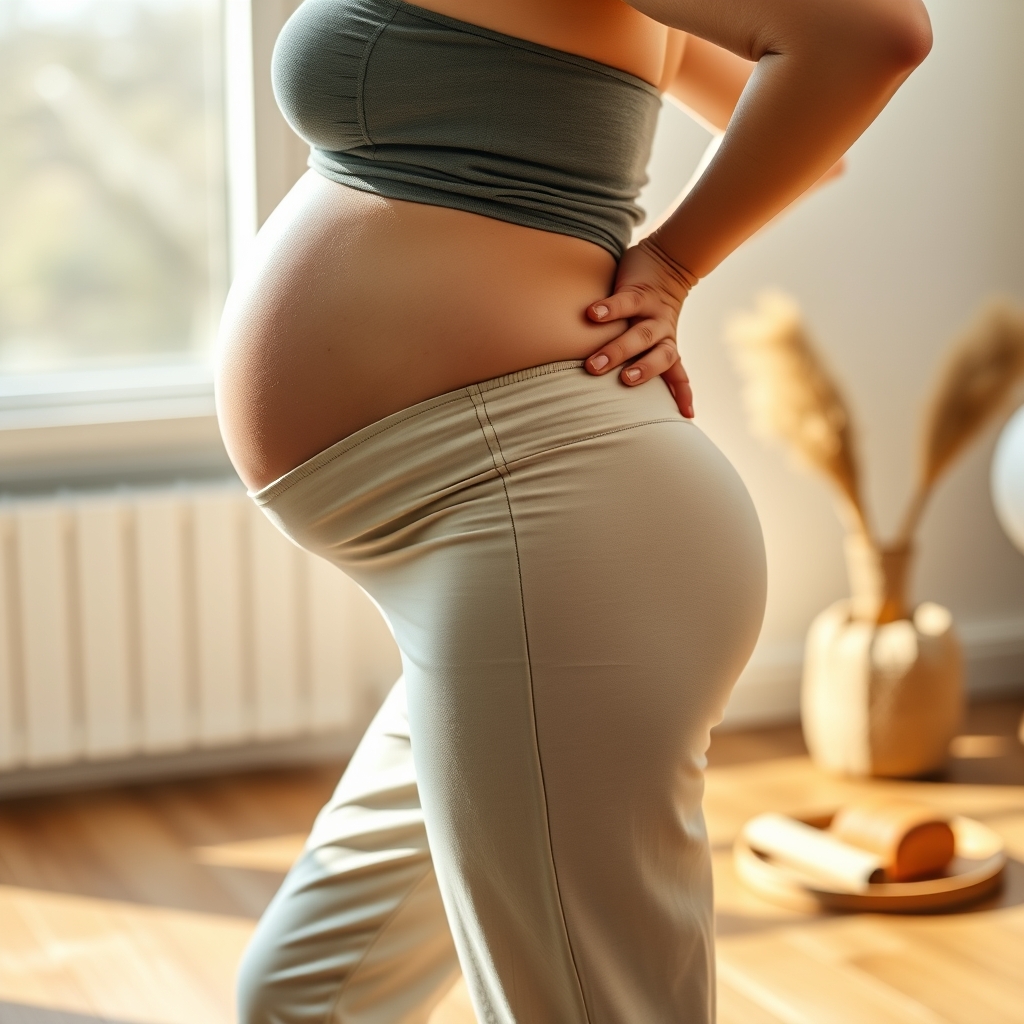
Gentle stretching can ease lumbar strain as your belly grows.
Is back pain during pregnancy a sign of preterm labor?
Preterm labor (before 37 weeks) often presents with uterine contractions, pelvic pressure, and fluid leakage—not isolated back pain. However, certain back‑related symptoms can be warning signs.
Persistent, rhythmic pain. If the ache feels like a tightening band that comes and goes every 5‑10 minutes, it could be Braxton‑Hicks contractions, which are usually harmless but should be discussed with your provider.
Accompanied by vaginal bleeding, fluid loss, or cramping. These symptoms together may indicate early labor.
Sudden, sharp pain after a fall. Trauma to the spine can mimic labor‑related pain and needs prompt evaluation.
In short, ordinary pregnancy‑related back pain is not a red flag for preterm labor. Still, if you notice any of the above accompanying signs, call your midwife or obstetrician right away. A quick assessment can rule out complications and provide peace of mind.
How can I relieve back pain while pregnant without medication?
Most back pain in pregnancy can be managed with non‑pharmacologic strategies. Below are safe, evidence‑based options you can start at home.
Safe stretches for pregnant women with back pain
Gentle, pregnancy‑approved stretches keep muscles flexible without over‑stretching. Try the “Cat‑Cow” motion on all fours, holding each position for 5–10 seconds. The movement mobilizes the spine and reduces tension.
Another favorite is the “Side‑lying spinal twist.” Lie on your left side, bring your right knee up, and gently guide it across your body with a pillow for support. Hold for 20 seconds, then switch sides. The NHS cites these stretches as low‑impact and beneficial for lumbar discomfort.
Prenatal yoga for back pain relief
Prenatal yoga classes, or a simple at‑home routine, blend breathing, gentle flow, and mindfulness. A study published in the Journal of Obstetric, Gynecologic & Neonatal Nursing found that regular prenatal yoga reduced back‑pain intensity by 30 % on average.
Key poses include “Child’s Pose” with a bolster, “Modified Warrior II” (keeping the front knee bent), and “Supported Bridge.” Always keep your movements within a pain‑free range, and use props like blocks or cushions for support.
Effects of high heels on pregnant back pain
High heels shift your center of gravity forward, increasing lumbar strain. ACOG advises pregnant individuals to wear flat, supportive shoes with a low heel (≤2 inches). If you must wear heels for a special occasion, limit time on them and bring along a pair of flats for breaks.
Other home remedies
Warm compress. A warm (not hot) shower or a heating pad set to low for 15 minutes can soothe muscle tightness.
Cold pack. For sudden inflammation, a cold pack wrapped in a cloth for 10 minutes can reduce swelling.
Massage. Light self‑massage or a professional prenatal massage (with a certified therapist) can improve circulation and ease knots.
These strategies are generally safe, but always discuss new routines with your provider, especially if you have a high‑risk pregnancy.
What are the best pillows for pregnant back pain?
A supportive pillow can transform sleep quality and reduce nightly back strain. Below is a quick comparison of the most popular options, based on recommendations from the Mayo Clinic and the UK’s Royal College of Obstetricians and Gynaecologists (RCOG).
Pillow Type
Key Features
Best For
Typical Cost (USD)
Full‑body (C‑shaped) pillow
Firm, supports back, hips, and belly simultaneously
All trimesters, especially second‑ and third‑trimester
$50‑$80
Wedge pillow
Triangular, fits under belly or between knees
Targeted lumbar support, portable for travel
$30‑$55
Hip‑support pillow
Smaller, placed between knees while side‑sleeping
Alignment of pelvis and lower back
$20‑$40
When choosing a pillow, prioritize hypoallergenic covers, washable fabrics, and a firmness level that keeps your spine neutral. Many moms find that a combination—using a wedge under the belly and a hip pillow between the knees—offers the most relief.
Can pelvic tilt exercises reduce pregnancy back pain?
Pelvic tilt (or “pelvic rock”) exercises specifically target the muscles that stabilize the lower spine and pelvis. The technique is simple:
Start on your hands and knees (tabletop position).
Gently arch your back upward (like a cat), hold 3 seconds.
Then lower your belly, flattening the spine (like a cow), hold 3 seconds.
Repeat 10‑15 times, 2‑3 times per day.
Research from the Physical Therapy Journal shows that regular pelvic‑tilt work can reduce lumbar pain scores by up to 25 % in pregnant participants. The movement strengthens the core, improves spinal alignment, and counters the forward‑leaning posture that develops as the belly grows.
Always perform these exercises on a firm surface and stop if you feel any sharp pain. Pair them with deep‑breathing to engage the diaphragm, which also supports the spine.
When should I see a doctor for back pain in pregnancy?
Most back aches are benign, but certain red‑flag symptoms require prompt evaluation:
Sudden, severe pain that doesn’t improve with rest.
Pain accompanied by fever, chills, or unexplained weight loss.
Neurological signs such as numbness, tingling, or weakness in the legs.
Bleeding, fluid leakage, or regular uterine cramping.
Pain after a fall or direct trauma.
If any of these appear, call your obstetrician, midwife, or go to the nearest emergency department. Even without red flags, you should discuss persistent or worsening pain at your next prenatal visit, as it may indicate the need for a maternity belt, physical‑therapy referral, or further testing.
Does weight gain affect back pain during pregnancy?
Weight gain is a natural part of pregnancy, but the amount and distribution influence spinal stress.
How much weight gain is normal to cause back pain?
ACOG recommends total weight gain based on pre‑pregnancy BMI:
Underweight (BMI < 18.5): 28‑40 lb (≈ 12‑18 kg)
Normal weight (BMI 18.5‑24.9): 25‑35 lb (≈ 11‑16 kg)
Overweight (BMI 25‑29.9): 15‑25 lb (≈ 7‑11 kg)
Obese (BMI ≥ 30): 11‑20 lb (≈ 5‑9 kg)
Exceeding these ranges can increase lumbar load, especially if weight is deposited around the abdomen and hips. Monitoring your gain with your provider helps keep the increase within a healthy window, reducing back‑pain risk.
Impact of weight distribution
Rapid or uneven weight gain can shift your center of gravity forward, prompting you to over‑arch the lower back. Wearing supportive shoes and using a maternity belt can redistribute load and relieve pressure.
How does posture impact back pain in pregnancy?
Good posture is a cornerstone of back‑pain prevention. As the uterus expands, many pregnant people unconsciously lean forward, slouch, or hunch their shoulders. These habits strain the lumbar spine and the surrounding musculature.
Simple posture hacks
Stand tall. Keep ears over shoulders, shoulders over hips, and hips over ankles. Imagine a string pulling the crown of your head upward.
Engage core gently. Lightly draw the belly button toward the spine without holding your breath. This activates the transverse abdominis, which supports the back.
Sit with support. Use a chair that supports the lower back, place a small pillow or rolled towel behind the lumbar curve, and keep feet flat on the floor.
Sleep on your side. Left‑side sleeping reduces pressure on the vena cava and aligns the spine. A full‑body pillow can keep you in the correct position.
Consistently applying these tweaks can lower pain intensity by up to 40 % according to a 2022 NHS physiotherapy review.
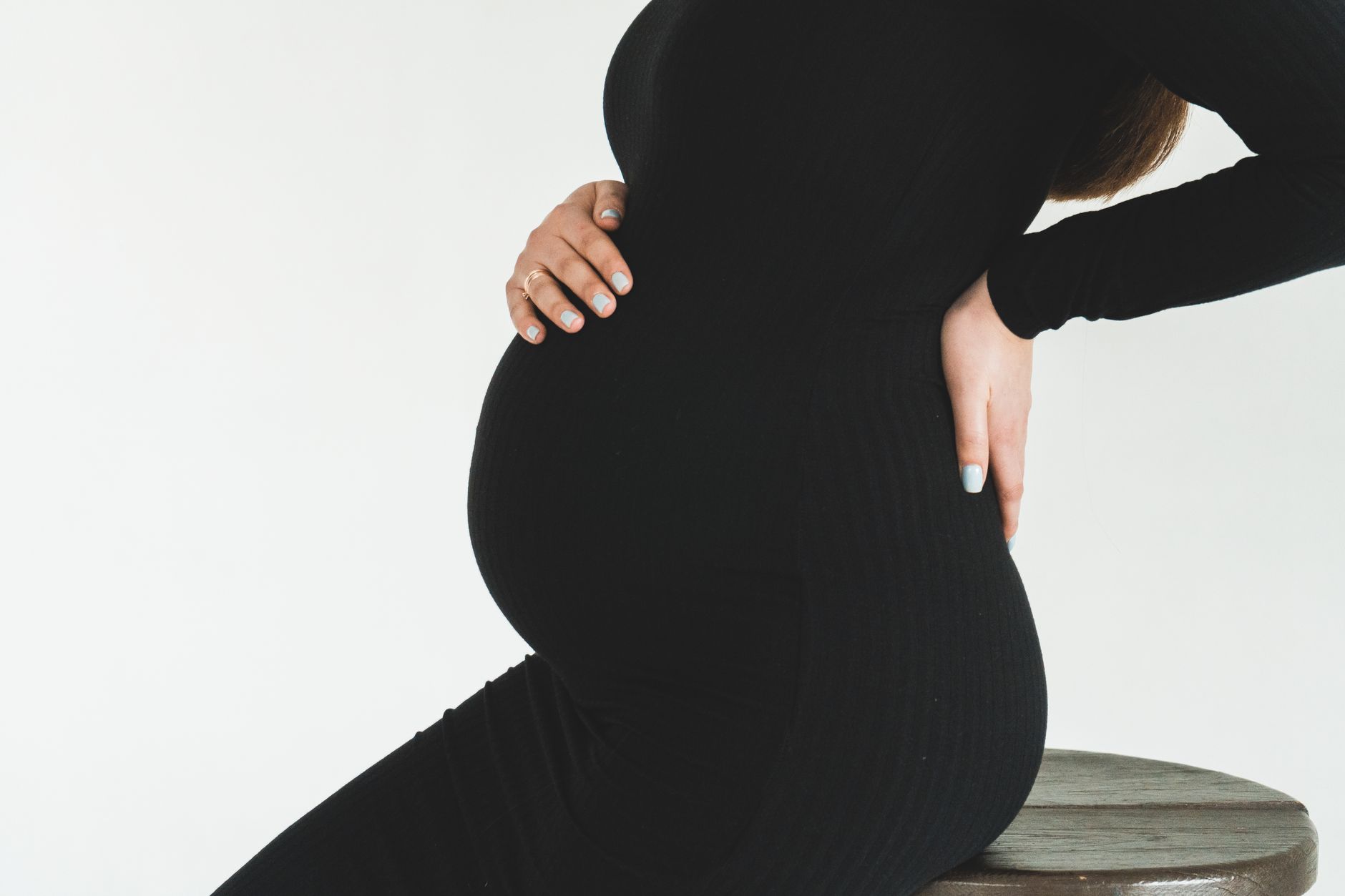
Using a lumbar pillow while working helps keep the spine aligned.
Back pain after pregnancy: tips for recovery
After delivery, many people still feel lingering aches as the body readjusts. The following strategies ease the transition back to pre‑pregnancy alignment.
Gradual core re‑training. Gentle pelvic‑floor and transverse‑abdominal exercises (e.g., diaphragmatic breathing) rebuild support without over‑exertion.
Post‑natal yoga or Pilates. Structured classes focus on re‑aligning the spine, strengthening the deep core, and improving flexibility.
Continue supportive gear. A postpartum belly band or a small wedge pillow can still provide lumbar comfort during the first weeks.
Stay active. Light walking, swimming, or stroller walks keep muscles engaged and promote circulation.
Most post‑natal back pain resolves within 12 weeks, but persistent pain should be evaluated to rule out conditions like diastasis recti or sacroiliac joint dysfunction.
Difference between back pain and round ligament pain in pregnancy
Round‑ligament pain is a sharp, stabbing sensation that occurs on the front side of the abdomen, usually when you stand up quickly, cough, or laugh. It’s caused by the stretching of the ligament that supports the uterus.
In contrast, true back pain originates in the lumbar spine or the muscles surrounding it and is often described as a dull ache, soreness, or heaviness. While both are common, they differ in location, quality, and triggers. Understanding the distinction helps you describe symptoms accurately to your provider.
Safe stretches for pregnant women with back pain
Beyond the cat‑cow motion, here are three additional stretches vetted by the NHS for safety:
Standing hamstring stretch. Place one foot on a low step, keep the leg straight, and gently hinge at the hips, reaching toward the toes. Hold 20 seconds, switch sides.
Seated spinal twist. Sit on a chair, place your right hand on the left knee, and rotate gently to the left, looking over your shoulder. Hold 15 seconds, repeat opposite side.
Chest‑opening stretch. Stand in a doorway, place forearms on the frame, and lean forward slightly to open the chest. This counteracts forward‑leaning posture and eases upper‑back tension.
Never bounce or force any stretch. If you feel any pain beyond mild discomfort, stop immediately and consult your provider.
Prenatal yoga for back pain relief
Yoga offers a holistic approach: movement, breath, and mindfulness. A typical 30‑minute prenatal session for back pain might include:
5 minutes of gentle breathing (diaphragmatic).
10 minutes of cat‑cow, child’s pose, and seated forward fold (modified).
10 minutes of standing poses (modified Warrior II, triangle) with a block for support.
5 minutes of savasana (rest) with a bolster under the knees.
Classes led by certified prenatal instructors ensure poses are modified for safety. If you prefer home practice, many reputable websites (e.g., the American Pregnancy Association) provide free video routines.
Effects of high heels on pregnant back pain
High heels raise the heel by 2‑4 inches, shifting weight onto the forefoot and creating a forward tilt of the pelvis. This exacerbates lumbar lordosis, increasing strain on the lower back muscles.
For occasional events, choose a low, stable wedge with a broader base, and limit standing time. Pair heels with cushioned insoles and a supportive arch. If you notice increased pain after wearing heels, switch to flats for the rest of the day.
Back pain in first trimester causes
Even early in pregnancy, the body begins to adapt. Common first‑trimester contributors include:
Rapid hormonal changes. Relaxin and progesterone start loosening ligaments, causing a sensation of instability.
Fatigue. Increased metabolic demands can lead to overall tiredness, making you less aware of posture.
Early weight shift. Even a modest increase in uterine size can affect balance.
Because the uterus is still small, pain is usually mild and responds well to rest, supportive footwear, and gentle stretches.
From our medical team: Back pain is one of the most frequent musculoskeletal complaints during pregnancy, but it rarely signals a serious problem. Simple lifestyle tweaks—proper posture, supportive pillows, and regular, low‑impact exercise—help most people manage discomfort. If pain feels unusual, severe, or comes with other symptoms, reach out to your provider promptly. Early conversation ensures you stay safe and comfortable throughout your pregnancy journey.
Myth vs. fact
Myth: “If I feel any back pain, I must stop moving.”
Fact: Gentle movement and stretching often relieve pain; only sharp, worsening pain warrants rest and medical review.
Myth: “Pregnancy back pain always means I’ll have a difficult delivery.”
Fact: Most back pain is unrelated to labor outcomes. Proper management reduces discomfort without affecting delivery.
Myth: “I can take any over‑the‑counter painkiller for back pain.”
Fact: Only certain medications (e.g., acetaminophen) are considered safe in pregnancy. Always consult your provider before using any drug.
Key takeaways
Back pain is common and usually stems from hormonal, weight, and posture changes.
Most discomfort can be eased with safe stretches, prenatal yoga, supportive pillows, and good posture.
Pelvic‑tilt exercises are a simple, evidence‑backed way to strengthen core muscles.
Seek medical attention for sudden, severe, or neurologic pain, or if pain is accompanied by bleeding or fluid loss.
Maintain weight gain within ACOG‑recommended ranges to limit extra lumbar load.
Post‑natal recovery benefits from continued core work, gentle activity, and supportive gear.
Frequently asked questions
Is back pain normal during pregnancy?
Yes, most pregnant people experience some degree of back discomfort due to hormonal, weight, and posture changes.
What causes back pain in the third trimester?
In the third trimester, the growing uterus, increased lumbar lordosis, and pressure on the sciatic nerve often amplify lower‑back strain.
Can back pain be a sign of complications?
Occasionally, severe or radiating pain can indicate conditions like pre‑eclampsia, urinary tract infection, or early labor, so discuss any red‑flag symptoms with your provider.
How often should I exercise to prevent back pain while pregnant?
Most guidelines recommend at least 150 minutes of moderate‑intensity aerobic activity per week, combined with 2‑3 sessions of gentle strength or flexibility work, unless contraindicated.
Are there any medications safe for back pain during pregnancy?
Acetaminophen (paracetamol) is generally considered safe; NSAIDs like ibuprofen should be avoided after 20 weeks. Always check with your provider before taking any medication.
When is back pain during pregnancy considered an emergency?
If pain is sudden, severe, accompanied by fever, numbness, loss of bladder or bowel control, vaginal bleeding, or fluid leakage, seek emergency care immediately.
When to call your doctor
Call your provider right away if you notice any of the following:
Sudden, sharp pain that doesn’t improve with rest.
Fever, chills, or unexplained weight loss.
Numbness, tingling, or weakness in the legs.
Bleeding, fluid leakage, or regular uterine cramping.
Pain after a fall or direct trauma.
This article is for educational purposes only and does not replace personalized medical advice. Always discuss your symptoms and treatment options with a qualified health professional.
References
American College of Obstetricians and Gynecologists (ACOG). “Weight Gain During Pregnancy.” 2023 clinical guidance.
National Health Service (NHS). “Back Pain in Pregnancy.” Updated 2022.
Mayo Clinic. “Pregnancy Back Pain: Causes and Relief.” 2023.
Royal College of Obstetricians and Gynaecologists (RCOG). “Maternal Positioning and Comfort.” 2021.
Journal of Obstetric, Gynecologic & Neonatal Nursing. “Effectiveness of Prenatal Yoga on Back Pain.” 2020.
Not sure about the label on Why Am I Having Back Pain During Pregnancy products?
Snap the ingredients list and SafeFilter checks every ingredient for your stage — only 3 free scans this month, then you're locked until reset. Unlimited from $7/mo or $50/yr.
When Shubhra Mishra was expecting her first child in 2016, she was overwhelmed by conflicting food advice — one site said yes, another said never. By the time her second baby arrived in 2019, she realized millions of mothers face the same confusion.
That sparked a five-year journey through clinical nutrition papers, cultural diets, and expert conversations — all leading to BumpBites: a calm, compassionate space where science meets everyday motherhood.
Her long-term vision is to build a global community ensuring safe, supported, and free deliveriesfor every mother — because no woman should face pregnancy alone or uninformed. 🌿
🌍 Stand with mothers, shape safer guidance
Join a small circle of experts who review BumpBites articles so expecting parents everywhere can decide with confidence.