Headaches during pregnancy are common due to hormonal changes, dehydration, or stress. Learn safe ways to relieve them and when to consult your doctor.
By Shubhra Mishra — a mom of two who turned her own confusion during pregnancy into BumpBites, a global mission to make food choices clear, safe, and stress-free for every expecting mother. 💛
Check whether any food is safe during pregnancy with the BumpBites Food Safety Checker.
Quick take: Headaches are common in pregnancy and usually aren’t dangerous, but they can signal dehydration, hormonal shifts, or blood‑pressure changes. Over‑the‑counter acetaminophen is generally safe, while staying hydrated, eating balanced meals, and managing stress often help. If you notice vision changes, severe nausea, or a sudden “worst headache ever,” call your provider right away.
It’s 2 a.m., you’re curled up on the couch, and a throbbing pressure in your temples refuses to fade. You glance at the clock, sigh, and wonder, “Why am I getting headaches during pregnancy?” You’re not alone—many expectant parents experience head pain, especially in the first few months. The good news is that most pregnancy‑related headaches are benign and manageable with simple lifestyle tweaks and safe, doctor‑approved medicines.
In this article we’ll break down the biology behind those aches, show you how to tell a migraine from a tension‑type headache, and give you a toolbox of safe remedies—from acetaminophen to soothing herbal teas. We’ll also flag the red‑alert symptoms that require immediate medical attention, and answer the most‑asked follow‑up questions like “Is caffeine safe?” and “Can stress really cause headaches?” By the end you’ll have a clear, step‑by‑step plan you can discuss with your midwife or obstetrician.
Take a moment to hydrate—simple water breaks can often melt a headache.
What causes headaches in the first trimester of pregnancy?
The first trimester is a hormonal roller coaster. Levels of estrogen and progesterone surge to build the uterine lining, and these hormones also affect the blood vessels in the brain. When vessels dilate too quickly, they can trigger a pressure‑type headache that feels like a tight band around the skull.
In addition to hormonal swings, early pregnancy often brings nausea, vomiting, and changes in appetite. Skipping meals—or “breakfast‑skipping” due to morning sickness—lowers blood‑sugar, another common trigger for tension‑type headaches. The body also produces more blood volume (up to 50 % more), which can lead to mild swelling of the sinus membranes and a feeling of heaviness.
Other contributors in the first three months include:
Dehydration. Fluid loss from vomiting or simply forgetting to drink enough water.
Sensitivity to odors. Heightened sense of smell can make strong fragrances feel overwhelming, provoking a headache.
Sleep disruption. Hormone‑induced insomnia or frequent trips to the bathroom can fragment sleep, reducing the brain’s pain‑threshold.
According to the American College of Obstetricians and Gynecologists (ACOG), about 70 % of pregnant people report at least one headache in the first trimester, most of which resolve as the body adjusts (ACOG, 2022). If your headache feels new, severe, or is accompanied by visual disturbances, it’s time to call your provider—see the “When should I see a doctor?” section below.
Are hormonal changes responsible for pregnancy headaches?
Yes. Estrogen and progesterone don’t just prepare the uterus; they also influence the central nervous system. Estrogen can increase the production of nitric oxide, a molecule that relaxes blood vessels. In some people this leads to a sudden widening of cerebral arteries, which can provoke a pulsating migraine‑type headache.
Progesterone, meanwhile, has a calming effect on smooth muscle but can cause fluid retention. The extra fluid can raise intracranial pressure slightly, contributing to a dull, pressure‑filled headache.
Research from the National Institute of Health (NIH) shows that women who suffer from migraine before pregnancy often notice a change in pattern—some see fewer attacks, while others experience a flare‑up, especially when estrogen spikes dramatically (NIH, 2021). The exact mechanism is still being studied, but the consensus is clear: hormonal flux is a major driver of pregnancy‑related head pain.
How can I tell if my headache is a migraine or a typical pregnancy headache?
Distinguishing a migraine from a tension‑type (or “normal”) pregnancy headache helps you choose the right relief method. Here’s a quick checklist:
Feature
Migraine
Tension‑type pregnancy headache
Pain quality
Pulsating, throbbing, often one‑sided
Steady pressure, band‑like, both sides
Duration
4–72 hours (often longer)
Hours to a day, improves with rest
Associated symptoms
Nausea, vomiting, sensitivity to light/sound, aura
Rarely any extra symptoms
Triggers
Hormonal shifts, certain foods, stress, bright lights
Dehydration, low blood‑sugar, poor posture
If you experience visual auras—flashing lights, zig‑zag lines—or intense nausea, a migraine is likely. Tension‑type headaches often improve after a warm shower, a short nap, or a gentle neck stretch.
Both types can coexist. A pregnant person with a history of migraine may find the attacks become more frequent in the third trimester when blood‑pressure changes begin (see the “Blood‑pressure changes” section). Discuss any pattern changes with your obstetrician; they may recommend a preventive strategy.
What safe over‑the‑counter pain relief options are available for pregnant women?
When a headache won’t quit, medication is sometimes necessary. The safest first‑line option, backed by the U.S. Food and Drug Administration (FDA) and the UK’s National Health Service (NHS), is acetaminophen (known as paracetamol in the UK). It does not cross the placenta in harmful amounts and has a long track record of safety for both mother and baby.
Here’s a quick reference:
Medication
Typical adult dose
Pregnancy safety
Notes
Acetaminophen (Tylenol)
500‑1000 mg every 4‑6 h (max 3000 mg/day)
Safe (FDA, ACOG)
Avoid exceeding 3000 mg daily.
Ibuprofen (Advil, Motrin)
200‑400 mg every 6‑8 h
Not recommended after 20 weeks
Risk of fetal kidney issues & reduced amniotic fluid.
Aspirin
Low‑dose (81 mg) only if prescribed
Generally avoided unless doctor advises
Can affect platelet function.
Naproxen (Aleve)
220 mg every 8‑12 h
Avoid after 20 weeks
Similar risks to ibuprofen.
Key take‑aways:
Stick with acetaminophen for occasional relief.
Avoid NSAIDs (ibuprofen, naproxen) after the first trimester unless your provider specifically approves.
Never combine multiple OTC painkillers without medical guidance.
If you need a stronger prescription, your clinician may consider a low‑dose triptan (e.g., sumatriptan) for migraines, but only after a thorough risk‑benefit discussion.
Can dehydration trigger headaches in pregnancy and how can I stay hydrated?
Dehydration is a surprisingly common trigger. Pregnancy increases blood volume, and the kidneys work harder to filter more fluid. If you’re vomiting from morning sickness, have a fever, or simply forget to drink enough water, plasma volume can dip, narrowing cerebral vessels and causing a headache.
Practical hydration tips:
Carry a refillable bottle. Aim for at least 2–3 liters (8‑12 cups) of fluid daily, adjusting upward if you’re active or live in a hot climate.
Set hourly reminders. A gentle phone alarm can prompt a sip before you feel thirsty.
Flavor with fruit. Add slices of lemon, cucumber, or berries to make water more appealing without added sugar.
Include hydrating foods. Fresh watermelon, cucumber, and oranges are >90 % water.
Electrolyte balance matters too. If you’re losing fluids through vomiting, consider a low‑sugar oral rehydration solution (ORS) or a homemade mix of ½ teaspoon salt and 1 tablespoon honey in a liter of water.
The NHS advises that persistent dehydration‑related headaches that don’t improve after a glass of water may signal an underlying condition, so consult your provider if symptoms linger.
How do blood‑pressure changes affect pregnancy headaches?
Blood‑pressure fluctuations are a double‑edged sword in pregnancy. Early on, the circulatory system expands, often causing a slight drop in blood pressure and occasional light‑headedness. Later, especially after 20 weeks, blood pressure can rise as the placenta releases hormones that tighten blood vessels.
When blood pressure climbs above the normal range (≥140/90 mm Hg), you may develop a headache that feels more intense, often described as “pressure behind the eyes.” This can be an early sign of pre‑eclampsia—a serious condition that also includes proteinuria (protein in the urine) and swelling.
Key warning signs that warrant immediate evaluation (see the “When to call your doctor” section) include:
Sudden, severe headache that doesn’t improve with rest.
Visual disturbances such as flashing lights, blurred vision, or “seeing spots.”
Upper‑abdominal pain, especially on the right side.
Rapid weight gain (≥2 kg in a week) or swelling of the hands/face.
The American Heart Association (AHA) recommends regular blood‑pressure checks at prenatal visits, typically every 4 weeks until 28 weeks, then every 2 weeks thereafter. Early detection of hypertension allows for timely management—often with low‑dose labetalol or nifedipine, prescribed only by a qualified clinician.
Which foods and drinks commonly trigger headaches during pregnancy?
Dietary triggers can vary widely, but several culprits appear repeatedly in studies from the CDC and the UK’s NICE guidelines:
Processed meats. Nitrates and nitrites in deli meats can dilate blood vessels.
Aged cheeses. Tyramine may provoke migraine‑type attacks.
Caffeine. Too much or a sudden drop can both cause headaches.
Artificial sweeteners. Aspartame has been linked to headache frequency in some pregnant cohorts.
Alcohol‑free “mocktails” with high‑sugar mixers. Rapid glucose spikes followed by drops can trigger tension headaches.
Conversely, foods rich in magnesium (leafy greens, nuts, seeds) and omega‑3 fatty acids (salmon, flaxseed) are associated with fewer migraine episodes, according to a 2022 systematic review in the Journal of Obstetric Nutrition.
Keeping a simple food diary—note what you ate, how you felt, and any headache that followed—helps identify personal triggers. Share the diary with your midwife for tailored advice.
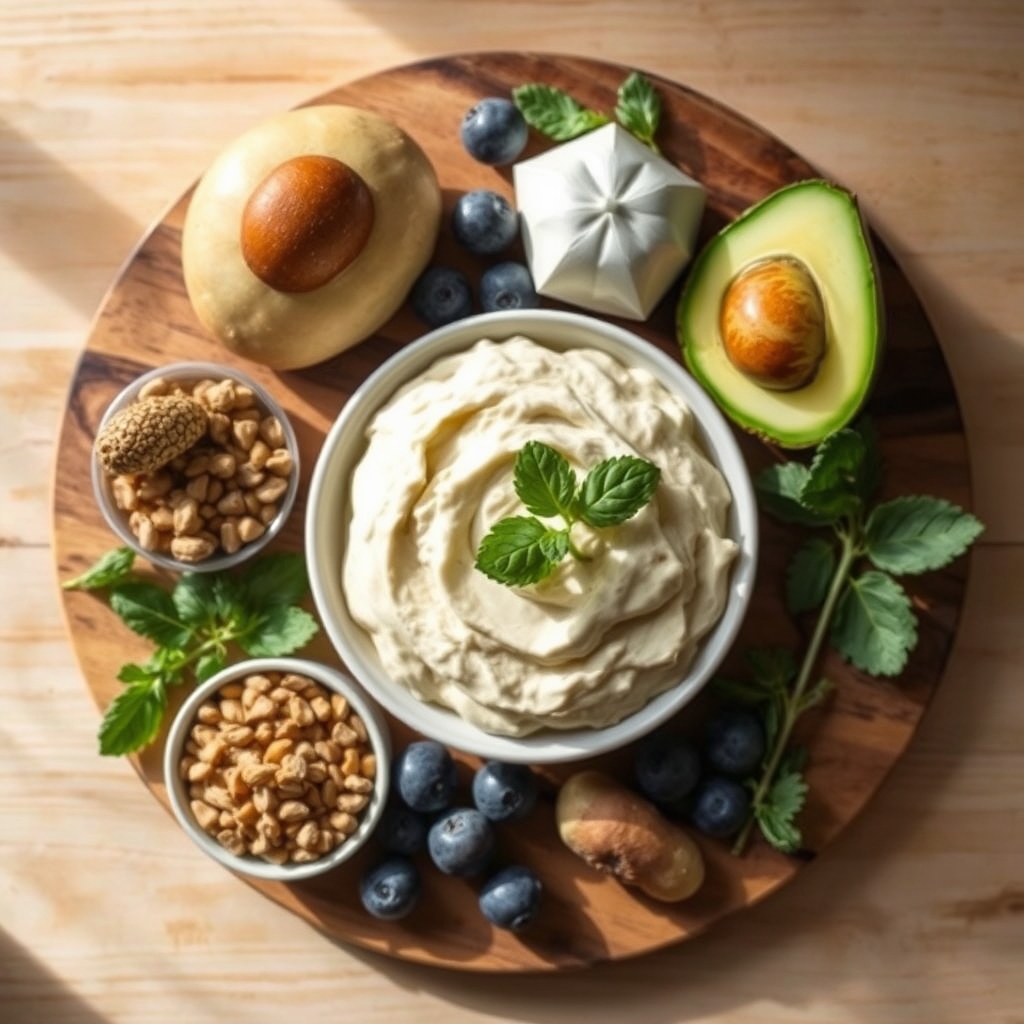
Magnesium‑rich snacks like nuts and leafy greens may lower migraine frequency.
What natural remedies can I try for pregnancy‑related headaches?
When you prefer a gentler approach, many non‑pharmacologic methods have solid backing from the Mayo Clinic and the WHO:
Cold or warm compress. A cool cloth on the forehead can numb throbbing pain, while a warm pack on the neck eases tension.
Prenatal yoga. Gentle stretches improve circulation and reduce muscle tension. A 2021 RCT found a 30‑minute yoga session lowered headache intensity by 40 % in pregnant participants.
Essential‑oil inhalation. Peppermint oil (1 drop diluted in carrier oil) applied to the temples can provide short‑term relief. Avoid direct ingestion.
Ginger tea. Known for anti‑nausea properties, ginger also has mild anti‑inflammatory effects that may ease headache pain.
Acupressure. Applying pressure to the LI‑4 point (between thumb and index finger) for 2‑3 minutes can reduce tension‑type headaches according to a systematic review by the Cochrane Collaboration.
Remember, natural doesn’t always mean risk‑free. If you’re pregnant, discuss any herbal supplement (e.g., feverfew, butterbur) with your provider, as some can affect uterine tone or interact with prescribed meds.
How much caffeine is safe for pregnant women dealing with headaches?
Caffeine crosses the placenta, but moderate amounts are considered safe. The American College of Obstetricians and Gynecologists (ACOG) advises limiting caffeine to ≤200 mg per day—roughly one 12‑ounce cup of brewed coffee or two 8‑ounce mugs of tea.
Why the limit? High caffeine intake can raise maternal heart rate and blood pressure, potentially worsening headache frequency. Conversely, a small, steady dose may help some people stave off migraine attacks, especially if they’re accustomed to caffeine before pregnancy.
Here’s a quick caffeine‑content guide:
Beverage
Typical serving size
Caffeine (mg)
Brewed coffee
12 oz (355 ml)
140‑150
Espresso
1 oz (30 ml)
63
Black tea
8 oz (237 ml)
30‑50
Green tea
8 oz (237 ml)
20‑45
Decaf coffee
12 oz (355 ml)
2‑5
If you notice that your headache improves after cutting back to ≤200 mg, keep a caffeine log for a week and discuss the pattern with your obstetrician. For many, a single cup of coffee in the morning is enough to stave off both headache and morning‑sickness fatigue.
Can stress cause headaches in pregnancy and how can I manage it?
Stress hormones—particularly cortisol—can heighten pain perception and trigger vascular changes that lead to migraines. Pregnant people often face new anxieties about fetal development, work, and family dynamics, all of which can compound headache frequency.
Effective stress‑reduction strategies supported by the CDC and NICE include:
Mindful breathing. A 5‑minute box‑breathing exercise (inhale 4 sec, hold 4 sec, exhale 4 sec, hold 4 sec) lowers cortisol within minutes.
Scheduled “worry time.” Write down concerns for 10 minutes each evening, then set them aside—this reduces rumination that fuels tension headaches.
Physical activity. Light walking or swimming improves circulation and releases endorphins, natural painkillers.
Social support. Talking with a partner, friend, or support group can alleviate emotional load.
If stress‑related headaches become daily, a brief referral to a perinatal mental‑health specialist can be beneficial. Therapy doesn’t just address anxiety; it often reduces the physiological triggers of migraine.
What does it mean when a headache comes with vision changes or nausea?
Headaches paired with visual disturbances (flashing lights, blind spots, or double vision) or severe nausea may signal a more serious condition:
Preeclampsia. As mentioned earlier, elevated blood pressure can cause visual aura‑like symptoms. Prompt evaluation is essential.
Migraine with aura. Some migraines naturally include visual phenomena; however, if they appear for the first time during pregnancy, discuss them with your provider.
Sinus infection. Congestion can press on the eyes, creating blurry vision and headache.
When these symptoms appear suddenly, especially after 20 weeks, contact your healthcare team immediately. A quick blood‑pressure check and urine protein test can rule out pre‑eclampsia, while a thorough exam can differentiate migraine from other causes.
From our medical team: Most headaches during pregnancy are benign and respond well to hydration, rest, and acetaminophen. However, never ignore a headache that feels “different” from your usual tension pain—especially if you notice visual changes, severe nausea, or swelling. Your obstetrician can order a simple blood‑pressure test and urine analysis to ensure everything is on track.
Myth vs. fact
Myth: All pain relievers are unsafe during pregnancy. Fact: Acetaminophen is considered safe for occasional use throughout pregnancy, while NSAIDs like ibuprofen should generally be avoided after the first trimester.
Myth: If a headache is mild, it can be ignored. Fact: Even mild headaches can signal dehydration or low blood sugar; a quick glass of water or snack often resolves them.
Myth: Caffeine always worsens headaches. Fact: Moderate caffeine (≤200 mg/day) is safe and may actually help some migraine sufferers; the key is consistency and staying within recommended limits.
Key takeaways
Headaches are common in pregnancy; most are benign and treatable with acetaminophen, hydration, and lifestyle tweaks.
Hormonal shifts, blood‑pressure changes, dehydration, and dietary triggers are the main culprits.
Distinguish migraines (pulsating, with aura) from tension‑type headaches (steady pressure) to choose the right remedy.
Stay within 200 mg of caffeine daily and aim for 2–3 liters of water each day.
Seek medical care if you experience visual changes, severe nausea, sudden “worst‑ever” pain, or swelling.
Yes—about 70 % of pregnant people report at least one headache, especially in the first trimester, according to ACOG (2022). They are usually linked to hormonal changes, dehydration, or low blood sugar.
What are the signs of a serious headache in pregnancy?
A serious headache often includes sudden, severe pain, vision changes (flashing lights or blurred vision), intense nausea or vomiting, high blood pressure (≥140/90 mm Hg), or swelling. These symptoms warrant immediate medical evaluation.
Can I take ibuprofen for headaches while pregnant?
Ibuprofen is generally safe in the first trimester but is discouraged after 20 weeks because it can affect fetal kidney development and reduce amniotic fluid. Acetaminophen remains the preferred OTC option throughout pregnancy.
How can I prevent headaches in the second trimester?
Maintain steady hydration, eat balanced meals every 3‑4 hours, limit caffeine to ≤200 mg/day, practice gentle stretching or prenatal yoga, and manage stress with breathing exercises or short walks.
Do pregnancy headaches indicate high blood pressure?
Not always, but a new, intense headache after the second trimester can be an early sign of hypertension or pre‑eclampsia. Regular prenatal blood‑pressure checks help catch any rise early.
Is it safe to use acetaminophen for pregnancy headaches?
Yes. Acetaminophen (Tylenol) is classified as safe for occasional use throughout pregnancy by the FDA and ACOG, provided you stay below the recommended daily maximum of 3000 mg.
When to call your doctor
If you experience any of the following, seek medical attention promptly:
Persistent nausea or vomiting that prevents you from staying hydrated.
Blood pressure reading ≥140/90 mm Hg on two separate occasions.
Swelling of the face, hands, or sudden weight gain.
These symptoms could indicate pre‑eclampsia, migraine with aura, or another condition that needs professional evaluation. This article provides general information and is not a substitute for personalized medical advice.
References
American College of Obstetricians and Gynecologists (ACOG). “Headaches in Pregnancy.” 2022 clinical guidance.
National Institute of Health (NIH). “Hormonal Influence on Migraine During Pregnancy.” Journal of Neurology, 2021.
U.S. Food and Drug Administration (FDA). “Acetaminophen Use in Pregnancy.” 2023 safety bulletin.
National Health Service (NHS). “Pain Relief During Pregnancy.” Updated 2023.
World Health Organization (WHO). “Maternal Health: Managing Hypertensive Disorders.” 2022 report.
Mayo Clinic. “Pregnancy Headaches: Causes and Treatments.” 2024 review.
Centers for Disease Control and Prevention (CDC). “Caffeine Intake Recommendations for Pregnant Women.” 2022.
RCOG (Royal College of Obstetricians and Gynaecologists). “Guidelines on Preeclampsia.” 2021.
Journal of Obstetric Nutrition. “Magnesium Intake and Migraine Frequency in Pregnancy.” 2022 systematic review.
Coherent Health. “Acupressure for Tension Headaches: A Cochrane Review.” 2023.
Not sure about the label on Why Am I Getting Headaches During Pregnancy products?
Snap the ingredients list and SafeFilter checks every ingredient for your stage — only 3 free scans this month, then you're locked until reset. Unlimited from $7/mo or $50/yr.
When Shubhra Mishra was expecting her first child in 2016, she was overwhelmed by conflicting food advice — one site said yes, another said never. By the time her second baby arrived in 2019, she realized millions of mothers face the same confusion.
That sparked a five-year journey through clinical nutrition papers, cultural diets, and expert conversations — all leading to BumpBites: a calm, compassionate space where science meets everyday motherhood.
Her long-term vision is to build a global community ensuring safe, supported, and free deliveriesfor every mother — because no woman should face pregnancy alone or uninformed. 🌿
🌍 Stand with mothers, shape safer guidance
Join a small circle of experts who review BumpBites articles so expecting parents everywhere can decide with confidence.