Rapid weight gain during pregnancy is normal but may signal issues. Learn causes like fluid retention, diet, or medical conditions, plus safe ways to manage it.
By Shubhra Mishra — a mom of two who turned her own confusion during pregnancy into BumpBites, a global mission to make food choices clear, safe, and stress-free for every expecting mother. 💛
Check whether any food is safe during pregnancy with the BumpBites Food Safety Checker.
Quick take: Fast weight gain in pregnancy is usually normal—your body is building a baby, storing fat for breastfeeding, and holding extra fluid. But if you’re gaining much more than the recommended 1–4 pounds per month (depending on trimester and starting BMI), it’s worth checking in with your provider. Rapid gain can sometimes signal fluid retention, gestational diabetes, or other issues that need attention. Most of the time, though, it’s just your body doing its job—especially if you’re feeling well otherwise.
You step on the scale at your 16-week checkup, and the number jumps. Again. Your jeans feel tighter, your face looks puffy, and you’re pretty sure your ankles didn’t look like that last week. You’re not eating more than usual—so why is the weight piling on so fast?
First, take a breath. Rapid weight gain in pregnancy is usually normal. Your body is growing a whole human, after all. But it’s also smart to understand what’s behind the numbers—and when to ask for help. This guide covers everything: how much gain is healthy, what’s causing the speed, and how to tell if it’s time to call your doctor.
It’s normal to see the scale jump during pregnancy—but knowing what’s behind the numbers can ease your mind.
Why am I gaining weight fast in the first trimester of pregnancy?
You’re barely showing, but the scale says you’ve already gained 5 pounds. What gives?
In the first trimester, most women gain only 1–4 pounds total—not per week. But if you’re gaining faster, you’re not alone. Many moms-to-be actually lose weight in early pregnancy due to nausea, only to catch up later. If you’re gaining quickly, it’s often because of:
Hormonal shifts: Progesterone slows digestion, which can cause bloating and water retention. That puffy feeling? It’s real—and it shows up on the scale.
Increased blood volume: Your body starts making about 50% more blood to support your baby. That extra fluid adds weight, even if you can’t see it.
Food aversions and cravings: If you’re eating more carbs (hello, crackers and pasta) to fight nausea, those calories add up. One reader told us, “I lived on toast and peanut butter for weeks—no wonder the scale moved!”
Less movement: Fatigue and nausea can make it hard to stay active. If you’re moving less but eating the same, weight gain can speed up.
Most of this early gain is water and blood, not fat. And while it might feel alarming, it’s usually not a red flag. That said, if you’re gaining more than 5 pounds in the first month and feeling unwell (think: severe nausea, dizziness, or swelling), check in with your provider. It could be a sign of hyperemesis gravidarum (severe morning sickness) or other issues.
Is rapid weight gain during pregnancy dangerous for baby?
Here’s the good news: your baby is pretty resilient. Most of the time, rapid weight gain won’t harm them—especially if it’s due to fluid retention or a growth spurt. But there are a few risks to be aware of, depending on the cause:
Gestational diabetes: If your body isn’t processing sugar well, excess glucose can cross the placenta, leading to a larger-than-average baby (macrosomia). This can make delivery trickier and increase the risk of birth injuries or C-sections.
Preeclampsia: Rapid weight gain—especially if paired with swelling, headaches, or high blood pressure—can be a sign of preeclampsia. This serious condition can restrict blood flow to the placenta, affecting your baby’s growth.
Preterm birth: Some studies link excessive weight gain to a higher risk of preterm labor, though the connection isn’t fully understood. More research is needed here.
Childhood obesity: Babies born to moms with excessive weight gain may have a higher risk of obesity later in life, though genetics and lifestyle play bigger roles.
But here’s the key: it’s not the weight gain itself that’s risky—it’s the underlying cause. If you’re gaining fast but your blood pressure, blood sugar, and baby’s growth are all normal, your provider likely won’t be concerned. The risks rise if the gain is paired with other symptoms (like swelling, vision changes, or extreme thirst).
One mom shared, “I gained 10 pounds in a month during my second trimester. My doctor wasn’t worried—my glucose test was normal, and my baby was measuring right on track. She just told me to focus on protein and veggies, not the scale.”
How many pounds should I gain each week in the second trimester?
By the second trimester, your baby is growing fast—and so should your weight, but at a steadier pace. Here’s what’s typical, based on your pre-pregnancy BMI (body mass index):
Pre-pregnancy BMI
Recommended total gain
Weekly gain in 2nd trimester
Underweight (BMI < 18.5)
28–40 lbs
1–1.3 lbs per week
Normal weight (BMI 18.5–24.9)
25–35 lbs
0.8–1 lb per week
Overweight (BMI 25–29.9)
15–25 lbs
0.5–0.7 lbs per week
Obese (BMI ≥ 30)
11–20 lbs
0.4–0.6 lbs per week
Source: Institute of Medicine (IOM) guidelines, endorsed by ACOG
If you’re gaining faster than these ranges, don’t panic—but do take a closer look at your habits. Are you eating more processed foods or sugary snacks? Are you less active than before? Small tweaks (like swapping soda for sparkling water or taking a 10-minute walk after meals) can help slow the gain without stressing you or your baby.
It’s also worth noting that these numbers are averages. Some women gain in spurts—nothing for a few weeks, then a sudden jump. Others gain steadily. What matters most is that your provider isn’t concerned about your baby’s growth or your health.
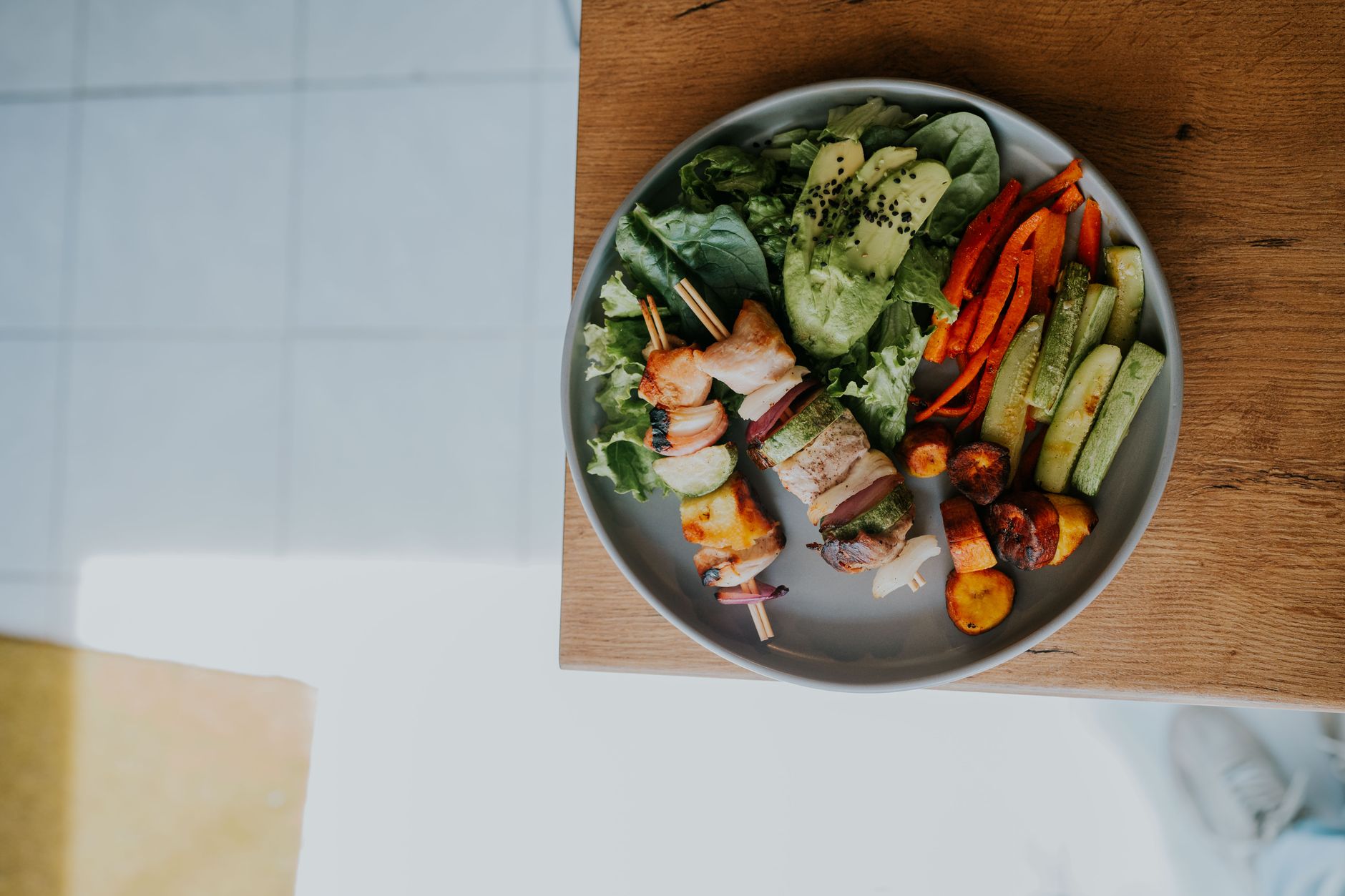
Filling half your plate with veggies and adding lean protein can help manage weight gain without cutting calories.
What foods cause fast weight gain during pregnancy?
Let’s be clear: no single food “causes” weight gain—it’s about overall calories and balance. But some foods make it easier to overeat or hold onto extra fluid. Here’s what to watch:
Processed carbs: White bread, pasta, crackers, and pastries digest quickly, leaving you hungry again soon. They also spike blood sugar, which can lead to cravings and fat storage. Swap: Whole grains like quinoa, brown rice, or whole-wheat bread.
Sugary drinks: Soda, juice, sweetened coffee, and energy drinks pack empty calories and can cause fluid retention. One 12-ounce soda has about 150 calories—that’s 1,050 extra calories a week if you drink one daily. Swap: Sparkling water with a splash of fruit juice or herbal tea.
Fried and fast foods: French fries, chips, and fried chicken are high in unhealthy fats and sodium, which can make swelling worse. Swap: Baked sweet potato fries or air-fried veggies.
High-sodium foods: Canned soups, deli meats, and frozen meals are loaded with salt, which makes your body hold onto water. Swap: Fresh or frozen veggies, homemade soups, and unsalted nuts.
Sugary snacks: Candy, cookies, and ice cream can lead to blood sugar crashes, making you crave more. Swap: Greek yogurt with berries or a small handful of dark chocolate-covered almonds.
But here’s the thing: you don’t need to cut these foods out entirely. Pregnancy isn’t the time for strict diets. Instead, aim for balance. If you’re craving ice cream, have a small bowl—but pair it with a handful of nuts to slow the sugar spike. If you’re eyeing fries, order a side salad too.
One mom put it this way: “I used to eat a bag of chips every afternoon. Now I keep pre-cut veggies and hummus in the fridge. I still get the crunch, but I’m not gaining as fast—and I feel better.”
Can stress cause rapid weight gain in pregnancy?
Yes—and it’s a vicious cycle. Stress triggers your body to release cortisol, a hormone that can:
Increase cravings for high-calorie foods (especially sugar and fat).
Slow your metabolism, making it easier to gain weight.
Cause fluid retention, making you feel puffy and bloated.
Disrupt sleep, which is linked to weight gain (poor sleep = more hunger hormones).
Pregnancy is stressful enough—work, finances, relationship changes, and the big life shift ahead can all pile up. One reader shared, “I gained 8 pounds in a month when my mom got sick. I wasn’t eating more, but I was stress-eating—late-night cereal, takeout, you name it. Once I started meditating and talking to a therapist, the weight gain slowed down.”
If stress is driving your gain, try:
Mindful eating: Pause before meals to check in: Am I hungry, or am I stressed? If it’s stress, try a 5-minute walk or a few deep breaths first.
Movement: Gentle exercise like prenatal yoga or swimming can lower cortisol and improve sleep.
Support: Talk to your provider about therapy or support groups. Many women find that just naming the stress helps.
Remember: it’s not your fault. Stress weight gain is real, and it’s not a sign of weakness. Your body is doing its best in a tough situation.
Should I be concerned about swelling vs. weight gain in pregnancy?
Swelling (or edema) is normal in pregnancy—about 75% of women experience it, especially in the feet, ankles, and hands. But how do you tell if it’s just fluid retention or something more serious? Here’s how to spot the difference:
Sign
Normal swelling
Concerning swelling
When it happens
Later in the day, after standing or sitting for long periods
Sudden, severe, or early in the day
Where it happens
Feet, ankles, hands, face
Hands and face (especially if it’s sudden or paired with headaches)
How it feels
Mild, improves with rest or elevation
Painful, tight, or doesn’t improve with rest
Other symptoms
None
Headache, vision changes, upper abdominal pain, rapid weight gain (more than 2 lbs in a week)
Normal swelling is annoying but harmless. It happens because your body is holding onto extra fluid to support your growing baby and prepare for breastfeeding. Progesterone also relaxes your blood vessels, making it easier for fluid to leak into your tissues.
But sudden or severe swelling—especially in your hands and face—can be a sign of preeclampsia. This condition affects about 5–8% of pregnancies and can be serious if untreated. Other red flags include:
Rapid weight gain (more than 2 pounds in a week).
High blood pressure (140/90 or higher).
Protein in your urine (your provider checks this at appointments).
Severe headaches that don’t go away with Tylenol.
Vision changes (blurriness, flashing lights, or spots).
Upper abdominal pain (often under your ribs on the right side).
If you notice any of these, call your provider right away. Preeclampsia usually develops after 20 weeks, but it can happen earlier. The good news? It’s manageable with close monitoring and, if needed, medication or early delivery.
How to differentiate water retention from fat gain in pregnancy
You wake up, and your rings won’t fit. Your shoes feel tight. Is it fat, or is it fluid? Here’s how to tell:
Press test: Gently press your finger into your skin (ankle, shin, or hand). If it leaves a dent that takes a few seconds to disappear, it’s fluid retention. Fat won’t leave a mark.
Time of day: Fluid retention is usually worse at the end of the day or after standing for long periods. Fat gain is more consistent.
Location: Fluid tends to collect in your lower body (feet, ankles, legs) or hands. Fat gain is more evenly distributed (though pregnancy fat often settles in your belly, thighs, and hips).
Weight fluctuations: If your weight jumps up and down by a few pounds in a day, it’s likely fluid. Fat gain is slower and steadier.
Other symptoms: Fluid retention often comes with bloating, puffiness, or a feeling of tightness. Fat gain doesn’t usually cause these sensations.
Most women experience both during pregnancy. Your body stores fat to prepare for breastfeeding, and it holds onto fluid to support your baby. But if you’re gaining much more than the recommended amount, it’s worth figuring out which is driving the gain.
One trick? Weigh yourself at the same time every day (first thing in the morning, after peeing, before eating). If your weight is up 2 pounds from yesterday, it’s almost certainly fluid. If it’s up 2 pounds from last week, it could be fat—or a mix of both.
When to talk to my doctor about fast weight gain in pregnancy
Most of the time, fast weight gain is just your body doing its thing. But there are times when it’s worth a call to your provider. Here’s when to reach out:
You gain more than 2 pounds in a week without a clear reason (like a big holiday meal or a growth spurt).
You notice sudden swelling in your hands or face, especially if it’s paired with headaches or vision changes.
You’re gaining weight but your baby isn’t growing as expected (your provider tracks this with fundal height measurements and ultrasounds).
You have other symptoms like extreme thirst, frequent urination, or fatigue (possible signs of gestational diabetes).
You’re gaining weight rapidly but losing weight in your face or arms (this can be a sign of fluid retention or preeclampsia).
You feel unwell in any way—trust your gut. You know your body best.
When you call, your provider will likely ask:
How much have you gained, and over what time period?
Are you having any other symptoms (swelling, headaches, etc.)?
How’s your diet? Any big changes?
How’s your baby’s movement?
They might recommend:
A non-stress test or ultrasound to check on your baby.
A glucose test to rule out gestational diabetes.
A blood pressure check and urine test for protein (to screen for preeclampsia).
Diet or exercise tweaks to slow the gain.
One mom shared, “I gained 10 pounds in two weeks at 30 weeks. My doctor wasn’t worried at first, but when I mentioned my hands were swelling, she had me come in. Turns out my blood pressure was creeping up. We caught it early, and I delivered a healthy baby at 38 weeks.”
Bottom line: If something feels off, speak up. It’s always better to check than to worry.
From our medical team: Rapid weight gain in pregnancy is one of the most common concerns we hear. Most of the time, it’s nothing to worry about—your body is simply preparing to nourish your baby. But we also know how unsettling it can feel when the numbers on the scale climb faster than expected. Our advice? Focus on how you feel, not just what you weigh. Are you eating balanced meals? Staying active? Sleeping well? If the answer is yes, and your baby is growing well, try not to stress over the scale. That said, sudden or extreme weight gain can sometimes signal an underlying issue, so never hesitate to bring it up at your next appointment. We’re here to help you navigate this journey with confidence.
Myth vs. fact
Myth: “If I gain too much weight, my baby will be too big and I’ll need a C-section.”
Fact: While excessive weight gain can contribute to a larger baby, it’s not the only factor—and it doesn’t guarantee a C-section. Your baby’s size is influenced by genetics, gestational age, and other health factors. Many women gain more than recommended and still deliver vaginally. Focus on eating well and staying active, not on the scale.
Myth: “I should be eating for two—so the more I eat, the healthier my baby will be.”
Fact: “Eating for two” is a myth. In the first trimester, you don’t need any extra calories. In the second trimester, you need about 340 extra calories per day—that’s a small snack, not a second dinner. Overeating can lead to excessive weight gain, which comes with its own risks. Aim for nutrient-dense foods, not just more food.
Myth: “If I gain too much weight, I’ll never lose it after pregnancy.”
Fact: Your body is designed to gain weight during pregnancy, and it’s also designed to lose it afterward. Many women find that the weight comes off naturally with breastfeeding, healthy eating, and gentle exercise. It’s not about “bouncing back”—it’s about giving your body time to heal and adjust. Focus on your health, not your pre-pregnancy jeans.
Key takeaways
Fast weight gain in pregnancy is usually normal, but it’s worth understanding the causes and risks.
Most women gain 1–4 pounds in the first trimester, 0.8–1 pound per week in the second trimester, and 1 pound per week in the third (though this varies by BMI).
Rapid gain can be caused by diet, hormones, fluid retention, stress, or underlying conditions like gestational diabetes or preeclampsia.
Swelling is normal, but sudden or severe swelling (especially in the hands and face) can be a sign of preeclampsia—call your provider if you notice this.
You can’t always tell the difference between fat and fluid, but the “press test” and daily weight checks can help.
If you gain more than 2 pounds in a week without a clear reason, or if you have other symptoms, talk to your provider.
Focus on balanced meals, gentle movement, and stress management—not on cutting calories or “dieting” during pregnancy.
Your body is doing something amazing. Give yourself grace, and don’t stress over the scale.
Frequently asked questions
Is it normal to gain 5 pounds in the first month of pregnancy?
It’s not uncommon, especially if you’re eating more to combat nausea or if you’re retaining fluid. But it’s also not the “average.” Most women gain 1–4 pounds total in the first trimester. If you’re gaining faster, check in with your provider to rule out issues like hyperemesis gravidarum or thyroid problems. Most of the time, though, it’s just your body adjusting to pregnancy.
What causes rapid weight gain during pregnancy?
The most common causes are:
Increased blood volume and fluid retention (your body holds onto extra water to support your baby).
Hormonal changes (progesterone slows digestion and can cause bloating).
Diet (eating more processed foods, sugary snacks, or high-sodium meals).
Less movement (fatigue and nausea can make it hard to stay active).
Stress (cortisol can increase cravings and fluid retention).
Underlying conditions like gestational diabetes or preeclampsia.
If you’re gaining fast but feeling well, it’s likely one of the first few causes. If you’re gaining fast and feeling unwell, talk to your provider.
How much weight should I gain each week during pregnancy?
It depends on your trimester and pre-pregnancy BMI:
First trimester: 1–4 pounds total (not per week).
Second trimester: 0.8–1 pound per week (for normal BMI).
Third trimester: 1 pound per week (for normal BMI).
If you’re underweight, you’ll likely gain a little more. If you’re overweight or obese, you’ll likely gain a little less. Your provider can give you personalized guidance.
Can rapid weight gain affect my baby’s health?
Most of the time, no—your baby is protected and will take what they need. But rapid gain can sometimes signal an underlying issue that could affect your baby, like:
Gestational diabetes (can lead to a larger baby and delivery complications).
Preeclampsia (can restrict blood flow to the placenta, affecting your baby’s growth).
Preterm birth (some studies link excessive weight gain to early labor).
If your provider isn’t concerned about your baby’s growth or your health, try not to worry. Focus on eating well and staying active.
When should I be concerned about my weight gain in pregnancy?
Call your provider if:
You gain more than 2 pounds in a week without a clear reason.
You notice sudden swelling in your hands or face, especially if it’s paired with headaches or vision changes.
You’re gaining weight but your baby isn’t growing as expected.
You have other symptoms like extreme thirst, frequent urination, or fatigue.
You feel unwell in any way—trust your instincts.
What can I do to slow down fast weight gain during pregnancy?
You don’t need to “diet” during pregnancy, but small tweaks can help manage the gain:
Eat balanced meals: Fill half your plate with veggies, a quarter with lean protein, and a quarter with whole grains. This keeps you full and stabilizes blood sugar.
Watch portion sizes: You don’t need to eat twice as much. A good rule of thumb: add one small snack per day in the second trimester (like an apple with peanut butter) and two in the third.
Limit processed foods: They’re high in calories, salt, and sugar, which can lead to fluid retention and cravings.
Stay hydrated: Drink plenty of water—it helps flush out excess sodium and reduces fluid retention.
Move gently: Walking, swimming, or prenatal yoga can help manage weight gain and reduce stress.
Manage stress: Cortisol can drive cravings and fluid retention. Try meditation, deep breathing, or talking to a therapist.
Remember: the goal isn’t to stop gaining weight—it’s to gain at a healthy pace for you and your baby.
When to call your doctor
Contact your provider right away if you experience any of these signs:
Sudden or severe swelling in your hands, face, or feet.
Rapid weight gain (more than 2 pounds in a week) without a clear reason.
Severe headaches that don’t go away with Tylenol.
Vision changes (blurriness, flashing lights, or spots).
Upper abdominal pain (often under your ribs on the right side).
Decreased baby movement.
Extreme thirst, frequent urination, or fatigue (possible signs of gestational diabetes).
Remember: This article is for informational purposes only and isn’t a substitute for professional medical advice. Always talk to your provider about your specific situation.
References
American College of Obstetricians and Gynecologists (ACOG). (2021). Weight Gain During Pregnancy. ACOG
Institute of Medicine (IOM). (2009). Weight Gain During Pregnancy: Reexamining the Guidelines.
National Health Service (NHS). (2022). Weight Gain in Pregnancy. NHS
Mayo Clinic. (2023). Pregnancy Weight Gain: What’s Healthy?. Mayo Clinic
Centers for Disease Control and Prevention (CDC). (2022). Pregnancy Weight Gain. CDC
American Pregnancy Association. (2023). Swelling During Pregnancy. American Pregnancy
Royal College of Obstetricians and Gynaecologists (RCOG). (2021). Preeclampsia. RCOG
Not sure about the label on Why Am I Gaining Weight Fast During Pregnancy products?
Snap the ingredients list and SafeFilter checks every ingredient for your stage — only 3 free scans this month, then you're locked until reset. Unlimited from $7/mo or $50/yr.
When Shubhra Mishra was expecting her first child in 2016, she was overwhelmed by conflicting food advice — one site said yes, another said never. By the time her second baby arrived in 2019, she realized millions of mothers face the same confusion.
That sparked a five-year journey through clinical nutrition papers, cultural diets, and expert conversations — all leading to BumpBites: a calm, compassionate space where science meets everyday motherhood.
Her long-term vision is to build a global community ensuring safe, supported, and free deliveriesfor every mother — because no woman should face pregnancy alone or uninformed. 🌿
🌍 Stand with mothers, shape safer guidance
Join a small circle of experts who review BumpBites articles so expecting parents everywhere can decide with confidence.