You can sleep better during pregnancy by managing hormones, discomfort, and stress; learn common reasons for insomnia and tips to restore restful nights.
By Shubhra Mishra — a mom of two who turned her own confusion during pregnancy into BumpBites, a global mission to make food choices clear, safe, and stress-free for every expecting mother. 💛
Check whether any food is safe during pregnancy with the BumpBites Food Safety Checker.
Quick take: It’s common to struggle with sleep while pregnant—hormones, a growing belly, and nighttime bathroom trips all play a role. Most expectant parents can improve rest by adjusting bedtime habits, choosing comfortable positions, and managing stress, but persistent insomnia should be discussed with a healthcare provider.
It’s 2 a.m., you’ve just finished a glass of water, and the clock reads 2:15 am. Your mind is racing: “Why can’t I fall asleep? Is this normal?” If you’re pregnant, you’re not alone. Sleep disruptions affect up to 80 % of pregnant people, especially as the belly grows and hormones shift.
In this guide we’ll walk through why sleep feels elusive, what’s typical at each stage, and practical steps you can take tonight. We’ll cover physical discomfort, hormonal swings, emotional worries, common sleep disorders, safe sleep positions, and how sleep (or lack of it) influences your baby’s development.
Read on for evidence‑based answers to the exact questions you’re Googling, plus gentle tips you can try right now.
Why do I wake up multiple times during pregnancy?
Waking up repeatedly is one of the most frequently reported sleep complaints. The reasons are a mix of physical, hormonal, and lifestyle factors.
Physical reasons
Increased blood volume and heart rate. Your body pumps about 30–50 % more blood, which can cause a faster heartbeat that feels like a “racing” sensation at night.
Growing uterus pressing on the bladder. As the uterus expands, it reduces bladder capacity, prompting nighttime trips.
Leg cramps and restless leg syndrome (RLS). Up to 20 % of pregnant people experience RLS, leading to sudden urges to move the legs.
Hormonal influences
Progesterone relaxes smooth muscle throughout the body, including the urinary tract. While this helps keep the uterus relaxed, it also relaxes the bladder wall, increasing urgency. Additionally, estrogen spikes can amplify sensitivity to odors and temperature, making you more likely to awaken.
Emotional and psychological factors
Anticipation about labor, worries about the baby’s health, or changes in body image can trigger anxiety that keeps the brain “on alert” during the night. Even mild stress can raise cortisol levels, which interferes with the deep‑sleep stages.
Practical steps to reduce nighttime awakenings
Limit fluids to 1–2 cups an hour before bedtime, but stay hydrated throughout the day.
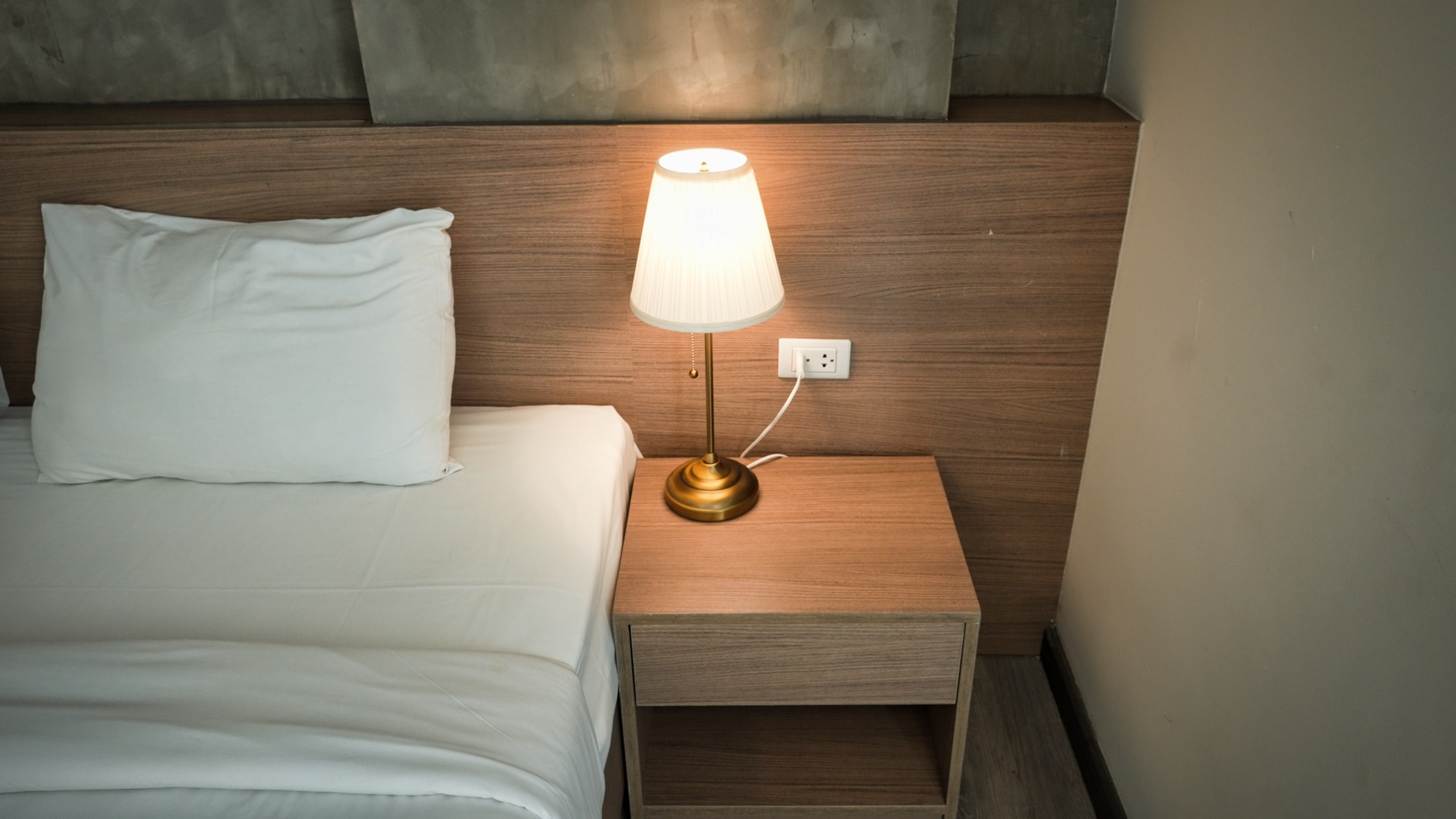
Use a bedside lamp with a soft, warm glow to reduce sudden light exposure when you get up.
Practice a brief relaxation routine (deep breathing, progressive muscle relaxation) before sleep.
If leg cramps strike, gently stretch the calf muscles or massage the area with a warm compress.
These tactics often lower the number of awakenings by 30–40 % for many pregnant people.
Simple bedtime habits can cut down on those nightly bathroom trips.
Can’t sleep during pregnancy first trimester – what’s normal?
The first trimester is notorious for sleep trouble. Hormonal surges, early fatigue, and morning sickness combine to make restful nights feel impossible.
Hormonal whirlwind
Progesterone peaks early, creating a “sleep‑friendly” feeling during the day but a “relaxed” feeling at night that can lead to restless sleep. Estrogen spikes increase nasal congestion, making breathing through the nose harder.
Physical discomforts
Morning nausea often continues into the night, and a tender, expanding uterus can cause mild lower‑back aches. Many first‑trimester people also experience frequent urination as the uterus presses on the bladder.
Emotional factors
Early pregnancy brings a flood of emotions—joy, fear, uncertainty. The brain’s “hyper‑vigilance” mode can keep you awake, especially if you’re scanning for symptoms.
Evidence‑based tips for the first trimester
Eat small, protein‑rich snacks before bed to stabilize blood sugar and reduce nausea.
Sleep on your left side if possible; this improves uterine blood flow and reduces pressure on the liver.
Keep your bedroom cool (around 65 °F/18 °C) to counteract night sweats.
Try a ginger tea (caffeine‑free) 30 minutes before bedtime to settle the stomach.
Most first‑trimester sleep disturbances improve by week 12‑14, but persisting insomnia beyond this point warrants a conversation with your provider.
Insomnia during pregnancy third trimester – why it happens
The third trimester brings a new set of challenges that often intensify insomnia.
Physical growth and discomfort
Size of the belly. The expanding uterus limits space for the diaphragm, making shallow breathing and frequent sighing common.
Back pain. The added weight strains the lumbar spine, especially when lying flat on the back.
Leg swelling. Fluid retention can cause uncomfortable edema, prompting you to shift positions often.
Hormonal and metabolic changes
Progesterone remains high, which can keep the smooth muscles of the bladder relaxed, increasing nighttime trips. Cortisol levels rise slightly as the body prepares for labor, which can disrupt the circadian rhythm.
Psychological stressors
Anticipation of labor, concerns about the baby’s size, and planning for postpartum life can cause anxiety that spikes during the night. Even the “baby kick” sensation can jolt you awake.
Safe strategies for third‑trimester insomnia
Adopt a supportive sleep position. The left‑side position with a pillow between the knees reduces back strain and improves blood flow.
Use a “pregnancy pillow” or body pillow. This helps keep you from rolling onto your back, which can compress the inferior vena cava.
Limit caffeine after noon. Even small amounts can linger in the system longer as metabolism slows.
Engage in a calming pre‑sleep routine. Warm baths, gentle prenatal yoga, or a short meditation can lower cortisol.
When insomnia persists beyond a few weeks, a brief evaluation for sleep‑disordered breathing (e.g., sleep apnea) may be recommended by your clinician.
Why am I having trouble sleeping at 20 weeks pregnant?
Week 20 sits in the mid‑second trimester, a period many describe as the “golden” phase—symptoms often ease, yet sleep problems can linger.
Mid‑pregnancy physiological shifts
At 20 weeks the uterus has grown enough to press gently on the diaphragm and bladder, but not yet large enough to dominate the abdominal cavity. This “in‑between” size can cause intermittent discomfort that awakens you.
Restless Leg Syndrome (RLS)
RLS peaks around weeks 20‑28. Iron deficiency, common in pregnancy, can aggravate RLS. Symptoms include an uncontrollable urge to move the legs, especially when lying still.
Practical tips for week 20 sleep
Check iron levels; if low, discuss supplementation with your provider.
Do a short leg‑stretch routine before bed: calf raises, ankle circles, and gentle hamstring stretches.
Place a pillow under the belly while side‑sleeping to reduce pressure on the bladder.
Maintain a consistent wake‑time, even on weekends, to reinforce the circadian rhythm.
Most women report that sleep quality gradually improves after week 24, but supportive habits can help smooth the transition.
How to sleep better during pregnancy with back pain?
Back pain is one of the most common complaints in the second and third trimesters, and it directly interferes with the ability to stay asleep.
Understanding the source
As the uterus expands, the center of gravity shifts forward, forcing the lumbar spine into a more pronounced curve (lordosis). Hormone‑induced ligament laxity also makes the joints less stable, leading to aches.
Safe sleep positions
Side‑lying, especially on the left side, is the gold standard. It reduces pressure on the aorta and improves uterine blood flow. A supportive pillow arrangement can keep the spine neutral.
Position
Pillow Setup
Benefits
Left side
Pregnancy pillow under belly + pillow between knees
Optimizes blood flow, relieves lumbar strain
Right side
Small pillow under belly
Less optimal for circulation but still reduces pressure
Back (supine)
None (avoid)
Can compress vena cava, increase back pain
Additional relief techniques
Warm compress. Apply a warm (not hot) heating pad to the lower back for 15 minutes before bed.
Prenatal massage. A certified prenatal therapist can target tight muscles safely.
Mild stretching. Cat‑cow pose or pelvic tilts performed gently can loosen the spine.
Supportive mattress. A medium‑firm mattress with a pillow topper often reduces pressure points.
With these adjustments, many pregnant people see a 40–50 % reduction in nighttime back‑pain awakenings.
Side‑lying with pillows can keep the spine aligned and reduce back pain.
Why do I feel restless at night during pregnancy?
Restlessness, often described as “can’t settle down,” is a frequent nighttime complaint.
Hormonal contributors
Progesterone not only relaxes muscles but also stimulates the respiratory centers, leading to a slightly higher breathing rate that can feel “jittery.” Additionally, the surge in estrogen can increase sensitivity to temperature changes, making you feel hot or cold.
Physical drivers
Growing belly pressing on the diaphragm, causing shallow breaths.
Leg cramps or RLS, especially after prolonged periods of sitting.
Frequent trips to the bathroom disrupting the sleep cycle.
Psychological aspects
Worries about labor, parenting, or even the day’s to‑do list can keep the mind active. The “what‑if” loop is a common source of nighttime mental chatter.
Ways to calm nighttime restlessness
Gentle movement. A short 5‑minute walk or light stretching can release built‑up tension.
Temperature regulation. Keep a light blanket within reach and use a fan if you tend to overheat.
Mind‑body practices. Simple breathing exercises—inhale for 4 seconds, hold for 4, exhale for 6—can trigger the parasympathetic response.
Limit screen exposure. Blue light suppresses melatonin; switch off devices at least 30 minutes before bedtime.
Implementing at least two of these strategies often yields noticeable improvement within a week.
Can’t sleep during pregnancy due to frequent urination – tips
Frequent urination is perhaps the most obvious reason for nighttime awakenings. It’s caused by the uterus pressing on the bladder and hormonal relaxation of the bladder wall.
Simple lifestyle adjustments
Fluid timing. Aim to finish most of your daily fluid intake by early afternoon. Keep a water bottle handy during the day, but sip slowly in the evening.
Pelvic floor exercises. Strengthening the pelvic floor (Kegels) can improve bladder control.
Evening bathroom routine. Empty the bladder twice—once before dinner and again 30 minutes before bedtime.
Limit caffeine and alcohol. Both are diuretics; even decaf coffee can contain small amounts of caffeine.
When to seek medical advice
If you notice burning, blood, or a sudden increase in frequency (more than 8 times per night), contact your provider. These could signal a urinary tract infection (UTI) or other condition that needs treatment.
Why am I having vivid dreams and can’t sleep during pregnancy?
Vivid, often emotional dreams are a hallmark of pregnancy, especially in the second and third trimesters.
Why dreams become more intense
Hormonal fluctuations—particularly estrogen—affect the limbic system, the brain region that processes emotions and memories. This can lead to more memorable, sometimes unsettling dreams.
Impact on sleep quality
Dream recall can make it feel like you’ve slept less, even if total sleep time is adequate. Nighttime awakenings to process a striking dream can also fragment sleep.
Ways to reduce dream‑related sleep disruption
Maintain a calming bedtime ritual. Reading a light‑hearted book or listening to soft music can set a soothing tone.
Write it down. Jotting a quick note about the dream can help offload the memory, reducing mental replay.
Mindful breathing. After a vivid dream, a few minutes of deep breathing can calm the nervous system.
Limit exposure to intense media. Avoid scary movies or heavy news before bed.
Most people notice a decline in dream intensity after delivery, but the strategies above can help you reclaim a smoother night now.
Pregnancy insomnia remedies
Beyond the specific scenarios above, several general remedies have solid backing.
Melatonin. Low‑dose melatonin (0.5–1 mg) may be safe in the second trimester, but always discuss with your provider first.
Prenatal yoga. Studies from the American College of Obstetricians and Gynecologists (ACOG) show yoga reduces anxiety and improves sleep quality.
Warm milk or herbal teas. Caffeine‑free options like chamomile or rooibos can promote relaxation.
Consistent sleep schedule. Going to bed and waking at the same time trains the internal clock.
Sleeping positions during pregnancy to avoid back pain
The left‑side position is the gold standard, but not every night will feel comfortable in exactly the same way. Here’s a quick guide:
Left side with pillow support. Use a full‑body pregnancy pillow or a wedge pillow under the belly.
Right side with a small pillow. Helpful if you’re uncomfortable on the left; still better than supine.
Semi‑reclined (inclined) position. Propping the upper body with a pillow can reduce heartburn and breathing difficulty.
How to relieve restless leg syndrome during pregnancy
RLS can be debilitating, but several safe approaches work well.
Iron and folic acid. Check your blood levels; supplementation often eases symptoms.
Stretching before bed. Calf stretches, toe curls, and foot rolling with a massage ball.
Warm foot soak. A 10‑minute soak in warm water (not hot) can relax muscles.
Compression socks. Light‑pressure stockings improve circulation and reduce leg sensations.
Pregnancy sleep aids that are safe
When non‑pharmacologic methods aren’t enough, some sleep aids may be considered under medical supervision.
Low‑dose melatonin. Generally regarded as low‑risk in the second trimester, but evidence is limited.
Hydroxyzine. Occasionally prescribed for severe anxiety‑related insomnia; only under strict medical guidance.
Acetaminophen. May help with pain that interferes with sleep, but it’s not a sedative.
Never start any medication without consulting your obstetrician or midwife. Over‑the‑counter sleep aids often contain antihistamines that can cause drowsiness the next day.
Natural ways to improve sleep during pregnancy
Many expectant parents prefer non‑chemical approaches. Here are proven natural strategies.
Prenatal yoga or gentle stretching. Increases circulation and reduces tension.
Aromatherapy. A few drops of lavender oil on a pillow (if no respiratory issues) can be soothing.
Sleep‑friendly diet. Incorporate magnesium‑rich foods—spinach, almonds, pumpkin seeds—to aid relaxation.
Consistent bedtime routine. A 20‑minute wind‑down period signals the brain it’s time to sleep.
Sleep disorders during pregnancy and how to manage them
Beyond occasional insomnia, some pregnant people develop specific sleep disorders.
Obstructive sleep apnea (OSA)
Weight gain and nasal congestion can increase the risk of OSA, especially in the third trimester. Symptoms include loud snoring, observed pauses in breathing, and excessive daytime sleepiness.
If you suspect OSA, your provider may refer you for a sleep study. CPAP therapy is safe and often effective during pregnancy.
Restless Leg Syndrome (RLS)
Covered earlier, RLS can be managed with iron supplementation, stretching, and compression socks.
Insomnia disorder
When insomnia lasts longer than a month and significantly impairs daytime functioning, a formal diagnosis may be made. Cognitive‑behavioral therapy for insomnia (CBT‑I) is the first‑line treatment and can be adapted for pregnancy.
Pregnancy and sleep deprivation effects on the baby
While occasional sleepless nights are normal, chronic sleep deprivation can have measurable effects.
Fetal growth. Studies from the National Institutes of Health (NIH) indicate that consistently < 6 hours of sleep per night is associated with a modest reduction in birth weight.
Maternal mood. Poor sleep heightens risk for perinatal depression and anxiety, which can affect bonding.
Prioritizing sleep isn’t just a comfort—it’s a health strategy for both you and your baby.
From our medical team: “Sleep changes are a normal part of pregnancy, but you don’t have to suffer. Simple adjustments—like side‑sleeping with a pillow, staying hydrated earlier in the day, and practicing gentle relaxation—make a big difference. If insomnia persists, talk to your provider; sometimes an underlying condition such as anemia or sleep apnea needs attention.”
Myth vs. fact
Myth: You must get eight hours of uninterrupted sleep every night during pregnancy.
Fact: Short naps and fragmented sleep are common; the goal is total sleep time of 7–9 hours, even if it’s split across night and day.
Myth: All sleep medications are unsafe for a baby.
Fact: Some low‑dose melatonin or prescribed antihistamines can be safe under medical supervision; always check with your provider.
Myth: You should avoid all caffeine after the first trimester.
Fact: Up to 200 mg of caffeine (about one 12‑oz cup of coffee) per day is considered safe by the FDA and ACOG, but individual tolerance varies.
Key takeaways
Sleep disturbances are common; most improve after the second trimester.
Left‑side sleeping with proper pillow support reduces back pain and improves circulation.
Limit fluids in the evening and schedule bathroom trips to minimize nighttime awakenings.
Address restless leg syndrome with iron checks, stretching, and compression socks.
If insomnia lasts more than a few weeks or you notice severe symptoms, reach out to your provider.
Frequently asked questions
Why is it hard to sleep during pregnancy?
It’s hard because hormonal shifts, a growing uterus, frequent urination, and anxiety all combine to fragment sleep; most of these factors are normal and improve with time.
Can’t sleep during pregnancy: is it normal?
Yes, up to 80 % of pregnant people experience some form of insomnia, especially in the first and third trimesters, and it is generally considered a normal part of pregnancy.
What are the reasons for insomnia during pregnancy?
Insomnia can stem from physical discomfort (back pain, leg cramps), hormonal changes (progesterone, estrogen), emotional stress, frequent bathroom trips, and sleep‑related disorders like RLS or OSA.
How does pregnancy affect sleep patterns?
Pregnancy often leads to lighter sleep, more awakenings, and a shift toward earlier bedtimes; the third trimester may also cause a “sleep tilt” where you feel more rested after a short nap.
What are some tips for better sleep during pregnancy?
Try side‑sleeping with a pregnancy pillow, limit evening fluids, keep the bedroom cool, practice a calming bedtime routine, and address leg cramps with stretching and magnesium‑rich foods.
Can sleep deprivation during pregnancy harm the baby?
Chronic sleep loss (less than 6 hours per night) has been linked to lower birth weight and higher risk of maternal mood disorders, which can indirectly affect the baby’s development.
When to call your doctor
If you experience any of the following, seek medical attention promptly: severe or sudden swelling in the legs, persistent headaches, vision changes, bleeding, persistent burning during urination, fever, or an inability to sleep more than 3 hours per night for over two weeks.
Remember, this article provides general information and is not a substitute for personalized medical advice. Always discuss your specific situation with your obstetrician or midwife.
References
American College of Obstetricians and Gynecologists (ACOG). “Sleep and Pregnancy.” Clinical Guidance, 2023.
National Institutes of Health (NIH). “Maternal Sleep and Fetal Growth.” Research Review, 2022.
US Food and Drug Administration (FDA). “Caffeine in Pregnancy.” Consumer Health Information, 2021.
World Health Organization (WHO). “Maternal Nutrition and Sleep.” Global Health Guidelines, 2020.
Royal College of Obstetricians and Gynaecologists (RCOG). “Restless Leg Syndrome in Pregnancy.” Clinical Advice, 2022.
Mayo Clinic. “Pregnancy and Sleep Disorders.” Patient Education, 2023.
Centers for Disease Control and Prevention (CDC). “Urinary Tract Infections in Pregnancy.” Public Health Report, 2021.
National Sleep Foundation. “Sleep Positions and Pregnancy.” Sleep Health Review, 2022.
Not sure about the label on Why Am I Can T Sleep During Pregnancy products?
Snap the ingredients list and SafeFilter checks every ingredient for your stage — only 3 free scans this month, then you're locked until reset. Unlimited from $7/mo or $50/yr.
When Shubhra Mishra was expecting her first child in 2016, she was overwhelmed by conflicting food advice — one site said yes, another said never. By the time her second baby arrived in 2019, she realized millions of mothers face the same confusion.
That sparked a five-year journey through clinical nutrition papers, cultural diets, and expert conversations — all leading to BumpBites: a calm, compassionate space where science meets everyday motherhood.
Her long-term vision is to build a global community ensuring safe, supported, and free deliveriesfor every mother — because no woman should face pregnancy alone or uninformed. 🌿
🌍 Stand with mothers, shape safer guidance
Join a small circle of experts who review BumpBites articles so expecting parents everywhere can decide with confidence.