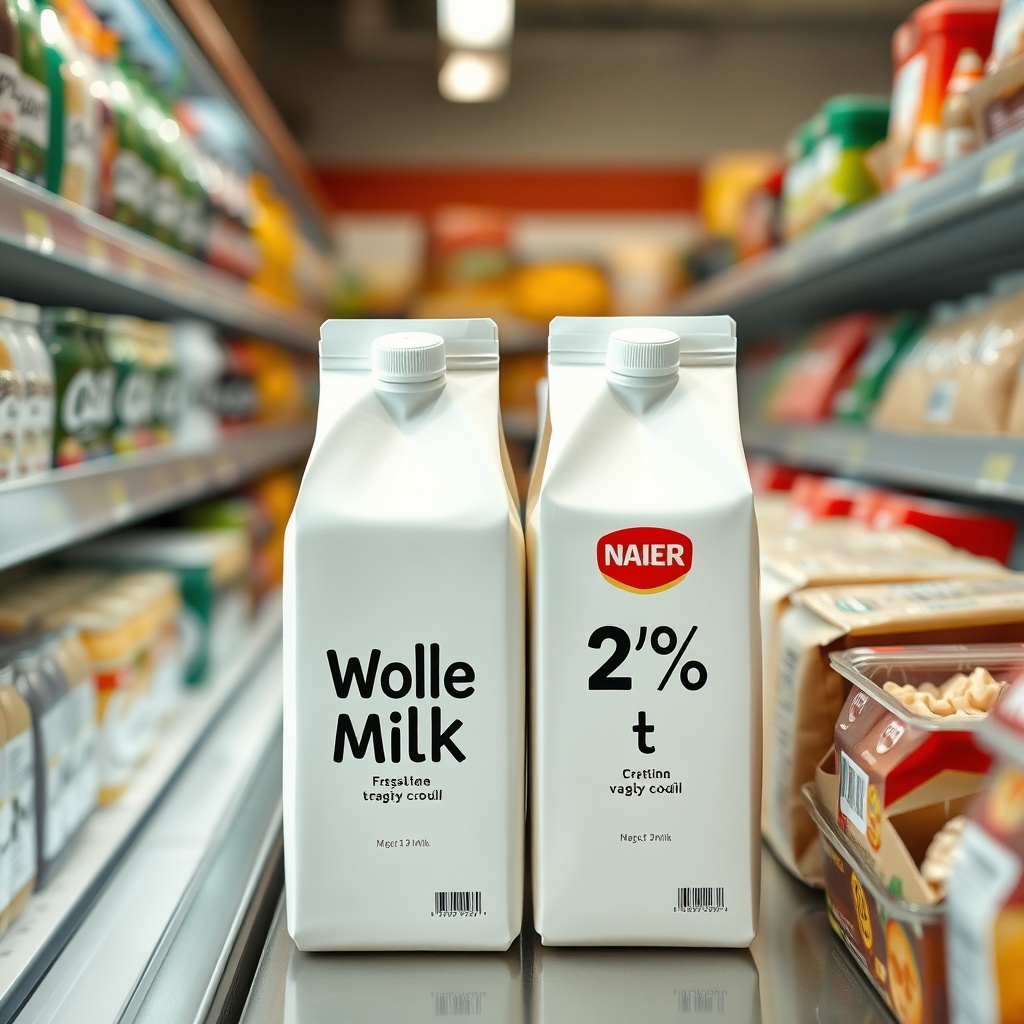
The typical transition timeline looks like this:
- 12–24 months: Switch from formula to whole milk as the primary dairy source.
- 24–36 months: If weight gain is steady and there are no risk factors, continue whole milk.
- 36 months and beyond: Consider 2 % milk if the child is overweight or has a family history of heart disease, after consulting a pediatrician.
These milestones align with guidance from both the AAP and the NHS, which stress a gradual shift to avoid digestive upset and ensure adequate nutrient intake.
Step‑by‑step transition plan
1. Start slowly. Replace one daily bottle of formula with a cup (4‑6 oz) of whole milk.
2. Gradually increase. Add another cup every few days until you reach the recommended 16‑24 oz per day.
3. Watch for tolerance. Keep an eye on stool consistency and any signs of dairy intolerance.
Nutritional differences between whole milk and 2% milk for toddlers
Both milks deliver the same amount of calcium and vitamin D because those nutrients are added during processing. The key differences lie in calories, total fat, and the fat‑soluble vitamins that accompany the higher fat content in whole milk. Those extra grams of fat translate into more energy for a toddler who is still growing rapidly.
From a regulatory standpoint, the U.S. Food and Drug Administration (FDA) mandates that all fluid milks sold in the United States be fortified with vitamin D and contain at least 300 mg calcium per cup, which is why the values are identical across fat levels.
Brain development and fat
The brain’s gray matter is roughly 60 % fat, and essential fatty acids such as DHA (docosahexaenoic acid) are critical during the first three years. While cow’s milk isn’t a primary DHA source, the extra fat in whole milk helps the body absorb DHA from other foods (like fish or fortified eggs) more efficiently.
How many ounces of whole milk or 2% milk should a baby drink per day?
The AAP recommends 16‑24 oz (2‑3 cups) of milk per day for toddlers aged 12‑24 months. This range provides enough calcium and vitamin D without displacing other essential foods. For 2 % milk, the same volume applies, but you may want to stay closer to the lower end (16 oz) if you’re limiting saturated fat.
Both the AAP and NHS caution against exceeding 24 oz because too much milk can crowd out iron‑rich foods, increasing anemia risk. If you’re unsure about the right amount, a quick check of your child’s growth chart (available through most pediatric offices) can help you fine‑tune the serving size.
Calculating the right amount
Use a simple formula: Number of meals per day × 4‑6 oz. For example, a toddler who eats three meals and two snacks can have 4 oz at breakfast, 4 oz at snack, 6 oz at lunch, 4 oz at afternoon snack, and 6 oz at dinner, totaling 24 oz.
Whole milk vs 2% milk: impact on a baby's weight gain and growth
Research from the National Institutes of Health (NIH) shows that toddlers who consume whole milk tend to have higher weight‑for‑age percentiles than those who drink reduced‑fat milks, without an increase in obesity risk when intake stays within the recommended range. The extra calories from fat support lean body mass development.
Long‑term cohort studies from the United Kingdom also suggest that early exposure to whole milk does not predispose children to higher cholesterol later in childhood, provided the overall diet remains balanced.
When whole milk may be insufficient
If a child is underweight or has a low BMI (<5th percentile), whole milk can help boost caloric intake. Conversely, if a toddler is already above the 85th percentile, a pediatrician might suggest switching to 2 % milk to moderate caloric density.
Allergy considerations: whole milk vs 2% milk for babies with dairy sensitivity
Both whole and 2 % milk contain the same proteins (casein and whey) that trigger dairy allergies. The difference in fat content does not affect allergenicity. If your child has a confirmed cow’s milk allergy, neither whole nor 2 % milk is appropriate; instead, discuss hypoallergenic formulas or fortified plant‑based alternatives with your pediatrician.
Allergy testing protocols from the American Academy of Allergy, Asthma & Immunology (AAAAI) recommend confirming the allergy before removing dairy entirely, as milk is a primary source of calcium and vitamin D in early childhood.
Some toddlers experience lactose intolerance, leading to gas and diarrhea. Because whole milk has a slightly higher lactose content (the same as 2 % milk), the tolerance level is identical. If symptoms appear, try lactose‑free cow’s milk or a fortified soy or oat milk, ensuring it provides at least 300 mg calcium per cup.
Cost and availability: choosing whole milk or 2% milk for your baby
In the United States, whole milk typically costs $3‑$4 per gallon, while 2 % milk is often $0.50‑$1 more expensive due to processing. In the United Kingdom, whole milk (full‑fat) is priced similarly to semi‑skimmed (2 %). Availability isn’t an issue in most supermarkets, but if you shop at discount stores, whole milk is usually the default option.
When budgeting, remember that many grocery loyalty programs offer coupons for dairy products. Using these can shave a few dollars off each purchase, which adds up over a toddler’s early years.
Budget‑friendly tips
- Buy in bulk and freeze extra gallons; milk freezes well for up to 3 months.
- Look for store brands, which are often cheaper but nutritionally identical.
- Check for sales on larger containers (e.g., 2‑gallon cartons) and store‑freeze portions.
Whole milk vs 2% milk for an 18‑month‑old
At 18 months, most toddlers still benefit from whole milk’s higher fat content. The AAP’s guidance remains consistent: continue whole milk until age 2 years unless there’s a specific medical reason to switch. If your child is thriving on 16‑24 oz per day and showing steady growth, stick with whole milk.
European pediatric guidelines also note that the brain’s rapid myelination phase extends through the second year, reinforcing the need for adequate dietary fat during this window.
When to consider switching at 18 months
If your pediatrician notes rapid weight gain (>95th percentile) or a family history of early heart disease, they may suggest transitioning to 2 % milk while monitoring growth charts closely.
Best milk for toddlers after 1 year
Whole milk is the gold standard for toddlers 12‑24 months. After age 2, many pediatricians recommend continuing whole milk until the child’s diet includes sufficient healthy fats from other sources, or until the child’s BMI is above the 85th percentile, at which point 2 % milk can be introduced.
Guidelines from the American Heart Association (AHA) advise that once a child’s saturated fat intake exceeds recommended limits, a switch to reduced‑fat dairy can be beneficial for long‑term cardiovascular health.
Alternative milks
Fortified soy, almond, or oat milks can be used for children with dairy allergies or intolerances, provided they contain at least 300 mg calcium and 100 IU vitamin D per cup. However, they lack the saturated fat needed for optimal brain growth in the first two years.
Whole milk vs 2% milk calcium content
Both milks are fortified to deliver about 300 mg of calcium per cup, which meets roughly 30 % of the daily value for toddlers. The calcium content is identical because fortification standards are set by the Food and Drug Administration (FDA) and the European Food Safety Authority (EFSA) for both whole and reduced‑fat milks.
Calcium absorption is also influenced by vitamin D status; ensuring your child gets the recommended 400 IU of vitamin D daily (through fortified milk and safe sunlight exposure) maximizes the benefit of the calcium they receive.
Is 2% milk okay for a 2‑year‑old?
Yes, many pediatricians consider 2 % milk acceptable for a healthy 2‑year‑old, especially if the child’s growth is on track and there are concerns about saturated fat intake. The decision should be individualized based on the child’s weight, family health history, and overall diet quality.
In the UK, the NHS notes that 2 % milk can be a reasonable alternative for children who are gaining weight rapidly, but they still recommend monitoring iron intake closely.
How to introduce whole milk to a baby
Start by offering whole milk in a small cup (4‑6 oz) at a meal when your child is already hungry but not overly full. Mix a splash of milk with their favorite puree for the first few days to ease the transition. Gradually increase the milk portion while decreasing the formula.
Patience is key: some toddlers may need several days to adjust to the new texture and taste. Keep the feeding environment calm and free of distractions to help them focus on the new experience.
Sample introduction schedule
- Day 1‑3: 2 oz formula + 2 oz whole milk.
- Day 4‑7: 1 oz formula + 3 oz whole milk.
- Day 8 onward: Full whole milk, no formula.
Whole milk vs 2% milk fat percentage explained
Whole milk contains about 3.5 % milk fat, translating to 8 g of fat per cup. In contrast, 2 % milk has 2 % milk fat, or roughly 5 g of fat per cup. The “percentage” refers to the weight of fat relative to the total weight of the milk, not the volume of the cup.
Because fat is a dense source of calories (9 kcal per gram), those extra grams in whole milk provide meaningful energy for toddlers who are still building body mass and brain tissue.
Why the difference matters
Fat is calorie‑dense (9 kcal per gram) and provides essential fatty acids. For toddlers, those extra calories support rapid growth, while the fat‑soluble vitamins hitch a ride with the fat, making them more bioavailable.
Milk recommendations for toddlers with iron deficiency
Iron deficiency anemia is common in toddlers due to rapid growth and a diet low in iron-rich foods. Whole milk can actually inhibit iron absorption because calcium competes with iron in the gut. If your child has iron deficiency, limit milk to 12‑16 oz per day and prioritize iron‑rich foods such as fortified cereals, pureed meats, beans, and leafy greens. A pediatrician may also recommend an iron supplement.
Research from the CDC highlights that toddlers who drink more than 24 oz of milk daily are at higher risk for iron deficiency, reinforcing the importance of balanced milk intake.
Balancing milk and iron
Offer whole milk at meals but keep iron‑rich foods separate (e.g., serve iron‑fortified cereal with a small amount of milk, then give a fruit puree afterward). This timing helps maximize iron absorption.
7‑day toddler milk‑focused meal plan
This plan provides roughly 16‑24 oz of whole milk each day while ensuring a balanced intake of iron‑rich foods, vegetables, and protein. Adjust portions based on your child’s appetite and any specific dietary needs.
Food list: what to enjoy, limit, and avoid with whole or 2% milk
- Enjoy: Calcium‑fortified cereals, leafy greens, beans, lean meats, fish, eggs, whole‑grain breads, fresh fruit.
- Limit: Sugary snacks, fruit juices, processed cheese, excessive salty crackers—these can displace nutrient‑dense foods.
- Avoid: Added‑sugar flavored milks, honey (under 1 year), unpasteurized milk, and any dairy if a confirmed allergy exists.
Common mistakes when choosing between whole milk and 2% milk
- Thinking “low‑fat is always healthier.” Toddlers need dietary fat for brain development; low‑fat milks can leave a caloric gap.
- Giving too much milk. Exceeding 24 oz per day can reduce appetite for iron‑rich foods, increasing anemia risk.
- Skipping the transition period. Abruptly replacing formula with milk can cause digestive upset; a gradual switch is kinder to the gut.
- Ignoring family health history. If heart disease runs in the family, discuss reduced‑fat options with your pediatrician early.
How to store and freeze whole milk or 2% milk for toddlers
Fresh milk can be safely stored in the refrigerator for up to 7 days. Keep it in the original container, tightly sealed, and place it on a middle shelf where the temperature remains consistent. If you buy in bulk, freeze milk in airtight containers; thaw in the refrigerator and use within 3 days.
When thawed, give the milk a good shake to re‑incorporate any separated fat. The FDA notes that frozen‑then‑thawed milk may have a slightly altered texture but remains nutritionally intact for toddlers.
Understanding milk labels: what “fat‑free”, “low‑fat”, and “full‑fat” really mean
Labels can be confusing. “Full‑fat” or “whole” milk contains about 3.5 % milk fat, delivering the highest calorie content. “Low‑fat” typically refers to 1 % milk, while “fat‑free” (skim) has less than 0.5 % fat. The percentage is based on weight, not volume, which is why a cup of whole milk feels richer than the same volume of skim milk.
For toddlers, the AAP and NHS both advise against skim or low‑fat milks before age 2 because they lack the energy and fat‑soluble vitamins essential for rapid growth.
Whole milk vs 2% milk for toddlers with high cholesterol risk
If your family has a history of high cholesterol or early heart disease, you might wonder whether whole milk could raise your child’s LDL levels. Current evidence from the American Heart Association (AHA) suggests that when whole milk is consumed within the recommended 16‑24 oz range, it does not significantly impact lipid profiles in toddlers.
Nevertheless, pediatricians may recommend monitoring cholesterol levels after age 2 and, if needed, transitioning to 2 % milk while ensuring the child still receives adequate calories and essential nutrients.
Myth vs. fact
Myth: Whole milk will make a toddler “chubby.”
Fact: When offered in recommended amounts (16‑24 oz), whole milk provides essential calories without causing excess weight gain for most toddlers.
Myth: 2% milk provides more calcium than whole milk.
Fact: Both milks are fortified to deliver the same calcium amount per cup; the difference lies in fat content.
Myth: Babies can safely drink whole milk before 12 months.
Fact: The AAP advises against whole milk before 12 months because infants need the higher protein and iron content of formula or breast milk.
Key takeaways
- Whole milk is the preferred choice for toddlers 12‑24 months due to its higher fat and calorie content.
- Both whole and 2 % milk deliver the same calcium and vitamin D; the main nutritional gap is in saturated fat.
- Offer 16‑24 oz per day; exceeding 24 oz may reduce iron‑rich food intake.
- Switch to 2 % milk only if a pediatrician advises based on weight, cholesterol, or family history.
- Watch for signs of dairy intolerance (rash, vomiting, diarrhea) and consult a pediatrician if they appear.
- For iron‑deficient toddlers, limit milk to 12‑16 oz and prioritize iron‑rich foods.
Frequently asked questions
Can a baby drink whole milk instead of 2% milk?
Yes, most babies 12 months and older can safely drink whole milk, which is actually recommended for its higher fat content. 2 % milk is an alternative for children who need fewer calories or have a family history of heart disease, but it isn’t necessary for most toddlers.
The American Academy of Pediatrics recommends making the switch at 12 months. Begin by replacing one daily bottle of formula with a cup of whole milk and gradually increase over a week‑long transition period.
How does the fat content in whole milk affect a toddler’s brain development?
Fat supplies essential fatty acids and supports the absorption of fat‑soluble vitamins A, D, E, and K. Studies from the NIH show that adequate dietary fat in the first two years correlates with better cognitive scores and myelination of neural pathways.
Is 2% milk enough calcium for a growing baby?
Both 2 % and whole milk are fortified to provide about 300 mg of calcium per cup, meeting roughly 30 % of a toddler’s daily calcium requirement. Calcium intake is comparable; the difference is in the calorie and fat content.
Should I give my baby whole milk if they are gaining weight too quickly?
If a toddler is gaining weight rapidly (above the 95th percentile), a pediatrician may suggest switching to 2 % milk to reduce saturated fat intake while still providing calcium and vitamin D. Always discuss growth charts with your provider before making the change.
Are there any risks of giving a baby whole milk before 12 months?
Yes. Whole milk lacks the iron and vitamin C found in formula or breast milk and can lead to iron‑deficiency anemia if given too early. The AAP advises against introducing cow’s milk before 12 months.
Can a toddler who is lactose intolerant still have whole milk?
No. Both whole and 2 % milk contain the same amount of lactose. If lactose intolerance is suspected, consider lactose‑free cow’s milk or fortified plant‑based alternatives, ensuring they provide adequate calcium and vitamin D.
Can I mix whole milk and 2% milk together?
Mixing the two is safe, but it defeats the purpose of choosing a specific fat level. If you’re aiming to reduce saturated fat, stick with 2 % milk; if you need extra calories, whole milk is the better option. Always keep the total daily volume within the 16‑24 oz range.
What are the signs of milk intolerance in toddlers?
Common signs include frequent tummy aches, gas, watery diarrhea, or a rash that appears after milk consumption. If you notice any of these symptoms consistently, talk to your pediatrician about testing for lactose intolerance or a milk protein allergy.
When to see a doctor / specialist
If you notice any of the following, contact your pediatrician promptly:
- Persistent diarrhea, vomiting, or blood in stool after milk consumption.
- Rash, hives, or swelling around the face or lips (possible allergic reaction).
- Signs of iron deficiency such as pale skin, fatigue, or unusually rapid heart rate.
- Weight gain that consistently stays above the 95th percentile despite a balanced diet.
- Excessive fussiness or refusal to drink any milk, indicating possible intolerance.
For allergy concerns, a pediatric allergist can perform skin‑prick or blood tests. For growth‑related questions, an endocrinologist or a pediatric nutrition specialist may be consulted. Remember, this article provides general information and is not a substitute for personalized medical advice.
References
- American Academy of Pediatrics. “Nutrition: What Every Parent Needs to Know.” 2023.
- U.S. Food and Drug Administration. “Nutrition Facts Labeling for Milk.” Updated 2022.
- National Institutes of Health. “Dietary Fat and Child Development.” 2021.
- Academy of Nutrition and Dietetics. “Dairy Recommendations for Children.” 2022.
- World Health Organization. “Guidelines on Infant and Young Child Feeding.” 2020.
- British Nutrition Foundation. “Milk Fat Content and Child Health.” 2023.
- Harvard T.H. Chan School of Public Health. “Calcium and Vitamin D in Children.” 2021.
- American Heart Association. “Saturated Fat Recommendations for Children.” 2022.
- National Health Service (NHS). “Milk and Toddler Nutrition.” 2023.
- American Academy of Allergy, Asthma & Immunology. “Cow’s Milk Allergy Guidelines.” 2022.