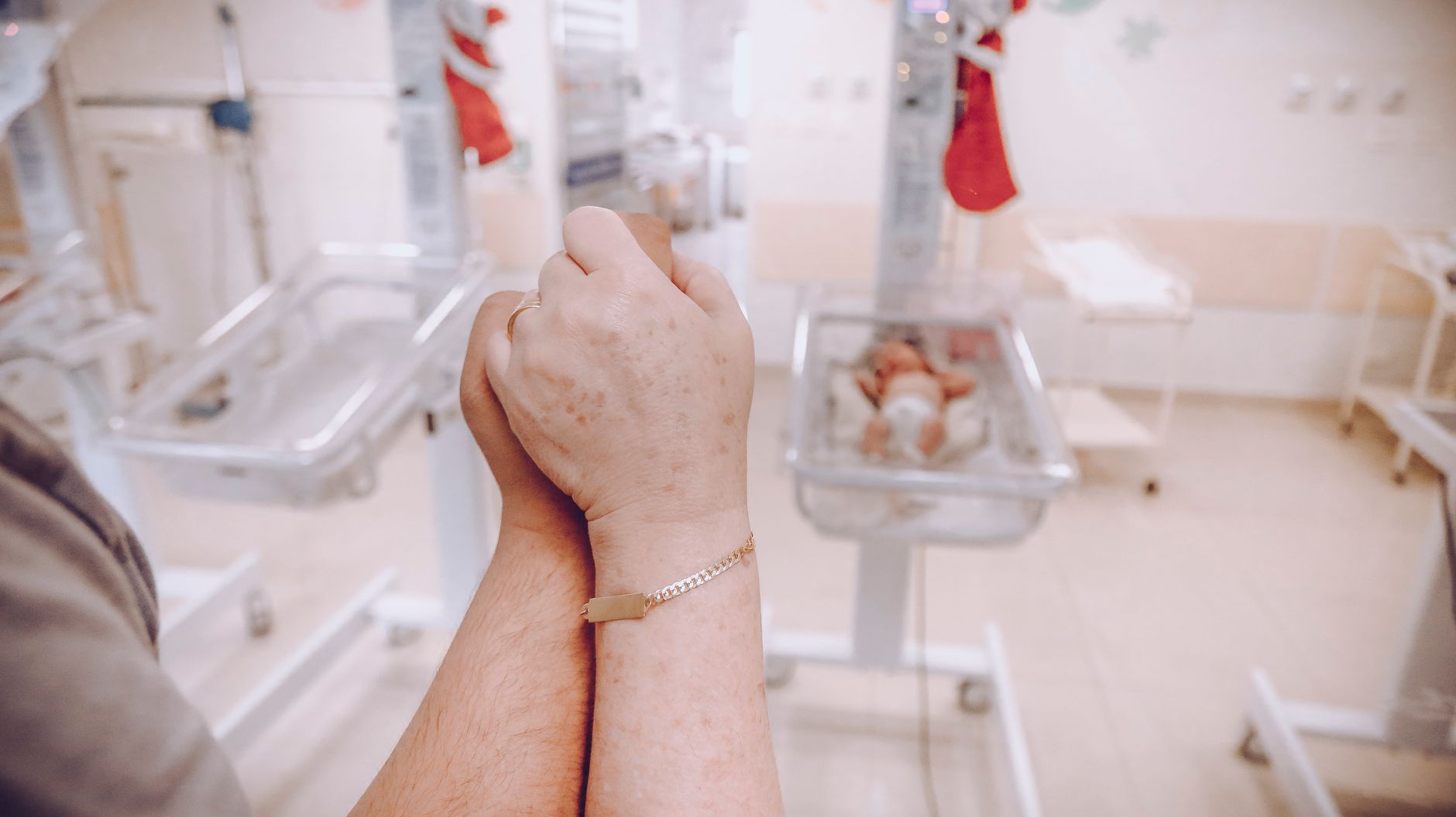
Yes—most modern hospitals now allow a partner to be present during a scheduled or emergency cesarean section, but the exact policy varies. In the United States, the Joint Commission’s standards encourage hospitals to permit a support person in the operating suite unless clinical safety dictates otherwise. The American Society of Anesthesiologists (ASA) notes that a partner’s presence does not increase infection risk when proper sterile protocols are followed.
During a C‑section, the partner typically stands at the foot of the table, wearing a surgical gown and mask if required. They can hold your hand, offer words of encouragement, and watch the baby’s first moments, which many couples find deeply reassuring. However, the surgical team—obstetrician, anesthesiologist, scrub nurse—will need the space to move freely, so the partner should be prepared to step aside when the surgeon needs direct access.
Special circumstances, such as high‑risk pregnancies or emergency surgeries, may limit partner presence if the team anticipates rapid changes. In those cases, the hospital will explain the reason and may offer a brief video feed so the partner can still witness the birth from a distance.
Should doulas be allowed in the delivery room?
Most hospitals recognize doulas as valuable members of the birth team. A doula’s legal right to be present is supported by the National Partnership for Women & Families, which advocates for state statutes that protect doula access. In practice, many facilities count a doula as the designated support person, meaning you may need to choose between a doula and another guest if the hospital limits attendance to one person.
Evidence from the Cochrane Review indicates that doula support is associated with a 10‑15 % reduction in the likelihood of instrumental delivery and a modest decrease in the need for pain medication. The doula’s role is non‑clinical: they provide continuous emotional support, suggest positioning changes, and help you interpret medical information. They do not perform medical tasks, and they always defer to the obstetrician’s orders.
If you plan to bring a doula, confirm the hospital’s policy during your prenatal visits. Some institutions require doulas to sign a liability waiver, wear a name badge, or stay within a designated “support area” away from sterile fields. Knowing these details ahead of time helps avoid surprise restrictions on the day of birth.
Legal rights of a doula in the delivery room
State laws in over 30 U.S. states explicitly protect a doula’s right to be present, and the United Kingdom’s NHS guidelines encourage doula inclusion when requested. When a hospital’s policy conflicts with a legal right, you can ask for a written explanation and, if needed, involve your doula’s professional organization to mediate. Always keep a copy of your doula’s certification and any relevant state statutes in your birth plan folder.
What hospital policies dictate who can be in the delivery room?
Hospital policies are shaped by three main factors: infection control, safety, and space constraints. The Centers for Disease Control and Prevention (CDC) recommends limiting the number of non‑clinical persons in the delivery suite to reduce airborne pathogen transmission—particularly important during flu season or a pandemic. The Joint Commission also requires that every person present be screened for health status and that any non‑clinical visitor wear appropriate personal protective equipment (PPE) when required.
In the United Kingdom, the NHS’s “Safe Maternity Services” framework specifies that a maximum of two support persons is typical for a vaginal birth, while a single support person is common for a C‑section. In the United States, many hospitals allow two guests for vaginal deliveries and one for C‑sections, but the exact number can vary by facility, unit layout, and current public‑health guidance.
Key policy points to verify during your prenatal visits include:
- Maximum number of support persons allowed.
- Whether a doula counts as a support person or an additional guest.
- Requirements for masks, hand hygiene, and health screenings.
- Policies regarding photography, video, and audio recording.
- Specific rules for high‑risk or emergency situations.
Having a printed copy of the hospital’s visitor policy (often available on the hospital’s website) can save you from last‑minute confusion and help you negotiate any exceptions well before labor begins.
How many support people are allowed in the delivery room?
The standard limit is two support people for a vaginal birth and one for a cesarean, though some hospitals make exceptions for doulas or cultural practices. A 2022 survey of U.S. maternity hospitals reported that 68 % of facilities allow two guests for low‑risk vaginal deliveries, while 29 % restrict it to one. For C‑sections, 87 % permit a single support person, typically the partner.
Why the restriction? More people in the room can increase noise, reduce privacy, and potentially interfere with the medical team’s workflow. Studies published in the Journal of Perinatal Education show that when more than three people are present, the average length of the second stage of labor increases by about five minutes, possibly due to heightened stress or distraction.
If you have a larger family or cultural tradition that includes several relatives, discuss options with your provider early. Some hospitals offer a separate “family waiting area” where additional members can stay while still feeling involved via live video feed or frequent updates from the nurse.
Is it safe to have a pet in the delivery room?
Generally, hospitals do not allow pets in the delivery suite. The primary concerns are infection control and the unpredictable behavior of an animal in a high‑stress environment. The CDC’s Guidelines for Environmental Infection Control in Health‑Care Facilities specifically advise against non‑human animals in sterile or semi‑sterile areas.
That said, some boutique birthing centers and home‑birth settings may permit a well‑trained, calm‑mannered pet, especially if the family includes a service animal. In such cases, the animal must be up‑to‑date on vaccinations, leashed, and kept away from the sterile field. If you are hoping to bring a pet, talk with your provider and the birthing center’s administration well in advance to understand any required paperwork or health clearances.
What role does a birth photographer play in the delivery room?
A birth photographer captures the intimate moments of labor and the first glimpse of your newborn. Many hospitals have specific policies about photography: they may allow a photographer after the baby is delivered and the mother is stable, but usually prohibit cameras in the operating room during a C‑section for sterility reasons. The American College of Obstetricians and Gynecologists (ACOG) recommends that any photography be limited to non‑clinical staff and that the photographer signs a confidentiality agreement.
When a photographer is permitted, they typically stay in a corner, using a silent mode camera to avoid disturbing the team. Some photographers bring a portable light to enhance visibility without adding glare. It’s essential to discuss the photographer’s presence during your birth plan meeting, confirming where they can stand, whether they can record video, and how the images will be handled after birth.
Many families find that a professional photo album helps them process the birth experience and share it with loved ones. If you decide to hire a photographer, choose someone who is experienced with birth settings and familiar with hospital policies.
Should grandparents be in the delivery room?
Grandparents often want to be present for the first moments of their grandchild’s life, and many hospitals welcome them as support persons—provided space and policy allow. In most U.S. facilities, a grandparent can count as one of the two permitted visitors for a vaginal birth. However, if you already have a partner and a doula, you may need to decide which two of the three you’d prefer.
From a medical standpoint, the presence of a grandparent does not affect labor outcomes. The biggest consideration is emotional comfort: some mothers feel soothed by a familiar family member, while others prefer a quieter environment. If you anticipate a grandparent’s attendance, discuss any cultural or language needs with your care team so they can provide appropriate support (e.g., translation services, cultural liaisons).
When a grandparent is present, it’s helpful to brief them on delivery‑room etiquette—such as keeping voices low, avoiding unnecessary movement, and respecting the medical team’s directions. A short pre‑birth meeting can set expectations and reduce potential stress for everyone.
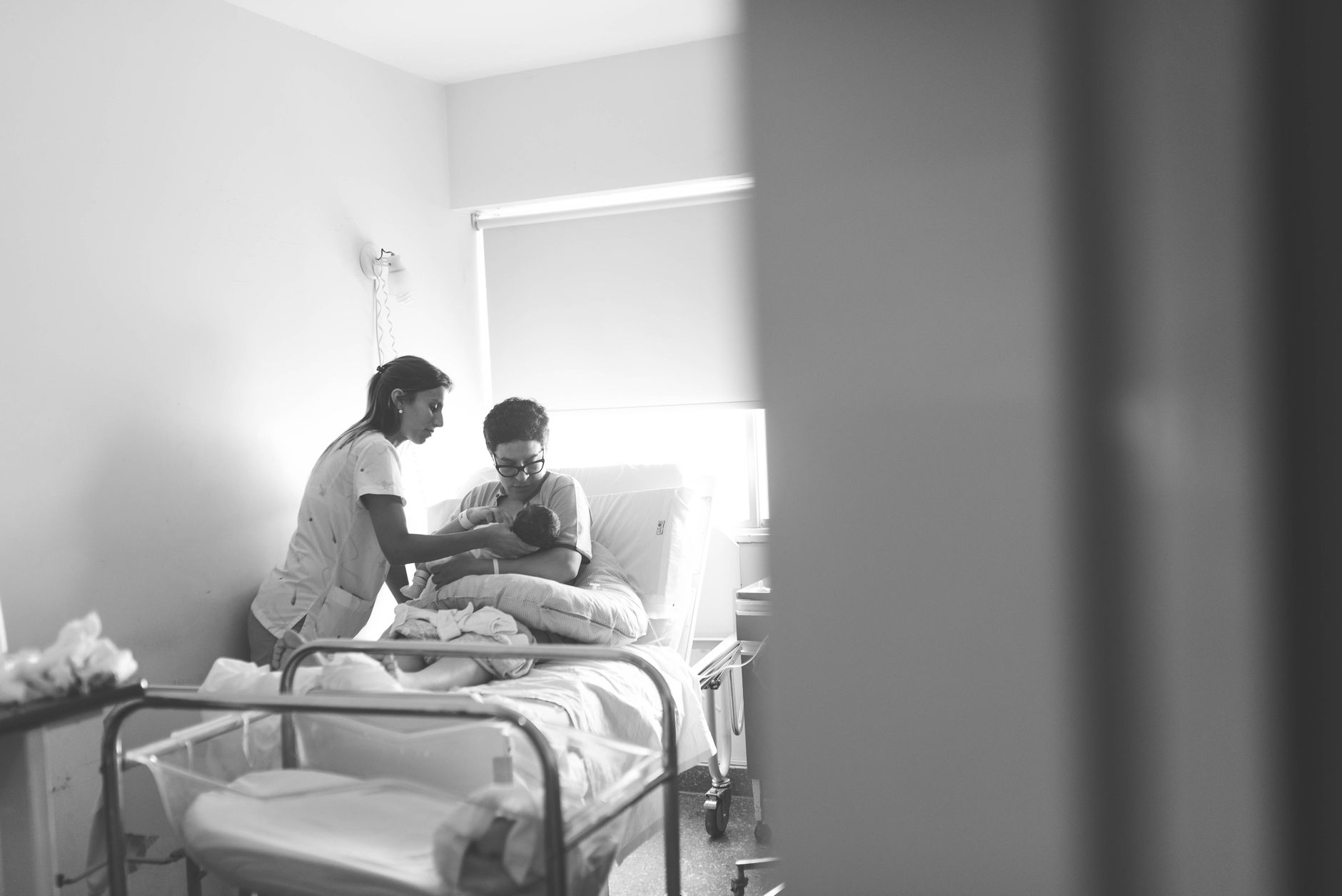
Delivery room etiquette for support persons
Good etiquette keeps the focus on the birthing mother while allowing the medical team to work efficiently. Here are the key rules:
- Stay quiet unless spoken to. Whisper, not chat loudly.
- Keep hands to yourself. Only touch the mother if she asks.
- Follow the team’s lead. If a nurse asks you to step back, do so promptly.
- Limit movement. Stay near the mother’s bedside; avoid walking around the room.
- Hand hygiene. Wash or sanitize your hands before any contact.
- Respect privacy. Do not take photos or videos without explicit permission.
Remember, the delivery room is a clinical environment. Your role is to provide comfort, not to manage equipment or direct medical decisions. When you’re unsure, a simple “How can I help?” asked in a calm voice is usually the best approach.
How to prepare your partner for the delivery room
Preparation starts weeks before labor. Share your birth plan, discuss pain‑relief options, and practice breathing techniques together. Many hospitals offer virtual tours or “birth‑room simulations” where partners can see the layout, learn where equipment is located, and ask questions. Encourage your partner to attend at least one prenatal class that includes a hands‑on component—such as massage, positioning, or the use of a birth ball.
Pack a “partner kit” that includes:
- Comfortable shoes and a light jacket.
- Snacks and water (hospital policies often allow small foods for support persons).
- A list of key medical questions (e.g., “What are the signs that we need an epidural?”).
- A small notebook for taking notes during the birth.
- Earplugs or noise‑cancelling headphones if the environment becomes too loud.
Practice role‑playing scenarios—what to say if the baby’s heart rate changes, how to support a sudden surge of pain, or how to stay calm if the birth takes longer than expected. The more familiar your partner feels with the process, the more effective their support will be.
Hospital restrictions on support people during COVID‑19
The COVID‑19 pandemic prompted many hospitals to temporarily tighten visitor policies. In 2020‑2022, most U.S. centers limited support persons to one, required mask‑wearing at all times, and performed health screenings (temperature checks, symptom questionnaires). Some facilities even suspended doula access altogether, citing infection‑control concerns.
As of 2023, most hospitals have relaxed these restrictions, but policies can still shift with new variants. The CDC’s “Guidance for Healthcare Facilities” recommends that each hospital maintain a flexible visitor policy that can be adjusted quickly. If you’re planning a birth during an ongoing pandemic wave, keep an eye on your hospital’s website for updates, and have a backup plan (e.g., a virtual livestream for a second support person) ready.
Impact of having too many people in the delivery room on labor
While emotional support is crucial, research suggests that an overcrowded delivery room can increase maternal stress hormones, potentially slowing labor progress. A 2019 study in the Journal of Obstetric, Gynecologic & Neonatal Nursing found that mothers who reported feeling “overwhelmed” by the number of visitors had a 12 % longer second stage of labor compared with those who had only one or two support persons.
The mechanism is likely related to heightened cortisol levels, which can inhibit uterine contractions. Additionally, more people in the room can lead to more interruptions—people entering and leaving, distractions, and competing voices—all of which can break the mother’s focus and increase the need for analgesia.
Balancing support and simplicity is key. Choose a small, cohesive team that understands your birth preferences, and limit additional visitors to the postpartum recovery area where they can still celebrate the birth without affecting the delivery itself.
What to bring for your support person in the delivery room
Support persons often forget to pack for themselves, focusing solely on the mother’s needs. A well‑prepared support person can stay calm, hydrated, and ready to assist. Here’s a concise checklist:
- Comfortable clothing: Loose layers, a pair of supportive shoes, and a light sweater.
- Food & drink: Small, non‑perishable snacks (granola bars, nuts) and a water bottle.
- Personal hygiene items: Lip balm, hand sanitizer, and a spare mask.
- Entertainment: A phone charger, headphones, and a short playlist for downtime.
- Documentation: Birth plan copy, insurance card, and any required hospital forms.
Having these items handy reduces the need for the mother to ask for them and lets the support person stay focused on providing comfort.
Myth vs. fact
Myth: “Everyone who wants to be there should be allowed in the delivery room.”
Fact: Hospital policies, space constraints, and infection‑control standards often limit the number of support persons to two for vaginal births and one for C‑sections. This is to ensure safety and a calm environment for the mother and medical team.
Myth: “A pet can be a calming presence and should be allowed.”
Fact: Most hospitals prohibit animals in the delivery suite due to infection‑control concerns, unless the animal is a certified service animal with documented medical necessity.
Myth: “If a doula is present, a partner is not needed.”
Fact: Doulas provide continuous support, but a partner’s role as a decision‑making advocate and emotional anchor is distinct and often complementary. Many families find that having both a doula and a partner creates the most balanced support system.
Key takeaways
- Most hospitals allow one or two support persons; a partner, doula, or close family member usually fills these roles.
- During a C‑section, a partner can stay if the facility’s policy permits; a doula may need to step aside.
- Check your hospital’s visitor policy early and keep a printed copy for the day of birth.
- Prepare your support team with a “partner kit,” practice comfort techniques, and review etiquette.
- Pets and most non‑clinical visitors (including many photographers) are generally not allowed in the delivery suite.
- Overcrowding can increase stress and prolong labor—keep your support team small and focused.
Frequently asked questions
Can my husband stay in the delivery room for a C‑section?
Yes—most hospitals allow a partner to be present during a cesarean, provided they wear a mask and follow sterile‑field rules. He will stand at the foot of the table and can hold your hand, offer words of encouragement, and witness the birth of your baby. Check your specific facility’s policy during your prenatal visits.
How many people are allowed in the delivery room?
Typically, two support persons are permitted for a vaginal birth and one for a C‑section. Some hospitals treat a doula as the primary support person, meaning you may need to choose between a doula and an additional family member. Always verify the exact limit with your hospital, as policies can vary.
Do doulas have the right to be in the delivery room?
In many states, doula rights are protected by law, and most hospitals recognize them as part of the birth team. However, a doula may count toward the total number of allowed support persons. Confirm the hospital’s policy and any required paperwork (e.g., liability waiver) before labor begins.
Is it okay to have a pet in the delivery room?
Generally no. Infection‑control guidelines from the CDC and most hospital policies prohibit animals in the delivery suite. Service animals with documented medical necessity are an exception, but they still must meet vaccination and behavior standards.
What should I do if the hospital limits my support people?
First, ask for a written explanation of the policy. If the restriction conflicts with a legal right (such as a protected doula presence), you can request an accommodation or explore alternatives like a live video feed for additional family members. Having a clear, documented birth plan can help you negotiate exceptions.
Can I bring a photographer into the delivery room?
Many hospitals allow a photographer after the baby is delivered and the mother is stable, but they usually prohibit cameras in the operating room during a C‑section. Discuss your photographer’s role during the birth‑plan appointment, and be prepared to sign a confidentiality agreement.
When to see a doctor or specialist
If you experience any of the following, contact your obstetrician or midwife immediately:
- Severe, unrelenting pain that does not respond to prescribed medication.
- Bleeding heavier than a normal period after labor.
- Fever > 100.4 °F (38 °C) that does not subside with antipyretics.
- Sudden loss of fetal movement after the baby is born.
- Any signs of infection at the incision site after a C‑section (redness, swelling, discharge).
This article is for informational purposes only and does not replace personalized medical advice. Always discuss your birth‑room preferences with your provider, who can tailor recommendations to your specific health needs.
References
- American College of Obstetricians and Gynecologists (ACOG). “Labor Support and Doula Services.” 2022.
- Centers for Disease Control and Prevention (CDC). “Guidance for Healthcare Facilities.” 2023.
- National Partnership for Women & Families. “Doula Rights and Hospital Access.” 2021.
- Journal of Perinatal Education. “Visitor Numbers and Labor Duration: A Cohort Study.” 2019.
- World Health Organization (WHO). “Infection Prevention in Maternity Settings.” 2020.
- National Institute for Health and Care Excellence (NICE). “Intrapartum Care: Managing Women in Labour.” 2022.
- American Society of Anesthesiologists (ASA). “Guidelines for Obstetric Anesthesia.” 2021.
- National Association of Certified Professional Midwives (NACPM). “Birth Photography Policies.” 2022.