Quick take: Washing baby clothes while pregnant is safe as long as you use gentle, fragrance‑free detergents, keep water temperatures below 140 °F (60 °C), and avoid harsh chemicals or fabric softeners that could irritate your skin or lungs. Wash new garments early in the third trimester or after delivery for extra peace of mind, and always follow the laundry safety guidelines below.
You’re probably standing in front of the washing machine, wondering if a quick load of newborn‑size onesies could be a hidden risk. It’s a common anxiety—especially after the first ultrasound when every decision feels larger than life. The good news? With a few simple precautions, you can keep both your baby’s clothes clean and your pregnancy safe.
In this guide we’ll answer the exact question on your mind—when to wash baby clothes pregnancy—and walk you through everything from detergent choices to water temperature, trimester‑specific tips, and how to avoid chemical exposure. We’ll also bust a few myths, give you a handy checklist, and let you know when a doctor’s advice is needed.
Read on for a step‑by‑step plan that lets you spin the cycle with confidence, no matter which trimester you’re in.
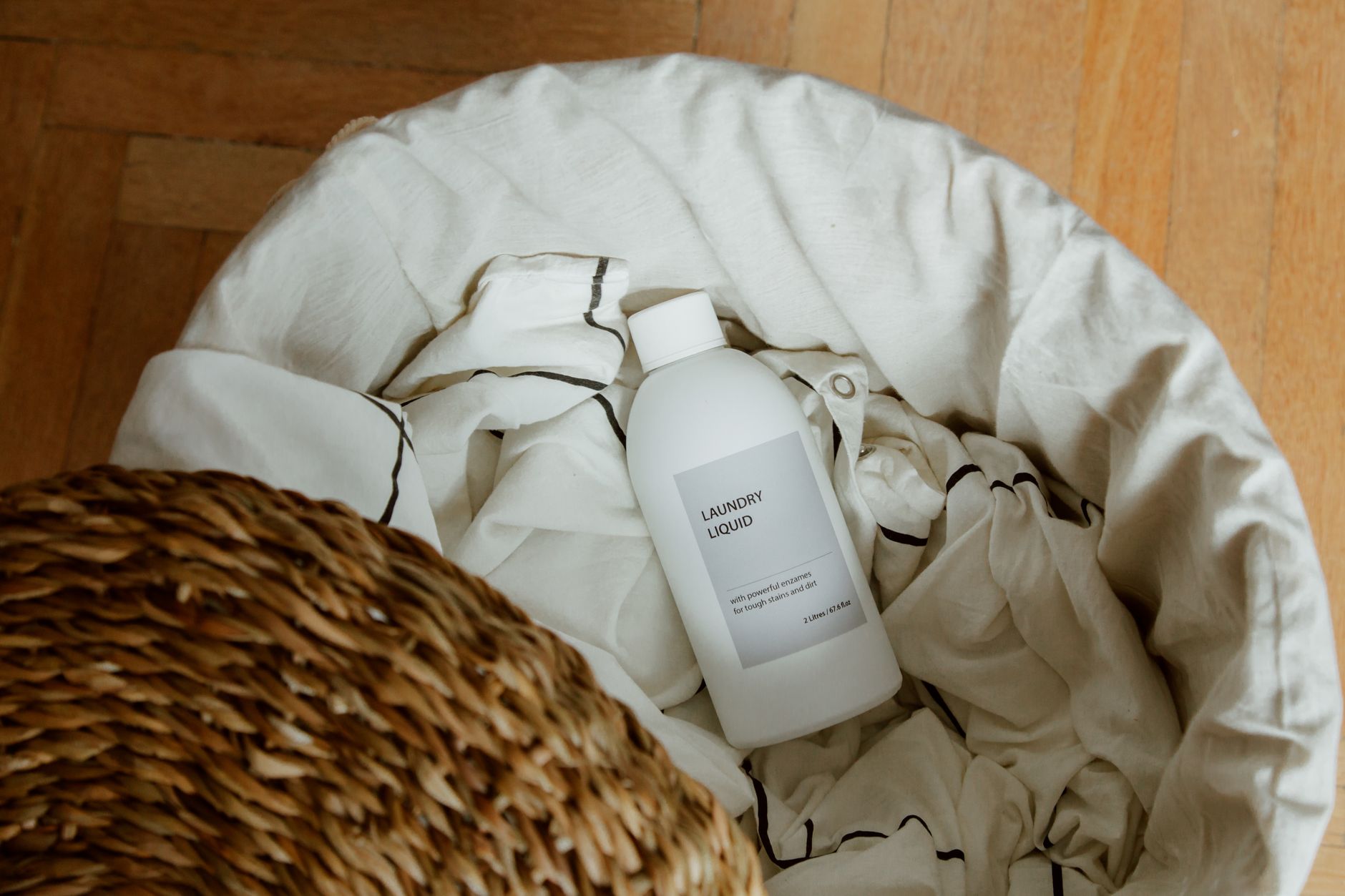
When is it safe to start washing baby clothes during pregnancy?
Most obstetricians agree that the act of washing baby clothes does not pose a direct risk to the fetus. The safety concerns revolve around chemical exposure from detergents, fabric softeners, and the potential for inhaling fumes from hot water or dryer sheets. For most women, it becomes safest to begin washing baby garments once you’re past the first trimester—around weeks 13–14—when hormonal fluctuations have settled and the placenta is better protected.
That said, if you have a history of chemical sensitivities, asthma, or eczema, you may want to wait until the third trimester or after delivery to start the laundry routine. Many expectant moms report feeling more comfortable waiting until after the 28‑week mark, especially if they plan to use fragrance‑free, hypoallergenic products.
In practice, start with a small load of cotton onesies in a gentle cycle, using cool or warm water (never scalding hot). This approach lets you test any sensitivities while keeping the laundry process low‑stress.
Pregnancy laundry safety guidelines
- Choose fragrance‑free, dye‑free detergents.
- Use water no hotter than 140 °F (60 °C).
- Ventilate the laundry area—open a window or run the exhaust fan.
- Avoid fabric softener sheets; opt for dryer balls instead.
- Wear gloves if you have skin irritation.
Can washing baby clothes cause miscarriage risk?
The short answer is no—there is no scientific evidence linking washing baby clothes to miscarriage. Miscarriage risk is primarily tied to genetic factors, maternal health conditions, and certain infections or medications, not to the act of laundering fabrics.
What can increase risk is prolonged exposure to strong chemicals or fumes, especially in poorly ventilated spaces. For example, inhaling chlorine bleach or aerosolized fabric softener for extended periods could irritate the respiratory system, potentially leading to a mild hypoxia that might affect fetal oxygenation. However, such scenarios are rare and largely preventable with the right precautions.
To keep your risk negligible, stick to mild detergents, avoid adding bleach unless absolutely necessary, and always keep the laundry room well‑ventilated. If you ever feel dizzy, short‑of‑breath, or develop a rash while doing laundry, step outside, get fresh air, and contact your provider.
Best detergents for pregnant women to wash baby clothes
Choosing the right detergent is the cornerstone of a safe laundry routine. Look for products that are:
- Fragrance‑free (unscented) and dye‑free.
- Hypoallergenic, certified by the National Eczema Association (NEA).
- Free of optical brighteners and enzymes that can trigger sensitivities.
- Eco‑friendly, if you prefer plant‑based surfactants.
Below is a comparison table of three widely recommended options:
All three meet the safety criteria for pregnant women and are safe for newborn skin. If you’re looking for an even greener option, check out National Eczema Society recommendations for plant‑based detergents.
Eco‑friendly detergents safe for pregnant mothers
Eco‑friendly brands often avoid synthetic fragrances and use renewable ingredients, reducing both environmental impact and chemical load. Look for certifications such as “USDA Organic” or “EU Ecolabel.” These products typically have lower volatile organic compound (VOC) levels, which means fewer fumes in the laundry room.
How often should pregnant mothers wash newborn clothes?
Newborns can go several days between outfit changes, but many parents prefer daily washes for peace of mind. The frequency you choose should balance practicality, skin health, and personal comfort.
During the first month, a good rule of thumb is to wash each piece after one use—especially if the baby has been spitting up, drooling, or had a diaper leak. After the first month, you can stretch the interval to every 2–3 days, as long as the clothing remains dry and odor‑free.
From a chemical exposure standpoint, more frequent washes mean you’re using less detergent per load, which can reduce residual buildup on fabrics. However, over‑washing can wear out fibers, leading to pilling that may irritate sensitive skin.
In practical terms, aim for:
- Weeks 0‑4: Wash after each wear.
- Weeks 5‑8: Wash every 1‑2 days.
- Weeks 9‑12 and beyond: Wash every 2‑3 days, or as needed.
Adjust this schedule based on your baby’s skin condition and any doctor‑recommended skin‑care regimen.
What temperature should I use to wash baby clothes while pregnant?
Water temperature matters for both cleaning efficacy and chemical safety. The CDC recommends washing baby items in warm water (at least 100 °F or 38 °C) to kill germs, but for pregnant mothers, a slightly cooler range is advisable to limit exposure to volatile chemicals that become more active at higher temperatures.
We suggest using water between 90‑140 °F (32‑60 °C). This temperature range:
- Kills most common bacteria and viruses.
- Keeps detergents from breaking down into harsher compounds.
- Reduces the risk of steam inhalation that could irritate the respiratory tract.
If you’re washing heavily soiled items—like a diaper‑soiled onesie—add a short hot rinse (140 °F) after the main wash, then rinse again with cool water.
Safe fabric softeners for pregnant women
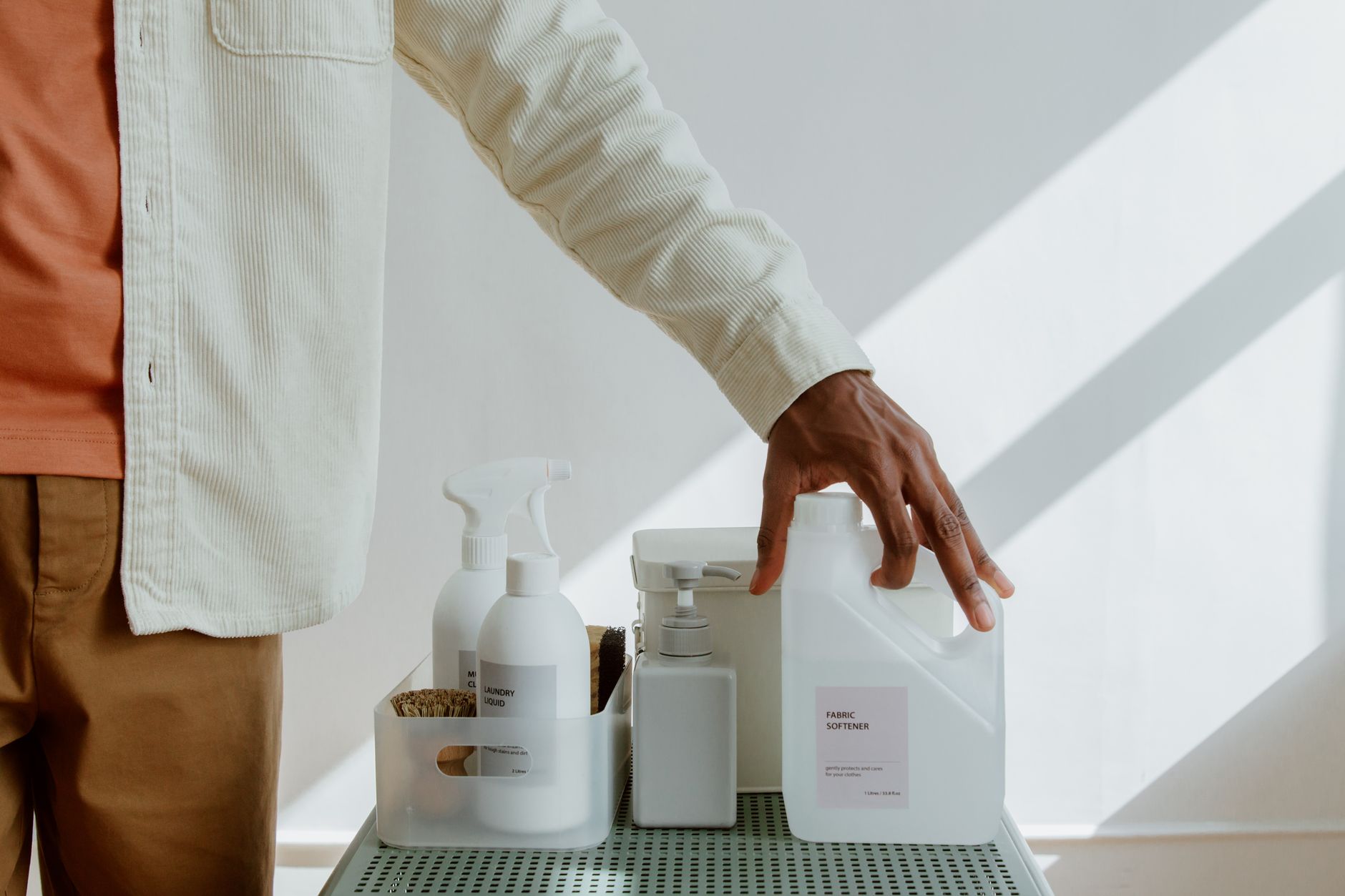
Many fabric softeners contain fragrances and chemicals such as quaternary ammonium compounds that can cause respiratory irritation. If you must use a softener, opt for a fragrance‑free, hypoallergenic version like “Ecos Fabric Softener – Free & Clear.” A safer alternative is to skip liquid softeners altogether and use dryer balls made from wool or rubber, which naturally soften fabrics without added chemicals.
Tips for washing baby clothes safely during each trimester
Each trimester brings its own set of physical changes, and your laundry routine can adapt accordingly.
First trimester (weeks 1‑12)
- Limit time in the laundry room—nausea and fatigue are common.
- Wear a mask if you’re sensitive to fragrances.
- Keep water temperature on the cooler side (90‑110 °F) to avoid overheating.
- Use pre‑treatment sprays that are fragrance‑free, like a diluted white‑vinegar solution (1 part vinegar to 4 parts water).
Second trimester (weeks 13‑27)
- Energy levels improve—this is a good time to start a regular washing schedule.
- Continue using cool‑warm water; you can now handle longer cycles if needed.
- Consider adding a cup of baking soda to the wash to neutralize odors without harsh chemicals.
- Use wool dryer balls to reduce static and soften fabrics.
Third trimester (weeks 28‑40)
- Overheating is a concern—avoid very hot water and long dryer cycles.
- Focus on quick, efficient loads to reduce standing time.
- Double‑check that laundry detergent residues are fully rinsed—run an extra rinse cycle if needed.
- Store clean clothes in a breathable cotton bag to keep them fresh until birth.
Should I avoid fabric softener when washing baby clothes during pregnancy?
Yes, it’s best to steer clear of traditional fabric softeners that contain added fragrances, dyes, and quaternary ammonium compounds. These ingredients can trigger skin irritation, respiratory issues, and even hormone‑disrupting effects in high‑exposure scenarios.
Instead, choose one of the following alternatives:
- Unscented, hypoallergenic liquid softeners (e.g., Ecos Free & Clear).
- Reusable dryer balls made from 100 % wool.
- A half‑cup of white vinegar in the rinse cycle—a natural softener that also helps remove detergent residue.
These options keep the fabric soft and static‑free without the chemical load that could affect a pregnant woman’s well‑being.
Additional considerations: fabric types, stains, and chemical exposure
Not all fabrics are created equal when it comes to safety and comfort. Here’s a quick guide:
- Cotton: Breathable, hypoallergenic, and safe for hot washes. Ideal for newborn skin.
- Polyester: Durable but can trap heat; wash in cooler water to prevent static.
- Blends (cotton‑polyester): Offer a balance of softness and durability; treat like polyester for temperature.
- Bamboo or Tencel: Naturally antimicrobial, but some blends include chemical finishes—check labels for “organic” or “Oeko‑Tex” certification.
For stains, use a mild pre‑treatment solution of diluted dish soap (a few drops in a cup of water) or a paste of baking soda and water. Avoid bleach unless absolutely necessary, and if you do use bleach, dilute it heavily (1 part bleach to 10 parts water) and rinse thoroughly.
To reduce overall chemical exposure, consider the following:
- Wash hands thoroughly after handling dirty laundry.
- Keep the laundry room door open and run a fan to disperse fumes.
- Use a front‑loading washer, which typically uses less water and less detergent than top‑loaders.
- Store detergents in a sealed container away from food and children.
Myth vs. fact
Myth: Washing baby clothes in hot water can cause birth defects.
Fact: Water temperature in the laundry does not affect fetal development. The real concern is inhaling strong chemical fumes, which can be avoided with proper ventilation and gentle detergents.
Myth: All fabric softeners are safe because they’re “baby‑approved.”
Fact: Many softeners contain fragrances and chemicals that can irritate pregnant women. Choose fragrance‑free, hypoallergenic versions or use natural alternatives like dryer balls.
Myth: You must wash all baby clothes before the baby is born.
Fact: It’s safe to wash them after birth, but doing so early can give you peace of mind. If you prefer to wait, you can safely store new garments in a breathable bag until after delivery.
Key takeaways
- Start washing baby clothes safely after the first trimester, preferably using cool‑warm water (90‑140 °F).
- Choose fragrance‑free, hypoallergenic detergents such as Seventh Generation Free & Clear or All Free Clear.
- Avoid traditional fabric softeners; opt for dryer balls or a cup of white vinegar in the rinse.
- Wash newborn garments every 1‑3 days depending on use, skin condition, and personal comfort.
- Ventilate the laundry area and wear gloves if you have skin sensitivities.
- Store clean clothes in breathable cotton bags until birth for added freshness.
Frequently asked questions
Is it safe to wash baby clothes while pregnant?
Yes, provided you use gentle, fragrance‑free detergents, keep water temperature below 140 °F, and ensure the laundry area is well‑ventilated. The act itself does not pose a miscarriage or birth‑defect risk.
What detergent should I use during pregnancy?
Opt for hypoallergenic, unscented detergents like Seventh Generation Free & Clear, All Free Clear, or Ecover Zero. These are free of dyes, fragrances, and harsh chemicals, making them safe for both you and your baby’s delicate skin.
Can washing baby clothes cause birth defects?
There is no evidence linking laundry activities to birth defects. The only real concern is inhaling strong chemical fumes, which can be minimized by using mild products and good ventilation.
How hot should the water be when washing baby clothes during pregnancy?
Keep water between 90‑140 °F (32‑60 °C). This range effectively cleans garments while limiting the release of volatile chemicals that become more active at higher temperatures.
Should I avoid fabric softener while pregnant?
Yes, traditional fabric softeners often contain fragrances and chemicals that may irritate your skin or respiratory system. Choose fragrance‑free, hypoallergenic softeners or natural alternatives like dryer balls or a cup of white vinegar.
How often should I wash newborn clothes during pregnancy?
Wash each piece after one use in the first month, then every 1‑2 days until the baby is three months old, and every 2‑3 days thereafter—adjusting based on spills, diaper leaks, and your comfort level.
When to see a doctor or specialist
If you experience any of the following while doing laundry, contact your OB‑GYN or primary care provider promptly:
- Persistent shortness of breath, wheezing, or chest tightness.
- Severe skin reactions (rash, hives, or swelling) despite using hypoallergenic products.
- Unexplained dizziness, light‑headedness, or fainting.
- Fever, chills, or other signs of infection after handling dirty clothes.
These symptoms could indicate a reaction to chemicals or an underlying condition that warrants medical evaluation. Remember, this article is for informational purposes only and does not replace personalized medical advice.
References
- American College of Obstetricians and Gynecologists (ACOG). “Guidelines for Safe Household Activities During Pregnancy.” 2023.
- National Eczema Association (NEA). “Hypoallergenic Detergent Recommendations.” 2022.
- Centers for Disease Control and Prevention (CDC). “Laundry Safety for Families.” Updated 2024.
- U.S. Food and Drug Administration (FDA). “Consumer Product Safety: Detergents and Fabric Softeners.” 2023.
- Environmental Working Group (EWG). “Guide to Safer Laundry Products.” 2023.
- World Health Organization (WHO). “Chemical Exposure and Pregnancy.” 2022.
- Harvard T.H. Chan School of Public Health. “Cleaning Products and Health.” 2024.
- National Institute of Environmental Health Sciences (NIEHS). “Volatile Organic Compounds in Household Settings.” 2023.



