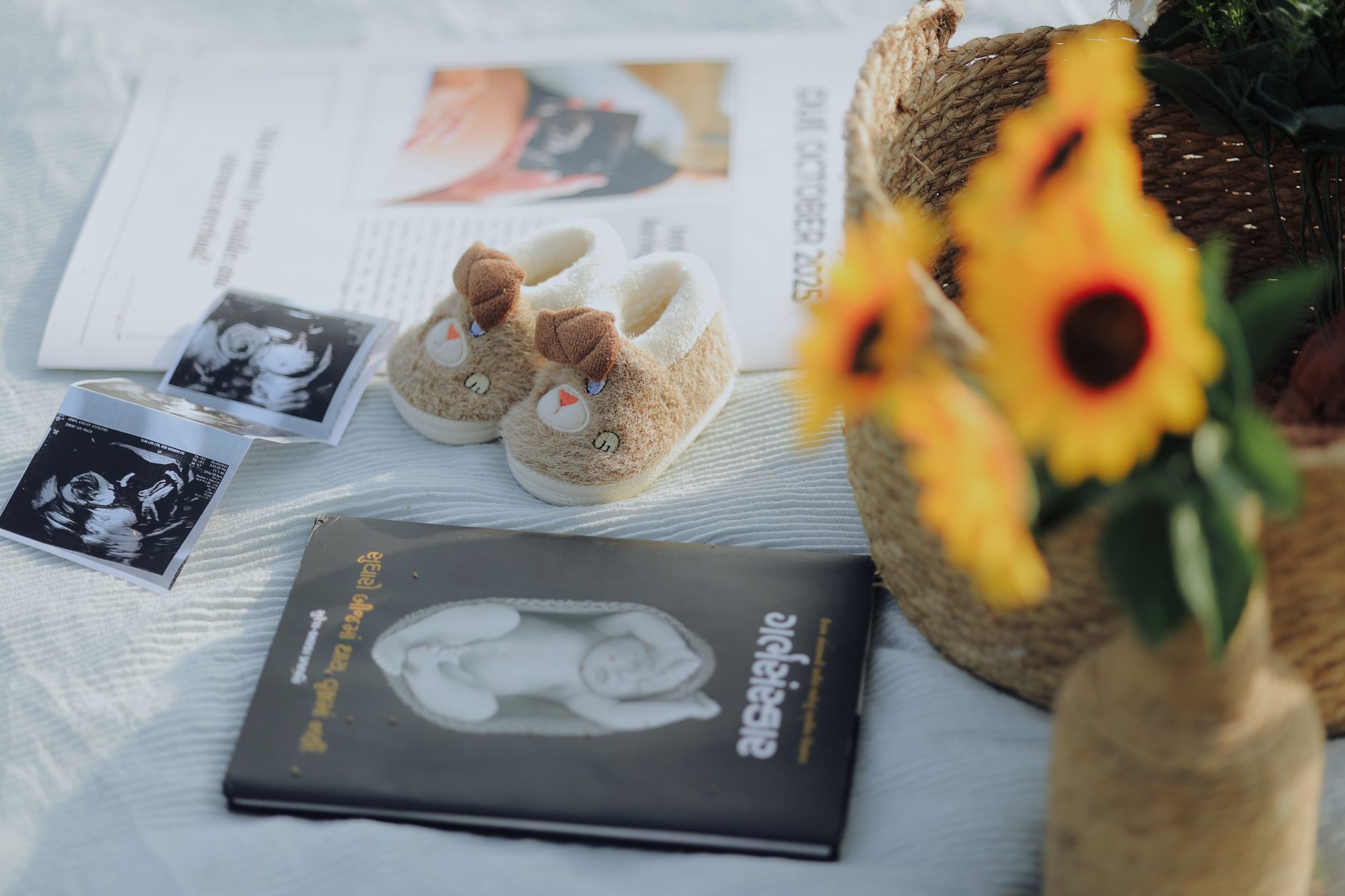
Quick take: Most couples choose to share the news with their in‑laws after the first trimester, when the risk of miscarriage drops and excitement feels safer. Choose a method that matches your family’s communication style, involve your partner, and have a few comforting phrases ready. If the reaction is unexpectedly negative, stay calm, give space, and follow up with a respectful note.
Imagine you’re sitting at the kitchen table, the soft hum of the dishwasher in the background, when your partner leans in and whispers, “We’re having a baby.” Your heart races, a smile spreads, and instantly you start wondering: when to tell in-laws you are pregnant? It’s a common worry, especially when the news feels both joyous and a little intimidating. You want to honor the relationship, avoid drama, and keep the excitement alive.
In this guide we’ll walk through the best timing, cultural customs, and communication methods for sharing your pregnancy with in‑laws. We’ll give you sample scripts, etiquette tips, and strategies for handling surprise reactions—whether they’re far away, rooted in tradition, or simply unexpected. By the end, you’ll feel confident about the moment you choose to say, “We’re expecting!”
When is the right time to tell my in‑laws about my pregnancy?
Most experts, including the American College of Obstetricians and Gynecologists (ACOG), suggest waiting until after the end of the first trimester (around 12–13 weeks) before announcing to extended family. By then, the risk of miscarriage drops significantly, and you’ll have a clearer picture of how you feel physically.
That said, “right time” isn’t a one‑size‑fits‑all rule. Consider these factors:
- Medical comfort: If you’ve experienced early pregnancy loss, you might prefer waiting a bit longer.
- Family dynamics: Some families love early news; others prefer a surprise at the baby shower.
- Living arrangements: If your in‑laws live in the same house, you may choose a more immediate, personal approach.
When you decide on a week, mark it on your calendar, and discuss the plan with your partner. This shared decision helps keep expectations aligned and reduces the pressure on either of you.
Best time to announce pregnancy to grandparents
Grandparents often cherish being the first to know, but many couples still wait until after the first trimester. If your in‑laws are also grandparents, you can combine the announcements. If they’re separate, consider a quick call to grandparents once you’ve told your in‑laws, or vice versa, depending on which relationship you feel is most immediate.
How to involve partner when telling in‑laws about pregnancy
Presenting the news together signals unity. Decide who will speak first, practice a short script, and agree on a supportive tone. Your partner’s presence can also help diffuse any tension if the reaction isn’t as enthusiastic as hoped.
How to break the news to in‑laws after the first trimester
After week 13, you have a solid foundation for a confident announcement. Choose a setting that feels comfortable for both you and your in‑laws. In‑person conversations are often preferred because they convey emotion better, but a video call works well if distance is an issue.
Here’s a step‑by‑step approach:
- Pick the right moment: Choose a relaxed time—perhaps after dinner or during a weekend visit—when distractions are minimal.
- Set the stage: Begin with a warm greeting, then segue into the news with a simple, upbeat line.
- Share your excitement: Use a phrase like, “We have some wonderful news we’re thrilled to share with you.”
- Reveal the news: Show a sonogram photo, a tiny pair of shoes, or simply say, “We’re expecting a baby!”
- Invite questions: Let them respond, and be ready for a range of emotions.
Sample text messages for telling in‑laws you are pregnant
If a call feels too formal, a thoughtfully crafted text can be a sweet prelude. Here are three templates you can customize:
- “Hey [Name], we’re so excited to share that a new member is joining our family! 🎉 We can’t wait to tell you more when we’re all together.”
- “Just wanted you to be among the first to know—we’re expecting! Let’s set a time to chat soon.”
- “Your future grandchild is on the way! We’re over the moon and would love to celebrate with you.”
How to write a pregnancy announcement letter to in‑laws
For families that cherish tradition, a handwritten note can feel special. Keep it brief, sincere, and include a personal touch—perhaps a small ultrasound photo or a decorative envelope.
Example:
Dear [In‑law’s Name],
We are thrilled to share that we’re expecting a baby! Your love and support have always meant the world to us, and we can’t wait for you to meet the newest addition to our family.
With love,
[Your Names]
What to say when telling in‑laws you are pregnant
Finding the perfect words can feel daunting, but a simple, heartfelt approach works best. Here are a few tried‑and‑true phrases:
- “We have some wonderful news—we’re expecting!”
- “Your future grandchild is on the way, and we’re so excited to share the journey with you.”
- “We’ve been blessed with a little surprise and can’t wait to introduce you to the newest member of our family.”
If you anticipate a more formal setting, you might include a short story about how you found out, or a quick thank‑you for their past support.
Pregnancy announcement etiquette for different religions
Many faith traditions have specific customs:
- Christian families: Some prefer a church blessing before sharing publicly.
- Jewish families: It’s common to wait until the baby’s gender is known before announcing.
- Muslim families: A modest announcement after the first trimester is typical, often followed by a celebratory gathering.
- Hindu families: The “Satyanarayan” or “Annaprashan” ceremonies may be planned later, but early news is usually welcomed.
Respecting these traditions can strengthen bonds and show cultural awareness.
Should I tell my in‑laws before or after announcing to friends?
The order of announcements often depends on personal preference and family dynamics. Here are three common strategies:
Talk with your partner about which timeline feels right. If you’re leaning toward telling in‑laws first, consider a quick call or text before the broader social announcement.
Sample script for a joint announcement
“Hey everyone, we have some amazing news—our family is growing! We’re thrilled to share this with you all and can’t wait for each of you to meet the baby.”
How to handle a negative reaction from in‑laws after pregnancy announcement
Not every reaction will be a joyous “Congratulations!” Some families may feel surprised, concerned about age, finances, or previous family dynamics. Here’s how to stay grounded:
- Give them space: Acknowledge their feelings without forcing a response.
- Listen actively: Ask, “Is there anything you’re worried about?” and let them speak.
- Reassure gently: Share your plans for health care, support, and parenting.
- Set boundaries: If the conversation turns critical, politely steer it back to positivity.
Remember, a single negative comment doesn’t define the whole relationship. Follow up later with a kind note or a small gesture to reinforce your bond.
What to expect when telling in‑laws about pregnancy complications
If you’re dealing with a high‑risk pregnancy, you might choose to be transparent early on. Explain the situation briefly, share your care team’s plan, and let them know how they can support you. Most families respond with empathy once they understand the seriousness.
How to tell in‑laws if they are opposed to pregnancy
Opposition can stem from cultural expectations, age concerns, or personal beliefs. Approach the conversation with calm curiosity:
- “I hear you have concerns—can we talk about what’s on your mind?”
- “Our doctor is monitoring everything closely, and we have a solid support network.”
- “We value your perspective and hope we can find a way forward together.”
Even if agreement isn’t immediate, showing respect can keep doors open for future dialogue.
Tips for telling in‑laws you are pregnant if they live far away
Distance adds a layer of logistical planning. Choose a method that feels personal yet practical. Options include:
- Video call: Allows you to see each other’s reactions in real time.
- Recorded video: Create a short clip announcing the news, then send the link.
- Letter or card: A mailed note can be a treasured keepsake.
- Surprise package: Include a tiny pair of baby shoes or a sonogram print.
Whichever you choose, schedule a time that works across time zones, and test technology ahead of time to avoid glitches.
Sample video call script for long‑distance in‑laws
“Hi [Name], we’ve been looking forward to sharing something special with you. We’re thrilled to tell you that we’re expecting a baby! We can’t wait for you to meet our little one, even if it’s through a screen for now.”
Cultural traditions for announcing pregnancy to in‑laws
Across the globe, families have rich rituals that mark the beginning of a new generation. Understanding these customs can help you choose an approach that feels respectful.
- East Asian cultures: Many families observe a “red envelope” tradition, where the expecting couple receives good‑luck money after the announcement.
- Latin American families: A “baby shower” called “baby shower” or “baby blessing” often follows the announcement, featuring prayers and symbolic gifts.
- African traditions: Some communities hold a “Naming Ceremony” early on, involving elders and specific foods.
- Middle Eastern families: Announcements may be paired with a family gathering and a small feast, emphasizing communal support.
If you’re navigating a multicultural marriage, blend traditions where possible, or discuss with your partner which elements feel most meaningful.
Myth vs. fact
Myth: You must tell your in‑laws within the first month or they’ll feel excluded.
Fact: Most families understand that early pregnancy can be fragile; waiting until after the first trimester is widely accepted and often appreciated.
Myth: A text message is impersonal and should never be used for a pregnancy announcement.
Fact: A well‑written text can be a thoughtful, immediate way to share news, especially for long‑distance or tech‑savvy families.
Myth: If your in‑laws react negatively, the relationship is doomed.
Fact: Initial shock or disappointment often softens with time, especially when you demonstrate openness and care.
Key takeaways
- Most couples wait until after the first trimester to tell in‑laws, reducing anxiety about miscarriage.
- Choose a communication method (in‑person, video, text, or letter) that matches both your comfort level and your in‑laws’ preferences.
- Involve your partner in the announcement to show unity and share the emotional load.
- Prepare a short script or phrasing; simple, heartfelt language works best.
- If the reaction is negative, listen, give space, and follow up with a respectful note.
- Respect cultural or religious traditions, and consider blending them if your family is multicultural.
Frequently asked questions
When should I tell my in‑laws I’m pregnant?
Most experts recommend waiting until after the first trimester (around 12‑13 weeks) when the risk of miscarriage declines. However, the exact timing depends on your health, family dynamics, and personal comfort.
How do I tell my in‑laws about my pregnancy without causing drama?
Plan a calm setting, keep your announcement short and positive, and be prepared for a range of reactions. If tension arises, acknowledge their feelings, give them space, and follow up with a kind note.
Is it okay to tell my in‑laws after the first trimester?
Yes. In fact, many families view waiting until after the first trimester as considerate, because it minimizes the chance of having to share difficult news later.
What should I say when announcing my pregnancy to my in‑laws?
Try a simple, joyful line like, “We have wonderful news—we’re expecting a baby!” Follow with a brief expression of excitement and an invitation for them to share in the joy.
How can I prepare my partner for telling the in‑laws?
Discuss the timing, rehearse a short script together, and agree on each person’s role during the conversation. This preparation builds confidence and shows a united front.
What are common reactions from in‑laws when you announce a pregnancy?
Reactions range from ecstatic joy to surprise, curiosity, or even concern. Some may ask about health, timing, or family plans. Most families adjust quickly once they see your excitement.
When to see a doctor or specialist
If you experience any of the following after sharing the news, consider contacting your OB‑GYN promptly:
- Severe abdominal pain or cramping.
- Heavy bleeding or spotting.
- Fever above 100.4°F (38°C) without a clear cause.
- Sudden swelling of hands, face, or feet.
- Persistent headaches or vision changes.
These symptoms could indicate complications such as miscarriage, ectopic pregnancy, or preeclampsia. While informing in‑laws is a personal milestone, your health always comes first.
This article provides general guidance and is not a substitute for personalized medical advice. Always discuss any concerns or decisions with your health care provider.
References
- American College of Obstetricians and Gynecologists (ACOG). “Pregnancy: Managing the First Trimester.” 2023.
- Mayo Clinic. “How to Announce a Pregnancy.” Updated 2022.
- Harvard T.H. Chan School of Public Health. “Family Communication During Pregnancy.” 2021.
- National Institute of Child Health and Human Development (NICHD). “Pregnancy Complications.” 2022.
- World Health Organization (WHO). “Maternal Health Guidelines.” 2023.
- National Center for Health Statistics (NCHS). “Pregnancy Outcomes and Timing.” 2022.
- American Psychological Association (APA). “Family Stress and Pregnancy.” 2021.