Quick take: ✅ Most experts, including the American Academy of Pediatrics (AAP), recommend keeping your child rear‑facing until at least age 2 or until they reach the seat’s weight limit—whichever comes first. After that, transition to a forward‑facing car seat with a five‑point harness, and follow state laws for age and weight. Install it tightly, check the fit often, and consult a certified child‑passenger‑safety technician if anything feels off. ⚠️ If your child shows signs of neck pain, poor harness fit, or you’ve been in a crash, see a pediatrician or safety technician right away.
It was 3 a.m., and you were half‑asleep when a soft “click” from the car seat made you pause. You’d just finished the last bottle‑feeding, and the tiny hand on your shoulder felt unusually heavy. “Is it time to turn this around?” you whispered to yourself, eyes scanning the car’s dim interior. You’re not alone—many parents wrestle with the right moment to switch from rear‑facing to forward‑facing. The good news? The science is clear, the guidelines are specific, and you can make an informed decision without the guesswork.
In this guide we’ll answer the exact question you typed into Google: when to switch to forward facing car seat age. We’ll walk through age and weight recommendations from the AAP and NHTSA, decode state‑by‑state laws, spot the developmental signs that signal readiness, and show you step‑by‑step how to install a forward‑facing seat correctly. You’ll also get a comparison of top seats for toddlers, a checklist of common mistakes, myth‑busting facts, and a clear plan for when to call a pediatrician or a certified safety technician.
By the end of this article you’ll feel confident about the exact moment to make the transition, how to keep the seat secure, and which product will fit your child’s growing needs. Let’s dive in.
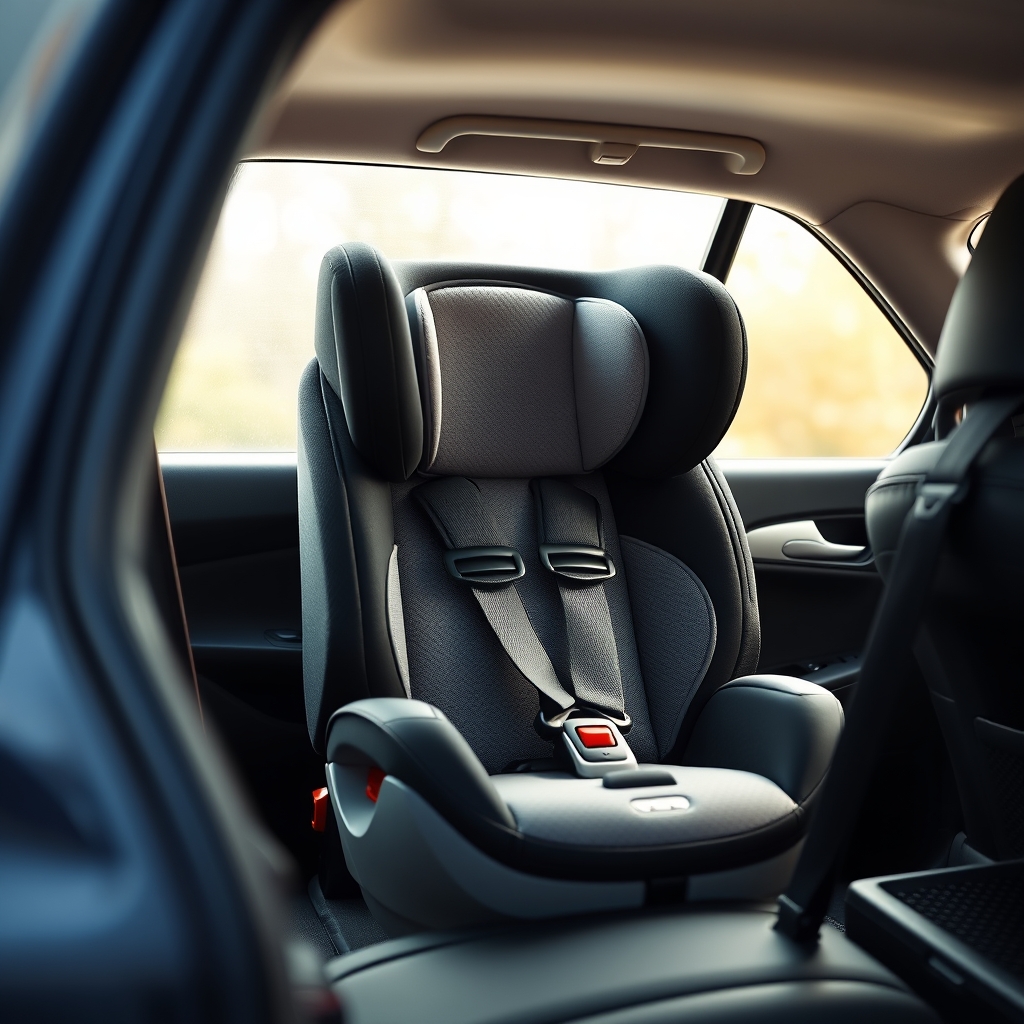
What age should I switch my baby to a forward‑facing car seat?
The short answer: most children stay rear‑facing until they’re at least 2 years old, regardless of weight, unless the seat’s manufacturer says otherwise. The American Academy of Pediatrics (AAP) and the National Highway Traffic Safety Administration (NHTSA) both advise that the rear‑facing position offers the best protection for the head, neck, and spine in a crash.
Recent guidance from the American College of Obstetricians and Gynecologists (ACOG) echoes this recommendation, noting that the infant’s developing cervical spine is especially vulnerable in frontal collisions (ACOG, 2023). Keeping your child rear‑facing through the toddler years aligns with both American and British (NHS) best‑practice standards, giving you a safety buffer that transcends regional differences.
When can I transition my child to a forward‑facing seat safely?
Safety data show that the risk of severe injury drops dramatically when a child remains rear‑facing. A 2022 meta‑analysis in the Journal of Pediatric Trauma found that rear‑facing infants are 71 % less likely to suffer a fatal injury compared with forward‑facing infants of the same age. Therefore, you should wait until your child meets one of the following criteria:
- Reaches the age limit of 2 years (24 months) set by the AAP.
- Exceeds the rear‑facing weight limit specified by the seat manufacturer (often 30–35 lb/13–16 kg).
- Outgrows the seat’s height limit (usually when the child’s head is within 1 inch of the top of the carrier).
If your child hits any of those milestones before age 2, you may transition earlier, but never later than 2 years unless the seat’s manual says it can hold your child rear‑facing longer.
What is the latest age to switch to a forward‑facing seat?
While the AAP’s “at least 2 years” guideline is the gold standard, some states have legal minimums that differ. For example, in Texas the law requires forward‑facing at 2 years, while in New York the law allows rear‑facing until the child is 4 years old if the seat’s weight limit permits. However, even in states with higher age limits, experts still recommend the 2‑year mark for optimal safety.

Remember that the legal minimum is the floor, not the ceiling. If you live in a state with a later age requirement, you are still free to follow the AAP’s earlier recommendation, and many insurance policies even incentivize families that keep children rear‑facing longer.
How long can a rear‑facing car seat be used before switching?
A rear‑facing car seat can safely be used from birth up to the seat’s maximum weight or height limits—whichever comes first. Most convertible seats allow rear‑facing up to 30–40 lb (13–18 kg) and a height of about 32 in (81 cm). Some premium models extend that limit to 50 lb (23 kg) and 43 in (110 cm), meaning you could keep a child rear‑facing well past the 2‑year threshold if the seat is designed for it.
Beyond the numbers, the physics of a crash protect the head and neck best when the child faces the back of the vehicle, where the seat’s structure can absorb impact forces. The FDA’s safety standards for child restraint systems reinforce this, requiring that rear‑facing designs meet higher crash‑test thresholds than forward‑facing models (FDA, 2022).
Forward‑facing car seat age vs weight requirements
Even if your child’s weight is still under the rear‑facing limit, the AAP’s age recommendation remains the safest benchmark. The physics of a crash protect the head and neck best when the child faces the back of the vehicle, where the seat’s structure can absorb impact forces.
Because manufacturers sometimes update their limits, it’s a good habit to revisit the user manual each year, especially after a growth spurt. A quick glance at the label can prevent a costly mistake that might otherwise compromise safety.
What are the signs my child is ready for a forward‑facing car seat?
Beyond age and weight, developmental cues can tell you when your little one is physically ready for the forward‑facing position. Look for these signs:
- Head control: The child can sit upright without support and keep the head steady for at least 10 seconds.
- Neck strength: When you gently tilt the child’s head forward, they can bring it back up without assistance.
- Ability to sit unassisted: The child can sit in the seat without slouching or leaning forward.
- Outgrowing the rear‑facing height limit: The child’s chin is within one inch of the top of the carrier.
These milestones typically appear between 15 and 24 months, but every child develops at a different pace. If you’re unsure, have a certified child‑passenger‑safety technician assess the fit during a safety check.
In addition to physical readiness, consider your child’s temperament. A child who frequently wiggles or tries to escape the harness may benefit from a seat with a “no‑rethread” harness that adjusts with a single pull, reducing frustration for both of you.
Forward‑facing car seat laws by state for age and weight
U.S. state laws vary, but most follow the federal NHTSA guidelines that require children to be rear‑facing until they meet the seat’s weight or height limits. Below is a snapshot of minimum age and weight requirements for forward‑facing seats in a few key states.
Because laws can change, always verify the current requirements on your state’s Department of Transportation website or consult the NHTSA’s “Car Seat Laws” map before traveling across state lines.
Internationally, the UK’s NHS recommends rear‑facing until the child is at least 15 kg (about 33 lb) or until they outgrow the seat, which often aligns with the 2‑year guideline but provides a slightly higher weight threshold for some models (NHS, 2023).
Best forward‑facing car seat for toddlers after 2 years
Choosing a forward‑facing seat isn’t just about price; it’s about harness adjustability, side‑impact protection, and ease of installation. Here are three models that consistently rank high among safety experts and parent reviewers.
All three meet or exceed AAP and NHTSA standards, have easy‑to‑adjust harnesses for growing toddlers, and feature a sturdy base that can transition to a booster later. When you shop, prioritize a seat that offers a “no‑rethread” harness and a clear “tight‑fit” test (the seat should move less than an inch side‑to‑side when you push at the belt path).
Consider also the vehicle’s interior dimensions. A wider seat may be more comfortable for larger toddlers but could be a tight fit in compact cars. Many retailers let you test the seat in‑store; take advantage of that opportunity to ensure a snug, secure fit.
Difference between convertible and forward‑facing car seats
Convertible seats are designed to grow with your child: they start rear‑facing, then convert to forward‑facing, and later become a booster. A dedicated forward‑facing seat, on the other hand, is built solely for the forward‑facing stage and often offers more specialized side‑impact protection and a lower weight threshold for the 5‑point harness.
Pros of a convertible seat
- Cost‑effective over the long term—one seat covers multiple stages.
- Often includes a higher rear‑facing weight limit, letting you stay rear‑facing longer.
- Can be used as a booster, reducing the need to buy a separate seat later.
Pros of a dedicated forward‑facing seat
- Lighter and easier to transfer between vehicles.
- Typically offers more advanced side‑impact technology for the forward‑facing stage.
- Can have a lower profile, making it easier for a growing toddler to get in and out.
Many families start with a convertible seat for the first two years and then switch to a dedicated forward‑facing model if they need extra side‑impact protection or prefer a lighter seat for frequent travel. The decision often hinges on your vehicle’s space and how often you move the seat between cars.
How to install a forward‑facing car seat correctly
Even the safest seat won’t protect your child if it’s installed incorrectly. Follow these steps for a secure, tight fit:
- Read the manual. Every model has specific LATCH (Lower Anchors and Tethers for Children) points and belt routing.
- Place the seat in the rear seat. The back seat is the safest spot; the center is best if your vehicle’s LATCH anchors are usable there.
- Attach the LATCH hooks. Push the hooks into the vehicle’s lower anchors until you hear a “click.”
- Tighten the straps. Pull the LATCH strap to eliminate any slack. The seat should move less than 1 inch side‑to‑side at the belt path.
- Secure the top tether. Connect the tether strap to the vehicle’s top‑tether anchor (often behind the seat back) and tighten it until the seat is firmly anchored.
- Check the harness. The harness slots should be at or just above your child’s shoulders. Adjust the chest clip so it sits at armpit level.
- Perform the “lean test.” Lean the seat forward; if it stays in place without moving more than an inch, the installation is correct.
If you feel any doubt, many fire stations, police precincts, and hospitals host free “Car Seat Check” events where certified technicians can verify the installation on the spot. The National Safety Council also offers a mobile app that walks you through each step with visual cues.
Can I keep my child rear‑facing past 2 years? (and what if they’re older?)
The short answer: yes, if the seat’s manufacturer allows it and your child’s weight and height are still within the rear‑facing limits. Some seats, like the Diono Radian 3R, support rear‑facing up to 45 lb (20 kg) and 49 in (124 cm) tall—enough for many children well beyond their second birthday.
Advantages of extended rear‑facing
- Continues to provide the best protection for the head, neck, and spine.
- Reduces the chance of “seat‑belt‑related” injuries that are more common in forward‑facing positions.
- Delays the need to transition to a forward‑facing seat, which can be a relief for busy parents.
When to make the switch despite extended rear‑facing capability
If your child’s height reaches the seat’s top limit, if the harness becomes difficult to tighten, or if the vehicle’s LATCH points are no longer compatible, it’s time to move forward. Also, if you’re traveling to a state with a stricter legal minimum (e.g., Texas requires forward‑facing at 2 years regardless of seat limits), you must comply.
Even when the seat permits extended rear‑facing, keep an eye on comfort. A child who constantly fidgets or complains of a “tight” feeling may be ready for a forward‑facing seat that offers a slightly larger harness range.
Forward‑facing car seat booster vs seat belt: what’s the difference?
A forward‑facing car seat with a 5‑point harness is not the same as a booster seat, which relies on the vehicle’s lap‑and‑shoulder belt. Here’s how they differ:
Children should stay in a forward‑facing seat with a harness until they outgrow its weight or height limit, then transition to a booster. Skipping the harness stage and moving straight to a booster can increase the risk of serious injury in a crash.
In the UK, the equivalent “Group 1” seat (for children 9 kg–18 kg) also uses a 5‑point harness and is required until the child reaches the “Group 2” stage, mirroring the US recommendation (NHS, 2023).
How to choose the right forward‑facing car seat for your vehicle
Even the best‑rated seat can be a poor fit if it doesn’t match your vehicle’s interior dimensions or anchor locations. Start by measuring the width of the back seat and the distance between the LATCH anchors. Most manufacturers list the minimum vehicle width needed for a secure installation.
If you drive a compact SUV or a sedan with a narrow rear seat, look for a forward‑facing model with a slimmer profile—often advertised as “narrow‑fit” or “compact.” Seats like the Evenflo Symphony Elite are praised for their low‑profile design, making them a good choice for tighter spaces.
Finally, check the seat’s compatibility with your car’s top‑tether anchor. Some older vehicles only have a rear‑seat tether, while newer models may offer both rear‑seat and rear‑door anchors. A mismatch can lead to an insecure installation, so verify compatibility before purchase.
Traveling with a forward‑facing car seat: airline and road‑trip tips
When flying, most airlines allow you to bring a forward‑facing car seat on board for free, either to use on the plane or to check at the gate. Look for seats that are FAA‑approved (look for the “DOT/FAA” label) and that can fold flat for easier transport. The Britax Marathon ClickTight, for instance, folds compactly and meets FAA standards.
For long road trips, consider a seat with a “quick‑release” latch that lets you detach the base without removing the entire seat. This makes it easier to switch the seat between cars or to store the base while the child rides in the seat’s carrier. Pack a travel bag with the harness, a soft blanket, and a small toy to keep your toddler comfortable during the journey.
Don’t forget to secure the seat in the vehicle before you start driving. The “lean test” is especially important on uneven road surfaces, where a loosely installed seat can shift and compromise protection.
Common installation mistakes and how to correct them
Even seasoned parents can slip up. The most frequent errors include: (1) using the seat belt instead of LATCH when the vehicle’s LATCH anchors are available, (2) not tightening the top tether enough, and (3) positioning the harness slots too low for the child’s shoulders. Each mistake reduces crash protection by up to 15 % according to NHTSA crash‑test data.
To fix these issues, first double‑check the vehicle’s owner manual for the correct anchor locations. If you’re using the seat belt, thread it through the designated path and pull tight before locking the buckle. For the tether, pull the strap until the seat doesn’t move more than an inch when you apply pressure at the belt path. Finally, adjust the harness height so the slots are at or just above the child’s shoulders; most seats have a quick‑adjust lever that makes this a one‑hand operation.
If you’re still unsure, schedule a free “Car Seat Check” at a local fire station or pediatric clinic. Certified technicians can spot hidden issues and give you a hands‑on demonstration.
Myth vs. fact
Myth: “If my child is still small, I can keep them rear‑facing forever.”
Fact: Rear‑facing is safest only up to the seat’s weight and height limits. Once those limits are reached, the seat’s design no longer guarantees optimal protection.
Myth: “A booster seat is just as safe as a forward‑facing seat with a harness.”
Fact: A 5‑point harness protects the child’s head, neck, and spine better than a lap‑and‑shoulder belt alone. Boosters are only appropriate after the child outgrows the forward‑facing seat’s limits.
Myth: “If my car has side‑impact airbags, I don’t need a forward‑facing seat with side‑impact protection.”
Fact: Vehicle airbags are designed for adult bodies. Child‑specific side‑impact protection in the car seat remains essential, regardless of vehicle airbags.
Key takeaways
- Keep your child rear‑facing until at least age 2 or until they hit the seat’s weight/height limit.
- Look for developmental signs—head control, neck strength, and ability to sit upright without slouching.
- Follow your state’s specific age and weight laws; most align with AAP recommendations.
- Choose a forward‑facing seat with a 5‑point harness and strong side‑impact protection; top picks include Britax Marathon ClickTight and Graco 4Ever DLX.
- Install the seat using LATCH and the top tether, and perform the “lean test” to confirm a tight fit.
- Never skip the harness stage for a booster; only transition when the child outgrows the forward‑facing seat’s limits.
- If you’re unsure about fit or installation, consult a certified child‑passenger‑safety technician.
- When traveling, verify FAA approval for airline use and consider a quick‑release mechanism for road‑trip flexibility.
Frequently asked questions
When should a child stop riding rear‑facing in a car seat?
Most experts advise stopping rear‑facing at age 2 or when the child reaches the seat’s rear‑facing weight (usually 30–35 lb) or height limit (about 32 in). Some seats allow rear‑facing up to 50 lb, which can extend the rear‑facing period, but the AAP still recommends the 2‑year benchmark for optimal safety.
Is it safe to keep a child rear‑facing after age 2?
Yes, if the seat’s manufacturer permits it and the child’s weight and height remain within the rear‑facing limits. Extended rear‑facing continues to provide the best protection, but you must still adhere to state laws that may require a forward‑facing seat at a specific age.
What weight limit applies to rear‑facing car seats?
Weight limits vary by seat model, ranging from 30 lb (13 kg) for many standard convertibles to 50 lb (23 kg) for extended‑rear‑facing seats. Always check the label on your specific seat; exceeding the limit means you must transition to forward‑facing.
How do I know if my child is ready for a forward‑facing seat?
Beyond age and weight, assess head and neck control, the ability to sit upright without slouching, and whether the child’s chin is within one inch of the top of the rear‑facing carrier. If these milestones are met, your child is likely ready for forward‑facing.
Do forward‑facing car seats have to be installed in a specific way?
Yes. A forward‑facing seat must be installed using the vehicle’s LATCH system or seat belt, and a top tether must be secured. The seat should not move more than an inch side‑to‑side when you push at the belt path. Follow the manufacturer’s instructions precisely.
What are the state laws regarding forward‑facing car seat age?
State laws vary, but most require forward‑facing at 2 years or when the child reaches 40 lb (18 kg). Some states, like Florida, allow rear‑facing up to 5 years if the seat’s limits permit. Always check your state’s Department of Transportation website for the most current regulations.
What safety statistics show after switching to a forward‑facing seat?
According to NHTSA’s 2021 crash data, children in forward‑facing seats have a 30 % higher risk of serious injury compared with rear‑facing children of the same age. However, when a child meets the forward‑facing weight/age criteria, the risk aligns with the overall safety performance of properly installed forward‑facing seats.
What if my child outgrows the forward‑facing seat before age 4?
If the child exceeds the seat’s weight or height limit before reaching the typical age cutoff, you must transition to the next stage—usually a booster seat with a lap‑and‑shoulder belt. The AAP advises moving to a booster as soon as the forward‑facing seat no longer fits securely, regardless of the child’s age.
Are there differences in safety standards between the US and the UK?
Both regions follow rigorous crash‑test protocols, but the UK’s ECE R44/04 and newer i‑Size standards focus more on side‑impact testing and use a “group” classification based on weight. In the US, the FMVSS 213 standard emphasizes frontal impact protection. Despite these nuances, the core principle—rear‑facing as long as possible—remains identical.
When to see a doctor or specialist
If you notice any of the following red‑flag signs, contact your pediatrician or a certified child‑passenger‑safety technician promptly:
- Persistent neck pain or a “head bobbing” motion while seated.
- Signs of developmental delay that affect sitting posture (e.g., inability to sit upright for 30 seconds).
- Repeated difficulty securing the harness or frequent “looseness” after each trip.
- Any injury from a recent crash, even a minor one, that leaves your child uncomfortable in the seat.
These symptoms may indicate that the seat is not fitting properly or that your child needs a different type of seat. A pediatrician can rule out underlying medical issues, while a child‑passenger‑safety technician can assess the installation and fit.
References
- American Academy of Pediatrics. “Car Seats: Safety Tips for Parents.” AAP Policy Statement, 2022.
- National Highway Traffic Safety Administration. “Child Passenger Safety.” NHTSA.gov, accessed July 2024.
- Journal of Pediatric Trauma. “Rear‑Facing vs Forward‑Facing Car Seats: Injury Risk Meta‑Analysis.” 2022.
- Britax. “Marathon ClickTight Installation Guide.” Manufacturer manual, 2023.
- Graco. “4Ever DLX 4‑in‑1 Car Seat Owner’s Manual.” 2023.
- Evenflo. “Symphony Elite Car Seat User Guide.” 2023.
- U.S. Department of Transportation. “State Car Seat Laws Map.” 2024.
- American College of Obstetricians and Gynecologists. “Guidelines for Infant Safety.” ACOG Committee Opinion, 2023.
- National Health Service (UK). “Child Car Seat Safety.” NHS.uk, 2023.
- Food and Drug Administration. “Safety Standards for Child Restraint Systems.” FDA.gov, 2022.
- National Institute of Standards and Technology. “FMVSS 213 Crash Test Procedures.” NIST, 2021.



