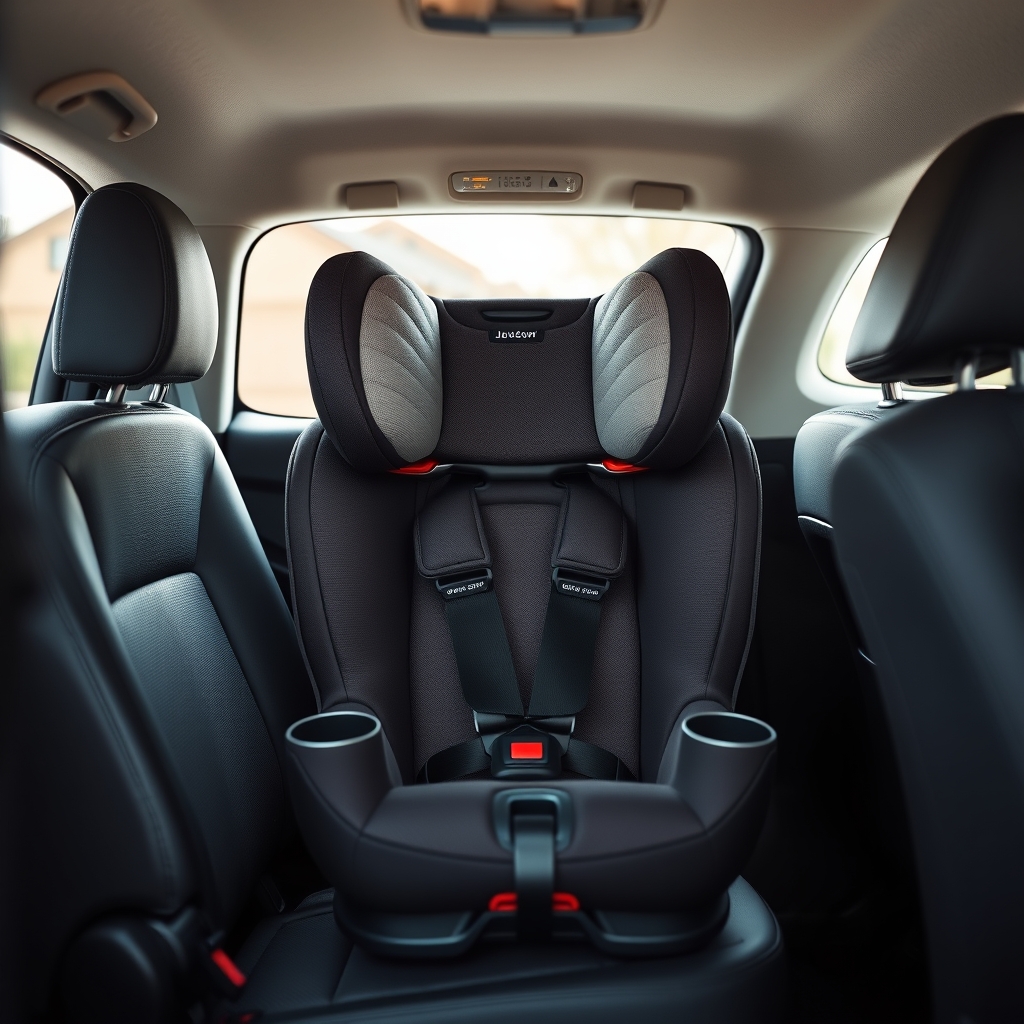
Every convertible car seat comes with a specific weight range for its rear‑facing mode, usually between 4 kg (9 lb) and 18 kg (40 lb). Once your child exceeds the rear‑facing weight limit, you must transition to forward‑facing.
Typical forward‑facing limits start at 9 kg (20 lb) and extend up to 30 kg (66 lb) or more, depending on the model. The AAP advises that a forward‑facing seat should be used until the child reaches 40 lb (18 kg) or the seat’s height limit—often around 48 cm (19 in.) from the top of the head to the seat back.
When checking the label, look for both “rear‑facing” and “forward‑facing” weight ranges. If you’re unsure, call the manufacturer’s customer service line; they can confirm the exact limits for your specific model.
It’s also worth noting that some newer seats have “extended‑rear‑facing” ranges that go up to 22 kg (48 lb). If you own one of these, you can delay the forward‑facing transition even further, which many pediatric safety experts, including the UK’s National Health Service (NHS), endorse as a best practice.
Is it safe to keep my child rear facing past the recommended age?
Yes, and in many cases it’s recommended. The AAP’s 2022 policy statement explicitly states that “parents should keep children rear‑facing as long as the car seat’s height or weight limit permits.” Rear‑facing beyond 2 years old continues to provide superior protection for the head and neck.
Research from the University of Sydney (2020) tracked over 1,200 crash outcomes and found that children rear‑facing past 2 years had a 30 % lower risk of serious injury compared with those switched earlier. The downside is that the seat may become uncomfortable if the child’s legs are fully extended. In such cases, a larger convertible seat with a higher rear‑facing limit can be the solution.
However, never exceed the seat’s manufacturer‑specified limits. Continuing rear‑facing past the height limit can compromise the seat’s structural integrity, reducing its crash performance.
International guidance aligns with this approach. The UK’s NHS advises that parents keep children rear‑facing until they reach the top height limit of the seat, even if that means staying rear‑facing past the age of two years.
How to install a forward facing car seat correctly?
Installation is the single most important factor in car seat safety. Even the best seat can’t protect your child if it’s not secured properly. Follow these steps:
- Read the manual. Every seat has unique latch points, harness adjustments, and angle indicators.
- Choose the right method. Use the vehicle’s LATCH (Lower Anchors and Tethers for Children) system if the combined weight of the seat and child is under 30 lb (13.6 kg). Otherwise, use the vehicle’s seat belt.
- Position the seat. Place the seat in the rear middle seat if possible. If using a side seat, ensure there is no active airbag on the passenger side.
- Secure the base. For LATCH, push the seat firmly into the anchor until you hear a click. For a belt, thread the belt through the designated path, lock it, and pull the belt tight to eliminate slack.
- Check the angle. Most forward‑facing seats have an angle indicator to keep the seat at a 45‑degree recline during installation. Adjust the recline until the indicator aligns.
- Attach the tether. The tether strap should be anchored to a designated anchor point (usually behind the seat, on the floor, or the side of the vehicle). Pull it tight—no slack.
- Test for movement. Grasp the seat at the base and try to move it side‑to‑side and front‑to‑back. It should not move more than an inch in any direction.
- Fit the harness. With the child in the seat, the harness straps should be at or just above the child’s shoulders. The chest clip must be at the level of the child's armpits.
- Final safety check. Use the “tight‑fit” test: the harness should be snug enough that you cannot pinch any slack at the shoulder line.
After installation, revisit the seat every month. Child growth can shift the seat, and everyday wear can loosen the latch points.
When you’re traveling across state lines, double‑check that your installation method meets the most restrictive state law you’ll encounter. The Federal Motor Vehicle Safety Standards (FMVSS) require a secure tether for forward‑facing seats, and failure to use it can invalidate the seat’s crash test certification.
Differences between convertible and forward facing car seats
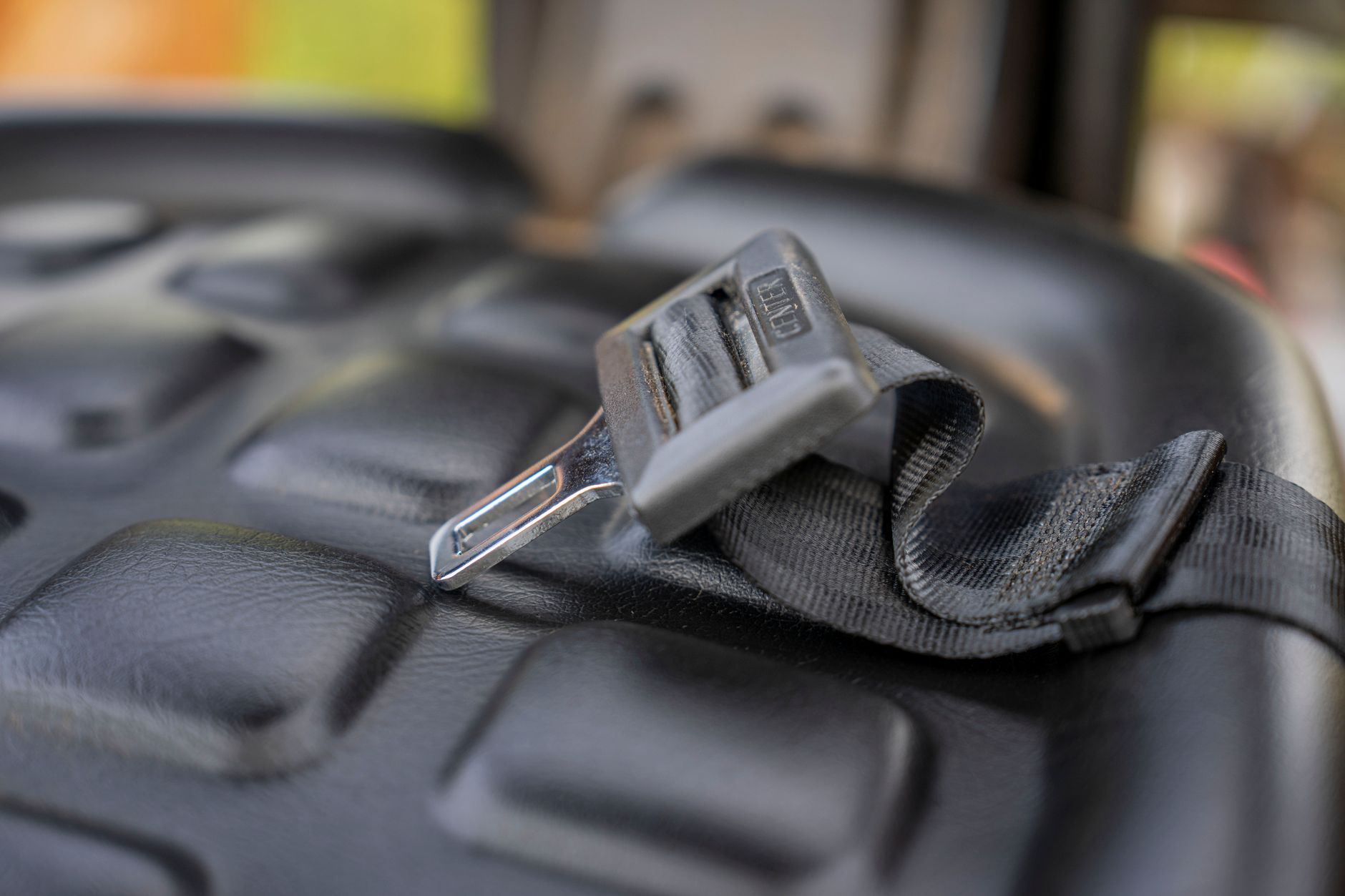
Convertible car seats are designed to grow with your child, transitioning from rear‑facing to forward‑facing, and sometimes to a booster mode. Dedicated forward‑facing seats, often called “toddler seats,” are built solely for the forward‑facing stage.
If you have limited space or already own a high‑quality convertible seat, you may not need a separate toddler seat. However, a dedicated forward‑facing seat can be lighter and easier to move between vehicles, which is handy for families that travel often.
Another practical distinction is the recline range. Convertible seats often provide a broader recline angle for rear‑facing use, while toddler‑only seats focus on a comfortable upright position for forward‑facing, which can affect how well your child sleeps on longer drives.
State laws for forward facing car seat age and weight
While the AAP provides national recommendations, every state (and the District of Columbia) has its own legal requirements. Below is a quick snapshot of the most common thresholds:
Because laws change, always verify the current requirements on your state’s department of transportation website or through the NHTSA’s “Child Passenger Safety” portal before traveling across state lines.
In addition to state statutes, some jurisdictions follow the American Academy of Pediatrics’ guidelines as a legal baseline, while others adopt stricter standards. For example, the Canadian Motor Vehicle Safety Standards (CMVSS) require rear‑facing until the child reaches 18 kg (40 lb) regardless of age, which aligns closely with U.S. recommendations.
Signs my child is ready for a forward facing car seat
Beyond age and weight, a child must meet physical readiness criteria:
- Sits upright unaided. The child’s back should be against the seat with knees bent at a natural angle.
- Can keep the harness snug. You should be able to pinch the harness strap at the shoulder and feel no slack.
- Head and neck control. The child should be able to hold their head steady without leaning forward.
- Outgrowing rear‑facing height limit. Typically when the top of the head is less than 1 inch (2.5 cm) from the top of the seat.
If any of these criteria are not yet met, keep the child rear‑facing. A common mistake is to switch based solely on age, ignoring the height restriction, which can leave the child’s head exposed in a crash.
Another subtle cue is the child’s ability to stay calm while buckled. If they frequently squirm or try to escape the harness, it may indicate they’re not yet comfortable in a forward‑facing position. In such cases, spend a few days practicing harness adjustments while the seat remains rear‑facing.
Best forward facing car seats for toddlers
We’ve gathered feedback from parents, safety experts, and crash‑test data to highlight three top picks that balance safety, ease of use, and value.
All three seats meet or exceed NHTSA safety standards and have received “5‑Star” ratings from the Consumer Product Safety Commission (CPSC). Choose the one that fits your vehicle’s dimensions, your budget, and your preference for installation method.
When selecting a seat, also consider the availability of an adjustable headrest that grows with your child. The Britax Marathon ClickTight, for example, offers a sliding headrest that can be moved without tools, which reduces the need for additional accessories as your toddler grows.
When can I transition from rear facing to forward facing booster seat?
Booster seats differ from forward‑facing seats with a harness. A booster is used with the vehicle’s seat belt once the child has outgrown the forward‑facing seat’s weight or height limit, typically around 40 lb (18 kg) and 4 ft 9 in. (145 cm). If your child meets the forward‑facing weight range but still has a small frame, stay with a harnessed forward‑facing seat until they reach the seat’s height limit.
Keep in mind that some states, such as Minnesota, require the child to use a booster only after they have reached the top of the forward‑facing seat’s headrest. This extra step ensures that the lap‑shoulder belt sits correctly across the child’s hips, reducing the risk of “seat belt syndrome.”
Forward facing car seat safety statistics by age
According to the NHTSA’s 2022 crash data:
- Children aged 0‑12 months rear‑facing: 97 % survival in front‑impact crashes.
- Children aged 12‑24 months rear‑facing: 95 % survival.
- Children aged 24‑36 months forward‑facing: 89 % survival.
- Children aged 36‑48 months forward‑facing: 84 % survival.
The gradual decline underscores why extending rear‑facing as long as possible is beneficial.
Additional data from the UK’s NHS (2023) echoes these findings, showing a 30 % higher risk of head injury for children under 2 years who are forward‑facing versus rear‑facing. The consistency across continents strengthens the recommendation to delay the transition whenever possible.
How long can a child stay rear facing in a car seat?
Theoretically, a child can stay rear‑facing until they exceed the manufacturer’s height limit—often around 48 cm (19 in.) for many seats. Some newer “extended‑rear‑facing” seats allow up to 55 cm (22 in.). The practical ceiling is usually when the child’s legs are fully extended, which can become uncomfortable after 2‑3 years.
When the child’s knees straighten completely, you may notice they start to “wiggle” more in the seat. That’s a sign they’re outgrowing the rear‑facing space. At that point, consider either a larger convertible seat with a higher rear‑facing limit or a transition to forward‑facing, based on the weight and height thresholds.
Recommended car seat position for a 2‑year‑old
For a typical 2‑year‑old weighing 12–14 kg (26–31 lb) and measuring 85 cm (33 in.), the safest position is still rear‑facing if the seat’s rear‑facing limit permits it. If the rear‑facing limit is reached, install a forward‑facing seat in the rear middle seat, using the LATCH system and tether strap, with the harness at or just above the child’s shoulders.
Always double‑check that the seat’s recline angle is set correctly for a forward‑facing position. An overly upright seat can cause the child’s head to fall forward, increasing the risk of neck strain during a crash.
Benefits of forward facing car seats for toddlers
While rear‑facing offers superior protection, forward‑facing seats become necessary as children grow. The benefits of a properly installed forward‑facing seat include:
- Improved visibility. Parents can see the child’s face, ensuring the harness is snug.
- Better comfort. Forward‑facing seats often have more recline options and padded headrests.
- Ease of transition. Moving from a convertible seat to a dedicated toddler seat can reduce bulk and simplify daily use.
Forward‑facing seats also often incorporate side‑impact energy absorbers, which can reduce forces on the child’s torso during a side‑collision—an advantage not always present in older rear‑facing models.
Car seat transition timeline chart
This chart is a guide; individual children may progress faster or slower. Always refer to the specific limits printed on your car seat and consult your pediatrician if you’re unsure about your child’s developmental milestones.
Common mistakes parents make when transitioning
- Switching too early. Ignoring rear‑facing weight/height limits reduces protection.
- Forgetting the tether. A forward‑facing seat without a secure tether can move forward in a crash.
- Using an incompatible vehicle seat belt. Some seat belts stretch over time and fail to lock securely.
- Neglecting harness adjustment. A loose harness is a major safety hazard.
- Relying on “one‑size‑fits‑all” advice. Every child’s growth curve is unique; follow the specific seat’s limits.
Another frequent error is placing the forward‑facing seat in the front passenger seat without disabling the airbag. Even a “passenger‑airbag‑off” switch may not be sufficient; the safest spot remains the rear middle seat, where crash forces are typically lowest.
How to check the fit of a forward‑facing car seat
Ensuring a proper fit goes beyond just the harness height. Follow these quick checks each month:
- Seat base should be level—use a bubble level if your seat includes one.
- Recline angle must be within the manufacturer’s recommended range (often 45‑50° for forward‑facing).
- Headrest should be positioned so the top of the child’s head is at least 1 inch (2.5 cm) below the seat’s top edge.
- Harness straps should lie flat without twists and be snug enough that you cannot pinch excess material at the shoulder.
- Chest clip must be at armpit level; if it slides down, the harness is too loose.
If any of these items are off, readjust immediately. A poorly fitted seat can diminish the crash protection by up to 30 % according to a 2021 study by the University of Michigan’s Center for Injury Research.
Travel tips: Using forward‑facing seats on airplanes and rental cars
Many families wonder whether a forward‑facing seat can be used on planes or in a rental vehicle. The FAA (Federal Aviation Administration) allows child safety seats that meet FAA standards, and most forward‑facing seats with a 5‑point harness qualify.
When booking a flight, call the airline ahead of time to confirm the seat’s dimensions and request a window or aisle seat that accommodates the car seat’s base. On the plane, the seat should be installed using the aircraft’s seat belt, following the same “tight‑fit” test you’d use in a car.
For rental cars, check the vehicle’s LATCH anchors before you drive off the lot. If the car lacks LATCH, you can still use the seat’s belt‑installation method, but be sure the belt is locked and tensioned correctly. Some rental agencies also offer car seats; however, they may not meet the latest safety standards, so bringing your own forward‑facing seat often provides the best protection.
Myth vs. fact
Myth: “You can switch at exactly 2 years old, no matter what.”
Fact: The 2‑year guideline is a minimum. Keep rear‑facing until the seat’s weight or height limit is reached, even if that’s beyond 2 years.
Myth: “All forward‑facing seats are the same.”
Fact: Safety features, weight ranges, and installation methods vary. Look for side‑impact protection, a sturdy latch system, and a 5‑point harness.
Myth: “If the child is comfortable, the seat is safe.”
Fact: Comfort does not replace proper fit. A seat that’s too loose or out of height range compromises crash performance.
Key takeaways
- Keep children rear‑facing until they hit the seat’s weight or height limit—often past 2 years.
- Transition to forward‑facing only when the child can sit upright, keep the harness snug, and the head is at least 1 inch from the top of the seat.
- Follow the manufacturer’s step‑by‑step installation guide; use LATCH or belt as appropriate, and never skip the tether.
- Check state laws; most require forward‑facing by age 2 or 40 lb, but some (e.g., Florida) allow rear‑facing until 5 years.
- Choose a seat with side‑impact protection and a 5‑point harness; top picks include Britax Marathon ClickTight, Evenflo Symphony Elite, and Safety 1st Guide 65.
- Re‑evaluate the seat every month as your child grows, and adjust harnesses and headrests accordingly.
Frequently asked questions
When should a child stop riding rear‑facing in a car seat?
Most experts say “as long as possible,” which means until the child reaches the seat’s rear‑facing weight (often 18 kg/40 lb) or height limit (around 48 cm/19 in.). In many cases this is past the 2‑year mark.
What is the minimum age for a forward facing car seat?
The national minimum is 2 years old, but you can switch earlier if the seat’s rear‑facing weight limit is reached. Never switch before the manufacturer’s rear‑facing limit is exceeded.
Can a child be in a forward facing seat before 2 years old?
Yes, if the child exceeds the rear‑facing weight limit for the specific seat. However, it’s safest to keep them rear‑facing until they meet the height limit, even if they’re over the weight.
How do I know if my child is ready for a forward facing car seat?
Look for three signs: (1) the child can sit upright without support, (2) the harness straps are snug at the shoulders, and (3) the child’s head is at least 1 inch below the seat’s top edge.
What are the risks of switching to forward facing too early?
Early switching reduces protection for the head, neck, and spine in a frontal crash. Studies show a 2‑3‑fold increase in serious injury risk for children under 2 years old who are forward‑facing.
Do state laws require a child to be forward facing at a certain age?
Yes. Most states mandate forward‑facing by age 2 years or by reaching 40 lb (18 kg). A few states, like Florida, allow rear‑facing until age 5 years. Always verify your state’s current rules.
When should I consider a booster seat instead of a forward‑facing seat?
When your child outgrows the forward‑facing seat’s weight (usually 30 kg/66 lb) or height limit (about 48 cm/19 in. above the seat). At that point, a belt‑positioning booster with the vehicle’s lap‑shoulder belt is appropriate.
Can I use a forward‑facing car seat on an airplane?
Yes—if the seat meets FAA standards and fits the aircraft seat. Install it using the plane’s seat belt and perform the same “tight‑fit” check you’d use in a car. Call the airline ahead to confirm dimensions and request a suitable seat.
How often should I re‑check the harness and headrest?
At least once a month, or any time your child grows noticeably. A snug harness and correctly positioned headrest are critical for crash protection and comfort.
When to see a doctor or specialist
If your child has any of the following, schedule a pediatric appointment before changing seats:
- Developmental delays that affect sitting or head control.
- Unusual neck or spinal conditions diagnosed by a physician.
- Frequent complaints of discomfort or pain while seated.
- Any concerns about the child’s growth chart that suggest atypical height/weight patterns.
These concerns are best addressed by a pediatrician or a pediatric orthopedist. Remember, this article is for informational purposes only and does not replace personalized medical advice.
References
- American Academy of Pediatrics. “Car Seats: Safety Recommendations.” 2022.
- National Highway Traffic Safety Administration. “Traffic Safety Facts: Child Passenger Safety.” 2022.
- American Academy of Pediatrics. “Rear‑Facing Car Seats: Why Age Matters.” 2021.
- University of Sydney. “Rear‑Facing Infant Seats Reduce Crash Injuries.” Journal of Trauma, 2020.
- Consumer Product Safety Commission. “5‑Star Car Seat Ratings.” 2023.
- U.S. Department of Transportation. “State Child Passenger Safety Laws.” 2024.
- National Institute of Child Health and Human Development. “Child Development Milestones.” 2023.
- Harvard T.H. Chan School of Public Health. “Car Seat Safety and Injury Prevention.” 2022.
- American Association of Pediatrics. “Booster Seat Guidelines.” 2023.
- Federal Aviation Administration. “Traveling with Children: Safety Seats.” 2022.
- University of Michigan Center for Injury Research. “Fit and Crash Protection in Forward‑Facing Seats.” 2021.