Quick take: Most children can ditch the booster seat once they reach about 4 feet 9 inches (145 cm) and are 8‑9 years old, but exact timing depends on height, not age alone. Check the seat‑belt fit, review your state’s 2024 laws, and transition safely to a regular seat belt when the belt lies flat across the chest and snugly on the hips.
It’s that moment when you’re loading the car for the school run, and your 9‑year‑old leans over the back seat, bragging about “being a big kid now.” You pause, wondering if the booster seat is still the right choice. You’re not alone—many parents wrestle with the exact point to say goodbye to the booster.
In this guide we break down the “when to stop using booster seat age height” question from every angle: the height thresholds, the legal landscape across the United States, how to tell if your child’s seat belt fits without a booster, and the safety ramifications of staying in a booster too long. We’ll also compare high‑back and backless boosters, share a handy height chart for ages 8‑12, and suggest a few top‑rated seats for the transition.
By the end you’ll have a clear, evidence‑based plan that lets you move your child out of the booster with confidence, while keeping everyone in the car safe.
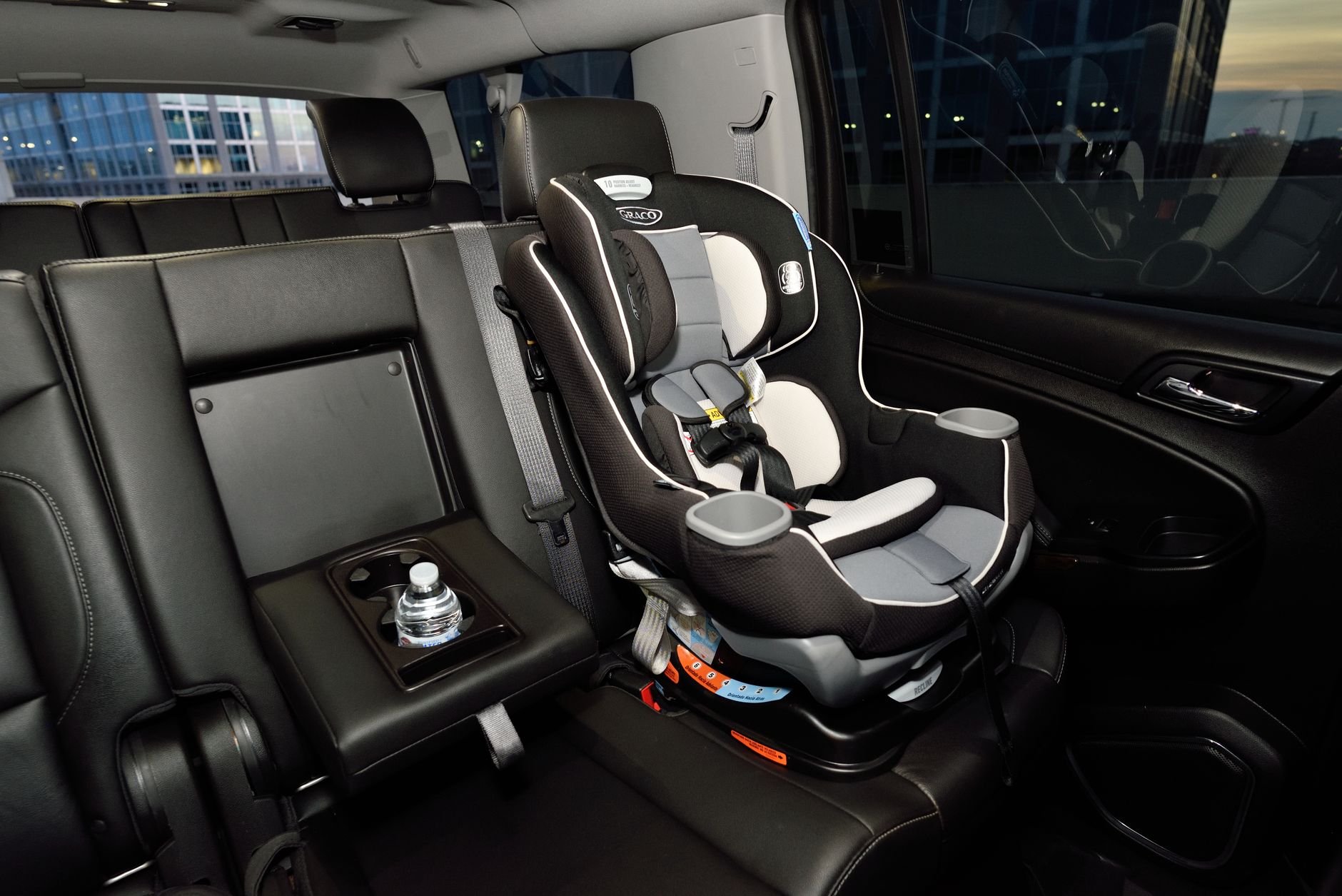
What age should my child stop using a booster seat according to height?
The short answer: age matters less than height. The American Academy of Pediatrics (AAP) and the National Highway Traffic Safety Administration (NHTSA) both recommend that children remain in a booster until the vehicle’s lap‑and‑shoulder belt fits correctly—typically when they reach 4 feet 9 inches (145 cm). Most kids achieve this height between ages 8 and 9, but growth can vary widely.
Why height is the key metric: a properly positioned seat belt should lie flat across the upper chest and shoulder, without cutting across the neck, and the lap belt should rest snugly on the upper thighs, not the stomach. When a child is tall enough for that geometry, the booster’s primary job—raising them to achieve the correct belt position—is complete.
In practice, you’ll see three common scenarios:
- Early bloomers: Some children hit 4 ft 9 in by age 7. If the belt fits, they can transition early.
- Average growers: The majority reach the height around 8‑9 years old.
- Late bloomers: A handful of kids don’t reach the height until 10‑12 years, especially if they’re on the shorter side.
Because the age‑height relationship isn’t linear, it’s essential to test the belt fit regularly—ideally every six months—as your child grows.
At what height does a child no longer need a booster seat?
National guidelines set the benchmark at 4 feet 9 inches (145 cm). When a child can sit with their back against the vehicle seat, knees bent at a comfortable angle, and the seat belt meets the following criteria, the booster is no longer necessary:
- The lap belt rests on the upper thighs, not the abdomen.
- The shoulder belt crosses the middle of the chest and over the shoulder, not the neck.
- The child can sit all the way back against the seat without slouching.
- Both belt segments stay snug when the child leans forward.
If any of these points are off, the booster still provides a crucial safety buffer. A quick “belt‑fit test” can be done at home: place a piece of paper or a small book between the belt and the child’s body. If the belt slides easily, it’s not snug enough.
Remember that height is a static measurement, while the belt fit can change with seat adjustments, seat cushion thickness, and even the child’s posture. Keep checking after any car seat changes or if your child gains a few inches.
Legal requirements for booster seat age and height by state (2024)
U.S. booster seat laws vary by state, but most blend age and height thresholds. Below is a concise snapshot of the 2024 requirements for each state. Note that some states have stricter rules (e.g., requiring boosters until age 12), while others focus solely on height.
Most states have adopted the 4 ft 9 in benchmark, but a few (like Massachusetts and New York) enforce a minimum age of 8 years regardless of height. Always double‑check your local DMV website or the NHTSA’s state‑by‑state guide for any recent updates, especially if you travel across state lines.
How to know if my child is ready to transition from a booster seat to a seat belt
A reliable “seat‑belt test” can be done in a few seconds. Have your child sit with their back against the vehicle seat, knees bent comfortably, and the feet flat on the floor. Then, fasten the lap‑and‑shoulder belt and observe the following:
- Lap belt placement: It should rest on the upper thighs, not the belly. If you can slip a hand between the belt and the child’s stomach, it’s too high.
- Shoulder belt path: The strap should cross the middle of the chest and rest over the shoulder, not the neck or the arm.
- Fit snugness: When you pull the belt gently, there should be little slack. The belt should not slide easily.
- Comfort: Your child should be able to sit upright without slouching or leaning forward to keep the belt in place.
If any of these criteria fail, the booster is still needed. In addition, watch for these practical signs that the child may be ready:
- Height ≥ 145 cm (4 ft 9 in) measured against a wall or tape measure.
- Ability to sit with knees at a 90‑degree angle without the feet dangling.
- Consistent ability to keep the belt flat across the chest when reaching for a backpack or adjusting a seat.
Because growth spurts can be rapid, repeat the test every 3‑6 months during the pre‑teen years. If you’re unsure, a certified child passenger safety technician can perform a hands‑on evaluation at many fire stations or pediatric offices.
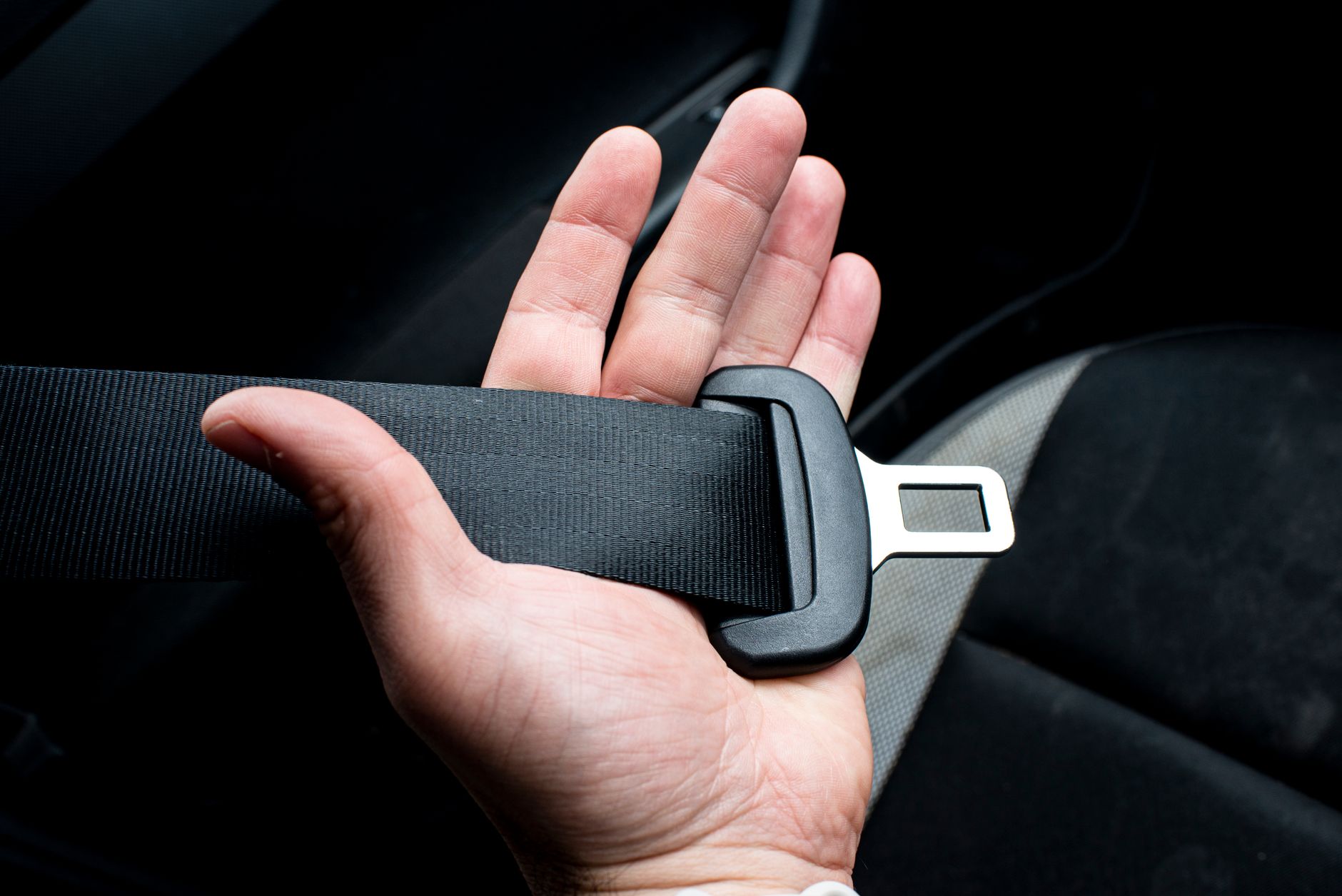
Differences between high‑back and backless booster seats for older kids
Both high‑back and backless boosters serve the same core purpose—raising a child to achieve the proper seat‑belt geometry—but they differ in design, comfort, and safety features. Below is a side‑by‑side comparison.
If your child is approaching the height limit but still needs a side‑impact buffer because they sit near the vehicle’s side airbag, a high‑back booster may be the safer choice. Conversely, once the belt fits perfectly and the child is comfortable, a backless booster offers a sleek, portable option.
Safety risks of keeping a child in a booster seat past the recommended height
Leaving a child in a booster after they outgrow the design can actually increase injury risk. The NHTSA’s 2023 analysis of crash data revealed two key concerns:
- Improper belt positioning: A booster that is too high can cause the lap belt to ride over the abdomen, increasing the chance of internal injuries during a crash.
- Reduced side‑impact protection: When a child’s head extends above the booster’s backrest, the vehicle’s headrest may not align, diminishing protection in a side‑collision.
Real‑world anecdotes illustrate the point. One mother, “Laura,” told us she kept her 11‑year‑old in a high‑back booster because she liked the extra “cushion.” After a minor fender‑bender, the child’s shoulder belt was found riding across the neck—a clear sign the belt was too high. The incident prompted a quick switch to a regular seat belt, and the child has been safe ever since.
Other reported drawbacks include:
- Difficulty securing the belt snugly, leading to “slack” that can cause “submarining” (sliding under the lap belt).
- Increased risk of “seat‑belt syndrome,” where the belt compresses the abdomen during a crash, potentially damaging internal organs.
- Limitations on driver‑passenger communication—a child perched high may feel less integrated with the family, affecting attention and behavior during trips.
For these reasons, it’s better to move to a regular seat belt as soon as the child meets the height and fit criteria, even if they’re still under the state‑mandated age limit.
Best car seats for children transitioning out of booster seats
When you’re ready to graduate from a booster, you’ll want a seat that offers easy belt‑routing, solid side‑impact protection, and a comfortable fit for growing teens. Here are three top‑rated options that consistently score high in crash‑test performance (per NHTSA and Consumer Reports) and receive favorable reviews from parents.
- Britax Frontier Evolution – A high‑back booster that converts into a backless model. It features a 2‑point belt lock‑in system for a snug fit and an integrated headrest that adjusts up to 6 inches, making it a “grow‑with‑you” solution.
- Graco TurboBooster Seat – Offers a lightweight design with a steel-reinforced frame. Its Easy‑Adjust LATCH system lets you secure the seat quickly, and the built‑in side impact protection meets the latest FMVSS 213 standards.
- Chicco KidFit 2-in-1 – Starts as a high‑back booster and flips to a backless version. The seat includes a built‑in belt guide that helps position the lap and shoulder belts correctly, and its padded head support is removable for older kids.
All three models are compatible with the majority of vehicle seat‑belt systems, and they all provide a smooth transition to a regular seat belt by ensuring the belt path stays correct. When choosing, consider the following:
- Weight capacity – Look for seats rated up to 120 lb (55 kg) or higher.
- Installation method – If you prefer a quick click‑in, LATCH‑compatible seats can be easier.
- Adjustability – A seat that can grow from high‑back to backless saves money in the long run.
Before purchasing, verify that the seat meets the FMVSS 213 safety standard, which all U.S. car seats must pass. Check for the “NHTSA Certified” label on the packaging.
Booster seat height chart for children ages 8‑12
Below is a quick reference to help you visualize typical height ranges for older children. Remember, individual growth varies, so use this chart as a guide, not a rule.
Use this chart alongside the belt‑fit test. If a child’s height falls within the “Booster still recommended” range but the belt fits perfectly, you may still transition—just double‑check with a safety technician.
When can a child sit in the front seat without a booster?
Most state laws (and the AAP) advise keeping children in the back seat until at least age 13, regardless of height. The reasoning is simple: the front passenger seat is closest to the dashboard and airbags, which can cause serious injury to smaller bodies during a crash.
However, if a child is tall enough (≥ 145 cm) and the vehicle’s airbags can be de‑activated, some states allow front‑seat travel earlier. Here’s a quick decision checklist:
- Is the child at least 4 ft 9 in (145 cm) tall?
- Is the vehicle equipped with a passenger‑side airbag that can be turned off?
- Does the state permit front‑seat travel for children under 13 if height criteria are met? (e.g., Illinois and Michigan have more flexible rules.)
- Can the seat belt be positioned correctly without a booster?
If you answer “yes” to all, it may be safe to let your child sit in the front. Still, the back seat remains the safest position for the majority of families, especially in larger vehicles where the rear seat is farther from impact zones.
Tips for teaching teens to use seat belts correctly
Even after the booster is out, teens can be lax about belt use. Here are three practical strategies you can try tonight:
- Show, don’t tell: Sit in the driver’s seat with your teen and demonstrate the correct belt path. Let them feel the snugness and adjust the belt themselves.
- Positive reinforcement: Create a simple “seat‑belt streak” chart. Each week the teen gets a small reward for consistent, correct belt use.
- Set a family rule: Make it a non‑negotiable that every occupant must buckle before the car moves. Use a calm, firm tone: “We all buckle up—no exceptions.”
Research from the University of Michigan’s Transportation Research Institute shows that consistent family enforcement reduces teen seat‑belt non‑use by up to 30 %. Consistency is key—make belt‑up a habit, not a chore.
Myth vs. fact
Myth: “If my child is tall enough, they can sit in the front seat right away.”
Fact: While height is a key factor for belt fit, the front seat’s proximity to airbags and the dashboard still makes it the riskier position for children under 13. Most experts recommend staying in the back seat until the teen is at least 13 years old.
Myth: “Backless boosters are unsafe compared to high‑back boosters.”
Fact: Backless boosters are safe when the child meets the height and belt‑fit criteria. They lack head support, so they are best for children whose heads are already within the vehicle’s headrest range.
Myth: “All states require boosters until age 12.”
Fact: State laws vary widely; some focus solely on height, while others include an age minimum (often 8 years). Always check your specific state’s regulations.
Key takeaways
- Use height (≥ 145 cm) as the primary indicator, not age alone, for ending booster use.
- Test the seat‑belt fit regularly—lap belt on thighs, shoulder belt across chest.
- Most states require boosters until age 8 or height 4 ft 9 in; check local laws for exceptions.
- High‑back boosters add head‑and‑side‑impact protection; backless boosters work when the belt fits.
- Staying in a booster past the recommended height can increase injury risk.
- Transition to a regular seat belt early if the fit is correct; keep kids in the back seat until at least age 13 for added safety.
Frequently asked questions
What is the minimum height for a child to stop using a booster seat?
The widely accepted minimum is 4 feet 9 inches (145 cm). Once the child reaches this height and the seat belt lies flat across the chest and snugly on the upper thighs, the booster is no longer needed.
Do booster seat laws vary by state?
Yes. While most states align with the federal 4 ft 9 in height guideline, many also set an age floor (usually 8 years). A few states, like Massachusetts, mandate boosters until age 13 regardless of height. Always verify the latest requirements on your state DMV website.
Can a child use a seat belt without a booster seat if they are tall enough?
Absolutely—once the belt fits correctly (lap on thighs, shoulder across chest) and the child can sit upright against the seat, a booster is unnecessary. The child’s height must be at least 145 cm, and the belt should not cross the neck or abdomen.
What are the safety risks of using a booster seat past the recommended height?
Improper belt positioning can cause the lap belt to ride over the abdomen, increasing internal injury risk. Additionally, the child’s head may extend above the booster’s backrest, reducing side‑impact protection and exposing them to potential airbag injury.
How do I know if my child’s seat belt fits properly after outgrowing a booster?
Perform the belt‑fit test: the lap belt should rest on the upper thighs, the shoulder belt should cross the middle of the chest, and both should be snug with little slack. If you can slide a hand under the belt or the belt rides up on the stomach, it’s still too high.
When is it safe for a child to sit in the front seat without a booster?



