Quick take: Most newborns can wait until about 4‑6 weeks before you introduce a gentle, fragrance‑free baby soap. Use only a pea‑size amount, rinse thoroughly, and limit washes to 2‑3 times a week. If the skin looks red, itchy, or unusually dry, stop the soap and talk to your pediatrician.
It’s 3 a.m., the house is quiet, and you’re cradling your newborn while the water drips from the faucet. You’ve just finished a water‑only bath and wonder, “When should I start using soap on baby?” You’re not alone—millions of parents stare at that same question, fearing they might irritate their baby’s delicate skin. The good news is that the answer is not a one‑size‑fits‑all rule; it’s a gentle progression based on skin maturity, product safety, and your baby’s unique response.
In this guide we’ll walk you through the exact moment most experts say it’s safe to add soap, which kinds of soap are truly baby‑friendly, how often to lather up, and how to transition without causing dryness or rash. We’ll also debunk common myths, give you a quick‑reference table of soap options, and tell you the red‑flag signs that mean it’s time to call your pediatrician. By the end you’ll feel confident about the question “when to start using soap on baby” and equipped to keep those bath times calm and skin‑healthy.
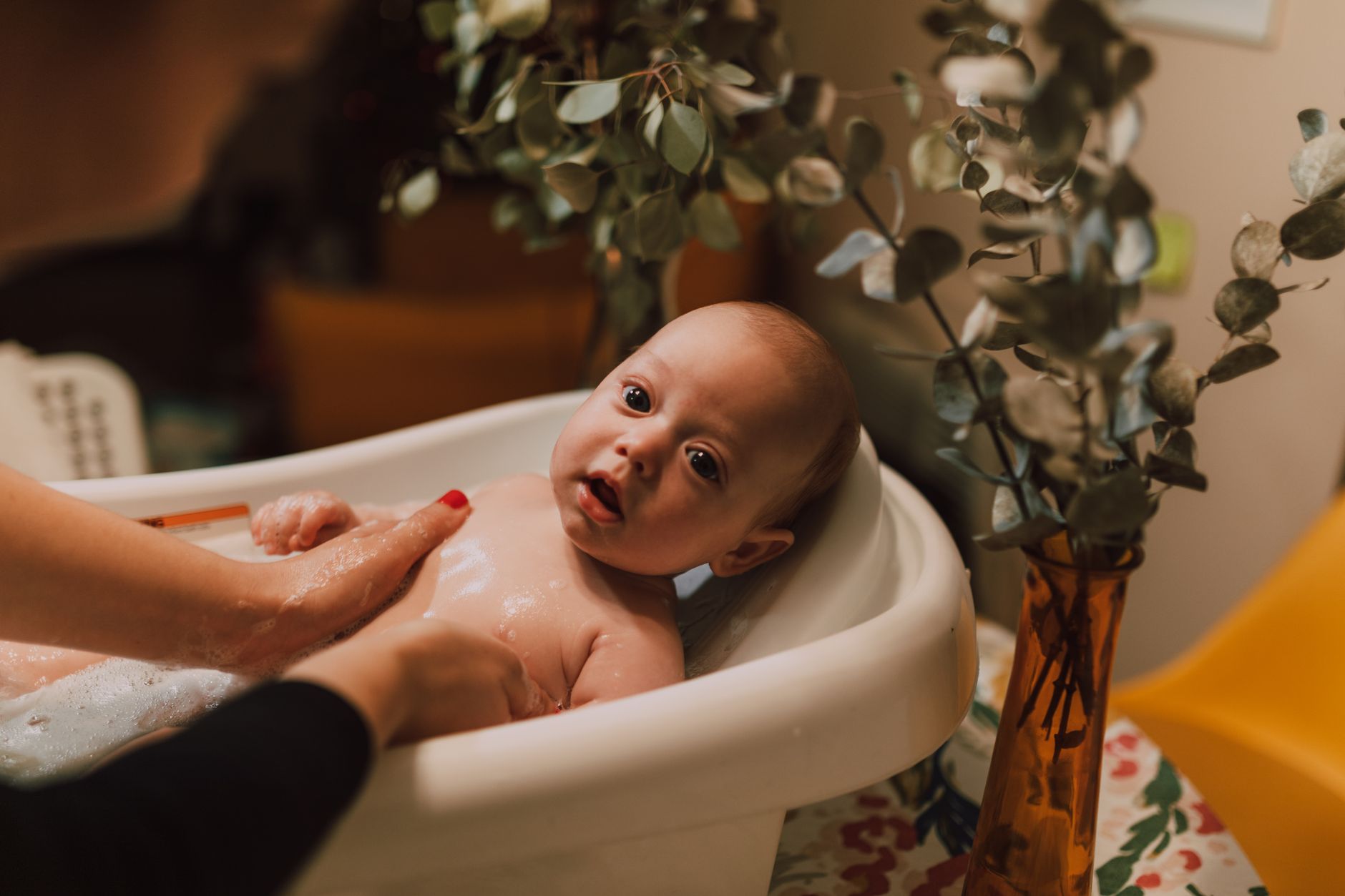
When can I start using soap on my newborn's skin?
The skin of a newborn is thinner and more permeable than an older child’s, which means it can lose moisture quickly and is more susceptible to irritation. The American Academy of Pediatrics (AAP) notes that the outermost layer, the stratum corneum, continues to develop for the first 4–6 weeks after birth. During this window, many pediatricians recommend sticking to plain, lukewarm water for the first few baths.
That said, the exact timing can vary. If your baby’s skin appears pink, smooth, and free of any eczema‑like patches, you can typically introduce a very mild, fragrance‑free baby soap around the 4‑week mark. Start with a single, quick wash—perhaps after the third or fourth bath—to see how the skin reacts. If there’s no redness, itching, or excess dryness after 24‑48 hours, you’re likely in the clear to use soap in subsequent baths.
It’s also helpful to remember that the infant’s skin barrier isn’t just about time; it’s about exposure. Babies who spend a lot of time in heated indoor environments may have slightly drier skin, which can make them more sensitive to soaps. In those cases, waiting a little longer or choosing an ultra‑gentle oil‑only cleanser first can be a smart move.
Is it safe to use baby soap on a 2‑week‑old?
Most experts advise waiting until at least the fourth week before using any soap on a 2‑week‑old infant. At two weeks, the skin barrier is still forming, and even the mildest baby soap can strip away natural oils, leading to dryness or a rash. If you’re eager to clean a particularly messy diaper area, a soft, damp washcloth without soap is a safer option.
When you do reach the four‑week milestone, choose a soap that lists “hypoallergenic” and “fragrance‑free” among its top features, and always perform a spot test on a small patch of skin before the full bath.
What type of soap is recommended for newborns?
Look for products labeled “hypoallergenic,” “fragrance‑free,” and “tear‑free.” These terms indicate that the soap has been formulated to minimize potential irritants. Ingredients such as oat extract, glycerin, and mild surfactants (like decyl glucoside) help maintain the skin’s moisture balance while cleaning gently. Avoid soaps that contain harsh detergents (e.g., sodium lauryl sulfate), heavy fragrances, dyes, or added alcohol.
The U.S. Food and Drug Administration (FDA) requires that any ingredient listed on a baby‑soap label be evaluated for safety, but it does not guarantee that a product is “eczema‑safe.” That’s why looking for third‑party seals from the National Eczema Association (NEA) or the UK’s “Dermatology Approved” label adds an extra layer of confidence.
Can I use regular soap on a newborn?
Regular adult soaps often contain stronger detergents and fragrances designed for mature skin. The AAP cautions that these can be too harsh for infants, potentially causing irritation or allergic reactions. If you must use a regular soap in an emergency, choose one that is unscented and free of dyes, but plan to switch back to a baby‑specific formula as soon as possible.
Even unscented adult soaps can contain sodium laureth sulfate, which the FDA’s Cosmetic Ingredient Review panel flags as a potential irritant for very sensitive skin. When possible, keep a dedicated baby‑soap bottle in the bathroom to avoid accidental substitution.
Best soap for newborns after the first month
Once your baby has passed the initial 4‑to‑6‑week skin‑development phase, you can explore a broader range of gentle cleansers. The best choices are those that support the skin barrier, are free from known allergens, and have been dermatologically tested on infants.
In addition to ingredient quality, consider the soap’s pH. A mildly acidic pH (around 5.5) mirrors the natural acidity of healthy infant skin and helps protect against harmful bacteria. Many “tear‑free” formulas are actually neutral‑pH, which is safe but not as protective as a slightly acidic product.
How to choose hypoallergenic baby soap
“Hypoallergenic” means the product is less likely to cause an allergic reaction, but it doesn’t guarantee zero risk. Look for a short ingredient list—ideally fewer than ten components—so you can easily spot potential irritants. Common safe ingredients include:
- Colloidal oat or oat extract – soothes and reduces inflammation.
- Glycerin – draws moisture into the skin.
- Shea butter or coconut oil – provides a protective lipid layer.
- Gentle surfactants such as decyl glucoside or coco‑glucoside – cleanse without stripping oils.
Check for certifications from the National Eczema Association (NEA) or the UK’s “Dermatology Approved” seal, which signal that the product has undergone extra testing for infant skin.
Can I use fragrance‑free soap on a newborn?
Yes—fragrance‑free soaps are often the safest bet for newborns. Fragrances are a leading cause of contact dermatitis in infants, and they can also be irritating to the respiratory system. A fragrance‑free formula reduces the risk of both skin and inhalation sensitivities.
Even when a product is labeled “fragrance‑free,” it may still contain natural scents from botanical extracts. If your baby has a known fragrance sensitivity, double‑check the ingredient list for any hidden aromatic compounds.
Effects of harsh soaps on infant skin barrier
Harsh surfactants can disrupt the lipid matrix that holds skin cells together, leading to increased transepidermal water loss (TEWL). When TEWL rises, the skin becomes dry, flaky, and more prone to eczema flare‑ups. Studies from the American Academy of Dermatology (AAD) show that infants exposed to harsh soaps are up to 30 % more likely to develop irritant contact dermatitis within the first six months.
Beyond dryness, a compromised barrier can allow allergens and microbes to penetrate more easily, increasing the chance of secondary infections. That’s why a gentle, barrier‑supporting cleanser is the cornerstone of healthy infant skin care.
How often should I wash a baby with soap?
While daily bathing can feel like a hygiene routine, newborns don’t need a full soap wash every day. Over‑washing can strip natural oils, leading to dryness. The AAP recommends bathing with soap 2‑3 times per week for infants older than one month, focusing on the face, neck, hands, and diaper area. The rest of the baths can be water‑only, which still keeps the skin clean without over‑exposure to cleansers.
For babies with particularly oily skin or a tendency toward cradle‑cap, a slightly more frequent soap schedule (up to four times a week) may be appropriate, but always monitor for signs of dryness. If you notice the skin feeling tight after a bath, reduce the frequency and add a hypoallergenic moisturizer.
How many times a week should I bathe my baby with soap?
Two to three short soap baths per week are usually enough. If your baby enjoys a daily bath, use only water on non‑soap days and reserve the soap for days when they’ve been particularly messy (e.g., after a diaper blowout or a feeding spill). This balance preserves the protective skin barrier while still keeping your baby fresh.
Remember that the “once every 2–3 days” guideline is a baseline. Some pediatric dermatologists suggest a customized plan based on the baby’s skin type, climate, and family history of eczema.
Baby bath water temperature guidelines
Safe water temperature is crucial—too hot can burn delicate skin, too cold can cause discomfort. Aim for water that feels warm to the inside of your wrist or elbow, roughly 37–38 °C (98.6–100.4 °F). A bath thermometer can help you check the temperature, especially in colder months when room temperature fluctuates.
The NHS advises that water should never exceed 40 °C (104 °F) for infants, as higher temperatures increase the risk of scalding. Always test the water with your hand before placing your baby in the tub.
How to transition from water‑only baths to soap for infants
Transitioning is a gradual process. Begin by adding a tiny dab of baby‑specific soap to the palm of your hand, mixing it with a handful of warm water, and gently swabbing a small area of the baby’s arm or leg. Observe the skin for 24‑48 hours. If there’s no sign of irritation, you can expand the lather to the rest of the body.
Keep the bath short—five minutes or less—while you’re still testing the soap. Longer exposure can increase the chance of irritation, especially if the soap is not fully rinsed.
Alternatives to soap for newborn bathing
If you’re hesitant about soaps altogether, consider these gentle alternatives:
- Oil‑only cleansers: A few drops of 100 % pure almond or jojoba oil can dissolve surface dirt while preserving the lipid barrier.
- Water‑based wipes: Soft, fragrance‑free wipes designed for newborns can be used for quick clean‑ups between baths.
- Diluted oatmeal baths: Finely ground oatmeal mixed into bath water offers a soothing, natural cleanser for babies prone to eczema.
These alternatives are especially useful for babies with a known soap sensitivity or for parents who prefer a minimalist routine.
How to rinse baby soap properly
Rinsing is as important as the wash itself. Use a clean cup or soft washcloth saturated with lukewarm water to gently wipe away any soap residue. Avoid high‑pressure streams, which can irritate the skin. Make sure no suds remain on the scalp, behind the ears, or in skin folds.
Some parents find that a second quick rinse with a cup of fresh water helps eliminate the last trace of surfactant, especially when using a soap with a higher surfactant concentration.
How to properly dry baby after using soap
Pat—not rub—the skin dry with a soft, clean towel. Focus on the creases (neck, behind ears, diaper area) to prevent moisture from lingering, which can lead to yeast overgrowth. If the skin feels tight after drying, a thin layer of hypoallergenic moisturizer can help lock in hydration.
For babies prone to dry skin, a moisturizer containing ceramides or hyaluronic acid can be especially beneficial. Apply it within three minutes of the bath while the skin is still slightly damp to seal in moisture.
When to stop using baby shampoo and start regular soap
Baby shampoos are formulated to be extra mild and often contain fewer surfactants than adult shampoos. Most pediatric dermatologists suggest continuing baby shampoo until the child is about 2–3 years old, or until they can wash their own hair without excessive tears.
Transitioning too early can lead to dry scalp or eye irritation, especially if the child is sensitive to the minimal fragrances that some baby shampoos contain.
When to introduce baby shampoo
You can introduce a gentle baby shampoo as early as 1 month if your newborn’s scalp becomes oily or if you notice cradle‑cap (infant seborrheic dermatitis). Choose a tear‑free, fragrance‑free formula, and use just a pea‑size amount. Rinse thoroughly to avoid residue, which can cause scalp irritation.
If you notice persistent flakiness or redness on the scalp after using shampoo, pause its use and consult your pediatrician to rule out a fungal component, which may require a medicated shampoo.
Signs of dry skin in newborns after using soap
Watch for these red‑flag symptoms after a soap bath:
- Red, flaky patches that don’t improve after moisturizing.
- Persistent itching or rubbing that leads to marks.
- Visible cracks or fissures, especially around the neck and diaper area.
- Swelling or hives that appear within an hour of bathing.
If any of these appear, discontinue the soap, switch to an oil‑only cleanse, and consult your pediatrician.
Soap safety for babies with eczema or very sensitive skin
Infants with a family history of eczema, asthma, or allergic rhinitis are more likely to develop atopic dermatitis in the first year. For these babies, the skin barrier is already compromised, making soap choice even more critical. The American Academy of Dermatology (AAD) recommends a fragrance‑free, sulfate‑free cleanser that contains barrier‑supporting ingredients such as colloidal oatmeal, ceramides, or panthenol.
Even “hypoallergenic” soaps can trigger a flare if they contain hidden irritants. A spot test—applying a pea‑size dab to the inner forearm for 24 hours—helps identify potential reactions before the full bath. If a reaction occurs, move to an oil‑only cleanse until the skin settles, then re‑introduce a different soap with a simpler ingredient list.
For babies with diagnosed eczema, a pediatric dermatologist may prescribe a medicated wash (e.g., a 0.5 % hydrocortisone cleanser) for occasional use. These products are meant for short‑term flare control and should not replace a gentle daily routine.
Choosing the right soap for eczema‑prone infants
Look for soaps that list “ceramide‑3” or “panthenol” as active ingredients, as these compounds help restore the lipid barrier. Avoid any product with added preservatives like parabens or formaldehyde‑releasing agents, which can aggravate eczema.
The NHS suggests pairing a gentle soap with a moisturizer applied within three minutes of bathing, a practice known as “the lock‑in technique,” which maximizes hydration.
When to seek professional help
If your baby’s skin shows persistent redness, oozing, or crusting despite using a gentle soap and moisturizer, contact a pediatric dermatologist. Early intervention can prevent chronic eczema and reduce the need for stronger prescription medications later.
How water hardness affects baby soap choice
Water hardness—measured by the concentration of calcium and magnesium ions—can influence how a soap feels on the skin. Hard water can leave a residue that feels “filmy” and may increase irritation, especially for infants with sensitive skin. In areas with hard water (generally >120 mg/L calcium carbonate), opting for a soap with a chelating agent like citric acid can help prevent buildup.
The National Health Service (NHS) in the UK advises that parents using hard water consider a mild, fragrance‑free soap with a low surfactant concentration, or add a small amount of distilled water to the bath to dilute mineral content.
Alternatively, a simple rinse with filtered or bottled water after the soap bath can remove mineral residue and reduce the risk of dryness. For families who rely on hard water, a daily moisturizer becomes even more important to counteract the mild drying effect.
Testing your home water
Home water test kits are inexpensive and can be purchased at most hardware stores. If the test shows hardness above 180 mg/L, you may want to invest in a small countertop water softener for the bathroom tap. Softening the water not only benefits skin but also protects the baby’s delicate hair from brittleness.
Products designed for hard‑water regions
Some brands market “hard‑water friendly” baby cleansers that contain added glycerin and a low‑pH formula to counteract mineral deposits. Look for labels that mention “soft‑water optimized” or “low mineral residue.” While not mandatory, these formulations can make bath time smoother for families in hard‑water areas.
Can I make my own gentle baby soap at home?
DIY baby soap appeals to parents who want full control over ingredients, but safety is paramount. Homemade soaps often involve lye (sodium hydroxide), which must be properly saponified to avoid residual alkalinity that can burn infant skin. If you’re not experienced with soap‑making, it’s safest to purchase a commercially formulated, dermatologist‑tested product.
For those who still wish to experiment, a simple “castile‑style” soap using olive oil, coconut oil, and a gentle surfactant like decyl glucoside can be made without lye. The key is to keep the final pH between 5.5 and 6.5, similar to baby skin’s natural acidity. Always test the finished product on a small skin patch for 48 hours before full‑body use.
The FDA emphasizes that any homemade cosmetic product, including baby soap, is considered a “cosmetic” and is not subject to pre‑market approval. Therefore, the responsibility for safety rests entirely with the maker. If you notice any irritation, discontinue use and seek professional advice.
Common mistakes and myths about baby soap use
Even well‑meaning parents can fall into pitfalls that compromise infant skin health. Below we separate myth from fact.
Myth: “All baby soaps are the same, so any brand will do.”
Fact: Formulations vary widely. Some contain hidden fragrances, dyes, or harsh surfactants that can trigger irritation. Always read the ingredient list and choose a product with minimal, skin‑friendly components.
Myth: “More soap means a cleaner baby.”
Fact: Excessive soap can strip natural oils, leading to dryness and a compromised barrier. Gentle, occasional use is more effective than daily scrubbing.
Myth: “If a soap is labeled ‘tear‑free,’ it’s safe for the whole body.”
Fact: “Tear‑free” refers mainly to the eyes and does not guarantee the formula is free from other irritants. Always verify that the product is also “fragrance‑free” and “hypoallergenic” for full‑body use.
Key takeaways
- Introduce a mild, fragrance‑free baby soap around 4‑6 weeks of age, after the skin barrier has matured.
- Use only a pea‑size amount and limit full‑soap baths to 2‑3 times per week.
- Choose soaps with oat extract, glycerin, and gentle surfactants; avoid sodium lauryl sulfate and added fragrances.
- Rinse thoroughly with lukewarm water and pat dry; moisturize if the skin feels tight.
- Watch for redness, itching, or dry patches—these signal irritation and warrant a pause in soap use.
- Transition slowly from water‑only baths, using a small test area first before full‑body application.
- For babies with eczema or hard‑water homes, select soaps with added barrier‑supporting ingredients and consider a post‑bath rinse with filtered water.
Frequently asked questions
Can I use regular soap on a newborn?
While an unscented adult soap may be used in a pinch, it’s generally not recommended because it can contain harsh detergents that irritate infant skin. Opt for a baby‑specific, fragrance‑free soap whenever possible.
How many times a week should I bathe my baby with soap?
Two to three soap baths per week are sufficient for most infants older than one month. On non‑soap days, a simple water‑only bath keeps the skin clean without stripping natural oils.
What are the signs that a baby’s skin is reacting to soap?
Look for redness, itching, flaky patches, or hives that appear shortly after a bath. Persistent dryness or cracking, especially in skin folds, also indicates a reaction. If you notice any of these, stop using the soap and consult your pediatrician.
Is it okay to use scented baby soap?
Most pediatric dermatologists advise against scented baby soaps. Fragrances are a common cause of contact dermatitis in infants and can also irritate the respiratory system. Fragrance‑free options are safest.
When should I switch from baby soap to regular soap?
Most children can transition to regular, mild adult soap around age 2–3 years, once their skin barrier is fully developed and they can tolerate a broader range of cleansers. Continue using a gentle, fragrance‑free formula if your child shows any sign of irritation.
Do newborns need soap for their first bath?
No. The first few baths are best done with plain, lukewarm water only. The newborn’s skin is still forming its protective barrier, and water‑only baths reduce the risk of irritation.
Can I use baby oil instead of soap for cleaning?
Baby oil (or pure plant oils like almond or jojoba) can be an effective “oil‑only” cleanser that preserves the skin’s lipid barrier. It doesn’t lather, so it may feel different, but it’s safe for most infants, especially those with eczema. Use a few drops, massage gently, then rinse with water.
What should I do if my baby develops a rash after a soap bath?
First, stop using the soap and switch to a fragrance‑free, oil‑only cleanser for a few days. Apply a thin layer of a hypoallergenic moisturizer to soothe the skin. If the rash persists beyond 48 hours, spreads, or is accompanied by fever, contact your pediatrician for evaluation.
When to see a doctor or specialist
If you notice any of the following after a soap bath, contact your pediatrician promptly:
- Persistent redness, swelling, or hives lasting longer than an hour.
- Severe itching that leads to open sores or bruising.
- Cracking or fissuring skin that does not improve with moisturizer.
- Signs of infection such as yellow crusting, pus, or fever.
Your pediatrician may refer you to a pediatric dermatologist if the irritation appears to be eczema or a contact allergy. Remember, this article is for informational purposes only and does not replace personalized medical advice.
References
- American Academy of Pediatrics. “Skin Care for the Newborn.” Pediatrics, 2022.
- American Academy of Dermatology. “Infant Skin Care Guidelines.” 2023.
- National Eczema Association. “Choosing Baby‑Friendly Skin‑Care Products.” 2021.
- British National Health Service (NHS). “Bathing your baby.” Updated 2023.
- American Academy of Pediatrics. “Guidelines for Bathing Infants.” Clinical Report, 2020.
- Harvard T.H. Chan School of Public Health. “Understanding Surfactants and Skin Health.” 2022.
- U.S. Food and Drug Administration (FDA). “Cosmetic Ingredient Review: Safety of Sodium Laureth Sulfate.” 2021.
- American Academy of Dermatology. “Hard Water and Skin Irritation.” 2022.
- National Institute of Allergy and Infectious Diseases (NIAID). “Atopic Dermatitis in Children.” 2023.
- Centers for Disease Control and Prevention (CDC). “Water Quality and Household Use.” 2022.



