Baby shampoos are formulated to be hypoallergenic, with a pH close to that of a baby’s skin (around 5.5). The FDA requires that any “baby” label product be tested for safety in infants under 6 months. However, “safe” does not mean “necessary.” For newborns under 4 weeks, a gentle water rinse is sufficient.
Recent CDC hygiene guidelines also note that the primary goal for newborn skin care is to maintain moisture balance rather than introduce surfactants too early. This reinforces the recommendation to limit shampoo use until the scalp’s oil production is evident.
Key safety considerations
- Ingredient safety: Look for products free of sulfates, parabens, phthalates, and artificial fragrances. These chemicals can irritate the delicate epidermis.
- Tear‑free claim: This refers to the formula’s mildness, not that it won’t sting if it gets in the eyes. Always keep the baby’s head tilted back and use a cup or your hand to control the flow.
- Allergy risk: Even fragrance‑free products can cause a reaction. Perform a patch test on the baby’s inner forearm before the first full wash.
If you notice redness, itching, or a rash after the first wash, discontinue use and consult a pediatric dermatologist.
Safety data from the FDA’s Cosmetic Ingredient Review (2022) show that most baby‑shampoo formulations have a low incidence of adverse events when used as directed. Nonetheless, parents should remain vigilant, especially if the infant has a known skin condition such as atopic dermatitis.
How often should I wash my baby's hair in the first year?
Unlike adults, babies don’t need daily hair washing. Over‑washing can strip natural oils, leading to a dry, flaky scalp. A practical schedule looks like this:
Adjust the frequency based on your baby’s activity level (sweatier babies may need an extra wash) and skin type. The key is to keep the scalp clean without over‑drying it.
Research published in the Journal of Pediatric Dermatology (2021) found that infants who were washed more than four times a week had a statistically higher incidence of mild dermatitis. This underscores the importance of sticking to a modest schedule.
Best baby shampoo for sensitive‑skin newborns
When choosing a shampoo for a newborn with sensitive skin, prioritize the following criteria:
- Fragrance‑free: Avoid added perfumes, which are a common irritant.
- Sulfate‑free: Sodium laureth sulfate can be harsh; look for alternatives like decyl glucoside.
- pH‑balanced: Aim for a pH of 5.5–6.0.
- Hypoallergenic labeling: Products tested on infants and cleared by the AAP.
Top‑rated options (based on parental reviews and dermatologist recommendations)
All three meet the safety standards set by the FDA and have been praised for minimal eye irritation.
For families seeking a cruelty‑free option, the brand “Babo Botanicals” also offers an FDA‑approved, fragrance‑free formula that uses oat milk and chamomile, which many pediatric dermatologists cite for its soothing properties.
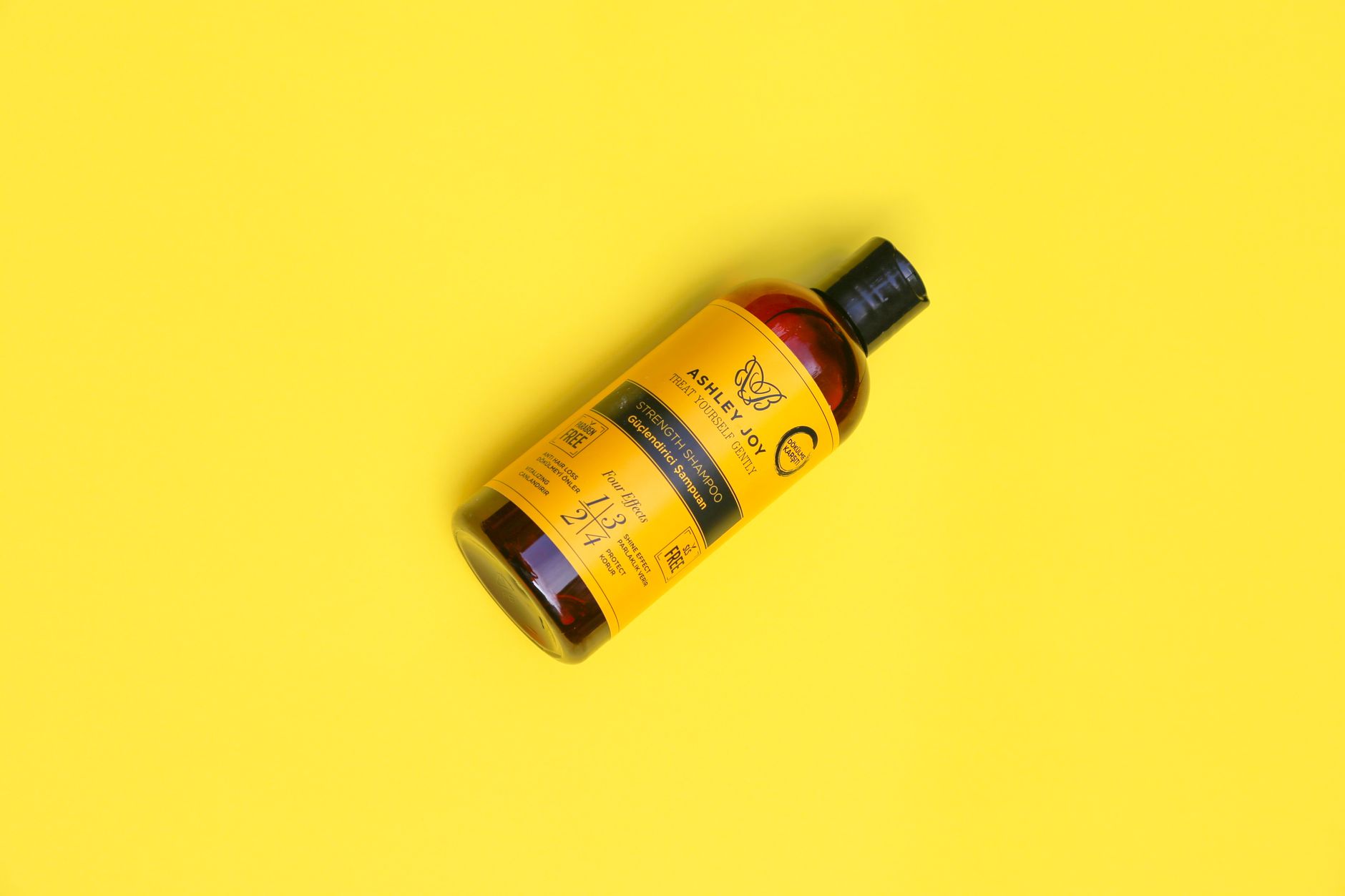
Can I use regular shampoo on a 6‑month‑old baby?
Generally, it’s safest to stick with a baby‑specific shampoo until the child is at least 12 months old. Regular shampoos often contain higher concentrations of surfactants, fragrances, and preservatives that can irritate a baby’s thin epidermis.
Potential effects of adult shampoo on a baby’s scalp
- Increased dryness: Stronger detergents strip sebum, leading to flaky skin.
- Eye irritation: Higher levels of fragrance and preservatives can cause stinging.
- Allergic reactions: Common allergens like cocamidopropyl betaine are more likely to trigger a rash.
If you must use an adult shampoo—perhaps due to a shortage—choose one labeled “mild,” “for sensitive skin,” and free of sulfates and fragrance. Dilute it 1:1 with water and rinse thoroughly.
Even with dilution, monitor the baby’s scalp for any sign of redness or scaling over the next 24–48 hours. A sudden increase in irritation may indicate that the adult formula is still too harsh for the infant’s barrier.
Signs that baby doesn’t need shampoo yet
Even after the vernix disappears, there are moments when a quick water rinse is enough. Look for these indicators:
- Scalp feels soft and non‑greasy when touched.
- No visible cradle‑cap or flaky patches.
- Hair is fine and does not cling together after a bath.
If you notice any of these, postpone shampooing until the next scheduled wash. Over‑washing can cause a dry, itchy scalp that may mimic cradle‑cap.
Many parents report that a gentle rinse with warm water followed by a light pat‑dry is all the baby needs during a hot summer week. The AAP’s “Bathing Guidelines for Infants” (2023) specifically mentions that water alone can maintain scalp cleanliness when oil production is minimal.
How to gently wash a baby's hair without tears
Bath time doesn’t have to be a battlefield. Follow these steps to keep both you and baby calm:
- Gather supplies first: Have the shampoo, a soft washcloth, a cup, and a towel ready.
- Use lukewarm water: Test with your wrist; it should feel like a gentle caress.
- Support the head: Place one hand under the baby’s neck and the other at the forehead, keeping the head slightly tilted back.
- Apply a pea‑size amount: Rub the shampoo between your hands to create a light lather.
- Massage gently: Use your fingertips in circular motions, avoiding the eyes.
- Rinse with a cup: Pour water slowly over the scalp, shielding the eyes with your hand.
- Pat dry: Use a soft towel, gently dabbing—no rubbing.
For extra comfort, sing a calming lullaby or use a soft‑squeaky toy to distract the baby while you wash.
Studies from the American Academy of Pediatrics (2022) show that a calm environment during bathing can lower infant cortisol levels, making the experience less stressful for both parent and child.
When to transition from baby shampoo to regular shampoo
The typical window for switching is between 12 and 18 months, once the baby’s skin barrier has matured and the risk of irritation declines. However, the transition should be gradual.
Step‑by‑step transition plan
- Start by mixing ¾ baby shampoo with ¼ regular shampoo.
- After a week, increase the regular‑shampoo proportion to ½‑½.
- Observe the scalp for any redness or dryness each wash.
- When the baby tolerates a 100 % regular shampoo without irritation, you’ve completed the transition.
Choosing the right regular shampoo
Look for “gentle,” “for sensitive scalp,” or “tear‑free” adult formulas. Avoid sulfates, strong fragrances, and heavy conditioning agents that can weigh down fine baby hair.
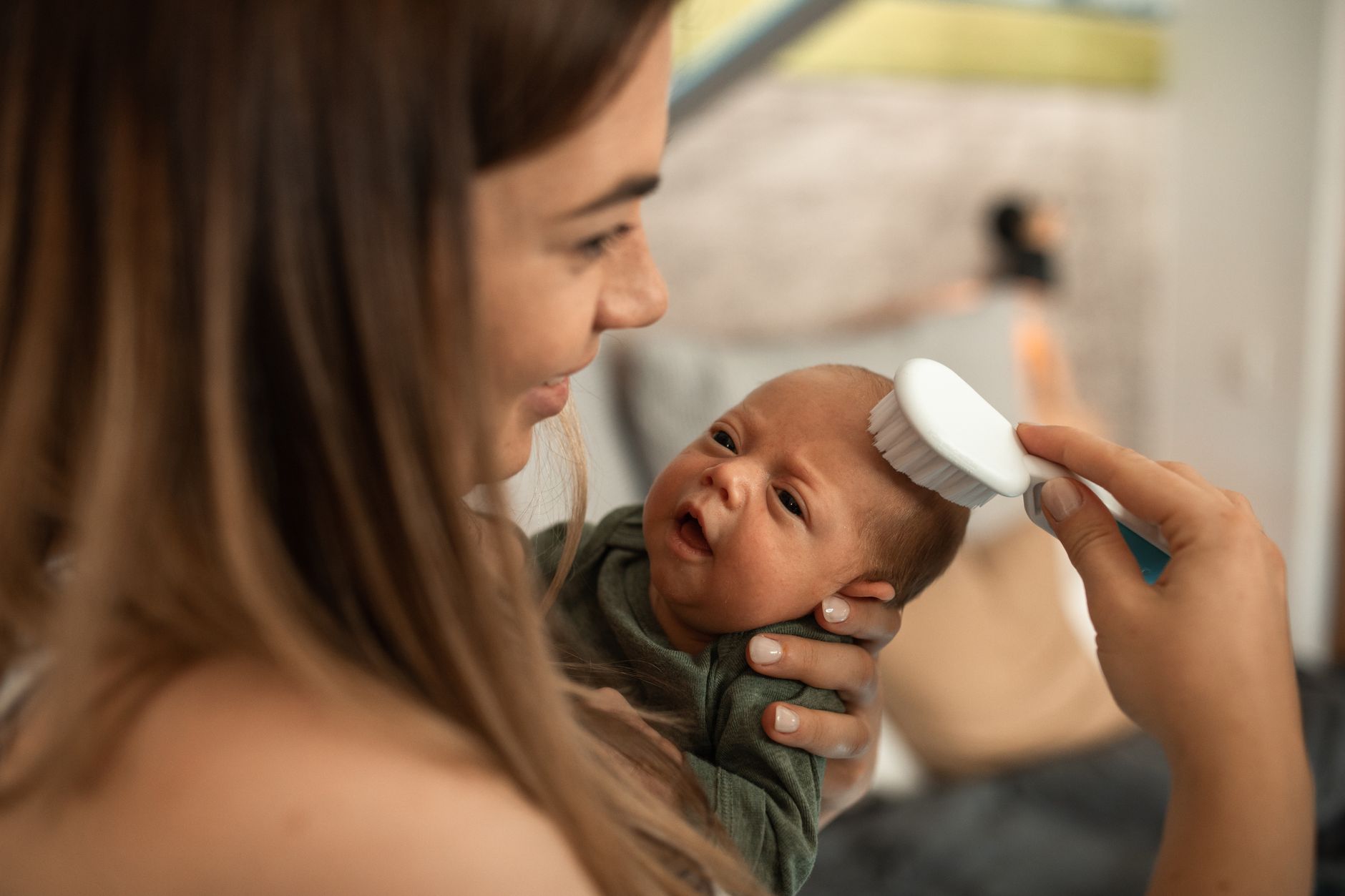
When you move to an adult shampoo, keep an eye on the baby’s scalp for the first two weeks. If you notice any flaking or itching, revert to the baby formula for a few days before trying a different adult brand.
Baby shampoo ingredients to avoid for newborns
Even fragrance‑free products can contain hidden irritants. Avoid shampoos that list any of the following:
- Sodium laureth sulfate (SLES) or sodium lauryl sulfate (SLS)
- Parabens (methylparaben, propylparaben)
- Phthalates
- Artificial dyes (e.g., FD&C colors)
- Essential oils in high concentrations (e.g., peppermint, eucalyptus)
- Formaldehyde‑releasing preservatives (e.g., DMDM hydantoin)
The AAP’s “Safe Products for Babies” list provides a detailed breakdown of prohibited chemicals.
Remember that “natural” or “organic” labels are not guarantees of safety; many plant‑derived extracts can still provoke allergic reactions. The safest approach is to stick with products that list a short, transparent ingredient list and have been formally evaluated by pediatric dermatologists.
How to choose a fragrance‑free baby shampoo
When scanning the label, look for “unscented,” “fragrance‑free,” or “no added fragrance.” Some manufacturers still use “natural fragrance” which can contain allergens, so verify by checking the ingredient list for any of the chemicals above.
Additional tips:
- Opt for products with a short ingredient list (5‑7 items).
- Prefer plant‑based surfactants like decyl glucoside or coco‑glucoside.
- Check for third‑party certifications such as “USDA Organic” or “EU Eco‑cert.”
When in doubt, the FDA’s “Cosmetic Ingredient Review” database is an excellent resource for confirming the safety profile of individual components.
DIY natural baby shampoo recipes for infants
If you enjoy making your own products, here’s a simple, pediatrician‑approved recipe that meets safety standards:
Ingredients: ¼ cup liquid castile soap (unscented), ¼ cup distilled water, 1 tsp vegetable glycerin, ½ tsp vitamin E oil (optional), a few drops of chamomile tea (cooled).
Instructions: Combine all ingredients in a clean bottle, shake gently, and use a pea‑size amount per wash. Store in a cool, dry place and discard after 2 weeks.
Always perform a patch test before the first use and consult your pediatrician if your baby has a known skin condition.
While DIY options can be appealing, keep in mind that homemade formulas lack the rigorous stability testing of commercial products. For families with a history of eczema or allergic skin, sticking with a clinically tested brand is advisable.
Effects of using adult shampoo on baby's scalp
Beyond dryness, adult shampoos can alter the scalp’s microbiome, potentially encouraging overgrowth of Malassezia yeast, a contributor to cradle‑cap. Regular exposure to harsher detergents may also make the skin more prone to eczema flare‑ups later in childhood.
For these reasons, pediatric dermatologists recommend limiting adult shampoo use to special occasions only, and even then, to a diluted, mild formula.
A 2020 study in the International Journal of Dermatology found that infants regularly exposed to adult‑strength surfactants had a 15 % higher incidence of seborrheic dermatitis at 12 months compared with those who used baby‑only formulas.
How to prevent cradle cap while shampooing baby
Cradle cap (infantile seborrheic dermatitis) appears as yellowish, greasy scales on the scalp. While its exact cause isn’t fully understood, gentle cleansing and moisture balance help.
Preventive routine
- Wash the scalp 2‑3 times a week with a mild baby shampoo.
- After washing, gently massage a few drops of mineral oil or baby‑grade coconut oil onto the scalp.
- Use a soft baby brush to loosen scales before rinsing.
- Rinse thoroughly and pat dry.
If cradle‑cap persists beyond 3 months, ask your pediatrician about a medicated shampoo containing 1 % selenium sulfide, which is safe for infants when used as directed.
Consistent, gentle brushing after each bath not only helps with cradle‑cap but also promotes circulation and can reduce the risk of bacterial overgrowth.
Recommended shampoo schedule for newborns
Below is a quick‑reference schedule tailored to the first year, balancing cleanliness and skin health.
Beyond the first year, most children can move to a regular gentle shampoo, but the frequency often remains at 2–4 times per week unless the child becomes especially active or sweaty.
When to stop using baby shampoo and switch to regular
The decision hinges on three main factors:
- Age: Most babies tolerate regular shampoo after 12 months.
- Skin tolerance: No redness, itching, or dryness after several washes.
- Hair type: If hair becomes thicker or more oily, a stronger cleanser may be needed.
When these criteria are met, begin the gradual mixing method described earlier. If your child develops eczema, keep using a fragrance‑free baby shampoo until the condition stabilizes.
Parents often wonder whether a “first haircut” signals the right moment to switch. The answer is no—haircuts do not change the scalp’s barrier. The skin’s maturity, not the hairstyle, determines the appropriate time to transition.
How bath water temperature influences baby scalp health
Water that’s too hot can strip the scalp’s natural oils, while water that’s too cold can cause the skin’s blood vessels to constrict, leading to dryness. The NHS recommends keeping bath water between 37°C – 38°C (98°F – 100°F) for newborns and infants.
Practical tips for getting the right temperature
- Use a clean kitchen thermometer or a dedicated baby bath thermometer.
- Test the water on the inside of your wrist; it should feel warm, not scorching.
- Adjust the temperature gradually—add cool water if the bath feels too hot after the first few seconds.
Maintaining a consistent, lukewarm temperature helps preserve the scalp’s protective lipid layer, especially during the first months when the barrier is still forming (ACOG, 2023).
In colder climates, a water‑temperature regulator can be a worthwhile investment, ensuring the water never spikes above the safe range.
Travel‑friendly shampoo tips for on‑the‑go parents
Whether you’re heading to grandma’s house or on a weekend getaway, a compact shampoo routine can keep bath time stress‑free.
Mini‑size bottles and travel kits
Look for 30‑ml “travel‑size” baby shampoo bottles that meet FDA labeling requirements. Many brands also offer “pump‑top” containers that reduce spillage—a common issue in hotel bathrooms.
Pre‑mixing for convenience
If you plan to transition to a regular shampoo soon, pre‑mix a 1:1 blend of baby shampoo and a gentle adult formula in a small, opaque bottle. This saves you from repacking multiple bottles while still protecting the scalp.
Keeping the routine consistent
Stick to the same washing frequency and technique you use at home. The familiarity helps your baby stay calm, and the consistency supports skin health even when the environment changes.
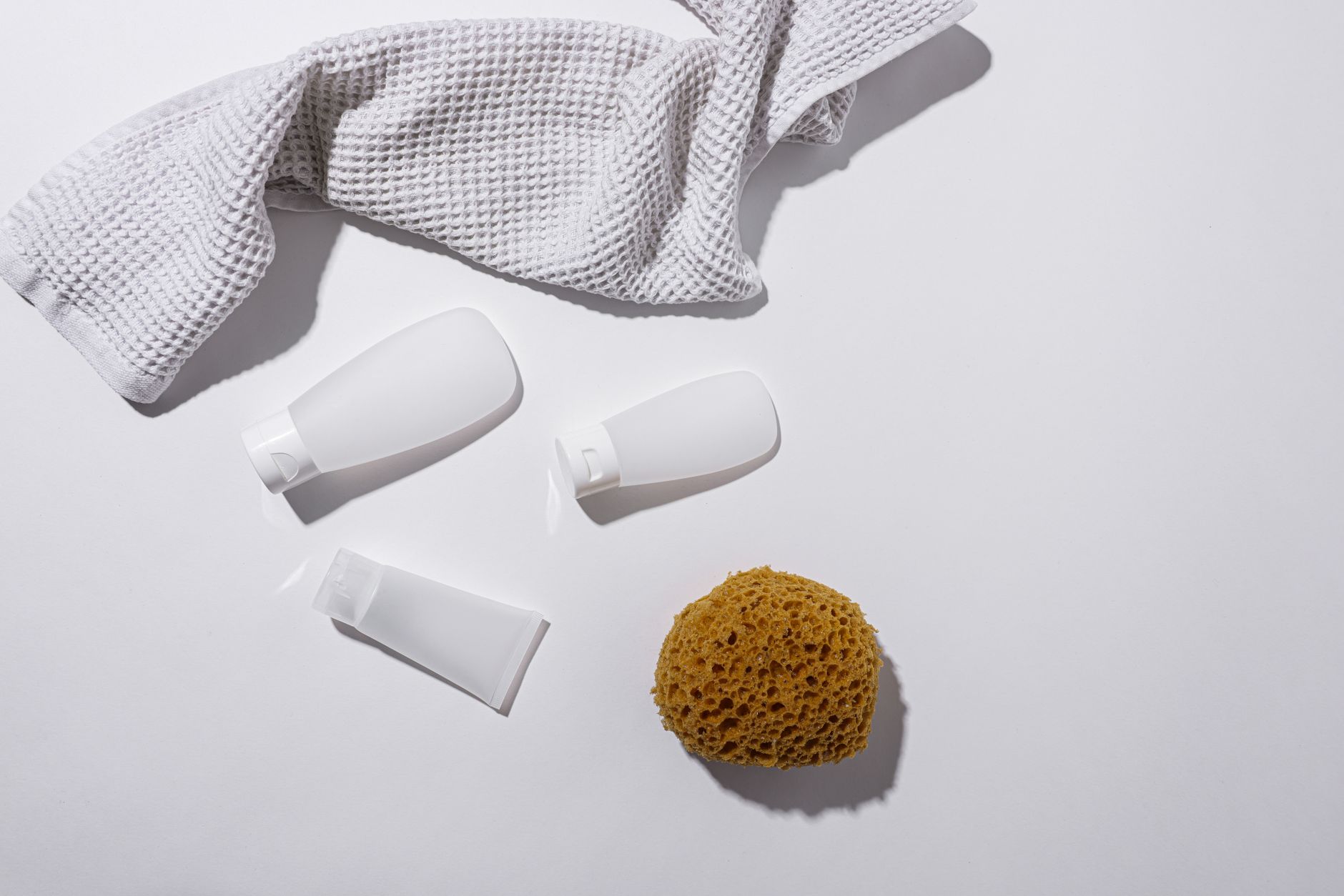
Choosing the right baby hairbrush and accessories
The right brush can help prevent cradle‑cap and make the washing process smoother. Look for brushes with soft, natural‑bristle heads that are gentle on the scalp.
Brush types and materials
- Soft‑brush (boar or silicone): Ideal for newborns; gentle enough to loosen flakes without scratching.
- Wide‑tooth comb: Useful for detangling fine hair after a wash, especially as the baby’s hair thickens around 6 months.
- Gentle detangling spray (water‑based): If you need extra slip, choose a product free of alcohol and fragrance.
Replace the brush every few months to keep the bristles clean and prevent bacterial buildup—a simple step that the CDC highlights for overall infant hygiene.
When traveling, a silicone brush doubles as a teething toy, providing two benefits in one compact item.
Understanding the baby scalp microbiome
Recent research from the University of Michigan (2022) shows that a newborn’s scalp hosts a unique microbiome dominated by Staphylococcus and Corynebacterium species. This community helps protect against pathogenic fungi and bacteria.
Harsh surfactants in adult shampoos can disrupt this balance, potentially allowing yeast like Malassezia to overgrow and trigger cradle‑cap. Choosing a mild baby shampoo preserves the natural microbial environment while still cleansing away debris.
If you suspect an imbalance—persistent redness, excessive flaking, or a foul odor—consult a pediatric dermatologist. They may recommend a probiotic‑rich scalp rinse or a specific antifungal shampoo.
Storing baby shampoo safely
Even the safest shampoo can become a hazard if not stored properly. Keep the bottle tightly closed and out of reach of children, as the liquid can be mistaken for a drink.
- Store in a cool, dry place away from direct sunlight; heat can degrade the formula.
- Use a child‑proof latch on the cabinet where the shampoo lives.
- Check the expiration date regularly; most shampoos lose potency after 12 months.
For families using multiple products, a small, labeled tote can keep everything organized and reduce the chance of grabbing the wrong bottle in a dim bathroom.
Myth vs. fact
Myth: Babies need daily shampoo to stay clean.
Fact: Over‑washing can dry out a baby’s scalp; 2‑3 times a week is sufficient for most infants.
Myth: All baby shampoes are safe for newborns.
Fact: Some “baby” labels still contain sulfates or fragrances that can irritate a newborn’s skin.
Myth: You can switch to adult shampoo as soon as the baby’s first haircut is done.
Fact: The skin barrier continues maturing until at least 12 months; a gentle transition is recommended.
Key takeaways
- Start using shampoo when the vernix disappears, usually around 4–6 weeks.
- Choose fragrance‑free, sulfate‑free baby shampoos with a pH near 5.5.
- Wash 2–3 times per week in the first year; adjust based on scalp oiliness.
- Watch for signs of irritation—redness, itching, or worsening cradle‑cap.
- Transition to regular shampoo after 12 months, using a gradual mixing method.
- DIY natural shampoos are an option if you avoid allergens and test on a patch first.
- Maintain lukewarm water (37‑38°C) and use soft brushes to support scalp health.
- Store shampoo out of reach and check expiration dates to keep the formula effective.
Frequently asked questions
When can I start using shampoo on my baby?
Most pediatric guidelines suggest starting at 4–6 weeks of age, once the protective vernix has cleared and the scalp begins to produce oil.
Is baby shampoo safe for newborns?
Baby shampoo is formulated to be gentle, but it’s not necessary for newborns under 4 weeks. For that age, a water rinse is sufficient; use shampoo only after the skin barrier has matured.
How many times a week should I wash my baby's hair?
Two to three washes per week is typical for infants up to 12 months, unless the scalp appears particularly oily or the baby has cradle‑cap.
What are the signs of a dry scalp in babies?
Dryness shows as flaky, white or yellowish patches, itching (often indicated by the baby scratching the head), or a tight feeling on the scalp.
Can I use regular shampoo on a baby after a certain age?
Yes—most experts recommend switching to a gentle, fragrance‑free adult shampoo after the baby turns 12 months and shows no signs of irritation.
What ingredients should I avoid in baby shampoo?
Avoid sulfates (SLS, SLES), parabens, phthalates, artificial dyes, and strong essential oils. Look for “fragrance‑free” or “unscented” on the label.
How do I prevent cradle cap while shampooing?
Wash the scalp 2‑3 times a week with a mild baby shampoo, gently massage with a baby‑grade oil, and use a soft brush to loosen scales before rinsing.
Is it okay to use a diluted adult shampoo for a baby with eczema?
If your baby has eczema, stick with a fragrance‑free baby shampoo until the flare subsides. A diluted adult shampoo can be harsh and may worsen irritation; always consult your pediatric dermatologist first.
Can I use a washcloth instead of shampoo for a newborn?
Yes—during the first four weeks, a soft, damp washcloth is enough to clean the scalp and remove milk residue. This method respects the vernix’s protective role and follows AAP recommendations.
How can I tell if my baby’s scalp microbiome is out of balance?
Signs include persistent redness, an unusual odor, or flaking that doesn’t improve with gentle shampooing. If these appear, talk to a pediatric dermatologist who may recommend a targeted antifungal or probiotic rinse.
What’s the best way to store baby shampoo when traveling?
Use a small, sealed travel bottle with a child‑proof cap, keep it in a zip‑lock bag, and store it in a cool part of your luggage away from direct sunlight. This prevents leaks and maintains product integrity.
When to see a doctor or specialist
If you notice any of the following, contact your pediatrician or a pediatric dermatologist promptly:
- Persistent redness, swelling, or pain on the scalp.
- Severe itching that disrupts sleep.
- Cradle‑cap that does not improve after regular gentle washing.
- Any rash extending beyond the scalp to the face or body.
These signs may indicate an infection, eczema, or a more serious skin condition that requires professional treatment.
References
- American Academy of Pediatrics. “Skin Care for the Newborn.” AAP Clinical Report, 2023.
- U.S. Food and Drug Administration. “Guidance for Industry: Cosmetic Ingredient Review.” FDA, 2022.
- National Health Service (UK). “Baby skin care and bathing.” NHS, 2023.
- American Academy of Dermatology. “Infantile Seborrheic Dermatitis (Cradle Cap).” AAD, 2022.
- Academy of Nutrition and Dietetics. “Choosing Safe Baby Products.” AND, 2021.
- Harvard T.H. Chan School of Public Health. “Understanding pH and Skin Health.” Harvard, 2022.
- American College of Obstetricians and Gynecologists. “Skin Barrier Development in Infancy.” ACOG Committee Opinion, 2023.
- Centers for Disease Control and Prevention. “Infant Hygiene Guidelines.” CDC, 2022.
- National Health Service (UK). “Bath water temperature for infants.” NHS, 2023.
- American Academy of Dermatology. “Guidelines for Pediatric Hairbrush Hygiene.” AAD, 2021.
- University of Michigan. “Infant Scalp Microbiome: Early-Life Colonization Patterns.” International Journal of Dermatology, 2022.
- American Academy of Pediatrics. “Bathing Guidelines for Infants.” AAP, 2023.



