Quick take: Start gathering your hospital bag at around 28 weeks, add items as you go, and have a complete, ready‑to‑go bag by 36 weeks. Tailor the contents to your birth plan—natural vaginal birth, C‑section, twins, or a home birth—while keeping comfort, baby needs, and your partner’s essentials in mind. A simple checklist and a printable timeline keep you organized without stress.
It’s 3 a.m., you’re scrolling through a pregnancy forum, and a new mother posts, “I wish I’d packed my hospital bag earlier.” You feel that knot of anxiety tighten. You’re not alone—many expectant moms wonder, “when to pack hospital bag by week?” The good news is that you can spread the packing out over a few weeks, making it manageable and budget‑friendly. This guide walks you through a week‑by‑week timeline, the must‑have items for you, your baby, and your support person, and the special considerations for C‑sections, twins, and home births.
We’ll start with the earliest week you can begin, then dive into specific checklists for each scenario, share smart storage tips, and even provide printable resources you can download. By the end, you’ll have a clear plan, a tidy bag, and confidence that you’re prepared—no last‑minute scrambling required.
When should I start packing my hospital bag at 28 weeks?
Most clinicians, including the American College of Obstetricians and Gynecologists (ACOG), suggest beginning the packing process around 28 weeks. At this point, you’ve likely had your anatomy scan, your birth plan is forming, and you have enough time to gather items gradually without feeling rushed.
Why 28 weeks works for many
- Physical comfort. By the third trimester, you can still comfortably shop and lift items.
- Time to test. You can try on maternity pajamas, pack a diaper bag, and see if anything needs swapping.
- Insurance and paperwork. This is often when hospitals release your admission forms, so you can match items to the hospital’s policies.
Step‑by‑step timeline
- Week 28–30: Gather non‑perishable items—extra socks, toiletries, and a small “comfort box” with snacks, chargers, and a favorite book.
- Week 31–33: Add maternity‑specific clothing, like a loose‑fit nightgown, nursing bra, and slippers.
- Week 34–35: Pack baby basics—onesies, a hat, and a blanket—plus any partner items you’ve identified.
- Week 36: Do a final check, add any hospital‑provided items (like maternity pads), and place the bag in a convenient spot (e.g., a spare closet).
By spreading the work over four weeks, you avoid the panic of a last‑minute scramble and keep your budget in check, buying items on sale or using what you already have at home.
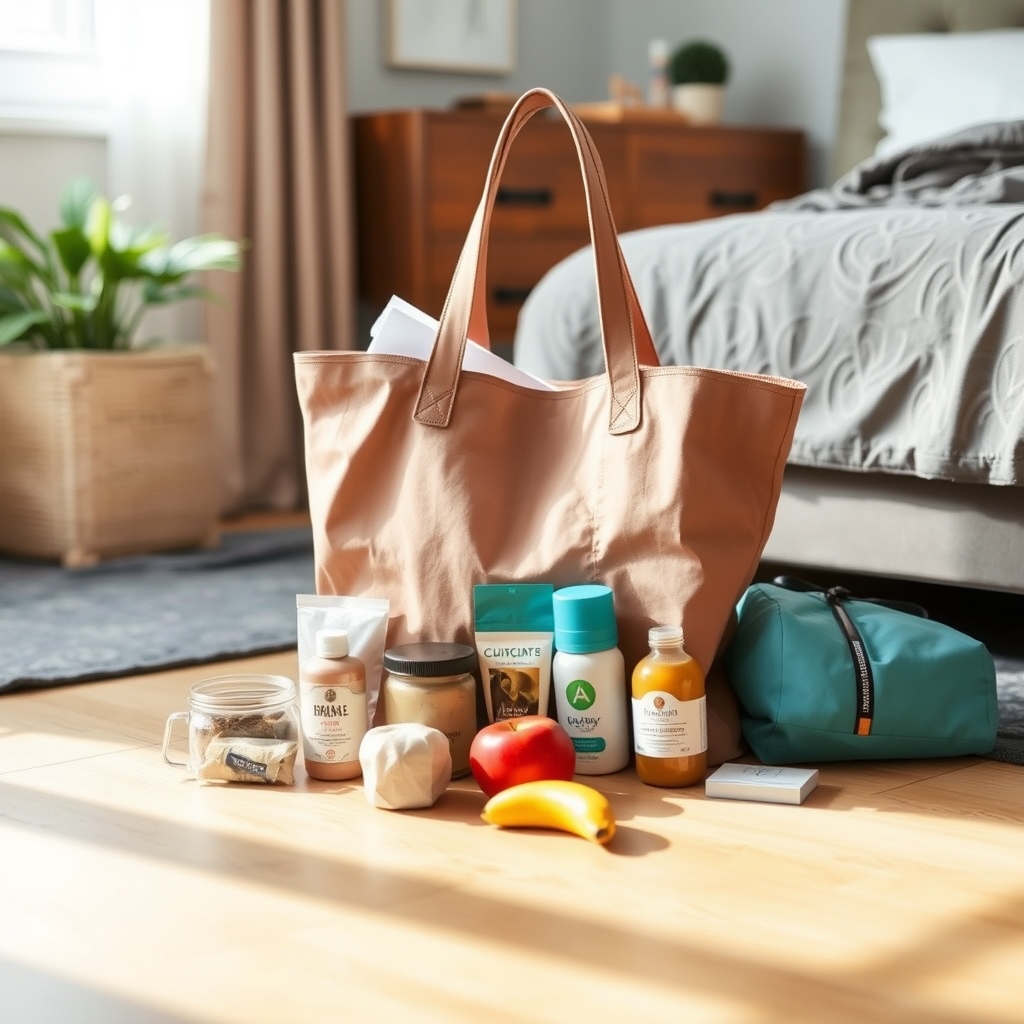
What to pack in a hospital bag for a C‑section at 36 weeks?
A C‑section usually means a longer hospital stay (often 2–4 days) and different comfort needs. The ACOG notes that patients should have a “C‑section recovery kit” ready by 36 weeks. This timing aligns with the earlier “when to pack hospital bag by week” recommendation, giving you a few extra weeks to gather recovery‑focused items.
Essential mother items for a C‑section
- Loose‑fit, front‑opening nightgown or a maternity robe (easy for incision access).
- High‑waisted, breathable underwear (preferably disposable or cotton).
- Heavy‑duty maternity pads (the hospital provides some, but extra can be comforting).
- Supportive pillow (a “bump pillow” or a regular body pillow) for side‑sleeping.
- Compression socks to aid circulation.
- Gentle, fragrance‑free cleanser and moisturizer for incision care.
Baby items for a C‑section birth
Even though you’ll likely meet your baby within an hour of delivery, having these basics ready reduces stress:
- Two newborn onesies (size newborn and size 0‑3 months).
- A soft, pre‑washed blanket for skin‑to‑skin contact.
- Newborn hat and socks.
- Infant‑size diapers (the hospital supplies a few, but having a couple on hand is reassuring).
Partner’s packing list for a C‑section
- Comfortable clothing for a potentially longer stay (loose‑fit jeans, hoodie).
- Snacks high in protein (granola bars, nuts) and a refillable water bottle.
- Phone charger, headphones, and a book or streaming device.
- Cash or cards for parking, cafeteria meals, or any extra supplies.
Because the stay may be longer, consider adding an extra set of pajamas, a toothbrush, and a small toiletry bag for your partner.
Hospital bag checklist for the first trimester of pregnancy
While you won’t be delivering for months, the first trimester is a perfect time to start a “pregnancy essentials” kit. This pre‑emptive approach ensures you’re not caught off‑guard if early labor or a medical complication arises.
Why start early?
- Unexpected early labor. Roughly 5 % of births occur before 37 weeks.
- Hospital policies. Some facilities require you to have a bag ready upon admission.
- Budget flexibility. Buying items gradually often means you can catch sales and avoid last‑minute price spikes.
First‑trimester checklist
Store these items in a small tote or a zip‑lock bag. By the end of the first trimester, you’ll have a core set that can be expanded as you approach the third trimester.
How early to pack my hospital bag if I’m expecting preterm labor?
Preterm labor—delivery before 37 weeks—requires a slightly different timeline. The National Institute of Child Health and Human Development (NICHD) advises women at risk for preterm birth to have a “preterm readiness kit” ready by 24 weeks.
Key differences for preterm preparation
- Neonatal care items. Small‑size newborn clothing (preemie size) and extra blankets.
- Breast‑feeding support. A hospital‑grade breast pump (if you plan to pump) and nipple cream.
- Documentation. A copy of your prenatal record and any specialist referrals (e.g., neonatology).
Suggested packing schedule
- Week 24–26: Assemble a “preterm kit” with the items above, plus a copy of your birth plan and a list of emergency contacts.
- Week 28–30: Add standard mother and partner items (snacks, toiletries).
- Week 32: Review neonatal hospital policies for preterm infants and adjust clothing sizes as needed.
- Week 34–35: Perform a final bag check and keep the bag near the front door.
Having this kit ready early reduces anxiety if labor begins unexpectedly, and it gives you time to discuss any concerns with your obstetrician.
What items to include for a newborn in the hospital bag by week 30?
By week 30, you can confidently select the baby essentials you’ll need for the first 24‑48 hours after birth. The Mayo Clinic recommends having a “baby basics” bundle ready by this point.
Core newborn items
- Two newborn‑size onesies (snap‑closure for easy diaper changes).
- A soft, breathable swaddle blanket (cotton or bamboo).
- One newborn hat and a pair of socks.
- Two small packs of newborn diapers (the hospital provides some, but having extra is comforting).
- Gentle baby wash and a small towel (if you prefer your own brand).
Optional but helpful additions
- Pacifier (if you plan to use one).
- Skin‑to‑skin blanket with a zip‑up front for easier access.
- Mini “newborn care” guide (many hospitals provide one, but a pocket‑size printout can be handy).
Remember to choose items that are easy to launder—hospital laundry can be limited, and you may want to keep a spare set at home for the first night.
When to pack a hospital bag for twins: timeline and extra essentials
Twins bring extra joy—and extra packing needs. The National Association of Certified Nurse‑Midwives (NACNM) suggests starting the twin‑specific packing at 26 weeks, giving you four weeks to gather double the baby gear.
Timeline for twins
- Week 26–28: Gather mother’s comfort items and start a “twin baby” list—double the onesies, blankets, and diapers.
- Week 29–31: Add two infant car seats or a single double‑capacity seat (if you’ll be driving home).
- Week 32–34: Pack a larger nursing pillow (or two) for simultaneous skin‑to‑skin.
- Week 35–36: Final bag check—ensure you have two sets of newborn clothing, two blankets, and two pacifiers.
- Two sets of newborn clothes (consider size newborn and size 0‑3 months).
- Two infant car seats (or a convertible double‑seat) for safe transport.
- Two nursing pillows or a large “bump pillow” that can accommodate both babies.
- Additional diapers (you’ll go through them faster!).
- One extra set of toiletries for each parent, as the bathroom will be busy.
Having a separate “twin kit” inside your main bag can help you locate items quickly. Label each baby’s section with a simple “Baby A” and “Baby B” tag.
What should my partner pack in the hospital bag and when to start?
Your support person plays a crucial role, whether they’re your spouse, partner, or a trusted friend. The American Academy of Pediatrics (AAP) notes that partners should have a “support kit” ready by 34 weeks.
Essential partner items
- Comfortable clothing (loose‑fit joggers, a hoodie).
- Two sets of underwear and socks.
- Snacks high in protein (trail mix, cheese sticks) and a reusable water bottle.
- Phone charger and a small entertainment device (tablet, book).
- Cash or a prepaid card for parking and cafeteria meals.
- Personal hygiene items (toothbrush, travel‑size toothpaste, deodorant).
When to start packing?
Begin gathering these items at 30 weeks. By the time you reach 34 weeks, you’ll have a fully stocked partner bag ready to go. Keep it in the same location as your own hospital bag for easy access.
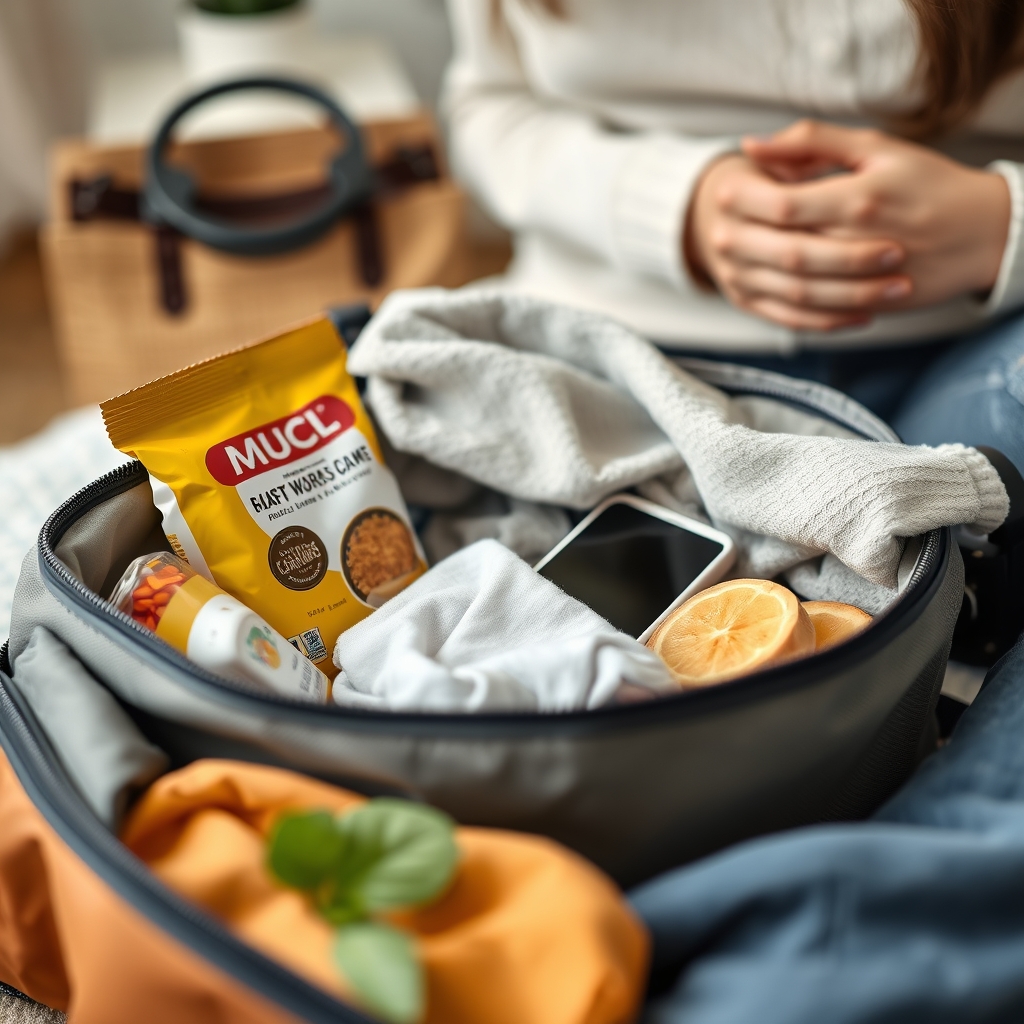
Additional considerations: natural birth, home birth, water birth, and budget tips
Essential hospital bag items for a natural birth
- Front‑opening nightgown or a soft robe for easy breastfeeding.
- Non‑slip socks and a portable birthing ball (if allowed).
- Music playlist or a portable speaker for relaxation.
- Reusable heating pad (hospital may provide one, but a personal one can be comforting).
Hospital bag items for a home birth vs. hospital birth
Home births typically require fewer medical supplies but more personal comfort items. A home birth kit might include a portable birthing stool, a belly‑band, and extra blankets, while a hospital kit emphasizes identification tags, hospital‑issued pads, and a larger supply of toiletries.
How to organize a hospital bag for a stay longer than 24 hours
If you anticipate a longer stay (common after a C‑section), add an extra set of pajamas, a second toothbrush, and an additional pair of maternity pads. Use a small packing cube for each day’s essentials, labeling them “Day 1,” “Day 2,” etc., so you can pull out what you need without rummaging.
Best hospital bag checklist for a water birth
- Water‑friendly, quick‑dry robe or cover‑up.
- Non‑slip socks or water‑safe shoes.
- Water‑proof phone case.
- Extra hair ties (water can cause hair to slip).
- Reusable, fast‑dry towel for post‑birth cleaning.
What to pack for postpartum recovery in the hospital
- Heavy‑duty maternity pads (the hospital provides, but many women prefer extra).
- Perineal spray or witch hazel pads for comfort.
- Loose, breathable underwear (often disposable).
- Comfortable, front‑opening nursing top for easy breastfeeding.
- Snacks with protein and fiber (e.g., yogurt, fruit, crackers).
Tips for packing a hospital bag on a budget
- Shop the clearance aisle for maternity pajamas and nursing bras.
- Reuse clean, gently‑used baby items from a previous sibling.
- Buy multi‑pack toiletries (shampoo, conditioner) and split them between you and your partner.
- Print a free checklist (link below) and use it to avoid buying unnecessary duplicates.
- Ask friends for “baby shower” contributions of specific items you need.
Myth vs. fact
Myth: You must pack everything at once, or you’ll forget something important.
Fact: Spreading packing across weeks (starting at 28 weeks) reduces stress and helps you prioritize what truly matters.
Myth: Only the mother needs a hospital bag—partners don’t need one.
Fact: A well‑prepared partner improves both emotional support and practical logistics, especially during longer stays or unexpected delays.
Myth: You need to bring brand‑new items for every category.
Fact: Clean, gently‑used items are perfectly acceptable and often more cost‑effective; just ensure they meet hospital hygiene standards.
Key takeaways
- Start gathering items at 28 weeks; have a complete bag ready by 36 weeks.
- Tailor the bag to your birth plan—natural vaginal birth, C‑section, twins, or home birth.
- Include comfort items for you, newborn basics, and a partner support kit.
- For preterm labor, have a “preterm readiness” kit ready by 24 weeks.
- Use packing cubes or labeled sections to keep items organized for longer stays.
- Budget‑friendly tips: shop sales, reuse clean items, and ask friends for specific gifts.
Frequently asked questions
When should I pack my hospital bag?
Most experts recommend beginning at 28 weeks and completing the bag by 36 weeks. This timeline gives you ample time to gather, test, and adjust items without stress.
How many weeks before my due date should I pack my hospital bag?
Aim to have your bag ready about 2–3 weeks before your estimated due date. If your due date is 40 weeks, finishing packing by week 36 aligns with the “when to pack hospital bag by week” guideline.
What should I pack in my hospital bag for a C‑section?
Focus on loose‑fit clothing, extra maternity pads, a supportive pillow, and comfortable underwear. Include a small supply of gentle incision cleanser, snacks, and a partner kit with longer‑stay items.
Do I need to pack a hospital bag for my partner?
Yes. A partner’s bag should contain comfortable clothing, snacks, a phone charger, hygiene items, and cash or cards for parking and meals. Starting at 30 weeks gives you time to assemble it.
Can I pack my hospital bag early and keep it ready?
Absolutely. Begin gathering items at 28 weeks, store them in a tote near your front door, and add new items as you find them. A “ready‑now” bag minimizes last‑minute anxiety.
What are the essential items for a newborn in the hospital bag?
Two newborn onesies, a soft blanket, a hat, socks, and a couple of diapers are the core items. Add a gentle baby wash and a pacifier if desired.
How do I organize a hospital bag for a stay longer than 24 hours?
Use packing cubes labeled by day, add a second set of toiletries, extra maternity pads, and an additional pair of pajamas. This keeps everything tidy and accessible.
When to see a doctor / specialist
If you experience any of the following, contact your obstetrician or midwife promptly:
- Severe abdominal pain or cramping that doesn’t subside.
- Bleeding heavier than spotting, especially after 20 weeks.
- Sudden swelling of hands, face, or feet.
- Fever over 100.4 °F (38 °C) without a known cause.
- Signs of preterm labor (regular contractions before 37 weeks, fluid leakage).
This article provides general information and is not a substitute for personal medical advice. Always discuss your specific needs and any concerns with your health care provider.
References
- American College of Obstetricians and Gynecologists (ACOG). “Hospital Birth Planning.” 2023.
- National Institute of Child Health and Human Development (NICHD). “Preterm Birth: Guidelines for Expectant Mothers.” 2022.
- Mayo Clinic. “Hospital Bag Checklist for Expectant Mothers.” 2023.
- American Academy of Pediatrics (AAP). “Support Person’s Role During Labor and Delivery.” 2022.
- National Association of Certified Nurse‑Midwives (NACNM). “Twin Birth Preparation.” 2023.
- World Health Organization (WHO). “Maternal Health Care Guidelines.” 2022.
- Harvard T.H. Chan School of Public Health. “Budget‑Friendly Pregnancy Essentials.” 2021.



