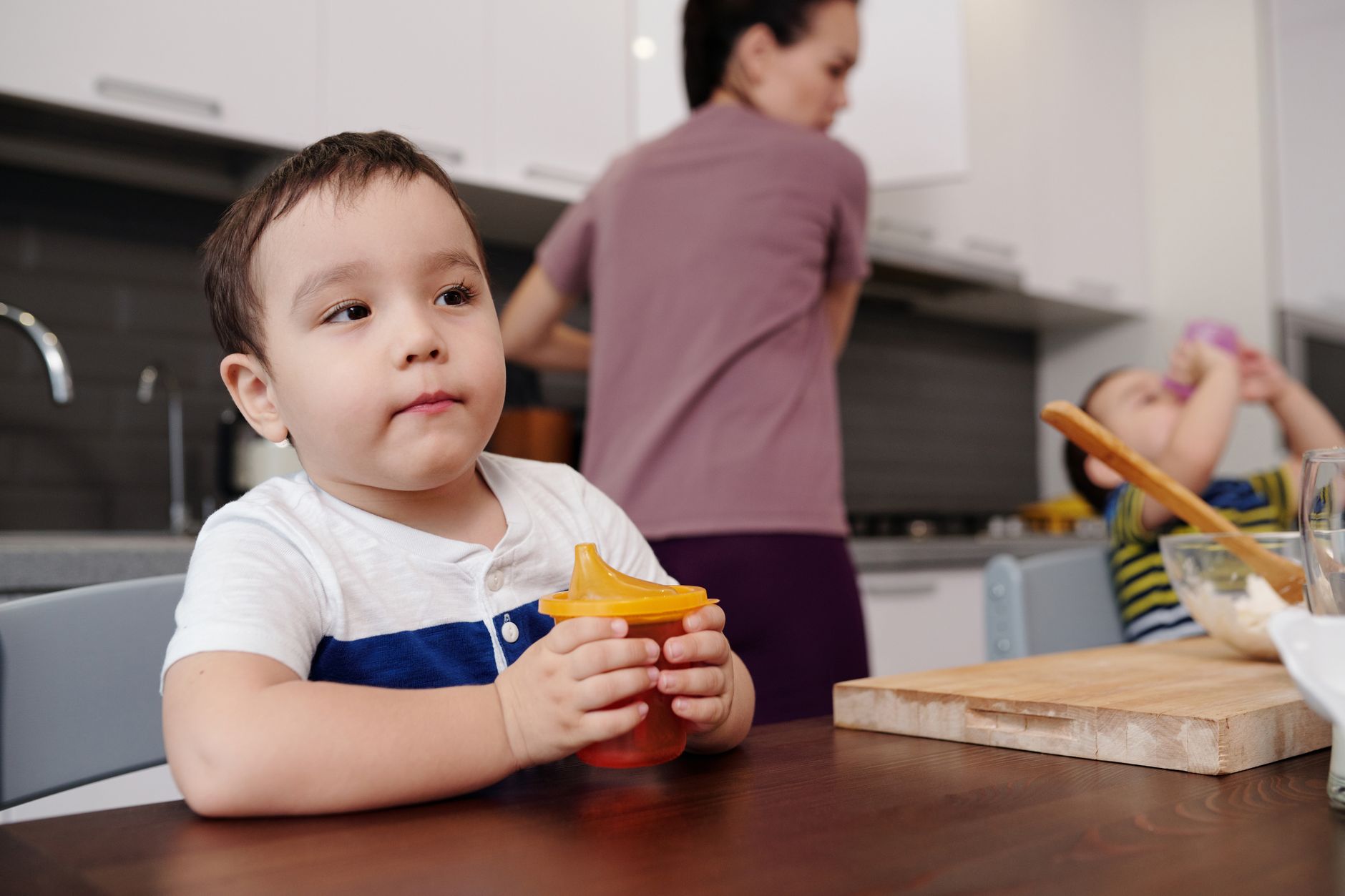
Readiness isn’t just about age; it’s about observable behaviors. Look for these cues:
- Head control: Baby can hold head steady for at least 30 seconds while upright.
- Sitting upright: Can sit in a high chair without support for a few minutes.
- Hand‑to‑mouth coordination: Brings hands or objects to the mouth voluntarily.
- Interest in your drink: Watches you sip, reaches for the bottle, or tries to mimic you.
- Oral exploration: Sucks on toys or fingers, indicating a desire to explore textures.
If your baby exhibits three or more of these signs, it’s a reliable indicator that you’re ready to try a sippy cup. Many mothers report a “lightbulb” moment when their child starts opening their mouth wide as you bring a cup near—this is a clear invitation.
Remember, every infant develops at their own pace. If a sign is missing, you can gently re‑assess a week later. Consistent observation, rather than a strict calendar, leads to a smoother transition.
Sippy cup training schedule for 7‑month‑old
A gentle schedule helps both parent and baby adjust:
- Day 1‑3: Offer the cup with a few drops of water during a regular feeding. No pressure—just curiosity.
- Day 4‑7: Increase to 2‑3 oz of breast milk or formula. Let baby hold the cup while you assist.
- Week 2‑3: Replace one daily bottle feeding with the cup. Keep the other bottles for nighttime.
- Week 4: Aim for two cup feedings per day, gradually reducing bottle use.
Adjust the timeline based on your baby’s comfort. If they gag or spit out liquid, pause and try again later. The goal is to build confidence, not to rush a milestone.
Best sippy cup for 6‑month‑old infants
At six months, the cup should be lightweight, have a soft spout, and feature an anti‑leak valve. The cup’s capacity should be modest—around 3‑4 oz—so the infant can finish it without becoming overwhelmed.
Here are three top choices, evaluated against safety, ease of use, and durability:
All three meet the American Academy of Pediatrics' safety standards and have been recommended by lactation consultants for early cup use. Choose the one that feels most comfortable in your baby’s hand.
When you first introduce the cup, let your baby explore it empty. The tactile feel of the silicone spout often encourages the sucking reflex, making the transition smoother.
How to clean a sippy cup properly
Proper sanitation prevents bacterial growth, especially for infants whose immune systems are still maturing. Follow these steps:
- Disassemble the cup—remove the spout, valve, and lid.
- Rinse each piece under warm water to clear milk residue.
- Use a bottle brush or a small silicone brush to scrub the interior, paying special attention to the spout valve.
- Place all parts on the top rack of the dishwasher, or hand‑wash with mild, fragrance‑free soap.
- Air‑dry completely before reassembling to avoid moisture trapping.
Never use harsh chemicals or abrasive scrubbers, as they can degrade the soft spout and create micro‑scratches where bacteria can hide.
How to transition from bottle to sippy cup without fuss
Transitioning is a gradual process that respects your baby’s comfort while encouraging independence. Here’s a step‑by‑step plan that blends the familiar with the new:
- Introduce the cup during a relaxed feeding: Choose a time when your baby is calm, not hungry or overtired.
- Use the same liquid: Offer breast milk or formula in the cup first; familiarity reduces resistance.
- Model the action: Take a sip yourself and smile. Babies learn by imitation.
- Gradual substitution: Replace one bottle feeding per day with the cup, starting with daytime feeds.
- Positive reinforcement: Celebrate small successes with claps or a gentle “good job.”
- Maintain a routine: Consistency helps the baby anticipate the change and adapt faster.
If your baby refuses the cup, try offering it with water first, then gradually add milk. Patience is key—most infants adjust within 2‑3 weeks.
Keep the bottle for nighttime feeds if your child still needs it for comfort. This hybrid approach often eases the anxiety that can accompany a sudden, complete removal of the bottle.
How many ounces of milk can a sippy cup hold for a toddler?
For toddlers aged 12‑24 months, a typical sippy cup holds 6‑8 oz. However, daily milk intake should not exceed 24 oz (about 710 ml) according to the AAP, regardless of cup size. Over‑filling a cup can lead to excess consumption and may displace solid foods.
When you move to a larger cup, monitor the amount your child drinks at each feeding and adjust accordingly. A good rule of thumb: offer 4‑6 oz per feeding, spread across 2‑3 sessions per day.
Common mistakes when introducing a sippy cup
Even well‑intentioned parents can stumble. Below are frequent pitfalls and how to avoid them:
- Starting too early: Introducing a cup before 6 months can cause choking. Wait for the developmental signs listed above.
- Using a cup with a hard spout: Hard plastic spouts can irritate gums and discourage sucking. Choose soft silicone.
- Leaving the cup unattended: An open cup can spill, creating a slip hazard and exposing the baby to unsanitary surfaces.
- Offering sugary drinks: Fruit juice or sweetened milk in a sippy cup accelerates tooth decay. Stick to water, breast milk, or formula.
- Skipping the transition period: Sudden removal of the bottle can cause distress. Gradual replacement is gentler.
By anticipating these errors, you’ll keep the experience positive and safe.
Another subtle mistake is not rotating cups. Using the same cup every day can lead to wear in the valve, which may become a choking hazard. Swapping between two identical cups gives you a clean backup while the other is being washed.
When to stop using a sippy cup and move to a regular cup
Most children outgrow the sippy cup by 12‑18 months. Signs that it’s time to graduate include:
- Consistently finishing drinks without spilling.
- Showing interest in the family’s regular cups.
- Developing the fine‑motor skill to grip a cup handle.
- Increased independence—asking for a “big cup” on their own.
Transition to an open cup by offering a small, weighted cup with a handle during meals. Start with water, then introduce milk or juice as they become comfortable. Expect a few spills; it’s part of learning.
During this phase, keep offering a sippy cup for travel or outings where spills are more likely. The familiar cup provides reassurance while the new open cup builds skill at home.
Sippy cup vs straw cup for toddlers
Both have a place in a toddler’s toolkit. For younger infants (6‑9 months), a traditional sippy cup is usually best. Straw cups become a useful transition tool around 12 months, especially for children who enjoy a “big‑kid” feel.
Sippy cup safety tips for toddlers
Safety is paramount as the child becomes more mobile. Follow these guidelines:
- Check for BPA‑free materials: Choose cups labeled BPA‑free, phthalate‑free, and compliant with FDA standards.
- Inspect the spout regularly: Cracks or worn valves can become choking hazards.
- Secure the lid: Ensure the cup is tightly sealed when stored to prevent leaks.
- Avoid sugary liquids: Limit juice and sweetened milk to prevent tooth decay.
- Supervise during use: Never leave a toddler unattended with a cup, especially if it contains hot liquids.
When introducing water, start with a few sips of filtered or boiled‑then‑cooled water. Water can be offered from the first day you try a cup, but keep the volume small—no more than 2 oz at a time until the child shows steady drinking.
For families who travel frequently, consider a cup with a snap‑tight lid that doubles as a travel mug. This reduces the chance of accidental spills in the car or airplane tray.
How to prevent leaks in a sippy cup
Leakage often stems from improper assembly. After each cleaning, double‑check that the valve, spout, and lid are fully seated. Some parents find placing a small piece of silicone sealant (food‑grade) around the valve edge reduces occasional drips.
Also, avoid over‑filling. Fill the cup no higher than the “max” line, usually marked on the interior. This prevents pressure buildup that can force liquid out.
Choosing the right material: BPA‑free, silicone, or stainless steel
Modern sippy cups come in several material families, each with pros and and cons. The FDA requires all baby‑feeding products sold in the United States to be BPA‑free, but parents often wonder whether silicone or stainless steel offers additional benefits.
- Silicone: Soft, flexible, and gentle on gums. It’s dishwasher‑safe and typically free of BPA, phthalates, and PVC. The downside is that silicone can retain odors if used with strong‑flavored drinks.
- Plastic (BPA‑free): Lightweight and inexpensive. Look for “BPA‑free” and “phthalate‑free” symbols. Some low‑cost plastics may warp over time, affecting the valve’s seal.
- Stainless steel: Extremely durable, non‑reactive, and often insulated to keep drinks cool. However, most stainless‑steel cups use a hard spout, which can be harsh on developing gums. Some brands pair a silicone sleeve with the metal cup to soften the bite.
The NHS advises parents to prioritize safety and comfort over brand prestige. For most infants, a soft‑silicone spout is the most soothing option, while a stainless‑steel cup can be introduced later, once the child can handle a firmer bite without irritation (usually after 12 months).
Sippy cup use and speech development
Beyond feeding, the act of sipping can influence oral‑motor skills that underlie speech. The American Speech‑Language‑Hearing Association (ASHA) notes that early sucking, chewing, and swallowing activities help shape the muscles of the tongue, lips, and jaw—all essential for clear articulation.
Studies published in the *Journal of Speech, Language, and Hearing Research* have shown that infants who regularly practice sipping from a soft‑spout cup tend to develop stronger suction control, which can translate to earlier babbling and clearer consonant production. However, the benefit is modest and should be paired with plenty of “talk‑time” and face‑to‑face interaction.
When you notice your child beginning to babble, offering a sippy cup can be a complementary activity—not a replacement for language‑rich play. If you have concerns about speech milestones, a pediatric speech‑language pathologist can assess oral‑motor function and suggest targeted exercises.
Travel‑friendly sippy cups: tips for on‑the‑go families
Trips to the grocery store, playground, or airplane can turn a simple cup into a logistical nightmare. Here are a few strategies that keep the peace:
- Choose a cup with a snap‑tight lid: This prevents spills in a diaper bag or car seat.
- Pre‑fill with water and freeze: A frozen cup stays cool longer and reduces the need for refrigeration.
- Carry a backup cup: Accidents happen; having a second, clean cup on hand saves you from a frantic search.
- Use a cup that doubles as a bottle: Some brands offer interchangeable tops, allowing you to switch between a bottle for formula and a sippy cup for water without extra cleaning.
Remember to check the cup’s temperature before handing it to your child, especially after heating liquids in a microwave. A quick hand‑test protects against burns.
Sippy cups for children with special needs
Some infants have oral‑motor or sensory challenges that make traditional sippy cups difficult. For example, children with cerebral palsy, autism spectrum disorder, or prematurity may have reduced suction strength or heightened tactile sensitivities.
Occupational therapists often recommend cups with larger handles, textured grips, or a “push‑button” flow control that requires less suction. The “Sip‑N‑Play” line from VTech, for instance, features a soft silicone mouthpiece and a wide, ergonomic handle designed for children with limited hand strength.
When selecting a cup for a child with special needs, consult your pediatrician or a pediatric occupational therapist. They can perform a brief assessment and suggest modifications—like adding a straw adapter or using a thick‑walled cup that steadies the liquid flow.
Myth vs. fact
Myth: Babies should start using a sippy cup at birth to avoid bottle use.
Fact: Introducing a cup before 6 months can increase choking risk and may interfere with oral‑motor development. The AAP recommends waiting until the baby can sit up and show interest.
Myth: Any cup will do; brand doesn’t matter.
Fact: Some cups contain BPA or have hard spouts that can irritate gums. Choosing a BPA‑free, soft‑spout cup reduces safety concerns and encourages a smoother transition.
Myth: Sippy cups cause tooth decay regardless of what’s inside.
Fact: Tooth decay is linked to sugary liquids, not the cup itself. Water, breast milk, or unsweetened formula in a clean cup does not increase decay risk.
Key takeaways
- Most infants are ready for a sippy cup between 6 and 9 months, once they can sit up and show interest.
- Look for soft silicone spouts, anti‑leak valves, and a capacity of 3‑4 oz for early use.
- Transition gradually: replace one bottle feeding per day with the cup and celebrate small successes.
- Maintain dental health by limiting sugary drinks and cleaning the cup after each use.
- Graduate to an open cup by 12‑18 months, watching for signs of readiness like reduced spilling and increased independence.
- Always supervise, check for BPA‑free labeling, and inspect the cup for wear to keep your toddler safe.
- Consider material, speech‑development benefits, and travel needs when choosing the right cup for your family.
Frequently asked questions
When can my baby start using a sippy cup?
Babies can typically start at 6 months if they can sit upright, have good head control, and show interest in what you’re drinking. Start with a soft‑spout, 3‑oz cup and offer water or breast milk. If your child isn’t showing these signs, wait a few weeks and try again.
What are the signs that my child is ready for a sippy cup?
Key signs include sitting without support for at least 30 seconds, bringing hands to the mouth, watching you drink, opening the mouth wide when you bring a cup near, and being able to grasp objects. When three or more appear, it’s a good time to introduce a cup.
How many ounces of milk should a sippy cup hold for a 6‑month‑old?
A 6‑month‑old’s cup should hold no more than 3‑4 oz per feeding. The total daily milk intake for infants 6‑12 months should stay under 24 oz (about 710 ml), split across multiple feedings.
Can a sippy cup cause tooth decay?
Only if sugary liquids like juice or sweetened milk are regularly placed in the cup. Water, breast milk, or formula in a clean cup does not increase decay risk. Good oral hygiene—wiping gums after feedings—remains essential.
What is the best type of sippy cup for a newborn?
For newborns, the term “sippy cup” isn’t appropriate; they’re not developmentally ready. Instead, use a soft‑spout, BPA‑free cup designed for infants 4‑6 months, such as the NUK MyFirst Cup, once the baby meets the readiness criteria.
How do I transition my baby from a bottle to a sippy cup?
Begin by offering the cup during a relaxed feeding with the same liquid you’d give in a bottle. Replace one bottle feeding per day with the cup, model sipping yourself, and praise any attempts. Gradually increase cup use over 2‑4 weeks, keeping the bottle for nighttime feeds if needed.
Is it okay to give juice in a sippy cup?
Occasional 100 % fruit juice is acceptable for children over 12 months, but it should be limited to 4 oz per day according to the American Academy of Pediatrics. Because juice is acidic and sugary, it can increase the risk of tooth decay if left in a cup for long periods. Offer water between juice servings and clean the cup promptly.
What should I do if my baby refuses the sippy cup?
First, check that the cup’s spout isn’t too hard or the flow isn’t too fast. Try offering the cup with a small amount of water to reduce resistance. You can also let your baby explore the cup empty, letting them get used to the texture. If resistance persists, pause for a few days and revisit the cup later—sometimes a short break resets interest.
When to see a doctor / specialist
If you notice any of the following, contact your pediatrician promptly:
- Persistent choking or coughing during cup use.
- Excessive drooling or refusal to drink from the cup after multiple attempts.
- Visible white spots or discoloration on teeth (early signs of decay).
- Signs of allergic reaction to the cup material (rash, swelling).
- Difficulty coordinating sucking and swallowing that interferes with nutrition.
Your pediatrician can assess oral‑motor development and may refer you to a pediatric dentist, speech‑language pathologist, or occupational therapist if feeding difficulties persist. Remember, this article is for informational purposes only and does not replace personalized medical advice.
References
- American Academy of Pediatrics. “Feeding and Nutrition: Guidelines for Infants and Toddlers.” 2023.
- American Dental Association. “Infant Oral Health.” 2022.
- Academy of Nutrition and Dietetics. “Introducing the Cup: Ages 6‑12 Months.” 2021.
- World Health Organization. “Infant and Young Child Feeding.” 2020.
- Harvard T.H. Chan School of Public Health. “Sugar and Dental Health.” 2022.
- National Institute of Dental and Craniofacial Research. “Tooth Decay in Children.” 2023.
- U.S. Food and Drug Administration. “BPA and Infant Feeding Products.” 2021.
- National Health Service (UK). “When to introduce a cup.” 2022.
- American Speech‑Language‑Hearing Association. “Oral‑Motor Development and Feeding.” 2023.
- Journal of Speech, Language, and Hearing Research. “Sipping and Early Speech Milestones.” 2022.
- American Psychological Association. “Developmental Milestones in Early Childhood.” 2021.