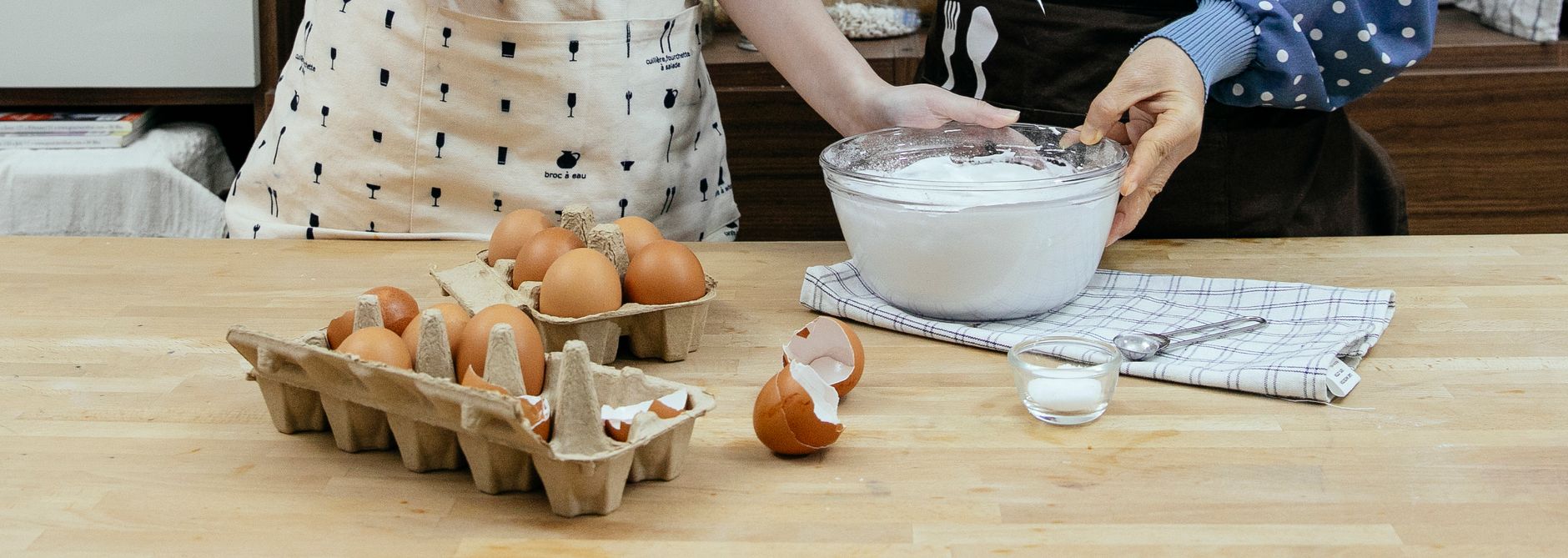
Egg whites contain the proteins most often linked to allergic reactions, such as ovomucoid. Because of this, many pediatricians advise waiting a few weeks after introducing yolks before offering whites.
A practical approach is:
- Week 1–2: Offer only yolk (well‑cooked).
- Week 3–4: Add a very small amount of fully cooked egg white (about a quarter teaspoon), mixed into a familiar puree.
- Observe your baby for any reaction over the next 48 hours.
If no symptoms appear, you can gradually increase the white portion by another teaspoon every few days, always keeping an eye on your child’s skin, breathing, and stool.
When you move to egg whites, keep the preparation simple—hard‑boiled or gently scrambled without added fats. The goal is to keep the protein intact while minimizing any potential irritants.
Egg protein content for infants
A single large egg contains roughly 6 grams of protein, split evenly between yolk and white. For a 6‑month‑old, a serving of about 1 gram of protein (approximately a teaspoon of cooked egg) is sufficient to provide valuable nutrients without overwhelming the digestive system.
That modest protein load also fits neatly into the broader recommendation that infants receive about 1.2 g of protein per kilogram of body weight per day.
Signs of egg allergy in infants
Egg allergy is one of the most common food allergies in early childhood. Early detection is key. Typical signs appear within minutes to a few hours after exposure and can range from mild to severe.
- Skin: Red, itchy hives or eczema flare‑ups around the mouth, face, or diaper area.
- Gastrointestinal: Vomiting, diarrhea, or abdominal cramps.
- Respiratory: Wheezing, coughing, or difficulty breathing.
- Systemic: Swelling of lips, tongue, or eyes; in rare cases, anaphylaxis.
For infants under one year, skin reactions and gastrointestinal upset are the most common presentations. If you notice any of these symptoms after offering eggs, stop feeding them immediately and contact your pediatrician.
Because babies can’t verbalize discomfort, a sudden change in mood—such as inconsolable crying or a “gagging” sound—can also be a clue that something isn’t right.
Egg allergy symptoms in babies under one year
Because babies cannot describe how they feel, parents must rely on observable cues. A sudden change in mood, excessive crying, or a rash that appears shortly after a feeding are red flags. Keep a log of what was eaten, the amount, and any reaction to help your provider pinpoint the cause.
Tips for preventing egg allergy in toddlers
- Introduce eggs early (around 6 months) while continuing breast‑feeding, which may have a protective effect.
- Offer both yolk and white gradually, as described above.
- Maintain a varied diet to promote overall tolerance.
- Consult your pediatrician if there is a strong family history of food allergies.
Research from the American College of Allergy, Asthma & Immunology (ACAAI) shows that regular exposure after the initial introduction further consolidates tolerance, especially when the child is still under two years old.
Best way to prepare eggs for a baby
Safety and nutrition go hand‑in‑hand when cooking eggs for infants. The goal is to eliminate any risk of salmonella while preserving the protein and essential vitamins.
Here are the top three preparation methods recommended by the AAP and the UK’s NHS:
Key preparation tips:
- Cook eggs until both yolk and white are fully set—no runny parts.
- Avoid adding salt, sugar, or strong spices.
- For added creaminess, blend the cooked egg with a little breast milk, formula, or unsweetened apple puree.
- Never serve raw or undercooked eggs, as they can carry salmonella (CDC).
Hard‑boiled eggs are especially convenient for on‑the‑go meals. After boiling, peel the egg, mash the yolk, and mix with a small amount of breast milk to achieve a smooth consistency suitable for a 6‑month‑old.
When you’re short on time, a quick microwave “scrambled” can work, but be sure to stir and test that the egg is fully set before serving.
When is it safe to give hard boiled eggs to a baby
Hard‑boiled eggs become safe once they are fully cooked (hard yolk and white) and cooled to a warm temperature. Always check that the egg is not cracked, as cracks can allow bacteria to enter.
Even after cooking, keep the egg refrigerated if you’re not serving it within two hours, and discard any leftovers after 24 hours.
How many eggs can a baby have per week?
Eggs are a nutrient‑dense food, providing high‑quality protein, vitamin D, choline, and selenium. However, moderation is important to avoid excessive cholesterol and to keep the overall diet balanced.
Current pediatric nutrition guidelines suggest offering 1 to 2 servings per week for infants 6‑12 months old. One serving equals about a quarter of a large egg (roughly a teaspoon of cooked yolk or white). This frequency supports growth without overloading the diet with a single food.
For toddlers (12‑24 months), the recommendation expands to 2‑3 servings per week, still keeping portion sizes modest—about a half‑egg per serving.
These guidelines come from the Academy of Nutrition and Dietetics, which emphasizes that variety is key for a well‑rounded infant diet.
Egg yolk vs egg white introduction timeline for babies
Because yolks are less allergenic, most clinicians advise starting with yolk at 6 months, then adding white after 2‑3 weeks if no reaction occurs. This staged approach gives the infant’s immune system a chance to develop tolerance.
Studies published in the Journal of Allergy and Clinical Immunology show that this incremental exposure reduces the odds of a persistent egg allergy by up to 30% compared with delayed introduction.
Egg yolk vs egg white introduction timeline for babies
Here’s a simple timeline you can follow:
Adjust the schedule based on your baby’s appetite and any family history of allergies. If a reaction occurs, pause the introduction and discuss next steps with your pediatrician.
Some parents find it helpful to keep a simple spreadsheet tracking the day, amount, and any observed reactions. This record can be invaluable if you later need to consult an allergist.
Can I give scrambled eggs to a 7‑month‑old?
Yes, scrambled eggs are an excellent option once your baby has tolerated both yolk and white separately. The key is to keep the texture soft and avoid any added salt or strong flavors.
To make scrambled eggs baby‑friendly:
- Whisk one egg (or a portion of a large egg) with a tablespoon of breast milk or formula.
- Cook over low heat, stirring constantly, until the mixture is just set—no liquid pockets.
- Let cool to body temperature, then mash gently with a fork or puree with a little extra milk.
This method yields a creamy texture that most 7‑month‑olds enjoy, and the gentle cooking preserves the nutrients.
If you want to add a splash of flavor, a pinch of mild cinnamon or a swirl of pureed fruit can make the meal more interesting without introducing unnecessary sodium.
Can eggs cause constipation in babies?
For most infants, eggs are not a common cause of constipation. However, if your baby’s diet becomes heavily reliant on low‑fiber foods, you might notice firmer stools. Pair eggs with fiber‑rich foods—like pureed peas or sweet potatoes—to keep bowel movements regular.
Staying hydrated is also important; offering a little water or breast milk between meals can help maintain soft stools.
Organic vs regular eggs for baby first foods
When choosing eggs, many parents wonder whether organic makes a meaningful difference. The main distinctions are:
- Organic eggs come from hens fed an organic diet without synthetic pesticides or antibiotics. They may have slightly higher omega‑3 fatty acids, according to a 2019 USDA study.
- Conventional eggs are safe and nutritionally comparable, meeting all FDA safety standards.
Both types meet the safety requirements for infant feeding as long as they are cooked thoroughly. If cost is a concern, conventional eggs are an excellent, budget‑friendly choice.
For families who prioritize environmentally friendly farming practices, organic eggs can align with broader values, but the nutritional gap is modest.
Introducing eggs to a baby with eczema
Eczema (atopic dermatitis) is a known risk factor for food allergies, including egg allergy. The AAP advises that infants with eczema can still be introduced to eggs early, but the process should be more cautious.
Steps for eczema‑prone babies:
- Start with a single teaspoon of well‑cooked yolk at 6 months.
- Observe for any eczema flare‑up or new skin lesions over the next 48 hours.
- If clear, add a tiny amount of white after an additional week.
- Consider speaking with a pediatric allergist for skin‑prick testing if your child has moderate‑to‑severe eczema.
Early introduction under medical supervision may actually help reduce the risk of a true egg allergy, according to a 2021 AAP position paper.
In practice, many families find that keeping a short “skin diary”—noting any redness, itching, or new patches—helps the pediatrician make an informed decision.
Common mistakes when introducing eggs
Even well‑meaning parents can slip up. Here are the most frequent errors and how to avoid them:
- Skipping the waiting period. Introducing yolk and white at the same time increases allergy risk. Follow the staged approach.
- Serving raw or undercooked eggs. This raises the chance of salmonella infection.
- Adding salt, sugar, or honey. Babies under 1 year should not consume added sweeteners or honey.
- Offering large portions. Start tiny and increase gradually; large servings can overwhelm the digestive system.
- Not monitoring for reactions. Keep a food diary for the first few weeks of any new food.
Another subtle mistake is using pre‑seasoned egg mixes marketed for adults. These often contain hidden salt or spices that are inappropriate for infants.
How eggs support iron and choline intake in infants
Eggs are more than just protein. The yolk contains highly bioavailable iron and choline, nutrients that are often low in early infant diets. Iron supports brain development and immune function, while choline is essential for memory formation and liver health.
Studies from the Academy of Nutrition and Dietetics show that a single egg yolk provides about 0.9 mg of iron—roughly 5 % of the daily requirement for a 6‑month‑old. Choline levels in an egg yolk (≈150 mg) can cover 30 % of the recommended intake for infants. Because these nutrients are better absorbed from animal sources than from plant foods, eggs can be a valuable addition to a balanced weaning plan.
If your baby is a picky eater, mixing a tiny amount of yolk into a fruit puree or oatmeal can boost iron and choline without altering flavor dramatically. Pairing the egg with a source of vitamin C (like pureed strawberries) further enhances iron absorption.
For families following a vegetarian diet, fortified cereals can complement eggs to meet iron needs, but the combination of egg yolk and vitamin C remains a simple, effective strategy.
Egg introduction for babies with a strong family history of allergies
When multiple close relatives have food allergies, asthma, or eczema, the infant’s risk of developing an egg allergy rises. The AAP recommends a slightly more supervised approach for these families.
Key steps include:
- Schedule a brief conversation with your pediatrician before the first egg offering.
- Consider having the introduction done at the clinic, where emergency medication (e.g., epinephrine auto‑injector) is readily available.
- Maintain a 3‑day observation window after each new exposure, noting any subtle skin changes or digestive upset.
- If a reaction occurs, the pediatrician may refer you to an allergist for formal testing and a personalized feeding plan.
Even with a family history, many babies tolerate eggs without issue. Early, regular exposure—under professional guidance—has been shown to reduce the likelihood of persistent allergy (NIAID, 2022).
When planning the first egg meal, bring a small, plain yogurt or breast milk to the clinic in case you need to soothe a mild stomach upset while waiting for the pediatrician’s advice.
Safe storage and handling of eggs for baby foods
Egg safety doesn’t end at cooking; how you store and handle eggs before preparation matters, especially for infants with immature immune systems. The FDA recommends keeping eggs refrigerated at ≤ 40 °F (4 °C) and using them within three weeks of the pack date.
When cracking an egg, wash your hands and the bowl with soap and hot water. If an egg cracks open and you notice an off‑odor or unusual appearance, discard it—salmonella can be present even in seemingly normal eggs.
For prepared egg dishes, store leftovers in a sealed container in the fridge and use them within 24 hours. Reheat gently until steaming hot before serving to a baby, and never refreeze previously thawed eggs.
One tip many parents find helpful: label the container with the date you cooked the eggs. That visual cue makes it easy to stay within the safe window.
Eggs and choking safety for infants
While eggs are soft when fully cooked, they can still pose a choking risk if served in large pieces. The American Academy of Pediatrics (AAP) advises that any solid food given to a baby younger than 12 months be mashed or pureed to a smooth consistency.
For eggs, this means mashing hard‑boiled yolk with a fork and mixing it with a little breast milk, formula, or water until you achieve a pudding‑like texture. Scrambled eggs should be cooked until very soft, then blended briefly.
Always supervise your baby while they eat, and keep a small, clean cloth or a baby‑friendly suction cup on hand in case of an emergency. If a piece becomes lodged, the infant Heimlich maneuver (back blows and chest thrusts) is the recommended first aid—learn it in a CPR class or ask your pediatrician for a quick refresher.
Myth vs. fact
Myth: Eggs must be avoided until a child is 2 years old to prevent allergies.
Fact: Early introduction (around 6 months) actually lowers the risk of developing an egg allergy, according to the AAP.
Myth: Only the egg white can cause an allergic reaction.
Fact: While egg whites contain the most allergenic proteins, some infants react to yolk proteins as well.
Myth: Organic eggs are required for babies.
Fact: Fully cooked conventional eggs are safe and nutritionally adequate for infants.
Key takeaways
- Start egg yolk at 6 months, wait 2‑3 weeks, then add egg white.
- Cook eggs until firm; hard‑boiled, scrambled, or poached are ideal.
- Begin with a teaspoon‑size portion and aim for 1‑2 servings per week.
- Watch for skin, GI, or respiratory signs of allergy; stop feeding and call your pediatrician if they appear.
- Babies with eczema can still try eggs, but do so gradually and under medical guidance.
- Organic eggs are optional; the most important factor is thorough cooking.
- Eggs provide iron and choline, nutrients that support brain development.
- Proper refrigeration and handling keep eggs safe for your little one.
- Always mash or puree eggs for infants under 12 months to reduce choking risk.
- Keep a simple food diary to track any reactions and share it with your healthcare provider.
Frequently asked questions
When can I start feeding my baby eggs?
You can begin offering eggs around 6 months of age, starting with fully cooked yolk only. Introduce the white a few weeks later if no reaction occurs.
What are the signs of an egg allergy in infants?
Look for hives, eczema flare‑ups, vomiting, diarrhea, wheezing, or swelling of the lips and eyes within a few hours of feeding. Any of these symptoms warrant stopping the egg and contacting your pediatrician.
Should I give egg yolk or whole egg first?
Start with yolk only. After a 2‑3‑week observation period, you can add a small amount of egg white, eventually progressing to whole egg once both parts are tolerated.
How should I cook eggs for a baby?
Choose methods that fully set both yolk and white—hard‑boiled, scrambled (no milk or butter), or poached. Avoid adding salt, sugar, or strong spices.
How many eggs can a baby safely eat per week?
For infants 6‑12 months, 1‑2 small servings (about a quarter‑to‑half teaspoon of cooked egg) per week is recommended. Toddlers can have 2‑3 servings weekly.
Can eggs cause constipation in babies?
Eggs alone rarely cause constipation. Pair them with fiber‑rich foods like pureed peas or apples to keep stools soft.
Is it okay to give my baby a scrambled egg at 7 months?
Yes—scrambled eggs are suitable once your baby has tolerated both yolk and white separately. Keep the texture soft and avoid added salt or strong seasonings.
Do I need to worry about salmonella if I feed my baby raw egg yolk?
Yes. Raw or undercooked eggs can harbor salmonella, which can be serious for infants. Always cook eggs until both yolk and white are firm, following FDA guidelines.
Can a baby with a dairy allergy still eat eggs?
Eggs are not a dairy product, so most babies with a dairy allergy can safely eat eggs. However, always observe for any new reaction when introducing a new food, and discuss with your pediatrician if you have concerns.
Should I use pasteurized eggs for my baby?
Pasteurized eggs are an extra safety step, especially for babies who may be at higher risk for infection. While fully cooking regular eggs eliminates salmonella, some parents prefer pasteurized eggs for added peace of mind. Check the label and follow the same cooking guidelines.
What if my baby has a known egg allergy—can they ever try eggs again?
If a confirmed egg allergy exists, most specialists recommend strict avoidance until a pediatric allergist conducts a supervised oral food challenge. Some children outgrow the allergy, but re‑introduction should only occur under medical supervision.
When to see a doctor or specialist
If your baby shows any of the following after eating eggs, seek medical attention promptly:
- Persistent vomiting or diarrhea lasting more than 24 hours.
- Severe hives, swelling of the lips, tongue, or face.
- Wheezing, difficulty breathing, or a sudden drop in activity level.
- Any signs of anaphylaxis (e.g., faintness, rapid heartbeat).
For mild skin reactions or gastrointestinal upset, call your pediatrician within the next day. If your child has a strong family history of food allergies, eczema, or asthma, you may be referred to an allergist or pediatric immunologist for further evaluation.
Remember, this article provides general information and is not a substitute for personalized medical advice. Always discuss new foods with your healthcare provider, especially if your baby has existing health concerns.
References
- American Academy of Pediatrics. “Early Introduction of Allergens.” AAP Clinical Report, 2020.
- National Health Service (UK). “Feeding your baby: solid foods.” NHS, 2022.
- U.S. Food and Drug Administration (FDA). “Egg Safety.” FDA Guidance, 2021.
- World Health Organization (WHO). “Infant and Young Child Feeding.” WHO, 2021.
- Harvard T.H. Chan School of Public Health. “Egg Nutrition.” Harvard Nutrition Source, 2023.
- American College of Allergy, Asthma & Immunology (ACAAI). “Food Allergy in Children.” ACAAIA, 2021.
- National Institute of Allergy and Infectious Diseases (NIAID). “Guidelines for the Diagnosis and Management of Food Allergy.” NIAID, 2022.
- Centers for Disease Control and Prevention (CDC). “Salmonella and Eggs.” CDC, 2022.
- Academy of Nutrition and Dietetics. “Iron and Choline in Infant Nutrition.” AND, 2023.
- National Institute of Allergy and Infectious Diseases (NIAID). “Early Food Introduction and Allergy Prevention.” NIAID, 2022.
- American Academy of Pediatrics. “Management of Eczema in Infants.” AAP Clinical Practice, 2021.
- American Heart Association. “Cholesterol in Infants.” AHA, 2020.