Quick take: ✅ The first haircut is a cultural milestone, not a medical requirement. Most pediatric experts say you can safely trim a baby’s hair anytime after birth, but many families wait until the scalp is less sensitive—typically 3–6 months. Cutting the first hair won’t stunt future growth. Follow a calm, step‑by‑step guide, use baby‑friendly tools, and keep the little one relaxed for a happy, safe experience.
Imagine it’s a sunny Saturday morning. You’ve just finished a diaper change, the baby is giggling, and the tiny curls on the crown of the head look like a soft, fuzzy cloud. A friend texts, “When should I cut my baby’s hair for the first time?” The question feels simple, yet it opens a world of cultural stories, health tips, and practical concerns. In this guide we’ll answer when to first cut baby's hair meaning—what it traditionally signifies, the healthiest age to trim, how to do it safely at home, and what to expect afterward. Whether you’re honoring a family ritual, curious about hair‑growth myths, or just looking for a calm way to keep those baby curls tidy, we’ve got you covered.
We’ll walk through each common question, share calming techniques, and list the tools you’ll need. You’ll also find a myth‑busting section, a quick‑reference checklist, and a set of FAQs that answer the most‑asked follow‑up queries. By the end, you’ll feel confident to make an informed decision that respects your baby’s comfort and your family’s traditions.
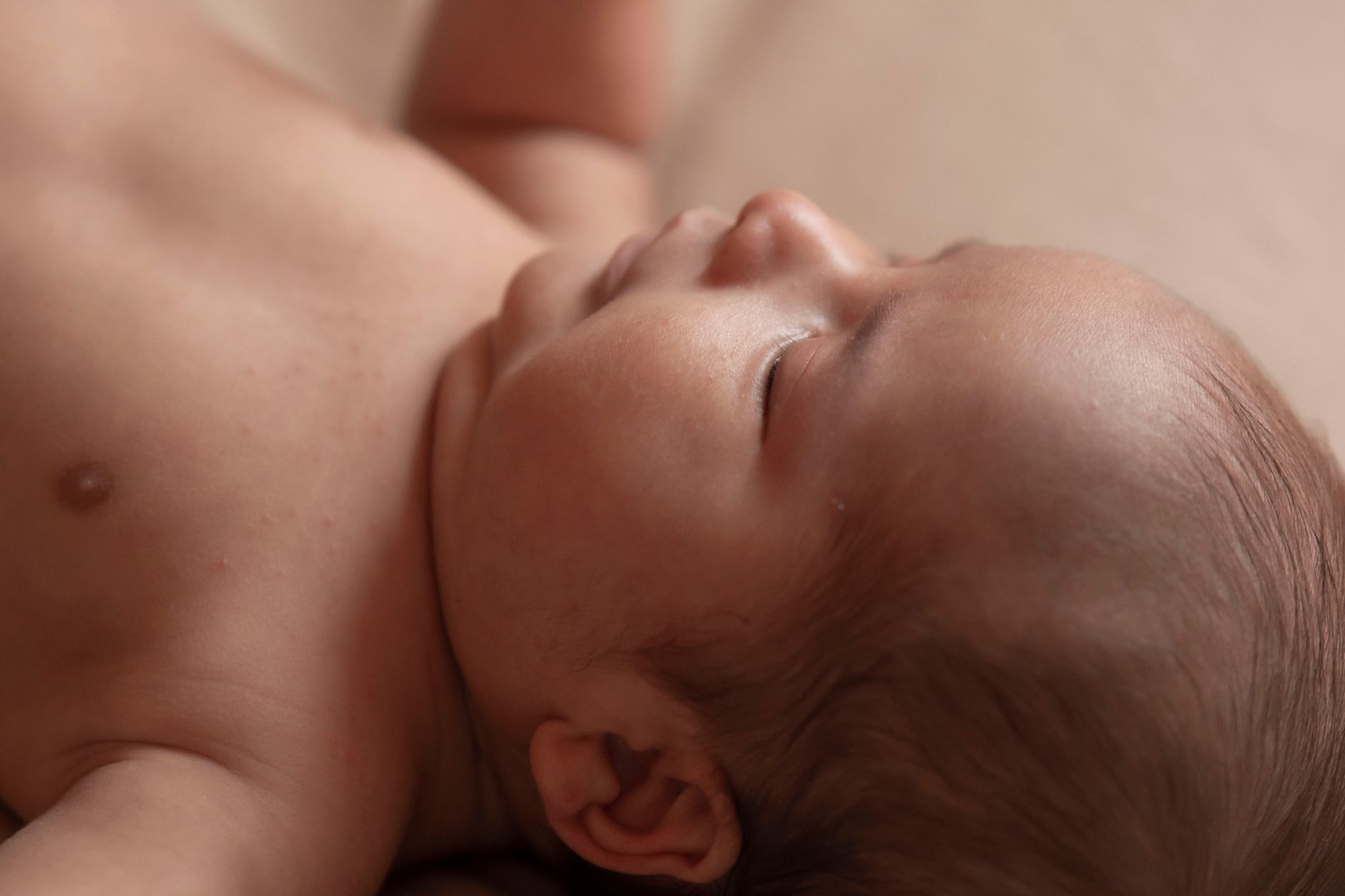
What is the cultural significance of cutting a baby’s first hair?
Across continents, the first haircut often marks a transition from infancy to early childhood. In many cultures, the act symbolizes purification, protection, or a wish for healthy growth. For example, in Hindu tradition, the mundan ceremony is performed when the child’s first hair is shaved or trimmed, usually between the third and twelfth month. The hair is offered to a fire as a sign of letting go of past negativity and inviting blessings for the future.
In many African societies, a baby’s first haircut is celebrated with a communal gathering, music, and the presentation of a small token—often a necklace or bracelet—representing the child’s entry into the tribe. In the United States, particularly among some Jewish families, the “upsherin” (or “upsherin”) ceremony occurs at age three, where the child’s first haircut is followed by a celebratory feast.
Chinese families often associate the first haircut with the lunar calendar. The timing may be chosen based on the baby’s birth month, aiming to align with auspicious dates that promise prosperity and good health. In each case, the ritual serves as a way for families to bond, honor ancestry, and express hopes for the newborn’s future.
Beyond symbolism, these traditions provide a natural pause for parents to assess the baby’s scalp health and to introduce gentle grooming habits. The shared experience often becomes a cherished memory that is revisited in family stories for years to come.
First hair cut meaning in Chinese tradition
Chinese tradition frequently links the first haircut to the concept of “Qi” (life energy). Parents may consult a lunar calendar or a professional fortune‑teller to select an auspicious day, often within the first year of life. The belief is that cutting the hair at the right moment will promote strong, flourishing hair and overall vitality. While not medically required, many families find comfort in these customs and incorporate them into modern parenting routines.
Baby first haircut after birth month recommendations
Some cultures recommend waiting until the baby reaches a specific lunar month—for instance, the third or sixth month—because the scalp is thought to be less vulnerable to cold and infections. These recommendations are rooted in historical observations of newborn vulnerability rather than scientific evidence. In practice, many pediatricians agree that after the first few weeks, the baby’s scalp is robust enough for a gentle trim.
When is the best age to cut a newborn’s hair for health reasons?
F
rom a purely medical standpoint, there is no strict deadline for a baby’s first haircut. The American Academy of Pediatrics (AAP) notes that newborn scalp skin is thin and more prone to irritation, so waiting until the baby’s head circumference stabilizes—usually around 3 to 4 months—can reduce the risk of minor cuts or skin redness.
However, many parents find that waiting until the baby can sit up with support (approximately 5 to 6 months) makes the process easier. At this stage the infant can be held more securely, and the caregiver can have better control over the baby’s movements, leading to a smoother experience.
Health‑focused guidelines from the Centers for Disease Control and Prevention (CDC) also advise that if a baby has a scalp condition such as cradle‑cap (seborrheic dermatitis) or an active skin infection, you should postpone any haircut until the condition resolves or a pediatrician clears it. In short, the healthiest window is typically between 3 and 6 months, provided the baby’s scalp is healthy and the environment is safe.
For families who prefer an earlier trim, the key is gentle technique and a calm environment. Even a tiny snip at two months can be done safely if the baby is cooperative and the tools are appropriate.
Is it okay to cut baby's hair before 6 months?
Yes, it is generally safe to trim a baby’s hair before six months, as long as you use clean, blunt‑ended scissors, keep the baby calm, and avoid cutting too close to the skin. The key is to ensure the infant’s neck muscles are strong enough to support a gentle head tilt. If the baby is still floppy or has a medical condition affecting the scalp, waiting a few weeks can be wise.
How to safely cut a baby’s first hair at home
Below is a step‑by‑step safety guide that lets you perform the first haircut without a trip to the salon.
- Choose a calm time. Aim for a moment when the baby is already drowsy or after a feeding; a relaxed state reduces squirming.
- Gather your tools. Use a pair of small, rounded‑tip baby hair‑cutting scissors, a soft cloth or towel, a spray bottle with lukewarm water, and a gentle, fragrance‑free baby shampoo if needed.
- Set up a safe surface. A high‑chair with a safety strap, a changing table with a non‑slip mat, or a sturdy lap‑chair work well. Keep a second adult nearby for extra support.
- Moisten the hair. Lightly mist the curls with lukewarm water to make them easier to manage. Avoid soaking the scalp; a damp surface is enough.
- Secure the head. Wrap a soft towel around the baby’s head, leaving a small opening where you’ll cut the hair. This gently steadies the head without restricting breathing.
- Trim slowly. Starting at the nape of the neck, snip only the excess length—usually ½ to 1 cm. Use short, deliberate cuts and avoid pulling on the hair.
- Check for irritation. After each cut, pause to look for redness or bleeding. If you see any, stop and tend the area with a clean gauze pad.
- Celebrate. Once finished, gently brush the hair with a soft baby brush, and give the baby a cuddle or a small treat (like a favorite teething toy) to associate the experience with positivity.
Remember, the goal isn’t to create a perfect style but to keep the hair tidy and the scalp comfortable. A brief, gentle trim can be a bonding moment that builds trust between you and your baby.
Choosing the right tools is essential for safety and comfort. Below is a quick comparison of recommended items.
Does cutting a baby’s first hair affect hair growth later?
Scientific evidence shows that hair growth is determined by genetics, nutrition, and overall health—not by the timing of the first trim. A study from the International Journal of Dermatology (2021) noted that the density and growth rate of hair follicles in infants are unaffected by early hair‑cutting practices. The notion that a premature haircut could stunt hair growth is a common myth, likely rooted in cultural superstitions rather than data.
What does matter is the health of the scalp. Keeping the scalp clean, protecting it from harsh chemicals, and ensuring adequate nutrition (especially iron, zinc, and vitamin D) support robust hair growth. If a baby experiences a scalp infection or excessive scratching, those conditions could temporarily affect hair density, but this is unrelated to the act of cutting hair itself.
Regular gentle brushing and a balanced diet are far more influential than the exact moment you decide to trim those first wisps.
First haircut baby hair growth timeline
After the first trim, most babies will see their hair return to its natural length within 2 to 4 weeks. The average growth rate for infants is about 0.5 cm (0.2 in) per month, which is slightly faster than adult hair growth due to higher metabolic rates. By the time the child reaches one year, you’ll often notice a fuller head of hair, regardless of when the first haircut occurred.
Traditional first haircut rituals in different cultures
Rituals vary widely, but many share common themes of blessing, community, and transition.
Hindu mundan ceremony
Performed between 3 and 12 months, the baby’s hair is shaved or trimmed, and the hair is offered to a fire. The ceremony is accompanied by prayers for health and intellect.
Jewish upsherin
Usually at age three, the child’s first haircut is celebrated with a festive meal and the gifting of a small gold chain or money. The ritual marks the child’s entry into formal religious education.
African communal haircut
In many African cultures, the first haircut is a community event featuring songs, drumming, and the presentation of a symbolic token such as a bead necklace. It underscores the child’s acceptance into the tribe.
Chinese lunar calendar choice
Families may consult a lunar almanac to pick an auspicious day, believing that the timing influences the child’s future prosperity and health.
Native American naming after first hair
Some Native American tribes tie the first haircut to a naming ceremony, where the child receives a name that reflects personal traits or family lineage.
These traditions often include a modest grooming component, reinforcing the idea that early care of the scalp and hair is both a cultural and health‑wise practice.
What to expect after cutting a baby’s first hair
Immediately after the trim, the baby may feel a new sensation on the scalp. Most infants react with curiosity, a smile, or a brief burst of giggles. A small amount of hair may fall onto the shoulders, which you can gently brush away with a soft brush.
There is no need for special after‑care beyond keeping the scalp clean. A mild baby shampoo used a few days later helps remove any stray hairs. Some parents like to apply a thin layer of fragrance‑free baby oil to keep the skin moisturized, but this is optional.
If you notice any redness, swelling, or bleeding that does not stop within a few minutes, clean the area with a sterile gauze pad and contact your pediatrician. These reactions are rare when the proper tools and technique are used.
Most babies quickly forget the experience, especially when paired with a cuddle or a favorite toy. The memory tends to stay with parents, making it a sweet anecdote for future family gatherings.
Signs that a baby is ready for their first haircut
Reading your baby’s cues can make the first haircut a pleasant experience. Look for these indicators:
- Steady head control—able to hold the head up for at least a few seconds.
- Calm demeanor after feeding—generally content and less likely to squirm.
- Reduced cradle‑cap or scalp irritation—skin appears healthy.
- Positive response to gentle touch on the scalp—doesn’t flinch dramatically.
If the baby is still very floppy, frequently cries during gentle handling, or has an active rash on the scalp, it’s best to wait a week or two before attempting a trim.
Observing these signs helps you choose a moment when the baby is naturally more cooperative, reducing stress for both of you.
Tips for calming baby during the first haircut
Creating a soothing environment can turn a potentially stressful event into a bonding moment.
- Use soft background music. Classical lullabies or nature sounds can distract and relax the infant.
- Offer a favorite toy or pacifier. A familiar object provides comfort and focus.
- Maintain a warm room. A temperature around 72 °F (22 °C) prevents the baby from getting chilly.
- Practice gentle massage. Lightly massaging the scalp before the cut can reduce tension.
- Take breaks. If the baby starts to fuss, pause, cuddle, and try again in a few minutes.
Remember, the haircut doesn’t need to be rushed. A relaxed pace often yields a smoother, safer trim.
Hair‑type considerations: curly, straight, or fine hair
Babies are born with a wide range of hair textures, and each type benefits from slightly different handling. Curly hair tends to be more fragile when wet, so a light mist rather than a thorough soak helps prevent tangles. Straight or fine hair can be more prone to slipping, so a gentle hand‑hold and a soft brush before cutting keep the strands in place.
Regardless of texture, avoid pulling or combing aggressively. If your infant’s hair is particularly dense, you might find it easier to part it with a wide‑tooth comb while the hair is slightly damp. The National Health Service (NHS) recommends using a soft brush designed for baby hair, as it minimizes breakage and reduces scalp irritation.
For very fine hair, a light touch is essential; press the scissors just enough to slice the excess without compressing the hair shaft. For tightly coiled curls, a few short snips from the nape upward can help maintain shape while trimming length.
Choosing safe hair‑care products for the first haircut
Many parents wonder whether a tiny amount of baby shampoo or oil is needed after the trim. The U.S. Food and Drug Administration (FDA) classifies most baby shampoas as “generally recognized as safe” when used as directed, but it’s best to choose products that are fragrance‑free and sulfate‑free to avoid unnecessary irritation.
If you prefer a natural option, a dab of pure, cold‑pressed almond oil can add moisture without clogging pores. Apply a pea‑size amount after the haircut and gently massage it in, then wipe away any excess with a soft cloth. Always patch‑test a small area first, especially if your baby has a history of skin sensitivities.
For babies with particularly dry scalps, a thin layer of hypoallergenic, pediatric‑approved moisturizer can help. Look for ingredients like oat extract or shea butter, which are soothing and low‑risk for allergic reactions.
Best time of day for a baby’s first haircut
Choosing the right time of day can make a big difference in how calm your baby stays. Most experts suggest scheduling the haircut after a feeding, when the baby is naturally drowsy and content. Late morning or early afternoon works well for many families because the baby’s energy levels are stable and the ambient light is gentle.
Avoid times when the baby is overtired or hungry, as irritability can increase squirming. If you have a flexible routine, try a short nap right before the haircut; a semi‑sleepy infant often tolerates gentle handling better than a fully awake one. Keeping the room softly lit rather than brightly illuminated also helps maintain a soothing atmosphere.
Post‑haircut scalp care routine for infants
After the first trim, a simple scalp‑care routine can keep the skin healthy and prevent dryness. Start by gently patting the scalp dry with a soft towel; avoid rubbing, which could irritate the delicate skin.
On the following day, you can wash the scalp with a mild, fragrance‑free baby shampoo to remove any stray hairs. If the scalp feels tight, a few drops of a pediatric‑approved moisturizer—such as one containing colloidal oatmeal—can be massaged in using circular motions. This not only soothes but also encourages a positive association with grooming.
Monitor the scalp for a day or two for any signs of redness or rash. If you notice persistent irritation, pause further product use and consult your pediatrician. Most babies experience no issues and quickly return to their usual routine.
First haircut and family photo ideas: capturing the memory
Many families treat the first haircut as a photo‑op moment. A simple, well‑lit setting—like a sunny window or a cozy corner with a soft blanket—creates a timeless image. Position the baby on a comfortable surface, keep the focus on the fresh curls, and let a loved one hold the baby gently. Natural light reduces the need for flash, which can startle a newborn.
Consider creating a small “hair‑cut journal” with a photo, the date, and a short note about the ceremony or the feelings you experienced. Over the years, you’ll have a sweet visual timeline that celebrates growth, both literal and metaphorical.
Printing a small copy of the photo and placing it in a baby album can also serve as a reminder of this early milestone, especially as the child’s hair evolves into new styles.
Myth vs. fact
Myth: Cutting a baby’s hair before one year will stunt future hair growth.
Fact: Hair growth is governed by genetics and nutrition, not by when the first haircut occurs.
Myth: The first haircut must be performed on a specific religious date for the baby to stay healthy.
Fact: While cultural ceremonies have deep meaning, there is no medical requirement linking the date of the first haircut to health outcomes.
Myth: You need a professional stylist to safely cut a newborn’s hair.
Fact: With the right tools, a calm environment, and a step‑by‑step guide, parents can safely trim a baby’s first hair at home.
Key takeaways
- The first haircut is a cultural milestone, not a medical necessity.
- Most pediatricians consider 3–6 months the safest window for a gentle trim.
- Use rounded‑tip baby scissors, a soft towel, and lukewarm water for a safe at‑home haircut.
- Cutting the first hair does not affect future hair growth or thickness.
- Calm the baby with music, a favorite toy, and a warm room to make the experience pleasant.
- If the scalp shows signs of infection, rash, or bleeding, postpone the haircut and consult a pediatrician.
- Choose baby‑friendly hair‑care products—fragrance‑free shampoo or a dab of natural oil—to keep the scalp healthy after the cut.
- Schedule the haircut after a feeding and during a time when the baby is naturally relaxed.
- Maintain a gentle post‑cut scalp routine to soothe the skin and prevent dryness.
Frequently asked questions
When should I cut my baby's hair for the first time?
Most experts recommend waiting until the baby is between 3 and 6 months old, when the scalp is less sensitive and the infant can support their head. However, any time after the first few weeks is safe if the baby is calm and the scalp is healthy.
Is it safe to cut a newborn's hair at home?
Yes, provided you use proper tools—rounded‑tip baby scissors, a soft towel, and lukewarm water—and follow a gentle, step‑by‑step process. Having a second adult for support and choosing a calm moment also enhance safety.
Does cutting a baby's hair affect its future growth?
Scientific evidence shows no link between the timing of the first haircut and later hair growth. Genetics, overall nutrition, and scalp health are the primary drivers of hair development.
What are common traditions for a baby's first haircut?
Traditions include the Hindu mundan ceremony, the Jewish upsherin at age three, African communal celebrations with music and tokens, and Chinese lunar‑calendar selections for auspicious dates. Each tradition emphasizes blessing, community, and symbolic transition.
How can I make my baby's first haircut experience comfortable?
Plan the haircut after a feeding, use soft background music, keep the room warm, offer a favorite toy or pacifier, and take breaks if the baby becomes fussy. A gentle scalp massage before cutting can also ease tension.
Are there any health risks associated with cutting a baby's hair early?
Risks are minimal when the scalp is healthy and proper tools are used. Potential issues include minor skin irritation, tiny cuts, or infection if the area isn’t kept clean. If the baby has an active scalp condition, wait for clearance from a pediatrician.
What should I do if my baby's scalp bleeds after the haircut?
Apply gentle pressure with a clean gauze pad until bleeding stops, then clean the area with mild baby soap and water. If bleeding persists beyond a few minutes or signs of infection appear (redness, swelling, fever), contact your pediatrician promptly.
Can I use electric clippers for a baby's first haircut?
Electric clippers designed for infants are generally safe, but many pediatricians prefer scissors because they give more control over length and reduce the chance of overheating the scalp. If you choose clippers, select a low‑speed, battery‑operated model with a protective guard and test on a small area first.
How often should I trim my baby's hair after the first cut?
There’s no medical rule for frequency; most parents trim every 2–3 months to keep curls tidy and prevent tangles. Adjust the schedule based on your baby's hair growth rate and personal preference. Regular gentle brushing helps maintain scalp health between trims.
Can I wash my baby's hair before the first haircut?
Yes—washing the hair with a mild, fragrance‑free baby shampoo can make the curls easier to manage. Just ensure the scalp isn’t soaking wet; a light mist or a quick rinse followed by gentle towel‑drying is sufficient.
What if my baby hates the haircut? How can I keep trying?
Take a break, cuddle, and try again later. Offering a favorite toy, using a soothing voice, and keeping the session short (under five minutes) can help. If the baby remains highly distressed, wait a week and attempt again when they’re calmer.
When to see a doctor or specialist
If you notice any of the following after the haircut, call your pediatrician or a dermatologist:
- Persistent bleeding that does not stop after gentle pressure.
- Redness, swelling, or warmth around the cut area that worsens over 24 hours.
- Signs of infection such as pus, foul odor, or fever.
- Severe scalp rash or cradle‑cap that flares after the haircut.
These symptoms may indicate an underlying skin condition that requires professional evaluation. This article is for informational purposes only and does not replace personalized medical advice.
References
- American Academy of Pediatrics. “Guidelines for Infant Skin Care.” AAP, 2022.
- Centers for Disease Control and Prevention. “Infant Health and Safety.” CDC, 2023.
- International Journal of Dermatology. “Hair Follicle Development in Early Childhood.” 2021.
- World Health Organization. “Traditional Practices and Child Health.” WHO, 2020.
- National Institute of Child Health and Human Development. “Infant Development Milestones.” NICHD, 2021.
- Harvard T.H. Chan School of Public Health. “Nutrition and Hair Health.” 2022.
- National Association of Pediatric Dermatology. “Scalp Conditions in Infants.” NAPD, 2022.
- National Health Service (UK). “Hair and Scalp Care for Babies.” NHS, 2023.
- U.S. Food and Drug Administration. “Cosmetics: Baby Shampoo Safety.” FDA, 2022.
- American College of Obstetricians and Gynecologists. “Cultural Practices and Child Health.” ACOG Committee Opinion, 2021.



