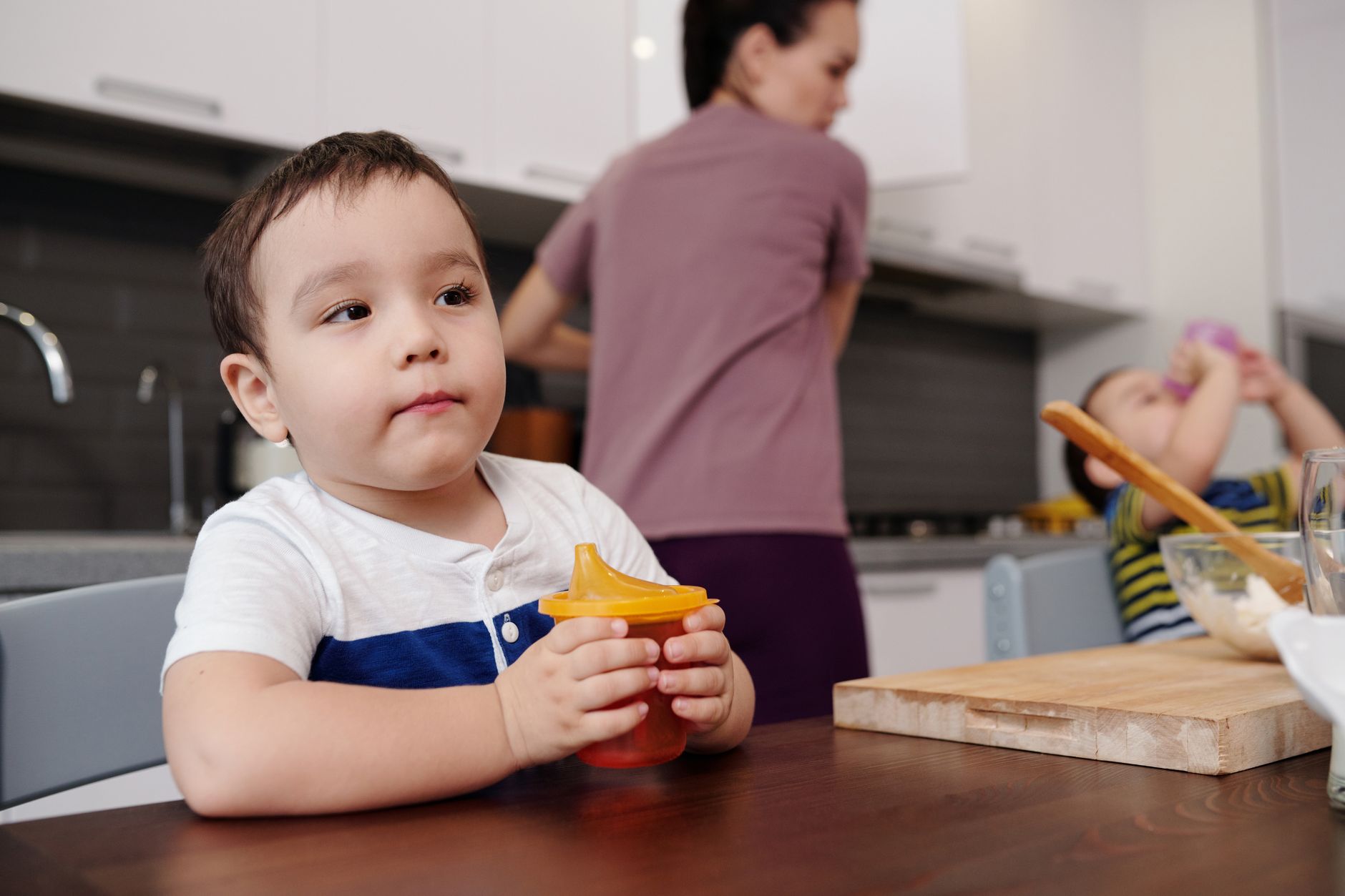
Recognizing readiness helps you avoid frustration for both you and your little one. Below is a readiness checklist you can use during routine check‑ups or while observing playtime.
- Sits independently for at least 10 minutes.
- Shows interest in what you’re drinking (reaches for your cup or watches closely).
- Can grasp small objects with thumb and fingers (pincer grasp).
- Attempts to bring objects to their mouth.
- Closes lips around a bottle nipple without spilling.
- Demonstrates tongue movement that can create a seal around a cup rim.
When you see three or more of these signs, it’s a strong cue that your baby is developmentally prepared. If you’re unsure, talk to your pediatrician, who can assess oral‑motor skills and give personalized advice.
Many parents also notice a subtle shift in appetite: the baby may start to prefer “real” drinks over formula, especially when they see you enjoying water or juice. This natural curiosity often signals that the cup will be a welcome new tool.
How to introduce a sippy cup to a 6‑month‑old
Even at 6 months, a baby can start exploring a cup. The key is to keep the experience low‑pressure and playful.
Step‑by‑step guide
- Choose a soft‑spout sippy cup. Look for a cup with a silicone or soft plastic spout that mimics the feel of a bottle nipple.
- Fill with a familiar liquid. Use breast milk, formula, or water—something your baby already enjoys.
- Demonstrate. Sit side‑by‑side, take a sip, then hand the cup to your baby while saying, “Here’s your drink.”
- Let them explore. Allow the baby to sip, splash, and even drool. Celebrate any attempt with a smile.
- Offer frequently. Place the cup at mealtimes, after naps, and during playtimes—about 2–3 times a day.
- Gradual reduction. After a week, replace one daily bottle with a cup session, then increase as confidence grows.
Patience is essential. Some babies may take a few days to master the sipping motion. If they seem frustrated, pause for a day and try again later.
For families who prefer a more natural feel, a glass or stainless‑steel cup with a silicone lid can be an alternative, provided the baby can handle the weight. The FDA’s guidance on BPA‑free materials (2022) assures that these options are safe for infants.
Tips for a smooth bottle to cup transition
Transitioning doesn’t have to be a battle. Below are evidence‑based tips that many parents have found helpful.
- Keep the routine consistent. Offer the cup at the same times you’d normally give a bottle.
- Mix it up. Alternate between a bottle and cup for the first two weeks, then gradually phase out the bottle.
- Use positive reinforcement. Cheerful words (“Great sip!”) and gentle clapping encourage continued effort.
- Avoid pressure. If your baby refuses, step back for a day and try again.
- Stay hydrated. Offer water in the cup to keep fluid intake steady, especially if you’re cutting back on formula.
- Model behavior. Let your child see you drinking from a cup; mimicry is a powerful learning tool.
These strategies align with the AAP’s recommendation to make the cup a “positive, enjoyable experience” rather than a forced task.
Remember that every child’s pace is different. If your baby seems to enjoy the cup but still wants a bottle for comfort, consider a “dual‑feeding” approach for a few weeks. This can ease the emotional side of the transition while still building cup skills.
Common challenges when dropping the bottle
Even with a clear plan, you may encounter hurdles. Here’s how to navigate them.
- Refusal to sip. Some babies reject the new texture. Try a different spout material (silicone vs. plastic) or a slightly warmer liquid.
- Spill anxiety. Mess can feel overwhelming. Use a spill‑proof cup and place a waterproof mat under the high chair.
- Increased crying. A brief surge in fussiness is normal. Keep soothing routines (rocking, singing) consistent.
- Regression. A stressful change (e.g., moving homes) can cause a baby to revert to the bottle. Offer extra comfort and re‑introduce the cup gently.
Remember, setbacks are part of learning. If challenges persist beyond a month, consider discussing them with your pediatrician to rule out oral‑motor issues.
In some cases, a child’s temperament may make the transition slower. For highly sensitive toddlers, offering a cup with a familiar scent (like a dab of breast milk on the rim) can provide a soothing cue.
How long does the bottle to cup transition take?
Timing varies, but most families complete the switch within 2–4 weeks after introducing the cup. The AAP notes that a gradual approach—replacing one bottle per day—helps maintain hydration while building confidence.
Factors influencing duration include:
- Age at start. Younger infants may need more time to master the sipping motion.
- Personality. Some toddlers are natural explorers; others are cautious.
- Consistency. Regular offering of the cup accelerates learning.
If you find the process extending beyond a month, revisit the readiness checklist and ensure the cup type matches your child’s developmental stage.
For families with multiple children, note that siblings often pick up the skill faster after watching an older brother or sister succeed. This “social learning” can shave a few days off the timeline.
Best cups for toddlers learning to drink
Choosing the right cup can make or break the transition. Below is a comparison of the most popular cup styles, based on recommendations from the AAP and NHS.
For a 9‑month‑old, a hard‑spout sippy cup is often the sweet spot—soft enough to be manageable but firm enough to encourage proper tongue movement.
When selecting a cup, also consider material safety. BPA‑free plastics, silicone, and stainless steel are all endorsed by the FDA (2022) as safe for infants.
How to wean a toddler off the bottle without tantrums
Tantrums are a common fear, but they’re usually manageable with a calm, consistent approach.
Three‑phase weaning plan
- Phase 1 – Introduce the cup. Offer the cup at one feeding per day, preferably the one your child is least attached to (e.g., midday snack).
- Phase 2 – Replace a second bottle. After a week, swap another bottle for the cup. Celebrate each success with praise, not treats.
- Phase 3 – Full bottle phase‑out. Within two weeks, the cup should replace the remaining bottle. If a tantrum erupts, stay calm, acknowledge feelings (“I see you’re upset”), and gently redirect to the cup.
Key to success is keeping the environment low‑stress. Offer a favorite toy or read a short story while the cup is in use. If your toddler asks for the bottle, acknowledge the request, then remind them of the cup (“You can have your cup now, just like big kids”). Consistency will gradually reduce the demand for the bottle.
Should a tantrum become prolonged, it can be helpful to give your child a “transition object,” such as a soft blanket, that they can hold while learning the new drinking routine.

Benefits of switching from bottle to cup for infant oral development
Research from the American Academy of Pediatric Dentistry highlights several oral‑health benefits:
- Reduced risk of tooth decay. Prolonged bottle use, especially with sugary liquids, can cause “baby bottle tooth decay.” Cups promote smaller, more controlled sips.
- Improved palate shape. Sucking on a bottle nipple can flatten the upper palate; drinking from a cup encourages a more natural arch.
- Better tongue coordination. Cup drinking requires the tongue to press against the palate, strengthening muscles needed for speech.
Beyond oral health, transitioning supports self‑regulation, hand‑eye coordination, and independence—key milestones for toddlers.
In addition, studies from the National Institute of Dental and Craniofacial Research (2021) suggest that early cup use is associated with earlier acquisition of clear speech sounds, such as “s” and “t.” This underscores how a simple drinking tool can influence communication development.
How to prevent nipple confusion during bottle to cup transition
Nipple confusion occurs when a baby’s sucking pattern is disrupted, potentially affecting breastfeeding. To minimize this risk:
- Maintain consistent breastfeeding. Offer the breast first before introducing a cup.
- Choose a cup with a soft spout. This mimics the feel of a breast nipple and eases the shift.
- Limit bottle use. Keep bottle feeds to a maximum of 4 ounces per session and no more than 2–3 times a day after 6 months.
If you notice your baby becoming fussy at the breast after a cup session, pause the cup for a day and focus on skin‑to‑skin nursing.
The American College of Obstetricians and Gynecologists (ACOG) notes that maintaining a strong latch and responsive feeding schedule can further protect against nipple confusion, especially during the first six months of life.
What type of cup is best for a 9‑month‑old?
For a 9‑month‑old, the AAP recommends a hard‑spout sippy cup with a silicone or soft plastic spout that can be removed as the child matures. Look for features such as:
- Ergonomic handles sized for tiny fingers.
- Leak‑proof design to reduce mess.
- Easy‑to‑disassemble parts for thorough cleaning.
Brands that meet these criteria often receive the “Best for Babies” seal from pediatric consumer groups.
When shopping, also verify that the cup is labeled BPA‑free and meets FDA safety standards. A quick glance at the product label can save you from inadvertently buying a cup with hidden chemicals.
How many ounces should a toddler drink from a cup per day?
Fluid needs vary with age, weight, and activity level. The CDC suggests the following daily fluid intake from cups (excluding breast milk or formula):
Offer water between meals and continue breast milk or formula as the primary source of nutrition until the toddler’s diet broadens.
Remember that thirst cues may be subtle. Look for dry lips, fewer wet diapers, or a decrease in playful activity as signs your child may need more fluids.
Can a baby still use a bottle after starting a cup?
Yes. Many pediatricians endorse a “dual‑feeding” approach for the first few weeks: the bottle remains for nighttime feeds or comfort‑feeding, while the cup is used during daytime meals. This overlap can smooth the transition and prevent sudden withdrawal stress.
Key guidelines:
- Limit nighttime bottle feeds to under 4 ounces.
- Avoid sugary drinks in the bottle.
- Gradually reduce bottle frequency as the cup becomes the primary drinking tool.
Keeping a consistent bedtime routine—such as a lullaby, a gentle rocking, and a brief cuddle—can help your baby feel secure, even as the bottle’s role diminishes.
When to introduce a straw cup for toddlers
Straw cups are generally introduced at 12–15 months, once the child can sit upright, hold a cup, and coordinate sucking. The AAP notes that straw cups can aid in developing oral‑motor skills needed for speech and may reduce the risk of ear infections linked to bottle feeding.
Start with a short, wide straw and a small amount of water. Demonstrate the sucking motion and let the child practice. Expect some spills—this is part of the learning curve.
For children who have difficulty with the suction action, a “soft‑spout” straw cup can be a gentler stepping stone before moving to a traditional straw design.
How to clean a sippy cup properly
Proper sanitation prevents bacterial growth, especially when the cup is used for formula or milk.
- Disassemble immediately. Separate the lid, spout, and any silicone pieces.
- Rinse with warm water. Remove residue.
- Use a bottle brush. Scrub the interior and spout.
- Sanitize. Place parts in the top rack of a dishwasher or boil for 5 minutes.
- Air‑dry completely. Store with the lid off to avoid moisture buildup.
If the cup is made of BPA‑free plastic, avoid microwaving, which can warp the spout and create hidden crevices.
Some parents find a quick‑soak in a solution of one part white vinegar to three parts water effective for removing stubborn milk stains. Rinse thoroughly afterward.
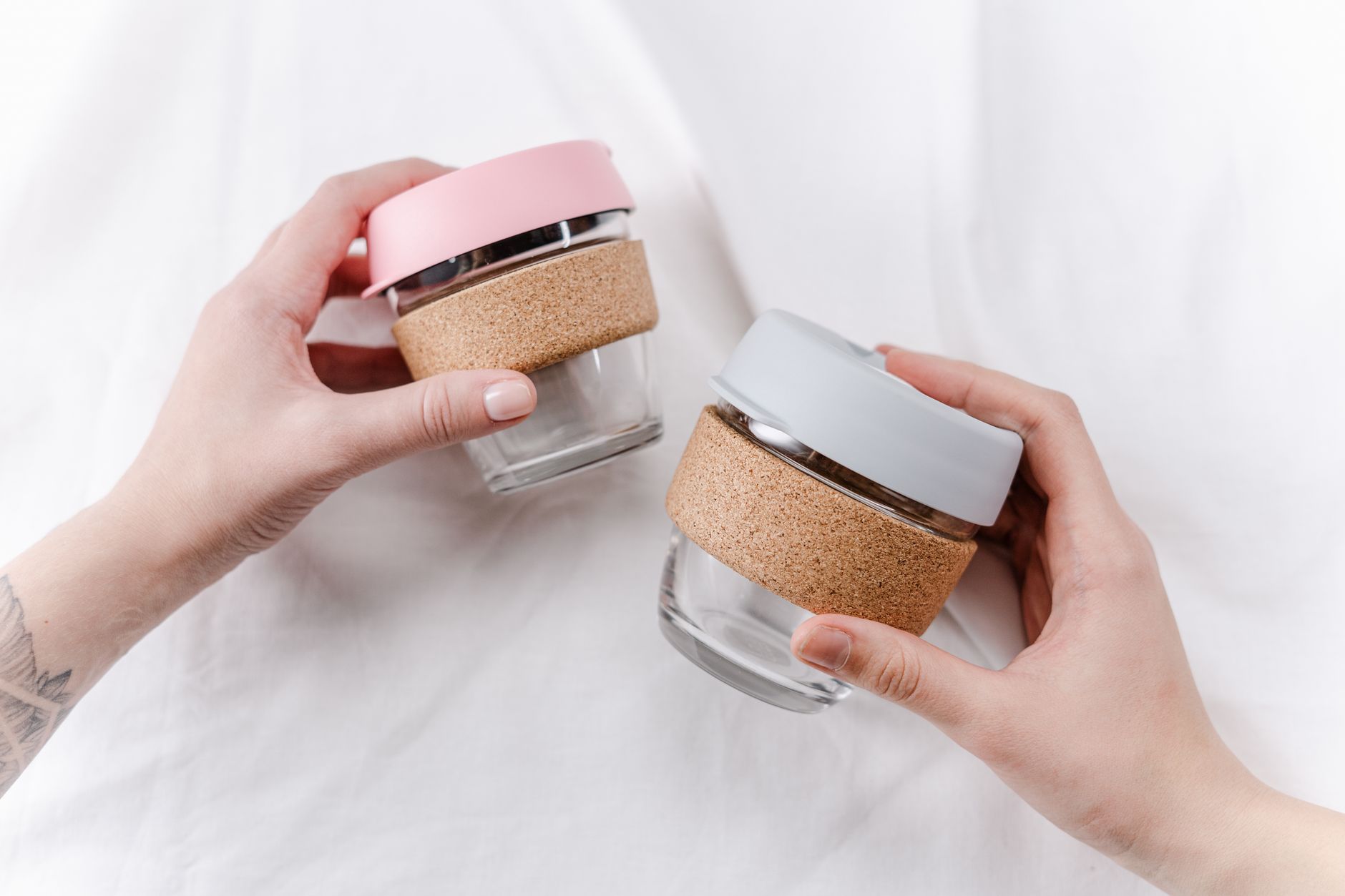
Choosing the right cup material: plastic, silicone, glass, or stainless steel?
The material of the cup can affect safety, durability, and the child’s willingness to use it. Here’s a quick guide:
- Plastic (BPA‑free): Light, inexpensive, and shatter‑proof. Look for BPA‑free certification from the FDA (2022) to avoid hormone‑disrupting chemicals.
- Silicone: Soft, flexible, and often used for spouts. Silicone is heat‑resistant and easy to clean, making it a good choice for younger infants.
- Glass: Free of chemicals and offers a clear view of the liquid. However, it is heavier and can break if dropped.
- Stainless steel: Extremely durable and keeps drinks cool or warm. Some models come with a silicone sleeve for a better grip.
For everyday use, a BPA‑free plastic cup with a silicone spout balances safety and convenience. If you’re concerned about chemicals, stainless steel or glass cups provide an alternative, but you’ll need to supervise closely to avoid breakage.
International guidelines from Health Canada (2021) and the European Food Safety Authority (EFSA, 2022) similarly endorse BPA‑free plastics and silicone as safe for infants when used as directed.
Transitioning for toddlers with sensory sensitivities
Some children experience sensory processing challenges that make the texture of a cup feel uncomfortable. Here are gentle strategies recommended by occupational therapists:
- Gradual exposure: Let the child explore the cup with their hands before introducing liquid.
- Temperature control: Offer lukewarm water rather than cold, as extreme temperatures can be overwhelming.
- Texture matching: Choose a cup with a smooth silicone spout if the child dislikes hard plastic.
- Visual cues: Use a brightly colored cup that the child can easily see, reducing anxiety about the unknown.
When possible, involve a pediatric occupational therapist who can tailor a sensory‑friendly plan. The American Occupational Therapy Association (AOTA) stresses that a patient‑centered approach reduces resistance and promotes confidence.
Patience is key. Allow extra time for each step, and celebrate tiny victories—like simply holding the cup—even if the child doesn’t sip right away.
Travel tips for bottle‑to‑cup transition
Outings can test your new routine. Keep these portable strategies on hand:
- Pack a spill‑proof cup. Look for models with sealed lids that prevent leaks in a diaper bag.
- Bring a small water bottle. If you’re at a park, a reusable bottle can double as a cup for your toddler.
- Use a travel sleeve. A silicone sleeve adds grip and protects the cup if it falls.
- Carry a cleaning cloth. A quick wipe can keep the spout clean between drinks.
Planning ahead reduces stress for both parent and child. If a public restroom isn’t nearby, a disposable paper cup can serve as a temporary backup—just be sure to transition back to the familiar cup at home.
According to the CDC’s travel safety guidelines (2023), maintaining hydration on the go is especially important for toddlers, who can become dehydrated quickly in warm weather.
Myth vs. fact
Myth: All babies must be fully weaned off the bottle by 12 months or they’ll develop speech delays.
Fact: While early weaning supports oral development, many children transition successfully between 12 and 15 months without negative speech outcomes. Consistent practice with a cup is the key factor.
Myth: Straw cups are too complicated for a 12‑month‑old.
Fact: Modern straw cups designed for toddlers have wide, short straws that most children can master with a few guided attempts.
Myth: Once you start a cup, you must abandon the bottle entirely.
Fact: A hybrid approach—using a cup for daytime meals and a bottle for nighttime comfort—is a safe, evidence‑backed method endorsed by the AAP.
Key takeaways
- Most babies are ready for a cup between 6 and 12 months, once they can sit up and show interest.
- Look for readiness signs—sitting upright, grasping objects, and watching you drink.
- Start with a soft‑spout sippy cup; graduate to hard‑spout, straw, then open cups as skills grow.
- Introduce the cup gradually, replace one bottle at a time, and stay patient.
- Maintain proper cleaning to prevent bacterial growth.
- If your child shows persistent refusal or oral‑motor concerns, consult a pediatrician or pediatric dentist.
Frequently asked questions
When can I start giving my baby a cup instead of a bottle?
You can begin offering a cup as early as 6 months if your baby can sit up, shows interest in what you’re drinking, and can grasp a cup. The transition typically finishes by 12–15 months.
How do I know if my child is ready to give up the bottle?
Check for developmental milestones like independent sitting, a pincer grasp, and the ability to close lips around a cup rim. If three or more signs are present, your child is likely ready.
What are the signs that a baby is ready for a cup?
Key signs include sitting without support, reaching for your cup, attempting to bring objects to the mouth, and demonstrating tongue movement that can seal around a cup rim.
Is it okay to use a regular cup instead of a sippy cup?
Yes, many toddlers can transition to an open trainer cup once they have good hand‑eye coordination, usually around 12–18 months. Start with a small amount of liquid and a steady hand, and be prepared for spills.
How long does it typically take to transition from bottle to cup?
With consistent daily offering, most families complete the switch within 2–4 weeks. Some children may need a month or more, especially if they’re strongly attached to the bottle.
Can a child still be weaned from the bottle after starting a cup?
Yes. A hybrid approach—using the cup for daytime meals and the bottle for nighttime comfort—allows a gradual wean. Reduce bottle frequency each week until it’s no longer needed.
What if my toddler prefers a bottle for comfort at night?
Nighttime comfort feeding is common. Keep the bottle to a low‑volume, low‑sugar option (plain breast milk or formula) and use a slow‑flow nipple. Gradually replace the nighttime bottle with a soothing bedtime routine—song, cuddle, and a dim night‑light—to wean off the bottle over several weeks.
When to see a doctor / specialist
Although most transitions are straightforward, watch for these red‑flag signs:
- Persistent refusal to drink from any cup after 4 weeks.
- Signs of oral‑motor difficulty, such as difficulty forming a seal or excessive drooling.
- Weight loss or inadequate fluid intake (less than 4 oz per day for a 6‑month‑old).
- Repeated ear infections that may be linked to prolonged bottle use.
If any of these appear, schedule an appointment with your pediatrician or a pediatric dentist. They can assess oral‑motor development and provide tailored guidance.
This article is for informational purposes only and does not replace personalized medical advice. Always consult your health care provider for concerns specific to your child.
References
- American Academy of Pediatrics. “Infant Feeding and Development.” AAP, 2023.
- National Health Service (UK). “Introducing the cup.” NHS, 2022.
- American Academy of Pediatric Dentistry. “Bottle‑feeding and Tooth Decay.” AAPD, 2021.
- Centers for Disease Control and Prevention. “Childhood Fluids.” CDC, 2023.
- World Health Organization. “Infant and Young Child Feeding.” WHO, 2022.
- Food and Drug Administration. “BPA‑free plastics and safety.” FDA, 2022.
- American College of Obstetricians and Gynecologists. “Breastfeeding and Nipple Confusion.” ACOG, 2023.
- American Occupational Therapy Association. “Sensory‑friendly feeding strategies.” AOTA, 2021.
- Centers for Disease Control and Prevention. “Travel safety for children.” CDC, 2023.